Tag: where do silverfish come from

  • What Do Silverfish Eat? Everything You Need to Know

    What Do Silverfish Eat? Everything You Need to Know

    Silverfish probably is not the first home invader that comes to your mind when you think about the unwelcome household pests. However, these tiny silvery bugs are surprisingly prevalent in the United States and they can create much more harm than you would think. Unless you have lived under a rock, had the good fortune of not encountering a silverfish and sat on the fence asking yourself What Do Silverfish Eat, then this comprehensive guide on silverfish is what you need. In this post, you will find out what attracts these bugs, issues that they cause, their sources, the best alternative to eliminate silverfish, and why dealing with these unwanted guests is important.

    What Do Silverfish Eat? A Closer Look

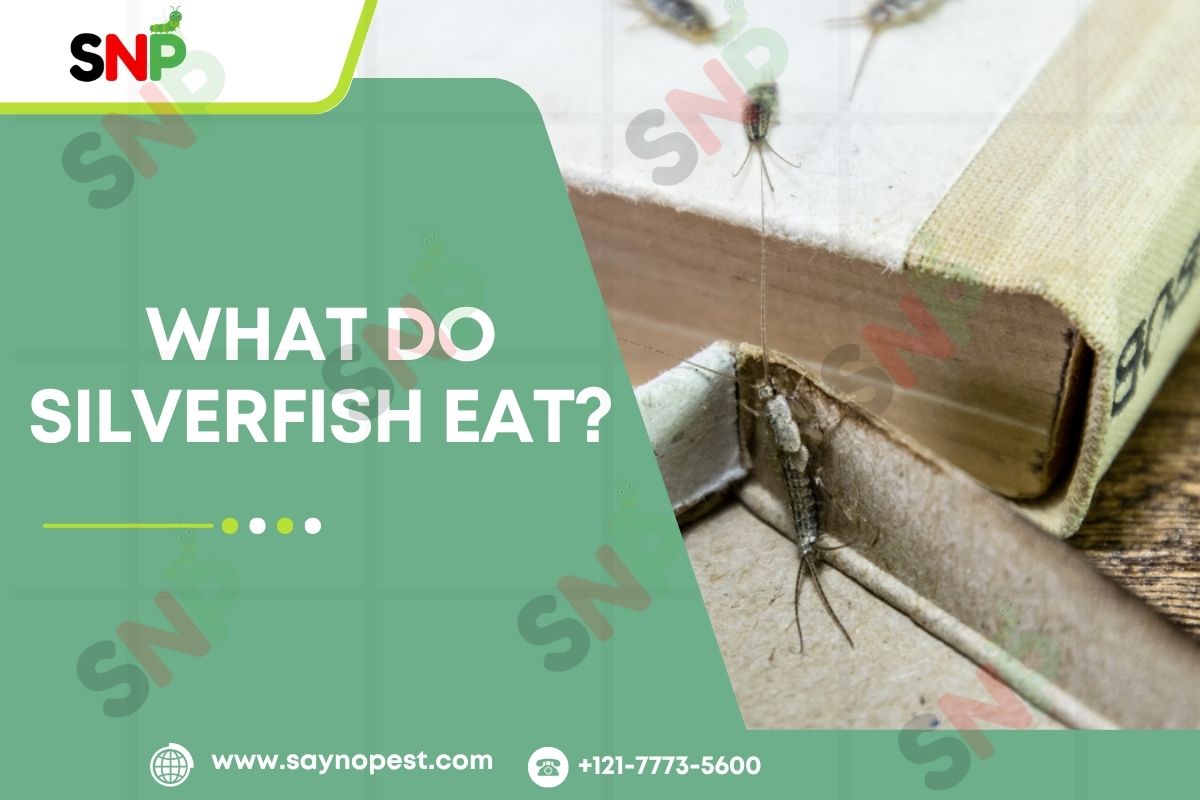
    Everybody wonders what Silverfish eat, knowing the answer to that question is essential in pest control! Silverfish have a huge diet, which means they can eat all starchy and sugary foods, and all protein. Here are the things which they eat the most:

    Silverfish-Infestation
    • Books, magazines and documents, paper and cardboard
    • Adhesives and sticky stuff (they are in wallpaper, books, and envelopes)
    • Fibres such as cotton, linen, and silk, starched or dirty apparel
    • Food items that can utilised as food storage, such as cereals, flour, oats and dried pasta
    • Shed skin and dead insects
    • Vegetables and some dried foods

    The broadness of this food source enables it to expand so much so that silverfish can survive in numerous American homes-more so in dark, damp areas where they have good access to food.

    Silverfish tend to found close to pantries, laundry rooms, attics, and bookshelves, in short, wherever there are starches and papers. The first step you should take to avoid the infestations is to know what do silverfish eat.

    Understanding Baby Silverfish

    In the event you notice a small, nearly sheer insect scampering across the floor of your bathroom, you have, most likely, encountered a baby silverfish. These young bugs are called nymphs; they are smaller, resembling adults in appearance, though of whitish colour and not glossy.

    The eggs, which are hidden in the small openings (cracks in the walls or under the floors), are hatched by baby silverfish. They are small, less than an inch long, with long feelers and a thin tail-like stand. They look for food just after they are born. These nymphs renew their skins several times in growing, until at last they get their silvery scales, and are swift as silverfish are.

    The interesting thing with silverfish is that a baby silverfish already lives on the same diet as adults. The question, What Do Silverfish Eat, holds at all levels of life. The infant stages of baby silverfish feed on paper, glues, linens, and even microscopic food waste; thus, baby silverfish are equally troublesome as the adult ones.

    One more thing to say about the silverfish lifespan: it can take several months (or even years) till the nymph grows and develops to full adulthood, yet all through the time of his/her development, he/she feeds and develops in your house.

    The Problems Silverfish Cause in Our Homes

    Silverfish are not capable of biting and causing diseases in human beings, but their feeding behaviour is a threat of great concern to your property. This is why all American household owners have to be alert:

    1. Destruction of books and valuable papers: Silverfish live off bindings, glue and paper, destroying books that cannot be replaced.
    2. Holes in clothing and linens: They will eat cotton, silk and starched materials, and will cause holes that cannot be fixed, making holes in your wardrobe and linens.
    3. Tainted pantry goods: These pantry goods are contaminated most of the time, primarily because silverfish end up in the pantries, destroying cereals, flour, oats, and even pet food.
    4. Yellow stains and scales: When silverfish shed their skin, they leave behind stains and small scales of the skin on the surfaces.

    The first indication of a problem is the presence of a baby silverfish in the open, holes on fabrics, or unexplained damage to a book or wallpaper. Some knowledge about What Do Silverfish Eat enables you to respond fast to the first signs you see.

    These pests do not like daylight and humans, but when infestations are not curbed, they end up causing heavy losses to properties over time.

    Where Do Silverfish Come From?

    Wait! If you are thinking Where do silverfish come from you are not the only person. These insects have the surprise of being versatile in their origins. Although the silverfish are common in most parts of the world, the origin of silverfish in an American setting is in most cases, outdoor locations of the same nature as the former, which simulates the perfect living conditions of silverfish indoors: the dark, humid and wet indoor environments.

    There are several ways by which silverfish get into your house: through cracks, improperly sealed doors, or vents. Favourite ones are high-humidity rooms: basements, bathrooms, and kitchens. They can also stow away in your house in cardboard boxes, books or infested material.

    Where do silverfish come from, and What Do Silverfish Eat are two questions that go hand in hand. These are the reasons why insects and pests love our home a lot because it suits their living habitat, the environment, which they prefer mostly found in our homes and properties.

    How to Get Rid of Silverfish Naturally

    how-to-get-rid-of-silverfish

    Having to do with baby silverfish or adult bugs, there are natural ways to manage them, either by cutting down or by eradicating them:

    1. Keep the air dry: Silverfish are moisture lovers. Put dehumidifiers and ventilate areas such as bathrooms and basements well.
    2. Seal cracks and crevices: Do not open the doors to cracks and crevices by caulking cracks around our baseboards, doors, and plumbing.
    3. Get rid of their food: Store books, papers and foods made up of starch in sealed containers. Remove the mess and clean the area properly by vacuuming it.
    4. Natural repellents: Silverfish don’t like the smell of various things like orange peel, cinnamon stick, lavender and cucumber peel. These smell irritates them a lot and help the homeowner to remove them from the house with the help of natural ways.
    5. Routine cleaning: Mall regularly vacuum and dust, which restricts food material as well as harborage of baby silverfish and adults.

    When you notice a baby silverfish, concentrate on removing it in the area where it was noticed because such is usually a breeding point. Whereas chemical solutions are available, natural pest control may be appropriate where infestation is low-level, since it is less toxic to families and animals.

    Conclusion

    Understanding the question Which Food Do Silverfish Prefer, their origin, and effect on the house is not just a trivia means of protecting your house, but a crucial knowledge in that regard.

    Remember:

    Silverfish and baby silverfish love everyday items around the house and cause both expensive and irritating damage.

    As you learn how silverfish reproduce and what the expected lifespan of silverfish is, you can take advantage and avoid further issues.

    An array of moisture management, use of natural insect repellents, as well as careful attention to storing, will go a long way towards nipping baby silverfish as well as adults in the bud.

    Do not allow small vermin to bite into your peace of mind. Begin now, and in case you require professional assistance or further hints in regard to pest control, just rely on the recommendations presented at saynopest.

    In case you are eager to know more about what Do Silverfish Eat, discover what a baby silverfish looks like, or want to find a solution to a troublesome infestation, check out SayNoPest because they have the best pest control solutions to suit an American home.
  • Where Do Silverfish Come From? Understanding Them

    Where Do Silverfish Come From? Understanding Them

    Silverfish have existed with humans for centuries, being dormant insects while homeowners remain uncertain about their original habitat. Bathroom floor scuttle or basement corner concealment commonly causes worry among people, where do silverfish come from, silvery bugs. The following discussion examines the beginnings of silverfish as well as reasons for their infestations and their dietary preferences, and effective measures to stop these enduring creepy-crawlers from invading homes.

    What is a Silverfish Infestation?

    A silverfish infestation starts when these bugs chill and start to produce young quickly. Silverfish are insects, and they are more active at night, so it is very difficult to inspect them until they become numerous. Silverfish find their most comfortable living environment in places having the humid level high, such as washrooms, basements, laundry, and attics, and they make infestations in such places. The silverfish are most dangerous due to their high reproduction capacity, so a small number of pests can grow over time into a full-fledged silverfish infestation unless tackled at the beginning.

    silverfish-infestation

    Where Do Silverfish Come From?

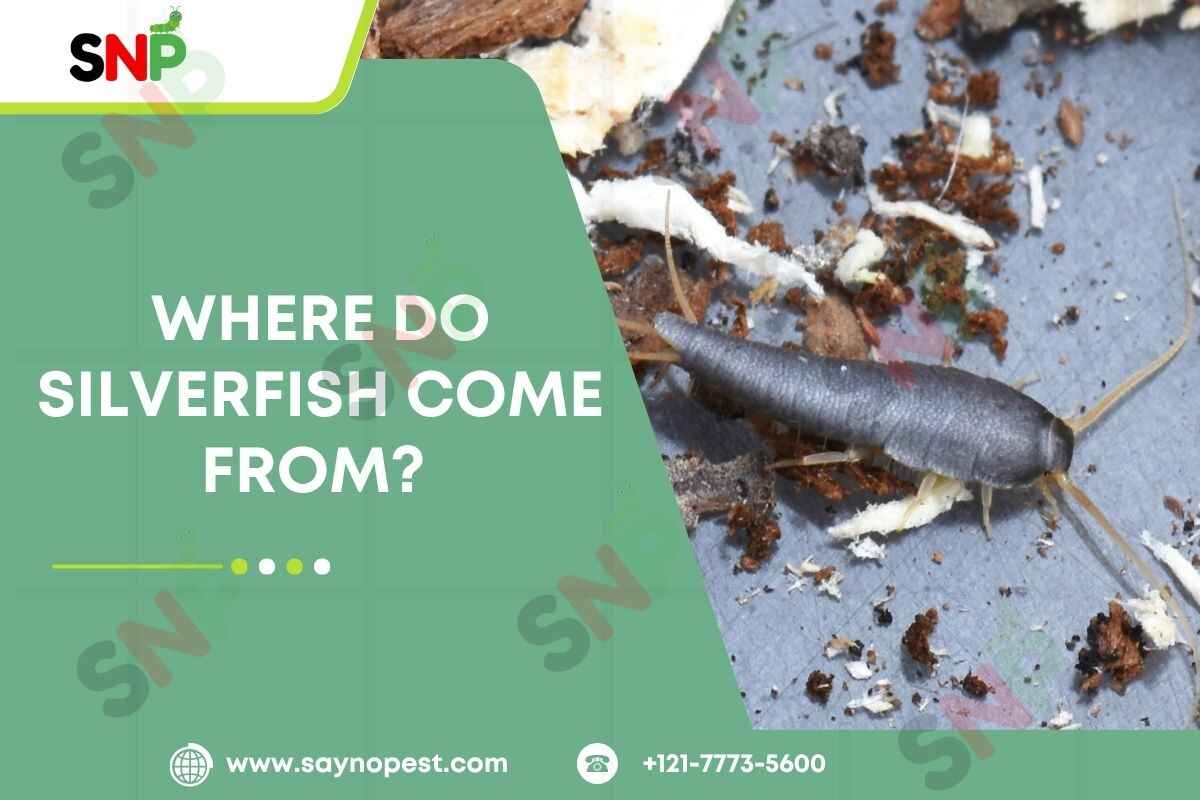
    The question of where do silverfish come from is easy and at the same time unexpected. In nature, silverfish dwell in the spaces under rocks, the shade of leaves, bark, and even bird nests, which are perfect shelters, yes wet and with food. The insects adapt quickly and thus it becomes easy for them to move from outside to the inside of the houses.

    People who live in places that are infested by them know how they get into their homes. What happened with them is that the little creatures went into the house either through open spaces, or the owner unknowingly opened the packaging of infested things, books, papers, or clothes. They quickly hide themselves from view, hiding in the stuff stored in the dark and humid corners farthest from people, e.g., walls, cabinets, and attics.

    How Do Silverfish Infestations Spread?

    Silverfish infestations can spread like a wildfire due to their ability to reproduce swiftly and survive in various settings. They place eggs in tiny cracks, fissures such as under objects or in untouched corners, so it is difficult and sometimes impossible to trace them. They emerge rapidly and survive in high humidity and warmth. Therefore, those homes that are not airy or do not take care of the moisture problem will be prone to a silverfish infestation.

    They may live in your house for quite some time while hunting for food, that’s why they try to find a place near constant food supplies. They are quiet, fast, and hide in shadowy corner, which makes it very difficult to detect a silverfish infestation until it becomes very severe.

    What Do Silverfish Eat?

    What-Do-Silverfish-Eat

    Knowing the reasons that trigger silverfish infestation is of paramount importance if this problem is to be avoided. At the same time, it is a fact that there are not many silverfish insects that could have a very strong rejection to any type of food. Their main source of nutrients is the carbohydrates and proteins in your home, of course. So they mainly feed on:

    • Paper, books, and cardboard
    • Wallpaper and glue
    • Fabrics as cotton, silk, and linen
    • Dandruff, hair, and dust
    • Several dried foods, for example, flour, oats, and cereals
    • Dead insects and even the whole silverfish

    With the consumption of such a variety of things, silverfish cause a lot of damage to books, documents, clothes, and even groceries. They normally make their presence visible by the first thing, namely, the small holes in paper or the yellow stains on textiles. Typically, these are the types of damage that people tend to notice first.

    Conclusion: Protecting Your Home from Silverfish

    Thus, the question your mind will ask is Where do silverfish come from? The answer is rather simple. Their only way of existence in the entire world is the search they make for the three basic natural elements, which are food, moisture, and shelter-regardless of those elements being outside or within your house. And as we all know, a silverfish infestation is most likely to occur in areas with these conditions mentioned earlier. These areas are dark, wet, and also full of starch or protein-rich things.

    To lessen the chances of being visited by these pests:

    • By employing dehumidifiers and taking care of the leaks while you are at it, you can control the level of humidity in your home.
    • A good suggestion comes in the form of storing the books, the papers, and the clothing in containers that are not only dry but are also sealed.
    • It is a wise idea to sweep, the hidden corners, the closets, and the storage spaces of your house on a regular basis.
    • Before placing the boxes and the second belongings in your house, it would be better to have them examined thoroughly.

    The knowledge of where do silverfish come from and what causes a silverfish infestation is the best treatment available to deal with these pests. Should you observe clear symptoms of an infestation that lasts for a long time, such as damaged books or stains whose origin is unknown, the fight against pests by yourself may not be the ideal way you take or that you should consider. It might be time to call a real professional to handle the urgent situation properly and safely. If you find that an insect is on the loose and you are not able to control it, you had better consult an exterminator.

    A slight improvement to your peace of mind can be achieved by the awareness and readiness that helps you protect your home, your belongings, and your soul from the sneaky silverfish.

  • How to Get Rid of Silverfish: A Complete Guide

    How to Get Rid of Silverfish: A Complete Guide

    Finding small and silvery insects swiftly running around your bathroom floor or running away in your basement probably indicates you are dealing with silverfish. These creatures not only look unsettling if found in the house, but also are capable of gnawing into the pages of books or clothes. Today, in this article, we are going to have a good look at what are silverfish, where they come from, silverfish lifespan, and last but not least – how to get rid of silverfish.

    What Are Silverfish?

    Silverfish are wingless, primitive insects known for their conspicuous metallic luster and movements similar to those of fish. They are placed in the group Zygentoma, and households in the United States are their comfort zones. These pests are active during the night, quick temper, and flee from light; thus, they are not easily found during the day. Although silverfish don’t bite or spread diseases, they can still cause various damage to products that have starch.

    Where Do Silverfish Come From?

    Silverfish originated from the tropical region, but currently they are worldwide, with the highest density in North America. Found outdoors, they prefer dark and humid places like under the rocks, in the leaf litter, and under the debris. Inside houses, they are in constant search of the highest level of humidity, i.e., they can be anywhere from the basement to the bathroom, the kitchen, or the laundry room. Cracks, crevices, and gaps around door and window frames are common places of entry for silverfish, who are looking for moist and food sources. If you happen to come across a silverfish, probably, there are more of them hide, as they tend to stay together in places where there is a lot of food and moisture.

    Silverfish Lifespan

    The long silverfish lifespan makes them difficult to eliminate. Depending on how well the environment suits them, silverfish can live between 2 to 8 years of their life. Because silverfish can live for a long time while maintain regular reproduction, the management of a small initial infestation becomes crucial to avoid developing into a major problem. Knowledge of silverfish life spans allows you to develop successful management strategies because persistence becomes crucial throughout your control measures.

    How to Get Rid of Silverfish

    how-to-get-rid-of-silverfish

    If you are not aware of how to get rid of silverfish, be aware that it is possible through the implementation of a multi-faceted plan that focuses on the areas they like and their food sources. Here’s a simple but detailed guide:

    Loosening Moisture

    Silverfish cannot live in a dry place, so with dehumidifiers in basements and bathrooms, fix of leaking pipes, and prior arrangements for better ventilation in the rest of your house, you have developed a drier air field, which is in no case want by silverfish lifespan. It is prove that not only do your living spaces get cozier for yourself when you make them drier, but also in case of any existing silverfish, this could lead to a shorter life cycle for these insects.

    Removal of Nutrition

    Keep your cereals, flour, domestic animals’ food, and other such starchy items safe in well-sealed containers. The most important thing is to take out the pests from your house – clean the storage and regularly vacuum carpets and floors. Then you won’t have to face pests like silverfish.

    Block the Outside Entry

    If you fill with caulking agents the gaps and entry points on windows, baseboards, and doors, then your house will remain free from pests. In particular, the holes, which are often the places of pipes in and out of the walls, have to be check very well for the presence of pests. They are the primary sources of their entry points into the house.

    Desiccants and Insecticides

    Use desiccating agents (e.g., diatomaceous earth, boric acid) by simply placing them in cracks, crevices, and other likely hiding sites of the insects. They kill the silverfish by drying the moisture out of their bodies. Consider contacting professionals when you notice that silverfish have taken over the house. The professionals will apply insecticides that are strong enough to kill an infestation in no time and safely get your house back to its original state.

    Professional Help

    In case any methods you get involved in do not help, you can take help from those companies who master in the field and have both the expertise and equipment to give you a personalized strategy for the pest problem in your house.

    With these techniques, the infestation will be not only controlled but also prevented thus, the place where you stay will not be a perfect home for silverfish and later, you will not see their silverfish lifespan in your living space that often.

    Conclusion

    During winters, silverfish remain active among humans as the pests lead long lives while bringing both damage and frustration to American household residents. You need complete knowledge about silverfish species, alongside origin points and lifetime duration, to understand how to get rid of silverfish. Your success in eliminating silverfish from your home depends on a four-part plan that reduces moisture and removes their food and secures all entry areas while using precise treatments. This strategy will defend your house from silverfish for numerous years. Seek professional help for a stubborn infestation because professionals will ensure your home remains free from silverfish.

    The fundamental elements for reaching success include persistence together with proactive action. Your constant attention will succeed in keeping silverfish out of your home.