If you notice small, fuzzy flies flying in swarms around bathroom sinks or bathroom drains. Then chances are that you have an infestation of drain flies. These annoying little creatures can become a long-term problem for American households all over the United States. In this saynopest article, we are going to expose the bottom line regarding what truly reasons for drain fly infestation, discover Where Do Drain Flies Come From, and introduce you to the lesser-known behaviors of the notorious Drain Fly.

Introduction to Causes of Drain Fly Infestation
Drain pests are not just a nuisance occasionally, they are a sign of something else being wrong with plumbing or hygiene. The main reasons for drain fly infestation can start with something as harmless as a small amount of still water or organic material inside your pipes. Why these infestations occur in order to control pests and maintain a healthy home.
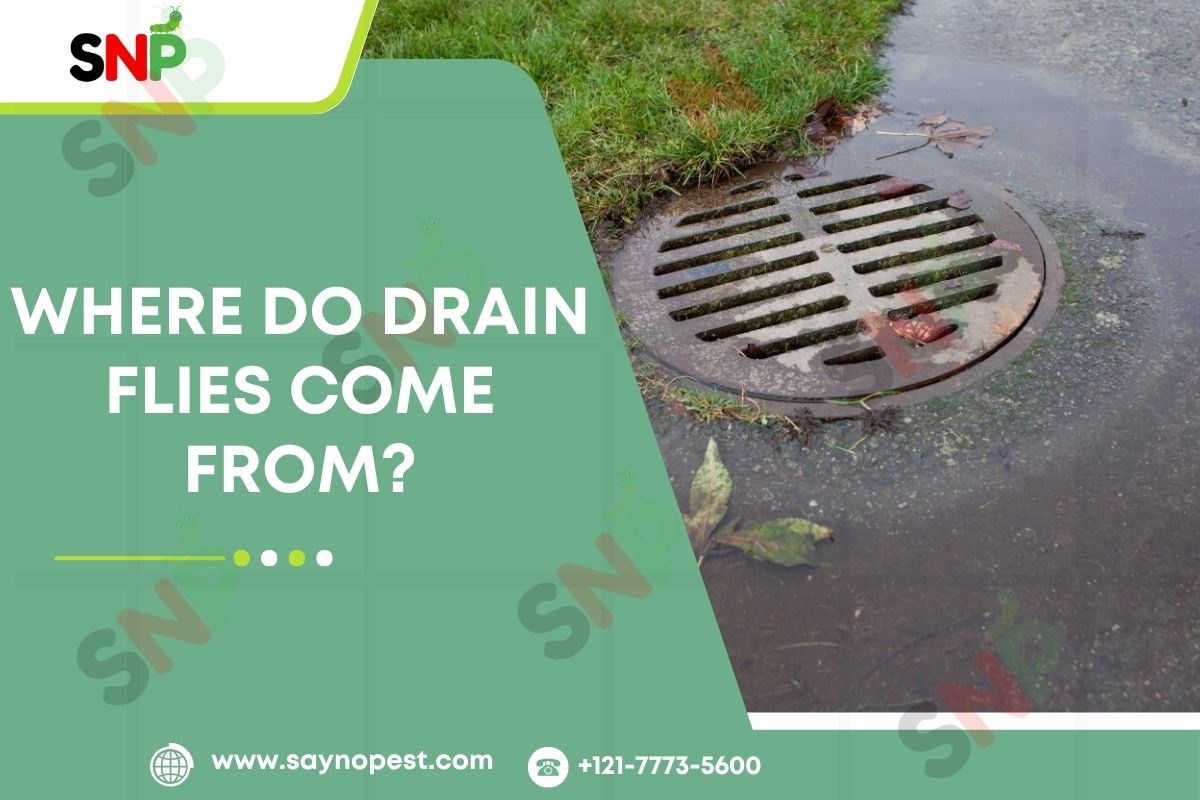
Where Do Drain Flies Come From?
The most valuable thing a homeowner can ask is, Where Do Drain Flies Come From? Well, the answer lies in the name drains. But that’s not all. That’s why the little pests infest your living space:
Standing Water: Stagnant or clogged water is the most common trigger for the cause of drain fly infestation. This gets accumulated in clogged or unused drains and is the perfect breeding site for a Drain Fly.
Organic Material: Flies are attracted to the messy organic material buildup at the bathroom drain, kitchen sink, and even the waste bin bottom. Grease, food particles, soap scum, and hair all contribute to giving a likely egg-laying spot.
Loose or Leaky Pipes: Under-sink or crawl space leaks will eventually produce crevice-like pockets and buildup where Drain Fly larvae will mature.
Outdoor Entry: Your drains may be clean but continue to allow flies to get inside around windows, doors, or plumbing vents if your home is located near outside drains or is wet.
Sewer and Septic Problems: Backflow from sewage or septic tanks that have been flooded out are also probable since flies are attracted to spaces with a surplus of organic waste.
All of these cases cover Where Do Drain Flies Come From, showing how prevention is started with cleanliness and maintaining the right plumbing.
Drain Fly: The Sneaky Pest in American Homes
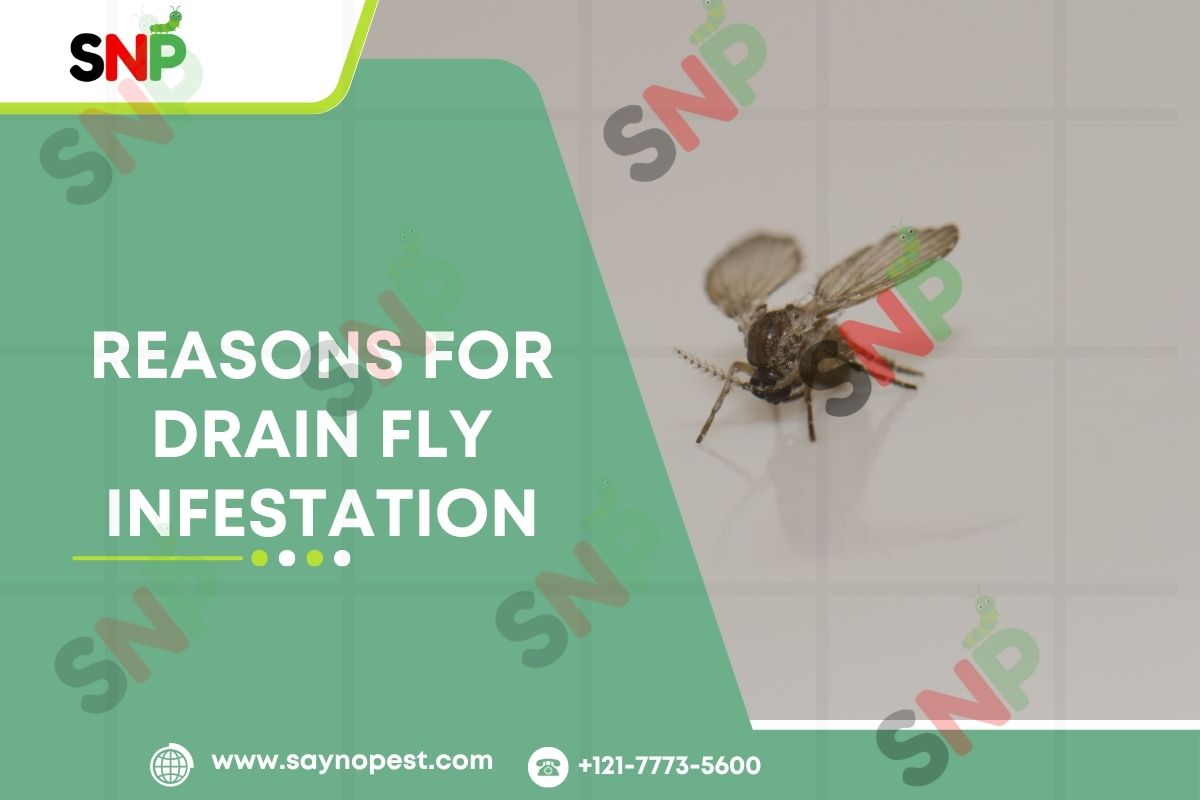
A Drain Fly is less frequent than that of a housefly. The small, moth-like bugs have fuzzy wings and will remain on the walls near their home. They are about 1/8 inch in size and will more than likely be mistaken for fruit flies or gnats. This is what you need to know:
Life Cycle: A Drain Fly will lay 100 eggs just above the water surface in a drain. Eggs will hatch within a matter of less than two days, and the larvae will live off organic film inside pipes for two weeks to develop into adults.
Diet: The adult and larvae live off of bacteria, fungi, and other organic material clogged in drains, rotting vegetation, or. compost heaps.
Habitat: Adult Drain Flies settle close to kitchen sinks, showers, bathtubs, and even basement sinks. Flimsy flying renders the flies catchable but hard to completely eliminate once conditions are favorable.
Reproductive Speed: The rapid lifecycle of drain flies means that an undercover population multiplies at light speed, thereby increasing the work of infestation by drain flies.
Identification and recognition of the Drain Fly is the biggest step towards attaining in resolving an infestation.

Most Likely Culprits of Drain Fly Infestation
Homeowners inquire about the most likely causes of drain fly infestation. The likely causes, in simple language, are as follows:
Unsatisfactory or Clogged Drains: Organic waste buildup in pipes make for the perfect breeding ground for these flies.
Sporadic Plumbing Use: Vacant bathrooms or vacation homes are prime targets for immediate infestation due to water stasis contained within pipes.
Stealthy Leaks: Leaking pipes, generally hidden behind a wall or under a floor, are an invitation to Drain Fly infestation.
Slow Drainage: Poor drainage is not only an invitation to flies, but also an indication of deeper plumbing issues.
Dumpsters and Traps Left Behind: Left-behind trapped food waste or leftover is heaven for drain flies.
High Humidity: Basements and bathrooms where there is consistent moisture are the ideal breeding ground for infestation.
With this knowledge of these prevalent reasons for drain fly infestation, you will be in a position to act in time.
Solutions: Prevention and Control of Drain Fly Infestations
Having learned this about Where Do Drain Flies Come From and the life cycle of Drain Flies, let’s move on to prevention and removal processes:
Clean Drain : Clean off the organic material using a brush, but never boiling water.
Repair Leaks: standing water immediately.
Dispose Waste: Always clean garbage disposals and drain garbage cans.
Test Trouble Areas: Set traps or cover drains with plastic overnight to determine if there is activity and where from the drain.
Early maintenance and timely action are the best prevention against irritation from these insects.
Conclusion: Act Now Against Drain Flies with saynopest
Drain fly infestation control does not necessarily have to be a daily battle. With the eradication of the causes of drain fly infestation, remembering Where Do Drain Flies Come From, and vigilant monitoring of the signs of an unseen Drain Fly colony, you can protect your home and loved ones from the pest.
Don’t forget: constant organic buildup, unchecked leaks, and forgotten drains are open doors to these pests. Stop by saynopest for quality guidance, superior products, and expert assistance to ensure your home is fly-free. Get a grip on your home’s health, don’t get caught out by a drain fly outbreak!