Tag: What Do Millipedes Eat

  • What Do Millipedes Eat

    What Do Millipedes Eat

    The question of what do millipedes eat is an important one to ask. This can give us a lot of information about these interesting arthropods that are very important to the health of the ecosystem. Shocked right?   Millipedes are the nature’s helpers because they decompose organic matter and return nutrients to the soil.

    Introduction

    Millipedes are animals that fall under the class Diplopoda. They are very easily seen decomposes in the terrestrial ecosystems. These multi-legged arthropods, have different feeding habits that make them the primary contributors to the environmental health. Many people consider them as pests but knowing what do millipedes eat can open our eyes to the fact that they are a part of the recycling system of nature.

    What Do Millipedes Eat
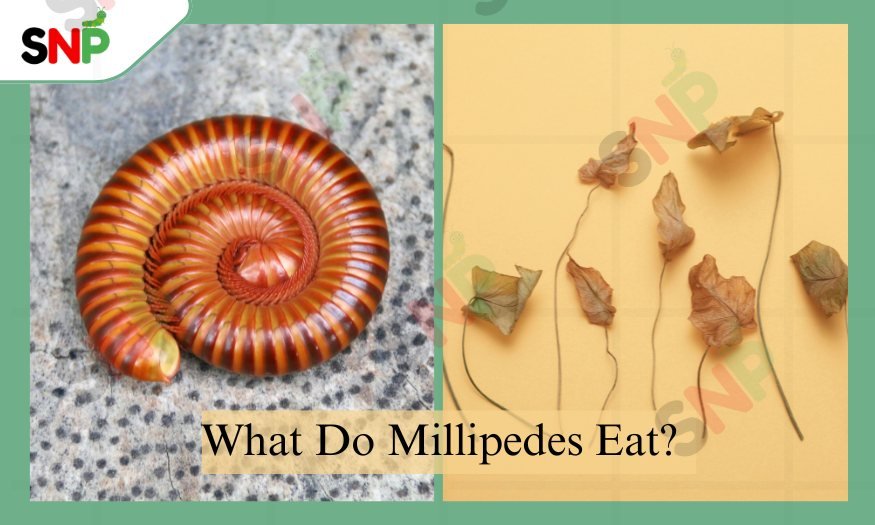
    Millipedes are mainly detritivores. They consume decaying organic matter, and not animals. Major part of their diet is made up of decaying plants, such as rotten wood, fallen leaves, and decomposing vegetables.

    Millipedes mostly consume dead and decomposing plant materials such as fallen leaves, rotting wood, and bark. All of the food they consume should be moist to some extent.

    They go after water, cow manure, clippings of lawn, and fruits that have started to decay. When these best sources get depleted, millipedes turn to plants, fungi, and fresh fruits to obtain their nourishment. They generally supplement their diet with old grasses, stems, and flower parts that they break down and thus become a part of the natural recycling process.

    They mainly consume fungi and mushrooms, especially when the other food sources are not that easily available.

    Millipedes, being vegetarian animals, are some of the few times that they may eat the remains of small animals like insects, worms, or snails, but such cases are very rare.

    Once they have shed their skin, they consume it to replace the minerals lost such as calcium and even eat their own feces to ensure that they have absorbed all the remaining nutrients. They are more active and feed more in the rainy season because their feeding habits are dependent on moisture.

    In general, millipedes are responsible for the decomposition of dead materials and soil enrichment.

    10 Interesting Facts about Millipedes
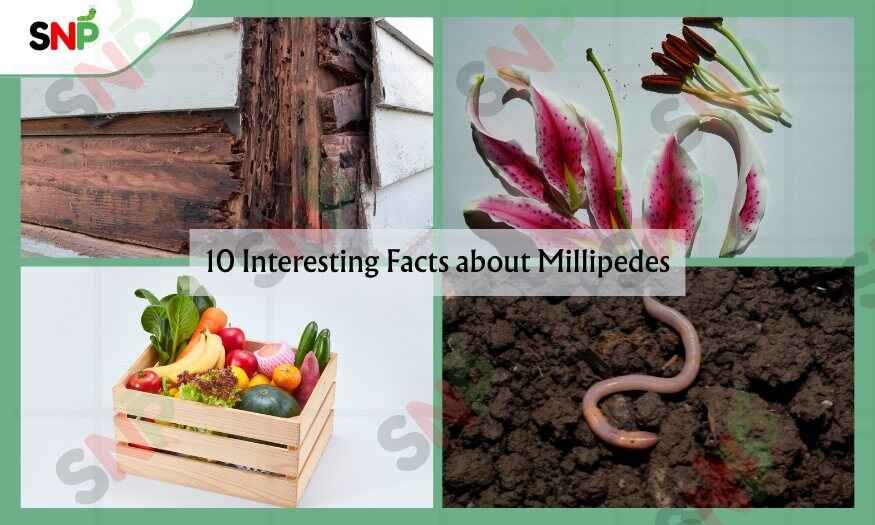
    Millipedes have definitely interesting characteristics that make them one of a kind among the arthropods:

    1. Millipedes are the ancient and modern representatives of the terrestrial fauna from 428 million years ago. The first known millipede was only 1 cm long.
    2. Although they are labeled as “thousand feet” in their name. But no millipede species even comes close to having 1,000 legs.
    3. Millipedes have the most interesting and unique defensive mechanisms. They become a solid ball when one of their parts is touched to protect their soft underparts.
    4. Millipedes develop through a quite complicated process called anamorphosis, during which they shed their skin 7-10 times before reaching sexual maturity. Each shed adds new segments and legs to the body, with young ones starting off with three pairs of legs only.
    5. Vast and diverse millipedes of the past, for example, Arthropleura, could compete with giant animals of today in length that surpassed 2m.

    A Few More Facts about Millipedes

    1. Millipedes are able to live very lengthy lives, with their lifespan being 2 to 15 years depending on the species.
    2. The lifespan of the giant African millipedes is 15 years, while those of North American species are 2-3 years on average.
    3. Female millipedes lay 10 to 300 eggs in a breeding season. To protect the eggs, which are the developing offspring, they make nests out of the soil or the decaying matter of plants.
    4. Millipedes ecosytem engineers, are causing great changes in soil structure and nutrient cycling in the environment. Through their feeding, fungi and bacteria get the larger pieces of plant material broken up so they can continue reprocessing it further, as if it were smaller particles.
    5. The millipede genus exhibits a variety so wide that it is challenging to number them. Because of their diversity only 12,000 species of millipede have been described so far. The real number is way higher than 12000. New species appear constantly in different ecological niches.

    Conclusion

    For the people facing an invasion of millipedes, it is important to have in mind that recognizing the general habits of millipedes such as what do millipedes eat, etc can help you find some new methods of pest control. Make sure the methods are environmentally friendly and at the same time, you should still be in fovour of the recycling forces of the Nature rather than opposing them.
  • How to Get Rid of Millipedes Fast

    How to Get Rid of Millipedes Fast

    If your house or yard has suddenly been occupied by a large number of millipedes, then you are undoubtedly not alone. It is common to find many American homeowners forced to seek a remedy on how to get rid of millipedes, especially after it has been raining heavily or the weather is changing.

    Millipedes outside the home provide environmental benefits while remaining harmless to people. The situation changes when millipedes enter your home.

    What Do Millipedes Eat?

    The information about what do millipedes eat is essential to reduce the population of them. On a rare occasion, millipedes might consume fungi, algae, or even little insects if they happen to be there. The question about how to get rid of millipedes typically remains unanswered within homes because these creatures need decaying matter to survive. Your home may not have millipedes but the combination of moist areas with organic debris and pet food remains will still attract them.

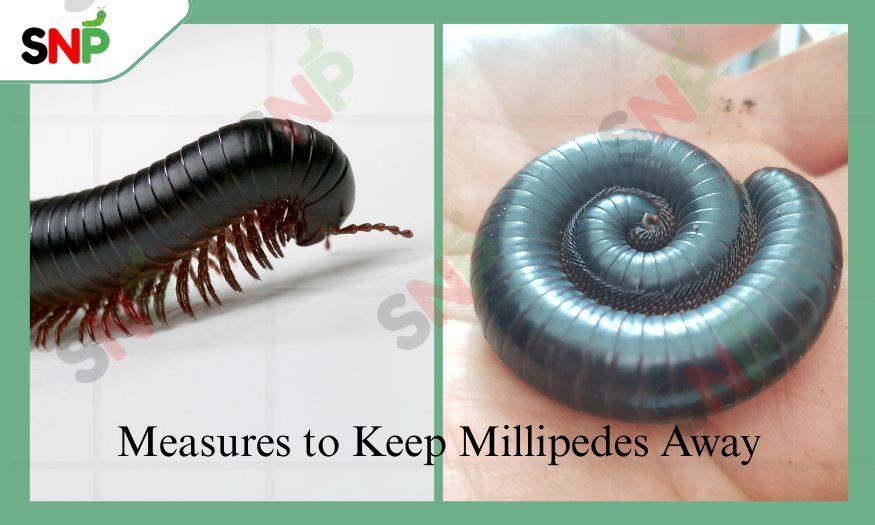
    Effective Measures to Keep Millipedes Away

    Measures-to-Keep-Millipedes-Away

    One effective way to avoid millipede infestations is by prevention. Below are the steps that you can take to get rid of millipedes before they start a problem:

    • Remove Dampness: Millipedes greatly multiply in moist areas. Keeping your environment dry is one of the most important parts of how to get rid of millipedes.
    • Clear All the Organic Waste: Millipedes major food source is decaying plant matter, clear your yard from leaf piles, grass clippings, mulch, and woodpiles. Also, do not keep firewood stored far away from your home.
    • Fill all the cracks and holes in the walls, windows, doors, and other openings.
    • Proper Storage: Keep trash cans, pet food, and water barrels off the ground and away from your home’s exterior.

    Following these steps will reduce the attractiveness of your property to millipedes.

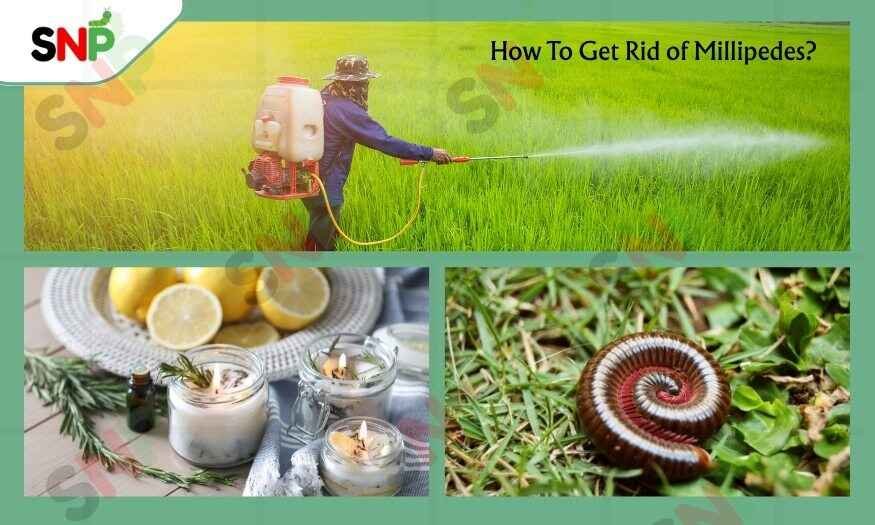
    How To Get Rid of Millipedes?

    Millipedes

    The following steps will help you eliminate millipedes quickly and effectively if manual prevention methods failed to work:

    • Manual removal stands are the simplest approach to get rid of millipedes.
    • Place sticky traps with glue boards at door and window entry points to capture walking millipedes. The traps function both safely and effectively for indoor and outdoor use.
    • Natural repellents such as tea tree and peppermint essential oils and cayenne pepper work effectively to deter millipedes from entering your space. Spray the mixture of essential oils and water at entry points to establish a natural repellent. Sprinkle cayenne pepper across the areas where you have observed millipede activity.
    • You can create a DIY trap by using a plastic bottle with ripe fruit and vinyl tubing. The fruit attracts millipedes inside while their bodies remain trapped because they cannot escape through the bottle opening. This creates a pet-safe organic pest control method.
    • Apply insecticide to the perimeter of your house foundation by focusing on doors windows vents and all entry points. The application of Millipede control products creates an effective barrier that blocks millipedes from accessing your home.
    • The majority of millipedes eat decaying matter so you must maintain your home and garden in a clean state. All organic waste including dog food scraps must be completely removed from your home. The garbage bin needs to be properly closed while moving waste containers to a location outside the dwelling area.
    • The dry environment inside homes combined and the absence of food will cause millipedes to perish within a short period. A few millipedes you encounter will naturally die within a few days because of their environment.

    It is possible to become an expert on how to get rid of millipedes and ensure that your house is free from pests by employing the aforementioned techniques together.

    Conclusion: How to Get Rid of Millipedes

    The correct methods will help you regain control of your home and yard despite millipede annoyance. To know how to get rid of millipedes you should know their diet while removing their food sources, reducing moisture levels, sealing entry points, and using safe removal methods. These methods will help you maintain a millipede-free environment in your entire home throughout the year.