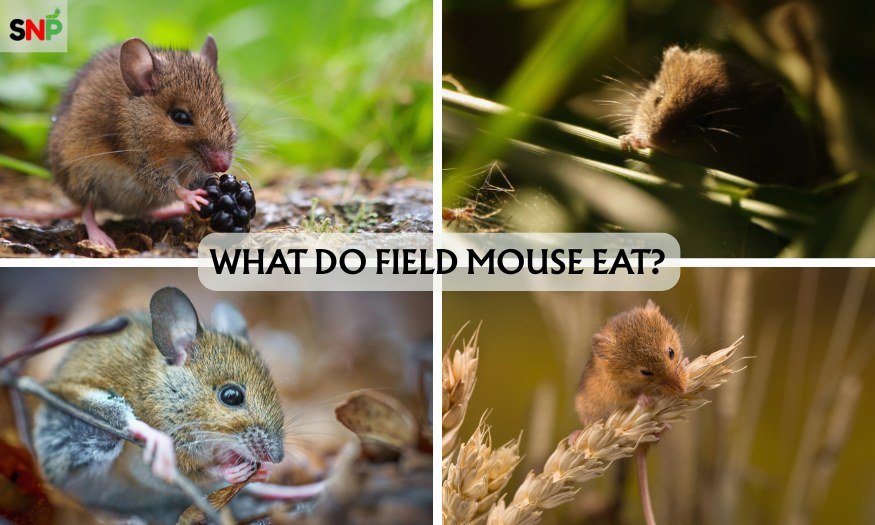
Few people mind the pests, and when they do, the humble field mouse does not come to mind. Tiny rodent has a very fascinating history that is scattered across the farmlands, plains, and even the fringes of American suburbs. To keep your home, garden, and crops safe, it’s necessary to Know the Life Cycle of a Field Mice and how they thrive.
These tiny creatures are highly robust, employing their keen senses and high reproductive ability to survive wherever they may be. Knowledge about the facts of the Life Cycle of a Field Mice will help you detect problems early and act prior to infestation getting out of control.

The Life Cycle of a Field Mice
Field mouse life starts in some remote nest, usually dug into the earth or hidden deep inside thick grasses. Each Life Cycle of Field Mice starts when a female gives birth to pups typically after a brief pregnancy of around 20–25 days. Typical litters are between 2 and 11 pups, although in ideal diet and living conditions, a female can give birth 6 to 8 times a year, with dozens of young mice a year.
Puppies are born blind, hairless, and entirely dependent on their mother. They start to open eyes and develop a soft coat of fur after two weeks. Weaned from their mother’s milk and begin consuming solid foods after 3–4 weeks old. This is the phase of very fast growth and independence.
Once weaned, the mice complete juvenile development, learn to hunt, how to evade predators, and how to live in harmony with other field mice. Such a fast growth rate ensures that young field mice are ready to mate independently within a meager 5 to 8 weeks, and the cycle is fulfilled at breakneck speed.
A Field Mice lifetime in the wild is usually brief and horrific. The average Life Cycle of a Field Mice is a mere one year occasionally less, due to predators, adverse weather, or disease. Theirs is however a high rate of reproduction that makes their numbers healthy at all times, which may be the reason why they’re so famous as tenacious pests across rural America.
What Do Field Mice Eat
A lot of the Field Mice Life Cycle depends on what they eat. What Do Field Mice Eat dictates their lifestyle, their crop destruction, and how susceptible they are to barns and houses. Field Mice are actually opportunistic omnivores with a penchant for vegetables.
What Do Field Mice Eat Most Days?
Grains and seeds form the bulk of their food those found within grasses and crop plants like oats, corn, bean and pea seeds. They will gladly consume fruits, berries, nuts, and greens like clover, grass, and leaves. The fresh sprouts and fruits of summer provide them with water and energy and thus field mice loot farms and gardens to get those treats.
But seasonally, their diet does shift. When finances are lean particularly in winter What Do Field Mice Eat can include bark, roots, bulbs, and even tiny insects, caterpillars, earthworms, and snails. There’s a reason they do so well in fields and around houses: They’ll eat anything.
In human habitats, What Do Field Mice Eat consists of pet food, stored grains, and whatever they can discover spills or food waste in the cupboard. This adaptability combined with their fast breeding makes them proof pests to be managed.
It is not just starvation that sends them field mice to be realistic caching experts. In Field Mice Life Cycle, members will cache seeds close to their home to have an ample amount to prepare for future lean months to kick in. It becomes an issue of ownership because food cached within fields and barns give rise to more mice, carrying on to create the threat of infestation.

Conclusion – Hold Your Position with saynopest
The Life Cycle of the Field Mouse is one of determination but a warning to any home owner, gardener, or rural American entrepreneur. Their high breeding rate, short life cycles, and continuous reproduction cause it to become a little issue that magnifies into a large one unless found early before it gets out of hand.
Knowing What Do Field Mice Eat is your prevention beginning. Sealing food in tight containers, sealing holes and cracks, and tidy yards can all deter these unwanted little critters. If you spot the telltale signs nibbled plants, droppings, or night-time activity little shadows something has to be done right away.
At saynopest, we would like to give you the information about and services required to deter field mice from infesting your property. If you know the Life Cycle of a Field Mice and above all else What Do Field Mice Eat, then you can protect your property and sleep tight.
Let saynopest be your trusted partner in pest management bridging know-how to hard outcomes for homes and businesses across the country.