Regarding pests of the freshwater in the United States, there is hardly any creature that can compare to the size, strength and interest level of the giant water bug. Famous as their bites are very painful and also due to their threatening appearance, these insects have evoked fear and curiosity among many Americans who get a glimpse of them either around ponds, marshes or even a swimming pool during summer. Ready to take a plunge into the exciting world of the giant water bug bite and what to be ready to avoid, as well as how to defend yourself?
What Is a Giant Water Bug?
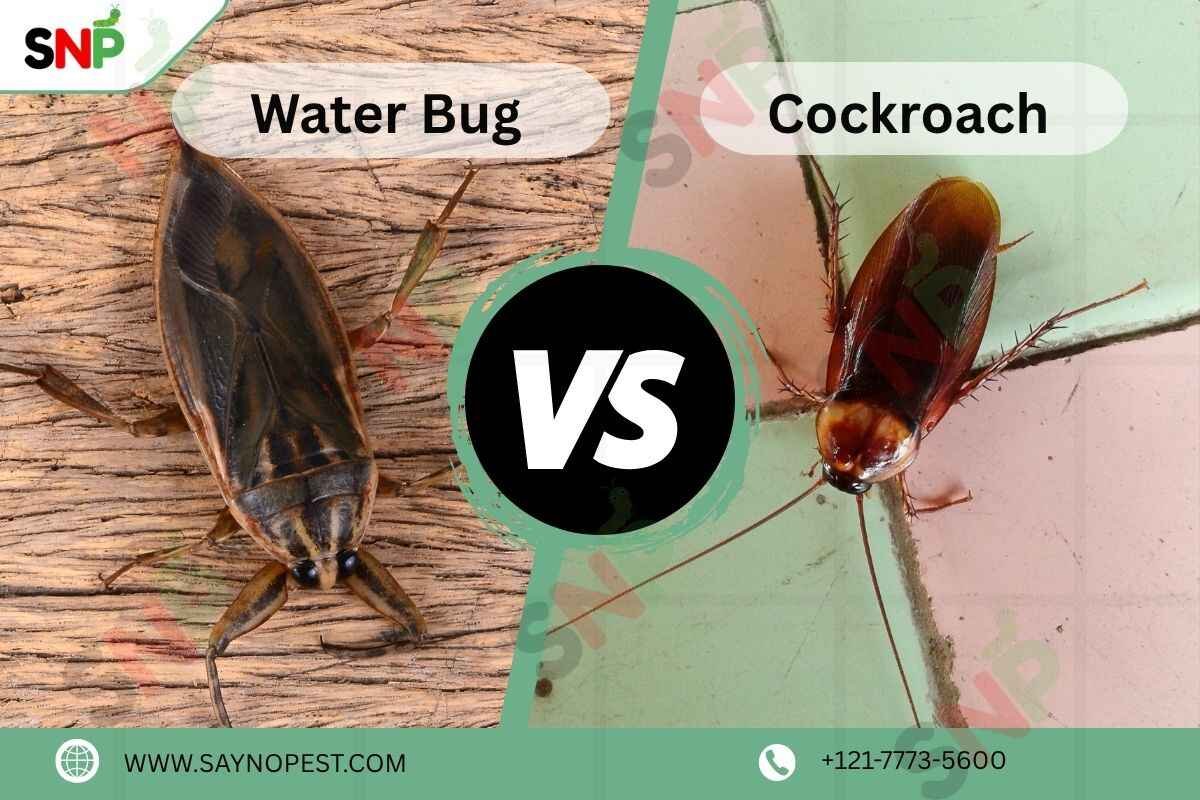
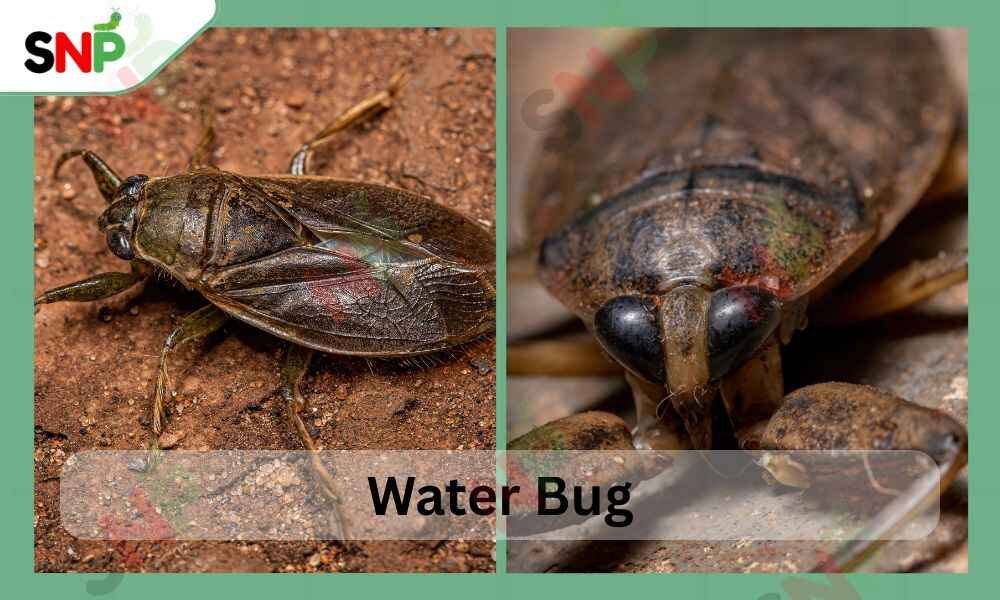
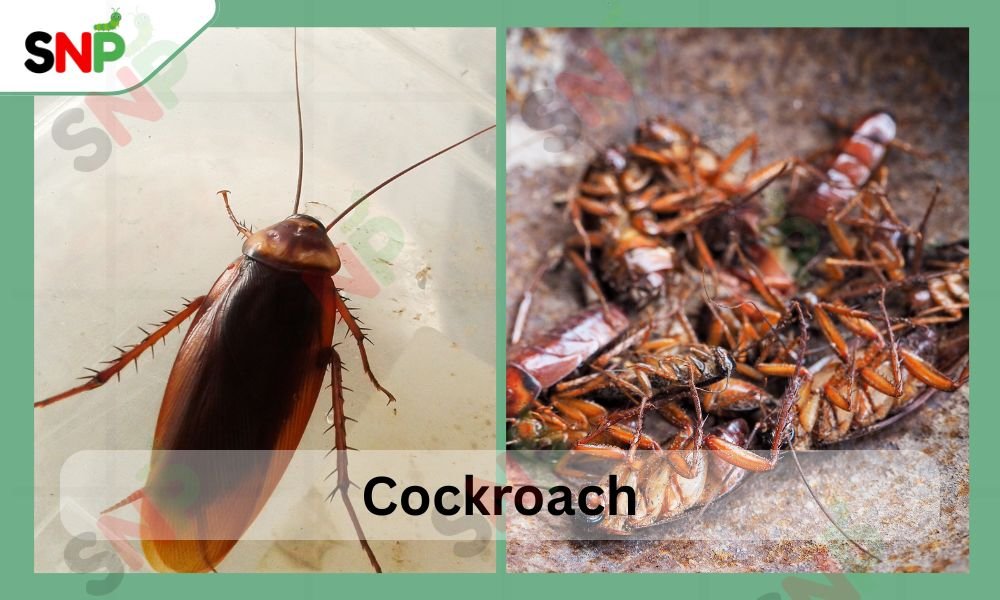
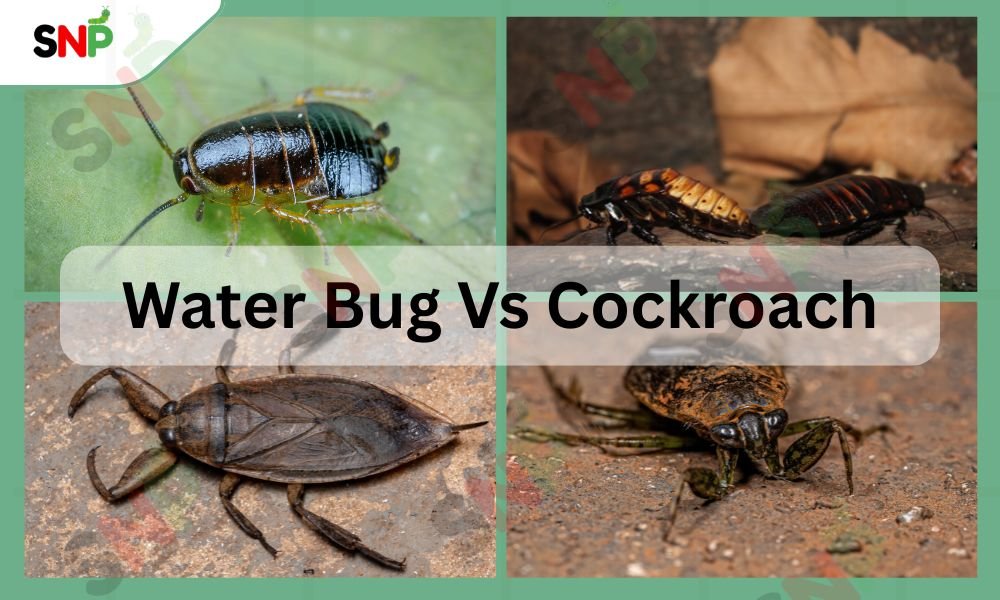
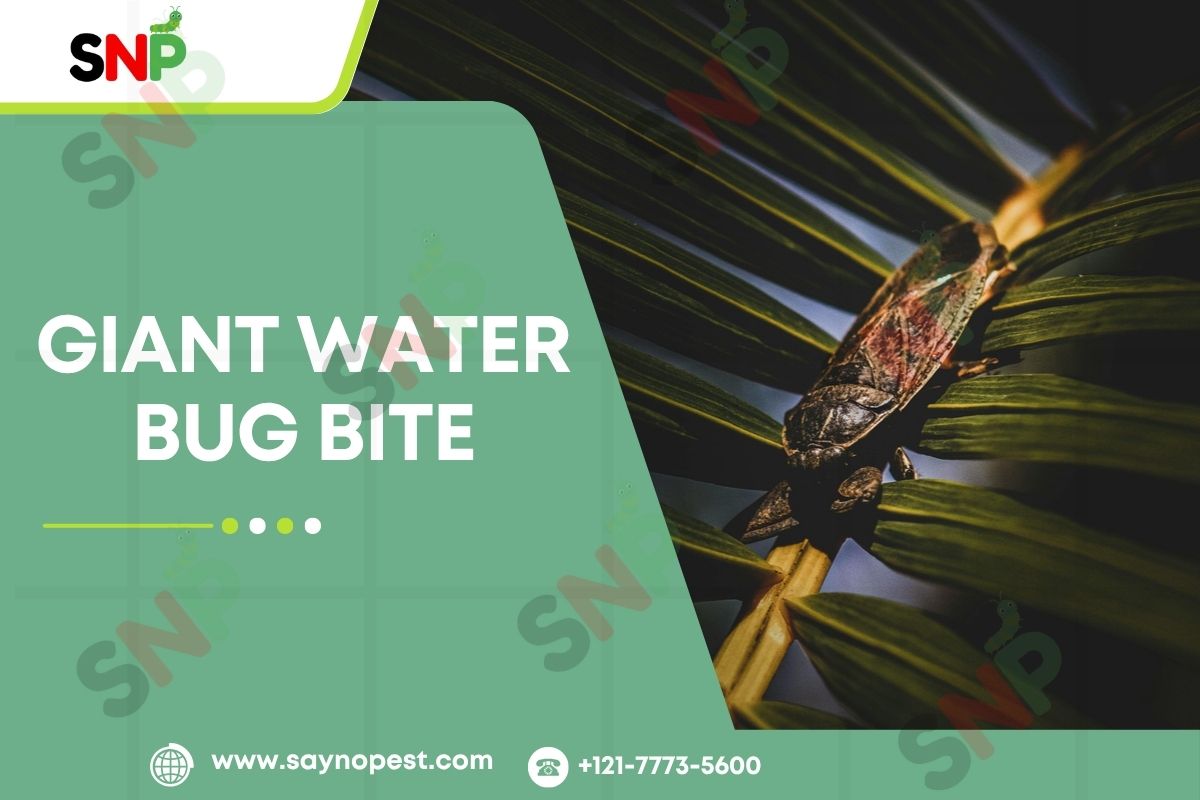
The Giant water bug is the biggest insect found in North America’s freshwater. The so-called toe-biters (or electric light bugs), as they are often called, may reach a length of 4 inches and are of a somewhat elongated oval shape, with powerful forelegs by which they snap at the prey. They are considered fierce predators of their habitat and are often confused with cockroaches due to their look and stature. However, their behaviour and eating make them different.

Are Giant Water Bugs Dangerous?
The thought that comes into mind is: Are giant water bugs dangerous? It is not so much a yes or no question. Giant Water Bug is a big beast in its natural environment and feeds on smaller fish, amphibians, tadpoles and even a duckling here and there. They have a fast ambush, strong forelegs and a sharp bite.
However, in the case of human beings, are giant water bugs harmful to us? The fact is that their bite, although very painful, is nearly never life-threatening. They do not care about people as food. Rather, bites are normally encounter when humans step on, touch, or otherwise expose these insects to danger. They are infamous due to the discomfort they produce, yet these bugs prefer not to interact with people in case they have a choice.
When Do Giant Water Bug Bites Happen?
A bite from a giant water bug happens most frequently accidentally or in response. The following are the common situations when one may be bite:
- Wading barefoot in ponds, streams, or marshes: A Water bug that you step upon when it is resting will be ready to attack.
- Swimming in still or slow-flowing water: They are unlikely to bite, but in unusual cases, these bugs might confuse a foot or toe with food, or just respond when disturbed.
- Dealing with a giant water bug: Touching one, particularly in the absence of gloves, can cause a protective bite. The forceful pincer and proboscis aim enzymes that are painful to prey only.
- Pulled to Lights: Adult water bugs are attract to artificial light at night and may end up in swimming pools or places close to the house, which may lead to an unintentional contact.
In each of these cases, bites are not the act of aggression, but mere self-defence of an insect that simply has to do what it needs to make a livelihood.
Is the Giant Water Bug Bite Dangerous or Poisonous?
The bite of the giant water bug is notorious because of the burning pain. The bug has a specialised and needle-like beak that contains a cocktail of digestive enzymes and mild venom aimed at paralysing the prey and digesting its tissues. This is what will occur in case you become unlucky and are bite:
- Pain: According to the majority of sufferers, the pain is instant and burning and hurts more than a bee sting.
- Swelling and Redness: Swelling will occur in the bitten area very quickly and the area may turn numb or tingly.
- Bleeding and Bruising: In severe cases, it can cause local bleeding, mild bruising or loss of sensation which can last as long as five hours.
- Rare Reactions: Rare allergic reactions include hives, breathing difficulties, or swelling of body parts and this may occur occasionally, especially when you are allergic to insect bites.
Is it a poisonous bite or a medically dangerous bite? Despite the high toxicity of toxins injected in other insects or small animals, in human beings, they are usually non-toxic, with the exception of the agonising, temporary pain. Most of them go without any treatment, yet in case you experience the symptoms of an allergy or a severe reaction, visit the doctor as soon as possible.

Where Are Giant Water Bugs Found in the U.S.?
The family of the Giant water bug is common in the United States. They live in different freshwater environments such as:
- Still or Slow-Moving Waters: They are mostly found in still water of lakes, ponds and streams.
- Geography: In the U.S., the types is most common in Georgia, Florida and Kansas, Maine, Mississippi, Nevada, Texas and Utah, among other states, along the southern side of Canada.
- City Versus Country: Sometimes, a giant water bug will enter swimming pools or be drawn by outside lights and leave the urban and rural house owners confused.
Watch out! You should be able to find these giant insects anywhere near any freshwater in the U.S., especially during warmer seasons. They can camouflage in the leaves, litter, or pond plants and are hence difficult to see.
How to Avoid the Painful Surprise of a Giant Water Bug Bite
The danger of a bite from a giant water bug is low, but you can reduce the risk of an encounter:
- You have to wear water shoes whenever you have to go walking in or swimming in natural water.
- Never touch aquatic insects that you do not know even when they look dead or sluggish.
- Reduce nighttime outdoor lighting near the water features that could be home to bugs.
- Make pools and ponds clear of trash in which WATER BUGS can lurk.
- In the case of a bite, wash the affected area, apply a cold pack to reduce swelling, and watch out to see any extreme symptoms.
In mind: Are giant water bugs harmful? Not as venomous as snakes or spiders are. They do not bite because they are aggressive towards humans, but bite in defence.
Conclusion
The Giant water bug is the most outstanding aquatic insect of North America. Their appearance is an indication of a thriving water habitat, and though the bite can be quite a stinger, it is usually a brief but uncomfortable one to humans. Above all, these bugs are also useful predators, which control the numbers of smaller aquatic animals.
Are giant water bugs harmful, therefore? In the vast majority of cases, the answer is no (or, rather, no, unless you are a small fish or an amphibian!). To us humans, a giant water bug bite is nothing more than an unpleasant side-track, not a real threat.
To learn more about how to keep your home and family safe against unwanted pests, visit SayNoPest, the trusted source to learn more about pest education, prevention and control throughout America.