Homes in the United States face many hidden problems. The most common problems are termites and spiders. Termites quietly damage wood and the structure of the home. Spiders can cause stress when you spot them and, in some cases, health problems as well. This blog explains how to find signs, prevent problems, and when to call professionals. It also discusses how a major provider, like Terminix, inspects and treats both termites and spiders, as this is one of the most famous in the United States under the termite control companies. Understanding these pests will help you take proper treatment on time and remove them.
Why termites are a serious problem

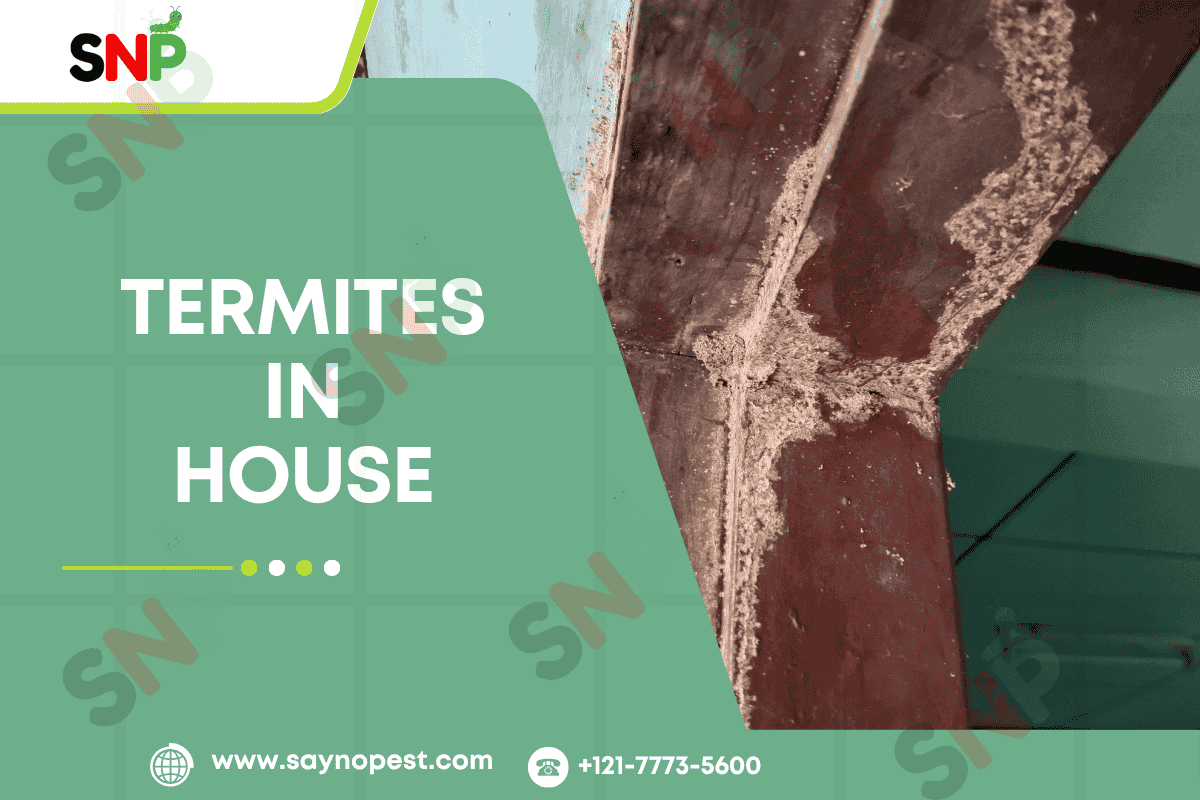
Termites live on wood and other materials that have sugar or a sweet element in them. They can cause damage slowly over months and years. The first signs are small: hollow-sound wood, mud tubes on foundations, or discarded wings near the window. Because damage can be hidden inside walls, homeowners may not identify these signs early till the repair becomes high. That is why homeowners always contact the best termite control companies for inspections and treatment. Expert help can find problems very fast and handle them.
Common termite types and signs
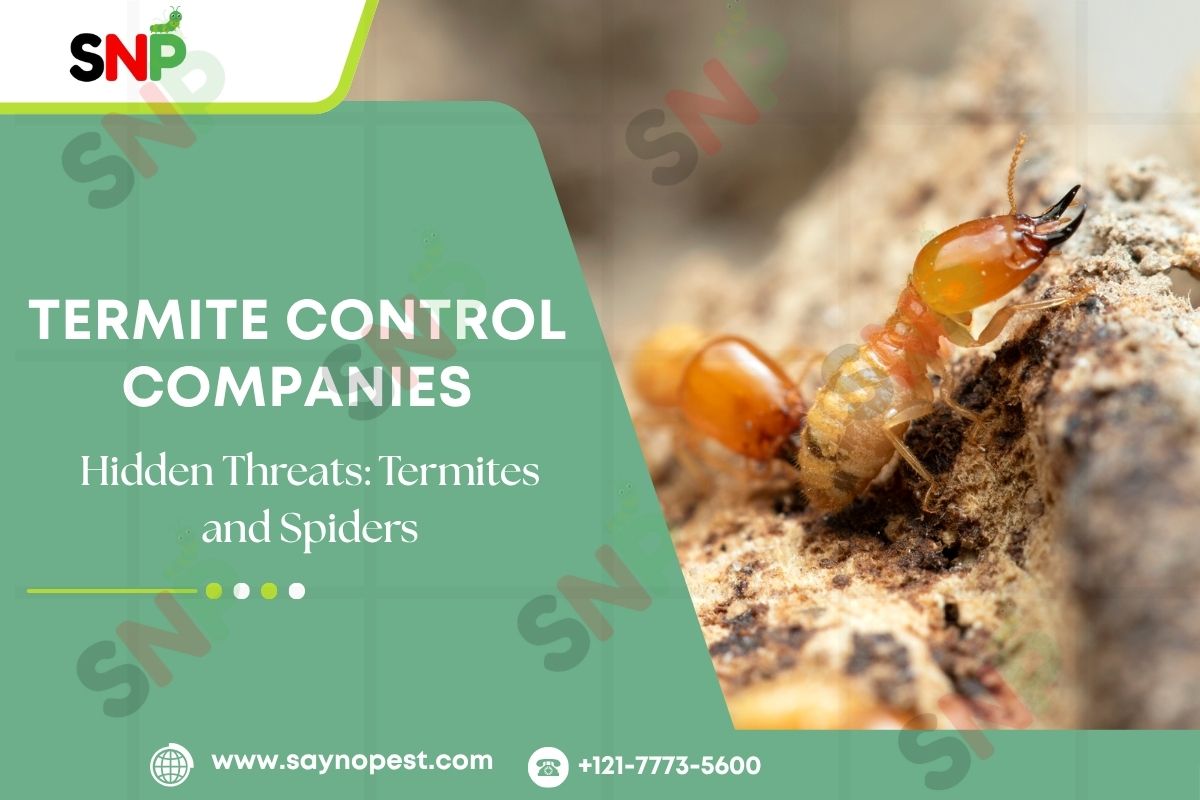
There are several termite types in the U.S., which are subterranean, drywood, and dampwood.
- Subterranean make mud tubes and live in the soil.
- Drywood termite live fully in wood and do not need contact with soil.
- Dampwood termite like wet wood.
Their signs, which need to be checked, are: mud tubes, damaged wood, small holes in drywall, and small wings. If you see any of these, contact a termite control companies right away, as they have experts and know how to handle them. The best expert can easily identify the types and suggest the right treatment.
Spiders: nuisance vs. risk

Most spiders are not dangerous and can even help us by eating other pests. But some types, like black widow & brown recluse, are very dangerous. Spiders like dark places: basement, attics, crawl spaces, and garages. Remove waste, fill gaps, and cut extra plants will help to remove spider places where they make their web. Vacuuming webs and removing egg sacs helps too. When you see many spiders or identify any dangerous type, expert help is the best. Many termite control companies now offer integrated pest solutions that include spider management as well, along with other pests.
Why regular inspections matter
Inspections help in detecting the problems before they become serious. An expert inspection includes looking at the foundation, crawl area, attic, basement area, and outside areas for signs of pests and things that welcome them. Experts use experience and tools to find hidden activity. They can suggest with best treatments or preventive tips. For homeowners, once in a year check is an affordable way to protect a home’s value and safety. Expert termite control services mix inspection, treatment, and follow-up to keep pests away.
How professionals treat termites and spiders
Termite treatment includes baiting systems, liquid barrier treatments, and, in some cases, fumigation.
- Bait stations work by attracting termites and carrying poison back to the colony.
- With liquid barriers, a treated area is formed around the structure to prevent and kill the termites attempting to enter.
For spiders, experts remove webs, places where they hide the most, and reduce settings that allow other insects. Treatments are used carefully, with attention to safety for people and pets. Many providers also give ongoing plans that include regular visits & monitoring to keep homes protected every time. These plans are a key part of good termite control services.
Brand spotlight — What Terminix does and how they do it
One of the most recognisable companies in the U.S in terms of termite control is Terminix. They offer a complimentary first inspection and various treatment plans. A Terminix specialist inspects a house, inside and outside, during a termite inspection that involves attics, crawl spaces, foundations, etc. They will seek termite indicators, moisture and rotten wood. Moisture meters and visual inspection tools are some of the tools that experts use to identify hidden problems.
They also check situations that make termite activity more likely. For treatment, Terminix installs the Sentricon® System with Always Active™ technology in many locations. This baiting system is made to protect the home regularly and to remove termite colonies by targeting the termite queen and the colony.
Depending on the type of termite and the requirements of the home, Terminix might also provide liquid barrier treatment and other procedures. In the case of spiders, Terminix provides key locations, gets rid of the webs, and provides specific treatments and preventive strategies to lessen the future action.
Their main focus is safety for families and pets and which includes follow-up visits or ongoing service plans to keep problems from returning. These methods—deep inspection, use of proven systems like Sentricon, and follow-up—are reasons many homeowners choose Terminix among termite control companies.
What to expect from a Terminix inspection and plan
A particular Terminix inspection is thorough and starts with looking for visible signs. The inspector will check particular areas and note any damage or situations that allow pests to enter. If termites are found, Terminix suggest a plan. Plans may include Sentricon bait stations, liquid treatments, and scheduled checking visits. Terminix also explains the options and costs and will answer questions about safety and timing. Many homeowners have a written plan and the option for ongoing protection from a best company
Practical prevention tips for homeowners
You can reduce harm by taking a few simple steps:
- Store wood, firewood away from home.
- Fix drips and maintain crawl spaces.
- Close the gaps in doors and windows.
- Minimise the home interior and exterior clutter.
- Prune shrubs and maintain mulch low along the sides.
- Arrange year pest inspections with a professional.
All these methods will reduce the danger of termites, as well as make your house less appealing to spiders and other pests. When you already notice some signs, do not attempt to treat it by yourself; instead, call a professional since such a serious invasion is to be treated by experts.
Choosing the right company for your home
When choosing a termite control companies and spider, look for experts, clear inspection output, and honest explanations of methods. Ask about assurance, follow-up visits, and safety measures for people and pets.
Read local reviews and check whether the company offers mix plans that cover both termite and spider concerns. Many homeowners choose the best termite control companies that combine inspection, treatment, and ongoing checking. If you want continuous protection, look for providers with plans and clear methods about what they will do.
Conclusion — Act early, protect your home
Termites, as well as spiders, may be a source of serious problems that may prove to be dangerous over time. Early detection and prompt intervention are cost-saving and stress relievers. To a large number of homeowners, a combination of detection, treatment and prevention with the help of highly professional termite controlling firms offers the optimal option with respect to the pay-off.
In case you prefer a popular choice, Terminix provide thorough inspections, established systems of termite management such as Sentricon and specialised spider management services. They are a good option among termite control companies and even among those who are calling termite control services because they combine techniques, experienced specialists, and continuous programs. Make a little step now: check, close, and possibly hire a professional to make your house safe.