Tag: termite treatment

  • Subterranean Termites: The Hidden Threat Beneath Your Home

    Subterranean Termites: The Hidden Threat Beneath Your Home

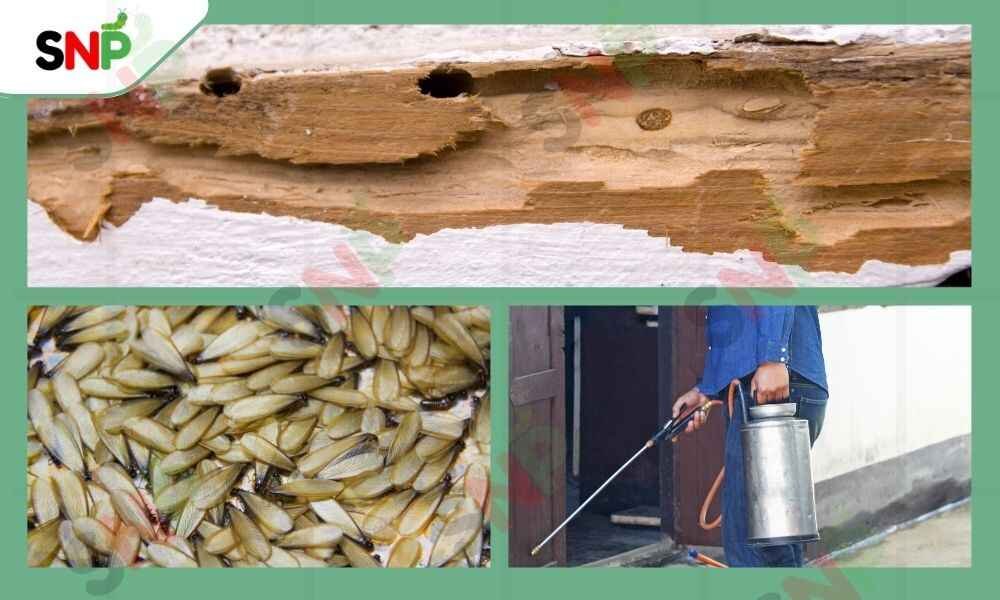
    If you’re a property owner or manager in the United States, knowing what subterranean termites are can be a vital tool in the protection of your investment. These cunning insects are the top American termite species causing the most harm to buildings each year, which is the leading cause of property damage. This post will focus on the subject of subterranean termites, their appearance, their habitat, the signs of their existence, the harm they cause, and the most effective termite treatment options available in detail.

    What Do Subterranean Termites Look Like?

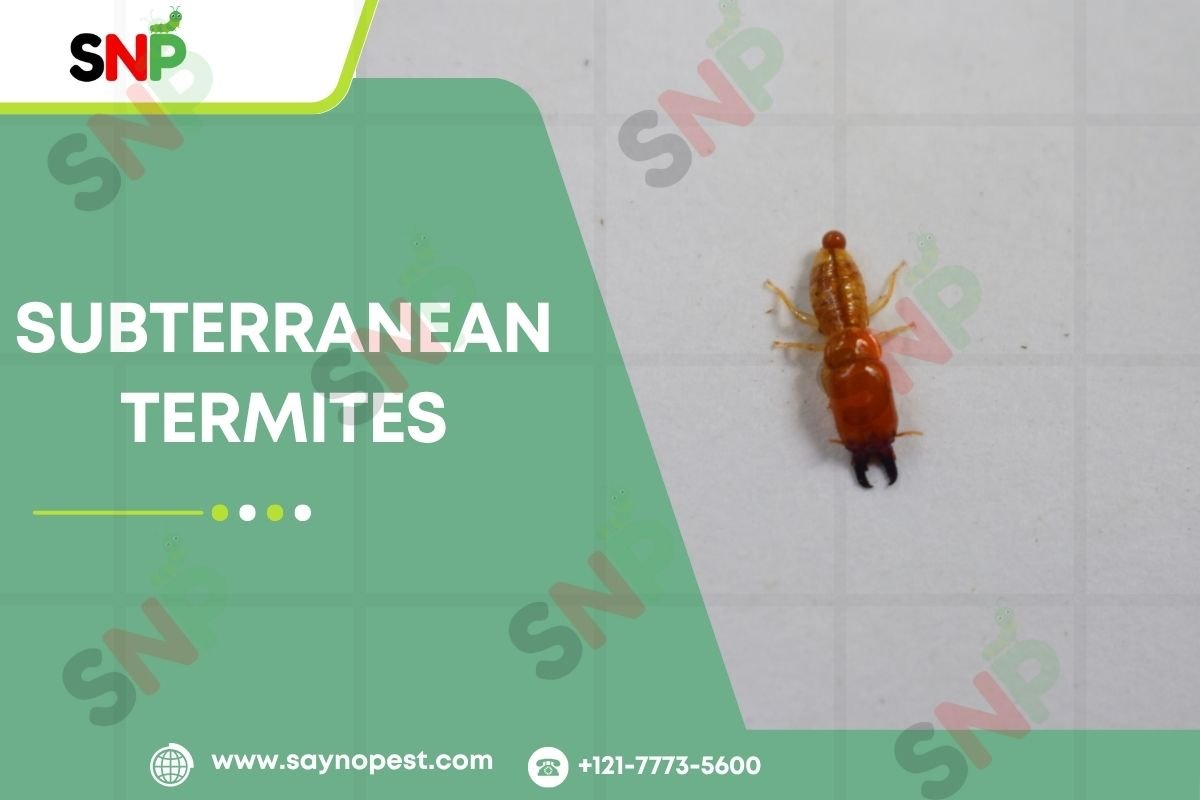
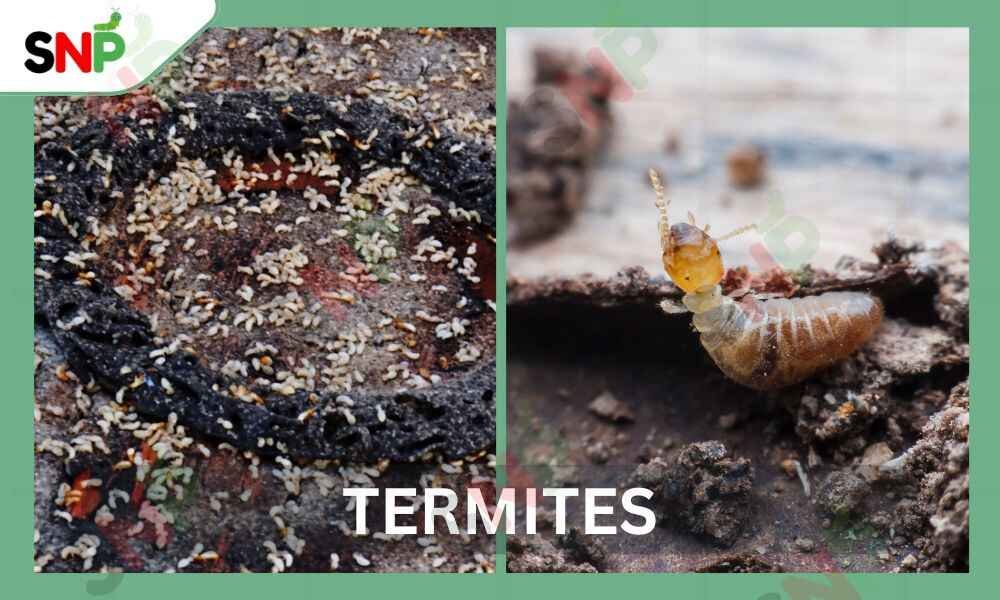
    Subterranean termites are insects that live in groups, and the groups are divided into three parts, each of which has its form required by the work, thus can be recognised by it. The three parts, also called castes, are workers, soldiers, and reproductives, and all of them have a different job to do.

    Workers

    These have a length of 1/8 to 3/8 inches, are creamy white to transparent, soft-bodied, and without wings. Most of the time, they are the most abundant and are responsible for the feeding of the nest and the collection of the eggs.

    Soldiers

    This group is oversized and small as workers, but they have large, dark brown heads and terrible mandibles (jaws) to protect the group. Their bodies are still cream-colored.

    Reproductives (Alates/Swarmers)

    The colour ranges from dark brown to black, the length of 1/4-1/2 inch, straight antennae, and two pairs of wings equally long and dusty white. They are similar to the flying ants, but the uniform wings and straight antennae make them different from each other.

    Termite Queen

    Termite Queen remains the dominant termite population member through daily egg production of 2,000 and a lifespan reaching up to 25 years. You can seldom detect this essential female as she maintains her position deep in the nest, but her presence drives the growth of the community.
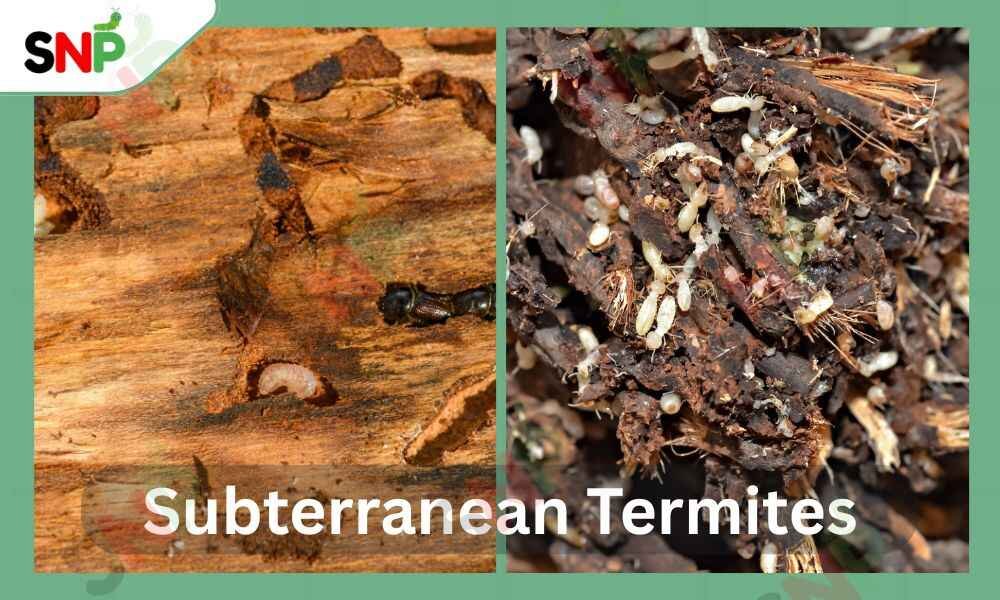
    SUBTERRANEAN-TERMITE

    Habitat: Where Do Subterranean Termites Live?

    To exist, subterranean termites are dependent on moisture so that the colonies they make can be found beneath the earth’s surface or in areas above the ground that are dark and humid/have a lot of moisture. They can be in any U.S. state except Alaska and are particularly abundant in warmer and wetter regions. It’s known that the colonies are positioned 5 to 10 inches below the surface, with the cluster reaching up to 2 million members.

    Subterranean termites establish horizontal mud tunnels as pathways to their nutrition sources through a combination of their saliva and soil material. The tubes function effectively for two purposes because they serve both as predator protection and moisture preservation in arid conditions.

    What Do Subterranean Termites Eat?

    Cellulose is the main component of the major because of which they consume a variety of things, including wood, paper, fiberboard, and fabrics made of plant fibres. They eat along the wood grain and are more comfortable with sapwood; they leave behind a layer of as little as hardwood. With cellulose-digesting protozoa in their gut, they are very efficient wood plagues.

    Subterranean Termite Signs: How to Spot an Infestation

    The sooner you discover the problem, the less harm is done. Watch out for such subterranean termite signs (here are the main signs):

    • Mud Tubes: These are the most visible signs of termites because they are pencil-width and muddy tubes that you can see on the foundations, walls, or crawl spaces.
    • Swarmers and Discarded Wings: Winged termites (alates) show up in spring and summer. Old wings on or near windowsills, doors, or vents are a typical sign of a termite infestation.
    • Hollow-Sounding Wood: Simply tap on the wood; if it sounds dull or hollow, it is most likely that the termites have eaten the inside and only left a thin layer.
    • Buckling Floors or Bubbling Paint: Wood that affected by termites causes the surface paint to blister or the wooden floors to warp.
    • Frass (Termite Droppings): Small piles of frass or hollow material near tubes or sheds.

    Once you encounter these or any of the above subterranean termite signs, you should initiated to prompt action.

    Damage Caused by Subterranean

    Subterranean termites in North America account for 95% of the total termite damage, estimated to be about $2 billion annually. The presence of wood moisture already establishes termite feeding. Even a small colony can cause $2.3 feet of 2×4 board to disappear; hence, the wood quickly gets destroyed. The accumulated effect of this is gradual wood deterioration of the following kinds:

    • Beams, floors, and walls’ structural weakening
    • Buildings that collapsed or are extremely unsafe
    • Repairs that cost a lot and decrease the property value.

    The main reason damage caused by Subterranean termites gets so serious is due to the fact that it is often impossible to notice the damage until it has reached a critical level.
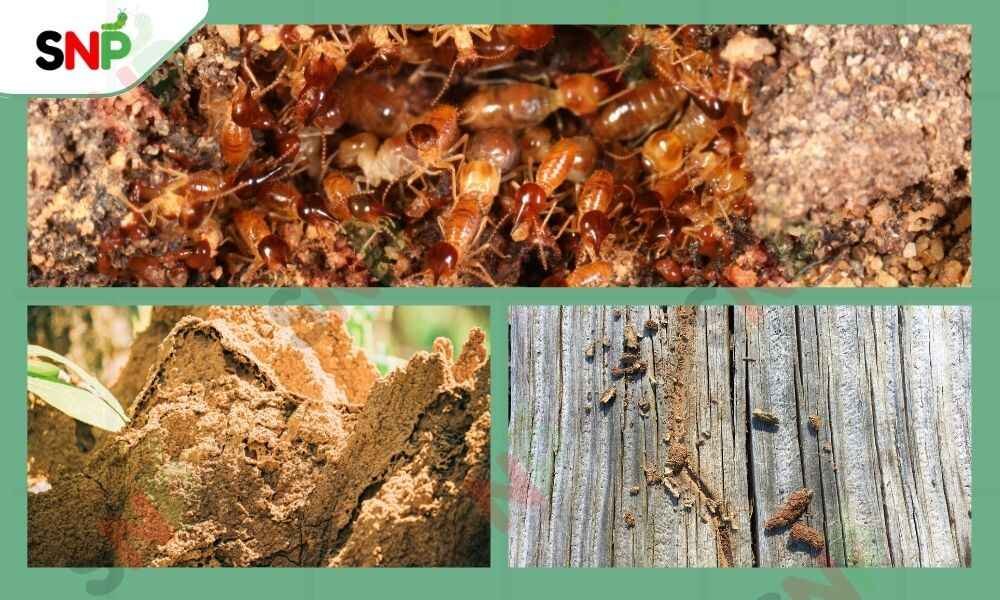
    TERMITE-QUEEN

    Subterranean Termite Treatment: How to Protect Your Home

    Fast and efficient pest control services for termite treatment are of utmost importance for eradicating the menace of subterranean termites. The most efficient methods include:

    • Thorough Inspection by Professionals: Certified pest control technicians use sophisticated technology to find hidden infestations and then suggest suitable termite treatment.
    • Baiting: A new smart bait system, e.g., Sentricon, baits the termites to poison bait, eliminating their base and source of the colony. This is the most efficient of all termite treatment methods, as it offers continuous protection.
    • Liquid Termiticides: Pressurised chemicals in Liquid Termiticides create barriers in foundation soil where they eliminate or deter. Termites that may attack your property.
    • Dehumidification: Your house should remain safe for subterranean termites through indoor humidity control and drainage system improvements, and pipe leak repairs.
    • Soil-to-Wood Contact: Your house foundation should maintain a separation from moisture-containing materials, such as mulch, along with firewood and non-treated wood.

    Proactive detection and regular maintenance are the most efficiently against termite treatment of termites. In the event that you identify any signs of subterranean termites. Do not hesitate and turn immediately to a professional termite treatment service.

    Conclusion

    Subterranean termites are an invisible yet the greatest enemy of residences and companies throughout the United States. Knowing how they look, being aware of their life. Being cautious if there are any termite signs. Using the services of a professional exterminator are the steps you can take to avoid the termites from causing harm. It is important to note that there is always a termite queen working in the termite colony to enlarge the place of living and as a result. Do not let your house be her next target!

  • How to Get Rid of Termites : The Trust Worthy Guide

    How to Get Rid of Termites : The Trust Worthy Guide

    Termites may be small, but their impact? Massive. These little destroyers cause billions in property damage across the United States every year, and most homeowners don’t even know they’ve got a serious problem until it’s too late. If you’ve been searching for how to get rid of termites, you’re at good place. And guess what? You’re about to get real answers.

    In this guide, we’re diving into everything you need to know to protect your home from a termite takeover. From spotting the early signs of an infestation, to smart DIY termite treatment hacks, what to expect when budgeting for professional help, and even the top 10 termite sprays trusted in the U.S. pest control scene—we’ve got you covered.

    So grab your coffee (or bug spray), and let’s get into it. Peace of mind starts with effective pest control.

    How to Identify a Termite Infestation

    termite-sprays

    Early detection is vital for the successful treatment of termites. The following are some of the things to look for:

    • Flying Termite Swarms: If you see swarmers (winged termites) inside or around your house, it is a clear sign of an infestation.
    • Discarded Wings: Look for piles of little, fish-scale-like wings near window sills and doors. These can be the remains of termites.
    • Mud Tubes: The subterranean termites will make mud tubes the size of a pencil, which they use to move along the foundations or maybe crawl spaces.
    • Hollow-Sounding Wood: The sound made after tapping on wood should be considered, and a hollow sound means that the termite damage is internal.
    • Droppings (Frass): Drywood termites produce a small pile of pellets- the frass. 
    • Damaged or Warped Wood: The unexplained change of regular shape and interactive pattern marks is clearly the undeniable presence of termites. 
    • Discolored or Drooping Drywall: The efflorescent marine life from termite activities can introduce a physical style of paint and drywall that has bubbled or curved the wall.

    If you see any of the above mentioned warning signs, you should take action immediately since the earlier you act the easier your question is. Which is How to get rid of termites.

    DIY Termite Treatment Tips

    Planning how to get rid of termites without professional help but not sure where to start? Below are some DIY termite treatment tips that have been proved to be effective:

    • Termite Spray: Employ a good termite spray to create a protective barrier or cope with those pests that are already visible. Sprays are beneficial for surface-lurking termites but may not infiltrate hidden colonies.
    • Termite Baits: Put the traps around the perimeter of your property. Termites eat the poison and bring it back to the rest of the nest, resulting in an all-inclusive resolution.
    • Foams and Dusts: Termite foams and dusts have to be sprayed into the fissures and opportunistic points where termites are concealed.
    • Essential Oils: Termites can be deterred by such essential oils as Orange, neem, clove, and garlic. A few drops of the oils should be placed onto a cotton ball and then it should be placed in the affected areas.
    • Boric Acid (Borax): The substance should be sprayed as a powder or mixed with water into a termite spray. The power of dehydration naturally kills termites and makes them unable to move.
    • White Vinegar Solution: A homemade termite spray for minor infestations can be prepared by mixing a solution that contains lemon juice, vinegar, and water. It is a very practical solution.

    Note: DIY methods are best for small or early-stage infestations. Complete eradication of severe infestations requires professional termite treatment.

    Average Cost of Termite Treatment

    Understanding the average cost of termite treatment helps you budget for this essential service:

    LocationAverage Cost Range
    Florida$1,300 – $2,500
    California$445 – $7,370
    National (U.S.)$300 – $6,400

    Factors Affecting Cost:

    • Size and type of termite infestation
    • Home size and construction
    • Treatment treatment menthod (spray, bait, fumigation, etc.)
    • Prevention Plans: Typically $399–$795 plus a monthly fee3

    Investing in professional termite treatment can save thousands in future repairs.

    DIY-TERMITE-TREATMENT

    Top 10 Termite Sprays in the United States

    Choosing the right termite spray is key to effective termite treatment. Here are the top-rated products trusted by U.S. pest control professionals and homeowners:

    RankProduct NameKey Features
    1Termidor SC Termiticide/InsecticideIndustry leader, undetectable, kills by contact/ingestion
    2Taurus SC Liquid TermiticideHighly potent, long-lasting barrier, professional-grade
    3BioAdvanced Termite KillerGranule-based, easy application, 6-month protection.
    4Spectracide Terminate StakesDetects & kills, easy to install, for outdoor use.
    5Termidor Foam Termiticide/InsecticideExpands in crevices, odorless, indoor use.
    6Harris Termite Control TreatmentOdourless, non-staining, easy application
    7Nisus Bora-CarePenetrates wood, long-term prevention
    8Bayer Premise Foam TermiticidePinpoint accuracy, long-lasting residue
    9Alpine Ant & Termite FoamProfessional-grade, effective in hard-to-reach spots
    10Talstar Professional InsecticideBroad-spectrum, long-lasting, indoor/outdoor use

    These termite spray solutions are available online and at pest control retailers nationwide. Always follow label directions for safe and effective termite treatment.

    Conclusion 

    Let’s face it—termite damage isn’t just annoying, it’s expensive. But the good thing is that? You have options; taking control starts with the correct information and tools. From learning how to get rid of termites to picking a powerful termite spray and understanding your full range of treatment solutions, you’re already on the right track.

    Whether you’re the hands-on, DIY type or prefer to let the pros handle the heavy lifting, being proactive is the secret sauce to keeping your home termite-free.

    Need a little extra help? Looking for trusted advice or products that actually work? Head over to saynopest—your go-to resource for smarter pest control, all in one place. Because when it comes to protecting your home, knowledge isn’t just power—it’s peace of mind.

    Your home deserves it. Your wallet will thank you.