Tag: spider web

  • Spider Webs: A Comprehensive Guide to Nature’s Engineering

    Spider Webs: A Comprehensive Guide to Nature’s Engineering

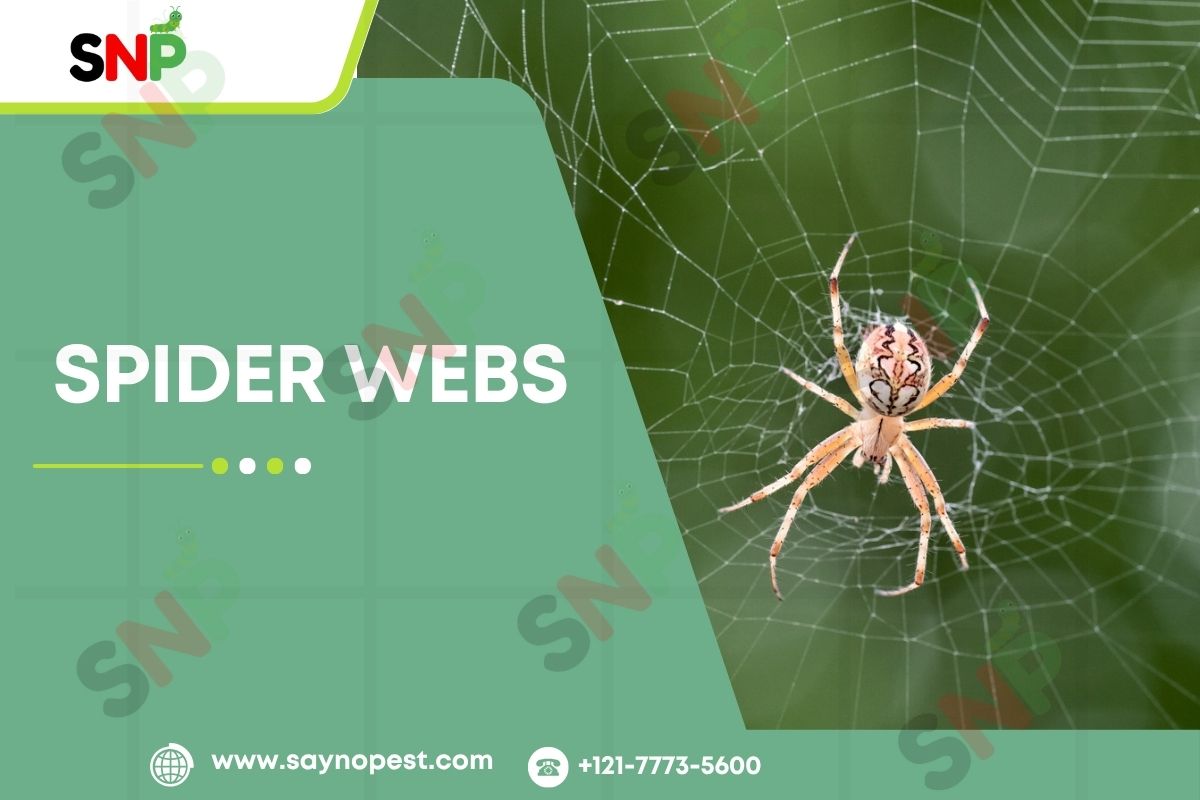
    Among the most interesting and elaborate creations of nature, there are spider webs. Not only can spiders use these fantastic designs to house and protect themselves, but all kinds of purposes, including catching prey. Awareness about the spider webs will enable American homeowners to understand the value of these natural pest predators as well as how to identify the likely species of spiders that they will find in their homes.

    Where Do Spiders Usually Build Their Webs?

    Spiders are tactical engineers as far as the placement of spider webs is concerned. They select their sites perfectly, keeping in view various major factors that increase their survival rates and success in preying on their victims.

    Spider webs are most likely to found in high-traffic insect zones. Spiders would locate webs adjacent to the possible insect flying routes, mostly at night, at the source of light or insect accumulation, like lit windows. The sites offer the most chance of capturing airborne prey.

    spider-webs

    Raised and safer places are also essential. The spider webs most commonly found on the corners, under eaves, crawl spaces, basements and other hard-to-reach places. The places provide shelter against the weather and predators, and web-sitting points.

    Vegetation and buildings in the open are perfect as well. A lot of spiders build webs in trees, bushes and between branches where there are many insects. Outdoor furniture, gardens and porches offer the best locations to have web spots.

    The positions where the spider webs are set are very strategic so that the spider has the maximum chance of capturing its prey and minimal chances of facing danger. This proves more of an adaptive trait of spiders to move their webs to new places when they consider a given area to lack prey.

    Understanding Black Widow Spider Webs

    Black widow spider web: Another widely known web in North America also has an easy identification. The webs are peculiar to spiders with distinct features that ensure they are different when compared to other webs constructed by spiders.

    Webs of the black widow spiders are highly irregular in appearance and disorderly. Contrary to their ideal geometric designs of orb web webs, the webs of the black widow spiders are irregular, also looking tangled and frantically made. But in reality, this seeming randomness is very well thought-out architecture.

    There are three levels of structure in the web of the black widow spider. The top part has very good holding strings, and this makes it hard to tear off the net in case of flying prey/debris. The core section includes entangled threads, which use to trap the prey, and the lower section involves trap threads that are vertical to trap crawling insects.

    The black widow spider web building process produces a crackling noise reminiscent of cellophane wrappings when it is physically broken, owing to the super-strength of the silk. This is power because it aids in the feeding strategy of the spider and guards against environmental destruction.

    The places where the black widow spider webs mainly found are near the ground and in dark and remote places. These spiders like to construct their webs in wood piles, under the eaves, inside hollow stumps and around boxes and corners of windows and garages. In houses, places such as crawl spaces, attics, basements, and other unattended places has known to harbour black widow spider webs.

    Understanding Southern House Spider Webs

    The Southern House spider web is another unusual web structure usually prevalent in American homes. These nets possess specific features that make them unique compared to other structures of spiders.

    The Southern House spider web looks flat, tangled, with a unique woolly feel. The Southern House spiders have a different way of trapping as compared to the sticky spider webs. The silk does not look smooth and sticky, but fuzzy and cottony.

    The Southern House spider has a special technique of silk production in its web construction. They are cribellate spiders; therefore do not use adhesive webbing as many spiders do. Rather, they have their legs cover in webbing, which is combed across a speciality plate called the cribellum, resulting in fine, velcro-like netting which traps insect legs.

    Southern-House-spider-web

    The web build-up of a Southern House spider is radial, meaning it goes out spreading from a central hole or crack. They also have a unique shape whereby the web seems to burst out of a hole or cavity where the spider is hiding, and is easily identifiable.

    The patterns of the Southern House spider web placement are normally at higher elevations within the topography of human buildings. These spiders mostly build their homes in cracks and crevices of homes, garages and sheds to make their webs. They are usually found in the structure of buildings, especially dark corners of window sills, shutters and overhangs.

    The Southern House spider webs are commonly found outdoors on plants, cacti, vegetables, and vegetation and tree bark. The spiders can also build webs on homes, barns, bridges, and other artificial areas, always in areas of protection and good anchor points.

    How Long Do Spiders Live?

    The longevity of spiders differs considerably with species, gender and the conditions of the environment. The knowledge about spider lifespan would assist the owner of the house to value the wonders of nature and how these animals improve the level of natural pest control.

    Many spiders have a lifespan of about a year to two years, but sometimes their lifespan depends on their type. The birth rates comprise the females that usually outlive the males in almost all species of spiders. This is where males will die after mating, and it is either as a result of the mating process or it can caught in a mating succession, thus consumed by the female. Also, women have developed to have a longer lifespan, so that during their lifetime they can guarantee children and the success of reproduction.

    The basic life span of a common house spider is one to two years. The life span of garden spiders is normally one year, whereas the females of the orb-weaver species live approximately one year and males for about some months.

    Some of these environmental factors do matter a lot when it comes to the longevity of spiders. Spiders that reside in secured/confined, unexposed habitats and enjoy a good supply of food ought to have a very long life compared to those that are vulnerable to foes, extreme weather, and human beings. Wild spiders tend to have short lifespans as compared to captive individuals because they constantly lack shelter and food.

    Conclusion

    Knowledge of spider behaviour and webs can be a good point of reference to learn more about them. These are some amazing creatures that naturally regulate pests at home and in the garden. When approaching the irregular black widow spider web or the woolly Southern House spider web, there is a reason to know these structures to, first of all, know which spider species are present and to understand how ecologically valuable they are.

    In the case of homeowners in America, knowing the life expectancy of spiders and their webs would, in turn, guide their choice in the control of the pest. Instead of getting rid of these useful predators right away, think about the insects that they will remove by eating flies, mosquitoes, and nuisance insects. The majority of them are quite harmless to people, yet highly beneficial to house and garden ecosystems.

    Whenever the need to call in professional pest control is needed, always depend on SayNoPest to give intensive spider management services. We recognise that the most effective pest management measures must ensure that the homestead stays comfortable and at the same time, there is protection of the overall ecological balance in the environment.

    When we realise the intricacy and beauty of a spider web, we begin to admire the creatures which are generally misunderstood but have learnt the art of survival due to the excellence in engineering. The design of a black widow spider web or that of a Southern House spider is quite impressive because we see nature goes a long way in producing functional art that many will even say humanity has modelled after it.
  • How to Keep Spiders Out of Your House

    How to Keep Spiders Out of Your House

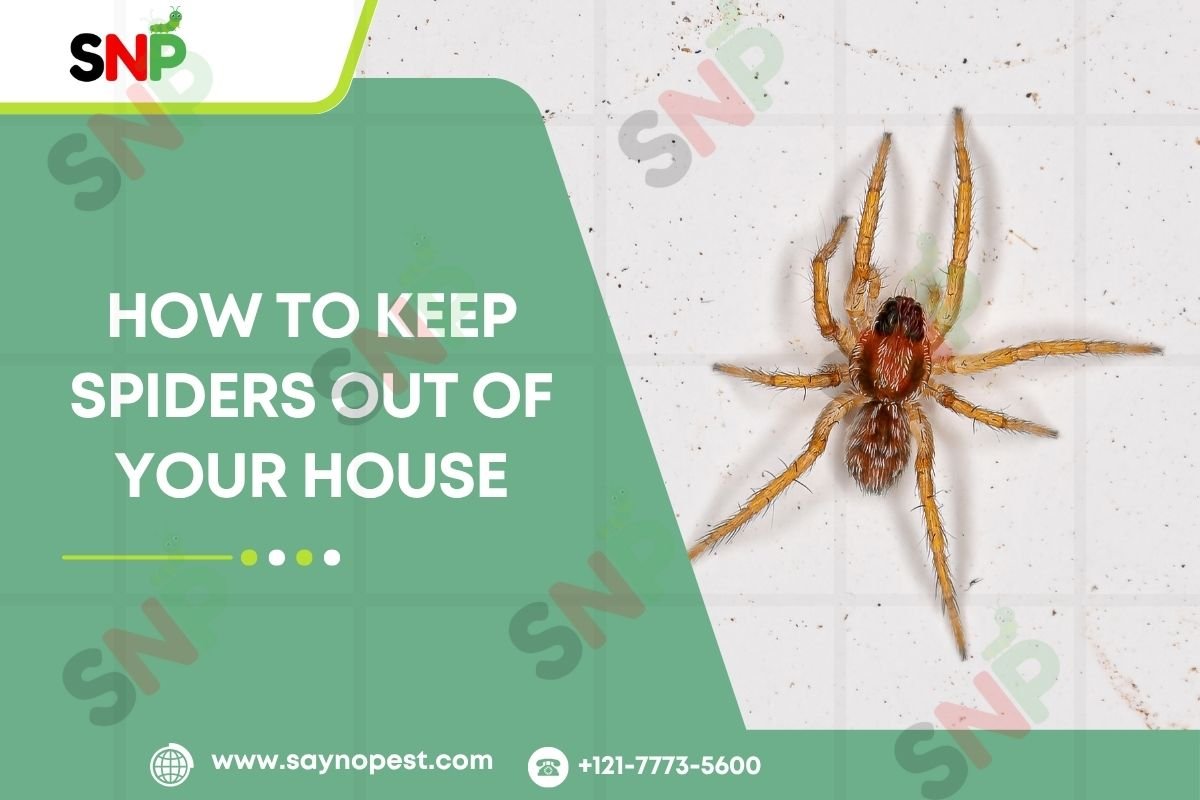
    Spiders may be small, but they know how to make a Haunted entrance, usually when you least expect it, like relaxing during a midnight snack run or a Calm shower. While most of these eight-legged, unwanted guests are harmless (and surprisingly sometimes helpful in controlling other pests), their sudden appearances can trigger high jumps. If you’ve ever searched how to keep spiders out of your house, you’re not single —and luckily, you’re in the right spot. From the infamous black widow to the lightning-fast wolf spider, these creepy crawlers have a knack for turning peaceful corners into spider Web. But fear not! We have tips, tricks, and spider-stopping secrets to help you reclaim your home. So grab your coffee and let’s spin a web of knowledge that keeps the spiders outside—where they belong.

    Spiders in the United States and Their Impact

    how-to-keep-spiders-out-of-your-house

    Households across the United States frequently encounter spiders as residents see them in their homes. The hunting abilities of these Tiny crawlers make them important in pest control operations, though their appearance often causes fear among human observers. Spiders create a double problem for homeowners since they are visually displeasing and they present a health danger, specifically through venomous species including the black widow and brown recluse. A spider web in the corner or an unexpected eight-legged being are the things that can quickly change the feeling of comfort into worry. Because spiders are looking for shelter during the winter, that is a time when humans should know how to prevent such situations, and therefore, the question of how to keep spiders out of your house is very important as it will make your living environment safe and convenient.

    Types of Spiders Found in the United States

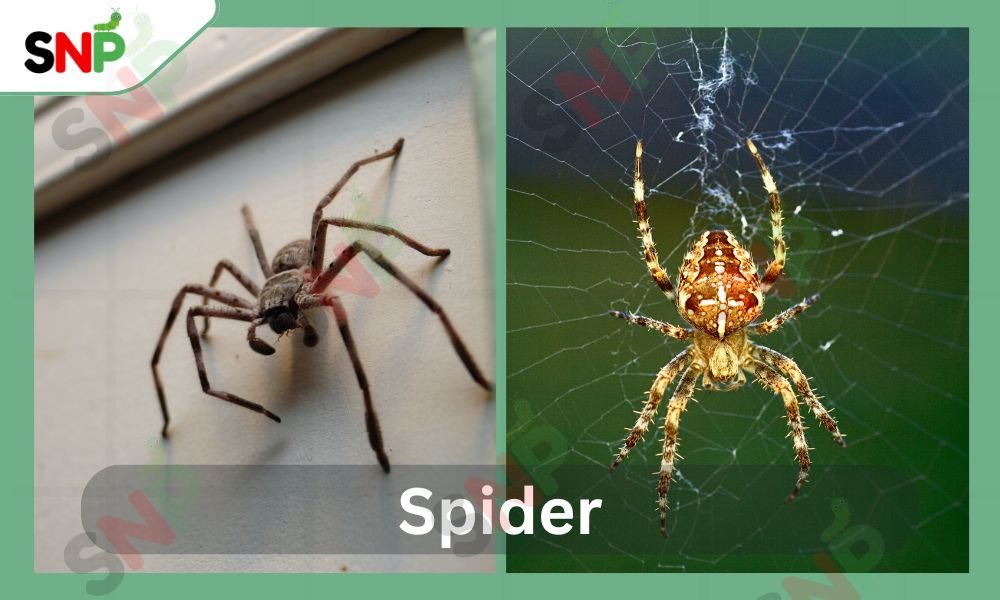
    Spiders, in general, are not the most popular animal, to say the least, but the US has approximately 3,500 species of them. Nonetheless, only a fraction of these species end up in human dwellings, or do they pose any hazard? Here are the most remarkable types of spiders:

    1 House Spiders

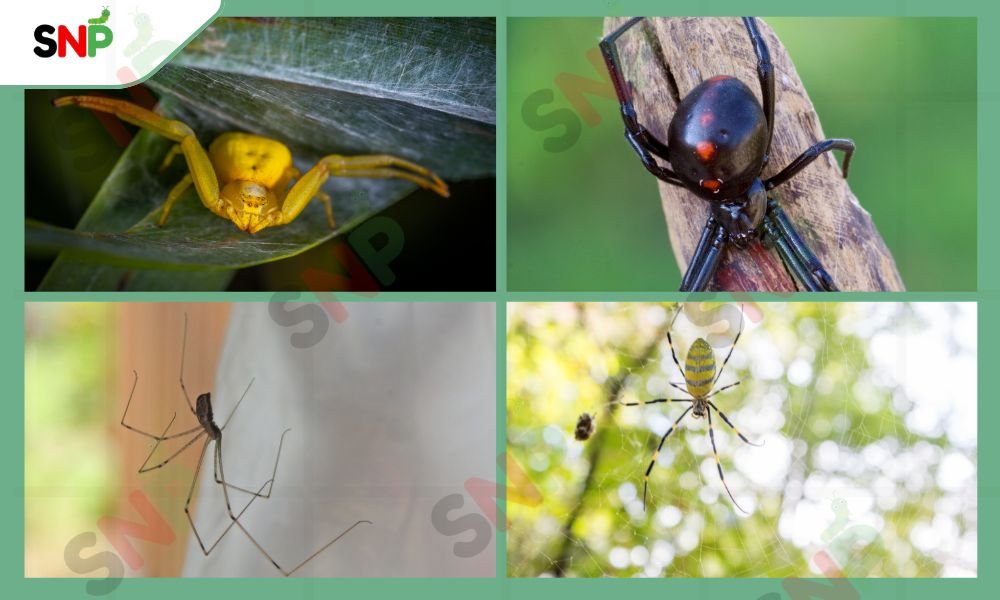
    These are the spiders we notice the most, as they are frequently found inside our houses. They are usually yellowish-brown with long abdomens and create an untidy Spider web in dark areas.

    2 Black Widow Spiders

    One cannot fail to recognize an ordinary-looking shiny black body with a red hourglass mark, and this is a black widow Spider. They live throughout most US regions, but you’ll find them more in the South. Their bite can cause some nasty symptoms, but fatalities are very unlikely.

    3 Brown Recluse Spider

    Medium-sized, unicolored brown, and a medium-sized violin-shaped mark are the characteristics of brown recluses. They mainly live in the southern and central US. Their bites can cause severe skin damage.

    4 Wolf Spiders

    Wolf spiders are scary-looking creatures with large bodies and a lot of hair. These wolf spiders mostly don’t build a Spider web and are quick to attack on their victims. Sometimes, they are spotted in buildings during their raids to lure their prey outside.

    5 Jumping Spiders

    Jumping spiders are small and have a black body with spots of different colors. They are generally seen on walls and floors. They are always jumping, running, and climbing. They frequently live in open places like window frames, doors, etc.

    6 Cellar Spiders (Daddy Long Legs)

    The name ‘daddy long legs’ comes from the fact that the cellar spider, like so, has such long, fine legs and bodies that are so small. That is why they are mostly found in humid and dark areas such as cellars and basements.

    7 Yellow sac spiders

    These are quick while moving and are yellow with a hint of lightness. They often found indoors, and even though they are not dangerous, their bites are not the most savory thing in the world. OK, well, their bites are not the most savory thing in that case.

    8 Joro Spiders

    Joro Spiders are extremely bright and vividly colored orbs that are probably the invasive species conquering the South and East coasts. The plans are entirely safe, but the webs will be wonderful.

    How Long Do Spiders Live?

    How Long Can Spiders live? The survival of spiders for a given period ranges significantly due to the species and habitat they are in:

    • Some house spiders can live for a year or more, but some individuals can live together for a long time with suitable enviroment.
    • A black widow spider exists between one to three years but female spiders survive longer than their male counterparts.   
    • A brown recluse spider lives for two years which happens to be one of the longest durations for this group of spiders. 
    • A wolf spider usually lives one year but certain female specimens can reach additional years of survival. However, the male’s longevity is no greater than one year. 
    • Some Tarantulas and trapdoor spiders (which are not common from the ones found in households) can live up to several decades, with the longest fangs recorded at 20 years and more.
    • For a spider to be able to tolerate living indoors, there must be availability of food, no appearance of predators, agreeable temperatures, and a favorable climate. Otherwise, the lifespan of the said spider will be drastically reduced. 
    types-of-spider

    How to Keep Spiders Out of Your House

    Trying to prevent how to keep spiders out of your house requires implementing these proven techniques to reduce their attraction to your residence.

    Declutter Like a Pro

    Spiders establish their spider web shop places through suitable nesting sites found in clothing piles and cardboard boxes as well as old magazines. It’s like a five-star hotel for them! Keeping your storage spaces neat and clutter-free gives these sneaky insects a lot of places to crash.

    Seal the Deal (and the Cracks)

    Think of spiders as tiny ninjas—if there’s a crack, crevice, or hole, they’ll find it. Use caulk or weather-stripping to shut them out like a pros. Remove these Tiny unwanted guests out of your house. 

    Jaustice with a Vacuum

    Cleaning isn’t just for aesthetics—it’s a secret weapon for your home in your spider battle plan. Regularly use vacuum for spider famous spots: corners, under furniture, and along baseboards. Spot a web? Tear it down, take care of the eight-legged tenant, and clean it up like a boss. Spider eviction complete!

    Tidy Up the Yard

    Spiders will not receive welcoming treatment when you leave firewood stacked or permit garden debris accumulation next to your house. Maintain your outdoor area in a neat condition with regular trimming and empty your yard of spaces that attract spiders. A clean perimeter means fewer uninvited guests inside.

    Beat the Bug Buffet

    Spiders are snackers—they hang around where the bugs are. Reduce the population of indoor insects like flies, ants, and roaches, and you’ll take away the spider’s dinner menu. Less food = less interest in your living room.

    Spritz Some Scents

    Want to fight spiders with fragrance? Essential oils blended with peppermint, tea tree, and citrus should be applied to create a barrier. Spiders cannot tolerate the scents, so they will steer clear of them. When combined properly in a spray bottle, you should mist all surfaces, including entryways, baseboards, and corners, to create an enjoyable-smelling spider repellent.

    Conclusion

    Spiders are a common phenomenon in the United States. However, that does not mean that you have to house them. Once you get to know the various spiders you will mostly find and their lifespans, and by adopting preventive methods, you will considerably reduce the chance of being a part of undesired occurrences. If you are still facing a stubborn infestation or just need peace of mind, a spider exterminator could offer some of the best solutions, customised and professional, to meet your needs. Do not let spider web and insects take your space as their own. Get more information about how SayNoPest will help you deal with how to keep spiders out of your house by visiting SayNoPest’s website, and feel safe and secure in your spot again today.