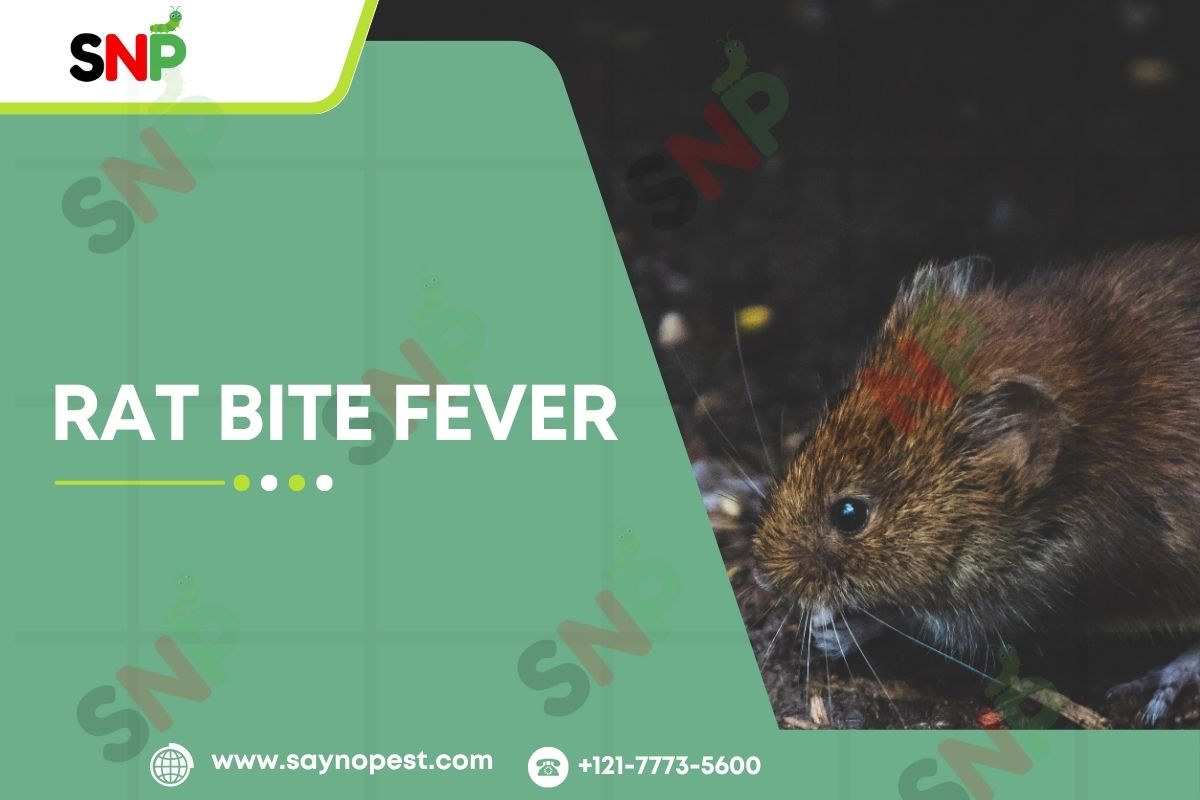
Rat Bite Fever is an infectious disease caused by bacteria and is dangerous for anybody who has contact with infected rodents. It is a serious illness that can be transmitted through a rat’s bite, scratches or even from contaminated materials. Thus, this represents an important issue to most families.
Signs of Rat Bite Fever
Symptoms of rat bite fever should be identified in order to provide early treatment and thereby have a full recovery. The very frequent symptoms are:
Symptoms in the beginning (3-10 days after exposure to the bite):
- Sudden fever and chills
- Extremely intense headache and muscle pain
- Nausea and vomiting
- Tiredness and lack of strength
Advanced Symptoms:
- Typical rash that appears on hands and feet, which is sometimes accompanied by red or purple spots.
- The pain and swelling in the larger joints.
- The lymph nodes close to the place where the bite was will be swollen.
- The wound that was originally there will become an open sore.
The signs normally become visible after 3-10 days of exposure. Many people never draw a line between their sickness and the fact that a rat was near them and thus they got hurt, because their bite wounds, in particular, are usually healed really fast.
Complications of Rat Bite Fever

If the treatment is not done in the right way, the fever can cause very serious problems. These problems are life-threatening as well.
Cardiovascular Complications:
- Infection in heart valves with a mortality rate of 53%.
- Inflammation in heart muscle.
- Inflammation in heart lining.
- Neurological Complications such as Meningitis (inflammation of brain and spinal cord membranes)
- Brain abscesses
Other Serious Complications such as-
- Liver and kidney damage.
- Pneumonia and respiratory issue.
- Septic arthritis.
- Soft tissue abscesses.
Untreated Rat Bite Fever has a mortality rate of 10-15%, and therefore, immediate medical care is necessary. Early antibiotic therapy help avoid these disastrous complications.
How Rat Fever Spreads
Firstly, it is important to note that the infection can be transmitted to human beings through multiple channels.
Direct Transmission:
- Scratches and bite that were given by contaminated rodents.
- Unprotected handling of infected rodents.
- Saliva, urine, and waste from rats.
Indirect Transmission:
- Food or water that is contaminated with the waste of the rodents.
- Inhaling dust that is contaminated with the secretions of the rodents.
Rat Infestation Connection

Infestation with Rats dramatically raises the probability of the occurrence of Rat Bite Fever. Rats can make 20-50 droppings per day. Aside of that, they also urinate a lot. Therefore, if a rat infestation occurs, it means that the danger to human health is very high. This is because the infected rats spread the dangerous bacteria by their secretions.
5 Prevention Methods
In order to protect your family and yourself from this issue, it is necessary to take an approach which is aimed to zero contact with rodents.
1. Seal Rodent Entry Points
Fill in all the holes with steel wool, caulk, or metal screening. Check pipes, vents, and cracks properly. Unwanted areas can be covered with sheet metal or hardware cloth, which rats are unable to chew through.
2. Good Sanitation
Food must be stored in closed containers, in case of spillage, it must be cleaned up immediately and garbage must be stored in containers with tightly fitting lids.
3. Wear Gloves
Do not forget to wear gloves that protect and masks when cleaning the infected areas. Avoid direct contact with materials touched by rodents. Note- Hands must be washed completely after any potential exposure.
4. Safe Handling
When there is no other option, the best way to handle rodents is to avoid touching your face and mouth. Also, make sure that everything is disposed of in the safest way possible.
5. Maintain Professional Pest Control
Periodic professional inspections and treatments are very effective in preventing rat infestation which in turn saves you from health hazards. Pest control professionals can find out the rodent area of activity at the very beginning and they will also implement prevention strategies that are not just local but are also comprehensive.
Conclusion
Rat Bite Fever has attracted a lot of attention because it is a serious health hazard that requires urgent attention by the health sector. The illness is very contagious and can be fatal in case it is not treated in time. Your family should know what to do and how to be safe. The use of professional pest control services is very essential in order to make sure that the safe living environment is not compromised.
In case you get a hint that rodents are active in your house or if you have the symptoms following the possible exposure, don’t hesitate – get a doctor at once, also call the pest control professionals. The earliest possible moment of intervention might eliminate the establishment of rat infestation as well as the health consequences of Rat Bite Fever.
For the most complete pest control solutions and professional rat infestation management, entrust the experts at SayNoPest the duty of guarding your home and family against such health risks that are very dangerous.