Tag: raccoon

  • Raccoons- Behavior, Diet and Habitat

    Raccoons- Behavior, Diet and Habitat

    Introduction

    The raccoon is one of the most versatile wildlife in the United States. Raccoon is well known and has peculiar marks on the face in the form of masks and paws that are skilful and can be readily detected near human settlements. so they can often be found near human homes. Although they are interesting animals, they may at times be problematic to house owners.

    It is necessary to know their behavior, diet, and habitat, particularly when you are thinking about raccoon pest control actions. raccoon pest control can be used to protect your home and effective pest control for raccoons​ when the repetitive animal problem of raccoon is a challenge to you.

    Night-time Racoon habits.

    • Raccoons are mostly nocturnal animals and thus, they are mostly active at night. They also scavenge under the dark and therefore they are hardly spotted in the day. The fact that they are nocturnal prevents them being predator prey and decreases direct human contact.
    • A few observations regarding the nocturnal conduct of them:
    • Raccoons are equipped with ultra sensitive front paws, which help them to explore and seek their food in the dark.
    • Raccoons even scavenge through garbage bins, gardens and even pet food dishes without detection at nighttime.
    • It is important to know their nighttime habits in order to put in place appropriate raccoon pest control 

    Adaptability to Urban Areas

    The ability of the raccoons to adjust to the urban setting is one of the most outstanding characteristics of the pests. The food supply in cities and suburbs is very high, with both trash, bird feeders, and garden produce.

    City flexibility points to:

    • Raccoons are able to nest in chimneys, abandoned buildings as well as attics.
    • They are great climbers, which means that they can reach roofs and other raised buildings.
    • Such flexibility usually results in professional pest control for raccoons in order to avoid building damage.

    Safety deterrents and exclusion methods can be used to reduce the number of times one has to deal with raccoons in the city.

    Diet and Feeding Habits

    Raccoons are omnivores i.e. they consume plant and animal material. They have a very diverse diet basing on their habitat.

    • Common dietary components:
    • Garden and tree fruits, nuts, and berries.
    • Insects, fish, eggs and small animals, in the wild.
    • Urban human food waste, litter and pet waste.

    Being opportunistic eaters, raccoons are shrewd foragers, and they may be a nuisance in their households. Introduction of raccoon pest control would help in avoiding damage of property due to food scavenging.

    Ecological Role of Raccoons

    Although the raccoon is viewed as a nuisance in the city, it has a significant role in the ecology:

    • They aid in the regulation of insects, rodents and other small animal population.
    • The raccoons assist in replenishing the forests by eating fruits, planting seeds. 
    • They are an indicator of a healthy and good ecosystem.

    Having an understanding of their contribution to the ecosystem makes the pest control for raccoons​ a cordial exercise in which the wildlife do not receive much harm in ensuring that the human environment is not disturbed.

    Conclusion

    Raccoons are intriguing animals, their behavior is complex, they have a complex diet and habitat preferences. Their nighttime activities, ability to adapt to cities, and their ecological benefits have caused them to be fascinating and problematic to house owners.

    In case of the persons having the problem of raccoon life, raccoon pest control and pest control for raccoons services provided by SaynoPest help in providing safe and effective solutions. With support of information about the raccoon behavior and the professional intervention, you will be able to safeguard your property and at the same time not to break the law and treat the wildlife with respect.

    Frequently Asked Questions

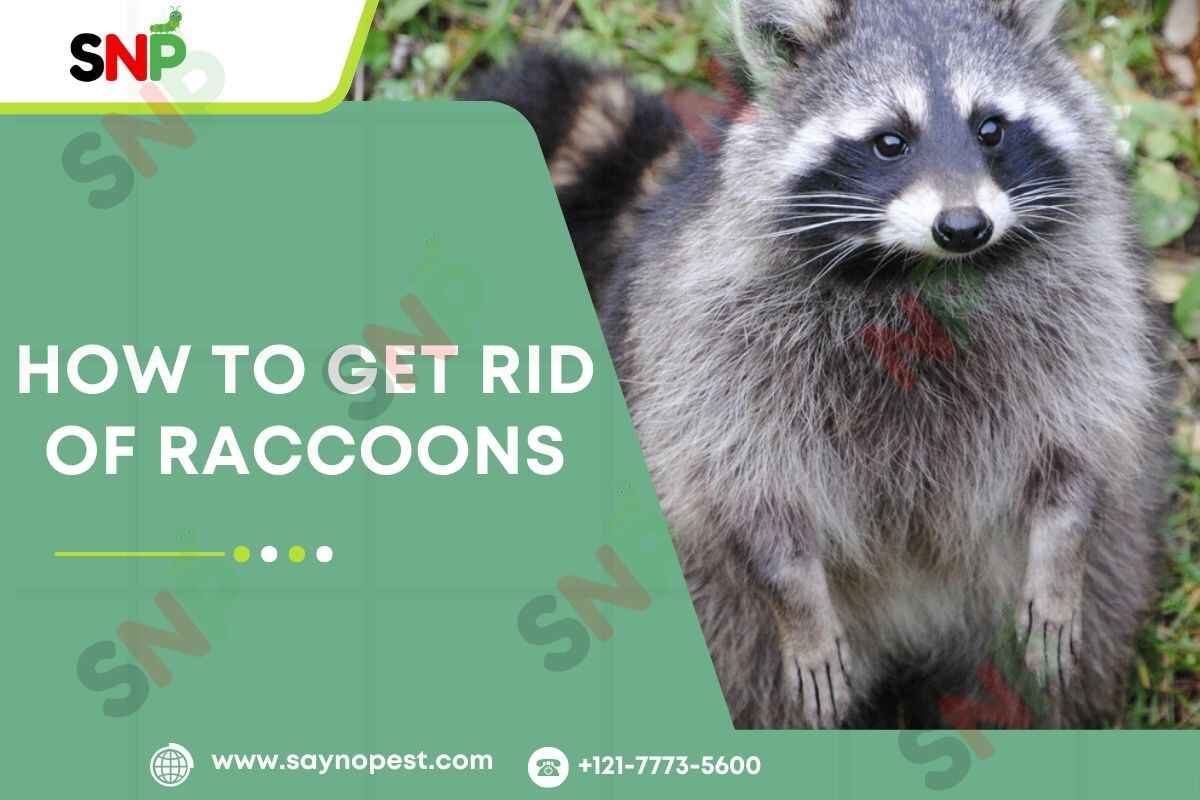
    Q1: How to get rid of raccoons?

     You can use professional pest control for raccoons​ services in the safest manner. They include closing access points, humane trapping and eliminating food.

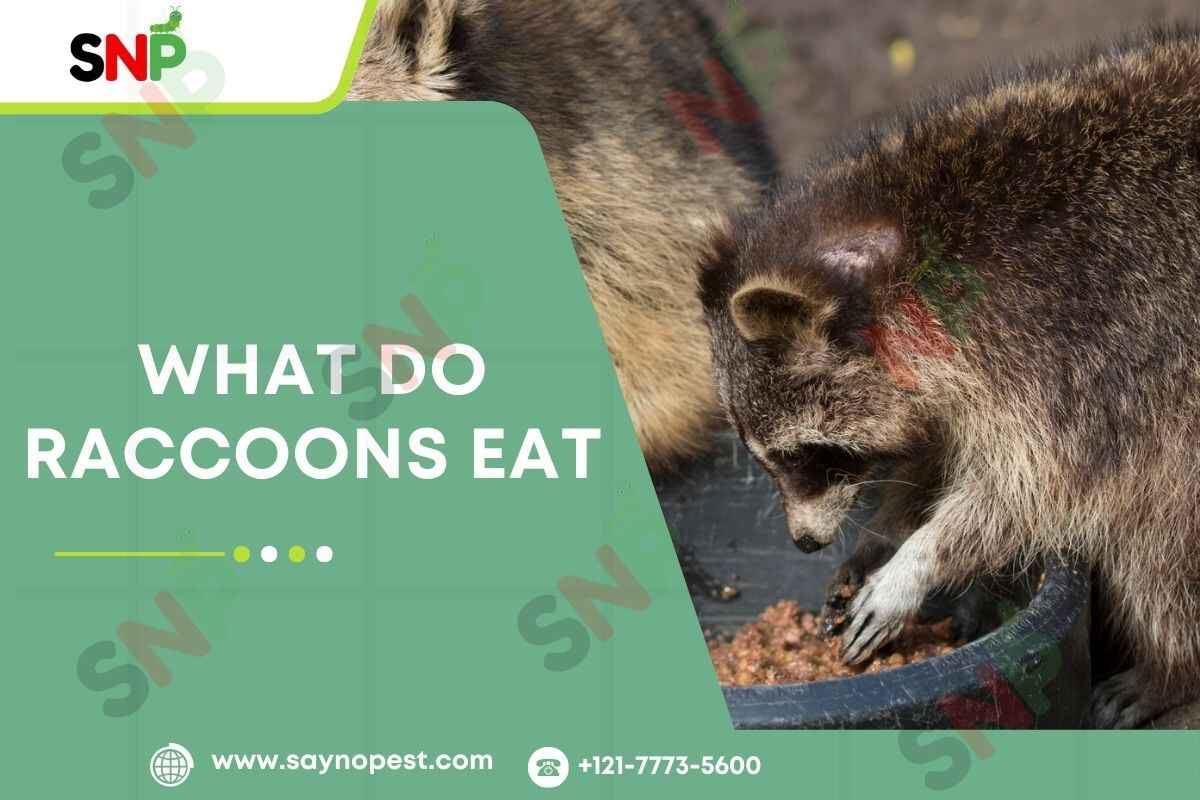
    Q2: What do raccoons eat?

    Raccoons are omnivores. Their food includes fruits, nuts, small animals, insects and human food leftovers.

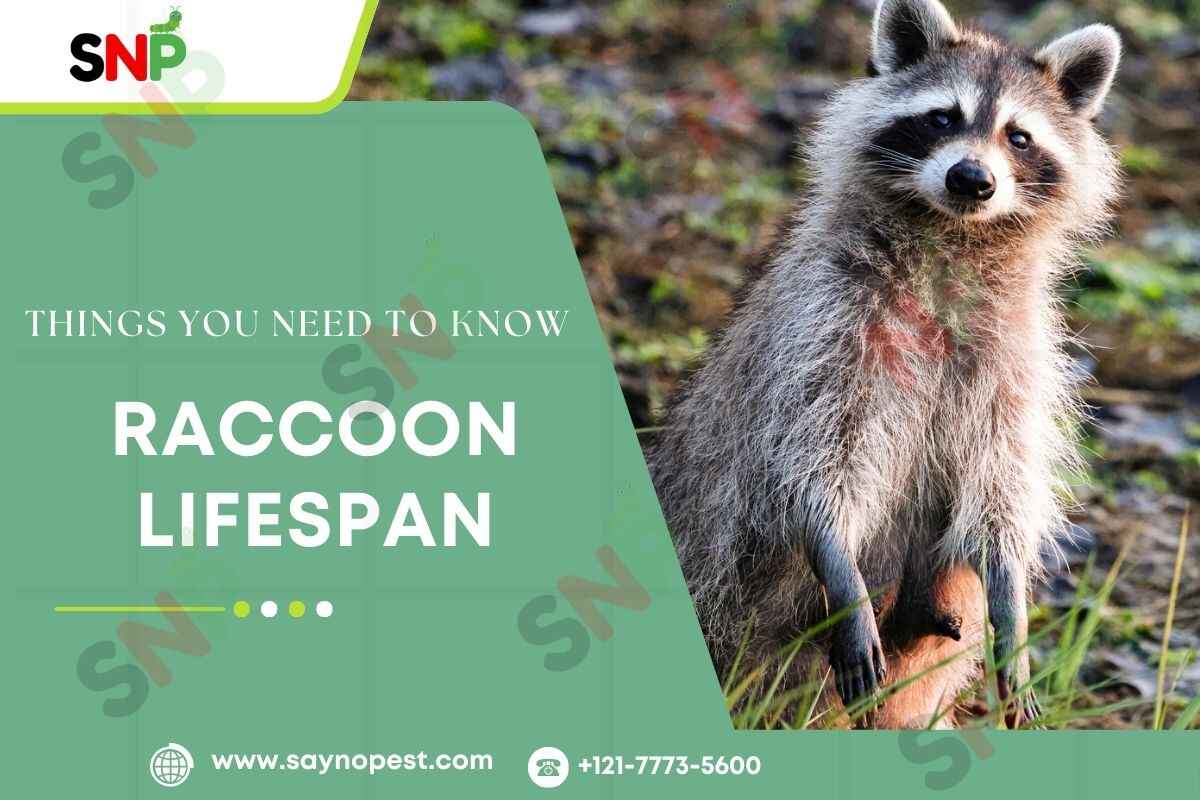
    Q3: How long do raccoons live?

     The average life of a raccoon in the wild is 2-3 years but with some living to 5 years or more.

    Q4: Are raccoons harmful to human beings?

    Raccoons are not very violent, but may have such diseases as rabies. Direct contact and direct interaction should be avoided and professional pest control for raccoons​ should be sought in case of frequent encounters.
  • Raccoon Traps: Safe, Effective, and Humane Solutions

    Raccoon Traps: Safe, Effective, and Humane Solutions

    The issue of raccoon infestation is rising to a high level in the United States, particularly among suburban communities and in homes that have wooded environments. These tinky, twittering mammals frequently find their way into trash cans, nesting in attics, or destroying gardens, and these are just some of the consequences that homeowners can endure. Effective raccoon traps are necessary as an alternative to traditional deterrents when they are ineffective to protect property and provide peace of mind. Find out why raccoon traps are require, learn the raccoon behavior, the common types of raccoon traps, safe and humane trapping techniques, and steps that work well in removing the raccoons, all geared towards the American audience, by SayNoPest.

    Why Raccoon Traps Are Necessary

    Raccoon invasions lead to property damage, health risks, as well as difficulty in keeping the outside areas and houses in check. Raccoons also carry parasites and diseases like rabies and thus, no time wastage can afforded.The use of fixes to keep raccoons off can very futile since the animals are very clever and can bypass the barriers. Traps provide a consistent and effective method to deal with the problem of raccoons and avoid the ever-new cases of infestation.

    Raccoon-traps

    Understanding the importance of trapping raccoons: constant trash disruptions, garden demolitions, or attic intrusions are an indication that preventive measures are not enough. Use of raccoon traps means that removal of raccoons is safe, effective, and cognizant of local laws regarding wildlife. The traps, when used properly, offer relief to people in homes who are in need of knowing how to get rid of raccoons without subjecting pets to unnecessary stress or straining the animal populations in the area.

    Understanding Raccoon Behavior Before Setting Traps

    An effective plan of raccoon removal depends on the knowledge of what the raccoons do. Raccoons are extremely active and have dexterous hands that can open containers and steal bait, and they do so. Raccoons are investigative, and they explore anything new in their surroundings. The location of the traps should follow the habits of the raccoon: the tracks, the droppings, and the activity location of the raccoon, like the attic, garage, or outdoor sheds. Being able to discern the patterns, such as nocturnal movements, preference for closed areas, will increase the efficiency of the traps used to capture the raccoons.

    It should be note especially in spring when mother raccoons seek sheltered places in which to find their young. Humble raccoon removal begins by making sure that there are no left-behind dependent raccoon babies to avoid tragic cases of animals and property owners.

    Types of Raccoon Traps Available

    There are a number of different raccoon traps that can be use by homeowners, depending on the place and their expertise. The leading types include:

    Live Cage Traps

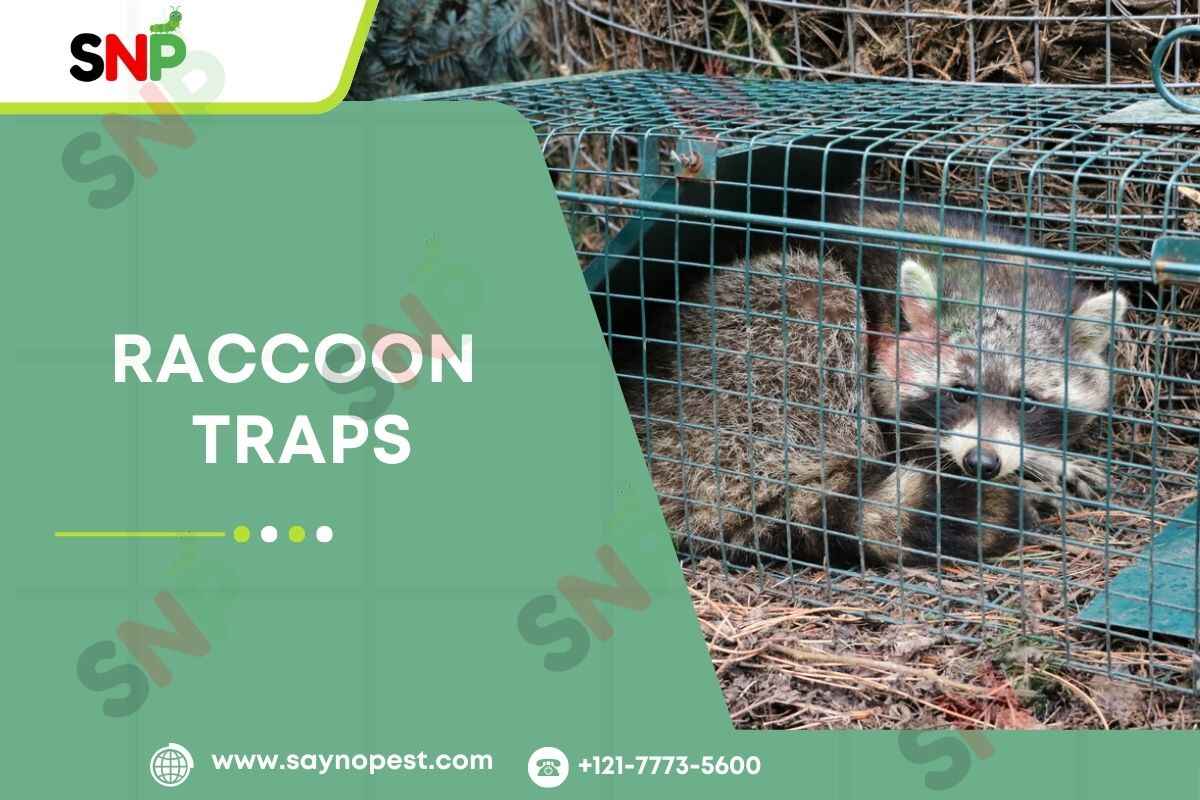
    Live cage traps have been recommend largely due to their humane design, which captures the raccoons safely without harm to the animals. The size of these raccoon traps ranges between 32-42 inches and is made of strong metal and doors that spring-load. The user is able to use marshmallows, watermelon, or cat food as bait- anything sweet or healthy that raccoons like. A well-fixed trap with weights or bricks averts overturning of the trap and escape by the raccoons.

    Foot-Hold Traps

    Foot-hold traps (also known as leg-hold traps) function under the same principle and grip the foot when the raccoon triggers it. The force is handled by spring-loaded jaws, and as much injury as possible is limited by modern padded or offset jaws. These traps are applicable only in the active raccoon trails- e.g., along fence lines or in the garden edges and must be checked frequently to ensure less suffering. To conduct responsible trapping, the state regulations need to be followed, and regular monitoring needs to be conducted.

    Body-Grip Traps

    Body-grip traps are made to dispatch quickly and are mainly placed in water environments, such as beaver and muskrat trapping. In places, these raccoon traps are not in use because they pose a hazard to non-target animals and pets; local laws should be check before use. These types of traps operate by closing, and the raccoon, as it walks through the trap, proper placement is essential in these traps to be effective and safe.

    Raccoons-Removal

    Safe and Humane Raccoon Trapping Methods

    Raccoon removal should safe, and animal welfare and local wildlife laws must be emphasis. The suggested method is live cage trapping, in which the raccoon remains intact and can be release at a distance far enough–at least ten to twenty miles away from its capture site, so it cannot come back. Wear gloves at all times, not to leave behind the human scent; raccoons are fine-tune not to fall into traps with unnatural smells. Before attracting the pest, eliminate other food sources in the environment, since the bait will be more enticing.

    Raccoon traps should checked regularly to ensure reduced anxiety and suffering. Keep a trapped raccoon calm by wrapping it in a towel until you can release it and verify with the authorities about where and whether you can release the raccoon. Humane removals of raccoons also involve sealing of the animal after removal, chimney caps, attic vent screens, and the removal of debris in the yard that might serve as future attraction sites to the animals. In cases that are not resolve easily or complicated ones, hire commercial raccoon removal companies to provide expert help and assurance.

    Conclusion

    Raccoons are smart creatures–adapters, resourceful ones. The most effective way to handle the problem of raccoon invasion is knowing their behavior, correct trapping of the raccoon, and providing correct solutions that are safe and humane to rodents. Careful planning, responsible hunting, and careful exclusion techniques can help the owners of properties to regain harmony in their homes and gardens. To get professional advice on removing raccoons, good raccoon traps, and reliable wildlife advice, go to saynopest–your ally in finding out how to remove raccoons effectively and ethically.

  • How to Get Rid of Raccoons

    How to Get Rid of Raccoons

    Raccoons are an ongoing menace in most regions of the United States, seeking food and shelter in and around homes, causing property destruction, health issues, and displeasure among homeowners. In this blog, we will examine the reasons behind the invasion of homes and yards by raccoons, how to identify an infestation, their lifespan, and the best measures in how to get rid of raccoons. Every suggestion is informed by valid, up-to-date facts to put the American audience in a position to handle these mastermind creatures in a way that is safe and morally upright.

    Why Raccoons Can Be a Problem

    Raccoons have their vice, that is, these creatures seek easy access to food and shelter. Households and backyards have established as close to a perfect habitat as you can get: Easy access to trash cans, outside pet food bowls, vegetable gardens, fallen fruit, bird feeders, compost piles, water sources, and shaded sheltered spots invite raccoons. Raccoons are empty, and they need a living; therefore, they will search through trash, gardens, and small creatures like fish or chickens.

    Raccoons

    They not only disturb the people, but they are also a threat to people and pets. Raccoons can cause great destruction of property:

    • They lift shingles off the roof, tear off vents, and screen to access attics and garages.
    • After getting inside, they may tear insulation, gnaw wires, destroy soffits, and destroy ducts.
    • On the lawn, the raccoons tear holes in the lawn to find grubs and tip over waste cans, leaving extensive debris.
    • They put the residents at risk of rabies, leptospirosis, raccoon roundworm, and Salmonella, which can be transmitted through their droppings, saliva, or bites.
    • Another prominent nuisance is noise; raccoons are night animals and can make much noise within an attic, chimney, or wall during the night.

    Combined with these problems, no wonder homeowners in America are asking themselves how to get rid of raccoons in the easiest, safest, and effective way.

    How to Identify a Raccoon Infestation

    Early identification of a raccoon infestation can spell the difference between a quick fix and thousands of dollars’ worth of repair. The most widespread indicators are listed below:

    1. Indications: Raccoon footprints resemble little human hands and can be commonly found in mud or dust, or even atop porches.
    2. Droppings: Their faeces are tubular, dark, and the size of small dog discs-they usually congregate in attics, garages, yards, or around potential points of entry.
    3. Nocturnal Noises: Tidings of a scratching, scurrying, or thumping of some creature in the attic, chimney, or wall at night, notice any red flag. Raccoons are active, particularly at night.
    4. Inverted Trash: Raccoons are known to go trash picking over garbage cans, tearing open lids and scattering foodstuffs on the floor, in pursuit of food.
    5. Damage to Structure: Search for chewed wires, strips of insulation, missing shingles, or turned-over sods or holes in the lawn that they have dug up in search of grubs.
    6. Nesting Materials: Clods of insulation, paper, or cloth items gathered in secluded areas could be an indication of active denning.

    Raccoons typically make their homes in attics, garage areas, sheds, backyards, beneath decks, or chimney-like areas- dark, silent, and out of the wind and the rain. When there are signs, it is paramount to take practical measures at the earliest moment and find out how to dispose of raccoons through effective measures.

    How Long Do Raccoons Live

    One of the most popular questions is how long do raccoons live. In the wild, the average life of a raccoon is only 2-3 years because of the threats of predators, illnesses, automobiles, and extreme weather. In ideal situations, wild raccoons can live up to five or six years. Nevertheless, a raccoon may live up to 16 to 21 years in captivity, where they have easy access to food, shelter, and no enemies, which creates a lot of dramatic variance in the lives of this species depending on where they live. The age group of the raccoon is useful in realizing how raccoon infestation persists over time- once they become established, they can recur year after year unless they are adequately discourage.

    How-Long-Do-Raccoons-Live

    How to Get Rid of Raccoons

    There are multiple prongs need to know How to get rid of raccoons. The strategies that have been successful both at residential and commercial settings include:

    Minimize Food and Water sources.

    • Close garbage boxes with tight lids and do not leave garbage boxes outside at night. Use bungee cords if needed.
    • Wipe away dishes of pet food at night and keep all food items (bird seed and compost included) in containers that animals cannot access.
    • Pick garden products and fallen fruit in time, and cover the garden beds with the use of mesh in case of necessity.

    Block Entry Points

    • Check the outside of your home and look at the shingles, siding, vent tiles or chimneys that have no protection. Place metal vent construction and chimney caps to exclude raccoons.
    • Seal foundations, soffits and eaves, and holes and gaps with heavy-gauge wire mesh.
    • Seal access to sheds, decks, or crawl spaces.

    Use Deterrents and Repellents

    • Commercial repellents: Use hot pepper-based sprays, garlic oil, vinegar, or peppermint oil around areas of activity. Use instructions with products.
    • Motion-activated lights or sprinklers are also a good idea that scares raccoons and makes your property less welcoming.
    • The nocturnal playing of radios on talk stations can scare away and make the raccoons unwilling to settle in attics or garages.

    Apply Humane Trapping (If Legal In Your Area)

    • To eliminate stubborn raccoons, use live-catch traps. It is always advisable to refer to local rules and seek expert help because the relocation of wildlife might also limited, or it might be necessary to obtain permission.
    • Do not ever attempt to handle or trap raccoons without knowledge–steps can be wrong and cause injury or disease.

    Expert Wildlife Removal

    • Where the problem remains active or the raccoons have established themselves in your premises, hire a professional with education on wildlife removal to offer a more convenient and humane solution to the problem by controlling and preventing further attacks in the future.
    • The best method of dispelling the raccoons is to carry out these strategies carefully to make sure that raccoons do not come back every season.

    Conclusion

    Raccoons have the potential of making a neighborhood otherwise beautiful a cause of constant stress, and with the proper knowledge and equipment, it is possible to effectively contain them. Determining the reasons behind these animals’ invasion, knowing the symptoms of an infestation, and how long do raccoons live and adhering to the best practices on how to eliminate the animals will help American property owners to ensure their homes, lawns, and families are not wrecked and harmed by the animals. For more trusted tips and service recommendations, always rely on verified sources like SayNoPest. Keep what matters to yourself–do it now, and say goodbye to undesirable raccoon residents.

  • What Do Raccoons Eat: An In-Depth Guide for Homeowners

    What Do Raccoons Eat: An In-Depth Guide for Homeowners

    Among the wild animals that are easily recognize in the United States is the raccoon. People were always fascinated with their bandit-like disguises and enterprising methods, but they have also never gotten the best, as homeowners had to run into them around their homes. Raccoons are also flexible creatures, as compared to other wild animals, which consume limited food; this animal can consume a variety of foods. This food flexibility is what makes a raccoon a successful survivor in forests and also in city neighborhoods.

    If you have ever seen one of these masked food scavengers plunging into a trash can in the middle of the night and questioned yourself, What Do Raccoons Eat? then this guide has your answer. By understanding what they feed on (nature and particularly in human environments), you can then be better placed in a position to better guard your property and know the most effective and time-saving ways in which you can safely and effectively dispose of the raccoons.

    What Do Raccoons Eat in the Wild?

    Being in their natural habitats, raccoons are really opportunists. They eat both plants and animals, and are thus omnivores. Their food varies with seasons in accordance with what is in season. Most raccoons are more likely to be found at locations where there is plenty of edible food, such as streams, lakes, and wooded regions.

    What-Do-Raccoons-Eat

    Here is what the most popular items in their wild diet look like:

    • Fruits and nuts: Fruits and nuts can consumed at different time periods by the raccoons, especially when they are in season during spring and summer. These are sources of natural sugars and energy.
    • Insects: Grubs, beetles, and grasshoppers are just a few insects that they have in their diets in warmer seasons.
    • Small Animals: They can capture frogs, fish, small rodents, and bird eggs. Their fine paws and long razor-like talons enable them to hunt their prey easily or dig in nests.
    • Vegetation: Corn, seeds, and leaves are other things that they often add to their diet when animal protein is in short supply.
    • Aquatic Food: Raccoons are quite proficient in water; hence, they tend to seek crayfish, clams, and even snails along the banks of the streams.

    The flexibility of raccoons is that they’ll never starve, regardless of what is in the environment. Their omnivorous nature is what has allowed them to survive in the wild, as well as an explanation for why they live so easily with humans. That is why the answer to the question What Do Raccoons Eat in the Wild is simple: they eat nearly anything found to their disposal.

    What Do Baby Raccoons Eat?

    As a baby, raccoons, also called a kit, have special food requirements as opposed to adults. When arriving in this world, kits are entirely dependent on the milk of their mother. This is normally a period that takes the first two months of life.

    By growing, the mother instructs them on certain important things, such as climbing, food searching, and cleaning food before consuming it. At about 8 to 10 weeks, they start with a taste of solids such as fruits or mushy insects. With time, they eat what adult raccoons eat: fruits, nuts, small animals, and whatever the environment gives them.

    The fast learning skill among the young raccoons is also spectacular since they imitate their mothers. Raccoons have a kit that does not know inherently what do raccoons eat but as they observe and learn with time, they perfect the skill of foraging. Such behavior qualifies them as fast learners and well prepared to live on their own in the wild and also in population centers.

    Why Raccoons Turn to Human Food Sources

    Due to shortages of natural food supplies or when in urban areas, raccoons tend to search for human food. Garbage cans, compost, pet food bowls, and even vegetable gardens are readily available sources of meals rich in calories. Homeowners can experience the problem of raccoons in raising lids and digging in trash and littering at night.

    With raccoons, it is strictly self-preservation- they are merely benefiting by using whatever means they can access the easiest type of food. However, to homeowners, this is a major discomfort and a cause of serious concern regarding how to get rid of raccoons safely.

    How to Get Rid of Raccoons

    And now that you know What Do Raccoons Eat in the Wild, it makes sense why they drawn to residential areas. The same instincts that lead them to go in search of berries and fish also incline them to rummage in trash cans and bird feeders. Luckily, their presence can be discouraged:

    How-to-Get-Rid-of-Raccoons
    1. Properly covered trash cans: Use covered containers with bungee cords or animal-proof lids. Raccoons are intelligent, but not being able to open the bin easily lowers their interest.
    2. Do not leave food sources: Do not leave food out overnight. Harvest fruits on the tree and the pet bird feeder quickly to ensure that they do not get attack by the raccoons.
    3. Seal Entry Points: Raccoons may be entering a house through attics, chimneys, or sheds; accordingly, seal up the areas with wire mesh of heavy gauge.
    4. Seal up Entry Points: Repellents: Motion-activated sprinklers/lights are effective in driving raccoons out. Natural scent repellents can also work, such as ammonia or vinegar
    5. Hiring a Professional: There are times when the most correct answer is to call an accredited nuisance wildlife removal company that understands the most effective ways to exterminate raccoons without harming the animal.

    Although raccoons are adaptable, consistency is the most effective method in the long run when it comes to getting rid of ready food and shelter.

    Conclusion

    The Question is, What Do Raccoons Eat? The answer is very simple, but mesmerizing, almost anything that they can locate. In nature, they can eat animals and plants. Baby raccoons are also dependent on their mothers until they are fit enough to go out hunting. However, the climatic conditions are highly favorable to the raccoons, which tend to live near people due to their adaptability to an urban environment, as they are scavengers and could build nests in our homes.

    To homeowners, this means being proactive. Learning what raccoons typically eat in the wild and the reasons why they are in people’s houses helps you to know how to avoid the issues before they begin. Like locking garbage bins or contacting professionals who will be aware of raccoon removal methods, a step ahead is imperative.

    All in all, raccoons should given their due. At the end of the day, their versatility in adapting to different environments is quite impressive; however, that does not mean they belong in your attic or trash cans. To get more tips on pest control and professional advice, visit saynopest, your local pest control solution provider across the United States.

  • Understanding the Raccoon Lifespan: Things You Need to Know

    Understanding the Raccoon Lifespan: Things You Need to Know

    Raccoons are common wild animals spot in the United States. The intelligent, mischievous stripy-tailed has adapted to forests and (unlike other rodents) even urban settings well. Although there are several people who associate them with having to raid garbage bins at night, not many people know more about the raccoon lifespan and the factors that may affect how long these creatures live. By understanding the life time of the raccoons in the forest, the kind of food they like, and even whether they present any threat to humans, you will get all the information with the help of this blog & how to handle them with the best possible ways.

    Learning the Raccoon Lifespan

    Depending on the environment, the source of food, animals that hunt others, and the relationship with humans, the raccoon lifespan can change a lot. Raccoons in the wild are expose to various threats, including cars and predators, and unkind winters, among other things. In the wild, they live to 2-5 years on average. But those raccoons who are kept in more secure areas, like a wildlife sanctuary or captivity, have a chance to live much longer- up to 15 or 20 years.

    Raccoon-lifespan

    Raccoons are especially vulnerable during the first year, after which they develop the kits. The rest of them will not live either due to the predators or a lack of food. Once a raccoon reaches maturity, though, its chance to survive improves, and it can fare better when allowed shelter and food. Knowing that the raccoons lifespan is not so long helps individuals realize the problems those animals encounter and why they tend to reach resources in human places.

    How Long Do Raccoons Live?

    So,How Long Do Raccoons Live? In more rustic environments with large amounts of predators such as coyotes and owls, raccoons typically die at the age of 3-4 years. Vehicle crashes, disease, and scuffles with human life are their major dangers in urbanized regions. Those that survive the risks better acclimatize to the city environment and may live longer, considering that they have easy access to food, such as garbage bins and gardens.

    In captivity, the number is severely change. Without predation or veterinary support, life span per shifty fro shifty to only a few years to possibly 15 to 20 years. This shows that the environment is the most important condition in the life of the raccoon.

    When you are having problems with raccoons and their nests near your homes, you also need to know that they can be a persistent issue that would require a long-term solution, due to the fact that the creatures are quite resourceful and highly adaptable as well.

    What Do Raccoons Eat?

    The raccoon has a mixed diet, and due to this, you can find them easily in the city, along with the jungle area. Well, what do raccoons eat to give them such an advantage? The reason is their ability to hunt and turn out to be into the category of animals that can eat both plants and animals. Raccoons can eat both plants and animals.

    When living with humans, they usually pick garbage cans, pet food dishes, and even gardens. As an example, they get attracted to small pieces of meat, vegetables, or bread that are left over. Their skill in going into the open boxes with their front paws causes them to be mainly handy at reaching human foodstuffs.

    This feeding versatility plays into the long raccoon lifespan, since when natural sources of food are scarce, such as during the winter months, the raccoons can continue to eat just outside of the wilderness. Yet, such behavior may cause issues as well because it may raise human-wildlife conflict, which results in cries of property damage as well as possible health issues.

    Are Raccoons Dangerous?

    Are-Raccoons-Dangerous

    Raccoon might not seem harmful, and even cute, but this is not the case. The answer to the question, however, is: are raccoons dangerous? The answer in short is yes, but only when they face a threat or get accustomed to people.

    Coyotes are wildlife and have dangerous claws and powerful teeth, and can be violent when feeling threatened. They are also the suspected carriers of rabies which is a fatal disease that can transferred to human beings and animals once bitten or scratched. Besides rabies, raccoons can carry such parasites as roundworms and ticks, which are dangerous to health.

    Another element of danger is that the property is damage. Raccoons have a notorious reputation for breaking into garages, crawl and attics wide spaces to nest. When they are inside, they can chew wires and pull away insulation and other regions littered with feces and urine. Not only are such damages costly to repair, but they can also compromise the safety and hygiene of the property.

    This means that the person handling raccoons around the home should never move to trap and handle them. What you should do instead is call in pest control professionals who understand how to effectively and non-violently get rid of raccoons and stop future incursions.

    Conclusion

    Many factors affect the raccoon lifespan depending on the environment, but as a whole, these animals are survivor animals. In nature, they have low chances of survival beyond 5 years, but in a controlled setup, such as in captivity, they can live up to 20 years. Their longevity can be explained by their omnivorousness and their ability to consume anything: small animals, fruit, and food residues of people.

    Raccoons are beneficial to the ecosystem because they aid in the control of pest populations and the spreading of the harvested seeds, but these become dangerous as they get close to human beings. They can cause property damage and even have the possibility of carrying diseases; in addition, as fascinating animals, raccoons can become a household pest in a short period of time.

    Being aware of how long raccoons live in addition to their behavioral tendencies, homeowners will be able to make more competent decisions concerning the preservation of their property. When raccoons are seen to appear regularly near your house, professional help is the safest option.

    At SayNoPest, we are professionals in pest control and nuisance wildlife elimination in the United States of America. Raccoons can troublesome; our professionals make sure that they are eliminate both effectively and safely, regardless of where you find them. Raccoons don`t want to leave you without peace of mind. Be sure to shorten the duration of your happy life by contacting SayNoPest to make your home happy, safe, and pest-free.