Tag: Moths

  • Do Moths Eat Clothes? Uncovering the Truth About Clothing Moth

    Do Moths Eat Clothes? Uncovering the Truth About Clothing Moth

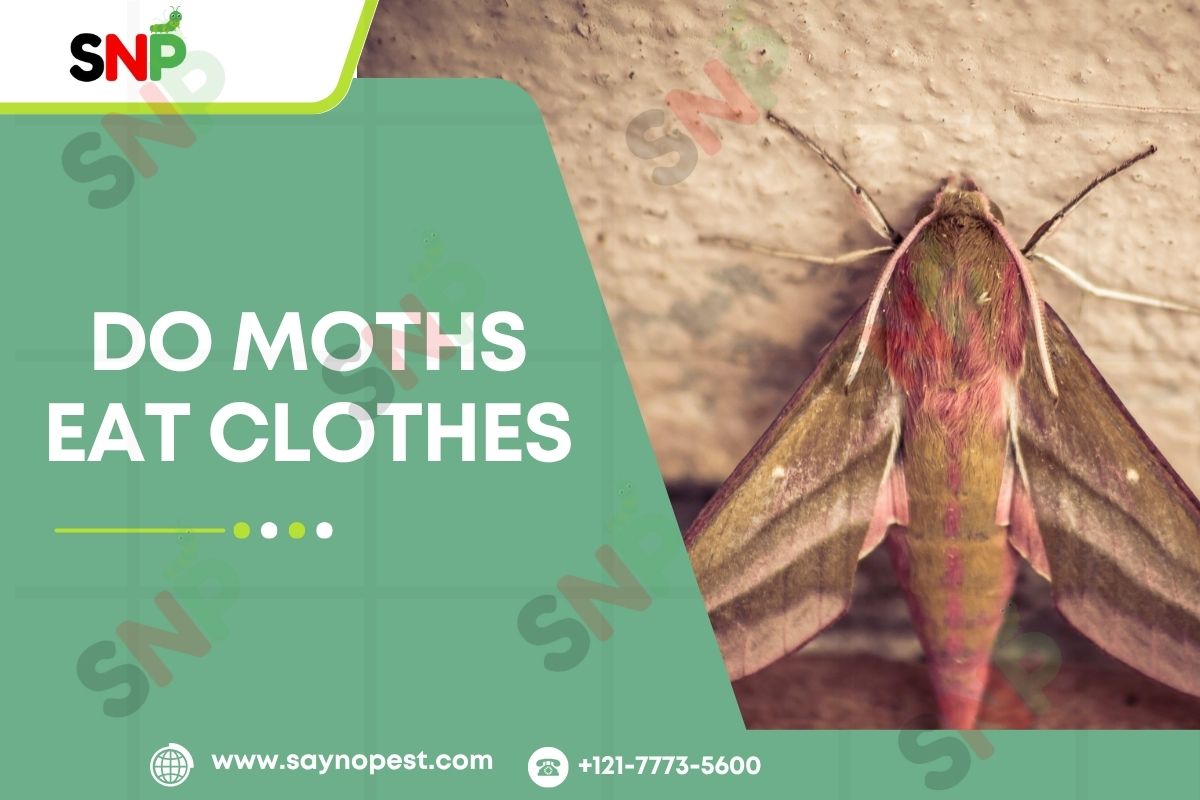
    Do moths eat clothes? Well, if you have ever found holes in your favorite wool sweater after taking it out of storage, you must have asked yourself that question. It is one of the questions that are often asked by households in the United States who love wool, silk, and other natural fabrics. First of all, let’s figure out the reasons why the clothing moths are attracted to your wardrobe, the role of clothes moth larvae, how to observe the infestation, and most importantly, how to save your clothes.

    Why Do Moths Eat Clothes?

    clothing-moths

    Now, to answer the question, do moths eat clothes first, we need to find out the nature of these insects. Adult moths do not eat clothes – this is often misunderstood. The offspring of the adults, called clothes moth larvae, are responsible for the destruction.

    The clothes moth larvae eat only animal fibers like wool, silk, fur, and feathers because these materials have in them keratin, a protein of animal origin that is made of fibrous structures similar to those the larvae use for digestion. Keratin remains a major ingredient in the synthesis of their growth and development. These fibers are fed on by the larvae as they mature to enable them to develop the energy they need to transform into the pupa stage and hence adult moths. That is precisely the reason you woolen sweaters, cashmere scarves, and silky attire are more appealing to the clothes moths.

    Basically, these larvae are capable of digesting keratin, thus giving them the ability to develop into rampaging pests. They are nocturnal animals as well, and this means that they would seek purely dark places where they can hide with ease, like closets the attics as well and storage boxes. Besides, it is in such places that they find their leisurely feeding. Items that are not used often or kept for a long time are the most vulnerable.

    Clothes Moth Larvae: The Real Threat

    Clothes moth larvae are small worms of cream colour, and they are usually less than 1.3 cm in length. Once the adult female clothing moth lays its eggs on a fabric that is favorable to the eggs, the eggs will develop in about 4-10 days, which is dependent on the climatic conditions such as temperature and humidity. The larvae will then enter into a feeding spree which can extend as long as a few weeks or in some cases up to 2.5 years, depending upon the prevailing conditions of the environment and also based on the food supply.
    As they go through this period, clothes moth larvae are unstoppable. They also weave silk tubes or cases while they go, which can frequently found on infested fabrics. These garments and tunnels are more than just a safe place for them; they also signal their presence.

    Signs of Clothing Moths

    Recognizing a clothing moth infestation in its initial stages is vital to avoiding a lot of destruction. The following are the typical indicators that clothes moth larvae are around:

    • Uneven holes or completely worn areas in clothes made from wool, silk, cashmere, or fur.
    • Silky tunnels or cases attached to the fabric, especially from the casemaking variety of clothing moths.
    • Fur or feathered articles excessively shedding.
    • Crusty accumulations or tiny fecal pellets on or near infested fabrics.
    • When clothes are disturb, visible larvae or grown moths occur.

    Damage is commonly conceale in places that are not plain to the eye, beneath collars, inside cuffs, beneath furniture, etc. When you see these symptoms, it indicates that it is high time that clothes moth larvae establish themselves as home in your wardrobe.

    How-to-Get-Rid-of-Clothes-Moths

    How to Control Moths Eating Clothes

    Keeping your wardrobe safe from clothing moths needs a very engaged approach. Here is what you can do for clothes moth larvae control and how to prevent their damage:

    1. Cleaning Thoroughly: Vacuum regularly closets, storage, and furniture that is upholster at least once a week. Before storing, wash or dry clean clothes, as food stains and body oils are the favorite of clothes moth larvae.
    2. Storage Properly: When the season changes, store clothes that you do not need in airtight containers or garment bags. Besides, cedar chests or blocks are also a very efficacious natural remedy against the moths due to the presence of essential oils in them.
    3. Cut Back Hiding Spots: Ventilate and keep well-lit the storage places since the clothing moths are the places where they like the most dark and quiet places.
    4. Utilize Moth Traps: Setting up pheromone traps will help you catch the adult moths as well and it will also serve as a tool to check the number of the infestation.
    5. Inspect Consistently: Make sure you keep checking the items in the storage regularly so that you will not surprised if the clothes moth larvae are there or some damage has occurred.
    6. Get Rid of Infestations: After discovering the infested items, you can wash them with hot water or place them in the freezer for a few days, as it will kill all the life stages of the clothing moths.

    The application of these instructions will enormously downplay the chance of clothes moth larvae being. By carefully following the instructions below, you can go a long way to prevent clothes moth larvae from turning your favorite clothes into their feast.

    Conclusion

    Well, do moths eat clothes? The fact is they do—more precisely, the clothes moth larvae caused the harm to your favorite fabrics. By knowing their nature and life cycle, you will be able to detect clothing moths in the very beginning and do the right things to defend your closet. For more professional pest prevention tips and to ensure that moths have no place in your house, go to saynopest—your reliable partner for pest control.
  • How to Get Rid of Clothes Moths: A Complete Guide

    How to Get Rid of Clothes Moths: A Complete Guide

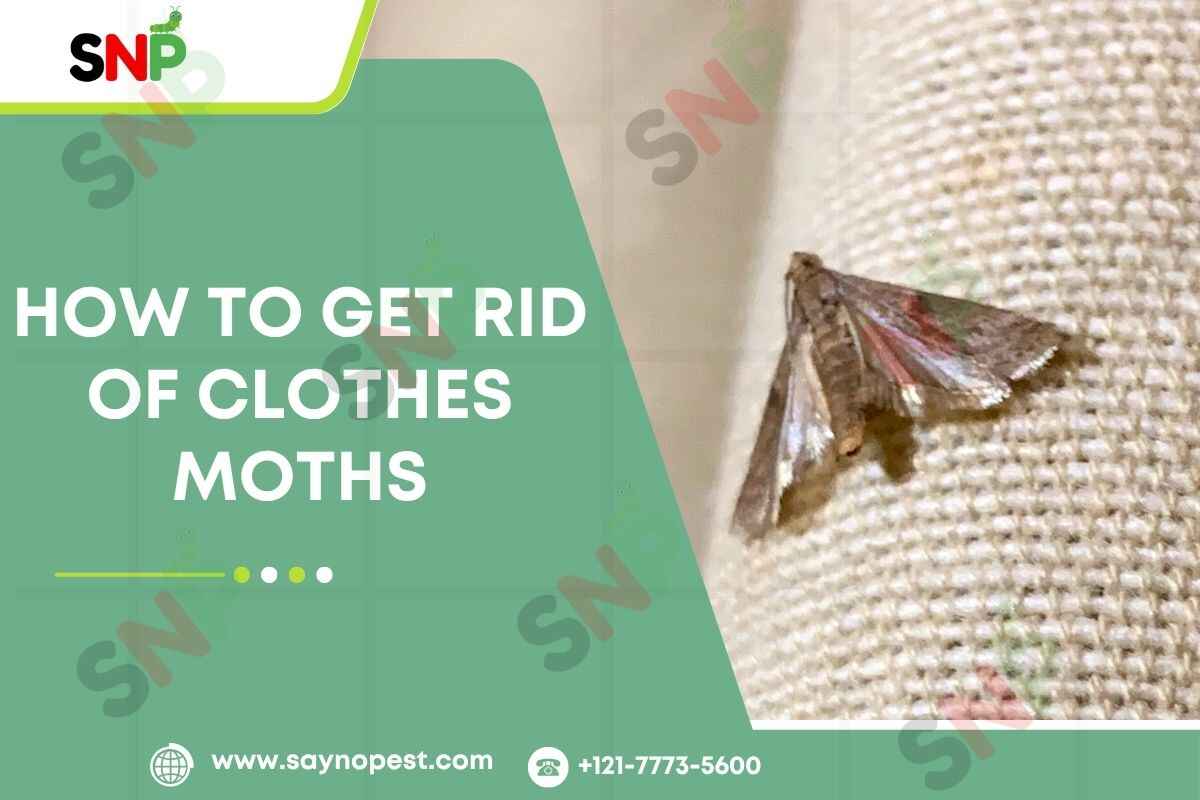
    Your favourite clothes and precious family items can easily become damaged by clothes moths. Should you notice holes in your clothes or small moths in your closet, it’s not unusual. Over the years, many homes in America have dealt with these constant pests. This guide will teach you how to get rid of clothes moths, see why moths like to eat our clothes, What do clothes moths look like and keep them away for good.

    Clothes-Moths

    Why Do Moths Eat Clothes?

    Have you ever wondered why do moths eat clothes and or enter our closet? The easiest answer is no. It is usually the larvae that destroy fibres, and not the adult moths. Clothes moth caterpillars are the ones to eat keratin, a protein found in animal-based fibres like wool, silk, cashmere, feathers, and fur. The larvae use these materials to build their bodies and develop into adult moths. That is why your warm woollen sweaters, fine silken scarves and even your rugs can appeal to these worms. Yet even these adult moths do not feed AT ALL and exist to lay their eggs on the suitable fabrics, which the offspring can eat from when they hatch.

    How Do You Know If You Have a Clothes Moth Infestation?

    The quicker you find a clothes moth infestation, the less the damage will be. Here is how you can figure out if a moth problem has occurred at your place:

    • Do a check on the clothes for the holes that have particularly irregular shapes in them, this usually happens in wool, silk, or fur clothing.
    • Silky tunnels or webs mostly on or near fabrics are the typical signs left by moth larvae.
    • Can you see tiny, sticky tubes (larval casings) clinging to clothes, rugs, or the corners of closets?
    • Would you notice any inordinate shedding from fur garments or a loopy damage on wool rugs?
    • Login to look for those small, pale, and sluggish moths which usually fly or crawl on fabrics, especially in dark, and rareky disturbed areas such as closets or storage boxes.

    If you identify any of the above signs, you should immediately take any required steps to get rid of the clothes moths and then click here to learn more about how to get rid of clothes moths before the problem escalates.

    How-To-Get-Rid-of-Clothes-Moths

    What Do Clothes Moths Look Like?

    It is very important to know what do clothes moths look like so that are there for effectively managed. Clothes moths are tiny in size, usually no more than 1 cm long and have a pale yellow or greyish colour. They usually shun light and like to stay in dark and hidden parts. The pests of the clothes, which are the ones doing the real damage, are small and yellowish caterpillars with brown heads. Another way of detecting them is with their webbing or case trails, which will take the shape of small tubes or be spotted as small silky formations on the fabrics.

    How to Get Rid of Clothes Moths

    If you’re looking for advice on killing clothes moths, these effective ways are worth following:

    Deep Clean and Declutter

    Do away with all clothing and soft furnishings from infected areas. To keep the items, either wash or dry-clean them–clothes moths at a high temperature of water (over 120°F) or professional dry cleaning will kill larvae and eggs. Several clothes cannot be wash, so to clean them, you can use heat treatment by using a dryer, or low oven, or freezing them

    Vacuum thoroughly

    Clean your wardrobe, drawers, and carpets properly. Remove every crack, crevice, and dark corner that is infeste with moths and larvae. Moth expands into them. They can hide unseen all sorts of filth and garbage you might not think are actually there.

    Discard Heavily Infested Items

    If an item is so damage that the infestation is in a critical stage, it’s a good idea to get rid of it to avoid it from spreading.

    Use Moth Traps

    Harbour lures with pheromones in closets and storage areas. These lures can attract and capture male moths, stopping the breeding cycle and indicating the degree of infestation that you face.

    Apply Moth Sprays

    Insecticidal sprays that are suitable for clothes moths will be needed for significant infestations. Biological pesticides that are daisy-based insecticides, particularly chrysanthemum, can also be as effective and safe for most types of fabrics.

    Store Clothes Properly

    Make sure to get clean clothes properly store since body oils and food stains usually lure in moths. Put out-of-season clothes in airtight storage bags and also you can put natural repellents like cedar or lavender into the closet and drawers optionally.

    Monitor and Repeat

    Be sure to inspect potential moth locations frequently. Afterwards place new monitors every couple of months and in addition keep up with cleaning in order to prevent reinfestation.

    Conclusion

    Understanding How to get rid of clothes moths is necessary to preserve your clothes and living space. Spotting clothes moths, understanding their reason for eating clothing and acting right away can prevent them from damaging your possessions. Keeping your clothes clean, putting them away in a tight space and using traps/sprays will prevent moths from appearing. Steer clear of moth damage to your wardrobe by addressing the problem now and enjoying the security of knowing they are safe. Get the best help for your clothes moth problem by calling a specialist who has dealt with similar infestations.