Tag: how to get rid of ticks

  • How Long Do Ticks Live: Ticks Uncovered!

    How Long Do Ticks Live: Ticks Uncovered!

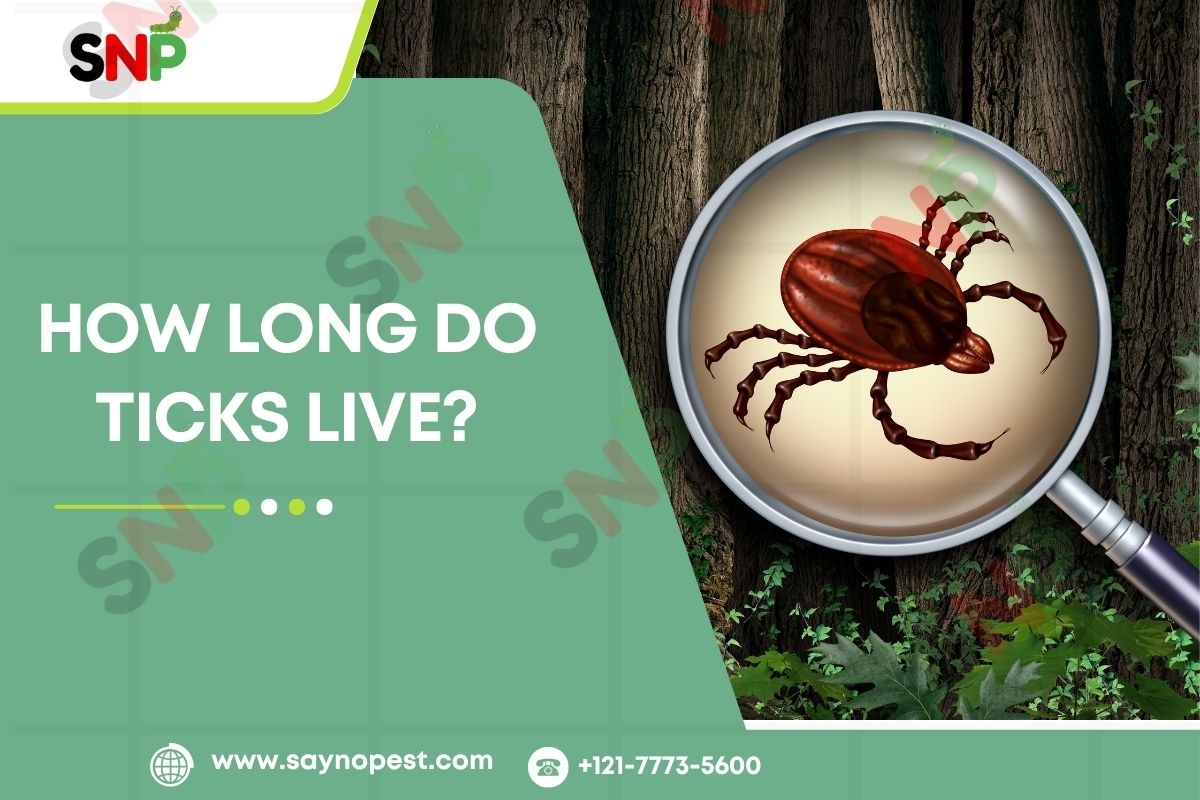
    Want to know how long do ticks live? These tough individuals are able to live for a long time without a host. Moreover, it has been found that some tick species can survive for as long as three years. They undergo a four-stage process during the lifecycle. The lifespan is directly related to the species, climatic conditions, and the number of hosts available.

    Ticks are more comfortable in places where the moisture is high. Thus, if you want to have a safe place without ticks, you have to take care of your yards and houses throughout the season.

    How long do ticks live?

    Life span of ticks mainly depends on their species and the stage they have reached. For example, the American dog tick usually lives about two years and blacklegged ticks can survive for up to three years.

    Throughout their whole life, ticks go through the four main stages of their development: egg, larva, nymph, and adult. The feeding of blood is necessary for every stage besides the egg to continue to the next one.

    In spring, adult female ticks deposit thousands of eggs and it takes up to 60 days for the eggs to hatch. The lifespan of a tick without food changes during the stage of its life. Larvae are capable of living without food for a period of 3 to 5 months and for some species the period can be as long as three years in order to reach complete maturity. Tick larvae, usually called seed ticks, are able to survive without a host for a number of months, and some species were reported to last as long as eight months.

    It is difficult to tell the exact period of life for a tick because the timespan may vary from a few months to more than a year without a meal. If nymphs do not get any food during the first season, some of them are able to last without a blood meal not only through the first but also the second season. Adult ticks possess the best survivability. American dog ticks are the most durable in that they can go without food for two to three years, and cases with the longest survival of 1,053 days have been reported.

    Environmental factors that Affect How Long Do Ticks Live

    Temperature and humidity- These are the main factors that determine the life span of a tick. Ticks rely on humidity of about 85% or higher for their best survival. Try to keep the surroundings warm and dry as it makes them lose water rapidly hence their life span is shortened. Cooler temperatures make ticks decrease their metabolism as well.

    The blacklegged tick life cycle generally takes two years during which the eggs and larvae grow in one year and the nymphs and adults the next year.

    Seasons that Affect Tick Lifespan

    In the winter period, ticks become inactive or enter a state of hibernation which means that they can survive without feeding for a longer time. Therefore, tick populations are able to survive throughout the changing unfavorable seasons.

    Different tick species have different survival characteristics. Unfed American dog tick larvae can reside for a period equalling 15 months, nymphs for 20 months, and adults for 30 months without food. It is also important to understand that the duration for which ticks can exist without a host is species dependent and ranges from as little as 24 hours for ones that require immediate feeding to as long as two years for the most resilient ones, such as the American dog tick.

    How to get rid of ticks

    I am giving you 4 most effective solutions:

    1. Trim your landscape. This may be quite effective since it can also clear the hiding places of the animals. Trim shrubs and trees to enable more sunlight to enter your yard thereby lowering the level of humidity. This might decrease the survival of ticks. The main factor of how to get rid of ticks is that ticks will not have the preferred places if you do consistent yard maintenance.
    2. Make use of barriers- Set up three-foot wide barriers to stop tick migration.
    3. Eliminate bird feeders or keep them clean to prevent rodents that carry ticks. Do not let animals from street enter your yard or your home.
    4. Apply DEET-based repellents on skin. Do tick checks within two hours of being outdoors, paying attention to armpits, hair, etc. The process of removing ticks off your body is by detecting them early and removing them with fine-tipped tweezers.
    how-to-get-rid-of-ticks

    Conclusion

    In order to be successful, one should implement different strategies regularly rather than concentrate on a single solution. Preventive measures will protect you and your pets against these dangerous parasites that continue to threaten the health of the population in the United States.
  • How to Get Rid of Ticks and Save Your Pets

    How to Get Rid of Ticks and Save Your Pets

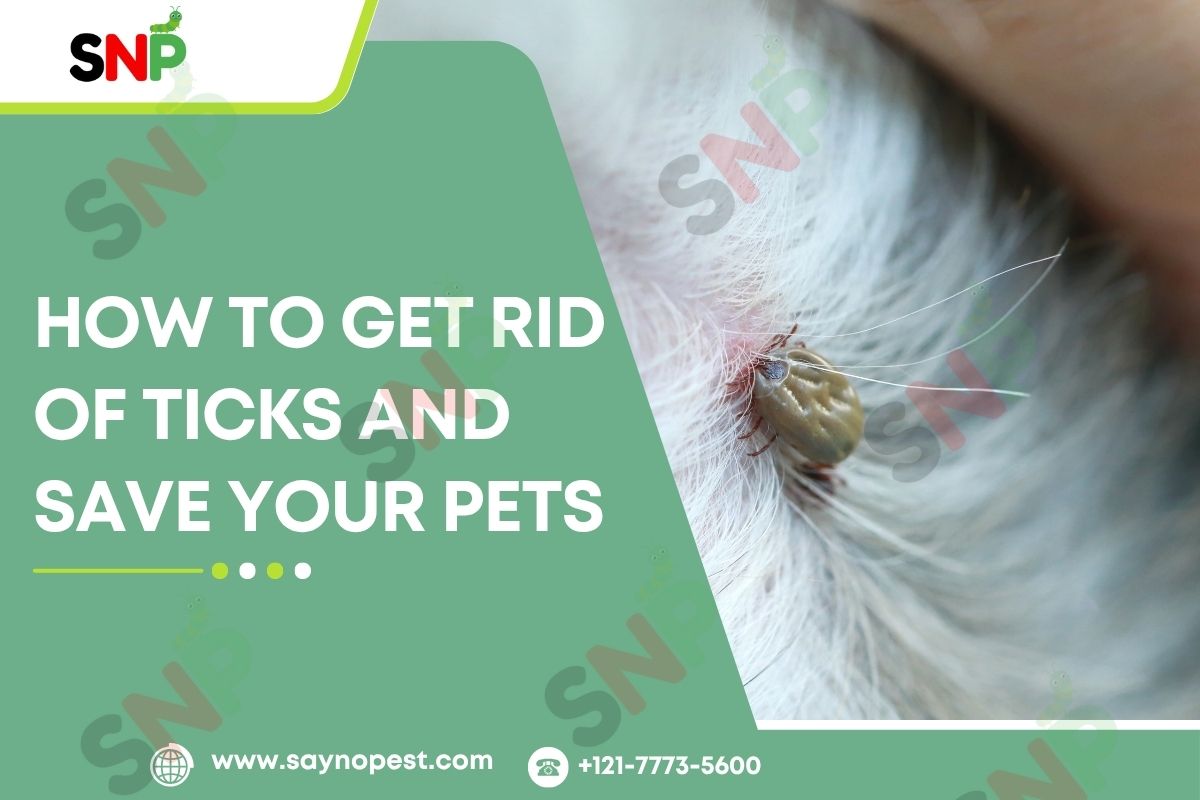
    How To Get Rid of Ticks is not only a seasonal concern, but a year-round concern. Ticks are not just icky. Ticks are those little parasites that spread everywhere, grassy, wooded, and even urban areas in the United States. They are a huge problem as they stick to pets and humans and feed on the blood while they have the potential to carry diseases.

    That’s why understanding How to Get Rid of Ticks is a must for any health-conscious pet parent if the wellness of their family members is their concern as well.

    7 Ways on How to Get Rid of Ticks

    7 ways on how to get rid of ticks

    1. Inspect Your Pets Daily

    Make sure you give your pets a thorough check for ticks after coming from outside. You must always check the main areas like their paws, armpits, and tail.

    2. Remove Ticks Properly

    If you find a tick, do not worry, you can and will get rid of them. The only thing you need is a pair of tweezers with fine-tipped ends or a tick-removal tool. Grab the tick and safely and straightly, without twisting, pull it out.

    In this way, you can ensure that you took out the tick. Never ever touch the tick with your bare hands as this could cause you to get bitten.

    3. Clean the Bite area

    After removing the tick, you have to apply rubbing alcohol or antiseptic cleanser. Apply the cleanser to the bitten area and make it clean. Secure the tick in a tight container and pour the rubbing alcohol over it to kill it.

    4. Use Tick Preventive Products

    Visit a vet and take the best tick prevention products for your pet. There are various options including-

    • Topical treatments
    • Oral medicines
    • Collars
    • Anti tick shampoos

    Do not forget to pick dawn products and comply with the given instructions. Most of the available preventives also protect against other parasites like fleas and heartworms.

    5. Treat Your Home and Yard

    One way of tick transmission is through your pets that can be indoors. Rolls down and vacuum after your pet’s bedding every week Apa SO Sofas and floors for very well Cleaning. Pest control is also an alternative. It can be a professional exterminator who can help you out, in case the infestation is really bad.

    In the open, simple measures can be effective in restricting tick habitation, such as cutting the grass low, clearing the leaves, and cutting back the bushes. Don’t take your little friends out to places with high grass or lots of trees, especially during the ticking-hot seasons.

    6. Monitor Your Pet’s Health

    If your pet has been bitten by a tick, observe any changes in your pet’s behavior, appetite, or general energy/fatigue levels. Contact the vet if you see any weird symptoms. Keep in mind that some diseases that are transmitted by ticks may not be diagnosed until weeks or even months. Due to this the infection starts spreading and you do not have a clue. This is why you need to be very careful at all times.

    7. Treat All Pets

    You must look after each one of your pets. Make sure that you treat them all equally at so as not to spread it from one pet to another.

    If you adhere to these directions, you will definitely know How to Get Rid of Ticks and you will be able to save your family and pets from the problems caused by ticks.

    What Eats Ticks?

    what eat ticks

    Nature itself has already preordained for the existence of pests whose main role is to keep the community in balance. For those who are curious about What Eats Ticks, the range of animals and insects that consumers of tick populations might.

    Animals That Consume Ticks

    Let’s check out a fast list of those that are on the prowl for the top tick catchers:

    • Birds: The birds’ species have been seen feeding on the ticks as they look for food in the grass and brush.
    • Reptiles and Amphibians: Lizards and toads eat ticks that they find on the ground.
    • Insects: There are also ants, beetles and spiders that prey on ticks – especially once they’re in larval form and more vulnerable to their predators. But do not forget that these animals themselves are not going to eradicate ticks off completely.

    Conclusion

    The ticks are not just a casual problem. They are a serious danger to the health of your pets and the comfort of your family. A quality approach allows you to master How to Get Rid of Ticks. It is important to keep a check on your pets every day to protect them from tick fever. To take the ticks off as soon as possible and in the right way, use vet-recommended preventives and to keep your home and yard tick-unfriendly.

    While it is an excellent idea to know What Eats Ticks, the nature is unreliable. Human help works effectively when you have combined your own with it. Stay watchful, keep your pets safe, and together enjoy every tick-free moment.