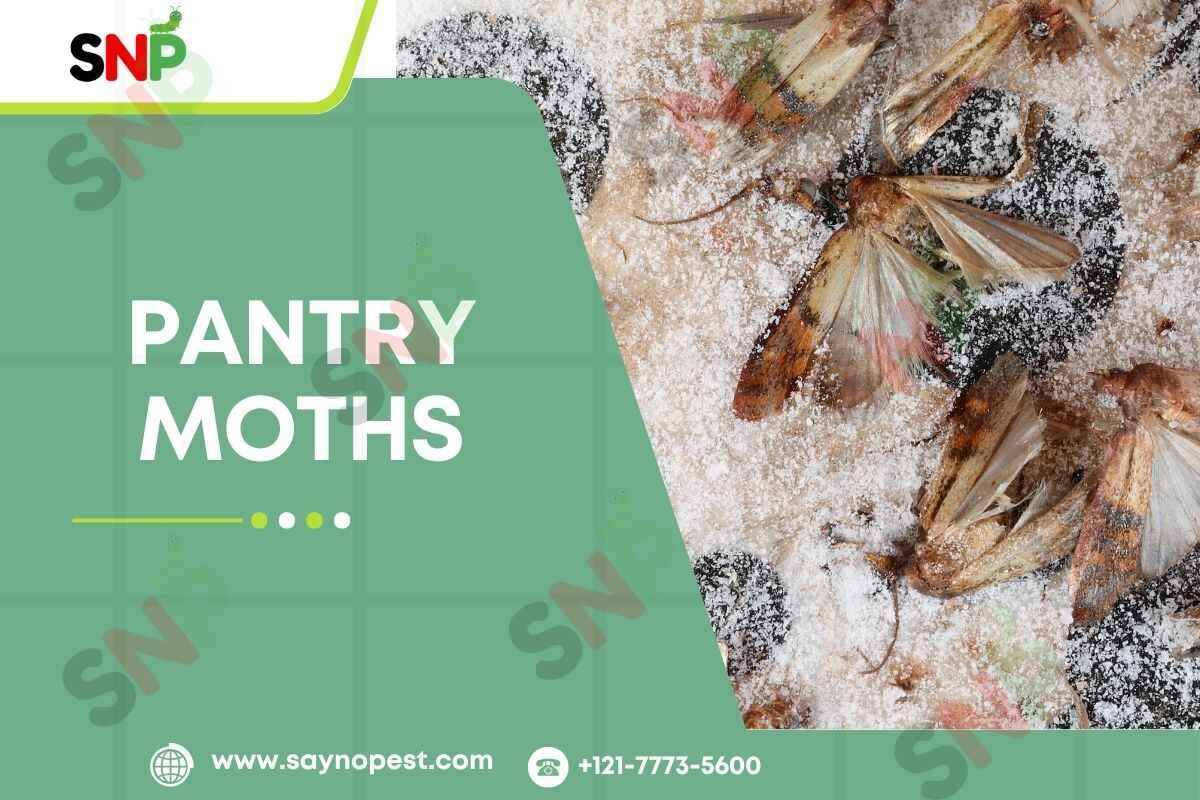
Tag: how to get rid of pantry moths

  • Pantry Moths: A Complete Guide for American Homeowners

    Pantry Moths: A Complete Guide for American Homeowners

    Pantry moths are one of the commonest and most annoying household pests that American families can find in their kitchens. These small and tiresome bugs can easily and rapidly turn a well-stocked pantry into a disaster for themselves. They will not only contaminate the food but will also make an unwelcome mess in it. Learning the nature of these pests is the most important thing to be able to prevent and control them during the whole process of solving the problem, which makes the present guide an indispensable aid to every homeowner who is dealing with the problem of pantry moths.

    What are Pantry Moths?

    Pantry moths are little creatures that love grain and thus only dry food they can find in the kitchen and the pantry. They are a night kind of animals and, besides that, they are not one but many species that are quite similar and have a similar kind of food and thus feeding habits. The common types of pantry moths that are found in an American household are the Indian Meal Moth, Mediterranean Flour Moth, and Angoumois Grain Moth.
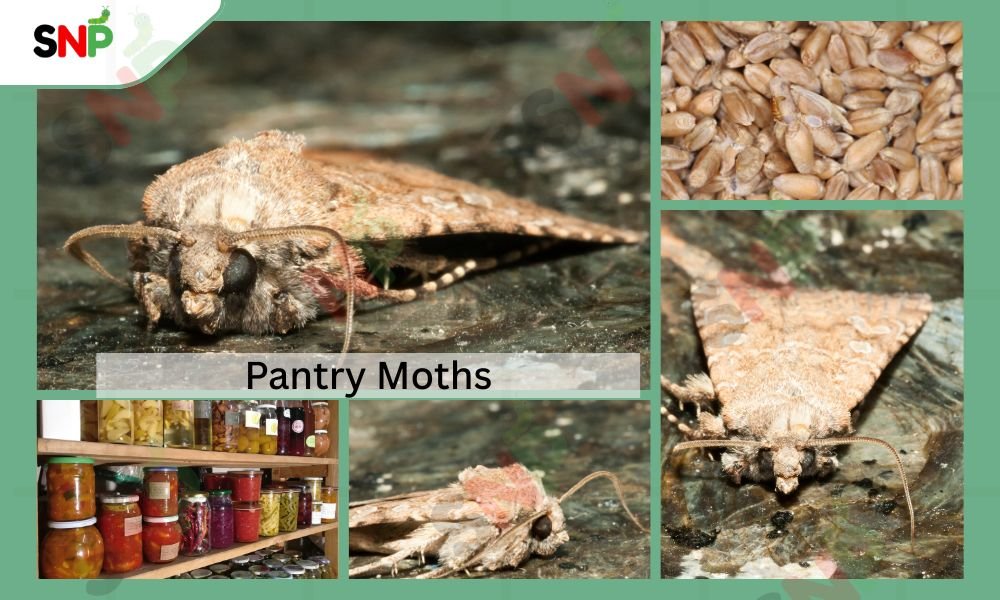
    pantry-moths-life-cycle

    The insects called pantry moths that are in their adult stage are very small. The most recognizable by people, the Indian Meal Moth, looks like it has a pair of bronze-colored wings, but if you look closely, two colors can be seen – the one which is next to the head of the moth is grayish-white, and the far end is the reddish-brown copper color. Unlike butterflies, these moths are quite small and have a weak flying ability, so they tend to rest with their wings folded, and when they are disturbed, they show the flight pattern which is very characteristic of them – they fly in a zigzag maneuver.

    Pantry moths have launched an attack on stored food products that are of an extensive variety, such as cereals, grains, flour, beans, nuts, dried fruits, spices, chocolate, pet food, birdseed, and even packaging materials. These pests are quite troublesome, mainly because they tend to invade food packaging – their larvae can make holes in plastic bags, thin cardboard, and even in some sealed containers to get at the food. The harm caused by pantry moths has gone far beyond food consumption, only because they have now become a nuisance in several products due to their droppings, shed skins, silk webbing, and body parts that have led to the whole food supplies being rendered unusable.

    Pantry Moth Larvae: The Real Culprits

    The most life-threatening phase of the pantry moth life cycle is the larval stage. The pantry moth larvae are tiny, worm-like creatures, usually off-white with brown heads, that can reach a length of 1.7 cm. Once they hatch from eggs laid directly on food, these little ones become ravenous and consume whatever is at hand – flour, grains, nuts, and more.

    During their eating, pantry moth larvae give off frass (waste) and the silky webbing, which acts as a glue for the particles of the food, thus indicating a very big infestation along with the smell of them. Not only will their presence will destroy the food, but also their rapid spread, as they can chew not only cardboard, but also thin plastic to get to new food sources, will cause the spreading of the infestation.

    The larva stage of their development may continue from a minimum of 2-3 weeks, if the temperature is high, to even a few months, if the environment is cold and the food is insufficient. It is this time that they do the most contamination and, therefore, they are the main cause of food being thrown away.

    Pantry Moth Life Cycle

    Understanding the pantry moth lifecycle is very important to remove them outside your house because you never know which corner they are building their family in. They go through a complete process of four stages.

    1. Egg Stage: One female Pantry Moth can give a maximum of four hundred eggs, directly or near a food source. These eggs are so small that they look like a white, grey haze.
    2. Larval Stage: This is the most damaging phase. The pantry moth larvae consume food for up to 3 weeks (sometimes even longer) and thus spread the pollution everywhere they go.
    3. Pupal Stage: When the larvae have eaten enough, they move away from the food and spin their cocoons in the cracks, corners, or even under the food packaging. The pupa period is the time when the insect changes inside the cocoon from being a larva into an adult moth, which lasts about 15-20 days.
    4. Adult Stage: Adult Pantry Moths come out mainly to mate and lay eggs, their life span being about 1-2 weeks. They don’t eat during this period; the only thing they do is reproduce.

    The entire pantry moth life cycle may last from 30 to 300 days, depending on the environmental conditions. This will then allow the population to grow rapidly if it is not under the control of humans.
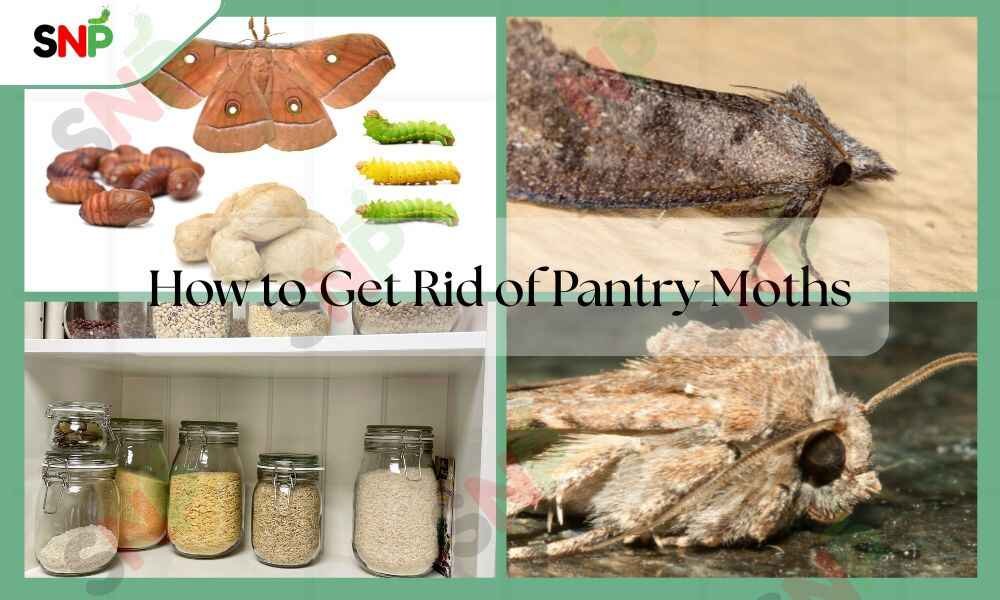
    How-to-Get-Rid-of-Pantry-Moths

    How to Get Rid of Pantry Moths

    If you understand that we’re having a problem with an infestation of these pests, here’s a quick guide on the way to how to get rid of pantry moths:

    • Check every container or item in your pantry for the presence of moths, larvae, webs, or anything sticking together.
    • Throw away all the infest food as soon as possible and ensure that they are zip in bags before throwing them away.
    • Washing shelves and corners of the pantry, plus containers with hot soapy water or a vinegar solution, is to done.
    • All your dry goods should be store in glass, plastic, or metal after being well clean in air-tight containers. This will guard against re-infestation of your pantry.
    • You will also be able to break the cycle of breeding by applying the pheromone traps to trap the adult moths.
    • Start checking your pantry more often and rotating the food; this way, you will notice a problem quite early.
    • Seal any cracks or entry points in your pantry, so they will not attract new moths.

    Conclusion

    Pantry Moths are continually annoying for American households; however, this issue is not unsolvable. Once you get a clear understanding of the pantry moth life cycle as well as their destructive behavior of the pantry moth larvae, you will be able to protect not only your food but also your family. Implementing the correct pollution and prevention measures will become a guarantee that your pantry will be free of pests and food will be safe for use.
    For more experts’ tips and tricks on how to find effective solutions to get rid of pantry moths, head to SayNoPest, your most reliable source of pest control across the United States.
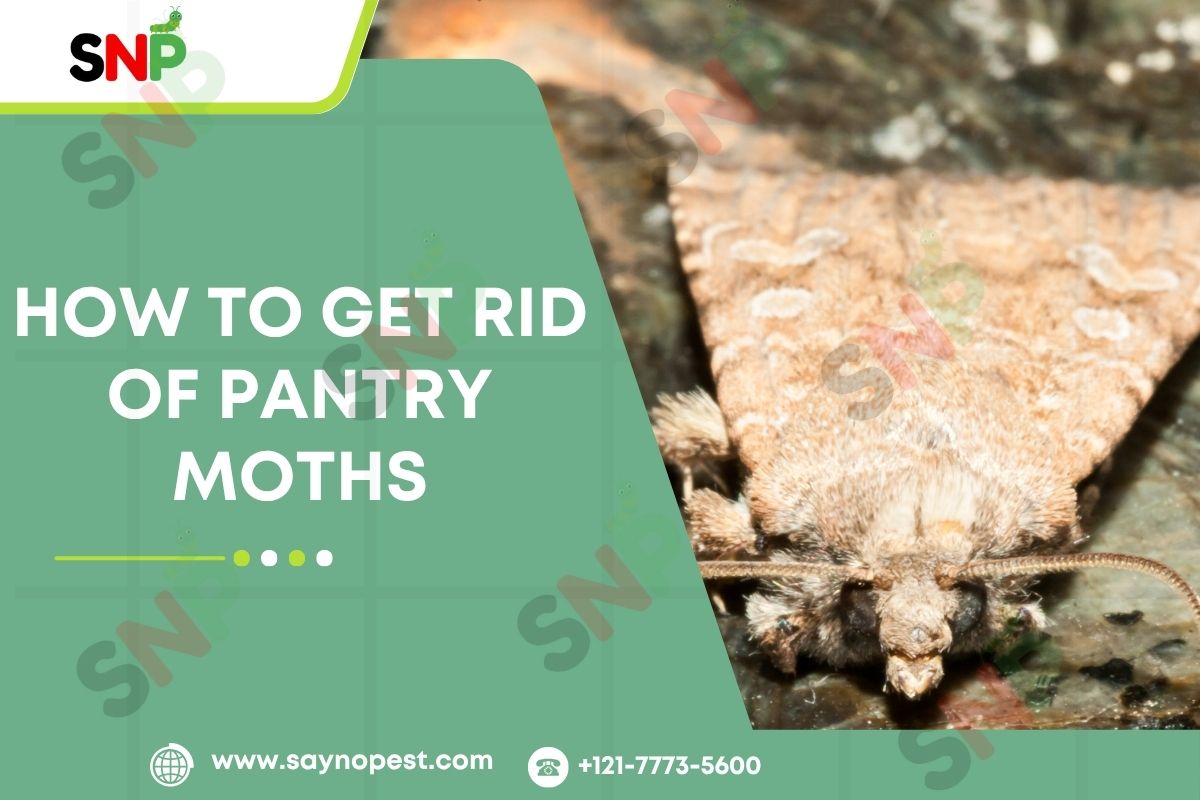
  • How to Get Rid of Pantry Moths: A Complete Guide

    How to Get Rid of Pantry Moths: A Complete Guide

    If you have ever found worms or moths coming from a bag of flour or cereal, these are usually pantry moths. These little beasts invade your kitchen space, infect food, and, worst of all, they are very annoying. This article will show you how to get rid of pantry moths, help you to know what stage of their life cycle they are in, and what measures to take to keep your pantry free from pests.

    Signs of Pantry Moths

    Understanding the early signs is the first step when it comes to dealing with the problem of pantry moths. These signs can help:

    1. Webbing: The larvae of pantry moths produce silk to hold together and attach the food on the outside or inside the plastic bag and on the garden shelf. The characteristic of these webs is that they are usually discover on the edges or on the surface of grains and cereals.
    2. Clumped Food: The sweet and sticky substances that the larvae of pantry moths secrete can cause the food to stick or clumped together on the packaging.
    3. Unpleasant Odor: The moldy and musky scent that comes from your kitchen is another sign of an outbreak that originated from the food that the moths released when they first came into your home.
    4. Small holes in packaging: Pantry moth larvae are able to chew their way into plastic and cardboard packaging. Therefore, the packaging, though unopened, might still be infestation.
    5. Visible Moths or Larvae: Brown and small pantry moths can seen fluttering about in the pantry. You can find the larvae of pantry moths which have a wiry body and are either white or cream, on your pantry walls or crawling on your food.
    Pantry-Moths

    Are Pantry Moths Harmful?

    Pests like pantry moths are of no use to the household, however, the fact that they are not harmful to humans is a relief. Neither the phylum Lepidoptera, to which the pantry moths belong, nor any of its insects, larvae or eggs are carriers of human diseases or producers of toxic substances. The intake of the pantry moth larvae or the pantry moth eggs is generally safe when it is accidental, although it is not at all attractive. The major danger lies in food contamination- pantry moths and their leftovers (webs, feces, exoskeletons) can spoil food, causing it to wasted and possibly with bacterial contamination if the infested food goes unnoticed. Ensuring safe food and disposing of the contaminants when they happen is and will always be the most advisable path to take.

    Pantry Moth Lifecycle: The Stages of Their Life Cycle

    Getting to know the life cycle of pantry moths is very important because it is the first step to end this unwanted cycle. Here is its step-by-step process:

    1. Pantry Moth Eggs: The female moths spread their 100-300 barely visible microscopic eggs through food like wheat, flour, and cereal. These eggs are very small in size, so we can’t easily detect them, and due to which leads to the infestation.
    2. Pantry Moth Larvae: After a few days, pantry moth lay their eggs and covert themselves into larvae stage, and they are small in size and called the white caterpillar. The pantry moth larvae are the biggest source of problems as they consume what you store, cast cobwebs, and become a source of pollution for your food.
    3. Pupa Stage: Once the pantry moth larvae are fully fed, they get out of the food source and seal themselves in cocoons in the cracks or gaps where they pupate. The larval stage usually stretches for several weeks.
    4. Adult Moths: Adult kitchen moths fly out from their pupa cases, start mating, and the life cycle repeats. Adults usually survive three weeks or one week only from the emergence time, but the total life cycle can be as short as 30 days in tropical areas and up to 10 months in cooler places.
    Pantry-Moth-Lifecycle

    How to Get Rid of Pantry Moths

    If you’re looking for a way how to get rid of pantry moths permanently, that would work. Follow these steps to the end:

    Inspect Everything

    Get all the supplies out and put them away in bags. Dispose if they are contaminated since some can be carriers of the eggs of the Pantry Moth and the Moth larvae. Do the items in the garbage bin outside, and let the items also be treated according to the instructions given on how to treat them.

    Deep Clean

    Vacuum up very well all the corners and shelves that have been used for storing foods before disposing of the pests in the pantry. The dirt collected in the vacuum cleaner should also be treated outside immediately or changed otherwise.

    Wash Surfaces

    Embrace the use of a cleaning material that has white diluted vinegar and hot water in equal proportions of 1:1 to clean blisters, walls, and containers. Pantry moths and larvae can be kill and their population controlled through the use of vinegar and its odour. The dirtiness attach to the vinegar is also a good repellent to the moth, shushing them away from the recipients that the vinegar must used in addition to the fact that they can easily cleaned.

    Replace Liners

    Does the old liner have to removed, and then can a new one be put in its place, after which the eggs present will be set free?

    Store Food Properly

    Placing dry store items in airtight, high-quality plastic or glass containers will safeguard them from insects and keep them fresh for a long time. There is a huge chance of the pests destroying the bags and containers of the goods if they are made of thin plastics and cardboard. It is important to have a strong container.

    Freeze New Purchases

    Always ensure you freeze the flour or grain for a period of not less than 7 days, in that way no Moths eggs would survive the process and later be a headache to the stored food.

    Set Traps

    Use flypaper for killing household pests and moths that fly on the market. Place space as close as possible where pests are prone to gather. This is really effective and kills the pests with less harm to the environment.

    Repeat as Needed

    Keep checking for and cleaning up the problem until the pantry moths gone. Be aware that it can take a while for this technique to get rid of them, meaning there may still be pantry moth larvae due to missed eggs.

    Conclusion

    It can be very disillusioning to work on a pantry moth elimination plan. Nonetheless, an orderly method can go a long way. By understanding the lifecycle, preventing the eggs, and getting rid of the larvae, you will identify the problem, and in turn, your food will be much safer and your home will be clean. Let it not slip your mind that the answer to how to get rid of pantry moths is strictly thorough cleaning, proper food storage, and constant checking. When you act on the early signs of infestation, you will have a pantry free from moths forever.