Tag: how to get rid of chipmunks

  • Chipmunk Traps Made Simple: How to Protect Your Yard

    Chipmunk Traps Made Simple: How to Protect Your Yard

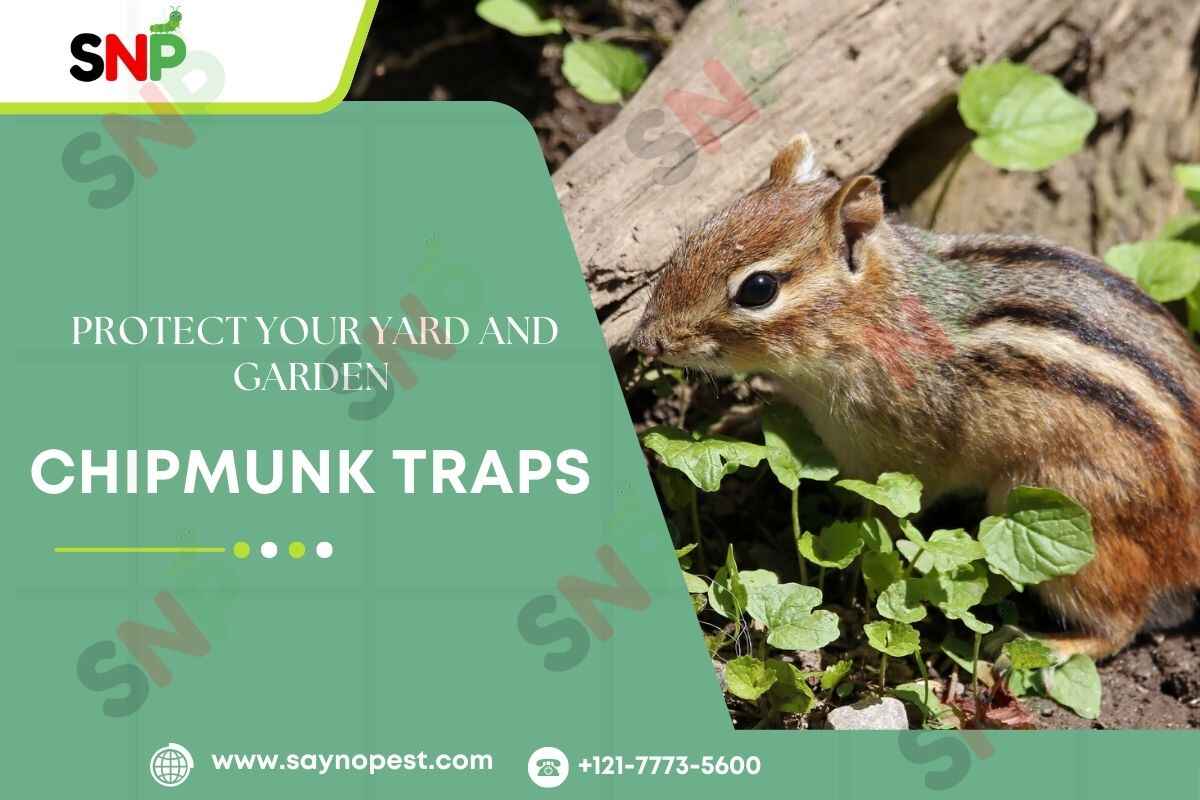
    Chipmunks are small creatures who are known to fight homeowners all over the United States in their yards and gardens. Adorable looking at a distance, these tiny rodents can dig trenches beneath patios, chew light bulbs and power wires, and steal bird feeders. It is at that point that chipmunk traps become a serious consideration. This post discusses the reasons why homeowners are using chipmunk traps, types of chipmunk traps, safety tips, advantages and disadvantages of using the different types of traps, and finally, a conclusion is provided so that you can be in a position to make the right decisions. This is offer by SayNoPest.

    Why Homeowners Use Chipmunk Traps

    chipmunk-traps

    Chipmunk traps are use by homeowners for a few reasons:

    • Prevent damage: Foundations, patios, stone walkways, and flower beds are all burrowed by chipmunks. That compromises buildings and leads to safety, drainage and aesthetic problems.
    • Guard gardens and plants: These species of animals raise bulbs, consume seeds and young plants, steal bird food, and otherwise strip the landscaping of its beauty and productivity.
    • Minimise health hazards and nuisance: Chipmunks are not particularly dangerous as compare to other pests, but their burrows encourage other pests to move in, and their droppings can minor hazards, and most people will not like watching their yard be damage or seeing holes dug.
    • Keep property safe and secure: A yard with burrows will cause people to stumble, a lawnmower or other equipment may ruined, and the house will overall become less appealing. The trapping is considere to a proactive investment.

    Due to these factors, the application of chipmunk traps is a feasible, even mandatory measure.

    Types of Chipmunk Traps

    Some of the primary types of chipmunk traps include a number that are appropriate to various circumstances. There are four, which include live, snap, electronic and DIY.

    Live Traps (Humane Options)

    Live traps are types of traps that entrap chipmunks without harming them. They are frequently spring-door or one-way: the animal is attract (with bait such as nuts, seeds, peanut butter) by the door, and when it steps on a trigger, it closes. When the chipmunk is caught, it is move (when the law do not forbid it).

    Snap Traps (Quick Kill Traps)

    These are deadly devices whereby the chipmunk is kill instantly with a quick spring or a snapping metal bar. They resemble conventional mouse or rat snap traps, but of the right size. The animal is entice to the trigger by a bait, and the trigger closes suddenly. These traps are select in circumstances where the homeowners find the lethal approach more viable.

    Modern Solutions (Electronic Traps).

    Electronic traps are battery-power or can plugged in to provide a quick electric shock on entry by a chipmunk. They have sensors, indicator lights, sealed chambers to avoid touching the animal and are more hygienic. These are more technologically advanced and, in many cases, more costly at the beginning.

    DIY Traps (Homemade Options)

    Other house owners choose homemade options. Another typical variant is a bucket-type trap wherein a plank of wood or a holder with a bait makes the chipmunk fall in. Simple cages can be made of wire mesh by others. Depending on design, DIY traps may be cheap and less controllable or humane.

    chipmunk

    Safety Tips When Using Chipmunk Traps

    Chipmunk traps should be use safely, and in particular, traps must used in homes with children, pets or wildlife. Here are some key safety tips which you should know for dealing with the problems of how to get rid of chipmunks:

    • Keep children and pets safe: Inaccessible Trap areas. Electric or snap traps are dangerous when someone opens them by accident. When necessary, use enclosures or covers.
    • Check traps regularly: Live traps must be inspect at least once or twice a day so that an ensnared chipmunk is not harmed, beaten or shown to its predators. In the case of snap and electronic traps, frequent inspection merely makes sure that they have not ceased to function efficiently and successfully.
    • You should use good baiting procedures: You should put on gloves when you are dealing with bait or the trap in case you leave a human smell that should repel the chipmunks. Use baits that are friendly but harmless.
    • Follow regulations and laws of the area: There are various states where it is illegal to relocate wildlife or there are conditions on how to do it in a humane manner. You should never ignore your local wildlife control regulations.
    • Positioning: Place traps on chipmunk paths, these traps must not in full view because they can accidentally disturbed, trap anchoring must in place so the traps are not tippe over.

    Conclusion

    There is more than mere effectiveness in making a choice between the various chipmunk traps, it is about your values (humane vs. lethal), your cost, your house, and the law. Live traps, strong electronic traps, can provide a compromise to many U.S. homeowners, whereas, in more critical or serious cases, snap traps come in. Self-made traps may work fine in certain situations but in most cases they are risky and their morality may be questionable.

    And it does not matter what type you choose, but remember to adhere to all safety precautions, reread traps frequently, so that the animal suffers less, and to see that the animal is treat justly and humanely. In this way, you save your garden, your property, and your peace of mind–and do a good deed to the critters.

    And saynopest can offer you reliable resources, help and useful tips to control all the chipmunks around, as well as to recommend you the best tools to use, and professional assistance in case of problems. Select judiciously and set traps and have a pest free yard.
  • How to Get Rid of Chipmunks Effectively

    How to Get Rid of Chipmunks Effectively

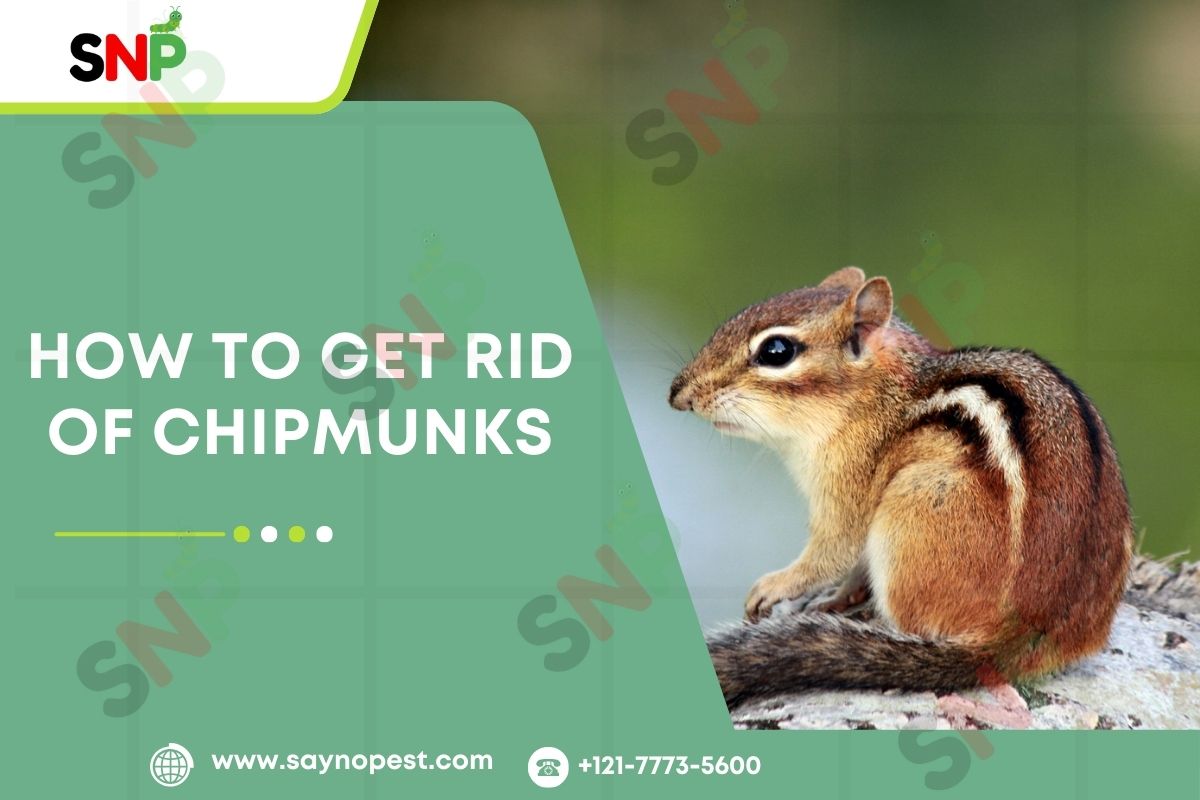
    People living in the United States love wildlife and the beauty that comes with it; yet, when some start encroaching on the yard and gardens, they soon stop being cute and start being a pests. A chipmunk is one of the small creatures that may easily bring about unforeseen problems. Small rodents, they are fast, smart, and cunning, and even though they may seem harmless, a chipmunk infestation can cause observable havoc on an outdoor area, and even a structural issue should it not be prevented. Learning proper ways how to get rid of chipmunks will not only save your property but will also stabilize the relationship between your house and the animals around it.

    Why Chipmunks Can Be a Problem

    Chipmunks do not look dangerous at first. They are very small, stripey-backed rodents that mostly run around the backyards or bury nuts. They can however be quite dangerous within and near houses because of their constant digging and boring. Burrows placed along foundation, deck, stairs or retaining walls can wear off as years pass. Chipmunks have been known to rip out the bulbs, berries, and vegetables in gardens in an hour or two.

    The other problem is the rate at which populations may increase. One chipmunk builds a series of tunnels, food storage spaces, and escape holes under your lawn. What might seem initially as occasional sightings in the yard can soon grow to noticeable yard damage and loss of plants. In the view of homeowners who value their landscaping, knowing how to remove chipmunks becomes a required measure to maintain outdoor environments healthy and free of damage.

    where-do-chipmunks-live

    Where Do Chipmunks Live

    These pests are hard to contain without knowing where do chipmunks live. Chipmunks are fond of high-density regions with food supply. They usually excavate underground burrows which are approximately two inches in diameter, and they use flower beds, garden fringes, or lawns around shrubs. They also take cover in wooded areas, stone walls, and heaps of firewood.

    Chipmunks have created special rooms in their systems of burrows, one to nest, another to store food. As opposed to moles, chipmunks do not produce huge heaps of dirt, so the activity is less noticeable. Understanding the location of the chipmunks around your property aids in determining areas of trouble and enforcing the most appropriate control mechanisms in areas where they are most needed.

    Signs of Chipmunk Infestations

    Early indications of chipmunks infestations can keep homeowners out of larger troubles in the future. Typical features are small holes in lawns or flowerbeds but in many cases there is no mound of soil near the holes. Chewed fruits, vegetables or bulbs may also be found in gardens. Other indications are the paths to garden beds or faded trail tracks through your lawn. In other instances, such structural issues as poor walkways or retaining walls can also be an indicator of underground chipmunk activity.

    In this case, when several Signs of chipmunks infestations coincide: a hole appears again and again, plants are destroyed, and chipmunks can be spotted during the day, it is time to take some action. Being aware of such information early prepares you to handle the pests before their destruction can be expensive.

    How to Get Rid of Chipmunks

    Understanding the point of how to get rid of chipmunks is important. These are the best methods of securing your property:

    Remove Attractants

    Chipmunks are better in areas with plenty of food. By removing bird feeders around feeders, picking the ripe fruits on time, and keeping the pets locked up, you can minimize their curiosity in your yard. Take into consideration converting to bird feeders that reduce the number of fallen seeds as this type of food is known to be chipmunk food.

    Seal Entry Points

    When the chipmunks make burrows around the foundation or patios, it is prudent to cover small holes or openings to reduce accessibility. They are good at excavation, but it becomes hard to develop underground systems when there are plunge holes. Porches, decks and stairs may be encased with mesh or hardware cloth.

    Use Natural Repellents

    Home remedies like cayenne pepper, garlic, or predator urine around gardens can led to entry of chipmunks. Other homeowners employ ultrasonic repellents which produce sounds that are distasteful to rodents. These approaches are environmentally friendly and safe, although not foolproof.

    How-to-Get-Rid-of-Chipmunks

    Barrier and Fencing.

    Physical barriers like mesh fencing in vulnerable places like flower beds or vegetable gardens are sure. Between the fencing, bury a few inches into the earth to prevent the digging of a tunnel by the chipmunks.

    Traps as a Last Resort

    In other instances, trapping might have to be considere. Sunflower seeds, peanut butter, or fruit baiting live traps tend to work. The captured chipmunks should be relocate in accordance with local wildlife regulations as a way of handling them humanely. Although there are lethal traps, most homeowners are using people-friendly ones as a compromise between control and compassion.

    Seek Professional Help

    In cases where infestation is too high, the quickest remedy is to call in a pest control expert. Professionals not only know how to remove the chipmunks but also how not to have them back. They assess the intensity of the infestation and use specific treatments that homeowners may otherwise be able to afford.

    Combining prevention tactics with the immediate removal tactics will enable you to protect your property without the use of scattershot tactics. The trick is to stick with it and to adapt to your own setting.

    Conclusion

    Chipmunks might not seem extremely large, but their effect on lawns, gardens, and foundations might not be mild at all. By knowing the locations where chipmunks dwell to knowing the early Signs of chipmunk infestations, homeowners can take a proactive action in order to secure their property. Whereas DIY prevention techniques have their merits in mild situations, being aware of the precise way to dispose of chipmunks will guarantee success in the long run-particularly when expert help is require.

    Do not wait until the problem spreads, especially when it comes to damage in your yard or a possibility of the problem being burrowing under your foundation. The best thing to do is to act at an early stage. To get more advice and reliable materials, check SayNoPest, and find your partner in the fight against keeping your home pest-free in the United States.