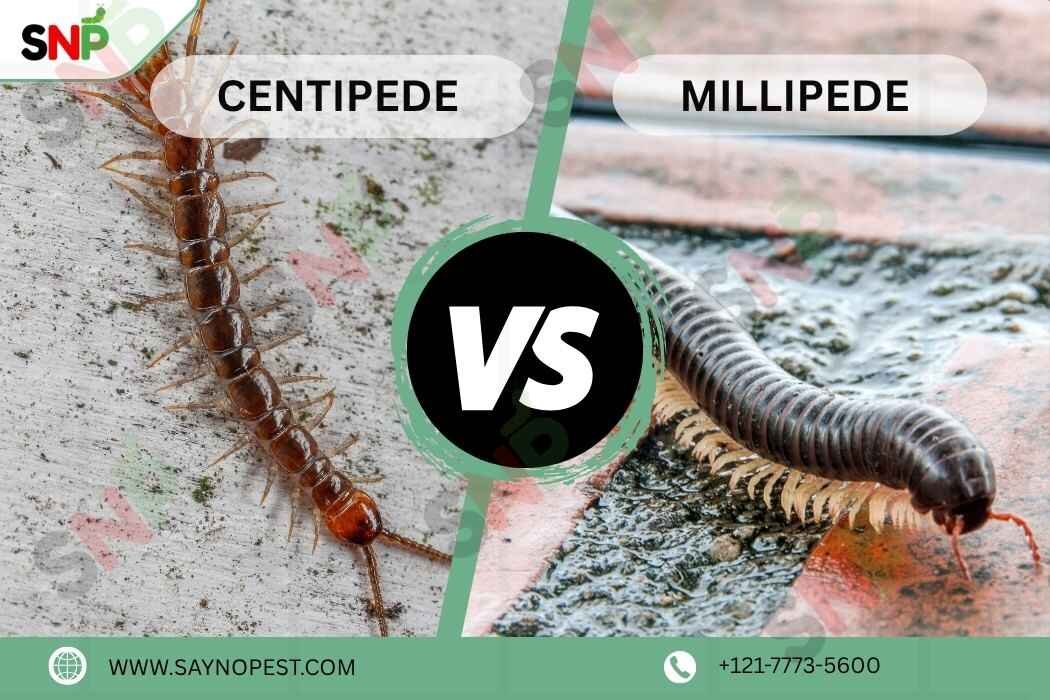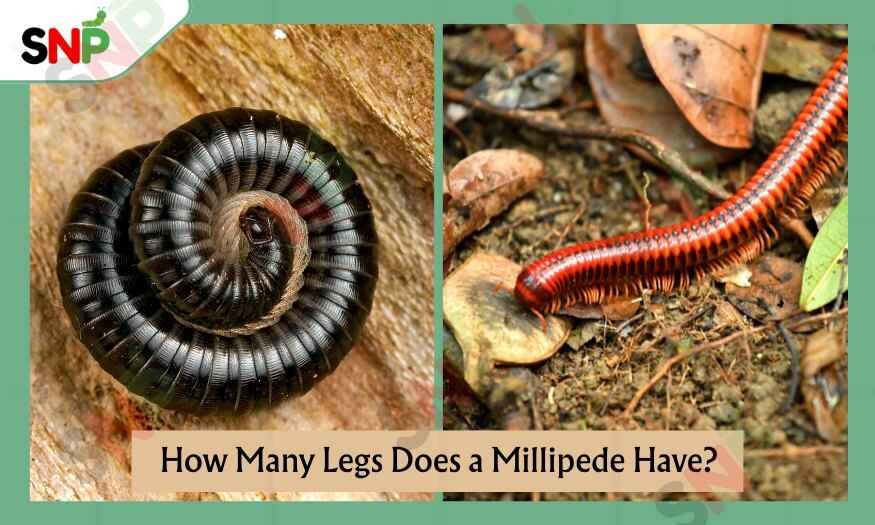
Facing centipedes in your home can be an unpleasant experience. These fast-moving, multi-legged arthropods can look very frightening at first, but once you get to know the different types of centipedes and their routines you will find that your potential infestation will be better manageable. This piece contains the most common centipede species and answers the question “how many legs does a centipede have” for the public and tells us about the U.S. states that represent the greatest number of centipedes in their population.

Common Types of Centipedes in the United States
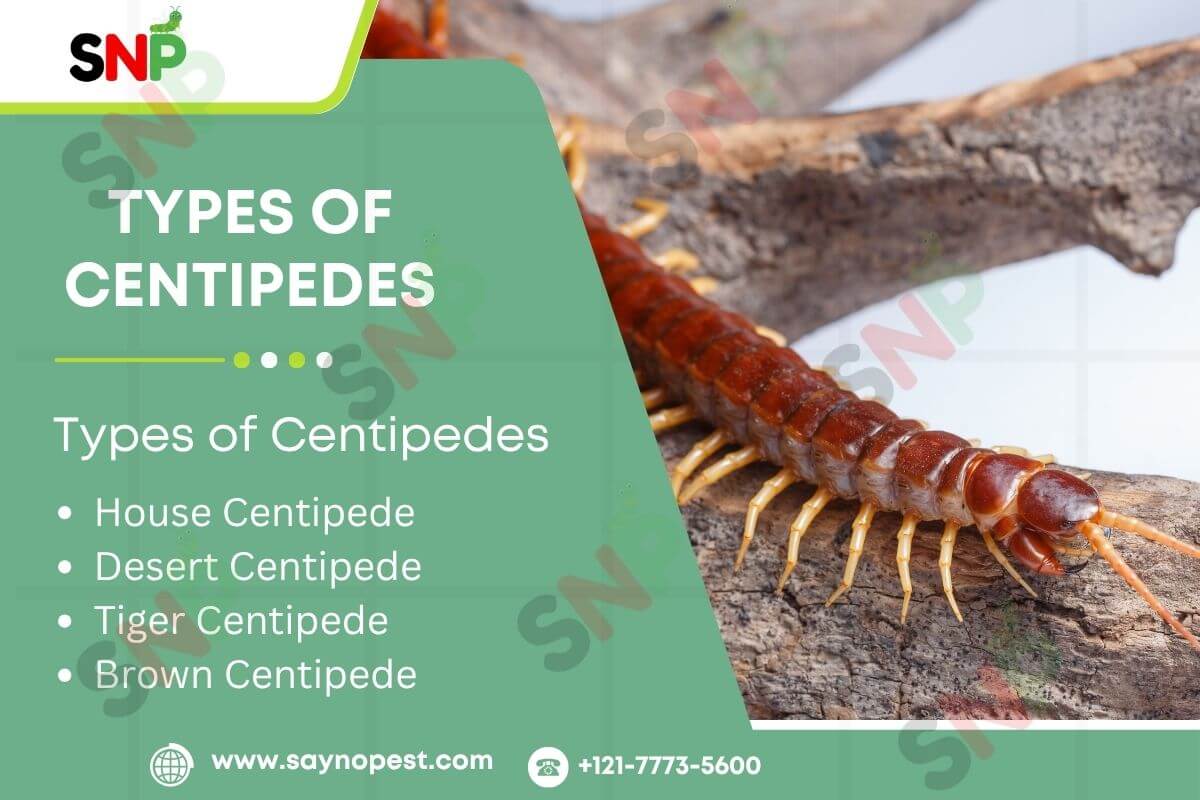
The most common centipedes you will meet include:
House Centipede (Scutigera coleoptrata)
Indoor patrolling house centipedes are the most popular breed of their kind all over the continent, North America. Ranging from 1 to 1.5 inches with a yellowish-gray body featuring three dark stripes, these colorful insects have 15 pairs of legs which are significantly long. In fact, they are quite useful in the sense that they are predators who go cockroach, and silverfish hunting in households.
Desert Centipede (Scolopendra hero)
The Giant Desert Centipede also has the name Desert Centipede. This creature is quite large and it is restricted to the arid parts of the United States and the north of Mexico. The usual hiding places under rocks or logs of the typical daytime-hour hiding desert centipede are the desert centipedes.
Tiger Centipede (Scolopendra polymorpha)
The common desert centipede also known as the tiger centipede inhabits mainly the southern and western United States. Their predominant color patterns are their most conspicuous characteristic and they are well-suited to the dry environment.
Brown Centipede (Lithobius forficatus)
Initially of European origin, brown centipedes have spread to a large extent across the Eastern Seaboard. The inch-long creature sports a glossy brown color and venomous small straws that pose little threat to people.
Other Notable Types
In the United States, soil centipedes, stone centipedes, Florida blue centipedes, bark centipedes, Red-headed centipedes, and tropical centipedes are some of the many types of centipedes found. Each of these species adapts its unique habits and environmental conditions.
How Many Legs Does a Centipede Have?
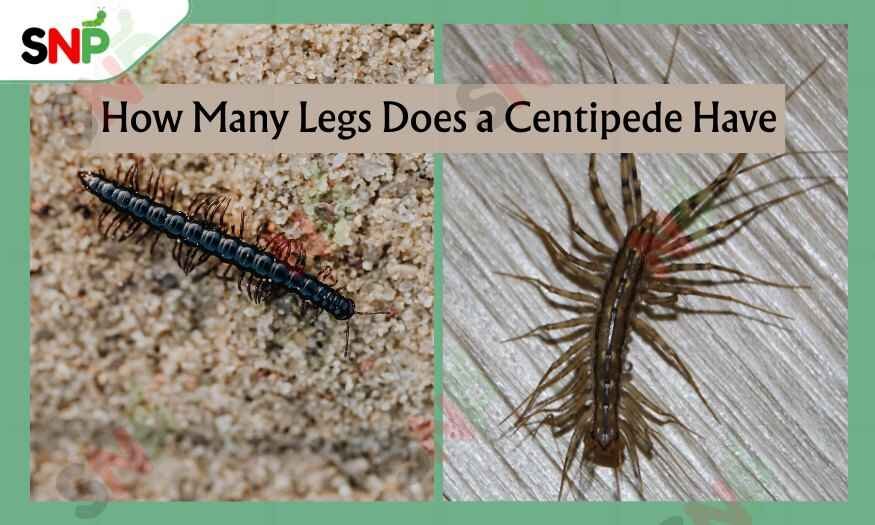
Despite the name translation of “centi” to hundred the number of legs that different centipede species possess shows considerable variation.
A centipede usually has one pair of legs per body segment, and what is interesting, that number is always an odd one.
How many legs does a centipede have It has from 15 to 177 pairs, depending on the species. Here are some examples:
- The house centipede has 15 pairs of legs.
- Scolopendromorphs can feature 21-23 pairs.
- Geophilomorphs may have up to 177 pairs of shorter legs.
These legs are getting successively longer as they get away from the head part which helps in the balance and quickness. The last pair of legs contains sensory bristles that act as an added pair of antennae and allow centipedes to move backward through narrow gaps.

Top States for Centipede Infestations
The centipedes expand in localities with a hot and humid climate where they find the necessary conditions to reproduce in large numbers. Knowing the most common states helps to predict the centipede infestation.
- Georgia
- California
- Texas
- Florida
- Tennessee
- Virginia
- Louisiana
- Alabama
- Mississippi
- Arizona
- Ohio
- Illinois
- South Carolina
- North Carolina
- Kentucky
- Oklahoma
- Arkansas
- Missouri
- Kansas
- Hawaii
Southern states lead this list as their climate provides ideal conditions. Georgia ranks particularly high for centipede presence, while states like Texas and Florida support various types of centipedes due to their diverse ecosystems and year-round warmth
Conclusion
Familiarity with various types of centipedes that can be found in your place is crucial in the fight against pests. While with the way they lurk about with many legs and their quick movement, the majority of centipedes are beneficial to the households as they will look after the families by consuming other pests.
The quest for the number of legs of a centipede doesn’t necessarily mean a one-word answer, as the intensity of the diversity is such that the counting of legs varies from one species to the other. This is actually the great ability of the centipedes to adjust to various habitats.
If you’re having troubles with unwanted centipedes in your house, the natural management of populations can be done by the fixing of the moisture problem and blocking the way of getting in; don’t forget that these spectacular extinct creatures were around for millions of years, having an exact match for their ecological niche as the most efficient predators of household pests among the animals of the places they inhibit.