Raccoons are an ongoing menace in most regions of the United States, seeking food and shelter in and around homes, causing property destruction, health issues, and displeasure among homeowners. In this blog, we will examine the reasons behind the invasion of homes and yards by raccoons, how to identify an infestation, their lifespan, and the best measures in how to get rid of raccoons. Every suggestion is informed by valid, up-to-date facts to put the American audience in a position to handle these mastermind creatures in a way that is safe and morally upright.
Why Raccoons Can Be a Problem
Raccoons have their vice, that is, these creatures seek easy access to food and shelter. Households and backyards have established as close to a perfect habitat as you can get: Easy access to trash cans, outside pet food bowls, vegetable gardens, fallen fruit, bird feeders, compost piles, water sources, and shaded sheltered spots invite raccoons. Raccoons are empty, and they need a living; therefore, they will search through trash, gardens, and small creatures like fish or chickens.

They not only disturb the people, but they are also a threat to people and pets. Raccoons can cause great destruction of property:
- They lift shingles off the roof, tear off vents, and screen to access attics and garages.
- After getting inside, they may tear insulation, gnaw wires, destroy soffits, and destroy ducts.
- On the lawn, the raccoons tear holes in the lawn to find grubs and tip over waste cans, leaving extensive debris.
- They put the residents at risk of rabies, leptospirosis, raccoon roundworm, and Salmonella, which can be transmitted through their droppings, saliva, or bites.
- Another prominent nuisance is noise; raccoons are night animals and can make much noise within an attic, chimney, or wall during the night.
Combined with these problems, no wonder homeowners in America are asking themselves how to get rid of raccoons in the easiest, safest, and effective way.
How to Identify a Raccoon Infestation
Early identification of a raccoon infestation can spell the difference between a quick fix and thousands of dollars’ worth of repair. The most widespread indicators are listed below:
- Indications: Raccoon footprints resemble little human hands and can be commonly found in mud or dust, or even atop porches.
- Droppings: Their faeces are tubular, dark, and the size of small dog discs-they usually congregate in attics, garages, yards, or around potential points of entry.
- Nocturnal Noises: Tidings of a scratching, scurrying, or thumping of some creature in the attic, chimney, or wall at night, notice any red flag. Raccoons are active, particularly at night.
- Inverted Trash: Raccoons are known to go trash picking over garbage cans, tearing open lids and scattering foodstuffs on the floor, in pursuit of food.
- Damage to Structure: Search for chewed wires, strips of insulation, missing shingles, or turned-over sods or holes in the lawn that they have dug up in search of grubs.
- Nesting Materials: Clods of insulation, paper, or cloth items gathered in secluded areas could be an indication of active denning.
Raccoons typically make their homes in attics, garage areas, sheds, backyards, beneath decks, or chimney-like areas- dark, silent, and out of the wind and the rain. When there are signs, it is paramount to take practical measures at the earliest moment and find out how to dispose of raccoons through effective measures.
How Long Do Raccoons Live
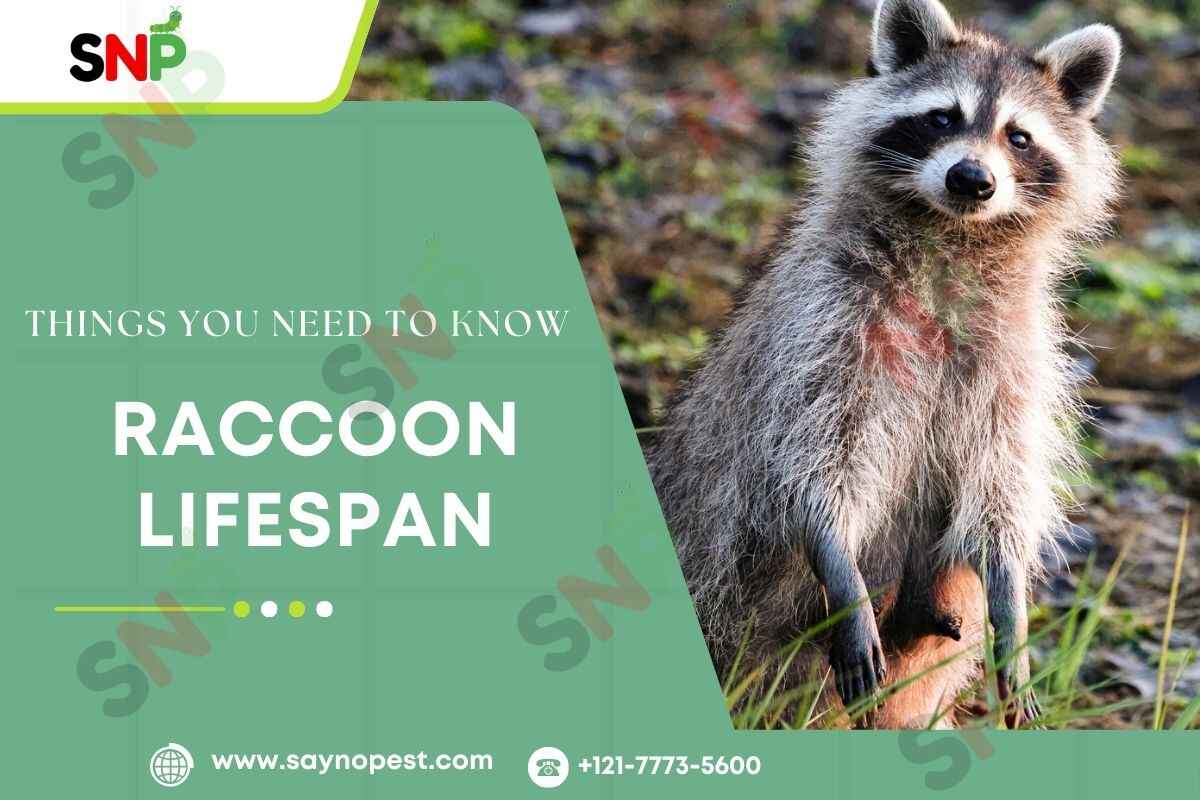
One of the most popular questions is how long do raccoons live. In the wild, the average life of a raccoon is only 2-3 years because of the threats of predators, illnesses, automobiles, and extreme weather. In ideal situations, wild raccoons can live up to five or six years. Nevertheless, a raccoon may live up to 16 to 21 years in captivity, where they have easy access to food, shelter, and no enemies, which creates a lot of dramatic variance in the lives of this species depending on where they live. The age group of the raccoon is useful in realizing how raccoon infestation persists over time- once they become established, they can recur year after year unless they are adequately discourage.

How to Get Rid of Raccoons
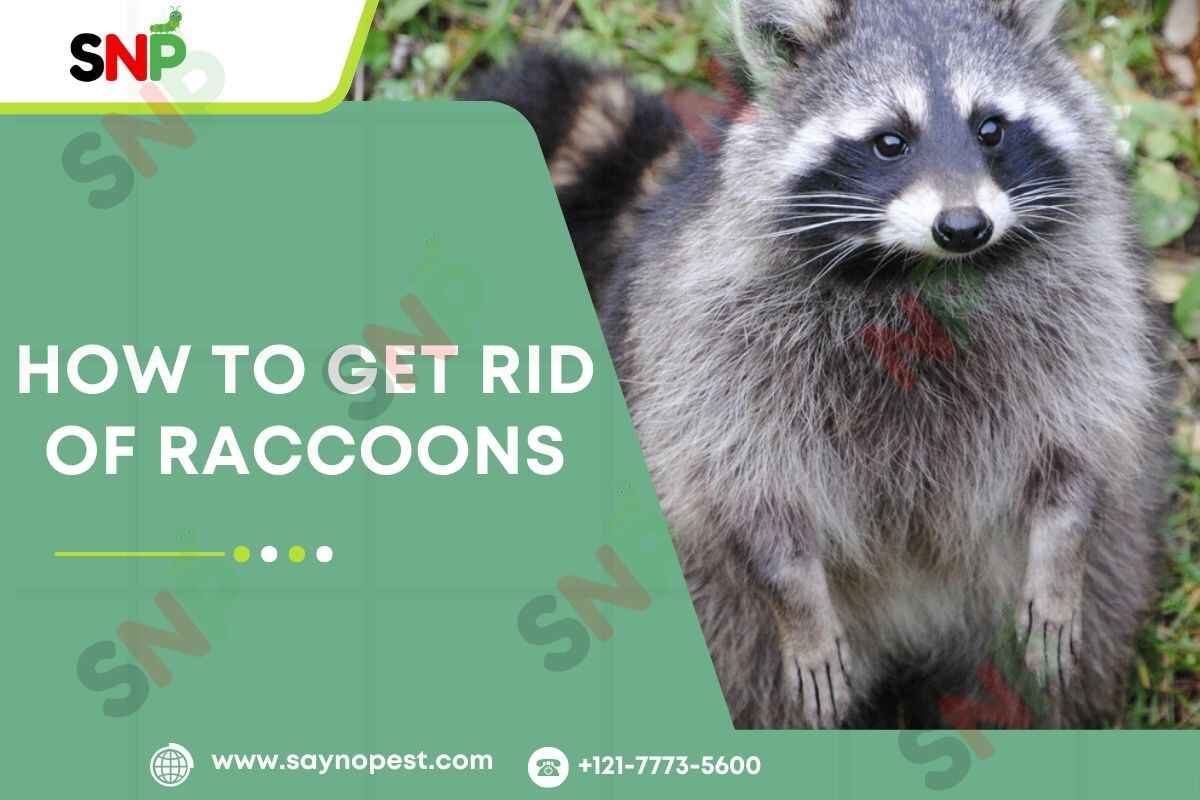
There are multiple prongs need to know How to get rid of raccoons. The strategies that have been successful both at residential and commercial settings include:
Minimize Food and Water sources.
- Close garbage boxes with tight lids and do not leave garbage boxes outside at night. Use bungee cords if needed.
- Wipe away dishes of pet food at night and keep all food items (bird seed and compost included) in containers that animals cannot access.
- Pick garden products and fallen fruit in time, and cover the garden beds with the use of mesh in case of necessity.
Block Entry Points
- Check the outside of your home and look at the shingles, siding, vent tiles or chimneys that have no protection. Place metal vent construction and chimney caps to exclude raccoons.
- Seal foundations, soffits and eaves, and holes and gaps with heavy-gauge wire mesh.
- Seal access to sheds, decks, or crawl spaces.
Use Deterrents and Repellents
- Commercial repellents: Use hot pepper-based sprays, garlic oil, vinegar, or peppermint oil around areas of activity. Use instructions with products.
- Motion-activated lights or sprinklers are also a good idea that scares raccoons and makes your property less welcoming.
- The nocturnal playing of radios on talk stations can scare away and make the raccoons unwilling to settle in attics or garages.
Apply Humane Trapping (If Legal In Your Area)
- To eliminate stubborn raccoons, use live-catch traps. It is always advisable to refer to local rules and seek expert help because the relocation of wildlife might also limited, or it might be necessary to obtain permission.
- Do not ever attempt to handle or trap raccoons without knowledge–steps can be wrong and cause injury or disease.
Expert Wildlife Removal
- Where the problem remains active or the raccoons have established themselves in your premises, hire a professional with education on wildlife removal to offer a more convenient and humane solution to the problem by controlling and preventing further attacks in the future.
- The best method of dispelling the raccoons is to carry out these strategies carefully to make sure that raccoons do not come back every season.
Conclusion
Raccoons have the potential of making a neighborhood otherwise beautiful a cause of constant stress, and with the proper knowledge and equipment, it is possible to effectively contain them. Determining the reasons behind these animals’ invasion, knowing the symptoms of an infestation, and how long do raccoons live and adhering to the best practices on how to eliminate the animals will help American property owners to ensure their homes, lawns, and families are not wrecked and harmed by the animals. For more trusted tips and service recommendations, always rely on verified sources like SayNoPest. Keep what matters to yourself–do it now, and say goodbye to undesirable raccoon residents.