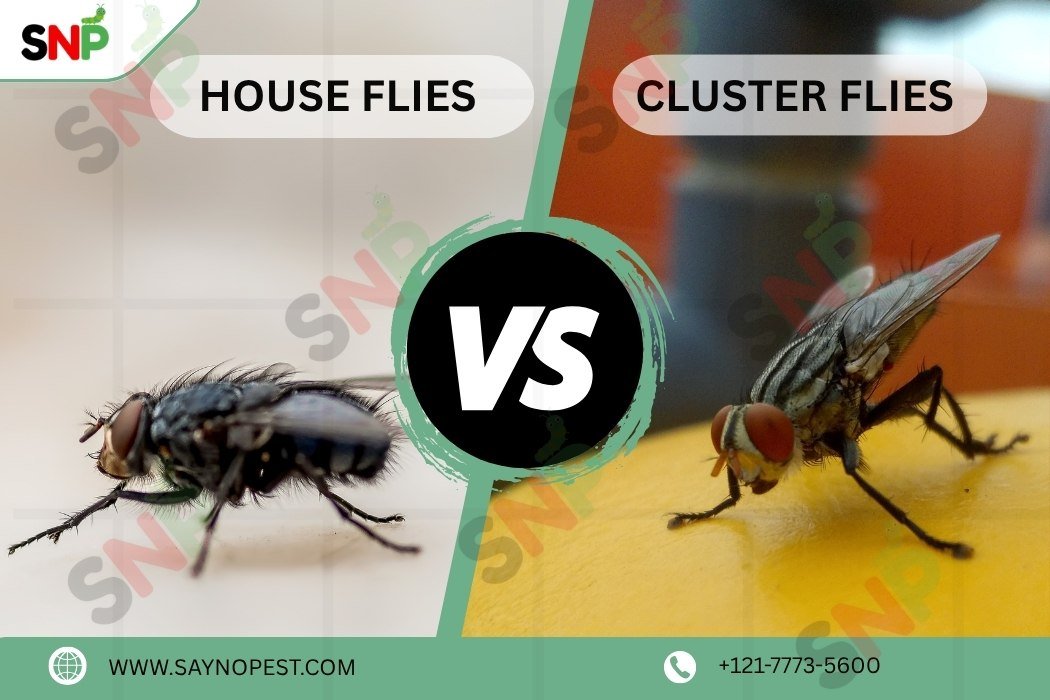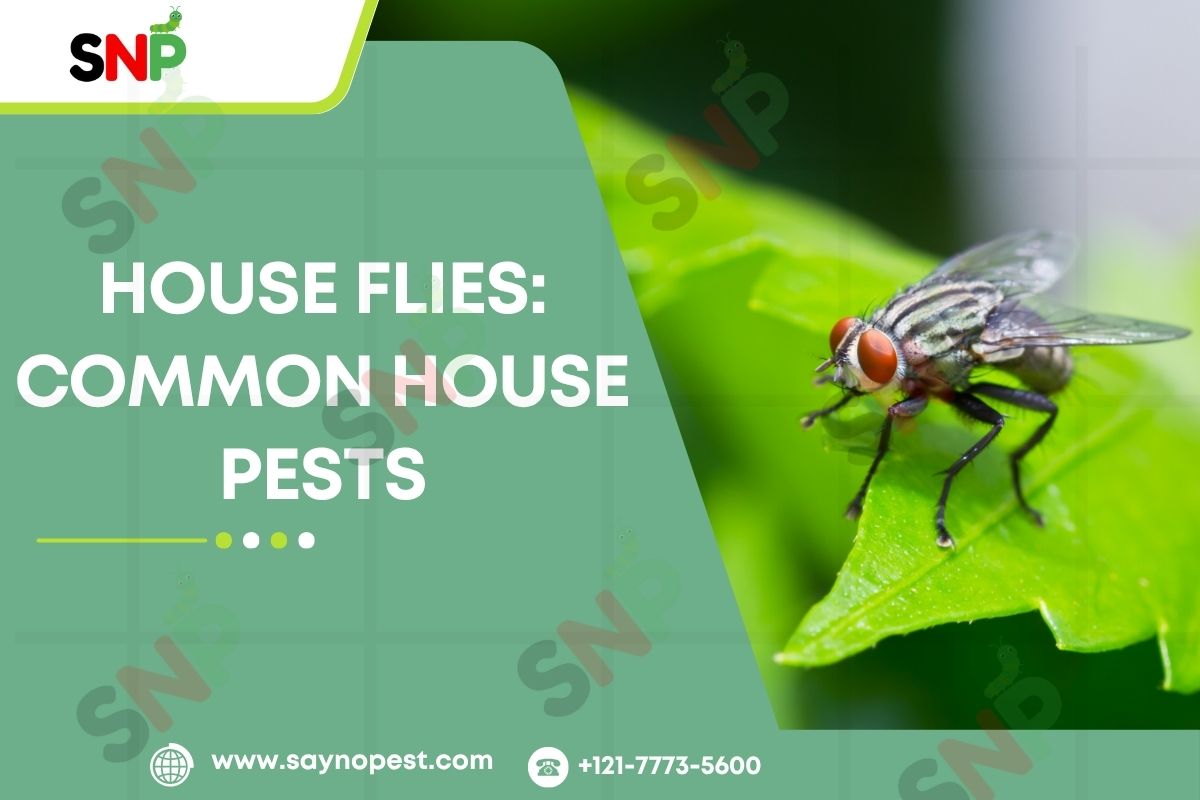
House flies are the most persistent and annoying pests that American homeowners have to deal with throughout the year. The flying insects are not just the problem of being annoying though. They can do a lot more!
In order to maintain a healthy living environment, there is need to know the biological characteristics, behavioural patterns and effective control methods of house flies. We will guide you through the steps of identifying the pests, learning about their lifecycle and give you the tested ways to eliminate them safely and effectively.
How Long Do House Flies Live?
The life of a house fly is quite short but they are extremely fertile. Generally, the adult house flies live around 15-30 days under normal conditions.
During the lifetime of house flies, the environmental factors that affect their life expectancy are-
- Temperature
- Humidity
- Food availability
The life cycle of a house fly, as stated by the University of Florida, is a rapid one and the stages in the cycle include four stages similar to most pests ie. egg, larva (maggot), pupa, and adult.
Incredibly prolific female house flies lay between 75 to 150 eggs in each batch and up to 6 batches during their lifetime. This means they form up to 900 eggs, which is a lot.
The role of temperature is very important to decide how long do house flies live. Because of the cooler environment, they might have longer lives. On the other hand, warm temperatures can lead to a shorter lifetime of these flies. If the house flies don’t have access to food and water, they will be able to survive for only 2 to 3 days.

How to Get Rid of House Flies?
The only way to get rid of House Flies is- sanitation, exclusion, and targeted control methods.
- Clean spills at once, and continue to wipe surfaces and clear any pet waste. Make sure the removal is done swiftly. The fly’s favorite food place is the hive, so pay extra attention to the areas where food is prepared and consumed, as these attract flies most readily.
- Exclusion Methods- Prevent flies in your house and eliminate the ones that are already in your house. Install screens on your windows and doors, close doors where possible and seal any cracks or openings around windows and doors. Also, you can install air curtains or exhaust fans over the most frequently used entrances, which will provide the flies with obstacles to your entering and leaving.
- Natural Control Methods- There are a number of natural ways that can actually eliminate flies without using dangerous substances.
- Grow herbs such as basil, mint, lavender and bay leaves around the entry points as they are natural fly repellents.
- Peppermint, eucalyptus, and lemongrass essential oils can be diluted with water and sprayed in the affected areas.
- Dish soap and apple cider vinegar traps are very effective in catching flies inside the house.
House Fly Traps

House fly traps are probably the most efficient tools for decreasing the fly population in a non-toxic way and without using chemical pesticides.
Sticky Traps and Ribbons
Still, the use of sticky traps remains very effective for indoor places. They implement surfaces with sticky glue that catches flies landing on them and many of them also include attractants which increase their power of lure. Window strips are the most effective for flies that are fond of the glass surface. So, while those dead flies might be a bit gross, but they are totally safe to have around kids and pets.
Light Traps
Limelight traps are electric light sources that emit ultraviolet radiation LEDs to attract the flies, therefore, they are going to be stuck on glue boards behind the bulbs. These are continuous operation devices and can cover areas up to 400 square feet.
Fly lights are most effective when there is less natural light.
They are also perfect for night time periods when the artificial light is dominant, and thus, more attractive to the flies.
Bait Traps
Outdoor bait traps are a great way to get rid of flies before they invade your home. They are the most efficient method of insect elimination. Flies cannot resist the attractants of the traps but due to their strong smell, it should be placed at least 10feet away from living areas. Homemade versions that use overripe fruit, sugar water, or vinegar can be as effective as store-bought ones.
Conclusion
The control and eradication of house flies should be holistic in nature and not only address the current crises but also prevent future outbreaks. You can actually decrease the number of flies in your house and the surrounding area by maintaining good sanitation, and putting in the right traps and control devices. But never forget that consistency is important!