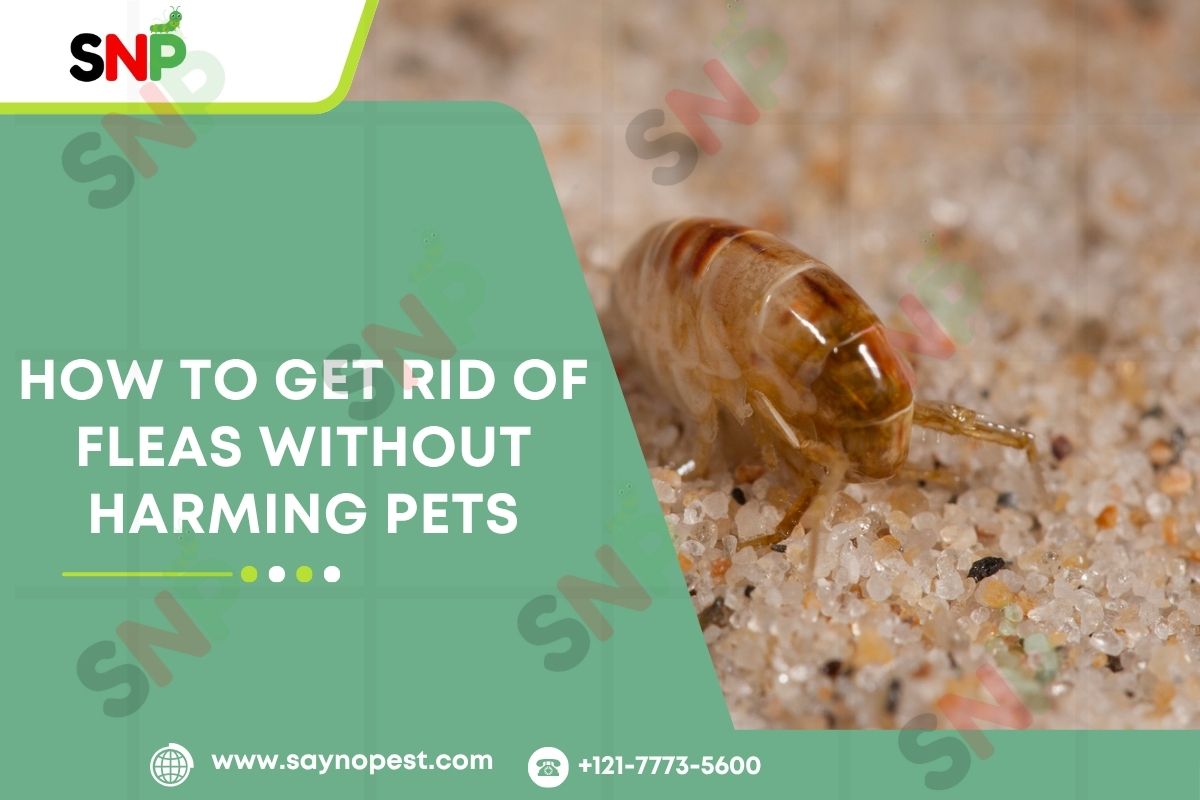
Fleas are small, fast, and harmful. If you have pets, and you want solutions to remove fleas, but you do not want to put your dog or cat in problems. This blog explains simple, safe tips that you can take at home and highlights pest control for fleas & discusses Dr Killigan’s natural products that work well and are pet-friendly. Use these tips to keep your family and pets healthy and get rid of fleas by using the best ways.
Why fleas are a problem

Fleas bite and cause problems, red skin, and sometimes health problems. They can live in carpets, beds, and gaps on the surface. If you do not act fast, a few fleas can become a full invasion. Many U.S. pet owners look for the best and expert pest control for fleas, which is safe for use around animals.
Why Harsh Chemicals Aren’t the Best Option
Numerous flea sprays and flea powders contain strong chemicals that are dangerous to both animals and humans. Constant application of these chemicals may also lead to skin complications, breathing complications or brain complications in sensitive pets, predominantly cats.
These chemical solutions can kill fleas fast, but they sometimes leave toxic leftovers on surfaces your pets touch daily. That is why more homeowners today like natural and plant-based methods. Making a decision to use natural products does not imply that you are not keeping your pet safe but rather you are making the best choice of pest control for fleas in keeping your house safe.
Pet-Safe Ways to Get Rid of Fleas Naturally
Understand these ways which are safe and efficient home to keep your home flea-free without harming your pets:
🧴 1. Groom Your Pets Regularly
Brush your pets daily with the best tooth flea comb. This helps to identify adult fleas and flea dirt. Use the comb with soap and water after each turn because this will make sure fleas do not jump back onto your pet.
🛁 2. Give Regular Baths
Use pet-safe flea shampoos suggested by pet doctors . Natural shampoos that have things like neem or oatmeal can soothe affected skin & help you get rid of fleas.
🧹 3. Vacuum Thoroughly
Vacuum carpets, rugs, household things, and car seats where your pet sits. Keep the vacuum dust and waste in a proper bag which is tightly packed because this will remove future infestation problems. This is one of the most important tips in pest control for fleas.
🧺 4. Wash Beds and Clothes
Wash all pet beds & clothes in hot water every week. Fleas cannot live in heat, which helps stop their life cycle.
🌿 5. Maintain a Clean Garden
Clean your garden daily and remove leaves or waste. Fleas love shaded, moist areas. Keeping your garden neat and clean will reduce their outside places where fleas mostly live.
🕯 6. Use Natural Flea Removal Products
Natural oils like lavender, & lemongrass are known for their qualities that help to remove fleas. Always mix them properly and never apply right to pets without talking with your vet.
These methods are safe, easy, and efficient for homes with pets, forming the foundation of long-term pest control for fleas.
🌿 Spotlight: Dr. Killigan’s — Natural Products That Work
In the case of natural flea solutions, Dr. Killigan has a reputation for leaving many pet owners in the United States content with their products. Their mission is to develop non-toxic and environmentally-friendly pest control solutions which are not harmful to the family and pets. Some of the best products that they produce to assist in get rid of fleas safely and efficiently are shown below.
1. Six Feet Under – Plant-Powered Insect Spray
- Eats numerous insects, among which are fleas, ticks and ants.
- Formulated using soybean oil and clove oil, providing a fast knockdown.
- Leaves do not have a chemical smell but have a pleasant, light cinnamon smell.
- Indoor and outdoor works.
- Brings residual protection at the time it is applied on carpets, baseboards or pet areas.
- Why it is great: This spray gives good results and is not so harsh to be used in a house with children and pets.
2. Dust to Dust – Plant-Powered Insect Powder
- It was intended to be a less harmful substitute for the traditional diatomaceous earth.
- Preys on rabies insects such as fleas, roaches and ants.
- Does the work well even in wet conditions where DE does not?
- produced using fine and plant-based particles, which dries the fleas.
- Why it is great: It can be used under furniture, around baseboards and around pets. It is a non-toxic but very efficient in controlling pests in the case of fleas.
3. Bug Barrier Bundle – Complete Protection Kit
- Mix both the Six Feet Under Spray and Dust to Dust Powder for the best output.
- Provides ongoing protection against 100+ types of insects.
- Best for treating both inside and outside areas.
- Why it’s great: Perfect for homeowners who are looking for an all-in-one natural product.
4. Cedar Ward – Cedar Oil Spray
- Uses pure cedarwood oil known for removing fleas, moths, and other insects.
- Perfect for shelves, beds, and storage spaces.
- Refreshes fabric areas with a mild, pleasant scent.
- Why it’s great: Best for soft surfaces where fleas hide, giving a natural and safe protection for your home.
🌱 Why Choose Dr. Killigan’s Natural Line?
- Plant-based method: They use the best essential oils and botanical extracts in all their products, rather than synthetic pesticides.
- Pet and kid friendly: Made with natural elements which is safe for animals.
- Good performance: Developed to act rapidly without any traces of harm.
- Sustainability: Their greener packaging and ingredients are in line with a healthier and greener living.
- Fleas may be easily and safely removed by the homeowners with the natural solutions by Dr Killigan and common cleaning way, no chemicals are needed.
(Never leave pets on treated spaces until the surface dries up, and always check product labels before using)
Preventing Future Flea Infestations
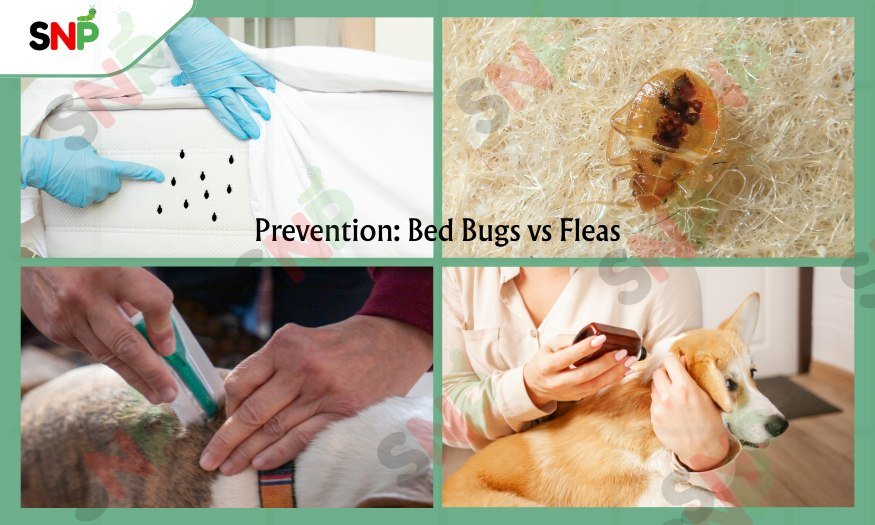
After you have removed the fleas from your house, the next important thing is to prevent them from coming back. When you are not careful about cleanliness, fleas will come back easily enough. The following are some of the prevention tips:
- Vacuuming should be done properly.
- Maintain your pet on a pet-friendly flea treatment plan.
- Groom pets regularly so as to tear down any new frocks.
- Neat outside spaces, such as patios and kennels.
- Do not allow pets to mingle with stray animals or wild animals where there are several fleas.
A couple of minutes of maintenance per week will save you an additional infestation and make your pest control for fleas strategy last longer.
When It’s Time to Call a Professional

In some cases, it may happen that they have recently used natural products and kept everything clean, but still the flea may persist and particularly when the infestation has occurred within the furniture or the soil in the yard. In this situation, it might be required to employ a professional pest service.
Find firms that specialise in the use of eco-friendly pest control to control fleas. They may adopt integrated pest management (IPM) methods, which would be effective and at the same time safe to pets and humans. It is always important not to forget to tell the expert about your pets before any treatment.
Safety Tips for Pet Owners
These are some safety tips that one should keep in mind before using any flea product, whether natural or chemical:
- Read and attend to label instructions.
- Store pets and food dishes out of the way when using.
- Give time so that the parts treated can dry before pets are introduced.
- Ask your vet whether your pet has allergies in the skin or other medical issues.
- It is recommended not to administer several treatments of the fleas simultaneously unless it is recommended by a professional.
These are the simple steps that will make sure that the members of the house are safe in the process of attack on the fleas.
🐕 Conclusion: Safe, Simple, and Effective Flea Control
You do not need to decide what to do with your pets: protect them, or get rid of the fleas. A flea-free environment can be achieved without any vile substances with regular cleaning, pet grooming and the use of credible, plant-powered products such as Dr. Killigan’s.
It is said, however, that prevention is better than a cure. As well as being environmentally friendly, frequent maintenance will have your pets spending a good life at home.
Begin today – start by adopting safe pest management of the fleas and live in harmony with the thought that you can now get rid of fleas naturally and effectively, which is responsible.