Tag: flea treatment

  • Human Flea – Rare but Possible Infestations Explained

    Human Flea – Rare but Possible Infestations Explained

    Most people, when the word fleas is mentioned, think of pets and not human beings. There is a kind of flea, known as the human flea, that could bite and cut people in most cases. In some cases in contemporary homes, these pests continue to manifest themselves in specific environments and may be a nuisance, uncomfortable, and even a disease hazard. Prevention and proper flea bites treatment depend on the knowledge of their natural habitat and their interactions with humans.

    What is a Human Flea?

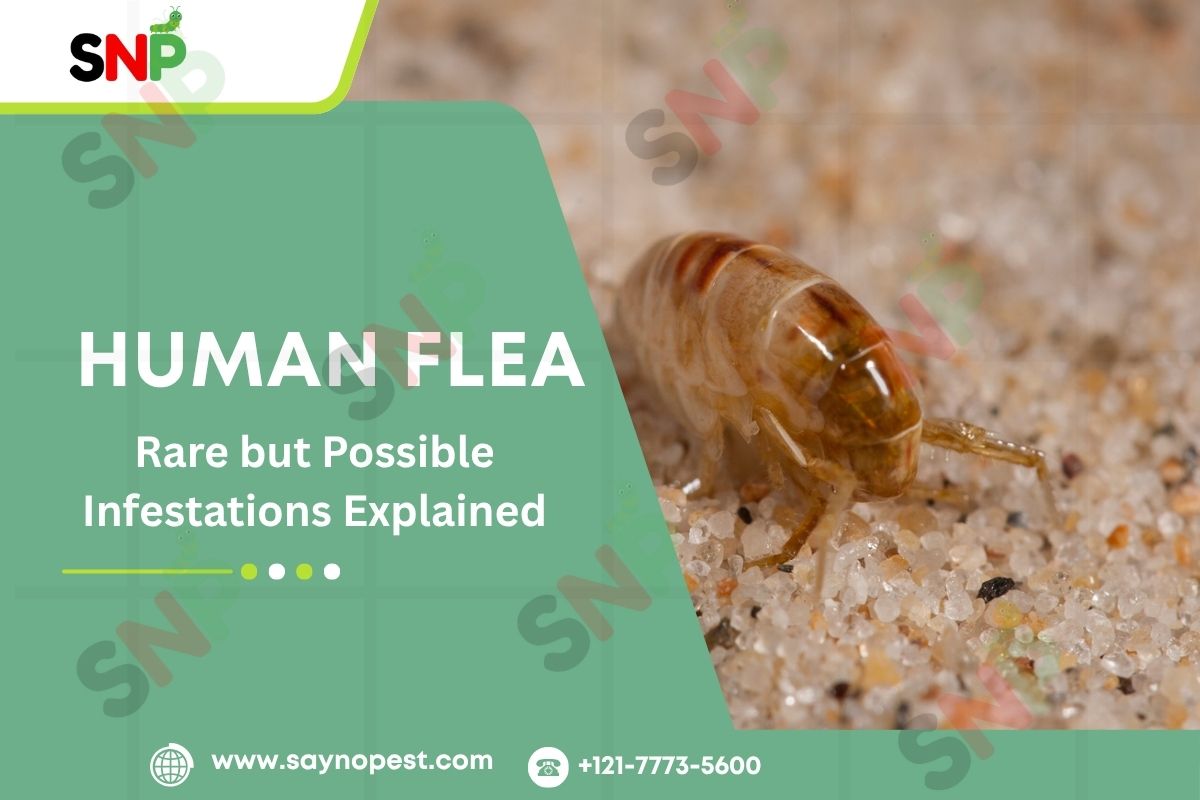
    The human flea is one of the few flea types that live on the human body. They are not like cats and dog fleas, which occasionally bite humans; this flea type is mainly used to infest humans, though it can also target pigs and other animals.

    They are small, wingless insects with a hard body, helping them to live in various situations and withstand attempts to crush them. Their powerful legs make them the best jumpers, helping them to move quickly between hosts.

    Characteristics of Human Fleas

    Human fleas have some different qualities that make them difficult to manage:

    • Size and shape: About 1by 8 inches long, they are dark brown and flat-sided.
    • Jumping: They can jump long to reach a host.
    • Feeding habits: They bite open skin, which causes itchy red marks.
    • Reproduction: They give Eggs on beds, cloths, and in the floor gaps, which cause fast infestations.

    These qualities explain why infestations, while rare, can still be a challenge once fleas find their way indoors. So it is very important to understand the flea bites treatment as they can destroy your comfort very easily. 

    Natural Habitats of Human Fleas

    The human fleas live in areas where populations and animals coexist. Previously, they were more prevalent in rural regions, livestock barns, or unsanitary places. They are less common today, but still persist in:

    • Dusty surface of untreated wood.
    • Antique or clean bedding and carpets.
    • Places that have pets or farm animals.

    They reproduce and transmit much more easily under the influence of warm and slightly humid climate.

    When and How Human Fleas Affect Humans

    Human fleas bite when they find open skin, often during sleep or rest. Their bites can cause:

    • Red, itchy bumps.
    • Tenderness and skin problems in individuals.
    • Feeling discomfort in daily life.

    People living in countryside areas face this problem a lot. In many cases, fast flea bites treatment is important to calm irritation and stop the problem from becoming serious.

    Health Risks Linked to Human Fleas

    Most bites cause small irritation, but human fleas sometimes carry health risks. They can cause health problems like typhus and plague, but in some cases are it is rare today in the United States.

    They may also send tapeworms and cause skin infections from scratching. Due to this, taking proper flea treatment for humans as soon as you notice bites is important for protecting your health.

    Signs of a Human Flea Infestation

    Common signs that human fleas are:

    • For a small invasion, use natural solutions
    • Use Necessary oils like lavender to get rid of fleas.
    • Clean the area properly and use baking soda to remove flea eggs.

    If you identify these signs, do not ignore them—look for both flea bites treatment and steps to clean your living environment.

    How to Prevent Human Flea Infestations

    Prevention is the best way to avoid these pests. Some helpful tips are:

    • Wash clothes, blankets, and wash beds with hot water.
    • Clean vacuum carpets and sections.
    • Pet groom and put on flea treatments approved by the vet.
    • Keep your home clean

    These habits can reduce the risk of fleas living and reproducing in your home.

    Natural and Professional Control Methods

    For small infestations, you can try natural ways:

    • Use Essential oils like lavender to remove fleas.
    • Regular vacuuming and using baking soda to remove flea eggs.

    But if the infestation level is high, contact a pest control service provider, as they know very well how to get rid of them. Experts can treat every stage of a flea’s life cycle and recommend the best flea treatment for humans to give relax in your life. 

    Human Flea vs. Pet Flea Infestations

    In the United States, pet fleas are more common than human fleas. Dog and cat fleas are mainly seen in pets, but sometimes they can also bite humans. This makes pet care important in preventing human risk.

    If both you and your pets show signs, it is best to mix flea bites treatment for relief with expert flea treatment for humans to fully remove the issue.

    When to Call a Pest Control Expert

    You should contact a pest control service if:

    • If you experience bites after the DIY treatment. 
    • Fleas are visible in several areas of the home.
    • Pets also show signs of discomfort or flea bites.

    Experts use safe methods to remove infestations and provide advice on preventing future problem.

    Conclusion

    The human flea is not prevalent in the houses of the U.S. today, yet the cases of infestation do occur, and it lead to inconvenience and even to health hazards. Knowing their nature, natural habitat, and the impact they have on people, you will be able to do the most beneficial thing and treat infestations as soon as possible.

    In the event of any signs, begin treatment of simple flea bites to relieve, and do not waste time getting professional help. Taking preventive habits with proper flea treatment for humans gives a safer, healthier home for you and your family.

    Frequently Asked Questions

    1. How to get rid of fleas?

    To eliminate fleas, launder all bedding and garments in hot water, have your place of residence vacuumed completely as well and treat pets with veterinarian-recommended flea treatment. In severe infestations, a professional pest control service may be required. This gives both fleas and their eggs a chance to be fully removed.

    2. What do flea bites look like?

    Flea bites look like small red bumps. They are most common on legs, ankles, and feet. Their bites cause tenderness & discomfort.

    3. Can fleas live on humans?

    Fleas do not live completely on people, but they can bite and feed on us. They would rather live on pets or in the surroundings, such as carpets, beds. They jump off after biting and hide and breed in other locations.

    4. Do fleas bite humans?

    Yes, fleas can bite humans if pets or animals in the area are infested. Their bites cause tenderness and discomfort. They like animals; they will bite humans when hungry or nearby.
  • Cat Flea: This is the Worldwide most prevalent Fleet of Fleas.

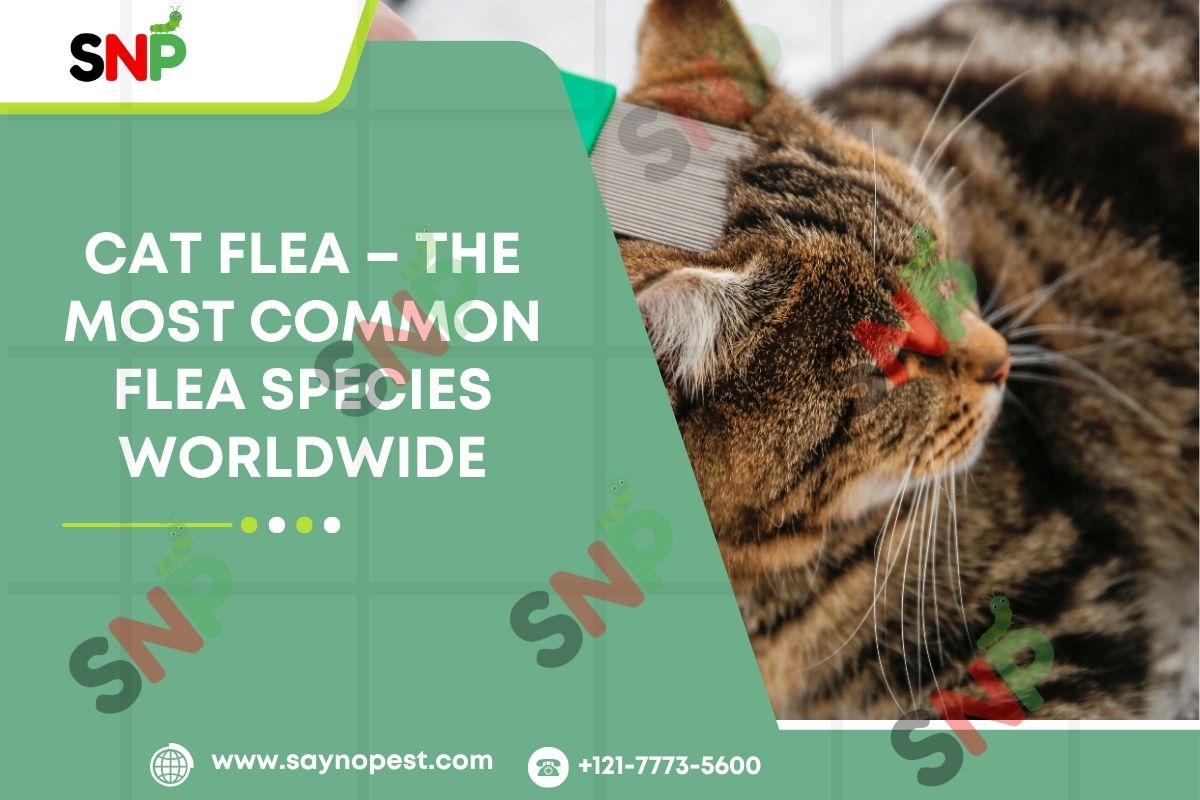
    Cat Flea: This is the Worldwide most prevalent Fleet of Fleas.

    Primary and Secondary Hosts of the Cat Flea

    The cat flea is by far the most prevalent species of flea in the entire world regarding pets as well as households. The (Ctenocephalides felis) also known as the miniature parasites are known to be spread in all continents and notorious due to their ability to infest not only cats but also dogs, rabbits, and even wild animals.

    They can survive in a diversity of environments and this aspect makes them an influential pest in American homes. Cat fleas are not only a nuisance to pet owners, but they can spread diseases, bring about allergic reactions, and create discomfort to the pet and the person. The secret to stay in control of them is to learn about their hosts, their looks, life cycle and cat flea treatment, procedures.

    Morphological Features: What a Cat Flea Looks Like

    The cat flea is a reddish brown insect whose length is approximately 1-3mm. They are fine beings, but adapted to survive well. Their bodies are flat with no wings thus they travel swiftly in the fur of their host thus hard to detect. They infest cats and other animals, although their main hosts are cats, which is why they are the most widespread species of fleas in the whole world.

    Contrary to other kinds of pests, which have only a particular environment to multiply well, cat fleas multiply rapidly in the warm indoor and the humid outside environment. Only a single female flea has the potential to lay 50 eggs within one day, and they settle on carpets, bedding, and furniture and make the house a breeding ground. 

    Reproductive Cycle and Developmental Stages of Cat Fleas

    There are four stages of the life cycle in cat flea treatment, such as egg, larva, pupa and adult. This cycle may take two weeks or a few months depending on the temperature and humidity. This adaptability and rapid reproduction is the primary cause as to why the population of cat fleas is so prevalent in the homestead.

    • There should be a complete strategy when it comes to getting rid of cat fleas. It is never enough to treat just the pet as flea eggs and larvae keep on growing in the environment. The initial action is working on your cat and treating the infestation. You can bathe your pet with a mild flea shampoo in order to minimize the population of adult fleas. 
    • Another method of physically getting them off the fur is to use a fine-toothed flea comb. But to ensure permanent outcomes, there is a need to employ veterinary-approved cat flea treatment. Topical applications like spot-on application placed between the cat shoulder blades are an in-demand choice. 
    • Prescribed by veterinarians, oral medications are fast acting and can kill adult fleas in hours. Home should also be well cleaned along with treatment of pets. The use of household sprays or powders used to kill fleas, washing bedding in hot water, and vacuuming carpets are the most important things to do. Fleas will keep on emerging and re-infesting your cat without environmental treatment.This is why a combination of pet care and home treatment is considered the best flea treatment for cats defense against the cat flea.The products available in the market are numerous, and it might appear difficult to identify the most suitable flea treatment. It will depend on the health, age, lifestyle of your cat to make the right decision.
    • The topical solutions like Advantage II or Frontline Plus are some of the best flea treatments for cats which are highly recommended because they do not only kill the adult fleas, but prevent the hatching of the eggs and larvae. Oral treatments: Capstar or Comfortis are oral medications that cause fast effect with fleas being killed in a few hours and providing relief to heavily infested cats. 

    Global Dominance: Why Cat Fleas Are the Most Widespread Species

    Flea collars such as Seresto can also be considered and they have prolonged protection up to eight months. All the methods have their advantages, topical and oral solutions are fast-acting, collars are easy in long-term prevention. In the case of households having more than one pet it is particularly essential to treat all the animals simultaneously to interrupt the flea cycle.

    Finally, the most suitable flea remedy will be at the recommendation of your veterinarian and also depending on the specific requirements of your pet, consistency is essential. With dependable cat flea treatment and regular cleaning, before the infestations gain hold, the problem can be avoided.

    Fleas that are present in a house cannot be overlooked. Unattended cat infestation may cause severe scratching, loss of hair, skin infections and in some instances, kitten anemia or weak adult cats. An ounce is always better than a pound. You can take action before the trouble gets away by identifying the symptoms in their initial stages, including constant itching, small red bites or the presence of flea dirt. Choosing the best flea treatment for cats early can save pets from serious health issues.

    Conclusion

    Cat fleas can be controlled with the help of the right products, the routine of pet care, and the cat flea treatment at home. To get the best flea treatment for cats advice and suggested solutions of pest control, the pet owners in the United States can consult credible websites such as saynopest, which offers genuine advice and affiliate-based recommendations. Keeping your pets (and house) safe means watching out and using the most appropriate flea treatment on the market.

    Frequently Asked Questions

    How to get rid of fleas on cats?

    To get rid of fleas, begin with having your cat bathed in a flea shampoo that has been approved by your vet and also have the cat combed through its fur to remove the adult fleas. Use the most suitable flea treatment suggested by your veterinarian and ensure that you also treat the domestic environment by vacuuming, washing of bedding and spraying.

    How do cats get fleas?

    They are likely to bond with fleas when they come into direct contact with other animals, or pick up flea eggs and larvae in the polluted surroundings.

    How to know if a cat has fleas?

    When you see your cat scratching all the time, with red bumps or finding black specks (flea dirt) on the skin or bedding, then you are likely to find that your cat is infested with fleas. You can also find the small reddish-brown insects on the fur of your cat.

    How do the fleas look on the cat?

    Fleas on cats are small, flat bodied, reddish brown insects measuring approximately the size of a sesame seed. They are fast moving and can be detected on light-colored fur with relatively little effort.

    Can fleas kill a cat?

    Although the vast majority of healthy adult cats can withstand mild cases of cat flea infestations, a severe cat flea infestation can result in severe anemia particularly when it comes to kittens. Failure to treat in time can be life threatening, hence the need to ensure fast and effective care.

  • The Life of a Flea: A Secret Adventure

    The Life of a Flea: A Secret Adventure

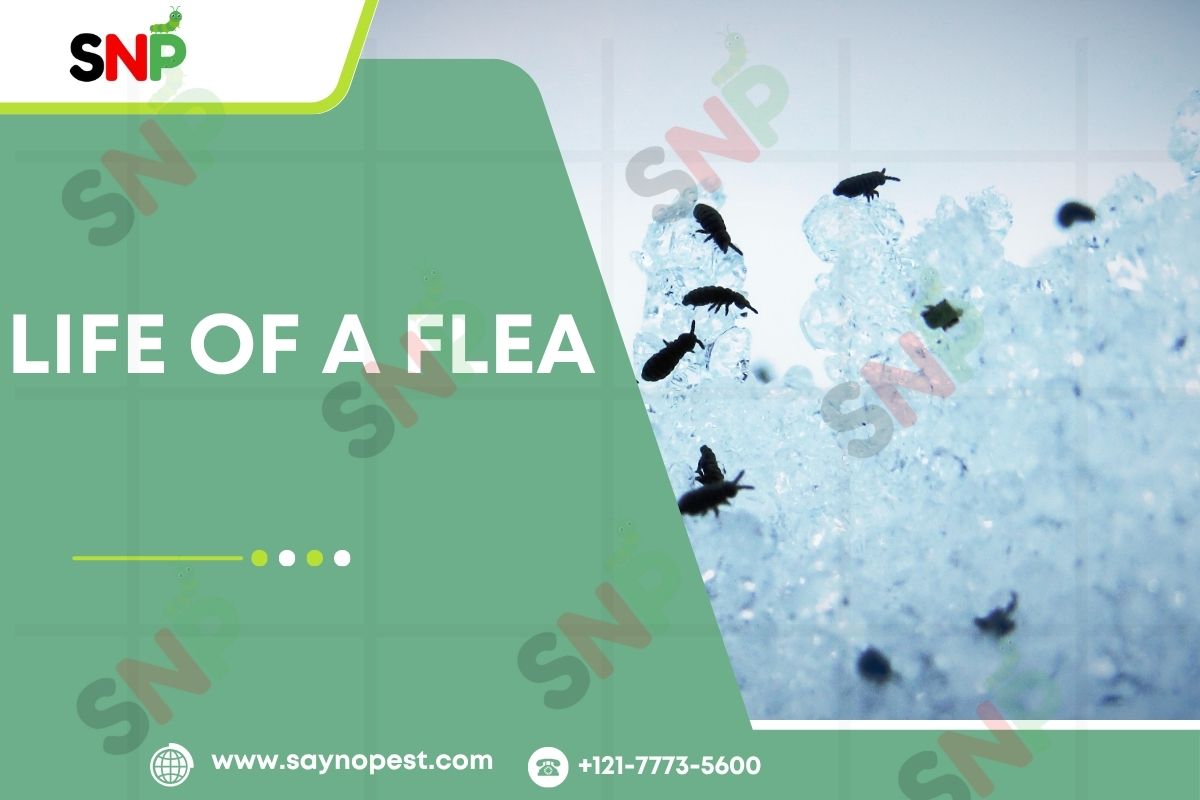
    Fleas are little, annoying insects that can turn a peaceful home front into a war zone. The secret that protects your family and pets from these uninvited guests is to understand the life of a flea. Join me and get to know the interesting, and sometimes infuriating, life of fleas and how effective flea treatment can end their life cycle once and for all.

    Life-of-a-Flea

    Introduction to Flea Life

    life of a flea is diversified, with rapid specialization and evolutionary adaptation. Fleas infest the entire United States and reproduce mostly favorable in warm, damp environments. Fleas are not only pests; they are disease carriers and allergenic stimuli for human beings and domestic pets.

    A flea cycle starts when an adult female lays eggs following a first blood meal. A single flea lays 50 eggs daily, and these can infest a small area fast and make it an infestation. These eggs are smooth and easily fall from the  host and onto the carpet, bed, and furniture. For this reason, the life of a flea is never restricted within your pet alone—your whole house is their home.

    The flea life cycle repeats in four simple steps:

    Egg: Flea eggs mature in a day or two which depends on temp. and humidity.

    Larva: Larvae are very delicate to light and are trained by organic waste, like adult flea poop. They choose dark, moist environments like mattresses and mat.

    Pupa: Flea  create cocoons to protect themselves and they can stay in this dormant state for weeks or months, waiting for the right time to appear.

    Adult: By capturing their full size, fleas will locate a host on which they will feed on blood, reproduce, and begin the cycle anew. Adult fleas survive weeks to months depending on circumstances and availability of host. 

    Flea Treatment: Breaking the Cycle

    Effective flea treatment must disrupt a flea’s continuous life cycle. Since most of a flea’s lifetime is on the host, overall treatment is required.

    Major Steps in Flea Treatment

    Pet Treatment: Start with treating all pets in the home. Apply vet-approved products in oral or topical form, which kill adult fleas and developmental stages. Wash the pets daily with the flea shampoo and brush them daily with a flea comb to kill fleas and eggs in their fur.

    Home Cleaning: Vacuum carpet, rugs, and upholstered furniture regularly, and hot wash all bedding, including pet bedding, with water to kill eggs and larvae. Vacuum bags should be removed immediately to prevent reinfestation.

    Indirect Oversight: Sprays contain insect growth directors to kill the fleas in all stages of life. Treat sheltered, moist areas where the fleas like to congregate, under furniture and baseboards.

    Maintenance Prevention: Re-treat fleas hardly on a regular schedule because the life of a flea cycle enables them to hibernate for several months. Continue with additional treatments as needed in an attempt to eliminate all of the fleas, including the pupae.

    It should be kept in mind that a single flea treatment will not work. Multi-level decision and determination will be necessary to eliminate the life of one flea and your home pest-free.

    The Flea’s Effect on Home and Health

    The flea infestation is not just a biological oddity, it occurs physically on your family and house. Fleas are also a carrier of tapeworms and bacteria, such as Bartonella (cause of “cat scratch disease”), and their bites are known to bring on severe itching, allergic reactions, as well as puppy and kitten feline anemia. Flea Bites in humans tend to cause red, itching welts, and on occasion may result in secondary infection secondary to scratching.

    One of the flea survival secrets is that they are able to lie dormant for months at a time when in the pupal stage. What this implies is that even after thorough flea treatment, freshly emerging adults weeks later can still surprise homeowners. That’s why vigilance and continued flea treatment is needed to totally shatter the cycle.

    Commercial and Natural Flea Treatment Options

    life-of-a-flea

    There are several ways of treating fleas. Topical treatment, medication, and over-the-counter flea collars are extremely effective as well as widely prescribed by veterinarians. The drugs not only eliminate adult fleas but also inhibit egg and larvae development and affect all stages of a flea’s development.

    For natural medications, diatomaceous earth, cedar or lavender essential oil sprays, and vacuuming regularly reduce flea infestations. Natural medications take more frequently and more rapidly than over-the-counter medications. Always contact a veterinarian prior to attempting a new flea medication on your pets for their own well-being.

    Avoidance Tips for Future Infestations

    Inspect your pets regularly for flea infestation, notably after visiting the park or going for a walk.

    • Keep your area fleas free by mowing the lawn and picking up garbage, fleas prefer shaded, moist areas.
    • Apply flea control to dogs year-round even during winters since indoor temperatures can support the flea cycle to be prolonged throughout.

    That a flea exists is a credit to the persistence of nature, but you can keep your home and family safe with the right information and products. By gaining an understanding of the flea life cycle and its application of a complete flea control program, you are capable of killing their life cycle and preventing further infestations from getting a foothold.

    If you already have fleas or would simply like to have your home flea-free, trust the professionals at saynopest. We offer advice and accompanying products for you to make an informed choice on flea treatment products that fit you. Do not allow the life of a flea overwhelm your home, act now with saynopest and sleep tight.