Tag: dragonfly eggs

  • Dragonfly Eggs: A Fascinating Look at Dragonfly’s Life

    Dragonfly Eggs: A Fascinating Look at Dragonfly’s Life

    Those who have spent time around waterbodies in the US may have caught up in the flight of the dragonflies, the crazy colors, and the shimmering of the sunlight reflecting off them. But have you ever thought of how these cute creatures get start? Our team at SayNoPest is commit to provide and discussing reliable and useful information about the good and bad in the insect world. Today, our venture extends to the digging of dragonfly eggs, finding out their shape, the place of laying, and the process of their becoming the amazing baby dragonfly.

    What does Dragonfly Eggs Look Like

    The most frequently asked question from people is: What is the picture of the eggs of a dragonfly? The reply to this is a very simple one, but also quite intriguing. Generally, dragonfly eggs are small, round, and their length is around 0.5 mm. The color may be different from place to place in a species. The difference is due to the elongated eggs of some species, especially during insertion into plant material, while the majority of the dragonfly eggs are more or less spherical or ellipsoidal. The jelly-like substances that usually cover these eggs are also a very big reason why they are shield by the predators in most cases, and also by the environmental changes. The dragonflies have whitish or transparent eggs that may be darker as they increase their development.

    What is also important is that the eggs are so tiny and camouflag that it is rarely that they are rarely notice by people who are not on the lookout for them. Therefore, if you intend to find some dragonfly eggs, then you better focus on the edges of the water or areas where the water plants are most dense, because these are the places where the dragonfly eggs are usually found.

    Dragonfly-Eggs

    Where Do Dragonflies Lay Their Eggs?

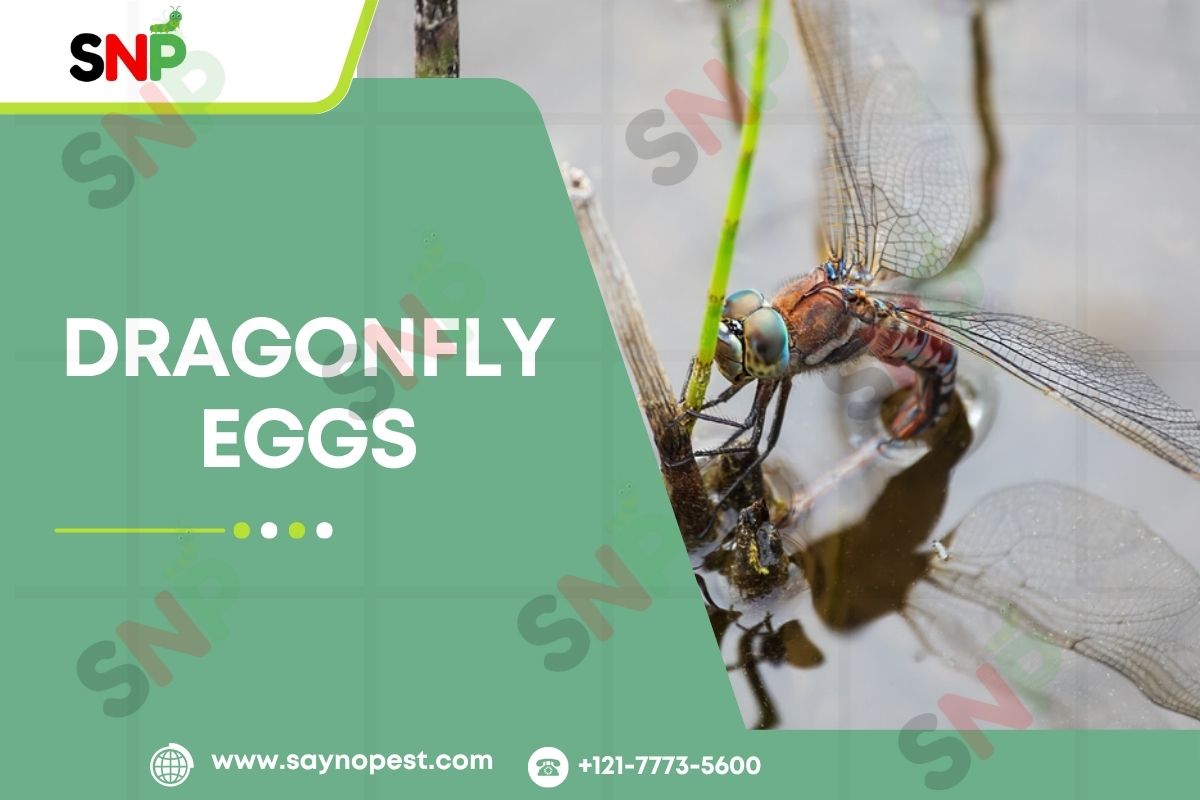
    Dragonflies are completely aquatic, and so is the case with egg laying. The female dragonflies fly, whose typical size is a few batches, distribute a couple of hundred of their eggs within a few days or weeks. Where do the dragonflies lay eggs?

    • Directly in Water: This way of laying eggs is follow by the majority of species, and it involves dipping the abdomen in and out of the water and in which eggs are deposit. These eggs are deposit at the low depths, usually in stagnant or slow flowing waters such as ponds, marshes or lakes.
    • On or Inside Aquatic Plants: This is a very common behavior of the dragonflies; the insects use the ovipositor to prick the water plants and in doing this way they successfully lay the eggs on the surface of the water plants.This strategy helps protect the developing eggs from aquatic predators.
    • On Damp Ground: Rare instances may arise when moistened soils or mud near the water are locations of egg deposition if water plants are not available.

    The location itself, among many other things, will decide if the eggs of the dragonfly will survive. Water temperature, the type and the amount of vegetation, and the absence of strong currents are some factors that contribute to the eggs being able to hatch into the next life stage.

    Baby Dragonfly: From Egg to Aquatic Predator

    So it took one to five weeks, and the magic was done – the dragonfly eggs hatch, and the first stage of the baby dragonfly appeared. This phase is the larva or the nymph, but for all practical purposes, let’s call it the baby dragonfly.

    A baby dragonfly is a different species from the adult one that is saw flying over the water. The body has wide and dirty hair. The animal is a water body that has six legs, large eyes, and a mouth shape like a scoop, which is particularly made to ambush prey. The baby dragonfly, as opposed to the damselfly larva, which still has the external gills, the animal gathers its oxygen intake in its internal gills found in the abdomen. This adaptation enables the insect to move very quickly through water, expelling the water out of its tail-end-which is termed as underwater jet propulsion.

    baby-Dragonfly

    The young dragonfly is spending nearly all his brief life in the water, and is feeding on minute water animals, among which are mosquito larvae, tadpoles, and even fry. As it gets bigger, it creates new skin over the old one several times, sometimes even 14 times, before it can change into an adult. Therefore, according to the species, the period that this phase could last will result in being from several months to many years.

    When the baby dragonfly has reached full growth and is at an ideal place, it leaves the water by climbing onto land, it takes off its larval skin for the last time, and becomes the familiar figure of a beautiful adult dragonfly that can fly and continue the repetition of the cycle.

    Conclusion

    The expedition of dragonfly eggs from minuscule, almost invisible globes to powerful aquatic carnivores and then to magnificent aerial hunters is a story of the marvels of nature. Finding out what dragonfly eggs look like, understanding where do dragonflies lay their eggs, and having a look at the changing of the baby dragonfly can lead you to a deeper appreciation of the good insects.

    At saynopest, we are of the opinion that conveying correct, interesting information about the insect life of all the stages—dragonfly eggs that are generally unnoticeable—helps to develop a balanced view of pest control and environmental stewardship. Next time you spot a dragonfly skimming the surface of a pond, remember the incredible journey that began with a single, tiny egg.
  • What Plants Attract Dragonflies? A Guide for American Yards

    What Plants Attract Dragonflies? A Guide for American Yards

    As well as being a nice sight, dragonflies in your yard help keep mosquitoes and bothersome flies away. If you are asking what plants attract dragonflies? There are many who have that same question. Gardeners and homeowners in the United States want to encourage dragonflies by selecting helpful plants and knowing more about their development from a dragonfly egg to a mature adult. This blog will discuss the Plants that attract dragonflies to avoid them, talk about whether they cause any damage and show you ways to control their population in your yard.

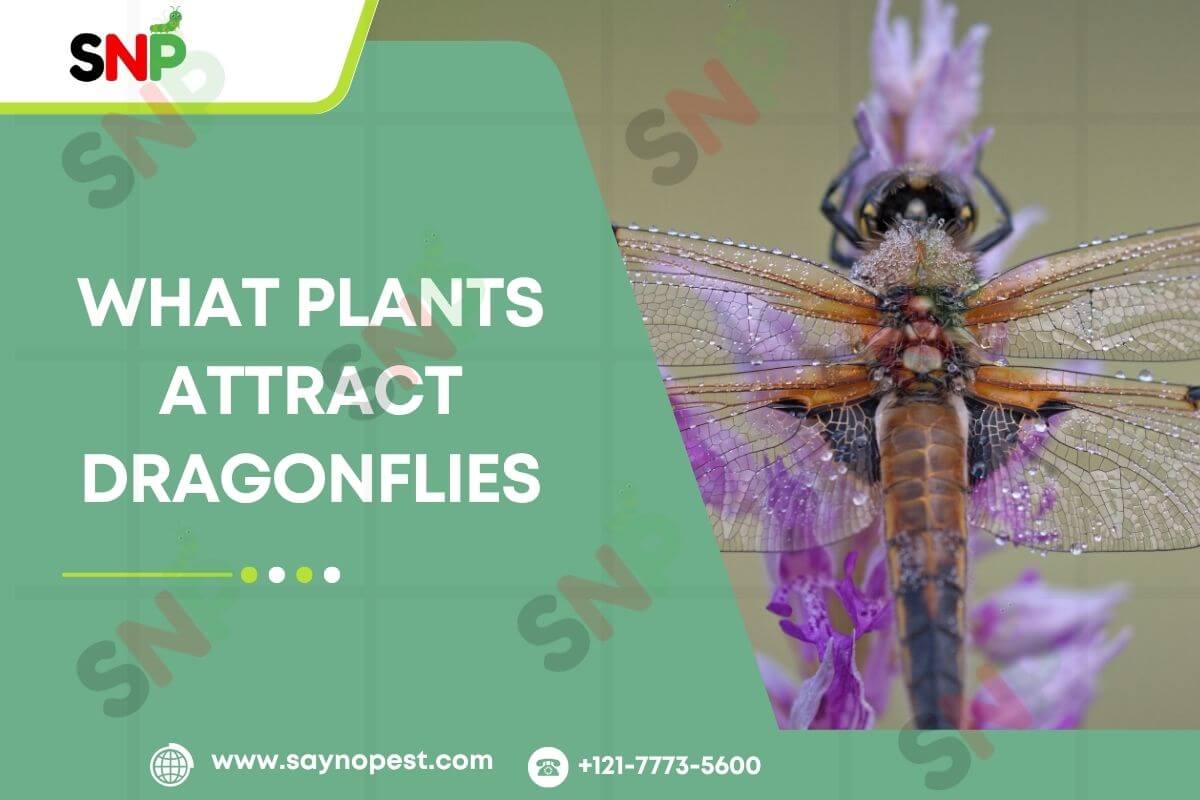
    What plants attract dragonflies?

    Dragonflies prefer spots that provide two conditions: food and good breeding grounds. Water features play a key role in this. A dragonfly female lays her dragonfly eggs in or near the water, and a baby dragonfly (also called a nymph) lives underwater in its early phase. Furthermore, the right choice of plants may increase the number of visitors to your garden.

    What-Plants-Attract-Dragonflies

    Below are the best plants for attracting dragonflies:

    Water Lily

    These water-loving plants are the ideal spawning areas for dragonflies to lay dragonfly eggs and for the nymphs to develop. Their large terraces are the right places to rest on, and their flowers attract pollinators, which are the dragonflies’ prey.

    Black-Eyed Susan

    This sun-loving plant is not only one on which you can easy to grow, but it also brings with it the added benefit of attracting insect pollinators and other insects on which dragonflies feed. Also, their long stems are very helpful for adult dragonflies to rest.

    Joe Pye Weed

    The reason this weed is popular is its fine quality, lovely fragrance and tall position, all of which are enjoyed by many butterflies and dragonflies. It is best to be located near water.

    Swamp Milkweed

    The native plant blooms with pink flower bunches and grows well in damp soil. Dragonflies usually love this kind of habitat.

    Pickerelweed

    This plant grows in low water or at the corners of the lowland. These places are the ones where dragonflies and their nymphs get all the things they need.

    Borage

    Its simple, bright blue flowers attract little pollinators, who are an inviting feast for dragonflies.

    Purple Coneflower (Echinacea)

    These perennials, which are resistant to many (not only variety) conditions, are dragonflies’ favourite place of relaxation and together with that, they draw quite a good number of insects.

    Meadow Sage and Yarrow

    Both of them can survive long periods without water, and they also attract quite a lot of these insects, which in turn support, in part, the growth of the dragonfly population (indirectly).

    When you mix these plants that attract dragonflies, you are setting up a multi-niche universe that can offer shelter to dragonflies at all stages of their life cycles, from dragonfly eggs to the baby dragonfly nymph, and finally to the adult stage. So it is important to understand what plants attract dragonflies.

    Dragonflies

    Do Dragonflies Cause Damage to the Yard?

    It is quite normal for homeowners who have small gardens in front of or around their houses to think that dragonflies, being insects, will harm their plants or landscaping. The truth is, dragonflies are one of the most beneficial insects that have ever existed in the insect world. They do not chew on leaves, damage flowers, or harm your yard. Dragonfly are not harmful, they do not harm people or pets, and most importantly, dragonflies do not bite anybody. They act as the natural pest eliminators as dragonflies eat mosquitoes, gnats, flies and other pests. Dragonflies make the environment healthy and eliminate all the unwanted pests, but on the other hand high number of dragonflies can irritate homeowners in the United States.

    Tips to Avoid Dragonflies in Your Yard

    Although dragonflies can be good in some way for your courtyard, many people would still feel uncomfortable around them and take steps to keep the insects away. If you want to keep the number of dragonflies that you meet each day to a minimum, here are some great eco-friendly tips:

    Getting Rid of Stagnant Water

    As both dragonfly eggs and the baby dragonfly nymph go through several moults while feeding in the water, this is a surefire way to have no dragonfly presence in your yard. Consequently, the eggs and the nymphs will go to naught, and there will not be any dragonflies near your house. This can be achieved by not only removing or cleaning birdbaths, fountains but also clogged gutters in order not to allow standing water or any water, for that matter, to collect.

    Controlling the Insect Population

    Wherever insects are, dragonflies are going to be there sooner or later, as they always trace their food source. A straightforward way to lessen the dragonfly population in your locality naturally is to reduce the mosquito and gnat populations. Mostly it’s done by breaking the life cycle of these pests, usually through getting rid of water sources and staying organised in the yard. This will result in a decrease and eventually, no dragonflies at all.

    Dragonflies

    Adjusting Landscaping

    Noise from overwatering stimulates the insect eggs and creates a possible home. To stop that, it is wise to do regular garden cleaning and lawn trimming. This not only reduces the insects and their population, but it also means that your yard looks less appealing to dragonflies.

    Re-think Water-Loving Plants

    Landscapes that contain standing or territorial water that the dragonflies will mate and lay their eggs on should be limited in number. To make dragonflies less loyal to a place, this is especially true with water plants. You should remove the aquatic and wetland plants like cattails and water lilies, and put some other ornamental plants, thus discouraging the dragonflies from staying around. The plantings should reflect all the ecological units of the water body. If it is a natural water body, the aquatic and wetland plants, like water lilies and cattails

    Conclusion

    Understanding what plants attract dragonflies will help you create a vibrant garden that attracts insects and enhances biodiversity in your backyard. Add some water lilies, black-eyed Susans, Joe Pye weed, and swamp milkweed, which will allow dragonflies and that will help make an impact on your pest control problems. Remember, dragonflies do not destroy anything, and their presence indicates your yard is healthy. One of these ways to deter populations is mindless, I mean, remove storm basins and areas of stagnation, effectively robbing them of food sources. Your yard can be a usable habitat for dragonflies and mosquitoes. If you plant correctly and find a few minutes to learn about these wonderful insects, you should ensure a comfortable and mosquito-free yard and residence.