Tag: dampwood termite swarmers

  • Termite Swarm:Fascinating World Of Termites

    Termite Swarm:Fascinating World Of Termites

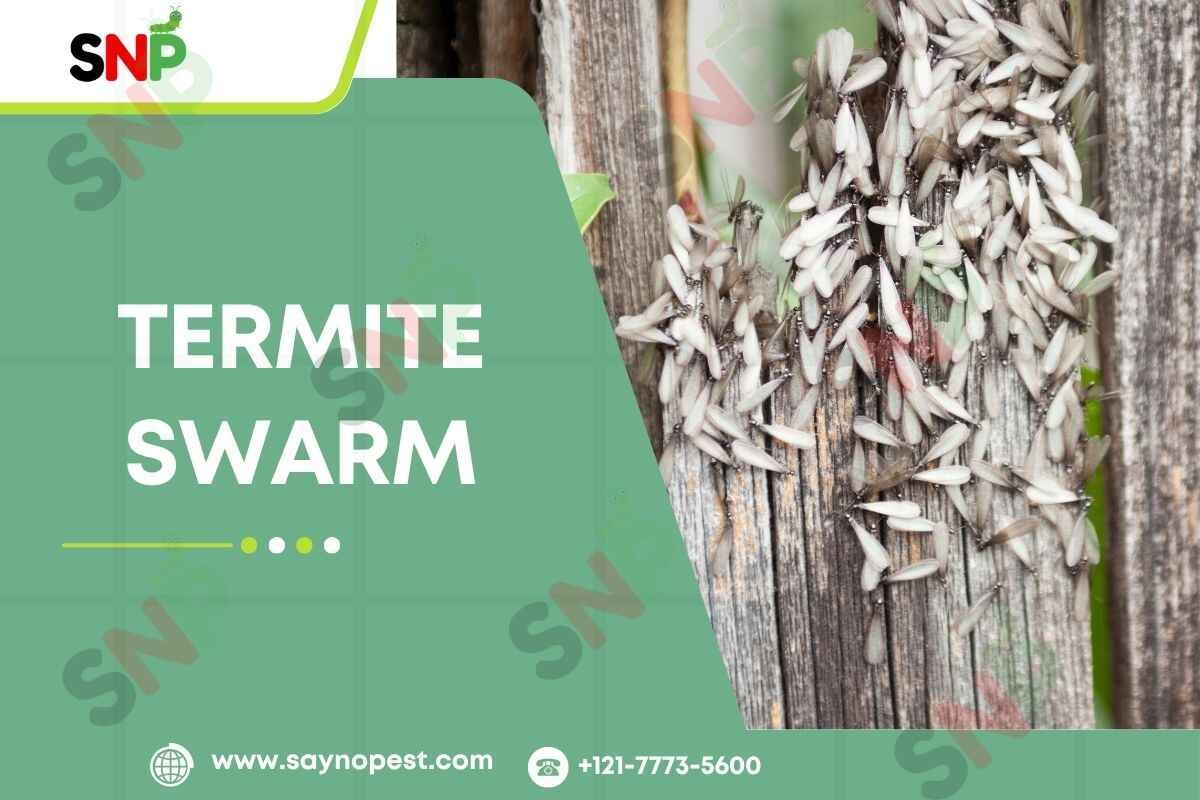
    It could have happened that you noticed your windows or porch lights surrounded by a sudden cloud of insects and then found out that it was a swarm of termites. Although the idea of a flying termite swarm can be very scary, knowing about the behavior of the flying insect swarm is pivotal if you want to protect your house and become a smart consumer in the market of pest control.

    This piece of writing concentrates on the parts of the whole story of the insect pests which include the questions such as the time when the insects of the species of termites go in swarms, the typical season of the swarming of the insects, how long the swarm will be there, whether it is a good or bad sign if we see the insects flying in a group inside our house, and the info on the species of the termites called “Dampwood Termite Swarmers” that are the members of a reunion.

    What Is a Termite Swarm?

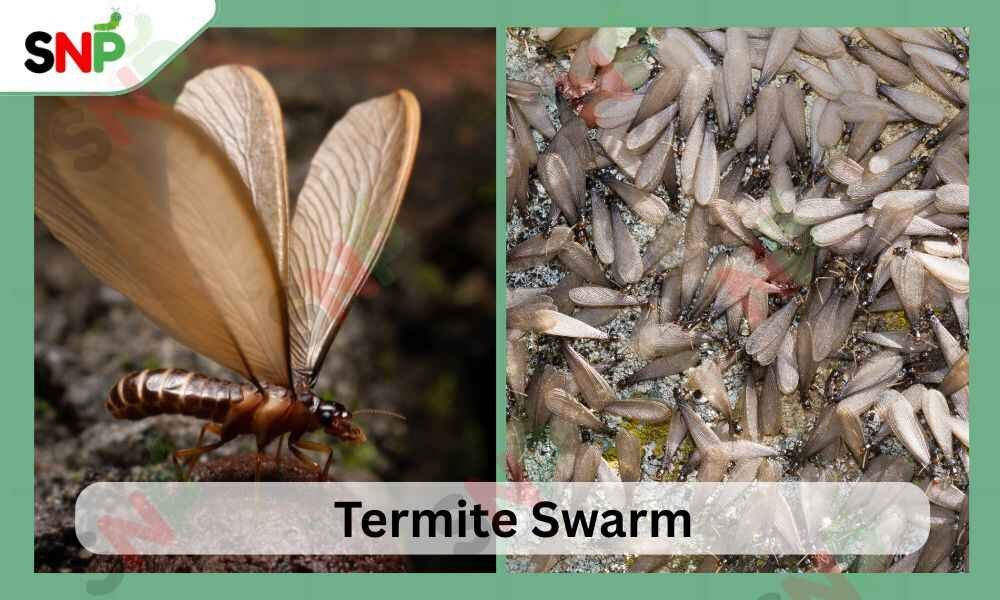
    A termite swarm is the consequence of the typical life cycle of the species of termites. If a colony is fully grown and the environmental conditions are perfect, then the wing reproductive termites take flight in large numbers. Such a flight of the flying insects is nature’s physiological way of allowing the termites to impregnate and create new families. The words “alates” and “swarmers” are often use interchangeably to describe flying reproductive termites. While the primary role of local workers and soldiers is to maintain the present colony, the role of reproductive swarmers is to disperse and thus continuously supply the population with new colonies.
    termite-swarm

    When Do Termites Swarm?

    One of the most basic issues the homeowners consider is when do termites swarm. Of course, the answer lies in the species of the termite and in the region where you live. Major termite swarm incidents in the U.S.A. are observe during spring or early summer, especially after a rainfall when the air is humid and the ground is moist. Subterranean termites, which are the most destructive ones, normally swarm during the day in spring. Drywood termites usually prefer the late summer or early fall period for their nocturnal swarming activities. Dampwood Termite Swarmers are typically active during the summer.

    Understanding the Termite Swarming Season

    The termite swarming season is a time when these insects have the chance to double their numbers. The termite swarming season in the US starts from February to June, with some alterations according to local climate and the presence of different termite species. Subterranean termites generate the vast majority of infestations and are mostly active during this time. On the other hand, Dampwood Termite Swarmers will be more frequent in the summertime, particularly in places with high humidity.

    How Long Do Termites Swarm?

    If you see a swarm of flying termites, the first thing that may come to your mind is how long the swarm will last. It is not a long time. A normal termite swarm is only 30 to 40 minutes; in some cases, it can be up to an hour. Nevertheless, the act is short, but the process of swarming can performed a few times during the termite swarming season because the quotas of the reproductive species are release in waves for mating and picking up new places. The duration of the event is still short, but it is very crucial for termite reproduction, and the real danger lies in the potential of these reproductive swarmers that can make new colonies inside or outside your home.

    Termites Swarming Inside House: What Does It Mean?

    The sighting of termites flying in your house can compared to raising a red flag. Out of door swarms may only a signal of the presence of the colonies next door; however, the presence of an indoor swarm is an indication that the mature queen is there, the colony has very big population, the whole infrastructure of the nest is already built, and is continually developing inside the home’s structure. These swarmers are attract to light; therefore, you are most likely to find them around windows or light fixtures. In case you find wings of insects or dead insects indoors in clusters, it is imperative to call a pest control professional without any delay. Structural damage that may happen due to this situation can be very costly to fix in case the problem is ignore for some time.

    Spotlight on Dampwood Termite Swarmers
    Dampwood-Termite-Swarmers

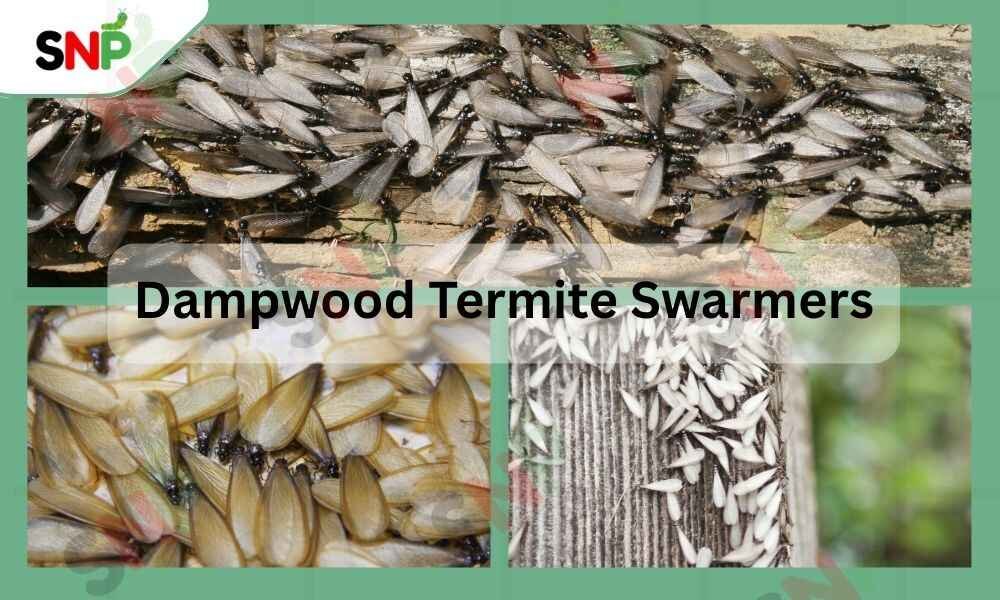
    Dampwood Termite Swarmers: This species of insect is very interesting because its larvae enjoy wet decaying wood. They do not invade houses as readily as do underground or drywood termites; however, they can also prove very devastating, particularly in those locations where the wood is always wet, caused by leakage or drainage problems. The swarmers in this species are larger than compared in other species of termites, and they swarm during summer. If you live in the Pacific Coastal States or you have wood that is in ground contact, you are well advise to extra careful and seek out such moisture-loving pests.

    Conclusion: Protect Your Home with SayNoPest

    A termite swarm is, unfortunately, more than just an irritating little thing—it actually can be the indicator that your property has a hidden problem. Learning to recognize the signs of a flying termite swarm, deciding when termites swarm, and knowing the rules of termite swarming season may provide you with an opportunity to react in due time. If it occurs to you to see the presence of next to no termites swarming inside your house or you are sure that there are some Dampwood Termite Swarmers, call the pest control experts as soon as possible.

    Professional help combined with early detection provides the opportunity to keep away exhaustive damage caused by termites.
    We at SayNoPest are devote to supporting American homeowners in being informe and protect. Contact me today in case of any professional guidance or examination. You can lose your sleep over a termite swarm, but with SayNoPest to protect your dwelling through the year, that is not going to happen.
  • Dampwood Termites: A Hidden Threat to American Homes

    Dampwood Termites: A Hidden Threat to American Homes

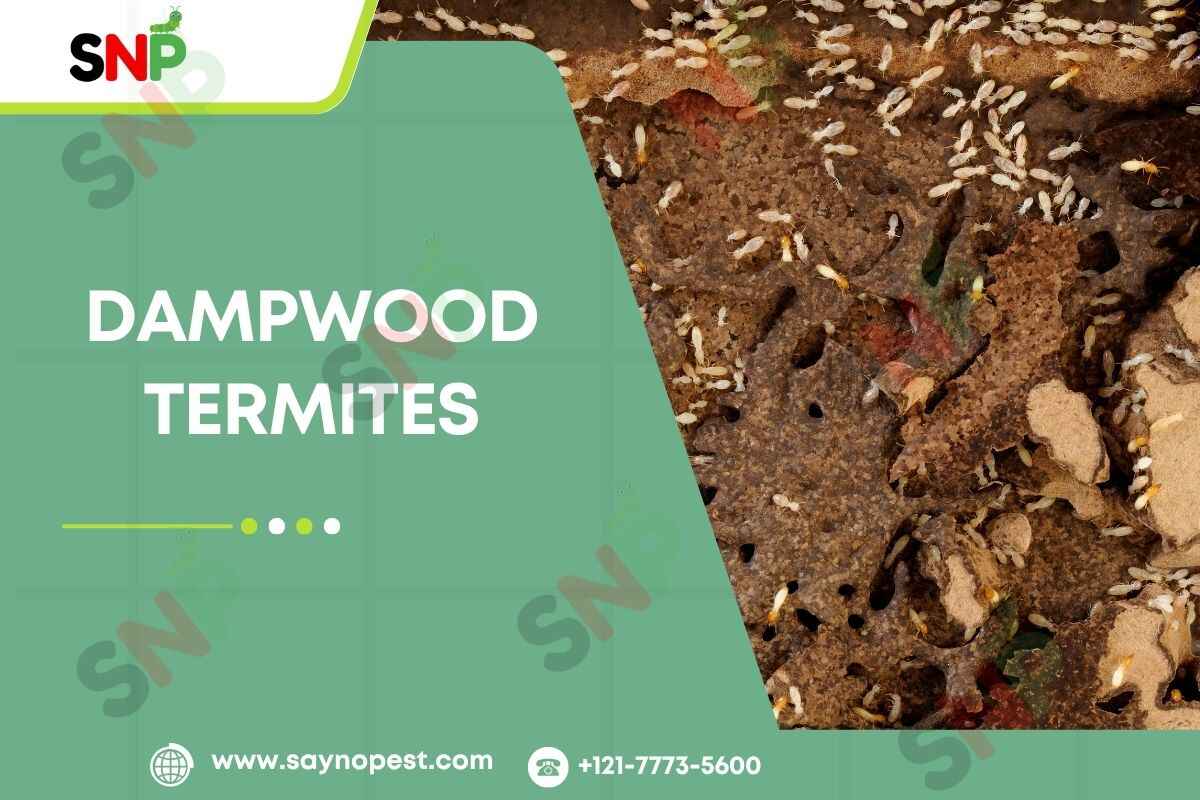
    Dampwood termites are artists of subtle destruction, they can go unnoticed while they significantly damage the structural integrity of houses across the United States. The architect of the tragedy is the region of high humidity and frequent moisture problems. These are such pests that lack the names of the underground species, which thrive in wood with very high moisture content and thus become a wood-eating kind of problem for homeowners. If one wants to shield their property from damage, it is their first deadline to learn about the bug as dampwood termite swarmers, to look for the infestation signals, and to find out what the most appropriate and successful dampwood termite treatment ways are.

    What Are Dampwood Termites?

    Dampwood termites are the ones that are large compare with most of the other insect species of the same family. They inhabit the regions along the Pacific Coast, the Southwest deserts, and parts of southern Florida. Usually, the place for the family to have access is to rotten wood, old trees, stumps, logs, utility poles, and even structural wood that has compromised by leaks or poor ventilation. Besides, such trees as dampwood termites, unlike subterranean will not have to be in contact with soil but have to have a constant source of water to survive.

    dampwood-termite

    Dampwood Termite Swarmers

    Dampwood termite swarmers are the queen and king of the colony of reproduction and are, therefore, the most noticeable part of the termite family, hence their size and the color of their hair. They can be up to 1 inch long (if we include their wings) and are always of a light to dark brown shade with two pairs of equal-sized wings. The major swarming event happens late summer to early fall. Swabbing often occurs when the weather is warm and humid, particularly in the evenings just before sunset. These lights commonly attract swarmers to them, and they can found near windows, outdoor lights, or in spider webs close to the home, where they become easy prey. Thus, the arrival of dampwood termite swarmers often points to the very danger of the intrusion and the existing problem of moisture in or around your property.

    Dampwood Termite Damage

    Dampwood termites may be the most destructive termites because they eat cold wood, which is wood going across the grain. They create a large, smooth inner tunnel and interconnected tunnels. They are different from other termites in that they do not form mud tubes, nor do they give any external signs; hence, they are very difficult to find. The wood that they have infested is usually hollow out and may have fungi on it, thus weakening the structure even more. When galleries are close with their fecal pellets, termites end up with the high humidity they want. Consequently, dampwood termites may cause the loss of the foundation’s and beams’ structural strength over time.

    Dampwood Termite Treatment

    Efficient dampwood termite treatment definitely involves dealing with the serious problem of moisture. Minor leakages should fixe, plumbing should check and problems should solve if any, ventilation should improve, and water-damaged wood should replace. These are the very first and most important steps. After the moisture source is under control, wood treatments can done directly. The insecticide, such as Tim-Bor Professional Insecticide (the main ingredient is disodium octaborate tetrahydrate), is the one that is generally use for application on the hardwood surfaces of the infested area.

    The solution of the insecticide and water is spray on the bare wood thus, it should done thoroughly to sure that every spot is cover. However, if the infestation is large or in hard-to-reach places, pest control services may be the only option for you because they have access to more specialized tools and chemicals, thus they are able to treat the whole area thoroughly.

    At the same time, preventive steps are also necessary. The use of a repellent such as Supreme IT after the treatment will be a good helper along the way to infestation-free areas, as it creates a barrier that the pests will avoid. The installation of such stations as the Red Eye Termite Monitoring Station, which provides the highest level of protection, ensures that the earliest sign of renewed activities of the drywood termite will be detected.

    How to Get Rid of Dampwood Termites

    How-to-Get-Rid-of-Dampwood-Termites

    The most important measures to take to get rid of dampwood termites effectively include the following:

    1. Check if there are places in the house that are wet without your knowledge and solve the situation immediately. A few suggestions are to fix leaks, improve drainage, and ensure proper ventilation.
    2. Take out the wood that has damage by water or is eat by termites and replace it with new one.
    3. Treat exposed wood with a borate-based insecticide to not only eradicate current termite populations but also safeguard the wood from future infestations.
    4. Employ termite repellents and monitoring stations as continuous preventive measures.
    5. If the problem is heavy, get help from a pest control service that knows how to deal with dampwood termite removal.

    You can shield your house from the damage caused by dampwood termites by following the combined strategy of moisture control, wood replacement, chemical treatments, and seeking professional assistance in case of need.

    Conclusion

    The dampwood termites are not as bad as their underground relatives, but they still are the ones who can do the most damage to the wooden parts of the house if they get in, so they are a serious threat to American homes. The need to be able to spot the dampwood termite swarmers, to be able to identify the extent of the dampwood termite damage, and to be willing to go for the total dampwood termite treatment in order to make sure that your property is safe cannot be overemphasized.

    You have to be very watchful and at the same time, take the initiative if you want to keep the dampwood termites at bay and at the same time, maintain the value and safety of your home. If you think that they might have come, do not hesitate to act—some solutions can be implemented efficiently, and intervention during the early stages will help you in minimizing the damage as well as the expense.