Tag: Carpenter ants bite

  • Carpenter Ant – Wood Nesting Habits and Identification

    Carpenter Ant – Wood Nesting Habits and Identification

    One of the most common house ants in the United States is called the Carpenter ant, which is in the habit of nesting in wooden buildings. Carpenter ants often confuse them with termites, as their habits and mode of destroying wood are different in many instances. The first step to effective Carpenter Ant control & understanding their nesting behaviour, appearance and prevention methods.

    What Are Carpenter Ants?

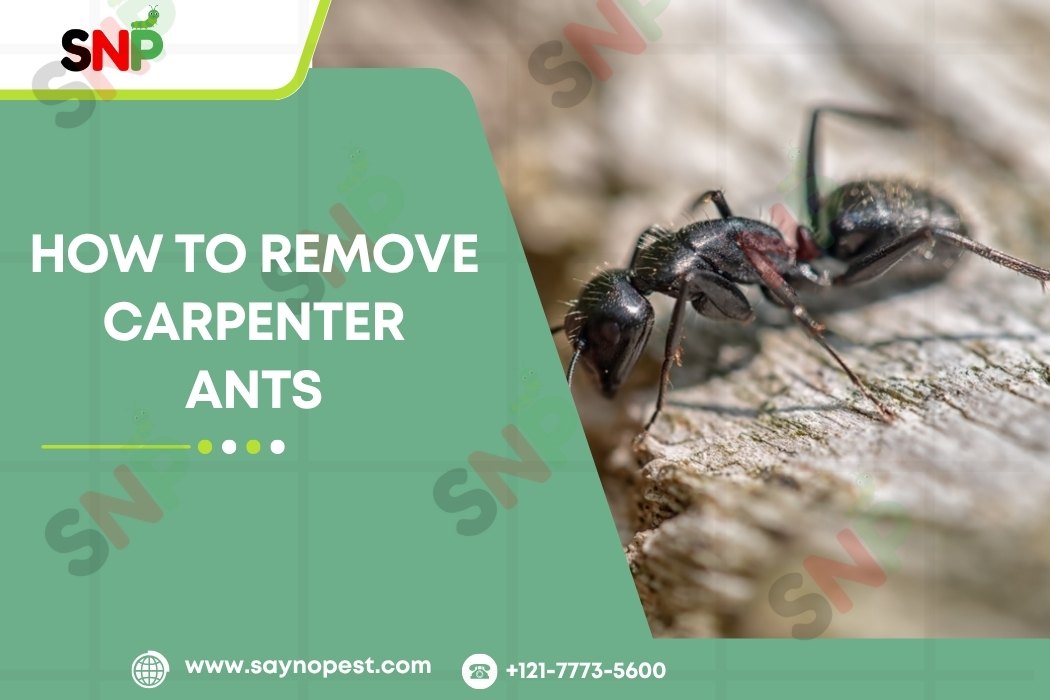
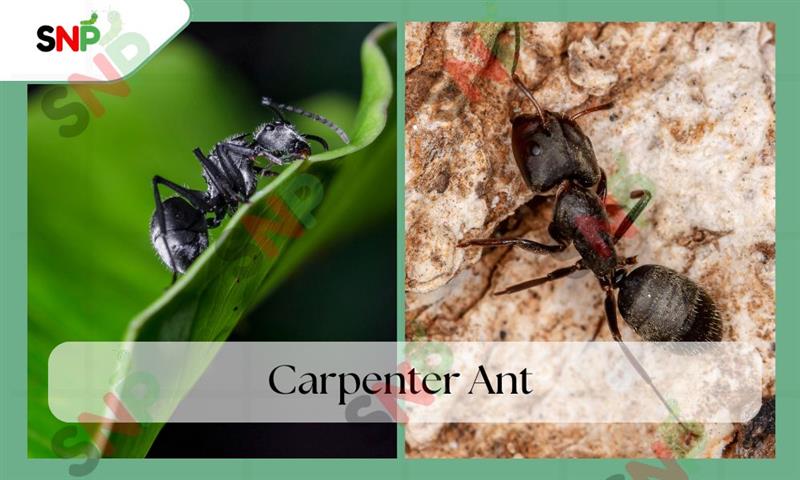
    Carpenter ants are large ants, commonly half the size of an ant. They may be black, red, or both. Carpenter ants do not use wood as food, as do termites. Instead, they excavate it to nest in it. These ants love damp or rotting wood, as it is easier to tunnel.

    They are very common in places like window frames, decking, attics or wood beams – especially where these areas have been exposed to some sort of moisture. They can cause serious structural problems, but the perforation of the wood may take time before it is detected, and their behaviour is used to nest.

    Carpenter Ant vs. Termite: Spot the Difference

    Carpenter ants and termites destroy wood. They do so in completely different ways. You can differentiate between the two of them easily: 

    • Look: Carpenter ants have a narrow waist, bent antennae, and their wings are not the same size. But on the other hand, termites have straight antennae, a thick waist, & their wings are of the same size. 
    • Behaviour: Carpenter ants do not eat wood, while termites consume wood as their food.
    • Nesting: Termites remain deeply set in wooden structures and are therefore harder to see. Carpenter ants normally begin nesting in moist or rotting wood and then relocate to arid regions.

    Having such differences will enable the homeowners to make the right move towards Carpenter Ant Control before the situation deteriorates further.

    Wood Nesting Habits of Carpenter Ants

    Carpenter ants like to nest in soft, moist or decaying wood. In the woods, they excavate smooth tunnels and galleries where their colonies are to be found. So perfectly turned are these tunnels that they frequently appear smooth or rubbed.

    Colonies are of two types:

    • Parent colonies are located outside of dead trees, logs, or stumps.
    • Satellite colonies, which are either placed on the wall of the home, roofs or inside beams.

    After the satellite colony is built indoors, the ants may grow and reproduce, and this complicates the process of Carpenter Ant Control. The greater the time they spend in your home, the more damage they will inflict on the structure.

    Signs of Carpenter Ant Infestation

    Early detection of an infestation of carpenter ants would save you big costs in repairs. Look out for these signs:

    • Little heaps of sawdust-like substance (so-called frass) around wood buildings.
    • Scampering or knocking in walls or wooden structures.
    • Huge winged ants that hatch out in the home, particularly in spring or early summer.
    • Wood that sounds hollow when tapped.

    When you see any of these signs, you should immediately contact a professional Carpenter Ants treatment to make sure that they are present.

    How Carpenter Ants Damage Structures

    Carpenter ants do not eat wood like termites; their nesting habits are still able to destroy a home. Their tunnels make the pillars made with wood, surface weak.

    The structure may not seem damaged, but over time it may become unstable. That can result in expensive repairs in case it is not done timely manner. House owners in the wet or rainy regions of the United States are particularly vulnerable since ants are attracted to moisture.

    Early Carpenter Ant Control is very necessary to avoid the further spreading of the ants and loss of greater damage.

    Appearance and Identification

    Early prevention is important in identifying carpenter ants. Here’s how to recognise them:

    • Size: Commonly bigger than the common house ants.
    • Colour: Black, red or reddish-black.
    • Shape: Obvious slenderness between the thorax and the abdomen.
    • Wings: The winged carpenter ants are confused with termites except that the front wings are longer than the back wings.

    These ants are nocturnal and they forage food, including sweets, meats or pet food. When you see big ants roaming around at night, you will know that you will need Carpenter Ant Treatment in the near future.

    Prevention and Control Tips

    To prevent carpenter ants near your home, the maintenance habits that are necessary are simple. Here is what you can do:

    1. Get rid of Moisture: Fix leak pipes, roofs and drains. The carpenter ants will be attracted by moist wood.
    2. Seal Entry Points: Small holes, gaps, and openings around the entry points and windows.
    3. Clip Bushes and Trees: Do not have the branches close to your house because ants can use them to enter inside.
    4. Stoke Firewood: Store piles of firewood outside of your house and off the ground.
    5. Periodic Inspection: Handle routine pest checks in a short period of time in order to catch early infestations.

    These are excellent preventative measures, though in case of a severe infestation, it is always safe and effective to resort to professional Carpenter Ant Treatment.

    Why Professional Carpenter Ant Control Matters

    Homemade sprays or traps may only kill some ants, but they may hardly reach the queen colony buried deep in the wood. The professional pest control services possess the necessary tools and experience that can be used to identify the parent and satellite colonies.

    They employ specific tactics that not only kill active ants but also discourage possible future occurrences. Professional Carpenter Ant Control will save you time, money and the hassle of having to deal with the same issues again.

    Professionals, as well, determine the cause of the problem, which can be moisture or rotten wood, and can instruct you on how to correct the problem, so that you make your home less appealing to pests in the future.

    When to Call for Carpenter Ant Treatment

    Whenever you see some signs of carpenter ants inside the home, you should contact a pest control professional. The longer they wait, the more time they have to develop their colony and do more harm.

    Carpenter Ant Treatment Professionals involves checking, locating, local application of pinpoint baiting, and removal of the whole colony. Long-term protection plans are equally available in most companies to make sure your home is pest-free all year round.

    Conclusion

    Carpenter ants are some of the silent invaders that can destroy your home greatly in case they are not taken care of. It can be a big difference when one learns to recognize them early, knows how they nest and takes preventive measures.

    When you spot any infestation in the form of sawdust piles, hollow wood, or huge ants, then you have to strike quickly. These buggers should not get inside your house and make it weak.

    Make sure your home, property, and surroundings are safe, strong and free of pests with the help of professional Carpenter Ant Control.

    Need expert help? Book a fast check-up now and have trustworthy Carpenter Ant Treatment by professionals, who are nearest to you!

  • Do Carpenter Ants Bite?: Knowing and Controlling These House Invaders

    Do Carpenter Ants Bite?: Knowing and Controlling These House Invaders

    Do carpenter ants bite? Yes, carpenter ants bite human beings but not a normal phenomenon. Carpenter ants due to their enormity and boring habit in wood, bite if attacked or provoked by intruding their nest. These ant bites are less harmful to human beings but painful, inflamed, and itchy for up to 48 hours.

    Carpenter ants are the largest colonies of ants in the United States, measuring their length typically from 1/4 to 5/8 inch. They are said to be widespread throughout the United States with the most dense area being in the north regions of the United States. Carpenter ants do not eat wood but dig it out to construct smooth tunnels and galleries upon which to build their nests.

    When Do Carpenter Ants Bite?

    Do carpenter ants bite human beings frequently? No – carpenter ants do not bite human beings frequently but bite in some situations. These are:

    1. When their colony is provoked or disturbed
    2. When they are inadvertently stepped on or touched
    3. When they are protecting their territory from being destroyed

    Carpenter ants use their powerful mouth to bite wood, but they can use them as defense in the event of attack. The same powerful jaws that enable them to bite wood are powerful enough to crush human flesh when biting.

    What Is Unique About Carpenter Ant Bites?

    Carpenter ants bite with their powerful mouth that can chew through wood. Carpenter ant bites are much larger than most other ants and more sensitive and noticeable as well. The bite feels like an acerbic pinch, and the burning, aching feeling can follow the pain.

    One of the peculiar facts regarding carpenter ant stings is that they will spray formic acid on the affected region. The defense chemical, the same acid that is present in bee stings, will increase the pain and give a burning feeling for a long time. It is this formic acid injection that makes carpenter ant stings so unpleasant compared to other minor ant species stings.

    Symptoms of Carpenter Ant Stings

    Symptoms of a carpenter ant bite will probably be as follows:

    Physical Symptoms:

    • Stinging and piercing sensation at the biting area
    • Redness and swelling at the biting area
    • Red spot or bump resembling a pea-sized mark
    • Itching lasting for days
    • Possible skin breaking and superficial bleeding

    Duration and Healing:

    In acute pain which can continue for hours

    • Inflammation and swelling which can continue for 24-48 hours
    • In others, the symptoms last more than one week to completely resolve

    Burning when formic acid was added to the wound

    Are Carpenter Ant Stings Dangerous?

    Carpenter ants sting but have very little medical impact on individuals. Their stings are not toxic and are not disease-bearing. Fire ants or more dangerous species, as opposed to carpenter ants, are of medical significance.

    Even with all this, the allergic or sensitive will be more severely affected. Extremely rare allergic responses are:

    • Shortness of breath
    • Increased heart rate
    • Flu symptoms
    • Severe hives or swelling

    How to Kill Carpenter Ants: Effective Methods

    how to kill carpenter ants is a process of several steps, targeting the carpenter ant stage and their underground colonies. The most effective way of Carpenter Ant control is by using over one type of method in an effort to ensure complete elimination.

    Locating Carpenter Ant Colonies

    The most effective carpenter ant control is finding and destroying their nests. Best killed by carpenter ants will be foraging in the whole colony, not just foraging workers. Signs of carpenter ant nests include:

    Sawdust-like material (frass) around wood surfaces

    • Rustling or tapping noises in walls
    • Prominent ant trails, activity at night
    • Tiny holes in wood surfaces

    Baiting Strategies

    How to kill carpenter ants using bait is one of the best methods because it kills the entire colony. Professional-strength baits include:

    Maxforce Fleet Ant Bait:

    • Fipronil active ingredient
    • High moisture gel formula carpenter ants are drawn to
    • Destroy colonies within 3-5 days

    Advance Carpenter Ant Bait:

    • Abamectin active ingredient
    • Provides carpenter ants protein-based nutrients they require
    • Use indoors and outdoors

    Homemade Bait Solutions

    • Combine 1/3 powdered sugar and 2/3 boric acid
    • Place saturated cotton balls along ant trails
    Do-Carpenter-Ants-Bite

    Chemical Control Methods

    What in chemical control kills carpenter ants are several families of insecticides:

    Pyrethroid Insecticides:

    • Permethrin and cyfluthrin make good spray options
    • As perimeter sprays around the home
    • Fipronil formulations work well but must be applied professionally

    Dust Insecticides:

    • Diatomaceous earth dehydrates and kills ants
    • Boric acid dusts can be applied directly to nests
    • Silica gel desiccant dust (for professional use only)

    Non-Repellent Insecticides:

    • Taurus SC and Dominion 2L are professional formulation products
    • Applied as barrier treatments on the outside of the home’s perimeter
    • Allow ants to make contact with the chemical and then return and kill the colony

    Direct Nest Treatment

    Methods to kill carpenter ants in nests include direct application of insecticides:

    Drilling Method:

    • Drill tiny holes (1/8 inch) around potential nest areas
    • Sprinkle boric acid dust from time to time every few days
    • Rerun treatments until elimination is confirmed

    Foam Treatments:

    • Aerosol foam insecticides for cavity walls
    • Treat near plumbing penetrations, windows, and doors
    • Foam insulates the cavities and kills hidden ants

    Natural and Organic Control Measures

    What Carpenter ants are naturally killed by a few environmentally friendly alternatives:

    Diatomaceous Earth

    • Indoor-safe food-grade diatomaceous earth
    • It acts by penetrating ant exoskeletons and dehydrating
    • Spray as a fine powder along trails and entry areas

    Must remain dry in order to act

    Essential Oil Treatments

    • Orange peel oil is FDA-approved for application on food surfaces
    • Tea tree, cedarwood, and citrus essential oils disrupt scent trails
    • Peppermint and geranium essential oils kill ants and drive them away

    Home Remedies

    • White water and vinegar solution (1:1 ratio) disrupts scent trails
    • Boiling water splashed over outside colonies kills immediately
    • Cornstarch applied on ants, then followed with water later, traps them

    Professional Treatment Techniques

    How to get rid of carpenter ants with professional assistance has several advantages:

    Professional-Strength Treatments

    • Poteiner formulations available only for sale to professionals
    • Customized application methods for optimal performance
    • Treatment with more than one type of product mixed together

    Conclusion

    Discovering if carpenter ants bite is just the beginning of having to deal with such potentially damaging insects. Although carpentry ant bites are not harmful to humans, they are painful and also a sign that something more complex is wrong. What’s really the issue with carpenter ants isn’t that they bite, but that they have the ability to structurally damage your house in the long run.

    Effective carpenter ant control is a multifaceted process involving identification, focused treatment, and prevention. Employing professional-strength chemical solutions, natural solutions, or a combination of both, the bottom line is to eliminate the entire colony and not the ants that are readily seen. Most consistently what eliminates carpenter ants is repeated use of tried methods as well as removing the conditions which invite them into your house.

    Early discovery and immediate treatment are critical in stopping the further severe damage of woodwork in your home. Once you open a carpenter ant infestation, do not hesitate – take immediate action to protect your property. Keep in mind that carpenter ants bite only when  they get irritated, their presence is a sign of much greater damage that requires strict pest control measures.

    For homeowners who have been captivated with repeated cases of carpenter ant infestation, hiring professional pest control experts like those at SayNoPest will provide you with the training and equipment to eliminate these unwanted visitors permanently. Following due procedure and taking the time and effort will allow you to eliminate carpenter ants from your properties in a safe manner and prevent future infestation.

  • How to Kill Carpenter Ants: Top 10 Methods

    How to Kill Carpenter Ants: Top 10 Methods

    One of the most common threat to homeowners in the United States are the infestations of carpenter ants. They build their nests in the wood by making tunnels and thus cause damages to homes. These are very expensive to repair. Unlike termites, they don’t eat wood. Knowing how to kill carpenter ants is necessary for many reasons, let’s explore them in this article!

    Do carpenter ants bite?

    You may ask yourself, do carpenter ants bite? They do bite, but it is a rare thing. Carpenter ants bite only when are provoked in any way.But, even when they do, their bites are light and pose no risk to the health of humans and pets. You might sense a slight burning feeling, but it will go away quickly. Unlike fire ants, the bites of carpenter ants cause problems like small swelling, etc.

    10 Ways for how to kill carpenter ants

    How-to-Kill-Carpenter-Ants

    Got the problem? Here are ten proven methods of how to kill carpenter ants and to keep your home free from them:

    1. Find the Nest:

    Your first course of action in the endeavor of how to kill carpenter ants would be to locate their nest. The signs you can look for are piles of sawdust, noises of movement in walls, or a group of ants trailing along the way to the wet wood.

    2. Use Ant Baits:

    Place purchased or homemade ant baits on the ant routes. Worker ants will transport the bait back to the nest, thus they will spread the poison and rid the colony. It can be said that one of the best alternatives to how to kill carpenter ants is this method here.

    3. Use Non-Repellent Insecticides:

    Apply a non-repellent insecticide around the house boundary. Carpenter ants would not be able to sense those insecticides hence they will walk through them and would eventually carry the toxins back to the nest.

    4. Powder Insecticides:

    Dust the wall voids, baseboards, or other infested areas with insecticide. The dust gets stuck on the ants and penetrates throughout the colony, making it an efficient way to kill carpenter ants.

    5. Boric Acid and Borax:

    Both boric acid and borax are kid and pet-safe as long as followed basic safety rules. Feed the ants sugar or peanut butter mixed with the substances, and in no time, they will consume the food. These baits work slowly and thus give the ants enough time to spread the poison.

    6. Food-Grade Diatomaceous Earth:

    Dust diatomaceous onto ant trails and other places they are entering the house through. The product, being all-natural, cuts off the water supply and kills the ants in one fell swoop. It is a non-toxic way to how to kill carpenter ants.

    7. Close the entry:

    Close the openings like cracks, gaps, and holes with the help of sealants for windows, doors, and foundations to not let the ants in. By doing this, you not only keep those creatures away, but you also send them to bait stations.

    8. Eliminate Dampness:

    Carpenter ants simply adore waterlogged wood. Therefore, it makes sense that eliminating excess moisture, fixing leaks, more natural ventilation, and keeping wood dry would repel these pests.

    9. Cut Off Vegetation:

    Remove the extension of tree branches and shrubs close to your house. Ants heavily rely on these to access our homes so by trimming you effectively reduce their reach.

    10. Consult a Professional:

    If your own attempts at pest management are unsuccessful, contact a pest control service. Professionals have access to a wider variety of products and have the necessary skills. They safely and thoroughly exterminate a big infestation, thus giving you full relief from the problem.

    What kills carpenter ants?

    What-Kills-Carpenter-Ants

    Know what kills carpenter ants, to end their infestation. The most favorable outcome is achieved using a combination of the most suitable baits and insect poison.

    • Bait that is enhanced by a combination of Boric Acid, Abamectin, and Fipronil: This kind of new bait has proven to be very useful in ant eradication. The transport of the bait by the ants to the nest causes the destruction of the entire colony, along with the queen.
    • Repellent-free reception of Aerosols: The products filled with zeta-cypermethrin or any other similar ingredient are able to get rid of ants immediately upon contact and at the same time, they keep affecting the ants going through the treated surfaces.
    • Food-Grade Diatomaceous Earth and powdered Borax: Those are the natural ways of ant control that are non-toxic to your pets and are functional in a way that the ants are killed by either causing damage to their exoskeleton or by disturbing their digestive systems.
    • Perimeter Insecticide Dust: It is possible to go to the extent of the colony in to kill them where other methods such as sprays and baits do not have the reach. 
    • Chemicals that are of Professional Grade: People who carry licenses can employ special baits and sprays that are not accessible to the public and as a result, they can solve severe infestations more comprehensively.

    Just adhere to the label’s instructions so as to safeguard pets and also do not put baits or chemicals where pets can get access to them. Always observe pet safety instructions and avoid baits or chemicals in places where pets can easily find them.

    Conclusion

    After you have acquired the knowledge and you understand how to kill carpenter ants, you will protect your home and your pets from damage and discomfort. Ants is a persistence issue in homes, so you have to follow all the instructions and keep your house dry and clean all the time. If at any moment, you feel the need to go to others for help, please do not postpone contacting the professionals.