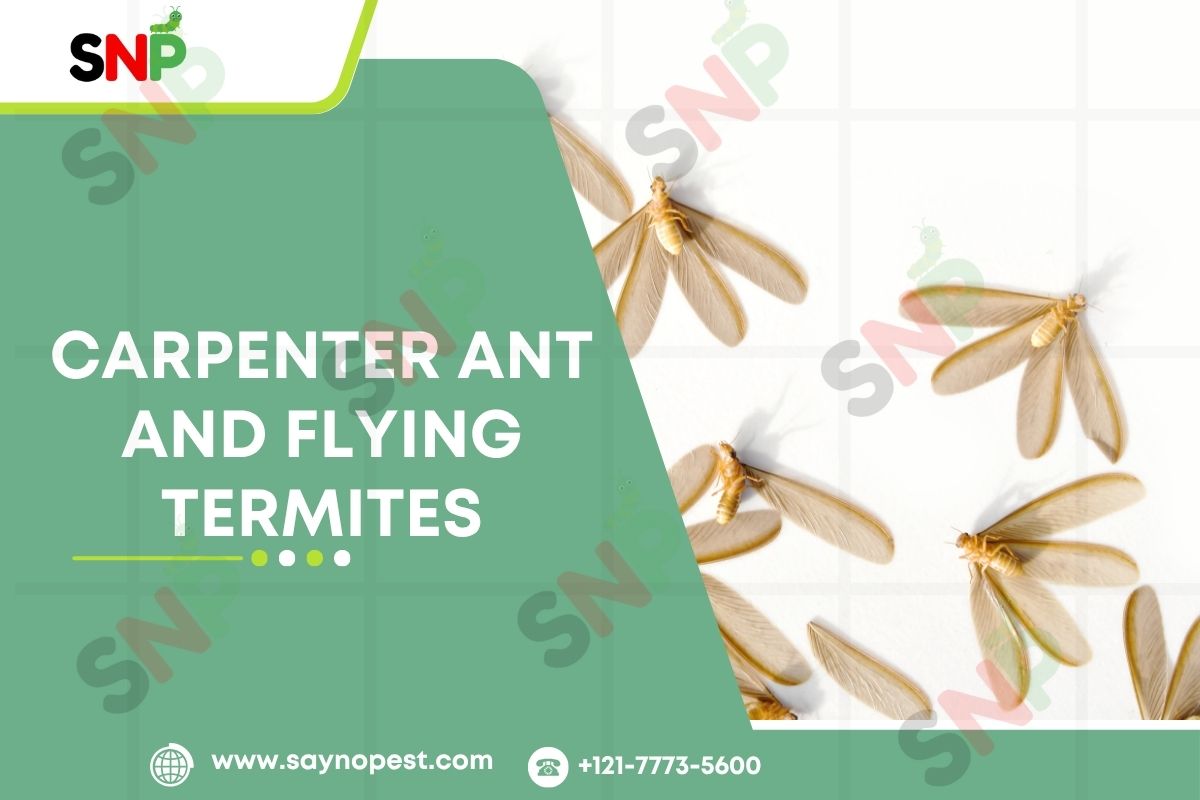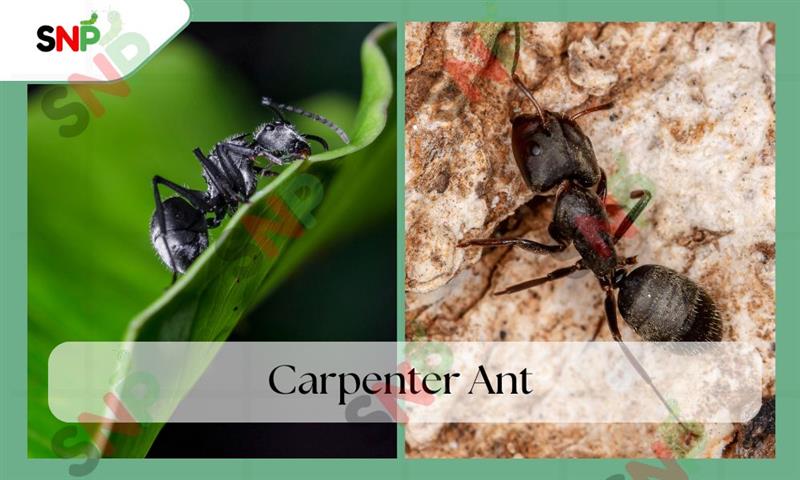
One of the most common house ants in the United States is called the Carpenter ant, which is in the habit of nesting in wooden buildings. Carpenter ants often confuse them with termites, as their habits and mode of destroying wood are different in many instances. The first step to effective Carpenter Ant control & understanding their nesting behaviour, appearance and prevention methods.
What Are Carpenter Ants?
Carpenter ants are large ants, commonly half the size of an ant. They may be black, red, or both. Carpenter ants do not use wood as food, as do termites. Instead, they excavate it to nest in it. These ants love damp or rotting wood, as it is easier to tunnel.
They are very common in places like window frames, decking, attics or wood beams – especially where these areas have been exposed to some sort of moisture. They can cause serious structural problems, but the perforation of the wood may take time before it is detected, and their behaviour is used to nest.
Carpenter Ant vs. Termite: Spot the Difference
Carpenter ants and termites destroy wood. They do so in completely different ways. You can differentiate between the two of them easily:
- Look: Carpenter ants have a narrow waist, bent antennae, and their wings are not the same size. But on the other hand, termites have straight antennae, a thick waist, & their wings are of the same size.
- Behaviour: Carpenter ants do not eat wood, while termites consume wood as their food.
- Nesting: Termites remain deeply set in wooden structures and are therefore harder to see. Carpenter ants normally begin nesting in moist or rotting wood and then relocate to arid regions.
Having such differences will enable the homeowners to make the right move towards Carpenter Ant Control before the situation deteriorates further.
Wood Nesting Habits of Carpenter Ants
Carpenter ants like to nest in soft, moist or decaying wood. In the woods, they excavate smooth tunnels and galleries where their colonies are to be found. So perfectly turned are these tunnels that they frequently appear smooth or rubbed.
Colonies are of two types:
- Parent colonies are located outside of dead trees, logs, or stumps.
- Satellite colonies, which are either placed on the wall of the home, roofs or inside beams.
After the satellite colony is built indoors, the ants may grow and reproduce, and this complicates the process of Carpenter Ant Control. The greater the time they spend in your home, the more damage they will inflict on the structure.
Signs of Carpenter Ant Infestation
Early detection of an infestation of carpenter ants would save you big costs in repairs. Look out for these signs:
- Little heaps of sawdust-like substance (so-called frass) around wood buildings.
- Scampering or knocking in walls or wooden structures.
- Huge winged ants that hatch out in the home, particularly in spring or early summer.
- Wood that sounds hollow when tapped.
When you see any of these signs, you should immediately contact a professional Carpenter Ants treatment to make sure that they are present.
How Carpenter Ants Damage Structures
Carpenter ants do not eat wood like termites; their nesting habits are still able to destroy a home. Their tunnels make the pillars made with wood, surface weak.
The structure may not seem damaged, but over time it may become unstable. That can result in expensive repairs in case it is not done timely manner. House owners in the wet or rainy regions of the United States are particularly vulnerable since ants are attracted to moisture.
Early Carpenter Ant Control is very necessary to avoid the further spreading of the ants and loss of greater damage.
Appearance and Identification
Early prevention is important in identifying carpenter ants. Here’s how to recognise them:
- Size: Commonly bigger than the common house ants.
- Colour: Black, red or reddish-black.
- Shape: Obvious slenderness between the thorax and the abdomen.
- Wings: The winged carpenter ants are confused with termites except that the front wings are longer than the back wings.
These ants are nocturnal and they forage food, including sweets, meats or pet food. When you see big ants roaming around at night, you will know that you will need Carpenter Ant Treatment in the near future.

Prevention and Control Tips
To prevent carpenter ants near your home, the maintenance habits that are necessary are simple. Here is what you can do:
- Get rid of Moisture: Fix leak pipes, roofs and drains. The carpenter ants will be attracted by moist wood.
- Seal Entry Points: Small holes, gaps, and openings around the entry points and windows.
- Clip Bushes and Trees: Do not have the branches close to your house because ants can use them to enter inside.
- Stoke Firewood: Store piles of firewood outside of your house and off the ground.
- Periodic Inspection: Handle routine pest checks in a short period of time in order to catch early infestations.
These are excellent preventative measures, though in case of a severe infestation, it is always safe and effective to resort to professional Carpenter Ant Treatment.
Why Professional Carpenter Ant Control Matters
Homemade sprays or traps may only kill some ants, but they may hardly reach the queen colony buried deep in the wood. The professional pest control services possess the necessary tools and experience that can be used to identify the parent and satellite colonies.
They employ specific tactics that not only kill active ants but also discourage possible future occurrences. Professional Carpenter Ant Control will save you time, money and the hassle of having to deal with the same issues again.
Professionals, as well, determine the cause of the problem, which can be moisture or rotten wood, and can instruct you on how to correct the problem, so that you make your home less appealing to pests in the future.
When to Call for Carpenter Ant Treatment
Whenever you see some signs of carpenter ants inside the home, you should contact a pest control professional. The longer they wait, the more time they have to develop their colony and do more harm.
Carpenter Ant Treatment Professionals involves checking, locating, local application of pinpoint baiting, and removal of the whole colony. Long-term protection plans are equally available in most companies to make sure your home is pest-free all year round.
Conclusion
Carpenter ants are some of the silent invaders that can destroy your home greatly in case they are not taken care of. It can be a big difference when one learns to recognize them early, knows how they nest and takes preventive measures.
When you spot any infestation in the form of sawdust piles, hollow wood, or huge ants, then you have to strike quickly. These buggers should not get inside your house and make it weak.
Make sure your home, property, and surroundings are safe, strong and free of pests with the help of professional Carpenter Ant Control.
Need expert help? Book a fast check-up now and have trustworthy Carpenter Ant Treatment by professionals, who are nearest to you!