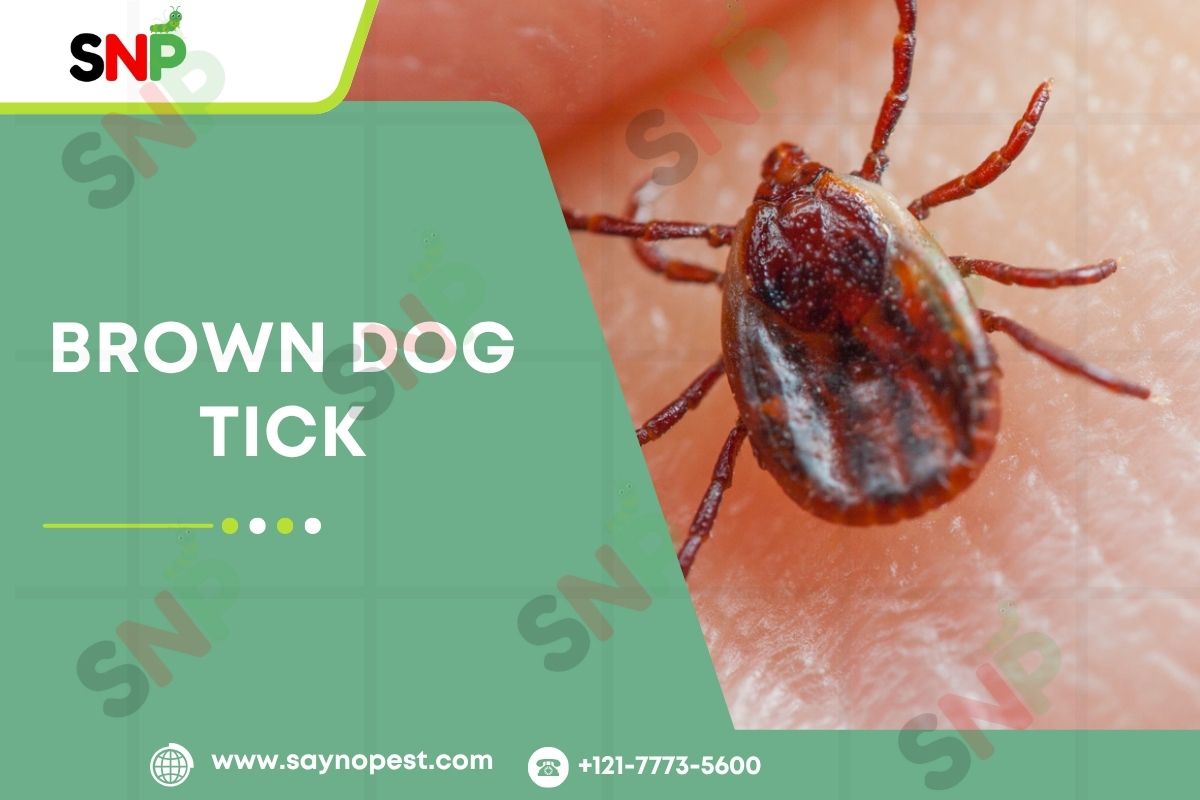
As a dog owner in the United States, you probably have heard the name of a brown dog tick, which is are small and annoying parasites that carry actual risk to every living being. The brown dog tick becomes particularly infamous compared to other ticks as it not only survives, but can flourish, inside the comfortable living rooms or high activity kennel. It is not limited to any one area of the U.S., though it can be more prevalent in warmer areas in the U.S., but, due to its peculiar adaptive nature, it can easily spread all over an area as soon as dogs and humans begin to interact.
Rhipicephalus sanguineus, Brown dog ticks are reddish-brown, and they do not have flashy body patterns and swell to a dramatic size after feeding. Adults reach up to 1/8 inch long, but burst up to 1/2 inch after engorgement. The fact that they can draw their entire life cycle in the house advantageously places them in homes, and their control becomes even harder.
Brown Dog Tick on Dogs: Risks & Identification
The brown dog tick lives on dogs. Since each of the stages of active life (larva, nymph, and adult) is a predator that mostly feeds on dogs, such locations as kennels, dog parks, grooming salons, etc., could infested with relative ease. Conduct a thorough inspection of your dog, but just devote a little more attention to the ears, in between the toes, and at the nape of the neck; these are the most favoured places to hide. These pests can occupy dozens of dogs, and the tick can move quickly to other hosts. Should they go untreated, infestations will ensue inside carpets and behind baseboards and furniture cracks, and brown dog ticks will be able to grow even during winter in colder months when other species perish.

The symptoms of a tick bite in a dog may be local redness and swelling, itching, and, in case of high infestation, even anaemia because of the loss of blood. When you find a tick on your pet, ask your veterinarian if you detect pale or bleeding gums or an inexplicable energy loss in your pet.
Brown Dog Tick Diseases: What You Need to Know
The brown dog tick is not just any problem. The real hazard is that it is a carrier of more than a few significant diseases in dogs, which is a collective group of illnesses call brown dog tick diseases, and in some unusual cases, humans. Such diseases are:
- Ehrlichiosis: It is an infection cause by bacteria, which causes fever, dullness, loss of appetite, and in chronic instances, severe bleeding problems as well as weight loss.
- Babesiosis: The red blood cells are almost destroy by the bacteria called Babesia, which cause fever, weakness, and sometimes, jaundice. Some dogs may turn into lifelong carriers, the sources of new infections.
- Anaplasmosis: Carried mostly by ticks, it is usually less prevalent in these ticks, but may cause pain in joints, fever and even neurological symptoms.
- Rocky Mountain Spotted Fever (RMSF), which is more commonly transmit by other types of ticks; in some parts of the US, the brown dog tick is capable of transmitting this disease. When it affects the dogs, it results in exhaustion, vomiting, swelling of the limbs, and neurological disorders, among others. Brown dog ticks can also transmit this potentially fatal disease to humans, and this is yet another reason why they should remove promptly.
It is imperative to prevent it. Apply tick preventives approved by veterinarians to your pet and examine your dog frequently to be sure it is free of this parasite.
Brown Dog Tick Symptoms in Humans
The brown dog tick favours dogs, but human beings, too, can fall prey to these ticks, particularly in infested households. The symptoms of brown dog ticks in humans are normally portray by the localised redness in the bite site and irritation. But the real danger is the possibility of spreading brown dog tick illnesses, such as Rocky Mountain spotted fever. The first signs in individuals might display the following:

- Sudden chill and fever
- Aches in the muscles and headaches
- Malaise and tiredness
- Rash (severe in the case of RMSF, which is severe)
- Enlargement of lymph nodes
Although you may not notice an immediate reaction, you should watch out in case you develop an illness following a tick bite. In case you have a progression or worsening of the symptoms, fatigue, fever, or rash, go to the doctor’s right away and advise the staff of the possible exposure to a tick, especially with the brown dog ticks.
Conclusion
The brown dog tick is not some other pest but actually an adaptable but strong foe to animals and humans. Although these ticks are primarily dog-centred, they can potentially cause damaging brown dog tick disease, and though difficult, they are capable of attacking human beings since they would too have developed a full-scale infestation. If you learn brown dog tick symptoms in people, you will know how to conduct yourself when you are bitten and get immediate assistance.
The most important thing is vigilance. Periodic examination of your pets, regular cleaning at home, and early treatment by a veterinary doctor can prevent cases of brown dog ticks and your family. Whether you see ticks or want professional recommendations on how to get rid of this pest, do not hesitate to contact SayNoPest to provide you with solutions and recommendations.
Be safe, be tick-free and keep your loved ones safe from the unknown perils of the brown dog tick.