Tag: biting mouse

  • Jerboa Mouse: Unveiling the Unique Hopper

    Jerboa Mouse: Unveiling the Unique Hopper

    When you feel the urge to know about a fascinating animal like the jerboa mouse, its place in nature and what makes it interesting, then you are at the right page. Being the reliable pest control counsellor of America, Saynopest gives a detailed insight into this peculiar rodent. So, either you just want some information or you think the jerboa can ever be a domestic pest in the U.S., this blog will answer your questions in a very interesting and especially entertaining manner.

    What is a Jerboa?

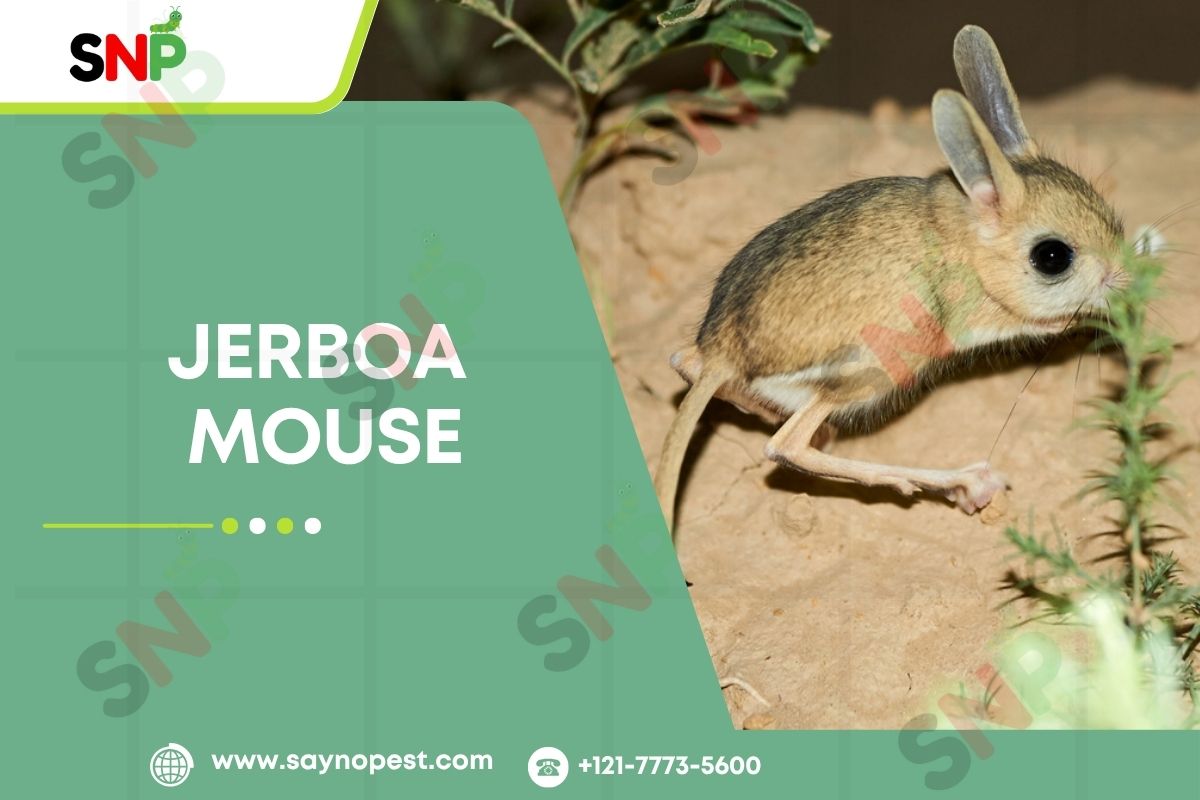
    Jerboa mouse is a desert-loving small rodent, known to have kangaroo-like jumping capability. The jerboa, unlike normal mice, possesses long hind legs, short body, tufted tail and gigantic ears. These live in a harsh environment. Few mammals risk living in and they are native to deserts and steppes that extend across North Africa and throughout Asia.

    jerboa

    The jerboa mouse, although it sounds like a wild rodent of America, is not wild in the United States. It resemble a mouse in its shape and in the way it hopped about, so that some people, when they see a field full of them, may remind of the rodents that are common over America; yet it is an old world animal. The most famous species among them, the long-eared jerboa, can be easily identify due to its overgrown ears, which are comparable to those of a rabbit. These are some of the ways through which the animal can detect predators and remain cool in the desert

    • Size: A body length extending 2in/6in, with the tail usually longer than its body.
    • Looks: The fur is of sand-colour, the whiskers long, the front legs short, and the hind legs very long.
    • Behaviour: They are night lovers. They tend to emerge at night, and in the morning, they spend a day in the burrows.

    Jerboa Lifespan

    Desert living is harsh, as the jerboa mouse has adjusted to these harsh circumstances. In general, the jerboa has a life span of 2-6 years, depending on environment and species. The larger species (Greater Egyptian jerboa) has been recorded to live up to 5.5 years in captivity, with the smaller species (pygmy jerboa mouse) typically living shorter lives between 2.5 and 3 years.

    The following factors determine their lifespan:

    • Predation: Known common predators include owls, foxes and snakes.
    • Habitat: Jerboas are open to change in their desert environments and are subject to disappearance of habitat.
    • Adaptations: Jerboas are known to be night lovers due to the environment and the mouse-eating animals.

    Can the Jerboa Mouse Be Considered a Biting Mouse?

    A biting mouse is most usually a classification given to rodents that tend to bite when provoked, such as some wild house mice or rats. Jerboa mouse is not infamous for being a biter. It has note down to get a powerful kick with its strong back legs in case of fright, but it seldom bites. It has a greater tendency, when frightened, to leap off at astonishing rates–with those powerful hindquarters, it can get off in a series of zigzags rather than in a straight direction to confront the danger.

    In summary:

    • Jerboa mouse does not usually classify as a category of biting mouse.
    • They do not bite but jump as their main form of defence.
    • To the U.S. resident concerned with pest issues, the jerboa is not much of a problem because it is not a considerable biter like the other indigenous rodents.
    How-to-Get-Rid-of-Rats

    Jerboa Qualities

    What makes the jerboa mouse special among other rodent types, and what makes pest controllers and enthusiasts look out for this species?

    Physical Adaptations

    1. Hopping Power: Because of the rear legs, which are four times longer than the front legs, the jerboa can leap several pairs of feet in one jump, as well as some species up to six feet.
    2. There is the Long-Eared Jerboa: All the species have disproportionately big ears. Considered, particularly the long-eared jerboa, aids in body temperature regulation as well as food gathering in the attainment of predators.
    3. Water Conservation: Jerboa mouse is the desert survival master because it consumes a limited amount of water, taking moisture from the plants and insects to stay refreshed.
    4. Burrowing: This leads into the natural ingenuity of burrowing holes, which go deep with intricate systems, enabling them to avoid the heat and evade predators.

    Behavioral Traits

    1. Nocturnal: The jerboa mouse is nocturnal (only operates at night) because it does not want to get out and face the heat of the desert.
    2. Food: The menu of their food comprises seeds, roots, insects, and desert plants. Even the long-eared jerboa has specialisation in catching and eating the flying insects because of its sharp hearing capabilities and the ability to leap.
    3. Solitary Lifestyle: Being mostly solitary, the jerboas come in big groups only during the breeding seasons.

    Survival Instincts

    1. Escape Artists: In cases where the jerboa mouse is being followed, the rodent makes use of erratic and high-speed jumps to misdirect its predators.
    2. Sharp Hearing and sight: The huge ears endow good hearing, and the large eyes permit nocturnal exploration.

    Conclusion

    The jerboa mouse might just resemble a resident of another planet, although their special adaptations have made it settle well in some of the harshest environments on Earth. The jerboa does this with its incredible leaps of the long-eared jerboa to its unusual way of life, with the jerboa being a great example of what evolution and survival are all about. Most importantly, much to the comfort of American homes with pests in mind, the truth is that not only is there no rodent wreaking havoc in U.S. homes, but also this is not of any standard biting mouse type.

    Whether you have real vermin pests or some other unwanted visitor in the house, don’t expect an escape artist like the jerboa mouse to bring you his or her autograph. Have a look at SayNoPest for some preventative remedies you can bet on.

    Be it a wildlife lover or somebody craving quality information on pests, saynopest keeps you alert, secured and free of pests!
  • Biting Mouse: Everything You Need to Know About Mouse Bites

    Biting Mouse: Everything You Need to Know About Mouse Bites

    When you have detected possibilities of mice in your house, it is important to understand the biting mouse, the reason why they bite, the symptoms of danger and the next course of action. Being an American homeowner, you can protect yourself and your family against health risks by knowing the risks that come along with mouse bites. In this case, SayNoPest is a very informative and empowering guide that can used as an effective combination of advantageous information and commercial guidance.

    What Is a Biting Mouse? Name the Mice in This Category

    rats-bites

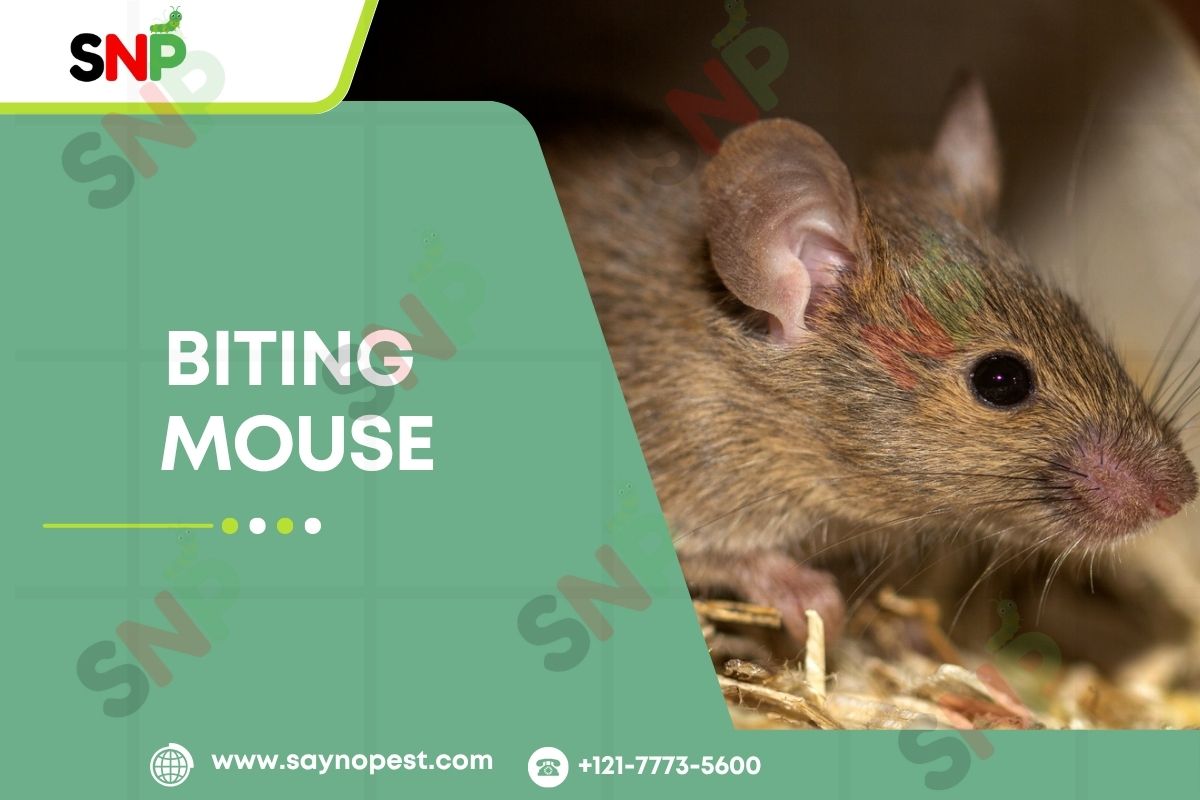
    A biting mouse is a type of mouse which, when threatened or trapped, can bite human beings. Not every mouse can consider a dangerous and aggressive animal, but there are a number of common breeds in the United States that bite when frightened, disturbed, or protecting their home.

    Biting mice: Main Species of Mice:

    1. House Mouse: They are one of the most common types of rodents that are found in the USA. This is a curious and ingenious species, and although most of them are shy, they are not too likely to bite in defence. They do so at the time of seizure or when frightened.
    2. Deer Mouse: They are mostly spot near the countryside. One thing which helps them to easily identify is their white feet. They mostly bite at the time of self-defence, and their bite can cause a serious threat to life.
    3. White-Footed Mouse: The white footed mouse is just like the deer mouse, and they can bite humans at the time of being provoke.
    4. Jerboa Mouse: Jerboa mouse is a unique desert rodent common in Northern Africa and Asia, but not necessarily prevalent in the United States due to features relating to the mouse family that this rare type of rodent shares with the common rodent, the mouse.

    A bite from a mouse is a serious condition regardless of the place (wild or home) where it occurs, as the species of mice have unique health risks.

    Why Do Mice Bite?

    Understanding the reasons why do mice bite is the first step towards prevention and control. The bite of a mouse is most frequently under the following circumstances:

    • Self-Defence: Mice are small prey. When they are push to the corner, and not handle well and also when they are face with direct danger, they will bite in an attempt to get away.
    • Territorial Behaviour: Particularly males might have aggressive behaviours to defend their territory, especially when they feel threatened by loss of such sources as food or nesting sites.
    • The Maternal Instinct: Mother mice may get wildly defensive, and as a result, they might deliver a nibble of mouse in case they believe their nests or children are involve.
    • Exploration and False Identity: Mice tend to use their mouth to explore. Occasionally, there can occur a mistaken human finger with food or an inanimate object, and in this case mouse might even take a bite.
    • Stress and illness: Mice who are sick or hungry or caged are likely to be more violent and most likely to bite, particularly when manhandled or when subjected to stressful conditions.

    You can minimise chances of being bitten by a mouse by taking measures to make sure you never get to handle wild rodents without any necessity.

    Symptoms to Watch After a Mouse Bite

    In case you have bitten by a mouse, prompt and proper response is important. The size of a bite depends on the mouse, and in most cases, it may end up having severe consequences for the bite person in case it is disregarded.

    Common signs of a mouse bite:

    Physical Reactions:

    • It is sudden, excruciating pain, normally only a single stab injury.
    • The wound can be bleeding.
    • Swelling or redness, or greater tenderness near the area.

    Progressive symptoms (Symptoms of Rat-Bite):

    • Increase of pain or swelling around the wound.
    • Infected area becomes red.
    • The discharge of pus or a weeping Wound.
    • Neck, armpit or groin swelling or tenderness in nearby lymph nodes.
    • Chill or fever.
    • After the fever-infected person mite feel like a rash on the hands and feet.
    • Joint pain and Swelling are also symptoms of rat bite.

    Important Note: In case anyone can see the signs of a rat bite or watches their bite become worse, medical help must sought immediately. Early treatment prevents serious complications.

    do-mice-carry-rabies

    Diseases Transmitted Through Mouse Bites

    Though not every exposure to a biting mouse would cause the disease, the chances are so high that one should be careful. Besides local infections, some severe diseases are associate with the bite of a mouse or contact with mice:

    Hantavirus

    Deer mice and White-footed mice are particular spreaders of this virus. Although direct transmission by bite of mouse is not common, it may transmitted by salivation, and more usually by handling contaminated nesting material. It has fever, chills, and muscle pain at first and may become a severe challenge to breathing.

    Lymphocytic choriomeningitis (LCM)

    This may found in house mice very common. It carry by contracting the bite of a mouse and may present itself as an influenza-like infection, but, in extreme cases, may lead to brain or spinal cord infection.

    Leptospirosis

    Leptospirosis is a bacterial disease and may be spread through a mouse bite, urine of infected animals or contaminated water or food. Posing severe infections would cause kidney or liver failure.

    Salmonellosis

    Associated with direct contact with the mouse droppings on food surfaces, but can also occur after just one bite of the mouse, should the bacterial organisms in the saliva enter some form of open wound.

    Rat Bite Fever

    Not only are rats carriers of this type of fever; mice can also infect you with rat bite fever. Rat-bite signs at the initial stages are fever, headache, rash, vomiting, pains in joints, and muscles. It may be lethal when left untreated.

    In case you were bitten by a mouse and observe the symptoms of flu, rash, or ongoing fever, inform your medical expert about your exposure. Numerous such diseases start to demonstrate the symptoms of rat bite several weeks later after being caught, so do not ignore the initial indicators.

    Conclusion

    Nothing is alarming in the appearance of a biting mouse; however, when you bite a mouse, you conjure up quite a big health issue for you and your family. Learning why mice bite, which mice are most dangerous, among several major symptoms of rat bites, and diseases provoke by being bite by mice, you may make wise decisions to keep your house out of danger. We need to remember that prevention is always the better cure, and never touch wild mice. To ensure quality pest control, always use saynopest to keep your family, your property, safe, secure and healthy.

    Watch out, know your stuff and prepared to take swift action should you ever get bit by a mouse!

  • Do Mice Carry Rabies? Understanding the Risks and Facts

    Do Mice Carry Rabies? Understanding the Risks and Facts

    Mice are one of the most familiar uninvited guests in our houses. Many people have ask: Do mice carry rabies, or is it just a curiosity when one is face with a problem of these rodents? The question is significant as rabies is a threatening disease, and receiving the truthful answer, you can save your family and pets. Here in this blog, I am going to discuss what rabies is, is mice a carriers, the dangers of a bite of a mouse, animals that are habitually rabid and what to do in case of mice bite by a mouse which bites. Sinking with our American readers, Readers may depend on being satisfy with definite, reliable information.

    What Are Rabies?

    Rabies is a dangerous disease that can damage the brain and the nervous system of human beings and all mammals. It can mainly spread with the saliva of an infected animal, commonly through bites or scratches. Rabies is nearly always a death sentence once symptoms manifest themselves unless corrected immediately. The virus destroys the central nervous system and brings serious symptoms, including fever, confusion, paralysis and death in case it is not treat.

    It is important to add that rabies cannot passed through intact skin or casual routes. The virus requires direct exposure to the blood or the central nervous system, and a bite is the most typical form of entry. Due to its virulence, rabies and rabies control is a health concern to the general population.

    Bite-of-Mice

    Do Mice Carry Rabies?

    The number one question is: Do mice carry rabies? The rather simple answer is: mice hardly ever harbour rabies. Both science and health officials, including the CDC, used scientific methods to come to an agreement that small rodents like mice rarely harbour or spread rabies to humans or other animals.

    What is it that makes this so? There are various explanations for the prevalence of low incidence of rabies in mice:

    • A rabid animal would kill mice very fast, and they are small that there is minimal opportunity for incubation and spread of the virus.
    • Mice have not been proven to transmit rabies to humans in the United States.
    • The incubation of Rabies in mice is not very common but is mostly found in stringent laboratory conditions.

    Although it is technically possible that a mouse may get infect with rabies, these cases are exceedingly rare in natural settings. So the chances of acquiring an infection of the rabies virus by the bite of a mouse are minimal. But then it is always good to treat any wild rodent with caution because they might have other diseases.

    Bite of Mouse: What Are the Risks?

    Now, you can sure that the chances a biting mouse has rabies are minimal, but a bite from a mouse still should not be disregard. The bites of mice may cause the skin to break and leave bacteria, viruses, or parasites present in the mouth of the rodent, and this causes infections.

    These are some things that are worth considering regarding mouse bites:

    • Infections: The bacteria can infect the bite area, some of which could cause some serious diseases in case they are not cure.
    • Rat Bite Fever: This is a form of bacterial infection which could caused by rodent bite or the faeces and urine of rodents and could lead to fever, rash, and joint pains.
    • Allergic Reactions: Mouse bite can cause a less harm to people. But sometime it may cause a severe allergic problem.
    • Tetanus Risk: There is a possibility of contracting tetanus bacteria through bite wounds, and since this is a big risk, it is very important that your tetanus vaccination is up to date in case bitten.

    In the situation of a bite of mouse, wash the wound as soon as possible with soap and water and spread an antiseptic and consult with a doctor. A medical expert can prescribe antibiotics in order to avoid infection and determine whether additional measures are necessary.

    biting-Mouse

    What Animals Have Rabies?

    Knowing which animals rabies occurs in helps one to view the danger in perspective. Rabies in the United States is mostly common in some wild mammals. The main transport is:

    • Raccoons: These are the most frequently reported carriers of rabies in most areas.
    • Bats: Cause most human cases; they found in nearly all states.
    • Skunks: They are sometimes infect with rabies
    • Foxes: Foxes are animals that surely contain rabies, but they do not appear frequently in residential areas. They may found in the local area of the US.
    • Coyotes: They can have rabies, particularly in the southern states such as Texas.

    Rabies can also transmitted to domestic dogs and cats, more so when they are not vaccinate; however, when pets have received extensive vaccination, then rabies cases among pets are minimal. Importantly, the rodents like mice, rats, squirrels and rabbits. does not contain the amount of risk of having rabies.

    Conclusion

    At last, with the help of this blog, we would like to solve the question of many people Do mice carry rabies? Mice are highly unlikely to transmit or carry rabies. Nevertheless, a venomous mouse has its health threats, as it may cause some infections and diseases, which are not rabies. It is always advisable to take any rodent bite seriously, which should cleaned as early as possible, and consultation should sought. Although a question of what animals carry rabies is crucial, small rodents such as mice do not circulate this killer virus.

    In case a person is working to overcome an infestation with mice or worries of being bite by a mouse, professional pest control is the most intelligent course of action. By ensuring that your house is free of rodents, you and your family avoid getting any related health risks.

    To get effective and trusted pest control solutions in the United States, check SayNoPest. We provide quality services to make your house rodent-free and safe.

    Staying on the knowing side about rabies and rodents, you would be able to preserve your family. Now that you know the do mice carry rabies myths, it is time to concentrate on careful prevention and intelligent control.