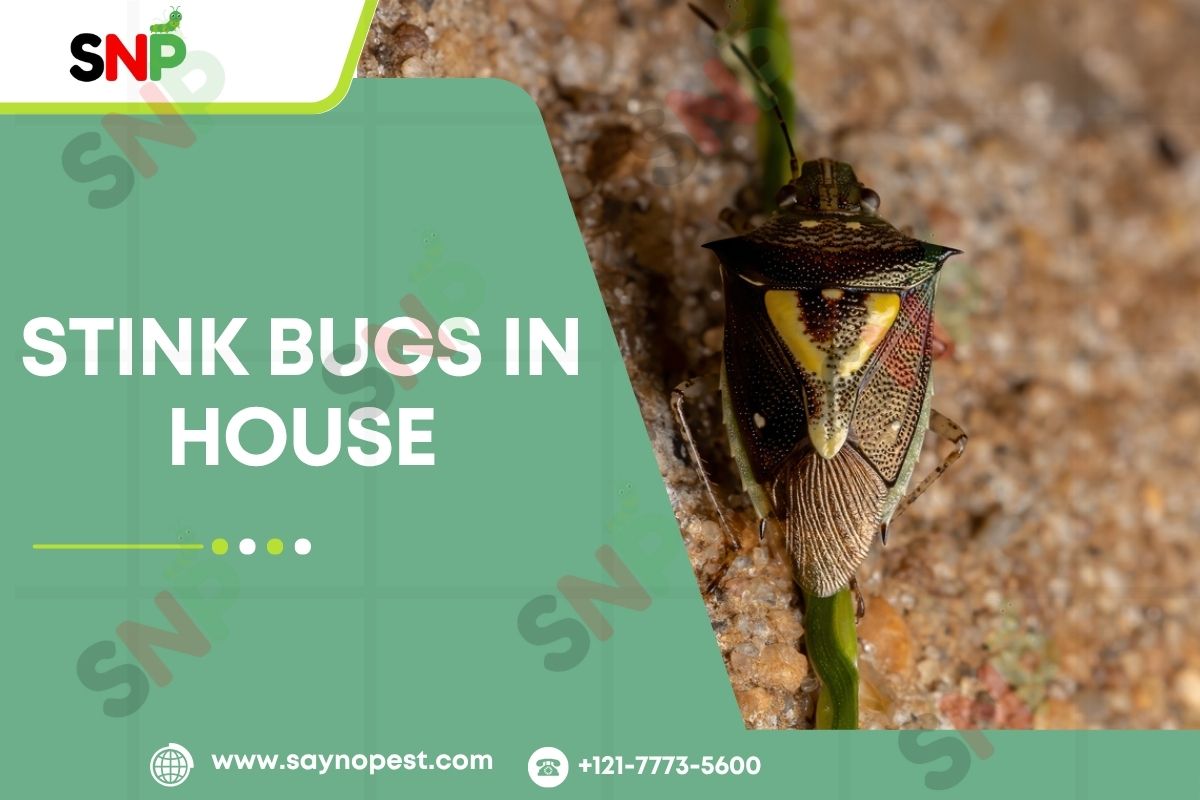
Stink bugs in house situations are bound to occur when the temperature begins to go down, and you observe the movement of brown shield insects crawling all around your home. These unwanted visitors have started gaining prominence in most of the US, and learning how to detect them, avoid them, as well as eliminate them, is imperative to ensure that the quality of living continues to be sound.
Signs of Stink Bugs in House
If you spot a few stink bugs in your house early, you will be able to avoid a stink bug infestation. A few key things that tell you that stink bugs are in your home are:
Visual Sightings
It is really the most obvious indication that you have stink bugs in your house if you see them! Their presence is not sneaky at all; they will crawl into the open right on the walls, they will congregate on curtain and lamps, and they will even crawl over you as you are sitting on the couch. Most of them are always seen around the windows, doors and the light lamps as they are seeking warm places and the light source which is their natural attractors.
Unpleasant Odor
These stink bugs will give off a strong smell quite bad smell when they are disturb or if they feel threatened. This smell is just like coriander, rotted vegetables, or the spray that skunks use. Especially if there are many bugs in a place, the scent will be more intense there.

Dark Trails and Stains
These dark trails may not be visible at first; however, they are the surest and most obvious signs of seepage. Furthermore, walls, windowsills, and kitchen countertops are places that may be stained by the marks of insects, thus making it evident that there is an intrusion at hand.
Damage to Houseplants
Those changes on your plants can be due to stink bugs if you have not observed any other causes, such as waterlogging or drought. Also, kill-steam insects attack leaves and stems, they are like needles which they use to suck the sap of the plants.
Dead Stink Bug Bodies
The dead bugs are a result of them trying hard to find a place to hide and hence are going to gathering points or in the vicinity of vents and doorways, and this is what will be most conspicuous to find.
Understanding Baby Stink Bugs
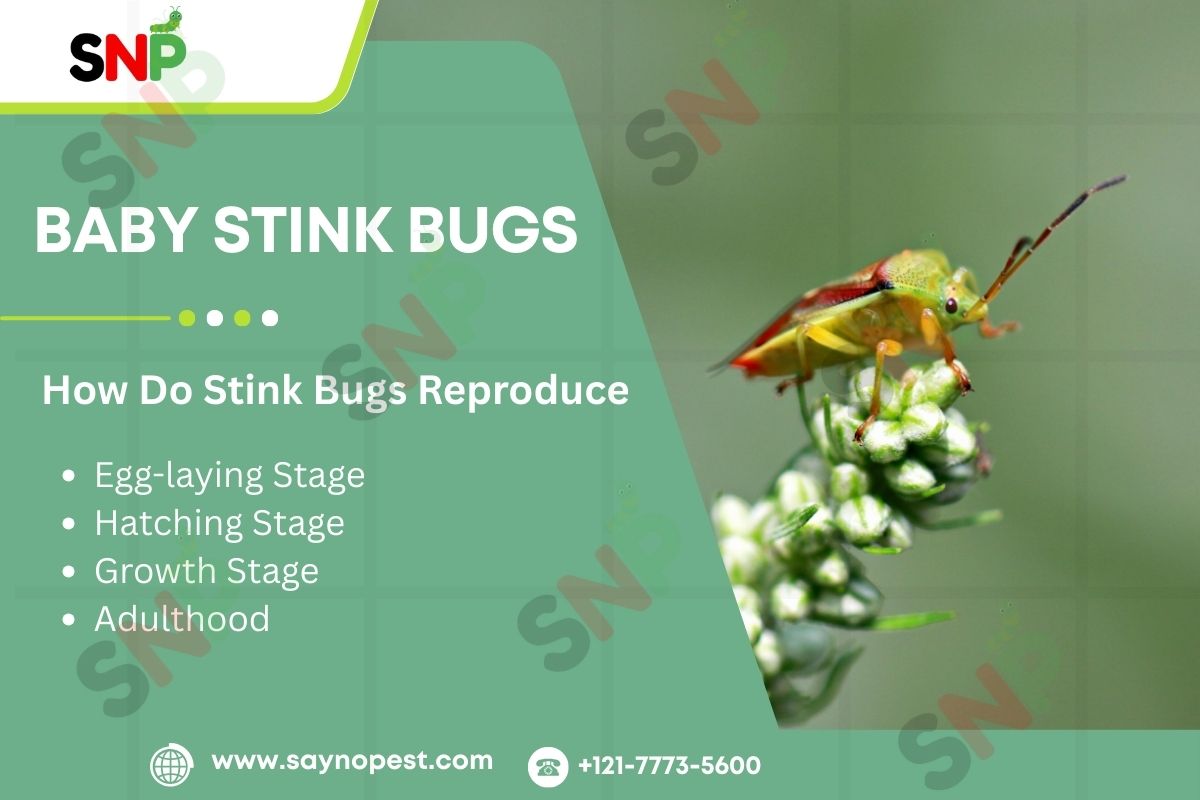
Baby stink bugs are the nymphs of the species, and they are the ones who are often misidentify. The difference between the two stages is that baby stink bugs are only smaller versions, without fully developed wings of their adult counterparts.
Physical Characteristics
Baby stink bugs keep the same shield-shaped body as the adults, but are very tiny. Initially, they are about 2.4 millimetres long at the first stage of their development. Through five moulting stages (instars) that last about a week each, baby stink bugs grow bigger and finally become adults.
Color Changes
Baby stink bugs’ colour can change due to various reasons, just like the difference in their species and the phases of their development. It can give as a good example that brown marmorated baby stink bugs’ colour is at first orange or red, they have glowing red eyes, and then little by little they become like grown-up ones in their colouring.
Behaviour
At the beginning of their life, baby stink bugs are together around their egg masses, but little by little, they will be more and more scattered as they get bigger. Like grown-ups, stink bugs can still have the same foul odour that is characteristic of the stink bug when they are attack, but usually in smaller quantities.
Development Timeline
The development period of a stink bug from an egg to an adult is about five to six weeks. During this time, the young stink bugs have to molt five times, and wings will emerge only in the last molt.
Why Invade by Stink Bugs in House?
Knowing the reason stink bugs prefer your house is beneficial towards making efficient prevention methods. These insects do not enter houses to eat or breed; they merely want warm and secure shelters to see out winter.
Seasonal Behavior
The stink bugs are mostly active in March-September, although their ingress into the household normally takes place in late summer and fall when temperatures start to decrease. They come out of their winter hide-outs during spring and this is when most of the homeowners see them inside their houses.
Entry Points
Surprisingly, stink bugs can find their way even into the smallest openings of homes. It has found that holes no bigger than 3-7 millimetres can welcome these pests in. The usual points of entry are:
- Fractures in the spots around windows and doors
- Open seams and basement walls
- Openings, Nagging and severity of pain 225 Utility pipes
- Damaged screens
- Attic and chimney vents
- Enclosures with baseboards and behind ceiling fixtures
Attraction Factors
There are several aspects of your residence that the stink bugs find appealing:
- Light sources – Stink bugs are naturally attracted by bright lights, and homes with external lights become irresistible, especially at night
- Warmth – Stink bugs search for warm places at the time of winter
- Scent trails – In case one stink bug discovers a good place, it leaves some pheromones to lead other stink bugs to that place
How to Get rid of stink bugs in house
Understanding how to Get rid of stink bugs in house involves a holistic solution that involves short-term elimination methods and later prevention measures. The ways are as follows:

Immediate Removal Methods
- Vacuuming: Vacuuming using a hose attachment is also one of the safest methods of getting rid of stink bugs without crushing them. Dispose of the vacuum bag or canister right outside to avoid the odour.
- Soapy Water Traps: Simply make your traps, placing a desk lamp over a pan having soapy water. The light will lure stink bugs, and they will drop into the water and drown.
- Manual Removal: Gently pick the stink bugs by hand and put them into a plastic bag or tissue and carry them out. Do not squash them so that they do not give out their repulsive smell.
Natural Deterrents
- Essential Oils: Peppermint, eucalyptus and neem oil form very good natural barriers. These oils should be mixed with water in a spray bottle and sprayed around entry points.
- Garlic Spray: An edible-based deterrent can be made with crushed full cloves of garlic steeped in water overnight (24 hours), strained and sprayed around windows and doors.
- Diatomaceous Earth: Sprinkle diatomaceous earth in diatomaceous form of food grade around entry possibilities. This is a natural powder that destroys the exoskeletons of stink bugs, leading to dehydrating them to death.
Chemical Solutions
Targeted application of insecticides may also offer them relief where natural means are not adequate. Research applied to focus the treatment on the outside point of entry instead of the inside, where the stink bugs may already be residing.
Prevention Strategies
- Gaps: around windows, doors and utility penetration should be sealed with a high-quality caulk. Put weatherstripping and door sweeps to seal off air.
- Screen Protection: Put fine mesh screens on exhaust fans, chimneys and attic vents.
- Landscape Modifications: Keep vegetative rubble, composting heaps, and wood heaps away from your homestead. The materials offer perfect overwintering habitats for stink bugs.
Pro approach vs. DIY approach
Minor issues of stink bugs can be handled with the help of DIY, but in the case of severe infestation, professional help might be required. Make a call to the pest control expert in case:
- Stink bugs still show despite what you are doing to stop them
- You find dozens of stink bugs on a regular basis
- It is having an impact on the quality of your life
- You do not like the idea of treatment by yourself
Prevention in the Long-term
It is easier to prevent stink bugs in house than it is to curb what has already taken place. Keep your home in good shape with regular inspections, and maintenance of possible points of entry, repair of broken screens and weatherstripping as soon as possible can go a long way towards eliminating the worry of whether you have any unwelcome guests in your home.
Stink bugs tend to keep visiting the same areas every year, and so preventive measures must be provided regularly to keep the situation under control.
Conclusion
Combating stink bugs in house scenarios takes time, persistence and an apt blend of tactics. This will help you to identify their habits, know the symptoms of their infestation and put across effective preventive measures to keep off these stinky creatures in your house. Either natural or professional interventions are up to you, but the thing is that you have to act before something minor can turn into a full-grown infestation.
To receive a fully-fledged treatment of household pests, especially stink bugs, and professional clean-up of your place, please visit the saynopest, the professional helpline on the journey to becoming a pest-free home.