Tag: American Dog Tick

  • American Dog Tick: A Complete Guide for U.S. Homeowners

    American Dog Tick: A Complete Guide for U.S. Homeowners

    With pest control becoming a crucial issue to households in the United States, it is important to be aware of the American dog tick as a way of keeping your family and pets safe. Topics addressed in this blog are what is so special about this tick, how to identify an American dog tick bite, the risks that human beings may be exposed to, the most prominent American dog tick-borne illnesses, and what you can do to remain safe. The entire fact in this is modernised, genuine and in an easy language which is open to everyone with concern on ticks.

    Understand the American Dog Tick

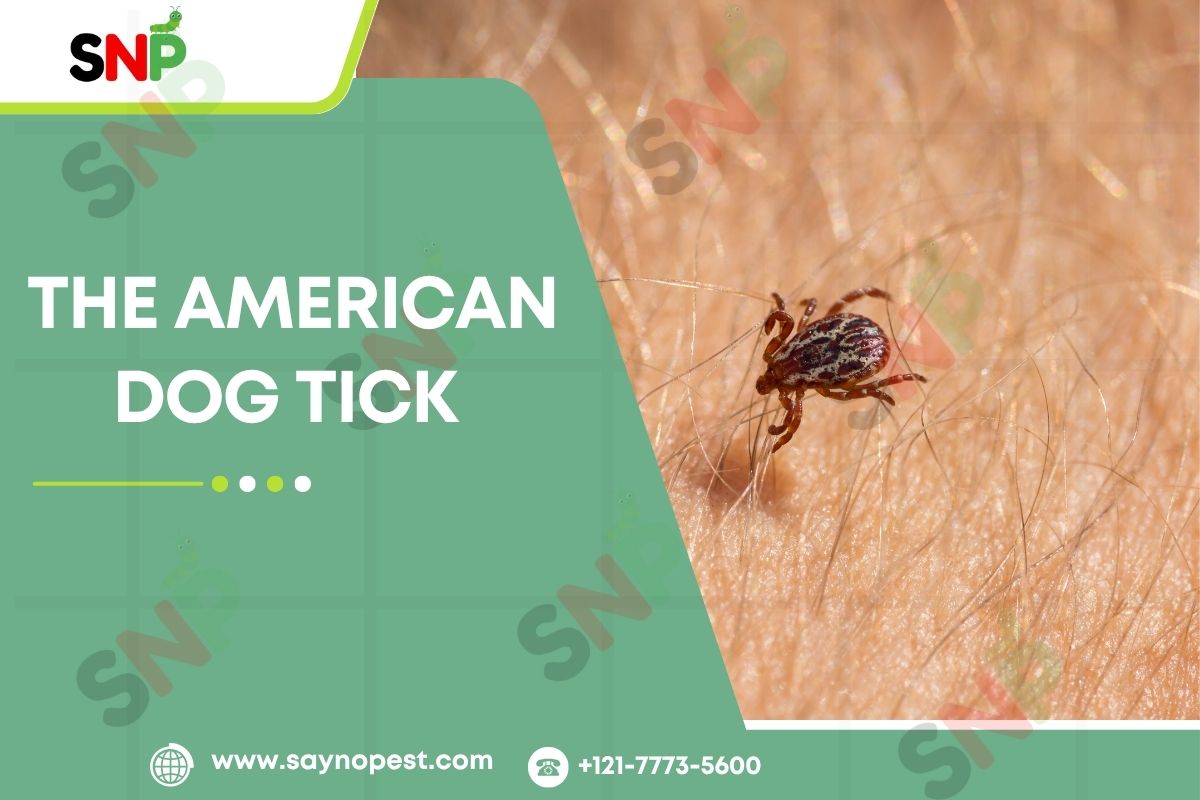
    American dog ticks are the most common ticks that are found in the USA. As its reddish-brown body and elaborate, whitish groups of spots on its back can be recognised, this tick lives predominantly east of the Rockies, yet is also found in a few western states. The American dog tick by contrast with other ticks, is a three-host parasite and it parasitises on different animals in its various stages of development; these stages are larvae, nymph, and adult.

    is-american-dog-tick-dangerous
    • Habitat: The American dog ticks mostly populate grassy fields, open woods, shrub lands and near forest, walkways and pathways. Adult ticks tend to ascend tall grass or low brush where they stand until a passing host, commonly a dog, human or other mammal, latches on.
    • Life Cycle: The life cycle of the tick ranges up to two years. The name is just due to the preference of their adults to feed on medium and large animals compared to other animals by larvae and nymphs, especially the small ones. The American dog tick can live two years without feeding in case it does not find a host at any of the two stages.

    American Dog Tick Bite

    The American dog tick bite does not cause immediate detection, because the saliva of the tick contains components of numb the skin. Unlike mosquitoes, however, ticks fasten themselves to their prey and suck blood for a few hours or even days. The tick attaches securely to the skin, and it implants its mouthparts in the skin. Male ticks will take a very short time, whereas females can fill themselves with blood within a week.

    A Bite Symptoms

    • Bump or redness where the bite of the American dog tick has occurred
    • Itching or pain
    • Allergies may occur after tick bites.
    • When the tick is not remove in a short period, there is a danger of being infecte with the disease

    Bites of ticks should not regarded lightly, particularly when the symptoms increase in severity after days. Whenever you are outside in an area that is prone to ticks, it is best to approach you and your pets and check them, and remove the ticks.

    Are American Dog Ticks Dangerous to Humans?

    Not all of the ticks are infected, but the American dog tick may also pose a hazard to people since it is known to carry several serious diseases. The adult females are the most probable of all biting humans, and this usually occurs in the spring and summer seasons, which are the most active seasons of the species.

    Dangers to Humans:

    • Not every dog tick bite in the USA leads to health issues, but infected ticks may lead to a severe disease
    • Specific individuals will also develop allergies or worse symptoms as a result of tick bites
    • Detection and elimination of the tick at an early stage will minimise the chances of the transmission of the diseases

    Timely extraction of the ticks and hygiene are essential. There may be fever or rashes, or any other symptoms after any suspected American dog tick bite; when in doubt, see a doctor.

    How-Long-Do-Ticks-Live

    American Dog Tick Diseases

    Among the worst things about the American dog tick, the fact that it can carry on serious diseases to humans as well as animals. The list of major American dog tick diseases you need to acquainted with includes the following:

    Rocky Mountain Spotted Fever (RMSF)

    RMSF is perhaps one of the best-documented American dog tick diseases, and it could lead to death when not treated fast. Its symptoms:

    • High fever
    • Too Much headache
    • Rash (mainly on wrists, ankles or trunk)
    • Muscle pain

    RMSF can be deadly when untreated in its severe cases, and early diagnosis and expedient utilisation of antibiotics in its treatment are essential.

    Tularemia

    Another American dog tick bite disease that is serious is tularemia. It may result in:

    • Fever
    • Lymph node enlargement
    • Bite marks with skin sores on them
    • In the worst versions of the ailment, pneumonia or sepsis

    Both RMSF and tularemia are comparatively rare and relatively serious conditions, so it is better to stay out of contact with ticks and go to the doctor in case of any symptoms you experience.

    Other Diseases and Tick Paralysis

    There is a rare case of tick paralysis that can caused by an American dog tick that contains neurotoxin in the saliva of the tick. Signs and symptoms entail muscular weakness and advancement into paralysis that are reverse upon the removal of the tick. Although Lyme disease is usually related to ticks, the American dog tick will not serve as a proficient vessel of the disease, though it is more aligned with the deer ticks.

    Pets Risk to Pets

    American dog tick diseases are especially common in dogs, especially dogs that spend some time in grass fields or forests. Symptoms may manifest themselves by fever, lack of appetite, fatigue and even neurological issues or anaemia.

    Prevention: Reducing Your Risk

    Prevention is the best way of tackling ticks. These are how you can protect your house, pets, and yourself:

    • Always wear light colored shirts and pants with long sleeves, mainly in tick-infested areas, because if they attack your body, you can easily detect them.
    • When hiking or coming into contact with tall grass, wear socks with pants tucked into them and tie long hair back
    • Follow through with extensive checkups on ticks after getting out in the field, specifically around secluded sections like the hairline, behind the ears, and the underarms
    • Examine pets daily (more so after walks) and in case of the presence of ticks, remove them with the tweezers as close as possible to the skin
    • Clean dresses and pet beddings frequently at a hot temperature
    • If you have a yard, keep the grass short and clear off leaf litter, as this will decrease tick spots.

    Conclusion

    Knowing the American dog tick is very important in any American family that seeks to protect their family, pets and property. It is this infamous tick that creates health hazards not only to dogs but to humans as well, in the sense that American dog tick bites and probable transmission of deadly diseases such as Rocky Mountain Spotted Fever and tularemia are involved. Luckily, when measures are taken properly and a person is vigilant, one can minimise the risks of these ticks.

    Be preventative-check over your family and pets, your children, and examine yourself regularly, particularly in the event of being outdoors. The pest control firms in your area and other credible websites, such as saynopest, will also provide additional information, the best products to use when controlling ticks, and current guidelines regarding pest control.

    Knowledge is a friend when it comes to keeping your home safe against the American dog tick. Let trust saynopest give you the best, practical information to ensure that your home remains free of ticks all through the year.
  • Is American Dog Tick Dangerous?

    Is American Dog Tick Dangerous?

    The American dog tick is arguably the most abundant tick species found all over the United States. Most of the time, in grassy fields, forest ends, and areas with little trees.. This tick is mainly active from early spring to early summer.

    Adult ticks only prefer medium to large mammals for their food, and these are animals like dogs, raccoons, and humans. While the younger stages are still looking for smaller animals such as mice and chipmunks. It is extremely important to have full knowledge of the American dog ticks because they are very common and they come in contact with pets and people a lot.

    List of 5 Diseases Caused by American Dog Tick

    5-Diseases-Caused-by-American-Dog-Tick

    This tick are carrier of several highly contagious diseases that they can transmit to both people and animals.

    The following are the most common diseases you get from the dog tick infestation:

    1. Rocky Mountain Spotted Fever: This disease includes fever, headache, muscle ache, and a common rash. Without treatment, it may cause very severe conditions like organ failure and even death.
    2. Tularemia: This bacterial infection may pass along symptoms to a person in the form of fever, swollen lymph glands, and ulcers on the skin at the point of the bite. Cases of severe illness may include pneumonia and other problems.
    3. Tick Paralysis: Infinitely rare but very dangerous, tick paralysis happens as a result of a poison that comes from the tick’s saliva. It can cause the muscles to weaken so much that, in the worst scenarios, if no one understands in time, it can lead to breathing failure.
    4. Canine Babesiosis: The disease that is generally related to dogs. In this disease, anemia, pale gums, weakness, and vomiting will be seen in the animal. The carrier is usually the american dog tick which if not treated can turn into a life-threatening condition.
    5. Canine Ehrlichiosis: Although brown dog tick is the main carrier for this disease, the american dog tick can also be the transmitter of it.

    Are American Dog Ticks Dangerous to Dogs?

    Definitely, the American dog tick is a primary source of danger for dogs. These ticks along with blood, cause several harmful diseases, which are the main causes of blood disorders in pets.

    Though it inherently spreads diseases, an American dog tick bite can also bring about a reaction in the body such as irritation, redness, and swelling.

    Protect Your Dog from Tick Bites

    Protect-Your-Dog-from-Tick-Bites

    These are a very safe and the most effective ways to keep your pets safe.

    • Implement vet-approved tick prevention measures.
    • Mow your lawn regularly and carefully keep a check.
    • Avoid walking your dog in areas that are infested with ticks during months of high activity.
    • Also, performing tick inspections and removing them immediately are the most important steps in protecting your dog from the American dog tick harm.

    Conclusion

    The American dog tick is the most widespread pest in the United States, which is a danger to one’s health not only for people, but also for pets. For the owners of dogs, the danger of these ticks is real since this can lead to very dangerous diseases and the dog’s suffering. Being alert, carrying out protection actions, and constantly checking ticks are the most efficient ways to protect yourself from the danger of these harmful ticks.

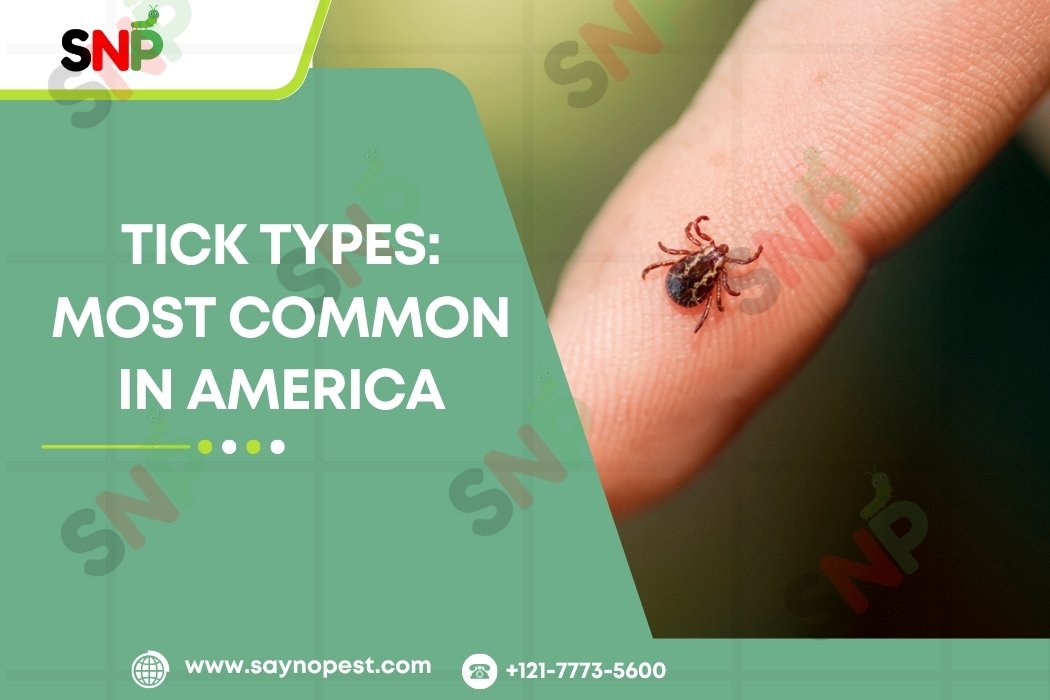
  • Tick Types: Most Common in America

    Tick Types: Most Common in America

    Several Tick Types in America can be the carriers of dangerous diseases like Lyme disease, Rocky Mountain spotted fever, and ehrlichiosis. The knowledge of the most common Tick Types and the signs of tick growth in pets can be a certain protection for pets from these tick bites.

    5 Common Tick Types in the United States

    5-Common-Tick-Types-in-the-United-States

    5 Tick Types that are currently in the United States, and that are most likely to come into contact with your dog are-

    1. American Dog Tick (Dermacentor variabilis)

    • The American dog tick has always been one of the most common Tick Types in the US. Adult specimens are about to be found just at first glance due to the combination of their brown bodies with white or silver markings on their backs. When engorged, female ticks change color to gray.
    • American dog ticks are well known for causing diseases like tularemia to dogs and humans. Dogs seem to be their preferred victims but they can easily switch to other species. For example, people in addition to cattle and wildlife.
    • These ticks are mainly seen in the spring and early summer. After a feast, the female tick may spawn thousands of eggs, hence an infestation is hard to be rectified. Ticks virtually never infest buildings but are quite a threat where there is a little canopy of trees outdoors.

    2. Blacklegged Tick

    • Western regions know it by the name blacklegged tick, and in the east, it goes by the name deer tick. The black-legged tick is tinier than the dog tick yet it is very dangerous. The adult black-legged tick is about 0.9×0.5mm in size and is almost two times smaller than the adult dog tick. They are usually found in grassy and woodland areas.
    • Due to global warming, the ticks are increasing. They are mostly present in the Midwest and Northeast and along the Pacific Coast. They are predominant in areas where the rodent reservoirs are and later transmits to humans.
    • These ticks are well known for being the transmitters of Lyme disease, as well as babesiosis, anaplasmosis, and ehrlichiosis. Nymphs of these species are dangerous since they can hardly be detected. These tick species are active from spring to the end of autumn, and one bite can transmit Lyme disease if the tick is not removed in time.

    3. Lone Star Tick

    • This tick has a single white dot on the back of the adult female. Lone Star ticks are not only aggressive biters but are also very likely to bite dogs, humans, and wildlife. They cause red and itchy rashes and transmit ehrlichiosis, tularemia, as well as another disease-STARI.
    • Important- Some people, that have been bitten by the Lone Star ticks, become allergic to meat, and this disease is called alpha-gal syndrome. These ticks are most active during early spring and late fall.

    4. Brown Dog Tick (Rhipicephalus sanguineus)

    • Brown dog ticks are bicolored and have a conical, elongated form. The larvae, nymphs, and adults of this species are the cause of a theoretical illness called erliquiosis, amongst the symptoms of which are: headache, sore muscles, fever, etc. Toddlers, seniors, and the one with weaker immunity are the most likely to catch the infection.
    • Brown dog ticks are only found indoors, so their hosts are strictly limited to dogs, and they survive by remaining in one place an entire life-cycle. The ticks can move from a pet to its owner and cause severe symptoms. The transmission of the pathogens to the bloodstream can lead to the growth of the disease.

    5. Rocky Mountain Wood Tick (Dermacentor andersoni)

    • Rocky Mountain wood tick can be found in the states near Rocky Mountains and in the parts of the Pacific Northwest. These are similar to the American dog tick, which has a red-brown body with silver spots.
    • Mostly these ticks are active during the spring and the beginning of the summer. Their preferred habitats are grassy, bush, or forest areas in highlands. The infection by Rocky Mountain Wood Tick from one host to another can be Rocky Mountain spotted fever, Colorado tick fever, and tularemia.
    • Moreover, they have the potential to cause tick paralysis in canines and humans-a rare but very serious condition. If you go hiking or camping in the Rockies, don’t forget to check your dog (and yourself) in time after every outdoor adventure!

    Conclusion

    If you’re a pet owner, one of the responsibly common things to do is get yourself familiar with the Tick Types in America for dog protective measures and for the safety of your family.

    The thorough understanding of a species individual behavior, and risky diseases is quite crucial when it comes to seeking the best preventative measures while some other strategies like regular tick checks, unstoppable prevention, and on-time extraction will give the results. The constant protection of your pet (and yourself) against ticks is important.