Blog

  • How to Get Rid of Cockroaches: A Complete Guide.

    How to Get Rid of Cockroaches: A Complete Guide.

    Cockroaches remain the most detestable house visitors throughout American history. Cockroaches pose various health risks because of their locations and create an unpleasant view in homes. This blog will provide you with a correct and straightforward solution to how to get rid of cockroaches, as it educates you about the types of cockroach species, along with solving your question about Do cockroaches bite and their influence on your home hygiene.

    Understanding the Types of Cockroach in the U.S.

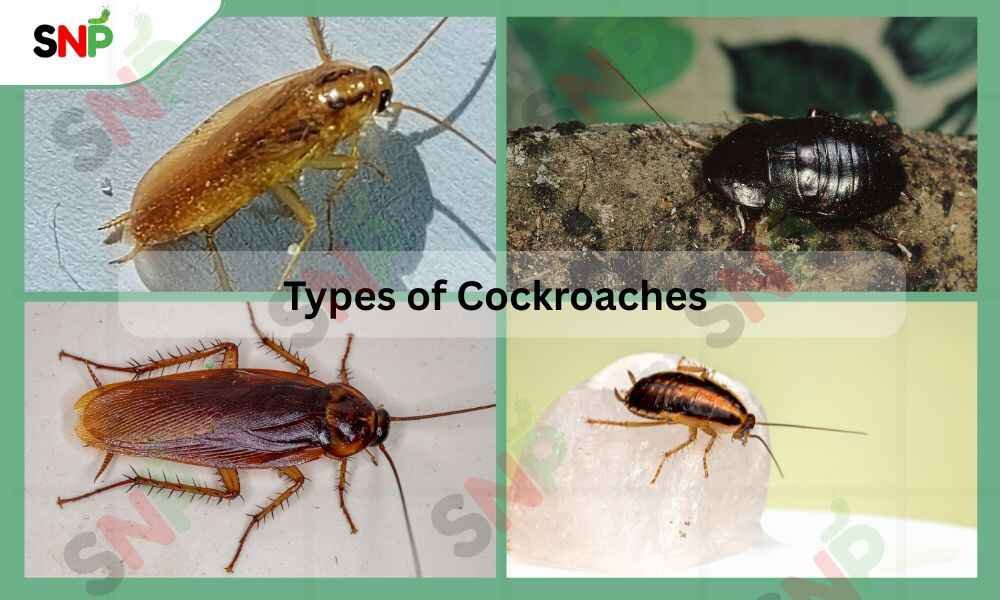
    Before dealing with the problem of how to get rid of Cockroaches. It is very important to learn about the types of Cockroach in the United States.

    1 German Cockroach

    German Cockroach are Small, light brown in Colour , with two dark stripes behind the head. They are found in the highest numbers inside buildings because of their fast reproduction, which makes their removal challenging.

    2 American Cockroach

    These are the largest house-infesting type. They are reddish-brown in colour. The species is primarily detected in the areas around basements and sewers, along with kitchen spaces.

    3 Brown-Banded Cockroach

    They are Smaller in size, having the distinctive brown bands across their wings. These cockroaches select upper cabinet locations and spaces behind picture frames for their habitat, which requires warmth and dryness.

    4 Oriental Cockroach

    These types of Cockroaches are dark brown and black. They live in Dark areas of the home and the drainage as this suits their habitat.

    5 Smoky Brown Cockroach

    This type of cockroach is mostly found in the hot and humid areas. They are brown in colour.

    When you understand the types of cockroach variations, it helps you to make your control efforts more effective. The approach to how to get rid of Cockroaches in particular environments depends heavily on the correct identification.
    Do Cockroaches Bite?

    Homeowners commonly ask the question Do cockroaches bite? The biting capability of cockroaches exists, but experienced by humans only rarely. Human fingernails, along with eyelashes and calloused skin, become the main target areas when roaches decide to apply their biting abilities. However, do roaches bite often? Not really–most of the species, such as the German and American cockroach, seldom bite unless it is an extreme infestation, and there is not enough food. Though do cockroaches bite is a real cause of concern, what makes it a bigger issue are the bacteria and the allergens that they transmit.

    Recognizing and Cleaning Cockroach Droppings

    One of the signs that you have a cockroach infestation is if you find and see the cockroach droppings. Little cockroaches leave behind black or brown specks that look like coffee grounds, while bigger ones produce cylindrical droppings with ridges and sometimes even visible cockroach eggs. House owners frequently ask whether cockroaches have the ability to bite their human household members. Cockroaches do possess the ability to bite human flesh, though such occurrences are rare. The biting ability of roaches exists because they frequently attack human fingernails as well as eyelashes and calloused skin surfaces. Disinfecting the contaminated space and its removal through proper methods kills allergens and Salmonella bacteria while eliminating odors during the process of blocking future pest invasion. The proper handling of roach droppings combined with cleaning requires professional intervention because regular cleaning tools are insufficient to manage this type of pest-related problem safely.
    how-to-get-rid-of-cockroaches

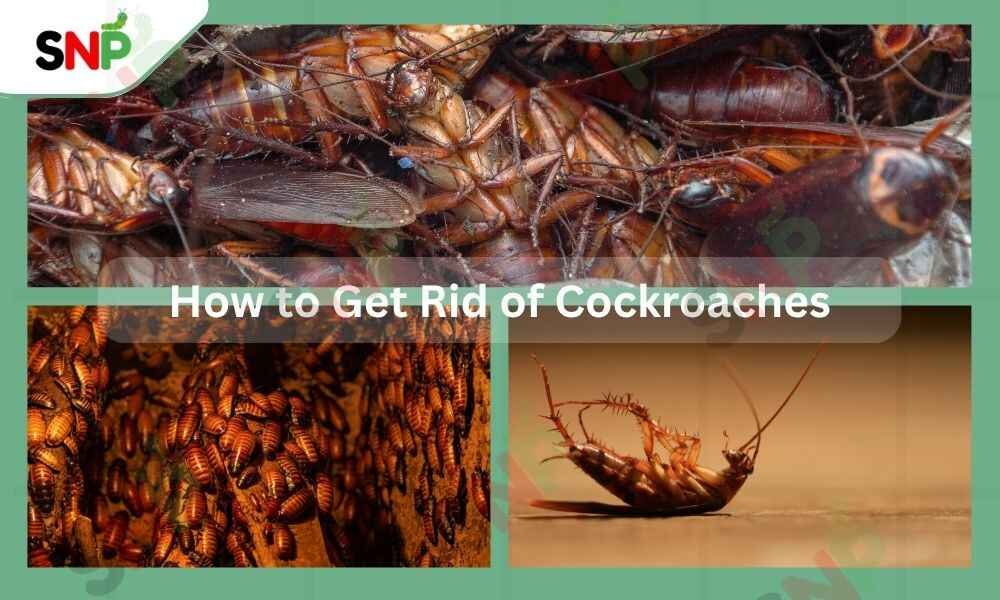
    How to Get Rid of Cockroaches: Effective Tips

    If you’re puzzled about how to get rid of cockroaches, we have these proven strategies:

    Maintain Cleanliness:

    Cockroaches prefer clean areas because their survival depends on food sources, and both water and hidden spaces. Cockroaches can be stopped by instantly wiping up spills while keeping food containers tightly sealed and by making a habit of clearing dishes before nightfall. Always remove litter, including bulk paper or cardboard, because these attract cockroaches.

    Seal Entry Points:

    Caulk and foam sealant need to be applied to doors and windows as well as the areas surrounding pipes, electric lines and vents. The application of this method prevents different Types of Cockroach from entering your house.

    Eliminate Hiding Places:

    Maintaining an open garden space free of wooden and stony materials and cut grass will prevent cockroaches from creating hidden spots in which to rest. Black places which have moisture mark the preferred living areas for cockroaches.

    Use Traps and Baits:

    Placing bait stations or sticky traps at points where cockroaches have been seen represents a successful method of control. Three effective homemade cockroach treatments are sugar combined with baking soda, borax, and diatomaceous earth..

    Address Moisture:

    You must repair leaking pipes, together with ensuring your kitchen and bathroom have sufficient ventilation, because water stands as the main lure for cockroaches, which means they will undoubtedly search for it.

    Professional Pest Control:

    Consider professional pest control services as the most effective solution when the infestation is extreme or the problem continues, since they will eliminate the entire issue.

    The removal of cockroaches requires diligent and simultaneous implementation of multiple methods since different pest species might respond differently to these approaches.

    Conclusion

    To eradicate the cockroaches effectively, they require a structured and strategic approach. The identification Types of Cockroach causing the infestation in your house, correct knowledge of the answer to do cockroaches bite, and immediate removal of the cockroach droppings will help you shield your family from health problems and ensure peace of mind. The knowledge gained from the above-cited methods—from sanitary practices to sealing crevices and using baits for the solution of how to get rid of cockroaches should be advantageously adopted, and in case of any needed help, do not hesitate to engage the services of specialists. With a regular commitment, your house will remain cockroach-free and you will be allowed to lead a peaceful life.”
  • Discover How to Get Rid of Mice Without Losing Your Mind!

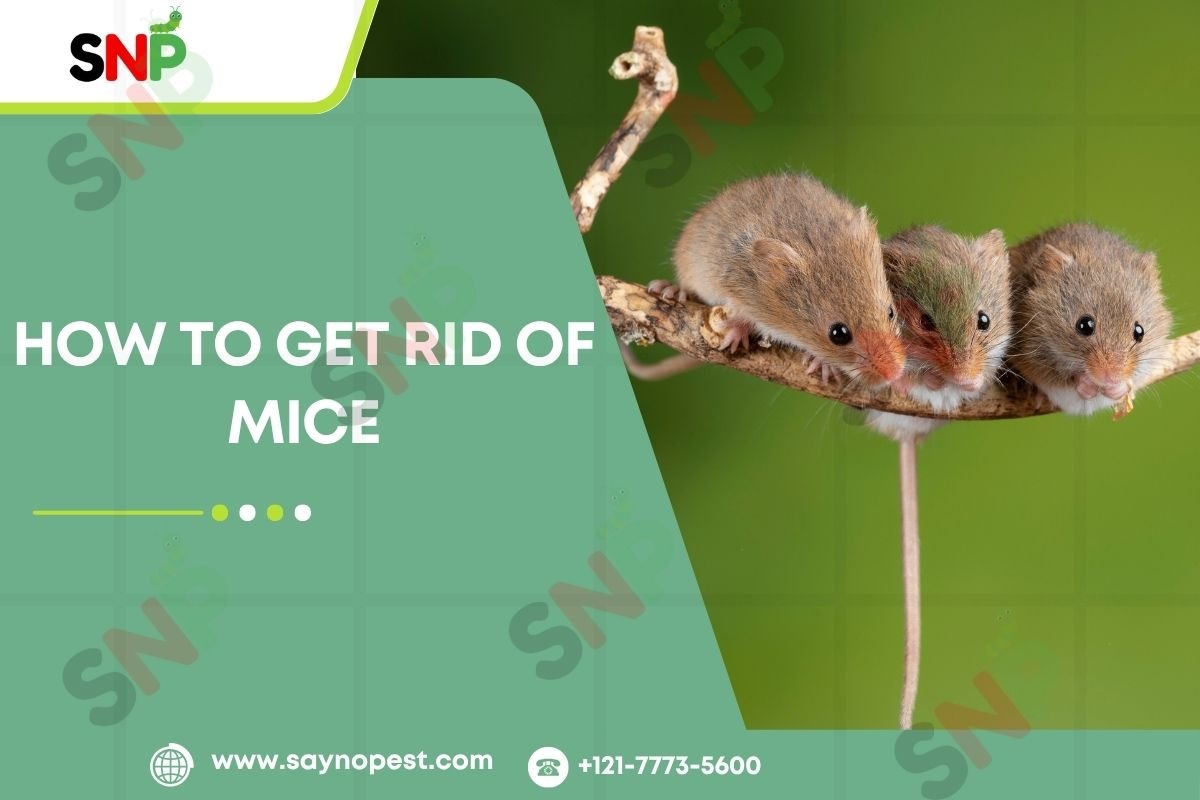
    Discover How to Get Rid of Mice Without Losing Your Mind!

    Mice are are the most common pests everywhere. If you have tried enough and are drained of mice invading your house and want to know how to get rid of mice, you’re at the right place! These small rodents can pollute food and cause health risks. We will cover everything you need to know about mice, their appearance, behaviour, what they eat, whether they bite or not, and more about the best mice control services in the U.S.

    Mice are small animals. They are about 2.5 to 4 inches long, and their tails are just as long as their bodies. They don’t weigh much, their weight is just half an ounce or one ounce. Most house mice are light brown or grey in color. They have big, round ears, a small pointed nose, and long, thin tails covered with tiny hairs.

    Do Mice Bite Humans? Here’s the Truth!

    Mice are not at all violent, but they do bite if they feel scared or harmed.This mostly happens when someone tries to catch or touch a wild mouse. Their front teeth are sharp which can cause damage to the skin, like a small red wound that can hurt.

    The biggest problem is that it can cause an infection. So, if you ever get bitten, make sure to wash the area really well. If the pain, redness, or swelling gets worse, its best to see a doctor.

    How do Mice Behave and What do they Eat-

    Mice wander at night and stay hidden during the day. They’re shy creatures but they easily adjust at new places. They like to stay close to places where they can find food easily.

    They eat both plants and animals. When they are outside, feed on seeds, grains, and fruits. But if they get access to your house, they’ll eat almost anything like crumbs, pet food, and sometimes even things like soap or paper if they can’t find real food.

    Mice eat a lot and by a lot I mean around 15 to 20 times a day, so they make their home near places where food is easy to find and always available.

    Know How to Get Rid of Mice?

    If you’re thinking how to get rid of mice: prevention, trapping, and professional help is often necessary!

    1. Block All Entry Points
      Mice can fit in holes as tiny as a dime! Seal any openings you find like gaps near doors, windows, pipes, and the base of the walls using caulk or anything so mice can’t sneak in.
    2. Use Traps Smartly
      If you’ve signs of mice at your house, traps can help. Snap traps, sticky glue boards, or even live catch traps work well for small problems. Place them where you’ve noticed mouse activity. Use baits like peanut butter, chocolate, or dry fruit instead of bread and other boring stuff.
    3. Cut Off Their Food Supply
      Keep all your food in properly sealed containers. Don’t leave food particles lying around, and take out the trash daily. This way you take away their reason of staying at your house.
    4. Get Rid of Nesting Stuff
      The less cozy stuff they can find, the less likely they’ll settle in.
    5. Try Natural Mouse Repellents
      Some smells can help keep mice away. Peppermint oil and other strong-scented essential oils may work as natural deterrents. Even having a cat can help!

    If you still find these tiny invaders at your house, professional mice control services are recommended.

    How To Get Rid of Mice at Your Place?

    How-To-Get-Rid-of-Mice

    If home remedies aren’t working, take professional help. Here’s what typically happens when you call in the pros:

    1. Home Inspection
      First, they carefully inspect your home and look for the signs of mouse activity at your place such as droppings, nests, or chewed wires and then they figure out how the mice are getting inside.
    2. Sealing the Gaps
      Once they find the entry points, they’ll seal all the holes or cracks using materials mice can’t chew through. This helps stop new mice from getting in.
    3. Trapping and Removing Mice
      In the following step, they’ll place traps in smart spots, especially where mice travel or hide.
    4. Using Bait Stations Safely
      In bigger mice infestations, professionals may use special bait boxes with rodent poison. These are designed in a way that kids and pets can’t get into them.
    5. Fumigation (Only If Needed)
      In really bad cases, a full-home fumigation might be used, but this is rare and usually the very last option.
    6. Follow-Up Visits
      Most pest control companies don’t just treat once and leave. They come back for follow-up checks to make sure the mice are really gone and nothing new has popped up.

    Professional mice control services are effective because they ensure long-term results.

    Mice Control Services in the U.S.

    When choosing a company to help you get rid of mice, here are some things they should offer:

    • Thorough Home Checks
    • Personalized Treatment Plans
    • Safe and Kind Techniques
    • Prevention Tips
    • Follow-Up Visits

    Reputable mice control services will help you get rid of mice quickly and prevent future infestations.

    Final thoughts on Taking Care of a Mouse Problem

    Mice at your home? Yes it can be frustrating and if the problem feels bigger than you can handle, don’t wait to call a professional pest control service. These experts do more than just remove the mice. They also help you stop them from coming back.

  • Flying Termites : They Ultimate Guide – 2025

    Flying Termites : They Ultimate Guide – 2025

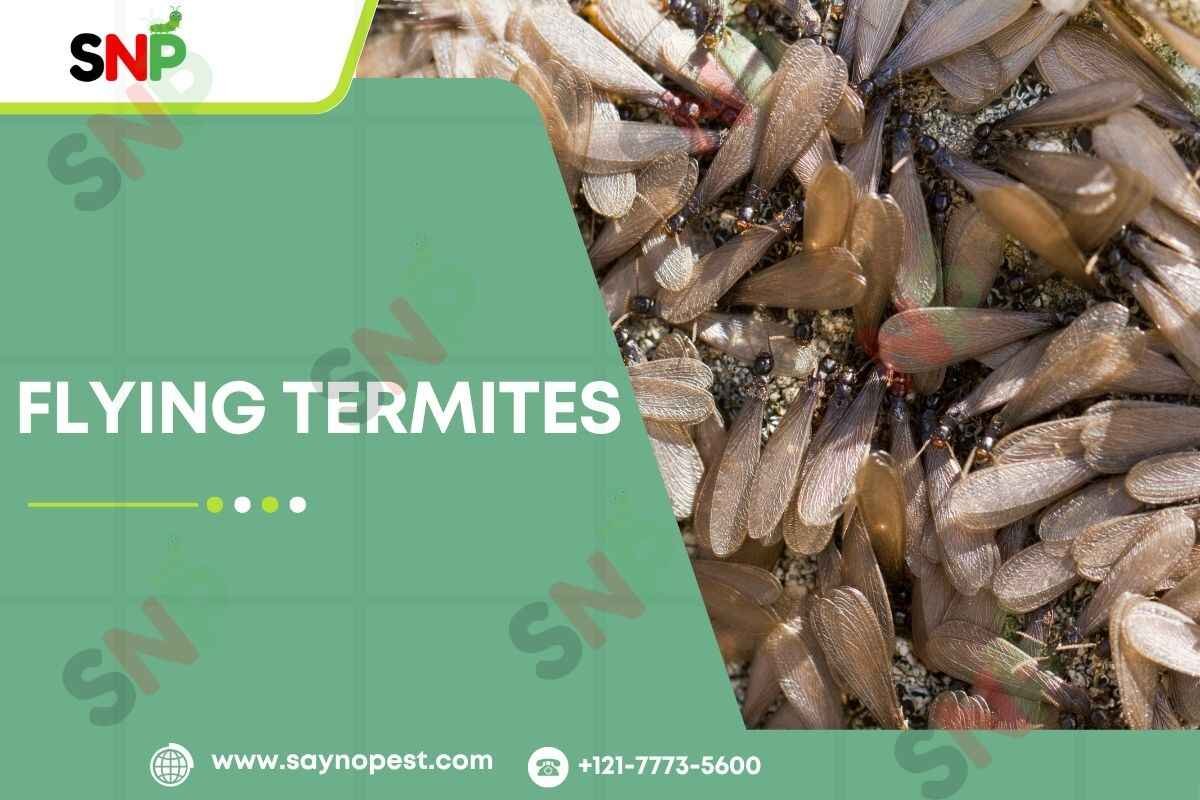
    If you have ever come across a sudden, very big number of winged insects around your home, especially after a rainy period, it is possible you have met the flying termites. These pests are not only annoying but also a warning marker of the possible termite infestation that may cause severe destruction of your property. In the following thorough guide, we have gathered information for the American homeowners to educate them on the subject of flying termites from the very beginning, which includes their behaviour and diet, the reason for their sudden appearance, and the ways of how to get rid of flying termites and distinguishing them from flying ants vs termites.

    What Do Flying Termites Look Like?

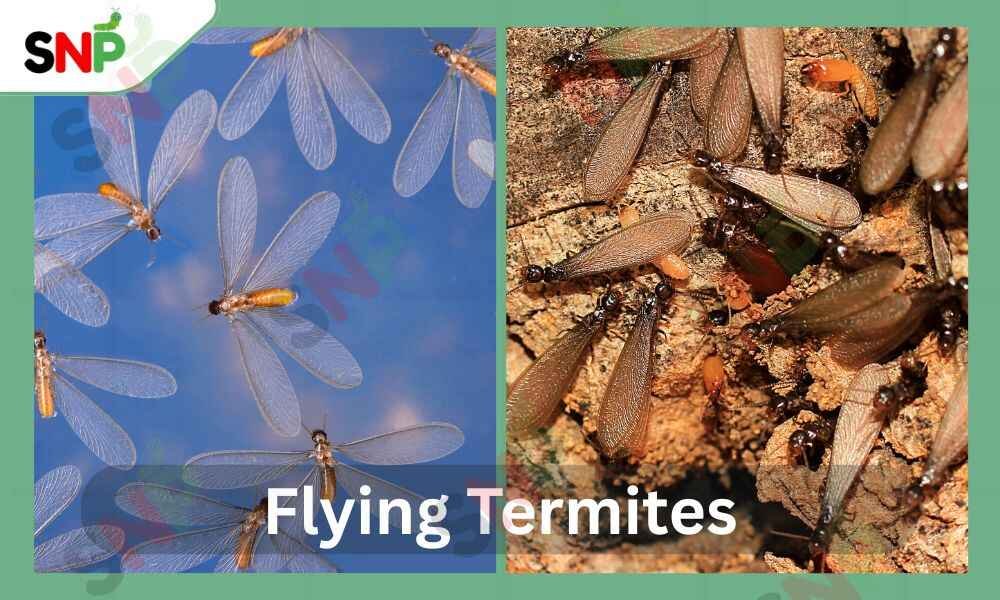
    Flying termites are also referred to as “alates” or “swarmers.” They are the sexually productive members of the termite colony. The following are the characteristics by which you may recognize them:

    Size

    The majority of flying termites are in the range from 1/4 to 3/8 inches long.

    Color

    Either light brown, dark brown, or black is the general color range of flying termites, although there are differences in species. Moisture retention during their brief outside life is one of the purposes of the darker colour.

    Wings

    What makes flying termites mostly different is their two sets of long, equal-sized, transparent wings. These wings are longer than their body and have visible veins, which distinguishes them from other insects.

    Body Shape

    Definitely not ants, flying termites have a thick and straight body without a waist, which is the main difference.

    Antennae

    They have straight and bead-like antennae, which are not bent like ants.

    Behaviour

    When the weather is warm and humid, flying termites typically come out in the open. The majority of termite swarmings, known as Termite Swarm occur after rainy conditions during springtime or initial summertime flight periods. The nuptial flight defines the mating event when termites secure their mates for colony establishment. They are generally strongly attracted to light and often surrounded by lamps and windows. After mating, their wings drop, and thereafter, they look for a place that is more secure to start a family.

    Diet

    Worker termites, unlike their counterparts who fly, do not eat wood. The sole reason for them is to multiply. When they become the king of a fresh colony, their offspring will feed on cellulose materials like wood, paper, cardboard, leaves, and even roots. This is the reason why a group of these flying insects is a warning signal: it suggests that there is a mature colony in the vicinity, and a new infestation may begin.

    How-to-Get-Rid-of-Flying-Termites

    How to Get Rid of Flying Termites

    If you see flying termites inside your home or close to it, quick, decisive action is a must. Here is what can be done to get rid of flying termites:

    Seal Entry Points

    You should seal entry points with caulk along with installing weatherproof seals and attaching mesh screens to windows in order to stop termites from getting into your house.

    Reduce Moisture

    Termites find their optimal environment when an area remains moist. Ideal house ventilation combined with moisture control and leak repair operations will keep pests away from your home.

    Remove Food Sources

    Remove all wood material sources because you should get rid of wooden debris and old furniture items, cardboard boxes alongside dead leaves from your outdoor spaces.

    Direct Treatments

    You can apply boric acid or orange oil to the places that are affected by termites. Both of these are natural solutions and kill termites on the spot.

    Use Nematodes

    By being placed within the soil, these worms will perform the job of attacking and exterminating termite colonies naturally.

    Install Bug Zappers

    Bug zappers are devices which are able to catch insects by luring them with light. Utilizing bug zappers can be one of the approaches to decrease the number of flying termites when swarming events.

    Professional Pest Control

    For extensive termite infestations, certified pest control companies carry out various anti-termite treatments, e.g., liquid termiticides (fipronil, imidacloprid, bifenthrin) or baiting systems, offering not only long-term protection but also total colony removal.
    Your first line of defence is regular termite inspections and preventive maintenance.

    Why-Do-Flying-Termites-Suddenly-Appear

    Why Do Flying Termites Suddenly Appear?

    Termites fly suddenly because of specific environmental conditions, mainly including high levels of warmth and moisture that commonly appear after rainfall. In general terms, these conditions are telling the mature colonies that the right time has come to let the reproductive alates swarm, mate, and start new colonies. It typically occurs once a year and takes only between 30 and 60 minutes, but it can recur for several days, provided that the conditions are still favourable.

    The moment that flying termites come into your eyesight unexpectedly is a sure sign that a neighboring colony has now reached a mature state and is actually thinking of extending its zone. Listen carefully! This is a red alert, not a mere stop sign for homeowners. The appearance of swarmers is likely to reveal the fact that the wood surrounding the house has already been attacked by worker termites.

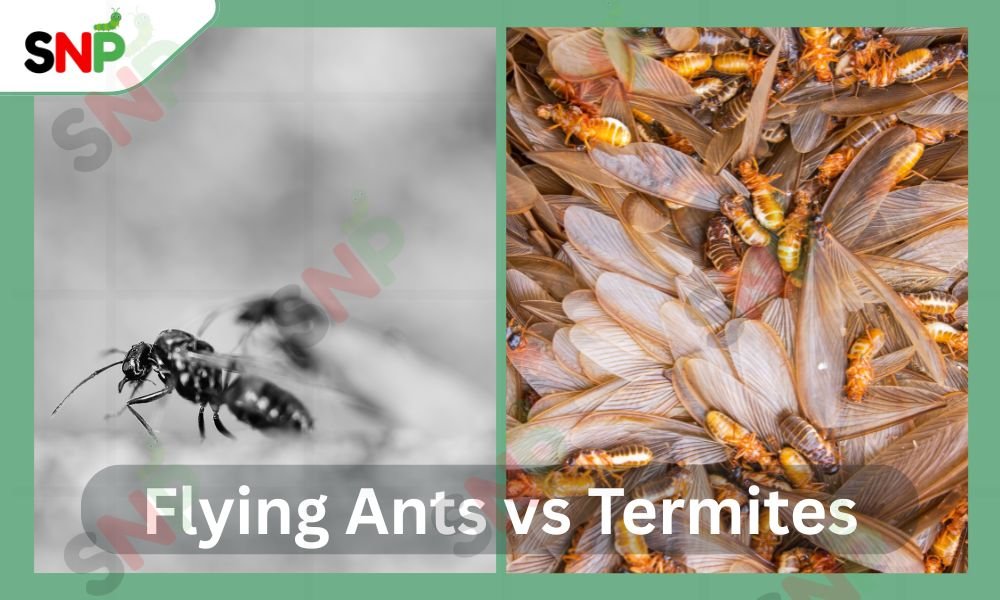
    Flying Ants vs Termites

    Flight Mating termites are highly required for the survival and increase of the termite colony, but, unfortunately, they are going to lead to the extension of a new one when they are ready to leave.

    Most homeowners mistake flying termite specimens for flying ants but need proper identification of these creatures. The proper control of both winged termites and flying ants requires accurate identification since their respective pesticides represent potential dangers to each other. Flying termites only eat their way through wood and are not good for anything else, while flying ants are free of wood and are not truncated to such a state and are the biggest destroyer of them. Flies are responsible for the pollination of plants and flowers. Insects and birds also participate in transporting pollen between the stamen (male) and the pistil

  • Subterranean Termites: The Hidden Threat Beneath Your Home

    Subterranean Termites: The Hidden Threat Beneath Your Home

    If you’re a property owner or manager in the United States, knowing what subterranean termites are can be a vital tool in the protection of your investment. These cunning insects are the top American termite species causing the most harm to buildings each year, which is the leading cause of property damage. This post will focus on the subject of subterranean termites, their appearance, their habitat, the signs of their existence, the harm they cause, and the most effective termite treatment options available in detail.

    What Do Subterranean Termites Look Like?

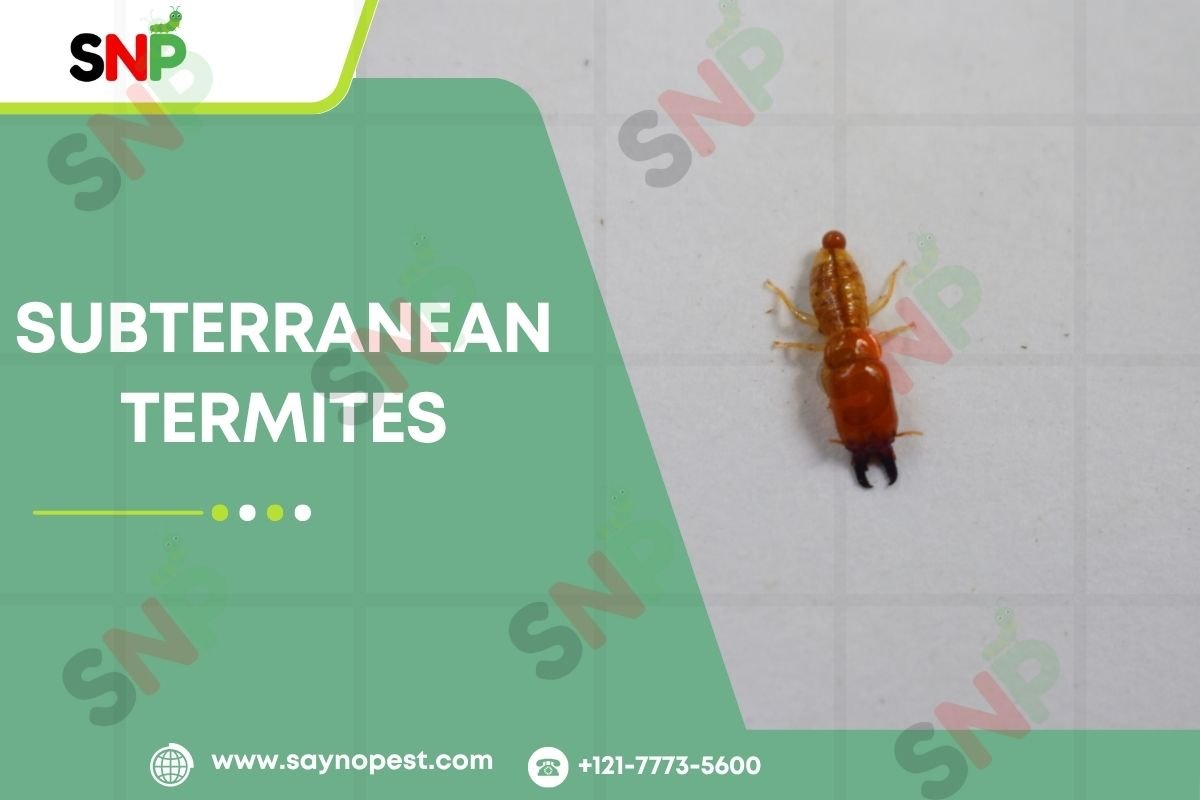
    Subterranean termites are insects that live in groups, and the groups are divided into three parts, each of which has its form required by the work, thus can be recognised by it. The three parts, also called castes, are workers, soldiers, and reproductives, and all of them have a different job to do.

    Workers

    These have a length of 1/8 to 3/8 inches, are creamy white to transparent, soft-bodied, and without wings. Most of the time, they are the most abundant and are responsible for the feeding of the nest and the collection of the eggs.

    Soldiers

    This group is oversized and small as workers, but they have large, dark brown heads and terrible mandibles (jaws) to protect the group. Their bodies are still cream-colored.

    Reproductives (Alates/Swarmers)

    The colour ranges from dark brown to black, the length of 1/4-1/2 inch, straight antennae, and two pairs of wings equally long and dusty white. They are similar to the flying ants, but the uniform wings and straight antennae make them different from each other.

    Termite Queen

    Termite Queen remains the dominant termite population member through daily egg production of 2,000 and a lifespan reaching up to 25 years. You can seldom detect this essential female as she maintains her position deep in the nest, but her presence drives the growth of the community.

    SUBTERRANEAN-TERMITE

    Habitat: Where Do Subterranean Termites Live?

    To exist, subterranean termites are dependent on moisture so that the colonies they make can be found beneath the earth’s surface or in areas above the ground that are dark and humid/have a lot of moisture. They can be in any U.S. state except Alaska and are particularly abundant in warmer and wetter regions. It’s known that the colonies are positioned 5 to 10 inches below the surface, with the cluster reaching up to 2 million members.

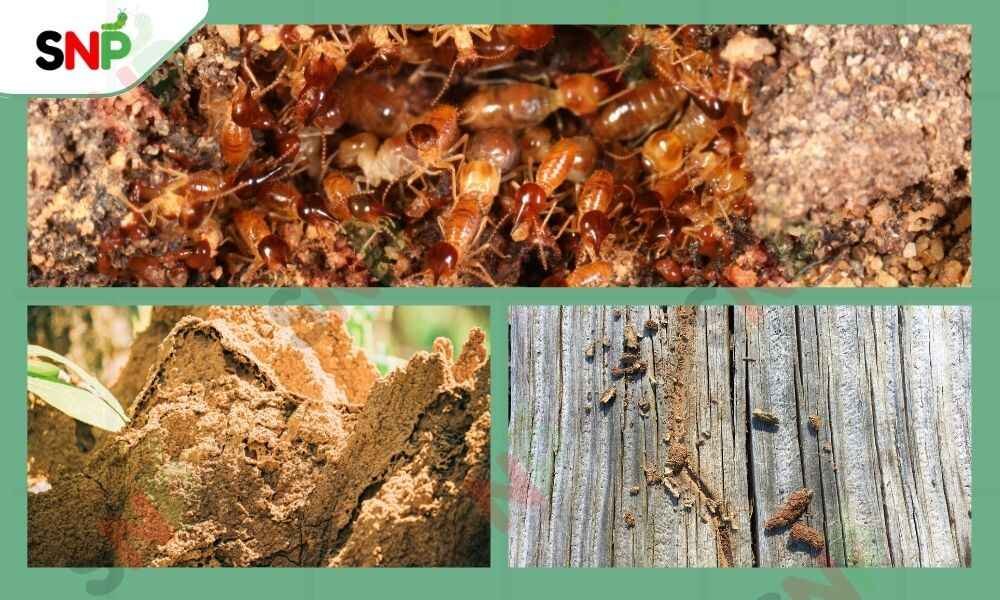
    Subterranean termites establish horizontal mud tunnels as pathways to their nutrition sources through a combination of their saliva and soil material. The tubes function effectively for two purposes because they serve both as predator protection and moisture preservation in arid conditions.

    What Do Subterranean Termites Eat?

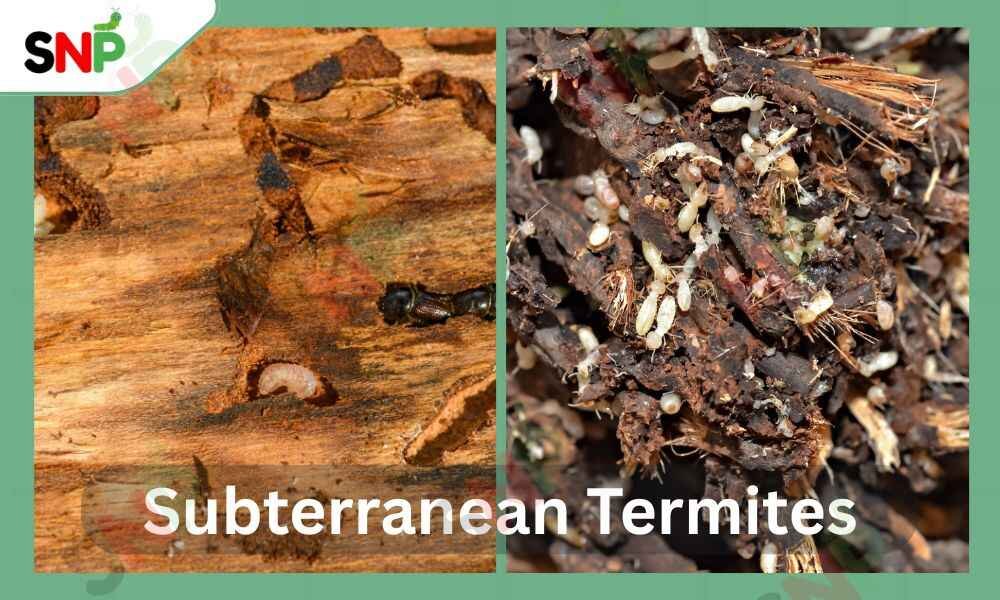
    Cellulose is the main component of the major because of which they consume a variety of things, including wood, paper, fiberboard, and fabrics made of plant fibres. They eat along the wood grain and are more comfortable with sapwood; they leave behind a layer of as little as hardwood. With cellulose-digesting protozoa in their gut, they are very efficient wood plagues.

    Subterranean Termite Signs: How to Spot an Infestation

    The sooner you discover the problem, the less harm is done. Watch out for such subterranean termite signs (here are the main signs):

    • Mud Tubes: These are the most visible signs of termites because they are pencil-width and muddy tubes that you can see on the foundations, walls, or crawl spaces.
    • Swarmers and Discarded Wings: Winged termites (alates) show up in spring and summer. Old wings on or near windowsills, doors, or vents are a typical sign of a termite infestation.
    • Hollow-Sounding Wood: Simply tap on the wood; if it sounds dull or hollow, it is most likely that the termites have eaten the inside and only left a thin layer.
    • Buckling Floors or Bubbling Paint: Wood that affected by termites causes the surface paint to blister or the wooden floors to warp.
    • Frass (Termite Droppings): Small piles of frass or hollow material near tubes or sheds.

    Once you encounter these or any of the above subterranean termite signs, you should initiated to prompt action.

    Damage Caused by Subterranean

    Subterranean termites in North America account for 95% of the total termite damage, estimated to be about $2 billion annually. The presence of wood moisture already establishes termite feeding. Even a small colony can cause $2.3 feet of 2×4 board to disappear; hence, the wood quickly gets destroyed. The accumulated effect of this is gradual wood deterioration of the following kinds:

    • Beams, floors, and walls’ structural weakening
    • Buildings that collapsed or are extremely unsafe
    • Repairs that cost a lot and decrease the property value.

    The main reason damage caused by Subterranean termites gets so serious is due to the fact that it is often impossible to notice the damage until it has reached a critical level.

    TERMITE-QUEEN

    Subterranean Termite Treatment: How to Protect Your Home

    Fast and efficient pest control services for termite treatment are of utmost importance for eradicating the menace of subterranean termites. The most efficient methods include:

    • Thorough Inspection by Professionals: Certified pest control technicians use sophisticated technology to find hidden infestations and then suggest suitable termite treatment.
    • Baiting: A new smart bait system, e.g., Sentricon, baits the termites to poison bait, eliminating their base and source of the colony. This is the most efficient of all termite treatment methods, as it offers continuous protection.
    • Liquid Termiticides: Pressurised chemicals in Liquid Termiticides create barriers in foundation soil where they eliminate or deter. Termites that may attack your property.
    • Dehumidification: Your house should remain safe for subterranean termites through indoor humidity control and drainage system improvements, and pipe leak repairs.
    • Soil-to-Wood Contact: Your house foundation should maintain a separation from moisture-containing materials, such as mulch, along with firewood and non-treated wood.

    Proactive detection and regular maintenance are the most efficiently against termite treatment of termites. In the event that you identify any signs of subterranean termites. Do not hesitate and turn immediately to a professional termite treatment service.

    Conclusion

    Subterranean termites are an invisible yet the greatest enemy of residences and companies throughout the United States. Knowing how they look, being aware of their life. Being cautious if there are any termite signs. Using the services of a professional exterminator are the steps you can take to avoid the termites from causing harm. It is important to note that there is always a termite queen working in the termite colony to enlarge the place of living and as a result. Do not let your house be her next target!

  • Flying Ants vs Termites: How to Identify and Eliminate These Pests

    Flying Ants vs Termites: How to Identify and Eliminate These Pests

    The presence of flying insects indoors is disturbing to householders who must determine between flying ants vs termites infestations. These pests have noticeable differences between them despite their initial visual similarity. Knowledge about the differences between these pests becomes essential because termites inflict serious damage to house structures. At SayNoPest, we provide you with all the authentic information about the Flying ants vs termites and help you to make the right choice for choosing the Pest control professional by comparing their service quality, Best seller service, best feature, and many more.

    Physical Differences Between Flying Ants and Termites

    flying-ants-vs-termites

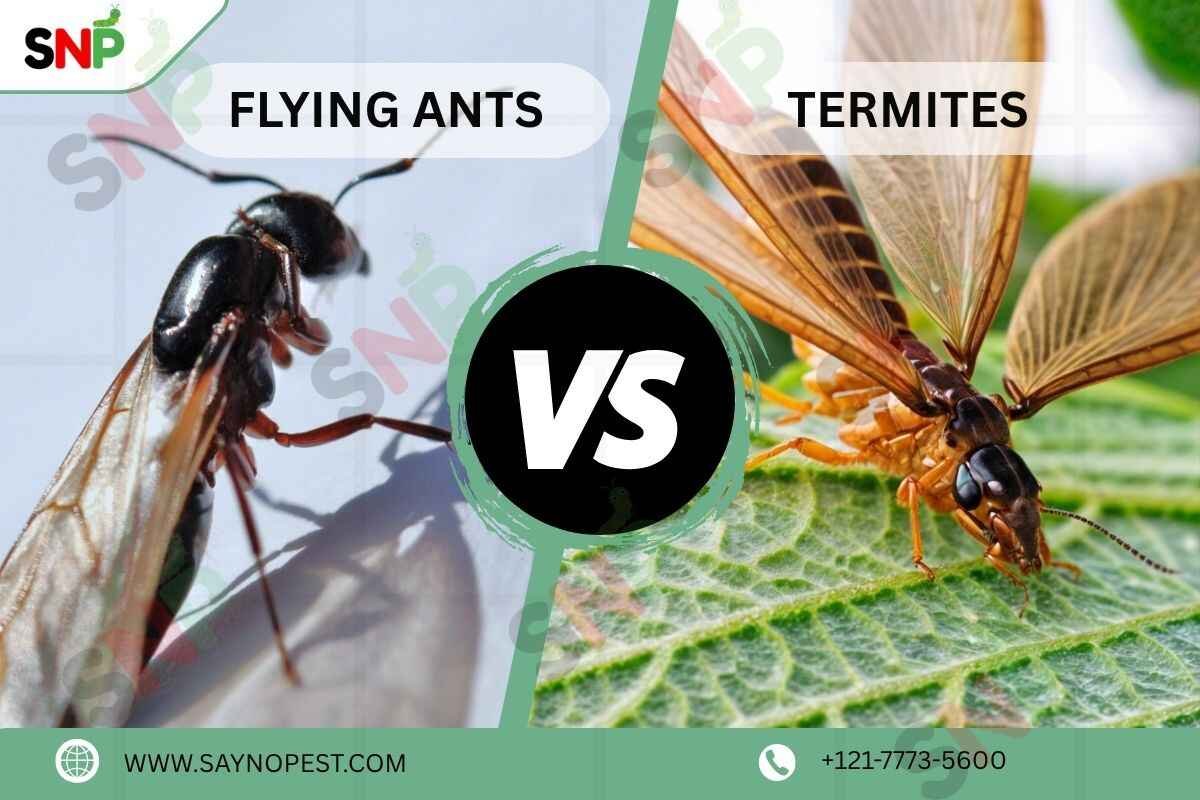
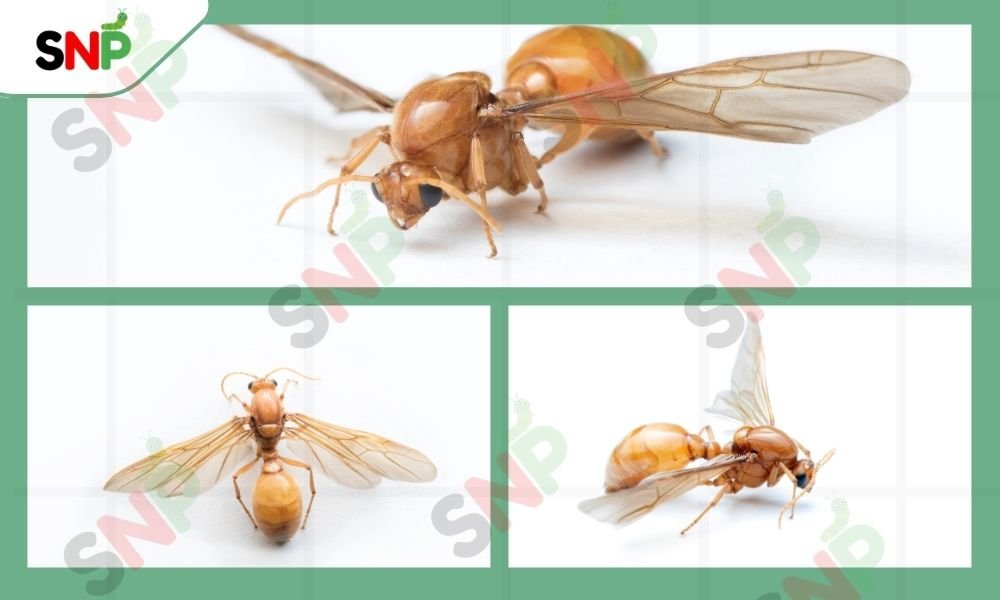
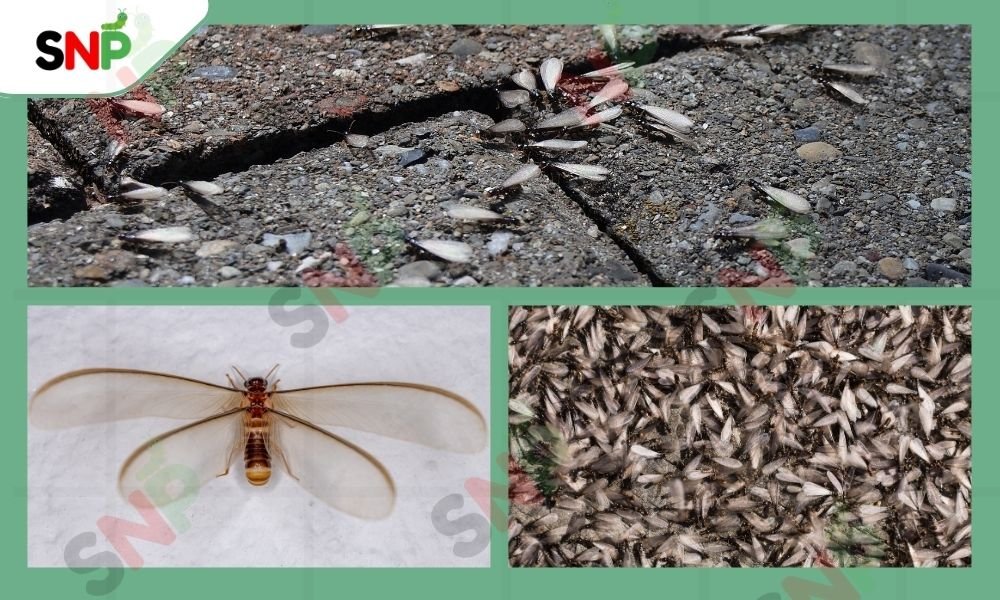
    When comparing flying ants vs termites with wings, look for these key physical differences:

    Body Structure

    • Ants: Their body is divided into segmented with a narrow waist, giving them an hourglass look.
    • Termites: On the other hand termites have a broad waist with a wider body shape

    Antennae

    • Ants: They have bent or “elbowed” antennae
    • Termites: Termites consist of straight antennae

    Wings

    Flying ants vs termites wings differ significantly. Ants have two pairs of brownish wings, with the front pair noticeably larger than the hind pair
    Termites have two pairs of wings that are equal in length and typically translucent

    Color

    • Ants: Commonly appear black, brown, or reddish
    • Termites: Usually black or dark brown in color

    A fly ant bite may cause minor irritation, while termites don’t typically bite humans but destroy wood instead. These wood munchers can cause a heavy loss of property. Identifying whether you’re dealing with flying ants vs termites is the first step toward proper treatment. When you know the correct difference, you can easily kick them out of your house.

    Life Cycle of Insects

    The development of both ants and termites reflects the variances that constitute the life cycle of an insect.

    flying-ants
    • Ants: Experience full metamorphosis, which consists of four stages: egg, larva, pupa, and imago.
    • Termites: Are in the process of incomplete metamorphosis, in which there are three stages: egg, nymph, and adult – no pupal stage.

    Usually, the lifespan of a worker ant is only 6-8 weeks, whereas the termite queen can last up to several decades. After the mating process, male flying ants expire while females lose their wings to start new colonies. In the case of termites, both females and males remain alive after copulation in order to generate new colonies.

    What is noteworthy about a termite queen is that she may continue to lay eggs for many years and thus run a colony.

    Diet Differences

    A look at what these insects eat makes it clear why termites are causing the most damage:

    • Ants: Eat a variety of foods. Ants feed primarily on nectar, together with seeds and insects, while they also consume abandoned human food.
    • Termites: The diet of termites depends on cellulose, which can be found in wood as well as paper, alongside plants.

    The protective nature of flying ants toward their food supply probably explains their attacks because they normally avoid biting humans. The prime concern of a particular group of ants is the selection and inhabitation of a proper place, although these ants do not consume the wood part as their termite counterparts do.

    Signs of Infestation

    Look for these telltale signs when distinguishing between flying ants vs termites:

    flying-termite

    Termites:

    • Discarded wings in high concentrations
    • Mud tubes on exterior walls
    • Hollow-sounding wood
    • Visible damage to wooden structures

    Flying Ants:

    • Presence around food sources
    • Visible ant trails
    • Small piles of wood shavings (for carpenter ants)
    • Less likely to discard wings in large numbers

    How to Get Rid of Flying Ants vs Termites

    There are different methods for Flying ants vs termites control:

    Flying Ant Control

    • Clean up food spills and crumbs promptly
    • Seal entry points around your home
    • Use a vacuum to remove visible ants
    • Apply appropriate insecticides or bait stations
    • Though a fly ant bite seldom causes anything serious, it is better to prevent the infestation to avoid future bites.

    Termite Control

    • Create a chemical barrier around your property.
    • Use termite bait systems to remove the colony, which include the termite queen.
    • Consider professional treatment for established infestations
    • Remove wood debris near your home’s foundation.

    A professional pest control service offers the most efficient solution to differentiate between flying ants vs termites. It particularly stands out in dealing with termite infestations, which present a structural threat to buildings.

    Your first line of defence that you should count on would be periodic examinations and precautionary actions, which are the best way to shield you against both ants and termites. If you are well informed about the characteristics of the pests, you can ensure the security of your house and family, and at the same time, you can prevent costly damage.

  • Discover What Cranberry Field Spiders Are?

    Discover What Cranberry Field Spiders Are?

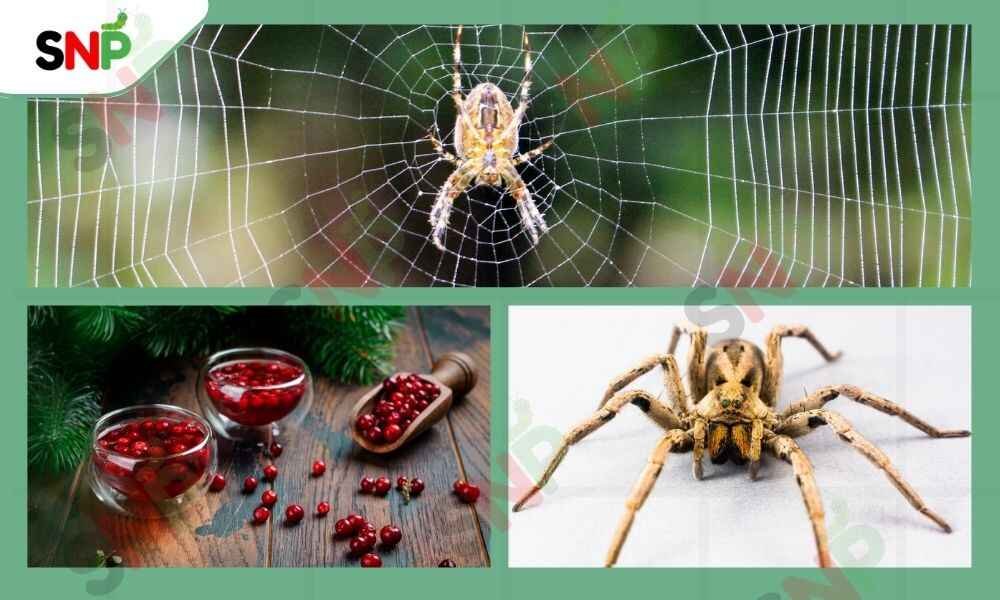
    Cranberry fields throughout the United States are not only a stunning location for people, but they are also full of life, as many unique animals live there. One of the most extraordinary interactions of these ecosystems belongs to the group of cranberry field spiders that, through a variety of their species, help the system to stay healthy and productive. So, now if you feel like acquainting yourself with the cranberry spiders, then follow me as I unveil their mysteries and reveal why they are a headache for but also a boon to farmers.

    Cranberry Fields: The Perfect Spider Habitat

    The specific habitat type known as cranberry bogs exists as specialized wetlands that combine acidic peaty soils with flood events. The harsh but well-endowed environment of cranberry fields serves to support many forms of wildlife, along with the adaptable cranberry field spiders. The combination of cranberry vine density with high humidity and variable water schedules creates an environment where spiders as well as amphibians and insects, easily find shelter while hunting for food.

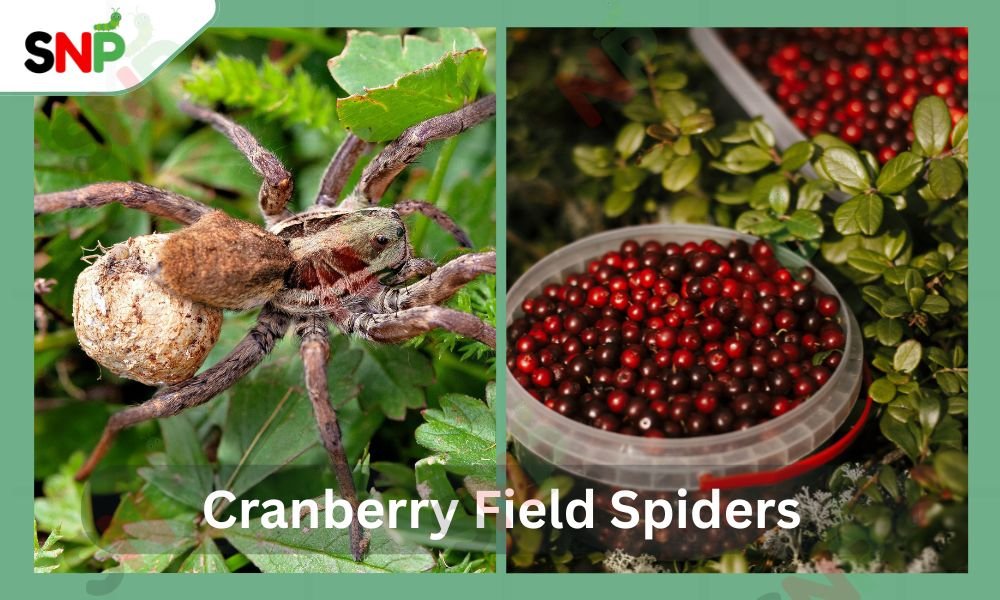
    CRANBERRY-SPIDER

    Appearance: How Do Cranberry Field Spiders Look?

    The name cranberry field spiders is a more general term used to refer to spiders of different families, each with distinct looks:

    1. Wolf Spiders: Wolf spiders are a commonly visible kind with enormous, firm, and hairy bodies. They possess eight eyes arranged in three rows and are usually brown with dark stripes. Their quick movements and sharp eyesight make them skillful hunters.
    2. Crab Spiders: Crab spiders possess words which clearly do not match their actual significance, as the spiders possess distinct deceptive qualities. The body of Crab Spiders shifts color to blend with its environment, and its back legs remain shorter than its front walking legs, which creates a crab-like form.
    3. Orb Weaver Spiders: The Main quality of Orb Weaver Spiders consists of colorful, multi-colored bodies combined with the artful webs stretching across cranberry plant territory.
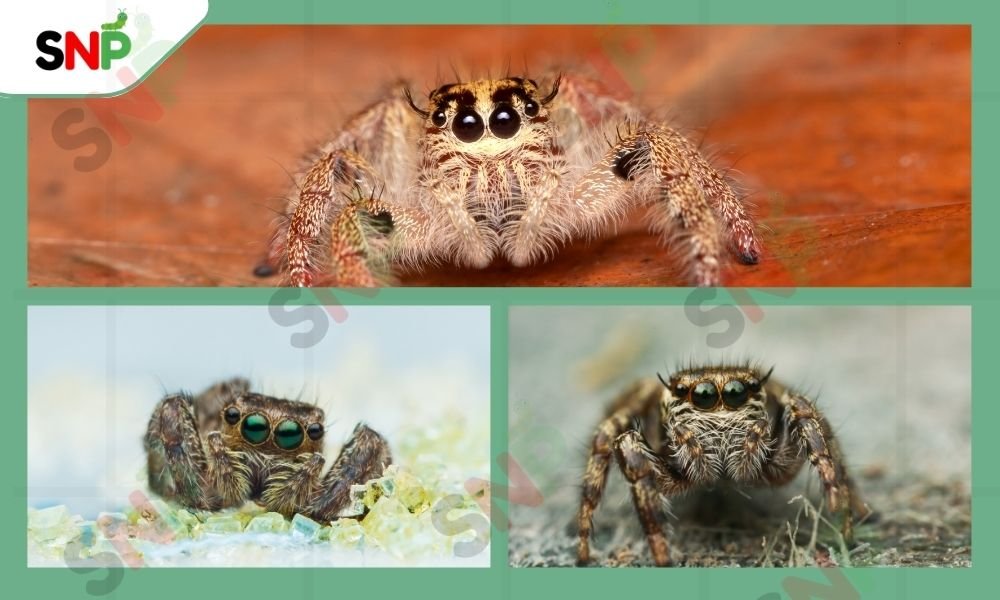
    4. Jumping Spiders: Jumping spiders exhibit small size along with agile behavior and shiny appearance, coupled with their large anterior eyes, which result in a curious appearance.

    In all cases, cranberry spiders are creatures that are most suitable for living in the wet, solid, and ever-changing space of the cranberry bogs.

    Spotlight: Cranberry Bog Spiders and Cranberry Wolf Spiders

    Cranberry bog spiders are the popular scientific name for spiders that make their habitat in the wet, peaty region of cranberry cultivation. The bog-adapted creatures function as biological control agents while eating insects that damage cranberry crops, but they cannot be classified as one specific species.

    Among them, cranberry wolf spiders (family Lycosidae). They are the most outstanding. These agile predators do not weave webs but actively move around while searching for prey, such as cutworms, fruitworms, and weevils. Their preference for humid, water-rich environments makes cranberry bogs their ultimate sanctuary. It is worth mentioning that during the wet harvest, Cranberry wolf spiders might even run on top of the floating cranberries to escape the rising water- a scene that the fieldworkers cannot forget easily.

    Although cranberry wolf spiders are not a threat to humans, their size and looks sometimes cause fear in people. The fact that they can control the number of pests, on the other hand, makes them a green option as opposed to using chemicals.

    Pros and Cons of Cranberry Field Spiders

    CRANBERRY-SPIDER

    Cranberry field spiders have some pros and cons, which we are discussing here to help you know more about these Cranberry spiders. Let’s discuss

    🕷️ Pros of Cranberry Field Spiders

    • Nature’s Tiny Pest Patrol: Tiny spiders from Nature operate as biological pest-control agents that feed on insects that harm cranberry fields without requiring synthetic chemicals.
    • Boosts Biodiversity: The environment benefits from biodiversity when these spiders inhabit bogs because they promote a balanced ecosystem which supports various advantageous species.
    • Budget-Friendly Bug Busters: Why spend on pesticides when spiders work for free? They offer a sustainable and cost-effective solution to pest control.
    • Crop Guardians: By keeping harmful pests in check, they help maintain healthier crops and can even lead to better harvest yields.

    🕸️ Cons of Cranberry Field Spiders

    Creepy-Crawly Concerns: Their appearance and numbers can be intimidating for workers and visitors—arachnophobia, anyone?
    • Pesticide-Sensitive Allies: Overuse of chemicals or major habitat disruptions can harm spider populations, reducing their effectiveness as natural pest control.
    Unexpected House Guests: Occasionally, some spiders may wander into nearby homes, sparking a few startled reactions from residents. This may cause trouble.
    • Bite Risk (Barely!): Species like wolf spiders can bite if provoked, but relax, their bites are generally harmless and not dangerous to humans.

    Conclusion

    The field of cranberry spiders is a perfect illustration of nature’s capability. Other than that, they are not just pests, but they are creatures of great importance in the process of getting rid of pests, as cranberry bog spiders are a perfect example of this fact with regard to this process and assistant to cranberry wolf spiders as a perfect example of this fact as they are the ones who never get tired from this work.
    If you are a fan of the natural pest control system performed by fields of cranberry spiders, and you are the type of person who doesn’t want to share your home with the 8-leg guests, don’t worry, effective and natural pest control products are only a click away. Here at SayNoPest, we help you get all this information in one place with authentic information.

  • Most Common House Spiders in the United States

    Most Common House Spiders in the United States

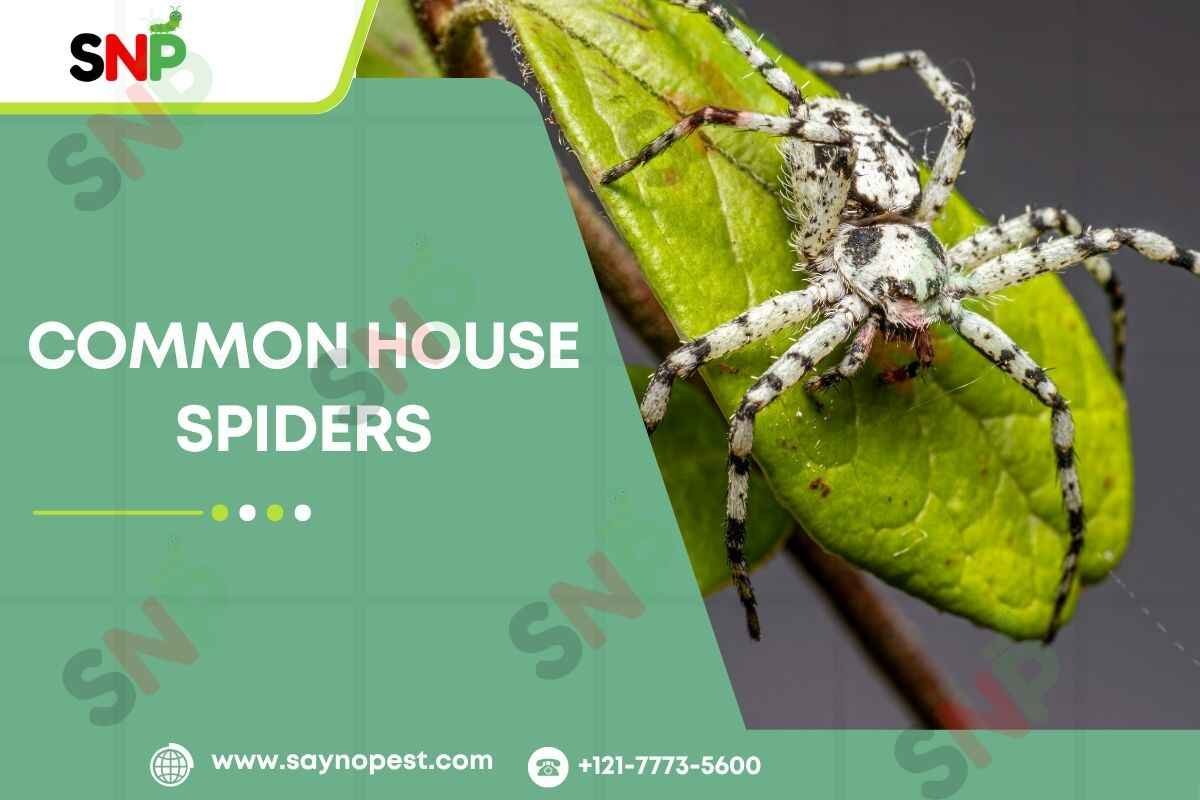
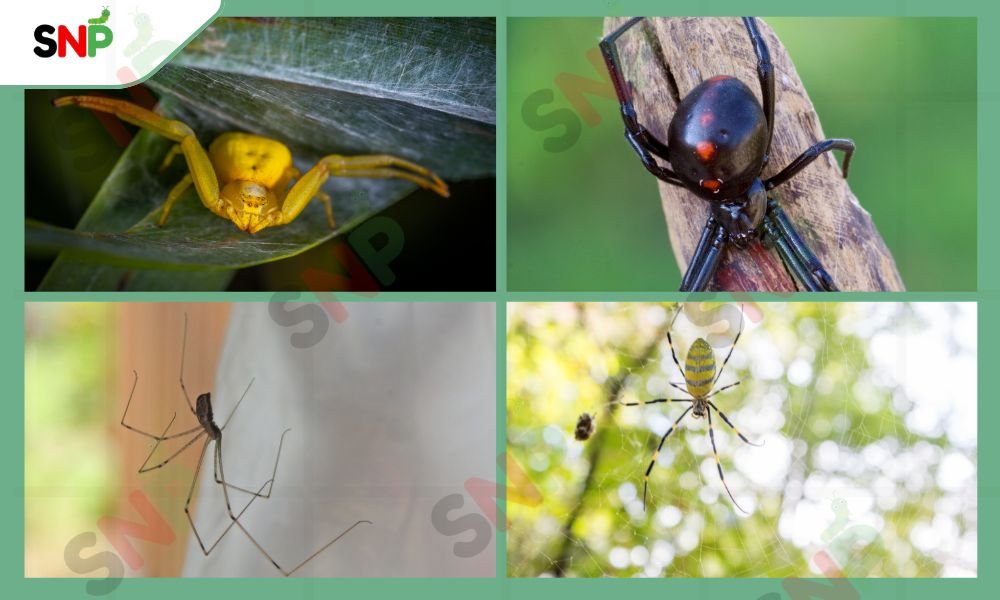
    House spiders are the most common insect we find inside our homes. If you have ever seen their web in one of the corners of your room or suddenly felt something quickly moving across your floor, you are not alone. These common house spiders are almost always found in American households. Even though it may be pretty surprising to see them around, many of them are harmless and help the house cleaners do their job. In this blog post, we will introduce the 10 most common house spiders, including the Wolf Spider, the giant house spider, the jumping Spiders, and the camera-shy wood spider. We will mention their appearance, size, colour, and hiding places we’ll answer the most critical question: Do house spiders bite?

    Common House Spiders

    Here are the most frequently encountered common house spiders in the United States:

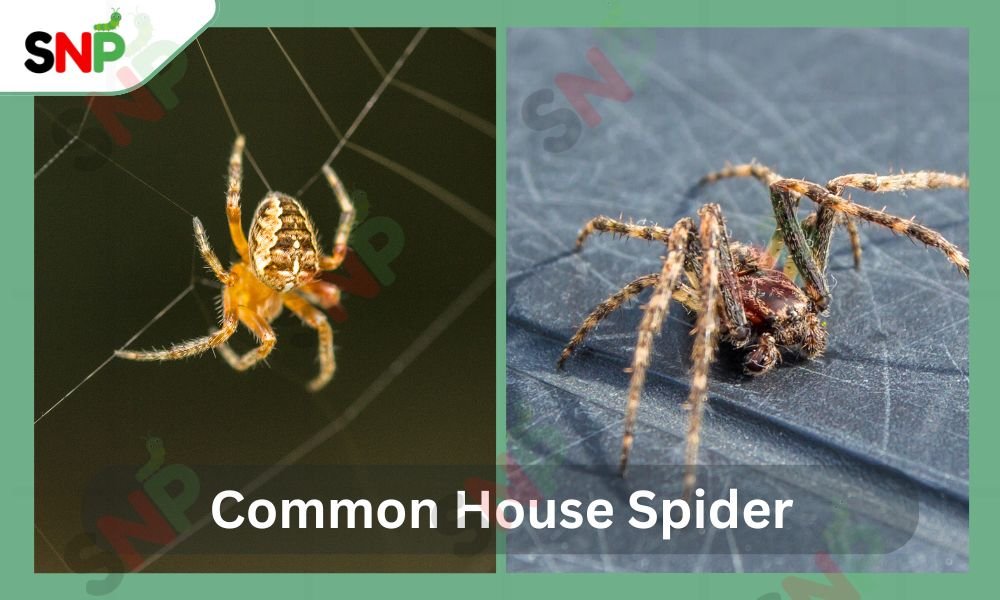
    1. American House Spider

    • Appearance: Small, with a round abdomen.
    • Colour: These spiders have a Dull brown appearance. Male spiders show yellow leg segments, while female spiders show orange leg segments.
    • Size: About 1/8″ to 5/16″.
    • Where Found: They are found in the  Corners, under cabinets, basements, and garages. American House spiders are the most common house spiders and are harmless.
    common-house-spider

    2. Wolf Spider

    • Appearance: Hairy and robust, often mistaken for tarantulas.
    • Colour: Grey, brown, or black.
    • Size:  These can grow up to 1.5 inches.
    • Where Found: Wolf Spider often found in Garages, basements, sheds, and under debris. They are active hunters and rarely spin webs.

    3. Black Widow

    • Appearance:  Black Widow displays a body in shiny black with visually striking red markings located on its abdominal areas.
    • Colour:  These spiders display a black body with red markings on their surface.
    • Size: 1/4″ to 1/3″.
    • Where Found: Typical Locations for this species include dark areas, grassy regions, mail containers and storage facilities.

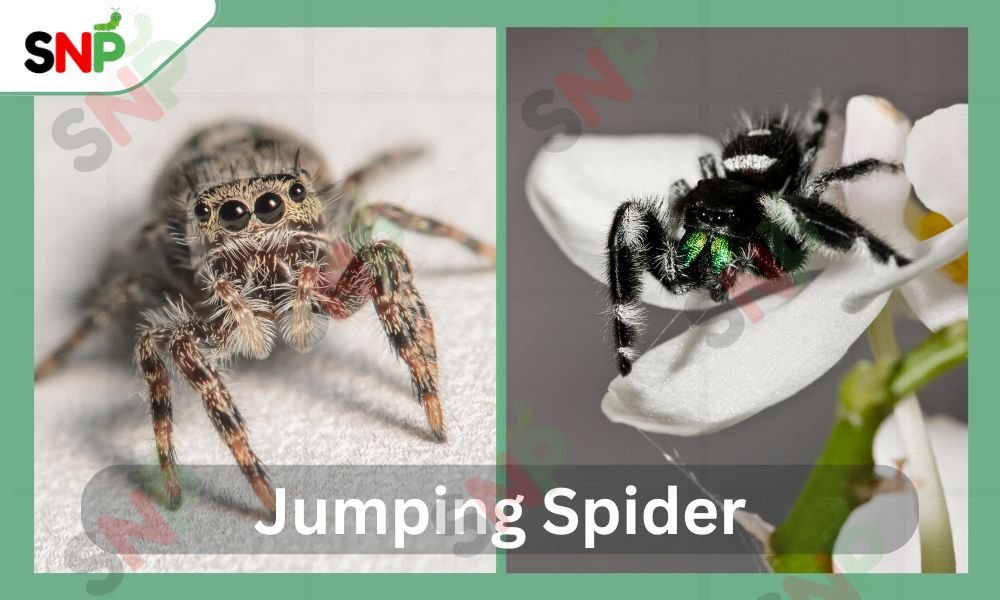
    4. Jumping Spiders

    • Appearance: Compact body with large front eyes.
    • Colour:  Their colour patterns include a black base with stripes, and they also possess iridescent features.
    • Size: 1/8″ to 3/4″.
    • Where Found: Jumping Spiders from the walls tend to inhabit attics and outside near trees, and they also reside on ceilings and on the walls of interior spaces. Jumping spiders are energetic hunters.

    5. Yellow Sac Spider

    • Appearance: Slender with a dark V-shaped mark.
    • Colour: They have Pale beige or yellow Colour. 
    • Size: 1/4″ to 3/8″.
    • Where Found: It can be found on the ceilings, corners, living rooms, and bedrooms. They hide in silk sacs during the day.

    6. Giant House Spider

    • Appearance: Giant House Spiders are  Large, with long legs.
    • Colour: They have Dark orange, brown, or beige Colour 
    • Size: Can reach up to 2.9 inches.
    • Where Found: TIt can be found in Basements, garages, between bricks, and in piles of firewood. The giant house spider possesses a formidable size that does not lead to aggressive behaviour.

    7. Woodlouse Hunter (Wood Spider)

    • Appearance: Notable for their large fangs and reddish legs.
    • Colour: Reddish legs, tan body.
    • Size: 3/8″ to 5/8″.
    • Where Found: Foundations, basements, and moist cellars, the wood spider is a specialised hunter and rarely bites humans.

    8. Checkered Cobweb Spider

    • Appearance: Small with checkered markings.
    • Colour: These display either yellow or brown pigmentation in their bodies.
    • Size: 1/8″ to 1/4″.
    • Where Found: The spiders reside close to doorways and window openings within messy home web structures.
    Do-House-Spiders-Bite

    9. Common Crab Spider

    • Appearance: Flat, crab-like body with long legs.
    • Colour: Grey, often bark-textured.
    • Size: About 1/4″.
    • Where Found: Rural homes, on tree bark, or under debris. These spiders are well-camouflaged.

    10. Dark Fishing Spider

    • Appearance: Large, with W-shaped marks.
    • Colour: Light and dark grey or brown.
    • Size: Can grow up to 3 inches.
    • Where Found: Near water, basements, woodlands, and sometimes indoors.

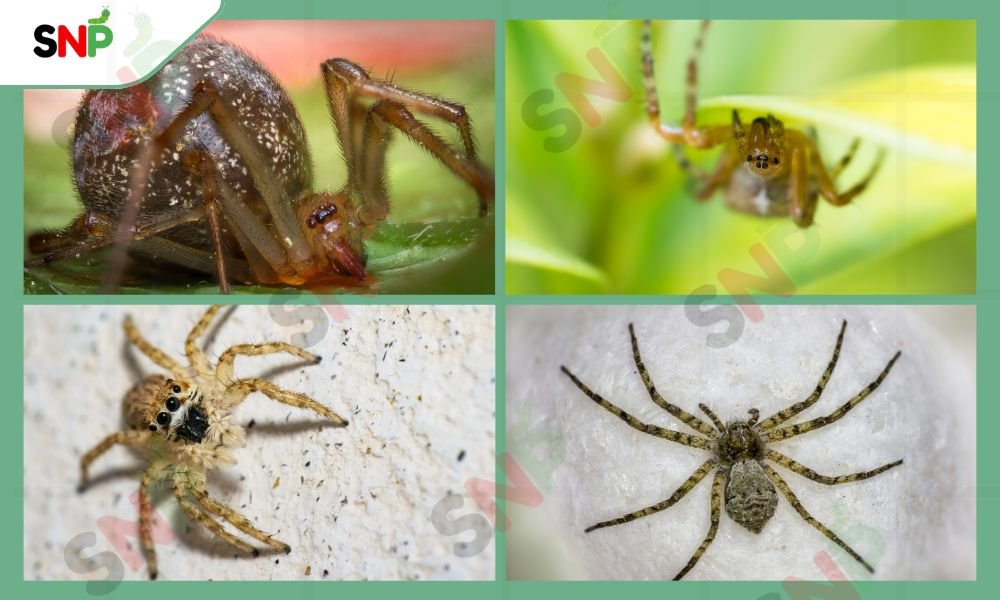
    All over America, common house spiders like the Wolf Spider, the giant house spider and the Wood Spider, and the jumping Spiders do a lot of good in the household, viz., keeping the insect pest population under control. Their existence is an indication of the home’s healthy ecosystem.

    Do House Spiders Bite?

    Many homeowners ask whether house spiders are likely to bite. Do house spiders bite? The answer is that most common house spiders are uninterested in biting humans. Spiders only bite humans during life-threatening defence measures or when they feel attacked, although their jaw muscles probably cannot puncture human flesh. An actual spider bite usually produces no more than temporary redness, swelling, and mild irritation resembling a mosquito bite response.

    Severe reactions rarely affect the black widow and brown recluse spiders, though these two types are not usually found in homes. Typically, skin irritations that people suspect as spider bites actually stem from either insects or unrelated skin issues. The Wolf Spider, giant house spider, wood spider, jumping spider, flying spider, and other common house spiders are likelier to run and hide than to bite.

    Conclusion

    Although ordinary house spiders, such as the Wolf spider, jumping spiders, giant house spider, wood spider, and the flying spider may look terrifying, most are not harmful and are the best fighters in the anti-revolting war against household pests. Case reports of people being bitten by these spiders are rare and usually not serious. Regular home cleaning and expert pest control consultation are the most effective methods to maintain your home free from spider webs and toxins. Trust Say No Pest to provide assistance and protective methods against unwanted pests, while you can contact their company for help and advice.

  • How to Get Rid of Spiders: Top Solutions for Your Home

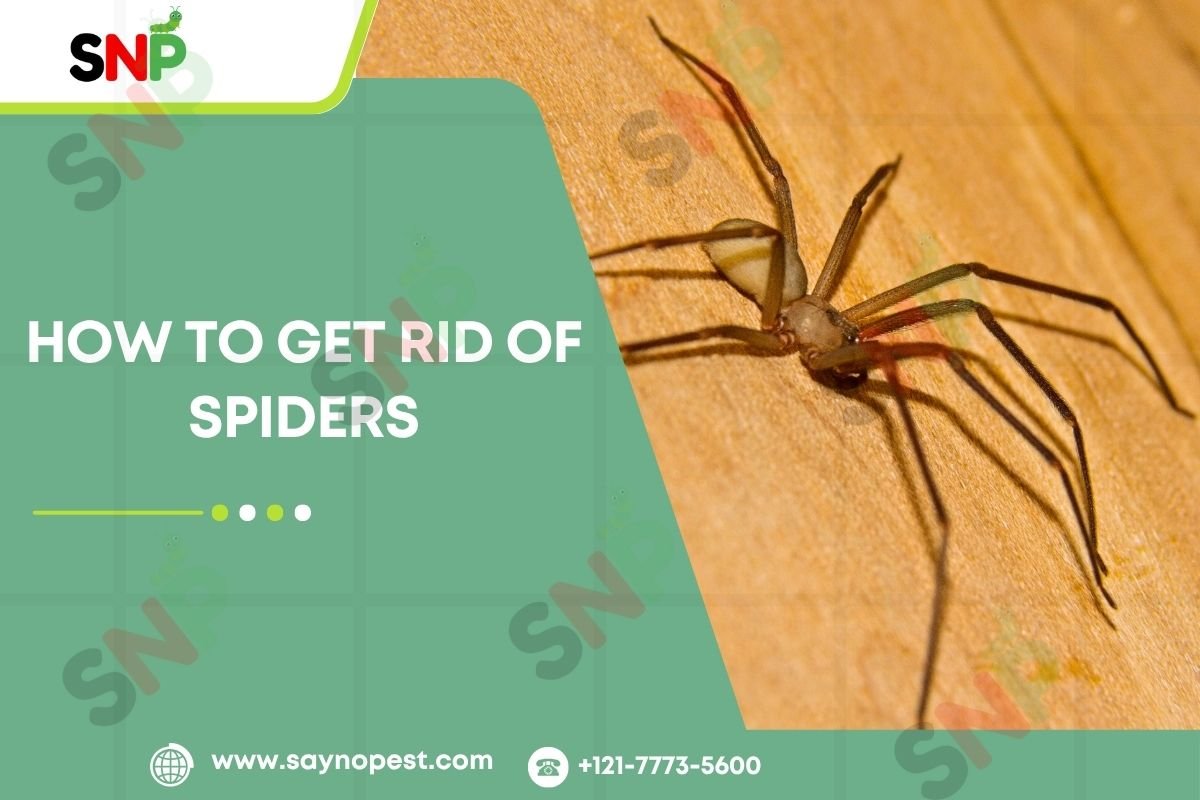
    How to Get Rid of Spiders: Top Solutions for Your Home

    Do you have a few more spiders you would like to see around your house now? Decided how to get rid of spiders by yourself long-term? Regarding this point, Say No Pest feels your fear and says that it is not easy to deal with spiders, especially when you do not know the harmless ones from those that can be harmful. This paper will expose the danger, offer you the most suitable approaches for removal, and show you the undiscovered cranberry spiders of the U.S.

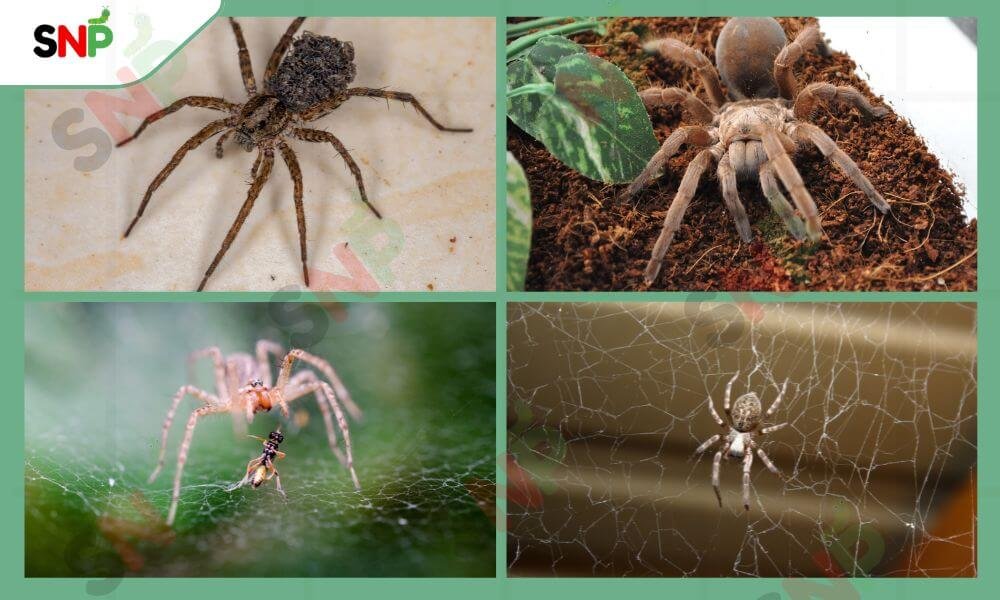
    spiders

    Diseases That Spiders May Cause

    Most spiders living in the United States have minimal impact on human health, and the total spiders posing such a risk remains very low. Most spider bites only result in redness, swelling, and itching. Some spiders like black widows and brown recluse,s cause serious health threats when they bite because their bites generate potential symptoms involving fever, nausea, muscle cramps, and site ulceration. The poison from spiders can trigger secondary infections when venom enters the body during the most severe bites. You must call a doctor now if you have experienced one of the most serious symptoms after a spider bite.

    The distinction requires emphasis that spiders do not spread diseases in the same way as mosquitoes or ticks. The primary hazards emerge from allergic responses and wound infections due to unsuitable treatment practices. A clean and uncluttered house would be a great and simple way of keeping away spiders.

    Tips to Get Rid of Spiders

    If you’re looking for a solution to how to get rid of spiders, you’re not the only one. Here are some proven tips that can be helpful to get your space back:

    Declutter and Clean Regularly

    Regular cleaning alongside decluttering operations reduces spider habitats since these arthropods prefer dark, unattended areas like basements and attics, and garages. Vacuuming and cleaning tasks will achieve two goals: they eliminate the hiding places for spiders and any cobwebs through which your house becomes uninviting to spiders.

    Seal Entry Points

    Doors, windows, and foundations are the first to be inspected for cracks. Closing these pipes can significantly help keep spiders away from your house.

    Trim Vegetation

    Always keep your house wall clear of greenery by frequently pruning the hedges, trees, and other plants. Many plants invites spiders to pass inside the property as a natural home shelter.

    Use Natural Repellents

    People should use natural repellents composed of peppermint, citrus, and eucalyptus essential oils because these substances effectively deter spiders. Spray solutions made from diluted oils should be applied near windows, doors, and baseboards. 

    Remove Food Sources

    Besides the creatures they keep in their webs, spiders feed on insects. If you regularly update your home with the latest technology, you should keep that in mind. Trap those still on the loose, and sign up for a spider-control program if they persist. 

    Professional Help

    Although you are fully committed to getting rid of spiders, there are times when they come back. It’s a good thing that a spider exterminator can solve the problem. 

    If you’re struggling with how to get rid of spiders, remember that a combination of these strategies—along with the support of a trusted spider exterminator, offers the best results.

    What Are Cranberry Field Spiders?

    So, the name cranberry spiders ringing a bell yet? However, let us be clear about what they are. Within the U.S. agriculture industry, and like in all cranberry bogs, the term cranberry spiders refers to a group of spiders living in the said areas (though the species are not identical). These cranberry spiders are the natural enemies of many insects whose feeding can significantly damage cranberry production. If insects attacking the crop are many larvae or caterpillars, with the crop likely being extensively damaged, pets like cranberry spiders can dispose of them effectively and ecologically.

    Cranberry spiders are beneficial in fields as they help lower the requirement for chemical pesticides. Through their presence, these spiders indicate the presence of a healthy and balanced ecosystem. On the other hand, suppose you have cranberry spiders in your house. It will be the same information for cranberry spiders on how to get rid of spiders. First, clean your space, seal entry points, and hire a spider exterminator for professional help if necessary.

    Conclusion: Say No Pest—Your Partner in Spider-Free Living

    Sometimes, dealing with spiders is a challenging task, but if you approach it the right way, you can protect your family and your home. Regardless of whether there are small household spiders, a type of cranberry surveying, or a dependable spider exterminator is needed, Say No Pest will be the perfect partner for you. We provide you with high-quality services and the best professional advice so that you will never have to worry about how to get rid of spiders.

    Your peace of mind should not be left to disruption from spiders; instead, take action and make your way to free yourselves from spiders in the most effective. 

  • How to Keep Spiders Out of Your House

    How to Keep Spiders Out of Your House

    Spiders may be small, but they know how to make a Haunted entrance, usually when you least expect it, like relaxing during a midnight snack run or a Calm shower. While most of these eight-legged, unwanted guests are harmless (and surprisingly sometimes helpful in controlling other pests), their sudden appearances can trigger high jumps. If you’ve ever searched how to keep spiders out of your house, you’re not single —and luckily, you’re in the right spot. From the infamous black widow to the lightning-fast wolf spider, these creepy crawlers have a knack for turning peaceful corners into spider Web. But fear not! We have tips, tricks, and spider-stopping secrets to help you reclaim your home. So grab your coffee and let’s spin a web of knowledge that keeps the spiders outside—where they belong.

    Spiders in the United States and Their Impact

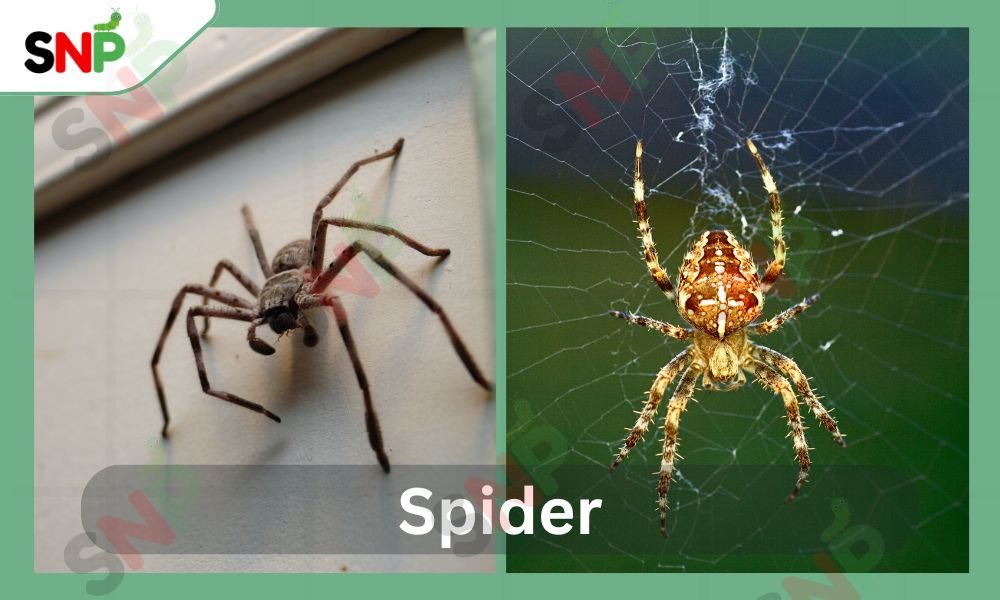
    how-to-keep-spiders-out-of-your-house

    Households across the United States frequently encounter spiders as residents see them in their homes. The hunting abilities of these Tiny crawlers make them important in pest control operations, though their appearance often causes fear among human observers. Spiders create a double problem for homeowners since they are visually displeasing and they present a health danger, specifically through venomous species including the black widow and brown recluse. A spider web in the corner or an unexpected eight-legged being are the things that can quickly change the feeling of comfort into worry. Because spiders are looking for shelter during the winter, that is a time when humans should know how to prevent such situations, and therefore, the question of how to keep spiders out of your house is very important as it will make your living environment safe and convenient.

    Types of Spiders Found in the United States

    Spiders, in general, are not the most popular animal, to say the least, but the US has approximately 3,500 species of them. Nonetheless, only a fraction of these species end up in human dwellings, or do they pose any hazard? Here are the most remarkable types of spiders:

    1 House Spiders

    These are the spiders we notice the most, as they are frequently found inside our houses. They are usually yellowish-brown with long abdomens and create an untidy Spider web in dark areas.

    2 Black Widow Spiders

    One cannot fail to recognize an ordinary-looking shiny black body with a red hourglass mark, and this is a black widow Spider. They live throughout most US regions, but you’ll find them more in the South. Their bite can cause some nasty symptoms, but fatalities are very unlikely.

    3 Brown Recluse Spider

    Medium-sized, unicolored brown, and a medium-sized violin-shaped mark are the characteristics of brown recluses. They mainly live in the southern and central US. Their bites can cause severe skin damage.

    4 Wolf Spiders

    Wolf spiders are scary-looking creatures with large bodies and a lot of hair. These wolf spiders mostly don’t build a Spider web and are quick to attack on their victims. Sometimes, they are spotted in buildings during their raids to lure their prey outside.

    5 Jumping Spiders

    Jumping spiders are small and have a black body with spots of different colors. They are generally seen on walls and floors. They are always jumping, running, and climbing. They frequently live in open places like window frames, doors, etc.

    6 Cellar Spiders (Daddy Long Legs)

    The name ‘daddy long legs’ comes from the fact that the cellar spider, like so, has such long, fine legs and bodies that are so small. That is why they are mostly found in humid and dark areas such as cellars and basements.

    7 Yellow sac spiders

    These are quick while moving and are yellow with a hint of lightness. They often found indoors, and even though they are not dangerous, their bites are not the most savory thing in the world. OK, well, their bites are not the most savory thing in that case.

    8 Joro Spiders

    Joro Spiders are extremely bright and vividly colored orbs that are probably the invasive species conquering the South and East coasts. The plans are entirely safe, but the webs will be wonderful.

    How Long Do Spiders Live?

    How Long Can Spiders live? The survival of spiders for a given period ranges significantly due to the species and habitat they are in:

    • Some house spiders can live for a year or more, but some individuals can live together for a long time with suitable enviroment.
    • A black widow spider exists between one to three years but female spiders survive longer than their male counterparts.   
    • A brown recluse spider lives for two years which happens to be one of the longest durations for this group of spiders. 
    • A wolf spider usually lives one year but certain female specimens can reach additional years of survival. However, the male’s longevity is no greater than one year. 
    • Some Tarantulas and trapdoor spiders (which are not common from the ones found in households) can live up to several decades, with the longest fangs recorded at 20 years and more.
    • For a spider to be able to tolerate living indoors, there must be availability of food, no appearance of predators, agreeable temperatures, and a favorable climate. Otherwise, the lifespan of the said spider will be drastically reduced. 
    types-of-spider

    How to Keep Spiders Out of Your House

    Trying to prevent how to keep spiders out of your house requires implementing these proven techniques to reduce their attraction to your residence.

    Declutter Like a Pro

    Spiders establish their spider web shop places through suitable nesting sites found in clothing piles and cardboard boxes as well as old magazines. It’s like a five-star hotel for them! Keeping your storage spaces neat and clutter-free gives these sneaky insects a lot of places to crash.

    Seal the Deal (and the Cracks)

    Think of spiders as tiny ninjas—if there’s a crack, crevice, or hole, they’ll find it. Use caulk or weather-stripping to shut them out like a pros. Remove these Tiny unwanted guests out of your house. 

    Jaustice with a Vacuum

    Cleaning isn’t just for aesthetics—it’s a secret weapon for your home in your spider battle plan. Regularly use vacuum for spider famous spots: corners, under furniture, and along baseboards. Spot a web? Tear it down, take care of the eight-legged tenant, and clean it up like a boss. Spider eviction complete!

    Tidy Up the Yard

    Spiders will not receive welcoming treatment when you leave firewood stacked or permit garden debris accumulation next to your house. Maintain your outdoor area in a neat condition with regular trimming and empty your yard of spaces that attract spiders. A clean perimeter means fewer uninvited guests inside.

    Beat the Bug Buffet

    Spiders are snackers—they hang around where the bugs are. Reduce the population of indoor insects like flies, ants, and roaches, and you’ll take away the spider’s dinner menu. Less food = less interest in your living room.

    Spritz Some Scents

    Want to fight spiders with fragrance? Essential oils blended with peppermint, tea tree, and citrus should be applied to create a barrier. Spiders cannot tolerate the scents, so they will steer clear of them. When combined properly in a spray bottle, you should mist all surfaces, including entryways, baseboards, and corners, to create an enjoyable-smelling spider repellent.

    Conclusion

    Spiders are a common phenomenon in the United States. However, that does not mean that you have to house them. Once you get to know the various spiders you will mostly find and their lifespans, and by adopting preventive methods, you will considerably reduce the chance of being a part of undesired occurrences. If you are still facing a stubborn infestation or just need peace of mind, a spider exterminator could offer some of the best solutions, customised and professional, to meet your needs. Do not let spider web and insects take your space as their own. Get more information about how SayNoPest will help you deal with how to keep spiders out of your house by visiting SayNoPest’s website, and feel safe and secure in your spot again today.