Blog

  • Water Bug vs Cockroach: How to Tell the Difference

    Water Bug vs Cockroach: How to Tell the Difference

    Have you ever encountered a large flat brown bug moving on your kitchen floor or concealing near your backyard pond while asking yourself whether it is a water bug vs cockroach? The confusion is typical, and being able to tell the difference is vital to the proper pest control and one’s spiritual comfort. Here, with us, we’re going to provide an extensive probe of the water bug vs cockroach matter, mainly, what water bugs are, which bugs are roach look-alikes, and the key differences in size, diet, appearance, habitat, and behavior. Let’s get started!

    What Are Water Bugs?

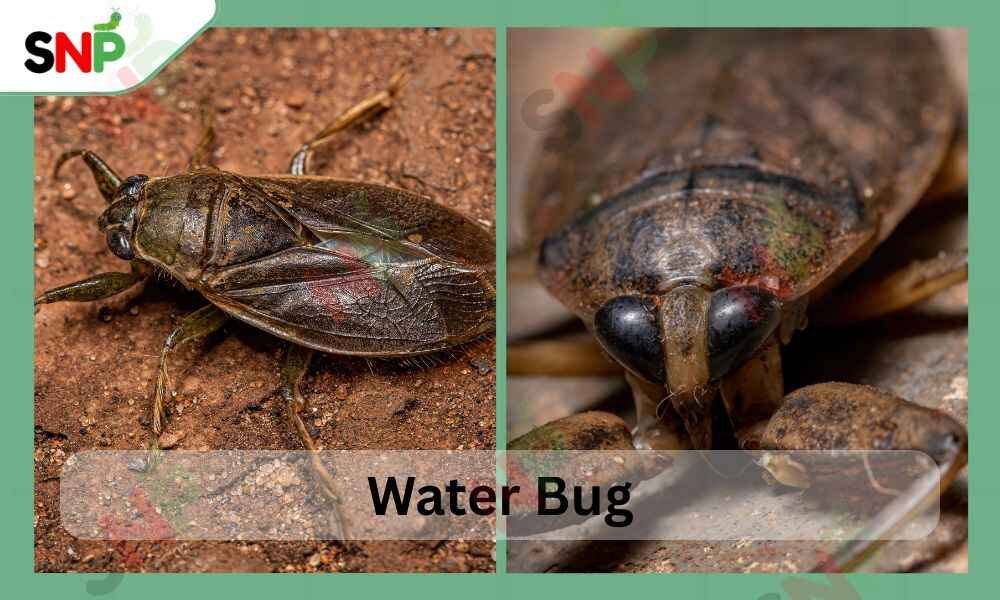
    Water bugs belong to the order Hemiptera, yet they remain distinct from cockroaches, even though people mistakenly label them as cockroaches. All individuals within the Belostomatidae water bugs group live in freshwater ecosystems such as ponds and lakes alongside rivers. The swimming abilities of these insects are excellent since their paddle-shaped legs power their smooth movements in water, while their high position on the food chain consists of consuming insects, combined with tadpoles and small fish.
    water-bug

    If a water bug is indoors, it is a rare occurrence; they usually come, attracted by light, or just get in from the nearby water body. Indeed, water bugs are not outdoor pests, and not only do they not transmit diseases, but they can also give a painful bite if handled. Unlike cockroaches, water bugs are not pests in houses and are not carriers of disease

    Bugs That Look Like Cockroaches

    Due to their similar shape and color, many insects are often confused with cockroaches. The most common among them to be taken as cockroaches include:

    1. Water bugs: As noted before, people mistake roaches for water bugs because of their brown color and circularity.
    2. Crickets: Although crickets share dark body coloration, they are distinguished from cockroaches through their antenna length as well as their ability to hop and produce acoustic noises.
    3. Ground beetles: The shiny black appearance of ground beetles together with their oval body shape frequently gets mistaken for a cockroach although they possess short antennae and their bodies remain compact.
    4. June bugs: June bugs display a brownish-red appearance together with poor flying ability and prefer to stay near light sources.
    5. Asian longhorned beetles: Asian longhorned beetles have bodies which appear black and feature long curved antennae and white markings thus creating confusion about their identity with small cockroaches.

    Identifying true cockroaches requires proper distinction from the different bugs that share similar appearances since cockroaches naturally have higher potential to infest homes while causing health risks.
    Key Differences Between Water Bug vs Cockroach

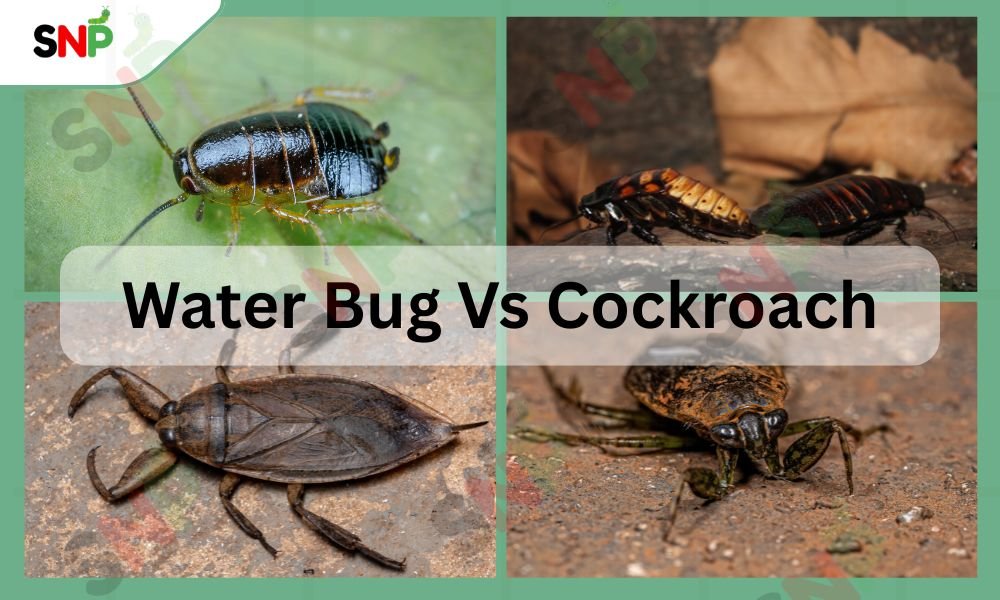
    When it comes to water bug vs cockroach, several characteristics set them apart. Here’s a detailed comparison:

    Size

    • Water Bugs: Usually 1–4 inches long; some can reach up to 4 inches.
    • Cockroaches: Most common types are 0.6–1.6 inches long; tropical species may be larger.

    Appearance

    Water Bugs:

    • Flat, oval-shaped body.
    • Brown or black color.
    • Short antennae.
    • Strong, paddle-like back legs (great for swimming).
    • Clawed front feet.
    • Wings form an X-shape.

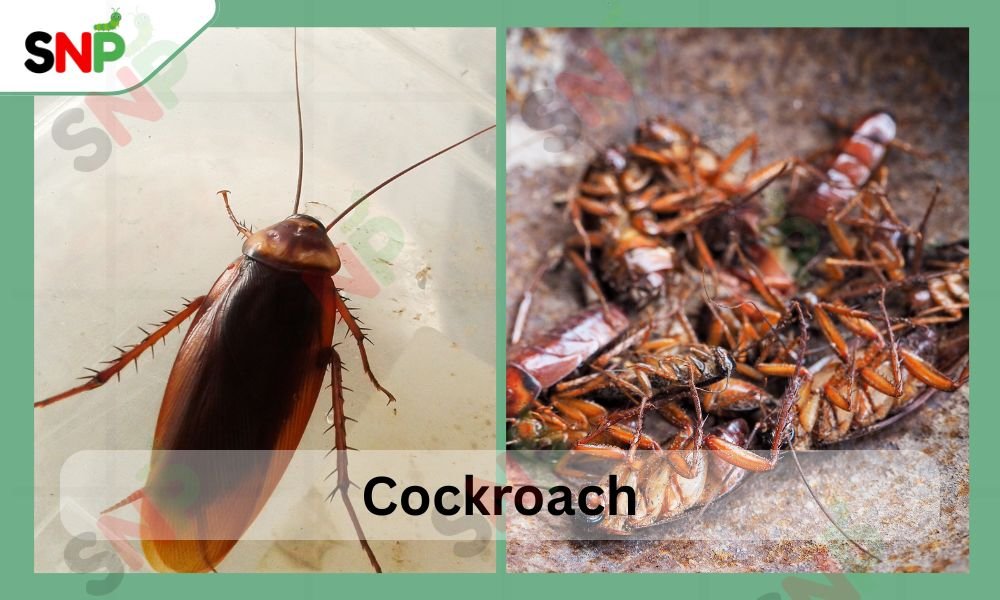
    Cockroaches:

    • Flat, oval-shaped body.
    • Reddish-brown or dark brown.
    • Long, thin antennae (often longer than the body).
    • Spiny legs.
    • Have wings but don’t often fly.

    Behavior

    Water Bugs:

    • Solitary.
    • Active hunters.
    • Can bite if handled.
    • Attracted to light.

    Cockroaches:

    • Social: hide in groups.
    • Scatter when disturbed.
    • Rarely bite.
    • Known to spread disease.

    Additional Differences

    Antennae:

    • Water Bugs: Shorter, less noticeable.
    • Cockroaches: Very long, often longer than their bodies.

    Wings:

    • Water Bugs: Strong wings for swimming and flying.
    • Cockroaches: Have wings, but they rarely fly.

    Health Impact:

    • Water Bugs: Not considered a health risk.
    • Cockroaches: Cockroaches can spoil the food and spread allergies and various harmful diseases.
    Conclusion

    Setting the difference between water bug vs cockroach is not just a hobby for entomologists but rather a necessity for fighting pests and ensuring that one’s home is safe. That is because while water bugs are fish that scour their homes, they are not very likely to invade homes, while cockroaches are not only survivors among scavengers, but they also thrive indoors and can cause a variety of diseases. Look at the antennae, body shape, and location where you found the cockroach-like bugs.

    If your case is an extreme one, especially when your house is occupied with cockroaches, you need such services as pest control without any hesitation. Now that you know the difference between the water bug vs cockroach, you would seek the right treatment to sanitize your home and rid it of cockroaches. Both water bugs vs cockroaches look-alike of water seem to be alike at the outset, however, their behaviors, locations, and threats are different. Therefore, fighting the unwanted, but dangerous, creatures, inform yourself and preserve your peace.
  • How to Kill Fleas the Right Way

    How to Kill Fleas the Right Way

    Are you looking for how to kill fleas and finding out the most efficient and safe techniques to do so? Not to worry, you are at the right place. Fleas are a big annoyance, in particular because they cause discomfort to you and your pets and can even cause gross diseases.

    Identify Fleas To Get Rid of Them: Fleas multiply quickly if nothing is done!

    Proper identification is the first step to eliminate fleas. Proper identification is the first step to eliminate fleas. The small dark brown insect known as a flea can be identified easily when:

    • Your pets show excessive scratching and biting behaviour.
    • Small, and red bites on humans.
    • Flea dirt appears as tiny black particles on furniture and carpets and pet bedding because it consists of flea feces.
    • Flea eggs appear as tiny oval off-white objects which frequently cause problems in hardwood floor cracks and bedding.

    You need to start your flea control measures right away after noticing these warning signs. A small flea infestation can rapidly transform into a major problem because these pests lay 50 eggs daily. A complete inspection serves as the essential starting point to remove fleas from your home and pets and your garden.

    Flea Spray for House: A Secret Weapon To Kill Them

    The primary weapon to kill fleas is a potent flea spray for the house. These sprays are powerful flea killers which can destroy adults, eggs and larvae immediately upon contact, that is how the life cycle of fleas is broken and reinfestation is avoided.

    The flea spray for house works the best that has Permethrin and Methoprene or Pyriproxyfen. These will not only kill adult fleas but also make their eggs and larvae inactive. You can use flea spray in your house on carpets, rugs, pet beds, and in any cracks where fleas may be present. But don’t forget always pay attention to the manufacturer’s manual to use it in a safe and effective way.

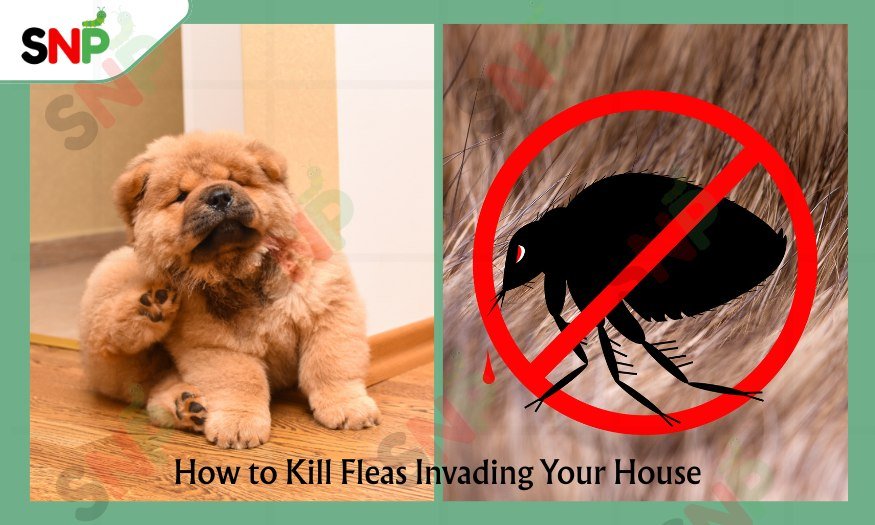
    How to Kill Fleas Invading Your House

    Getting rid of fleas indoors will involve a series of actions. A few tips on how to kill fleas are:

    1. Clean the Floors Thoroughly with a Vacuum Cleaner: A high-efficiency vacuum should be used to clean all floors and furniture surfaces and carpets and rugs thoroughly. The areas where pets spend time serve as flea and egg hiding spots so you must thoroughly clean these areas.
    2. Use your home as the base for flea spray: Apply the flea spray to all the contaminated areas including pet bedding, upholstery, and floor cracks. This phase is one of the most important for the question of how to kill fleas and their lifecycle.
    3. Get New Bedding: You can kill all stages of fleas by washing pet bedding, your bedding, and any fabric that can be washed in water that is too hot to touch. and then dry them at the highest temperature.
    4. Make sure your home is in a good condition: High heat and steam can eliminate many fleas and eggs and their larvae from your home environment. A steam cleaning machine should be used to clean carpets rugs and upholstery for optimal results.
    5. Regularly comb your pets with a flea comb starting from their neck and moving to their tail region. Dip the comb in soapy water when you take out fleas so they will be killed.
    6. Look After Your Animals: Go to your vet to get the best advice on the type of flea treatment that is most suitable for your pets, for example, one that not only kills fleas but also stops future infestations.
    7. Go on doing these steps on a weekly basis until the signs of the fleas are no longer visible. Being consistent is the most important in learning about flea control methods effectively.

    How to Get Rid of Fleas in Your Yard

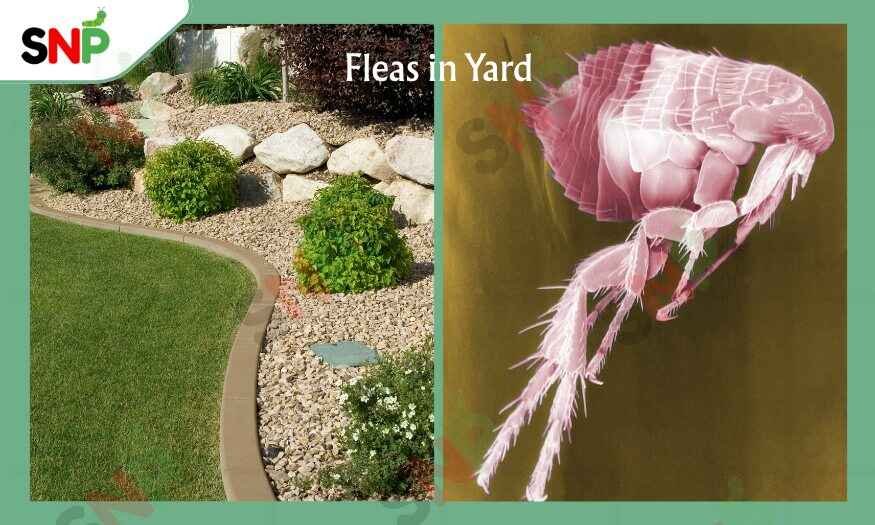
    Fleas-in-Yard

    The outdoor origin of fleas starts when they attach themselves to pets and clothing as they enter your home.

    The following steps will help you eliminate fleas from your yard:

    1. Regular lawn mowing eliminates the places where fleas prefer to hide. Shorten your grass while removing leaves and debris because these items create areas where fleas can hide.
    2. Yard debris should be removed by clearing all leaf piles and twigs and grass clippings from the area. Dispose of yard waste in bags instead of composting because fleas can reproduce in organic materials.
    3. Outdoor flea treatments should be applied through yard-specific sprays and granules to the lawns and flower beds and pet resting areas. The outdoor products are made to disrupt the flea life cycle while being suitable for external applications.
    4. Cedar chips create an environment that fleas find unappealing because of their cedar scent. Pet rest areas and flower beds and areas under bushes can be protected from fleas by spreading cedar chips.

    Conclusion

    A complete strategy to eliminate fleas involves three essential steps: detecting the infestation, using strong house flea sprays and performing thorough cleaning and treatment of your home and pets and yard maintenance. The flea life cycle can be stopped through regular repetition of these steps while maintaining constant vigilance which will create a pest-free environment.

  • Brown Banded Cockroach : Identification, Life Cycle, and Control

    Brown Banded Cockroach : Identification, Life Cycle, and Control

    Every homeowner and business operator should understand the characteristics of brown-banded cockroaches in case they encounter pest problems. Brown banded cockroach weigh only a few grams and remain concealed while they become widespread house and apartment and commercial space pests in America. The following piece examines brown banded cockroach characteristics alongside their lifecycle patterns and feeding behavior and presents successful strategies for permanent elimination of brown banded cockroaches colonies.

    What Are Brown Banded Cockroaches?

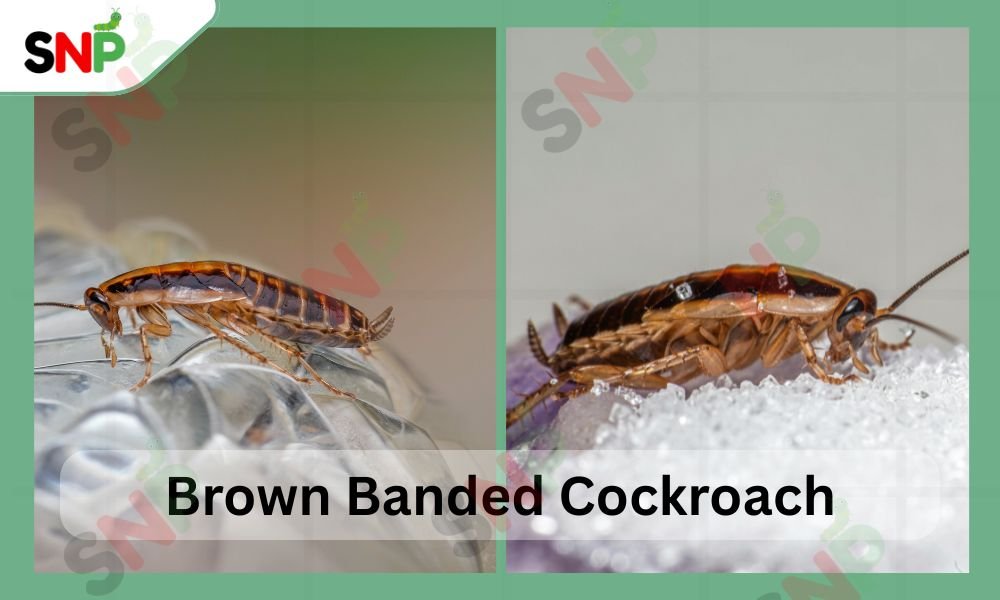
    Back in the days, the brown banded cockroach (Latin name: Supella longipalpa) was seen as the smallest, with 10-14 mm in length. One of their noticeable features is the two light brown bands place on their dark brown body and wings, of which nymphs and female ones are especially distinct. Male individuals exhibit a slim figure and have wings that are longer than their abdomen, while females show the exact opposite. Normal cockroaches prefer humid and wet places, but the brown banded one is the one that likes warm and dry climates and is therefore frequently visible in living rooms, bedrooms, and high cabinets rather than kitchens or bathrooms.

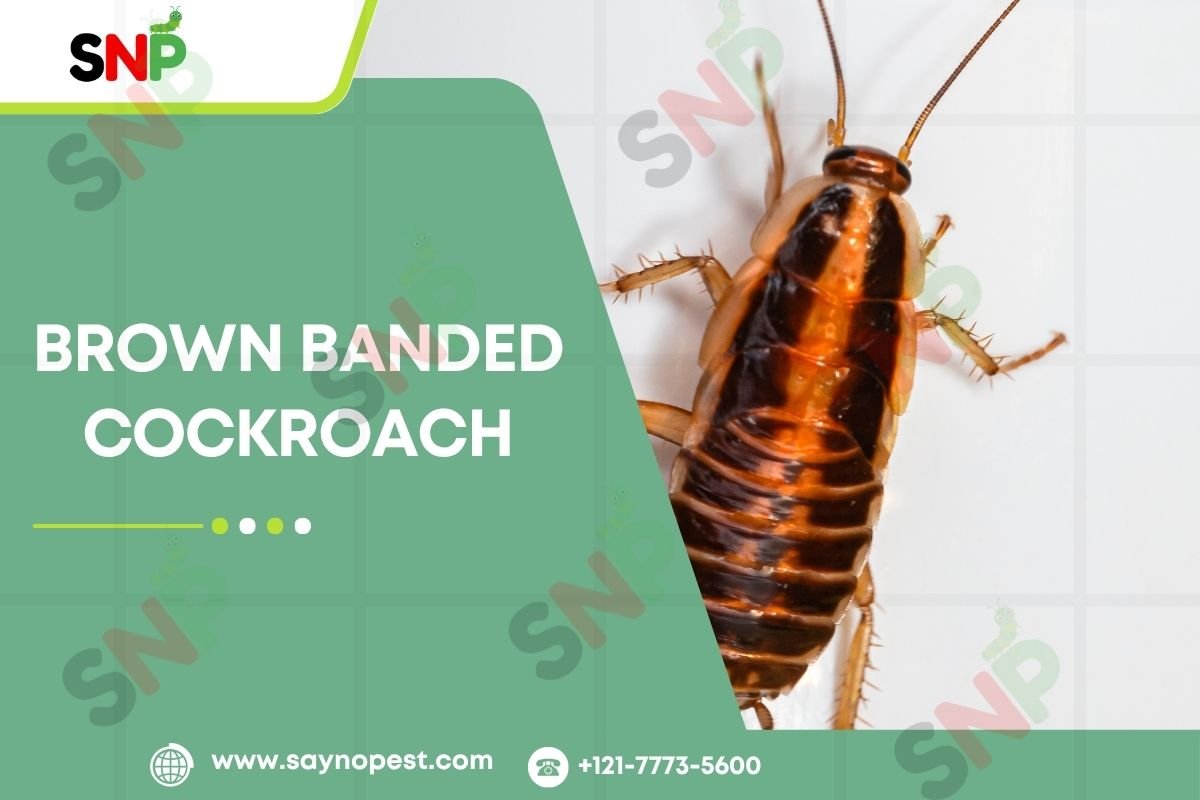
    Brown-Banded-Cockroaches

    The brown banded species were first brought to the United States from Cuba, and within a short period, they were everywhere in the country, from the north down to the south. Even now, they are still here, and they remain a problem for both the South and the North due to their ability to live in a less humid area of the in-house environment.

    Brown Banded Cockroach Life Cycle

    The lifecycle of the brown banded cockroach is about three months. In the brown banded cockroach life cycle, the flea is the intermediate host. They have a three-stage life cycle comprised of egg, nymph, and adult stages. We can tell the outcome of this arrangement from the fact that the female is the one who generates ootheca, which is the egg/capsule casing, each containing 10-18 eggs. Having carried the ootheca for approximately 24-36 hours, the female supposed to stay low and stick it to a hidden surface such as a piece of furniture, a wall, or even a ceiling.

    Egg Stage:

    It takes from 37 to 103 days for the eggs to receive some warm and new living creatures and to break the shell, depending on the environmental temperature around them.

    Nymph Stage:

    Nymphs go through 6-8 molts for 8- 31 weeks (the duration is dependent on the number of molts and takes 8-10 days for each molt) to acquire their adult-like appearance step by step including the typical marks of the elytra.

    Adult Stage:

    Adults have a lifespan of 13 to 45 weeks, and females can lay up to 14 oothecae in their lifetime, leading to a maximum of 600 offspring in a year.

    The Brown banded cockroach life cycle is rapid, especially in warm environments that’s why infestations can spread so quickly if not treated.

    What Does the Brown Banded Cockroach Eat?

    The brown banded cockroaches is a scavenger that would consume virtually all forms of organic matter. The multi-choice diet of the brown banded cockroach consists of the following:

    • Starchy materials: wallpaper paste, book bindings, stamps, and even the glue in furniture.
    • Food scraps: pantry goods, trash, and crumbs.
    • Non-food items: Nylon stockings, drapes, and dyes-often for the residues of body oils or skin flakes.

    In regards to a habitat, the brown banded one opts for the dry sight with a temperature above 80°F. They prefer the following:

    • Upper cabinets and closets
    • Behind picture frames and wallpaper
    • Inside furniture and electronic devices
    • Near ceilings, away from water sources

    Their ability to hide in high, out-of-the-way places makes them difficult to spot and control.

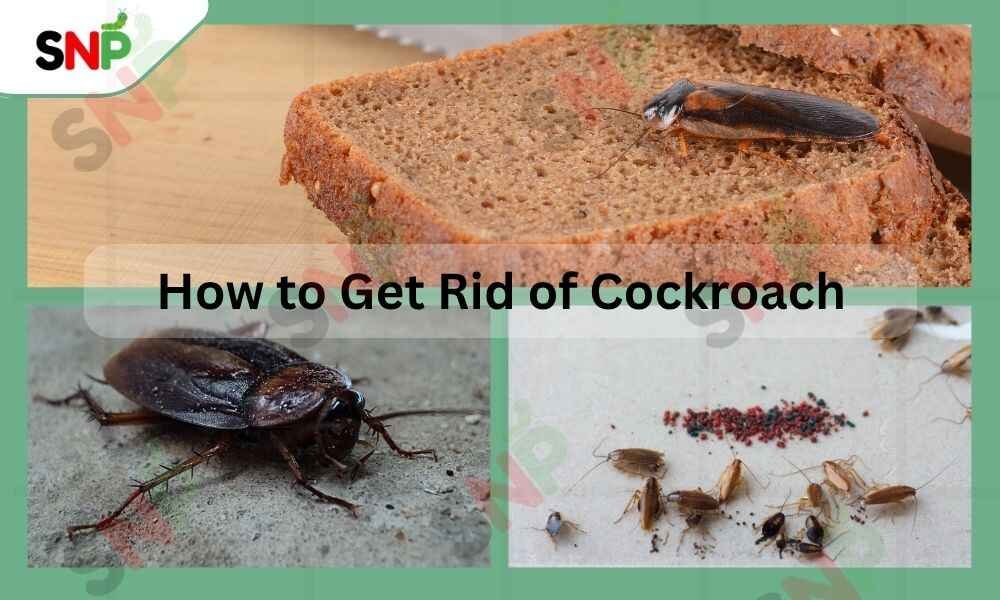
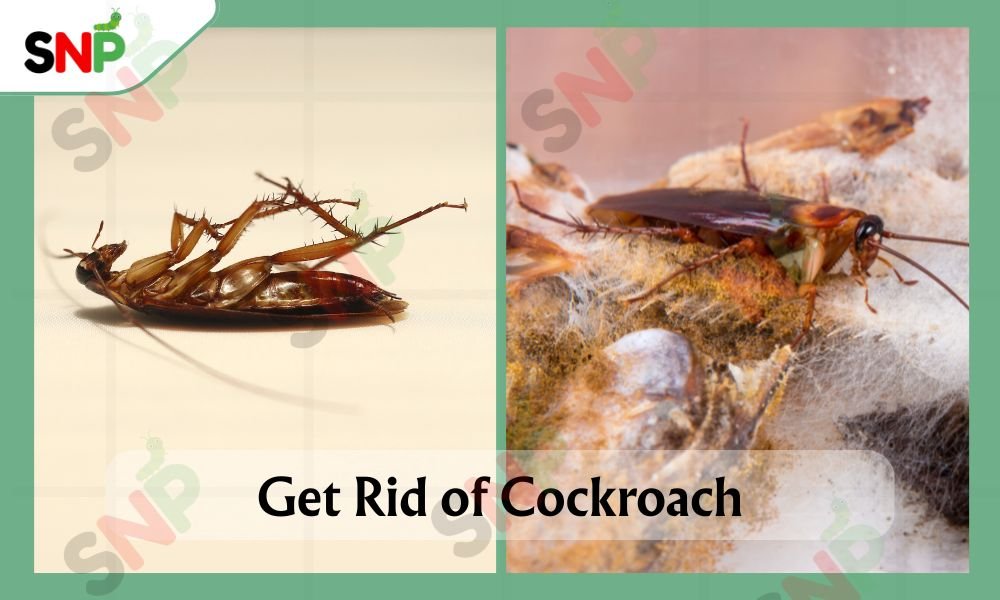
    How-to-get-rid-of-cockroach

    How to Get Rid of Cockroaches

    After finding out about pests, you need to deal with their infestation in the best and effective way, and here are some points with the help of which you can deal with the problems and learn about how to get rid of Brown Banded Cockroach.

    1. Inspection: Look for signs in high cabinets, behind pictures, in closets, and inside electronics, also check for droppings.
    2. Sanitation: Keep your area and home clean, avoid leaving open food and the crumbs that may be the reason to cause cockroach infestation.
    3. Baiting: Use cockroach baits that contain hydramethylnon, fipronil, boric acid or abamectin in infested areas with brown banded cockroach. Put the baits in upper cabinets, behind the appliances, and other warm, dry positions.
    4. Dusts: Employ insecticidal powders, e.g. boric acid or diatomaceous earth, in cracks, voids, and under furniture, but, make sure that these are out of reach of children and animals.
    5. Professional Help: In the case of an overwhelming cockroach infestation it advised to call the professionals that use very focused treatments and also solve the problem in the long run. Regular cleaning and investigation are the answers to avoiding another brown banded cockroach invasion from happening.

    Conclusion

    The brown banded cockroach is a sturdy insect that successfully establishes itself in American homes and businesses, more so in warm, dry, and inaccessible sites. Their rate of reproduction and capability to eat many kinds of materials are the characteristics of these pests. By being taught the Brown banded cockroach life cycle, food, and habitat as well as by undertaking the quickest methods of how to get rid of brown banded cockroach, you can assure that your property is not the next target for the pests and at the same time you will enjoy a healthy environment.

    If you are confident that the cockroaches have come back, don’t delay, act today to eliminate the pest. Your space is safe, as you have followed the precautionary measures to keep the brown banded cockroach hidden from the dangers that the insect may cause.

  • How to Get Rid of German Cockroaches: A Short Guide

    How to Get Rid of German Cockroaches: A Short Guide

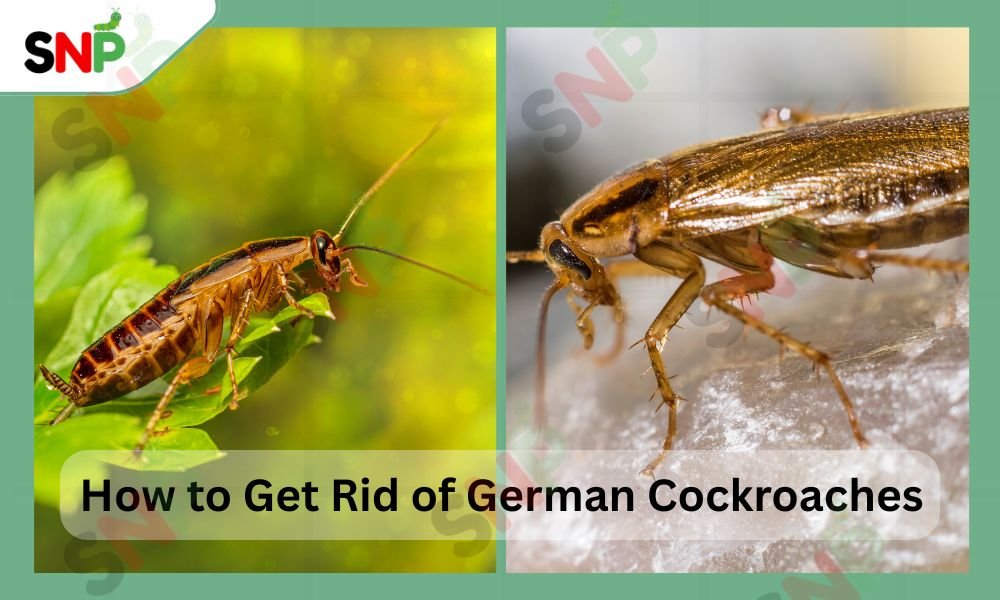
    German cockroaches represent the most challenging type of outdoor pests for household owners to remove from their homes. German cockroaches reproduce rapidly, so they easily survive in kitchens and bathrooms, thereby creating rapid, large-scale infestations in short periods. The real question is, if you are looking for an accurate answer on how to get rid of German cockroaches and a safe, clean, and pest-free house, this guide is exactly for the U.S. setups and solves your troubles.

    Recognizing an Infestation of German Cockroaches

    Having a German cockroach infestation is far more serious than finding a few roaches at night. The following are the most common signs of a German cockroach infestation:

    1. Daytime Activity: Cockroaches are nocturnal. The presence of cockroaches during daylight hours reveals that the group has become too numerous for successful concealing.
    2. Oily, Musty Odor: Strong smells with characteristics of oily and musty components indicate the presence of German cockroaches.
    3. Droppings: Search for small black droppings that look like pepper and coffee ground sizes around drawers and countertops and in all house corners.
    4. Egg Cases and Shed Skins: Egg cases in the shape of an oval and brown color, as well as the skins, are the indicators of the usual breeding and development of the roaches.
    5. Clusters in Kitchens and Bathrooms: The main areas where German cockroaches locate their food and water serve as their preferred breeding environment, thus leading to severe infestations.

    Urgent action should be taken when you spot these signs because the problem might multiply uncontrollably.

    how-to-get-rid-of-German-cockroaches

    Can German Cockroaches Spread Diseases?

    It is a very common question whether the German cockroaches are capable of flying. Mature adult German cockroaches do have wings, yet they almost never use them to fly. They are more likely to be spotted gliding shorter distances, usually from the top to the bottom of the tree, but they are known to vigorously traverse the ground. So, even if it is theoretically possible for a cockroach to fly, it is less likely to happen in the house and hence to be observed by anyone.

    Do German Cockroaches Bite?

    It is very uncommon for German cockroaches to bite. Note that bites mostly occur when there is an extreme infestation and little to no food. A bite usually takes the form of a small red bump that turns itchy, exactly like a mosquito bite. Most of these bites are not serious medically, although the real danger arises from the diseases and bacteria spread by these vermin through food and surfaces.

    How to Get Rid of German Cockroaches

    Understanding the extent of German cockroach infestation enables proper planning for actions which prevent future infestations. Following these specific tips provides the best method to eliminate German cockroach infestations:

    Sanitation is Key

    • Proper kitchen cleaning must remove all food residues and crumbs because cockroaches find these as attractants.
    • Resolve any water leaks that let sources form and dry each affected surface afterward.
    • You should address both clutter and block off all cockroach hiding grounds by caulk-sealing cracks and crevices.
    • Fix the leaks that are creating the water sources, and then make sure the surfaces are left dry.
    • Get rid of the clutter and block off the hideouts of cockroaches, like sealing the cracks and crevices with caulk.

    Use Targeted Treatments

    • Bait: Successful cockroach gel baits should be placed in the active areas that are visible and open. The roaches eat the bait and spread it to others, which further feeds it to the nest. If the roaches die, they also spread the bait to the nest.
    • Growth Regulators (IGRs): This kind of product messes up the German cockroach’s natural life cycle, as it impedes the maturing process of nymphs, stopping both problems at once.
    • Topical Sprays and Powder: Irritant-free sprays and toxic dusts should applied in the crevices, behind the appliances, and other hiding places to kill the adult cockroaches and avoid reinfestations.

    Persistence and Monitoring

    • Additional treatments should conducted in cases where the infestation persists, especially in extreme infestations.
    • Always be on the lookout for new signs of intrusion, and keep your cleaning program up to date to avoid relapses.
    German-cockroaches-infestation

    Professional Help

    Reach out to a professional pest control service provider if you feel the infestation level is high, as they can help you deal with these problems by providing the best advice and treatment. They can implement the most effective products and techniques to eliminate even the most chronic German cockroach infestations.

    Conclusion

    The problem of having a German cockroach infestation at home can be distressing, but there is a remedy if you address the problem correctly. Please note that the solution to getting rid of German cockroaches is not just good housekeeping practice. It actually is all about the consistent use of the finest pest control products, the most appropriate treatments, and the continued motivation to keep the pests out.

    You can solve the pest problems by following two options, first while using diy tips or tricks, or by consulting a professional for the infestation. Being proactive is the key because, in this way, you will put a final stop to the fast spread of German cockroaches. If you would like to access more useful information, explore different product options, and professional pest management services throughout the territories of the United States, please visit our partners and ensure a continuously safe living space.

  • Confused Between Bed Bug Bites vs Mosquito Bites?

    Confused Between Bed Bug Bites vs Mosquito Bites?

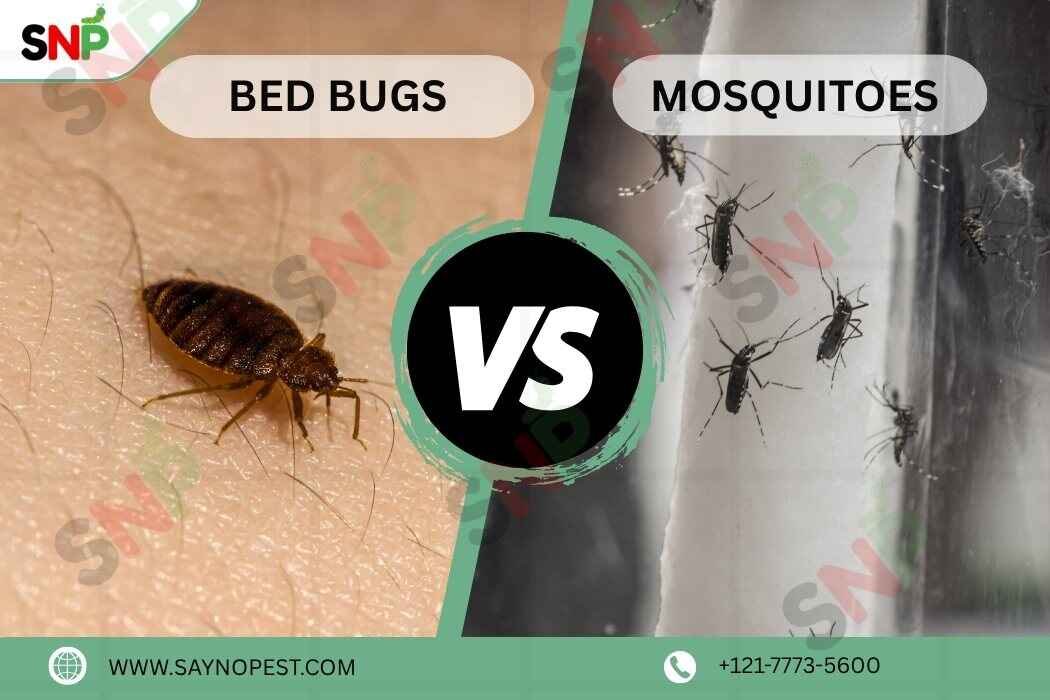
    The appearance of itchy red skin spots during morning hours might confuse you between bed bug bites vs mosquito bites. When you know all about these blood feeding insects, it helps you stop their future attacks.

    Mosquitoes bite and feed on your blood when you are outdoors, mostly in the evening and at night. They bite quickly and fly away. These bites can show up on any part of your body that’s not covered by clothes.

    You will experience bed bug bites while sleeping because these pests emerge during nighttime to feed on human blood. Small blood-sucking bugs seek shelter inside your mattress and furniture from where they draw blood from your body. Bed bug bites on your arms back or neck and any other body areas that touch your sleeping bed.

    Difference between Bed Bug Bites vs Mosquito Bites

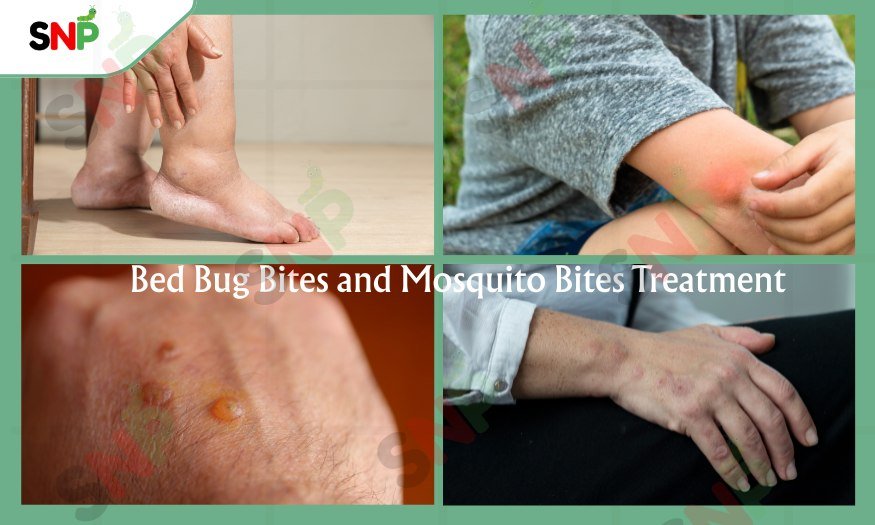
    It becomes essential to distinguish bed bug bites vs mosquito bites based on the way they look. The symptoms from mosquito bites comes immediately with itching and swelling along with one puffy red bump. Individuals commonly see these bites minutes after being outside and particularly during night time or while spending time near water.

    Determining when you have been bitten by bed bugs or mosquitos proves to be more challenging than other insect bites. Bed bug bites take either hours or entire days before you become aware of their presence after a bite occurs. These marks can be seen on the face, neck, arms and hands. The marks caused by bed bugs exhibit redness and swelling and they usually develop pustules. Bed bugs differ from mosquitoes because they do not transmit diseases although multiple scratches to their bites could lead to infection.

    Treatment for Bed Bug Bites vs Mosquito Bites

    Bed-Bug-Bites-vs-Mosquito-Bites

    The basic treatment for both bed bug and mosquito bites requires the following steps:

    • Wash the bitten area with soap and water while being gentle.
    • Use prescribed creams to treat itching and swelling.
    • Cold pack application serves as a treatment method which provides relief from swelling and discomfort for both bed bug and mosquito bites.
    • You should avoid scratching because it creates the risk of infection and you should wait for at least several days or longer.
    • Contact a professional if you detect any infection symptoms such as redness that worsens or the appearance of pus or increased warmth.

    Prevention: Keep The Bites Away!

    Prevention is the most effective way to avoid bed bug bites vs mosquito bites. Here’s how you can protect yourself and your family-

    For Mosquitoes- You should eliminate all standing water from your house because it provides areas where bed bugs reproduce. Make sure that windows and door screens are installed properly and all holes need immediate repair. Long-sleeved clothing and pants should be worn when spending time outdoors during dusk hours and use  insect repellents during outdoor activities.

    For Bed Bugs: Check mattresses and box springs along with furniture for bed bug indications after every trip. Bedroom areas with limited clutter will reduce hiding places for pests. Protective mattress covers created to prevent bed bugs from entering your bed can be used as a preventive measure.

    What are the Signs that Tell Bed Bugs Are Present In Your Home?

    The first step for determining bed bugs as the cause of your unexplained bites should be your main concern after waking up. A bed bug infestation shows itself through the following indications:

    • The itchy bites that form clusters or lines especially when they appear on skin that was exposed during sleep.
    • Rust colour or red stains on sheets from dead bugs.
    • Small and pale-yellow eggs or eggshells near the ends of your mattress.
    • Black waste and the shedded skin of the bugs.
    • A sweet, musty and funky odor near your sleeping area. Live bed bugs can be founhiding inside folds or cracks of mattresses.

    Contact a pest control professional immediately because you have observed these signs which require an inspection and proper treatment.

    When to Contact a Doctor?

    bed-bug-bites-and-mosquito-bites-treatment

    The treatment of bed bug bites vs mosquito bites usually happens at home yet medical care becomes essential when specific symptoms appear!

    Prolonged swelling, blister formation or signs of infection appear on the bitten areas. Seek medical assistance if you develop a fever or experience unwellness after a bed bug bite and most importantly, see a doctor when you are unsure about what caused your bites to determine the diagnosis while eliminating other skin conditions.

    Conclusion

    Knowledge of the unique characteristics of bed bug bites vs mosquito bites enables proper treatment and prevention methods. The symptoms produced by these pests differ from each other and taking immediate bite-cleaning measures combined with not scratching will help maintain comfort. Guard your home against bed bugs as you sleep peacefully knowing how to differentiate between these pests and their respective bite symptoms.

  • Bed Bugs vs Fleas

    Bed Bugs vs Fleas

    The invasion of pests like bed bugs vs fleas at home are the biggest issues that many families face. Once the pests entered your space, it can be difficult to get rid of the uncomfortable itching caused from their bites. However, understanding the differences between these two pests helps in offering comfort and in effective pest control.

    Know More About Bed Bugs and Fleas

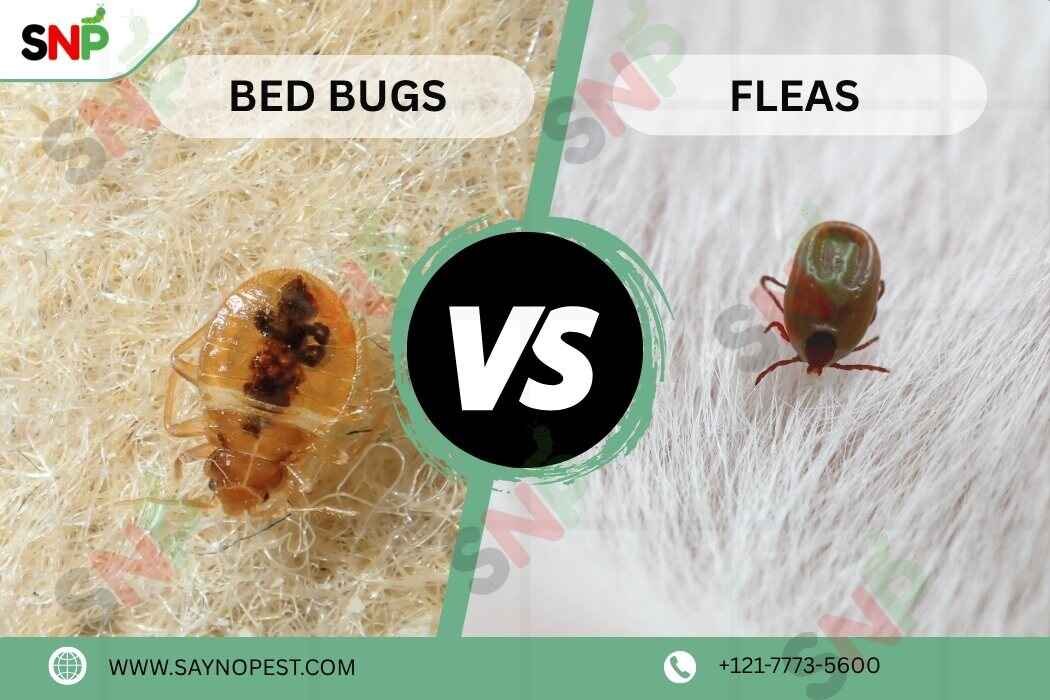
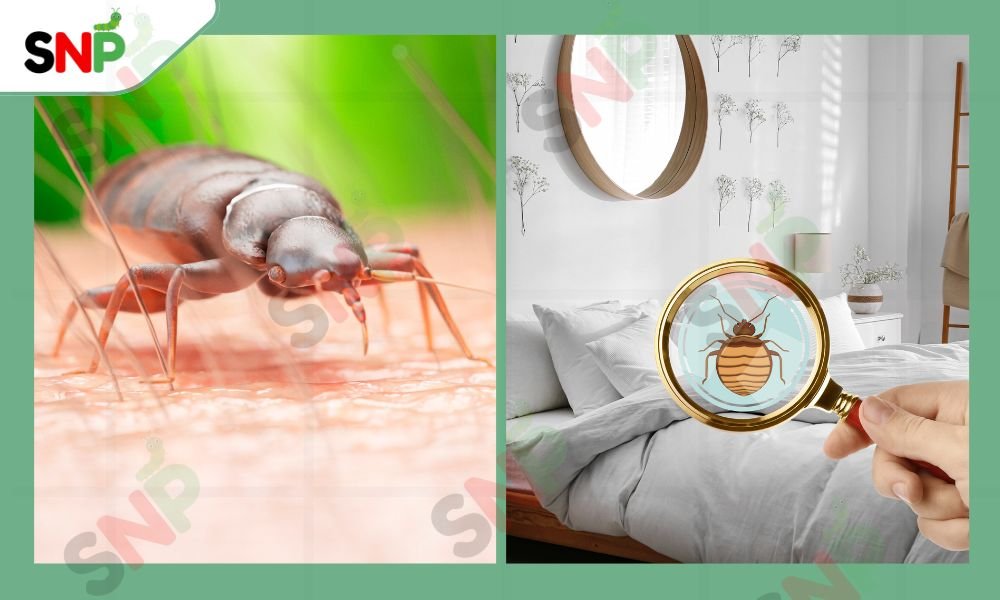
    Bed bugs are red or brown in colour. Bed Bugs love to hide in mattresses, bed corners, and cracks in your furniture. Unlike fleas, bed bugs can’t jump or fly, they crawl slowly and come out mainly at night to feed on human blood.

    Fleas are even smaller in size and have a thin, flat body with long legs. Fleas normally choose to feed on dogs and cats but will bite humans when their animal hosts are absent. Wildlife and pets enter your home with fleas which rapidly spread throughout your living environment. It is essential to understand the distinction between bed bugs and fleas since they have unique hiding behaviours and locations. Your home receives bed bugs through luggage or used furniture while fleas typically arrive with your pets.

    Know The Difference between Bed Bug Bites vs Flea Bites

    Certain indicators exist to distinguish between bed bug bites vs flea bites when you experience discomfort.

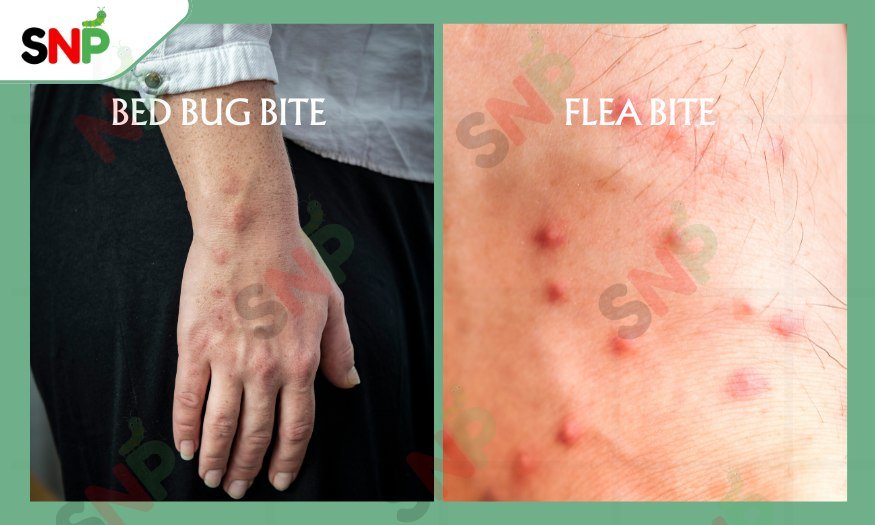
    Bed bug bites occur in straight lines or small clusters. You will experience bed bug bites while sleeping because these pests emerge during nighttime to feed on human blood. Small blood-sucking bugs seek shelter inside your mattress and furniture along with wall spaces where they emerge during nighttime to draw blood from your body. These bites can take sometime or even days to show up on your body. They become red, swollen, and very itchy. You can also notice small blood spots on your sheets or dark stains from bed bug droppings.

    Flea bites produce rapid reactions because they appear on human skin as early as a few minutes after the bite occurs. These marks commonly develop on your ankles, legs or waist area where they manifest as random patterns. Flea bites are intensely itchy and can result in blister or sore formation when people scratch them.

    The locations of bed bug bites run along your upper body in lines but flea bites appear randomly on your lower legs and ankles. The itching from both types of bites can be severe but flea bites create additional risks of allergic reactions and infections if you scratch them excessively.

    Risks and Prevention: Bed bugs vs Fleas

    Bed-Bugs-vs-Fleas-Prevention

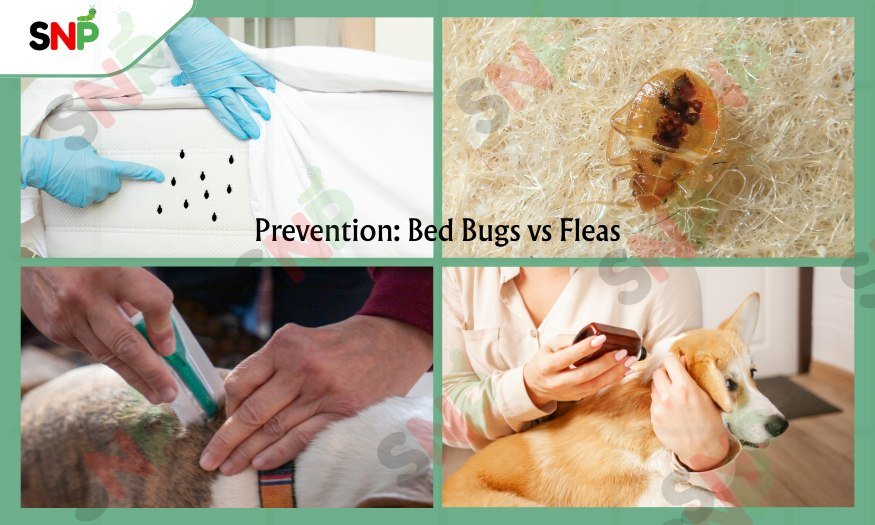
    Both bed bugs and fleas create discomfort and stress for people however they differ in the risks they present. The transfer of disease through fleas includes typhus and cat-scratch fever yet bed bugs do not transmit diseases but they can create allergic reactions and make it difficult to sleep.
    When looking for how to get rid of bed bugs and fleas you need to check second-hand furniture prior to purchase and your pets require regular flea treatments from a veterinarian. Take immediate action when you observe signs of an infestation through bites along with blood spots and actual pest sightings.

    Conclusion

     Fleas transfer diseases and bed bugs do not, but they can create allergic reactions and make it difficult to sleep. Home cleanliness and tidiness serve as a prevention method against both pests. When dealing with bed bugs against fleas you need to check second-hand furniture prior to purchase and your pets require regular flea treatments from a veterinarian. Take immediate action when you observe signs of an infestation through bites along with blood spots and actual pest sightings.

  • German Cockroaches: The Unwanted Guests in American Homes

    German Cockroaches: The Unwanted Guests in American Homes

    The German cockroach species creates problems because these insects infest homes throughout the United States. Every homeowner, tenant, and business owner needs to understand the nature of these undesired house conditions to successfully remove them while improving their living conditions. All meanings regarding German Cockroaches need to be fully understood. Whether it is related to the german cockroach life cycle or learning about the German cockroach Nymph and exploring German cockroach vs American Cockroach, we will help you to understand each and every point.

    What is the meaning of German Cockroaches?

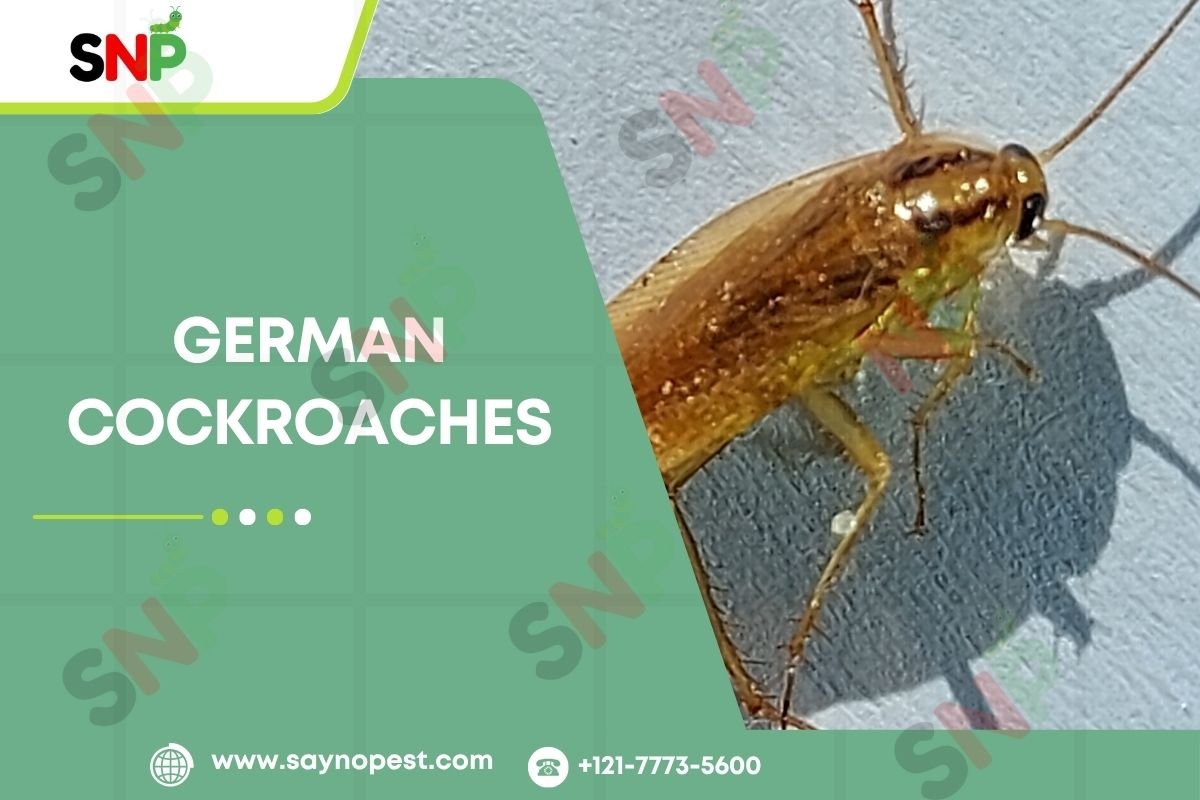
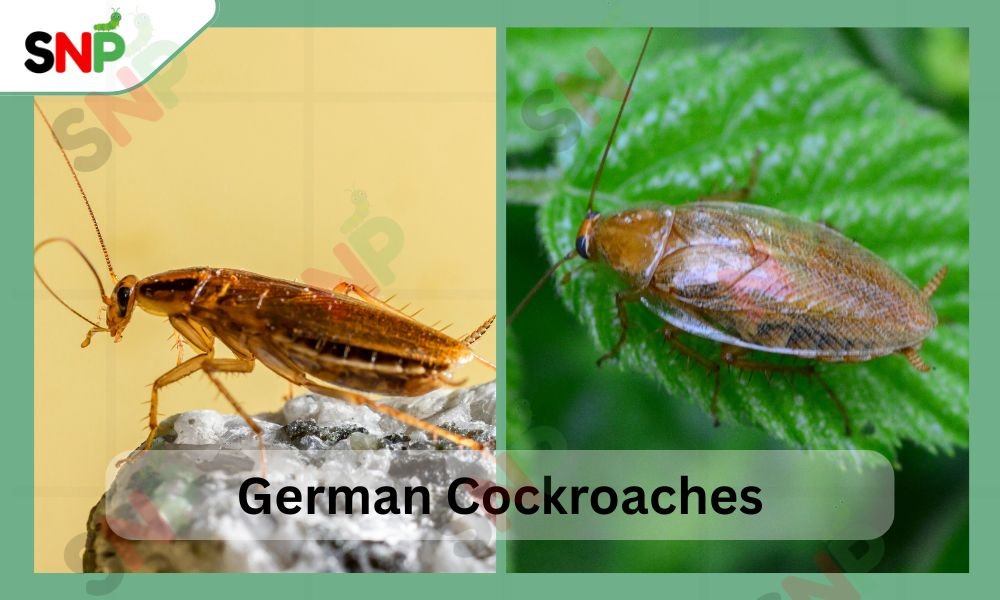
    German cockroaches (Blattella germanica) are small insects with brown to tan color, usually about 0.5 inch in length. While some of their friends might be apt to say ‘cockroaches are German roaches’, these animals would venture to express: German cockroaches have some wings, but they hardly ever fly. Instead, they like to move very quickly over the surfaces, especially when there is light present.
    These are most commonly found in the kitchen, bathroom, and where there is plenty of food and moisture, these pests will thrive. Such a liking for the human environment would mean the presence of this kind of cockroach mainly inside houses and not outdoors, relating to its prevalence as a constant indoor pest in the USA.

    german-Cockroach

    German Cockroach Life Cycle

    The German Cockroach life cycle is one of the main explanations for its fast breeding and development. These species have three significant stages:

    Egg Stage

    The first is the egg stage, which is followed by the nymph stage, and lastly, the adult stage. The whole life span of a German roach finished in as little as 10 weeks, but usually, it’s about 100 days, mainly depending on the temperature and food available.

    Egg period

    Throughout the egg period, female German cockroaches develop oothecae containing about 35–40 eggs. Throughout the development of her egg case, the female roach maintains it on her body surface until the embryos are ready to hatch. She selects a safe area to put her nearly prepared eggs before their hatching.

    Nymph Stage

    The newly hatched newborns receive the classification of German cockroach nymphs. German cockroach nymph begin life as small, hideous, colored creatures that lack wings and are darker than when they reach adulthood. German cockroaches undergo six to seven complete changes of their outer skin on their way to becoming adults in two months under perfect environmental conditions.

    Adult Stage

    The last molt marks the time German cockroaches complete the transition from immature to adult stage, along with the continuation of life cycles. A female German cockroach produces hundreds of offspring throughout her life span, which can rapidly multiply into an uncontrolled outbreak of these pests.

    German Cockroach Nymph

    German-Cockroach-Nymph

    The survival of German cockroaches depends completely on the stage known as the nymph. The small wingless and diminutive nymphs retain the scavenging skills and ability to conceal themselves in tight spaces, which parallels their mature counterparts. German cockroach nymph in your home signify an active infestation because nymphs make up most of the population within built colonies.
    The nymphs possess high resistance levels and need minimal food sources, which makes both their removal complex for professionals and renders them incredibly difficult to eliminate. Their dark body, combined with small dimensions, creates conditions for nymphs to hide until maturation occurs, which obstructs control attempts.

    German Cockroach vs American Cockroach

    Understanding the difference between the German Cockroach vs American Cockroach with the help of a few points:

    Size:

    • The German Cockroaches are about 0.5 inches.
    • American Cockroach are 1.5-2 inches in size.

    Colour:

    • German cockroaches are light brown and tan, with two dark stripes.
    • American Cockroach are reddish brown

    Preferred Habitat:

    • German cockroaches are mostly found in kitchens, bathrooms, and indoor areas.
    • American cockroaches mostly found in both indoor and outdoor areas, along with basements and drainage areas.

    Infestation Frequency:

    • German Cockroaches are the most common household pest.
    • American Cockroaches, on the other hand, are less common household pests.

    Conclusion

    The aggressive and quick life cycle of the German cockroach, known as the German cockroach nymphs, makes them almost impossible to kill. This information regarding the nature of the German cockroach vs American cockroach provides the premise for the battle against the pest.

    If the German cockroach is in your home, a late action can mean a very critical issue, as they not only multiply in large numbers quickly but also carry diseases to your family members. You require a trustworthy pest control service provider that will destroy the German cockroaches easily and keep them away so that you can gain a stable lifestyle in no time. Keep an eye on your home, family, and so on, and maintain a high level of awareness and proactivity, and you will be successful in fighting against these unwanted guests.

  • Bed Bug Life Cycle

    Bed Bug Life Cycle

    The bed bug life cycle is a fascinating process that explains why bed bugs and other pests are difficult to remove. The process involves an egg, which is tiny, white, and is way too small. A single female can lay between 1 and 7 eggs daily, that is approximately 500 eggs in her lifetime. These eggs are present in safe places like mattress or cracks in the bed frame, which makes early detection difficult.

    The eggs will hatch into nymphs (immature bed bugs that are very small and look lighter in colour than the adults) after being nurtured for approximately 6 to 15 days. Nymphs shed five times before they become adults. Guess what? A blood meal is a must for each molt, which means baby bed bugs can bite as well.

    After undergoing all the five molts, the nymphs turn into adults. Adult bed bugs are red-brown in color and are fertile. The bed bug life cycle from egg to adult stage can be as short as 6 weeks if climatic conditions are favourable. The bugs can live between 4 to 12 months and in some cases, they may live for even a year without food, thus, sustaining: This is one of the major causes of infestation continuation, and, therefore it is imperative to have a consistent plan that breaks the bed bug life cycle.

    Do Bed Bugs Fly?

    One of the major myths is that bed bugs can fly or jump. The fact is, bed bugs cannot fly. They are devoid of wings and have no capability to jump like fleas. Instead, they crawl like greased lightning-up to 3–4 feet per minute-are able to catch a ride on clothing, luggage, and furniture. They are expert hiders and they get around with the help of humans in the disguise of art, thus, they have spread over a wide area, but never for a moment will you watch them take flight.

    Bed Bug Killers and Bed Bug Traps

    Pest control faces the biggest problem as most of these pests are too good in hiding. The question where do bed bugs hide is never an easy one to answer, still, here we have some clues that can help:

    • Mattress, old furniture, and bed frames
    • Cracks in headboards and furniture joints
    • Along baseboards and behind wallpaper
    • Inside electrical outlets and electronics
    • In the bed and cushions of sofas.
    • Behind wall hangings, pictures, and even in the spines of books

    They prefer to stay close to their food source (you!), so bedrooms and living rooms are prime real estate. If you’re inspecting your home, use a flashlight and check all these areas thoroughly. Remember, where do bed bugs hide is often within a few feet of where you sleep or rest, but they can spread throughout the house if left untreated.

    Conclusion: Eliminate the Bed Bug Life Cycle Completely

    Coping with bed bugs certainly is a big agony but knowing the live cycle of bed bugs, finding out where they hide, and eventually use the best bed bug traps can cause them to definitely lose the battle of life. Do not forget:

    Going through the bed bug life cycle is something that happens very quickly, and, therefore, the more you wait, the worse it gets. Bed bugs are wingless insects, however, they can move really fast and get a ride easily on anything. It is easy to de-bugspike by means of traps, though it would be best if you used multipronged treatment for the complete elimination of the creatures.

    Don’t forget to check the Where do bed bugs hide places thoroughly every time as they are the best warm shelter for the bed bug.

    In case you rely on the occurrence of the warning signs to detect an infestation, be quick and think about professional pest control services to stop the bed bug life cycle. Keep your home, your loved ones, and your mental peace secure by keeping yourself updated and self-motivating.

  • Do Cockroaches Bite? The Truth About Cockroach Bites

    Do Cockroaches Bite? The Truth About Cockroach Bites

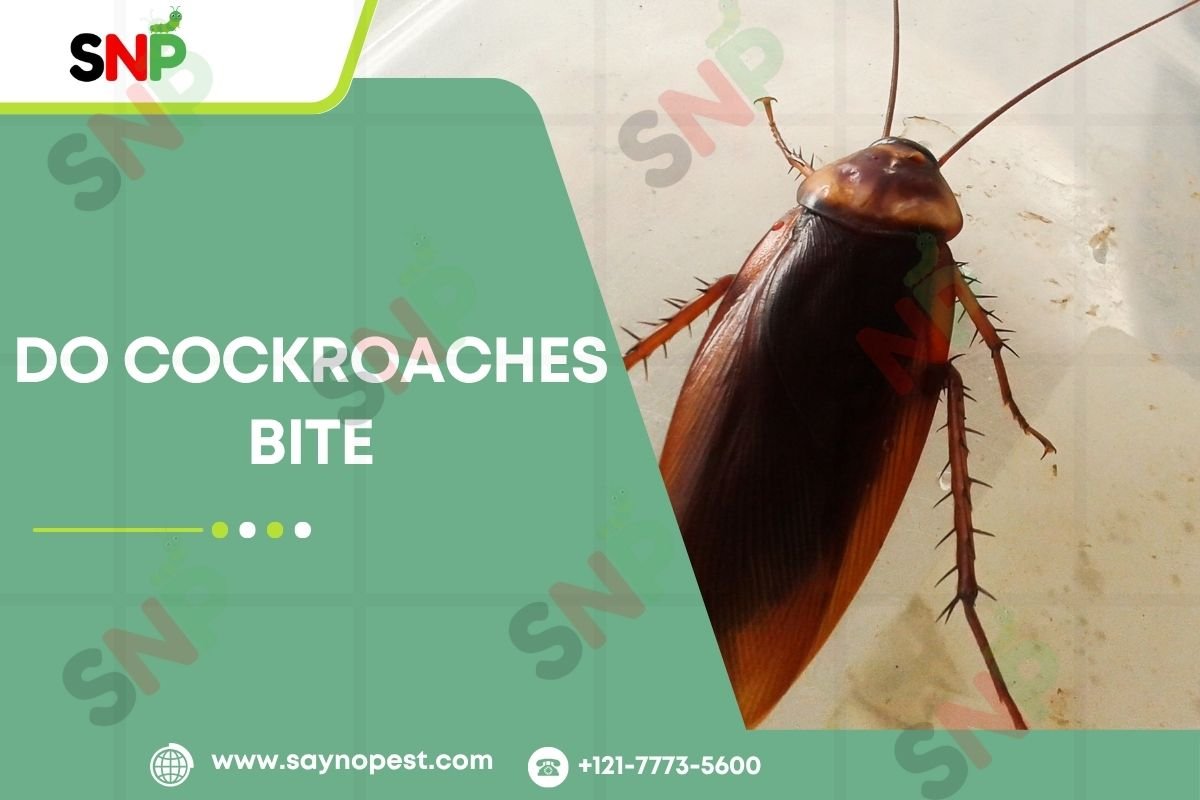
    If the question of do cockroaches bite has ever crossed your mind, then you should not be surprised. Americans are really concerned about the dangers caused by these pests, and the likelihood of their bites is at the top of the list. In this Blog, we will read about the do cockroaches bite humans, explore why do cockroaches bite and discuss the appearance of the bite of Cockroach such as what they look like. Let’s start.

    Do Cockroaches Bite Humans?

    The question of do cockroaches bite humans is a common one. The direct answer is yes, but it is very rare. Are the insects from the family of cockroaches? Will they bite? Probably, but it is a very rare occurrence. Generally, cockroaches bite humans in very rare cases, only under particular conditions, for example, when there is a big population of them and there is a shortage of food. They do nibble people, but this is almost always a sign of severe infestation in a house.

    In reality, the majority of the households in America have no infestation problems with this pest and are more likely to have cockroaches only. They are not going to bite you so often, but still, they will transmit the germs that cause illnesses, and they are not the most suitable creatures to live with.

    Cockroach bite humans in the dark while they are active at night, this being the time the roaches are nocturnal, when humans are in deep sleep. They can be a little hasty sometimes and bite you directly, so a lot of the population doesn’t even get the time to see them at the time of the infection. That said, if the infestation exceeds the level when a food shortage occurs, it is likely that not only will this cause the last of the nourishment to be eaten, but also that the individual will be the next victim of a cockroach bite.

    Why Do Cockroaches Bite?

    Does it not occur to us to wonder why cockroaches bite? Right, it is their survival instincts that are the cause. Take, for example, the disasters of food that make them start their biting intentions. In large infestations, after the disappearance of their ordinary food, only then will they act as scavengers to get whatever they want when they are about to turn to the act of eating the whole clothing of a person who has left in a place they can get to.

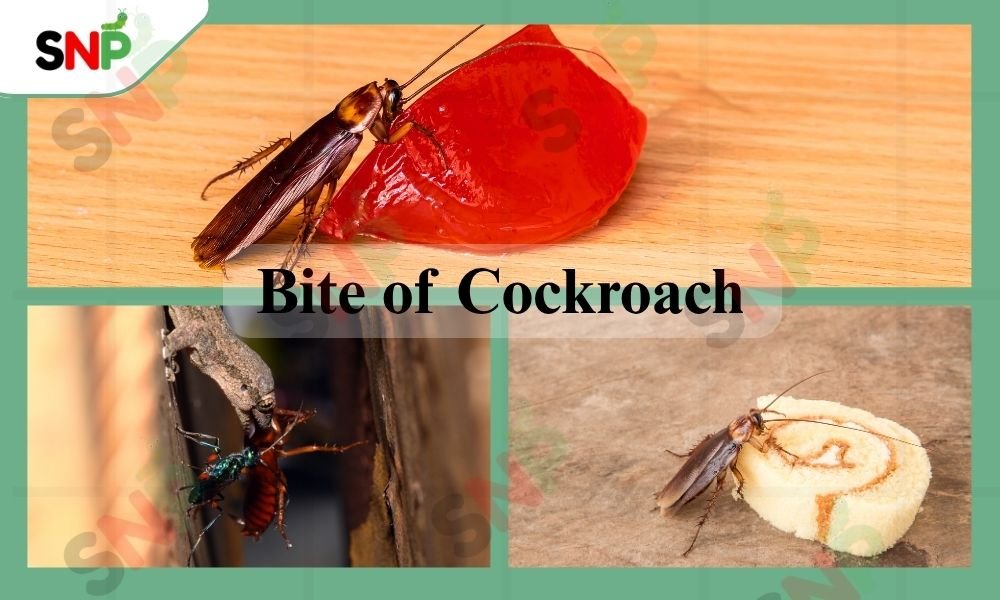
    Also, they are real troopers in the domain of food searching. A cockroach will eat anything it puts its teeth into, for example, food scraps from your skin, nails, or even the space around your mouth. You will experience a cockroach bite if you fall asleep with food particles or grease on your face and hands before a cockroach attacks you during sleep.

    What Do Cockroach Bites Look Like?

    It is difficult to recognize cockroach bites because they appear similar to other insect bites. Nonetheless, certain signs are particular to this kind of bite:

    • Cockroach bites frequently take the form of red itchy welts, which are a bit larger than the sting of a mosquito or the bite of a bedbug.
    • The area of a bite made by a cockroach is usually about 1–4 millimetres in width and sometimes even up to 1/8 inch wide.
    • Contrary to bed bug bites that are often observed in the form of groups or lines, cockroaches bite their victims at one spot only.
    • The skin around the cockroach bite can be warm, swollen, and red it also itches.
    • In some cases of the bite of a cockroach may get a scab above them.
    • Severe reactions, such as severe redness, swelling, or even pus, may occur in if the bite infected or due to an allergic response from the person.

    Most Common places for cockroaches bite are the face, mouth, fingers, hands, and feet—these are the places where leftovers are most likely lingering.

    How to Treat and Prevent Cockroach Bites

    The management of cockroach bites involves two steps: prevention and treatment.

    1. Execute these procedures if you believe a roach bite has occurred:
    2. Warm, soapy water should used to clean the bite location in order to avoid infections.
    3. An antiseptic cream or hydrocortisone cream should applied to lessen both the itch and swelling.
    4. The application of cold to soothe the pain is recommended.
    5. You should never touch a cockroach bite because this behaviour causes both added discomfort and possible bacterial infections.
      6 You must obtain medical help if you develop severe allergic reaction symptoms, which include breathing difficulties, extensive swelling, or any pus.

    Regular maintenance of your residence, along with proper food storage and regular hygiene practices, will protect you from cockroach bites, specifically at night. A regular schedule of pest management services will eliminate insect presence and decrease the likelihood of bitten by these pests.

    Conclusion

    Cockroach bites only occur rarely, yet the thought of such an attack remains unsettling to many people, primarily due to severe food scarcity during serious infestations. Statistics show that cockroach-related bites will not cross paths with the majority of United States residents throughout their entire lives. Knowing cockroach bite indicators remains vital because understanding their treatment method and implementing protective measures against infestations proves essential. If cockroaches are your companions at home, professional pest control is the most assured way of keeping your family discomfort-free and disease-free, and never again will the question of do cockroaches bite bother you.

  • What Do Baby Cockroach Look Like?

    What Do Baby Cockroach Look Like?

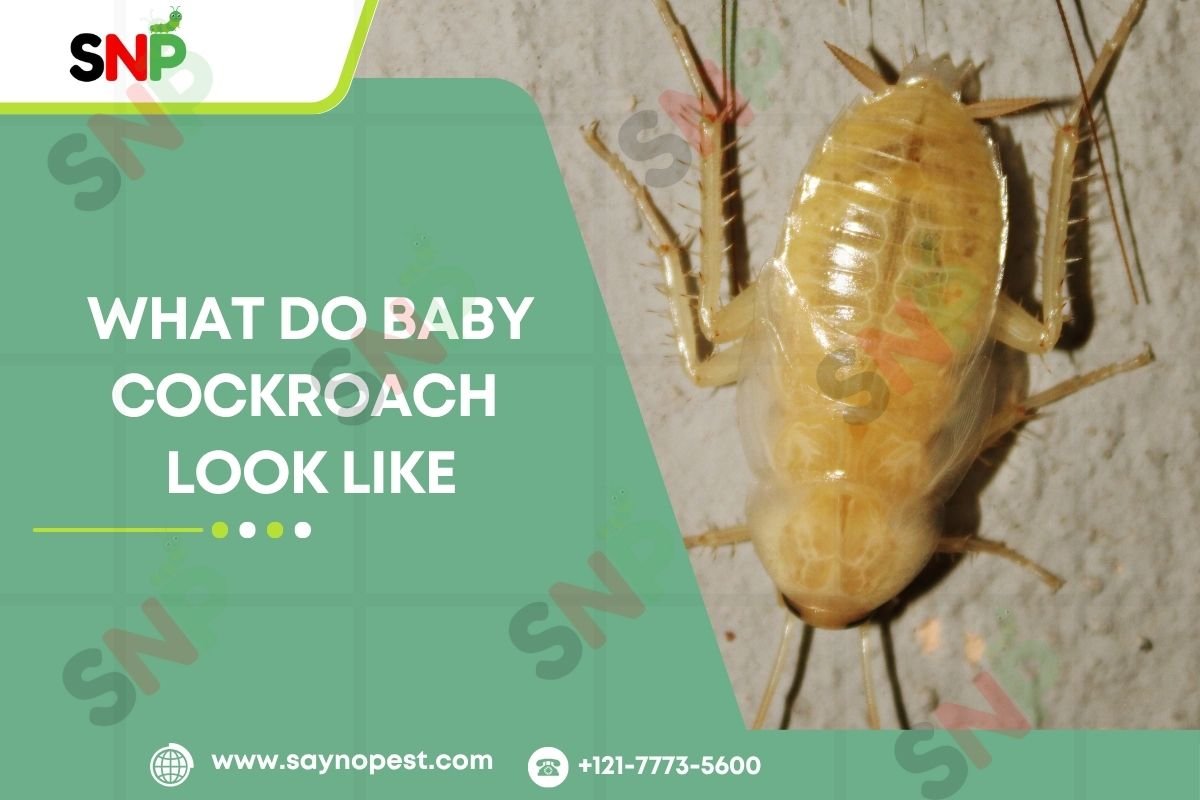
    When you see a quick-moving tiny insect move across your kitchen or bathroom area, you might wonder about the appearance of cockroach hatchlings. Damage prevention from cockroach infestation starts with identifying what do baby Cockroach look like, which are known as nymphs. This text explains how to identify cockroach nymph alongside their home signs and unveils the necessity of a fast response for pest-free living conditions.

    What Do Baby Cockroaches Look Like?

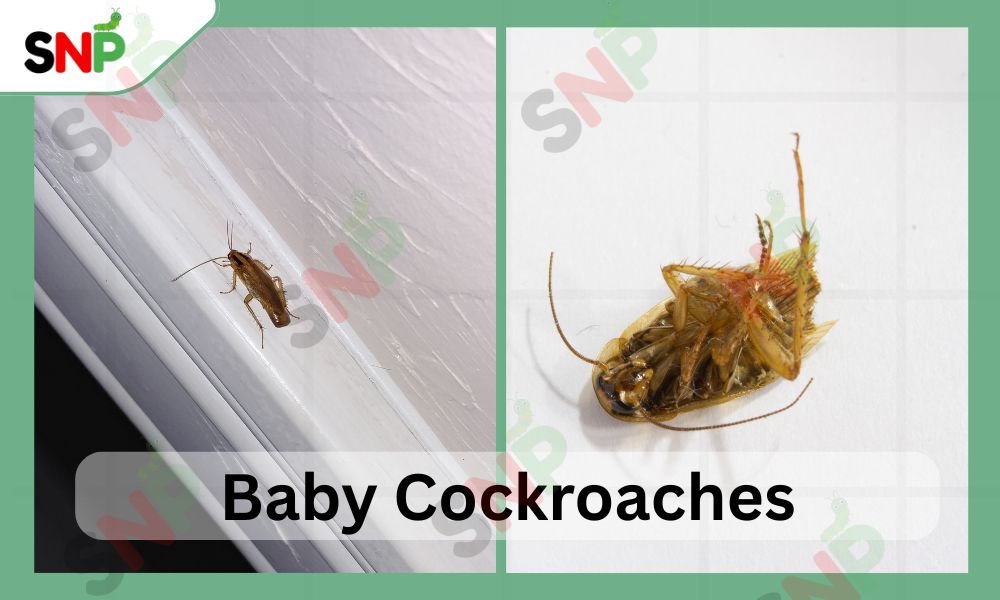
    The first stage of a cockroach existence appears as the baby cockroach known technically as a cockroach nymph. Immature cockroaches, before reaching adulthood, remain tiny and lack wings and typically show colouring that differs from the adult appearance. During the few minutes that go past after hatching, a baby cockroach is a grey or white insect, which will get brown or reddish-brown within a few hours due to the hardening of its exoskeleton.

    Cockroach nymphs are small, even though they are much like adults in body shape and features: they are very flat, have an ovoid shape, long filamentous antennae, and six spiny legs. On the other hand, the full set of wings that the fully mature cockroach possesses is absent in these immature creatures. During these moults, the body pattern changes due to the new skin layers.

    baby-cockroaches

    How to Identify a Baby Cockroach Nymph

    Knowing how to identify a cockroach like a cockroach nymph is of paramount significance in endemic species before they reach unmanageable numbers. Find out the characteristics of what you should look for:

    • Size: Smaller than adults, usually less than 1/4 inch long.
    • Colour: Freshly hatched nymphs are white or gray and then very quickly turn light brown to dark brown or reddish-brown.
    • Wings: No wings—the absence of which is the most reliable and clear characteristic of a baby cockroach when differentiating it from an adult.
    • Body Shape: It is proportionally broad and flattened; the oval shape + three obvious divisions (head, thorax, and abdomen).
    • Antennae: Baby cockroaches have long, thread-like antennae that can sometimes be longer compared to their size.
    • Movement: They are very quick and agile, and usually they enter our home through small cracks.

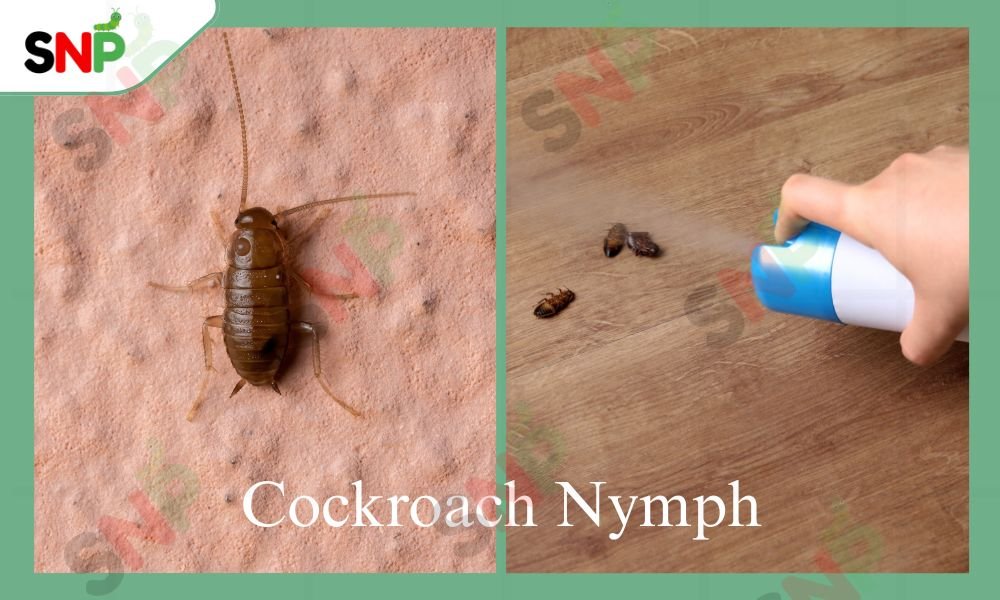
    One of the ways each species can be identified is by its colour and the markings they have. For instance, baby American cockroach nymph look reddish-brown and have a halo-shaped marking besides the head, while the baby German cockroach nymph are yellowish-brown and their pronotum has two parallel dark stripes.

    cockroach-nymph

    How to Detect Baby Cockroach in the House

    If you see a baby cockroach, it’s a big warning that things are not well with the insect’ population in your house. You will find out what the signs of the presence of cockroach nymphs are in your home with the help of the following indicators:

    Cockroach Droppings

    Small, black specks that look like coffee grounds or black pepper and are commonly in cupboards, under sinks, or close to appliances.

    Shed Skins

    Cockroach nymph die and leave behind their transparent skin as they get larger.

    Egg Cases (Oothecae)

    Crevices, the base of furniture, or inside cabinets can be the places where you look for the brownish capsules which hold numerous baby cockroach nymphs each.

    Musty Odor

    If a musty smell is present, it can be a result of humidity, but it can also indicate that both the adult and baby cockroach populations are in the growing phase.

    Frequent Sightings

    Seeing small, wingless roaches on a frequent basis in your kitchen, bathroom, or other moist and dark places means that you have an active breeding site in your house.

    Conclusion: The Importance of Early Detection

    Learning from what do baby Cockroach look like, no doubt, is one of the fundamental things that every American homeowner should be aware of. A baby cockroach or cockroach nymph is the surest way to know that the insects are still actively breeding inside your house, and that you can expect a more severe infestation if unchecked. Early detection—spotting by their minuscule size, colour, absence of wings, and other characteristics—permits you to act immediately by getting your house protect and your family safe from the health threats these insects pose.

    If you observe any indications of a baby cockroach of the prompting, hasten to engage a professional pest control service for inspection and treatment, as the focus is to stop the situation from getting worse.