Blog

  • Wasp vs Hornet: Understanding Differences, Control, & Protection

    Wasp vs Hornet: Understanding Differences, Control, & Protection

    With the onset of summer in the States, the same goes for the insects that ruin the outdoor fun and are also a threat to homes and businesses. Among the most frequent are wasp vs hornet – two insects that are extremely difficult to tell apart, but have very distinct differences. Should you be in search of reliable relevant about wasp vs hornet, effective wasp control or professional hornet pest control, this guide will help you identify, understand, and manage these stinging pests.

    What are Wasps?

    WASP

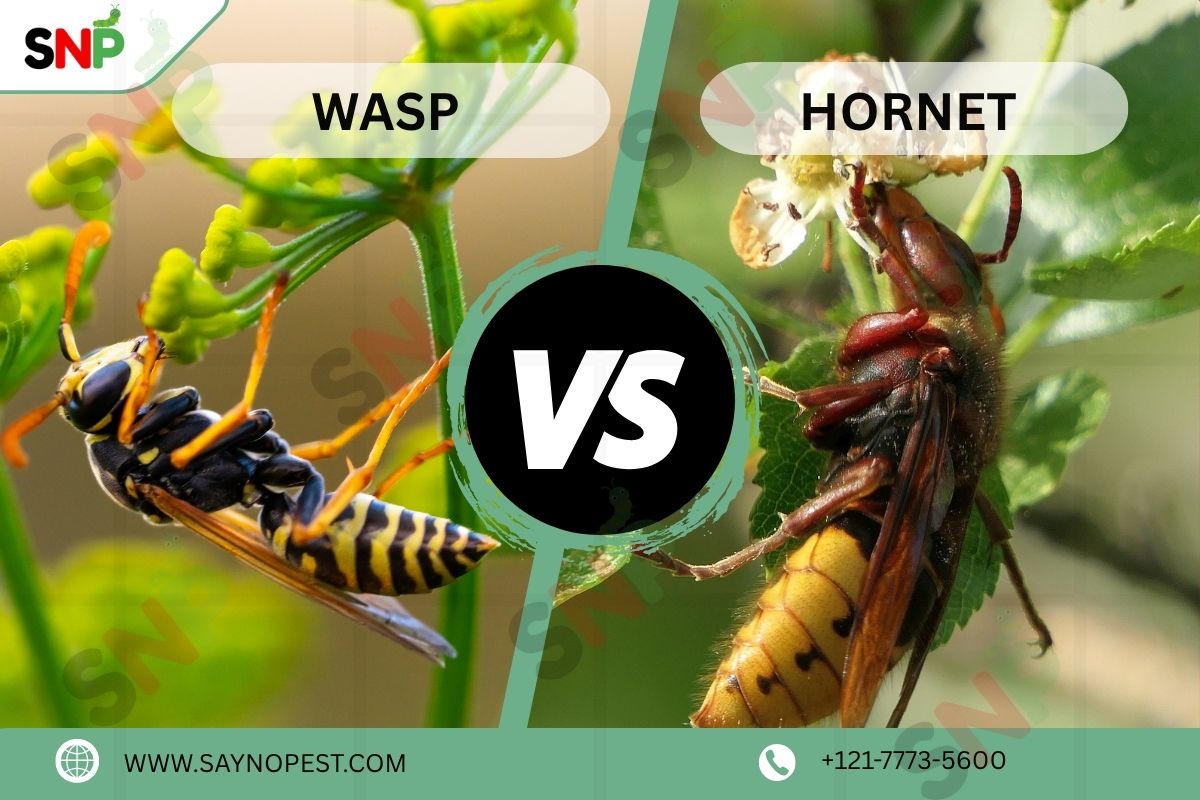
    Wasps are a diverged group of insects that fly, with more than 30,000 registered species all over the planet, and over 4,000 of them available in the US only. They have elongated and slim bodies. They have a very narrow waist and four transparent wings as identifiers. The majority of wasps are striped with black and yellow, although of course, there are some species having redness or some metallic hues. Some wasps live alone, while other wasps live in colony structures, and those structures are made of wood fibre that is chewed and mixed with saliva.

    Wasps are omnivorous social insects. They can eat nectar, fruit, and other insects. They help to keep the pests in the garden under some control, but scavenging for sugary drinks and protein-rich foods is what they do at picnics and outdoor events. Wasps are equipped with stingers that are smooth and with which they can sting multiple times; they can use them as weapons for both offensive and defensive purposes.

    When they build their nests extremely close to human activity, it is very important to implement wasp control as their stings can be painful and, for some people, dangerous. A proper way to eliminate a wasp nest involves using special sprays and soapy water to locate the nest and contacting professionals if it is necessary for safe removal.

    What Are Hornets?

    Hornets constitute a rodent species of classification Vespa beneath the wasp family. Horns stand out from regular wasps through their enlarged size and thick body since they measure from 1 to 2 inches in length. Their appearance is rather dull, usually featuring black and white or brownish-red patterns, and the head is much bigger hence scarier impression that they give.

    Among all hornet species living in the United States, the biggest one is the European hornet (Vespa crabro). Some rare observations show the Northern giant hornet (V. mandarinia) also called “murder hornet” despite its unseen occurrences because of its extended physical features. The social insect hornets develop circular nests that nest primarily in elevated positions of trees, along with attics and hidden locations.

    HORNETS

    Hornets maintain an insect-based diet as they eliminate pests yet they become defensive to protect their nest. The control of hornets becomes necessary when their nests exist close to residential properties and businesses because hornets deliver numerous painful stings and they swarm to protect their nests from threats.

    Wasp vs. Hornet : Key Differences

    Size

    • Wasps: Wasp size ranges from ⅓ inch to 1 inch in length.
    • Hornets: Hornets range from 1 inch to over 2 inches.

    Appearance

    • Wasps: Wasps have a Slender body with a narrow waist and bright yellow and black
    • Hornets: More robust and thick-bodied; muted black and white or brown and red coloration.

    Diet

    • Wasps: Omnivorous — feed on nectar, fruit, insects, and scavenge for sweet foods and proteins.
    • Hornets: Primarily predators — feed mostly on other insects (including bees) and occasionally nectar.

    Habitat

    • Wasps: Build nests in diverse locations such as eaves, attics, underground burrows, wall cavities, and trees.
    • Hornets: They prefer sheltered areas like trees, high branches.

    Behavior

    • Wasps: Yellow jacket wasps, among other types, display aggressive behavior during their hunting, resulting in painful stings.
    • Hornets: Hornets demonstrate minimal aggressive behavior unless anyone irritates them and threatens their nesting area.
    wasp-v-s-hornet

    Wasp Control and Hornet Pest Control: Protecting Your Home

    Both wasp vs hornet pest control require careful identification and targeted action. You can use several methods to eliminate these bugs, for example, insecticides, but bear in mind that this must be done at night, you can seal off, and you can even go as far as to remove a nest by using protective clothing. Nevertheless, due to the possibility of multiple stings and aggressive swarming, especially with hornet pest control is often the safest choice.
    Professional wasp pest control and hornet pest control services can:

    • Identify the species and nest location
    • Use specialized treatments and equipment
    • Remove nests safely, mostly at night when the insects are not active
    • Advise on prevention methods so that your property remains pest-free

    Conclusion

    Knowing the differences between the wasp vs hornet discussion is a very important aspect in the scheme of successful pest management and safety. Even if both species perform important functions in the environment, their dwellings near homes and businesses might be the cause of quite a few risks. Being aware of their special traits – size, appearance, diet, habitat, and behavior – will make it easier for you to choose the proper wasp control or hornet pest control strategy.
    With the right techniques, you can have a safe environment without the threat of stings throughout the whole summer. For all your wasp pest control and hornet pest control needs, trust experts who understand the wasp vs hornet challenge and can deliver peace of mind.
  • Types of Wasps : Identification, Control, & Management in the U.S.

    Types of Wasps : Identification, Control, & Management in the U.S.

    Wasps are an actual pest across the country, and hence understanding the familiar types of wasps is key to effective wasp control and safety. Recognizing and being capable of managing and eliminating these insects, whether you’re faced with aggressive yellow jackets or the more docile paper wasps, are crucial for both homeowners and businesses. Here will be our focus on the main types of wasps, how to kill wasps, what are their life cycle, and we will also provide simple tricks for.

    TYPES-OF-WASP

    Types of Wasps in the United States

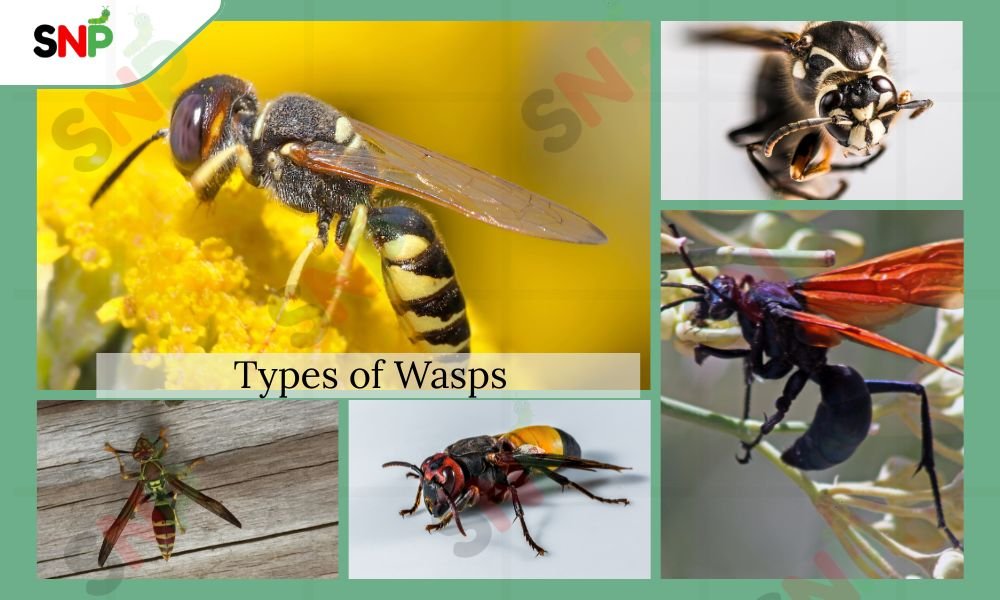
    There are more than 4,000 species of wasps in the U.S., but a very limited number is found around residential buildings and are potentially dangerous. The most common types of wasps you might come across are:

    Yellow Jackets

    Yellow Jackets wasp stand out with their black and yellow striped pattern since they display the highest level of aggressiveness. The construction sites of Vespula spp. exist either beneath ground or within wall cavities while their defensive protection against nest intruders has earned them universal notoriety.

    Paper Wasps

    They’re outstanding for their thin bodies and long legs. The nests of paper wasps take an umbrella shape and usually reside under eaves or attics and tree branches. Paper wasps exhibit color patterns that include black together with yellow and white markings, and also exist in red or orange hues.

    Bald-Faced Hornets

    Despite the name, they are still wasps. The creatures are black and have white facial markings. They prefer to inhabit tree roots or building eaves and construct large, aerial nests. Bald-faced hornets are seriously mad with their stings if you become an obstacle to their nests.

    European Hornets

    European hornets are bigger than the usual wasps. They have a mixture of brown and yellow colors and build nests from paper in the hollows of trees or wall voids.

    Blue-Winged Wasps

    This wasp species mostly found in the eastern parts of the United States. The blue-winged wasps characterized by their large size and wings of a blue hue and are a completely solar species that makes underground nests and stings only if disturbed, seldom.

    Therefore, these types of wasps are useful for carrying out pollination and pest control, but they are also harmful in case of build their nests near humans

    How to Kill Wasps Safely and Efficiently

    If you find a wasp problem at your place, then you must know the ways to how kill wasps to save yourself. Here are some of the effective methods that are used for getting rid of wasps:

    Direct Sprays

    The commercial wasp sprays we’re speaking of here have a nozzle that jets the spray a long way so that you can keep a safe distance. Shoot the entrance to the nest in the early morning or at night before it gets dark, when the wasps are asleep.

    Soap and Water Solution

    A solution that is prepare by mixing two spoons of dish soap in a bottle with water and sprayed directly on the nest. The soap prevents the breathing pores from working correctly, and the wasps killed instantly.

    Homemade Traps

    The first step here would be to cut a plastic bottle and turn it over where the top is filled with sugary syrup or a soda of your choice. After that, we wait for the wasps to get lured into the sweet smell and drown.

    Rubbing Alcohol

    A small drop of alcohol dropped onto the insect will quickly kill it. It can even be done when the wasp is inside your home and you want to get rid of it quickly.

    Essential Oils

    Create a natural wasp deterrent using water and dish soap by mixing any available citrus oil with clove oil and peppermint oil. You can apply this solution through the targeted entry points or nests after preparation.

    Remember that protective clothing is a must, and do not swat the wasps as this can annoy them and they can become aggressive. At the same time, the use of professional wasp pest control services is highly affected when there are big infestations.

    HOW-LONG-DO-WASP-LIVE

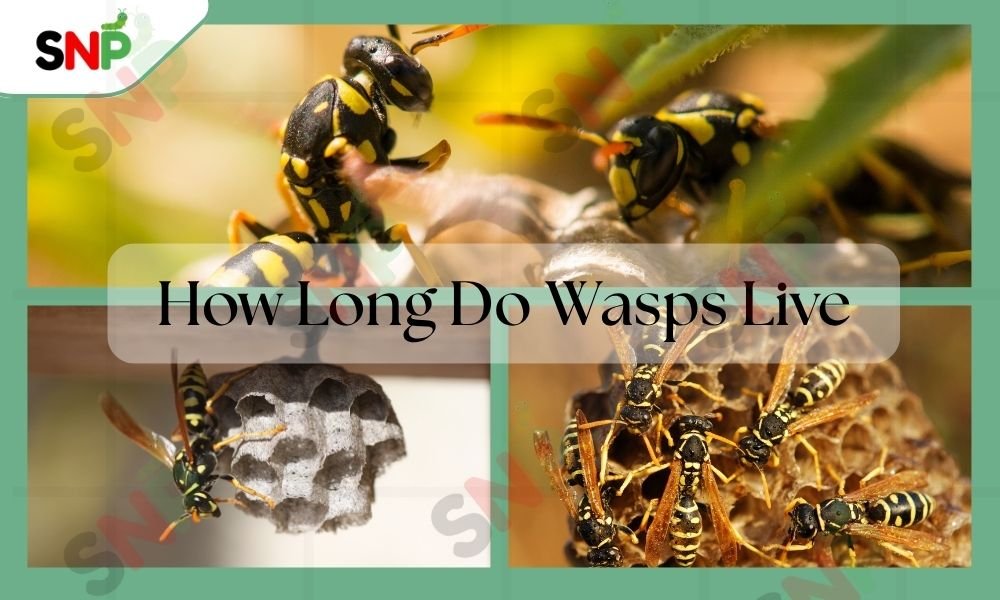
    How Long Do Wasps Live?

    The understanding of the lifespan of wasps is important to come up with effective wasp control measures. The life expectancy of the average worker as an adult is between 12 and 22 days. A full life cycle-from egg to adult-consists of about 35 and 70 days. The case is different for queen wasps, who survive overwinter by hiding themselves in safe places and thus can survive for one year. Worker wasps and males naturally die in autumn because of the cold and lack of food.

    Wasps, unlike honeybees, do not die after stinging. Their slick retractable stinger enables them to sting several times. This is what makes the effective wasp pest control even more important, with the late summer and fall period being the most aggressive season for wasps.

    Wasp Pest Control: Prevention and Professional Help

    Combining prevention, DIY solutions, and professional help for controlling wasps effectively consists of:

    Seal Entry Points

    Visually inspect and seal up the cracks, gaps, and holes in the walls, roofs, and around the windows to make sure no wasps can get there.

    Remove Food Sources

    Regularly keep outdoor eating areas clean, cover trash cans, and remove the fallen fruit from the yards to be less of a wasp attraction.

    Decoy Nests

    Put up some artificial nests to discourage the territorial wasps from creating the real ones around your place.

    Professional Removal

    If you cannot access a nest, or it is a big one, look for a licensed wasp pest control service to do the job. These people have the professions and equipment to take down nests in a safe and efficient manner.

    Doing regular checks and acting promptly are the main principles of successful wasp control.

    Conclusion

    Wasp management requires full knowledge about types of wasps, along with their natural behaviors as well as appropriate wasp control techniques. Learning either home-based safe DIY wasp killing methods or hiring professional pest control services for wasps requires updated knowledge to protect families and properties. Our security depends on fast intervention whenever wasps create a dangerous situation, even though staying with low numbers of wasps can sometimes bring advantages. The preventative practice of wasp pest control should become a fundamental part of your regular home care activities to maintain lasting mental tranquility.

  • How to Get Rid of Millipedes Fast

    How to Get Rid of Millipedes Fast

    If your house or yard has suddenly been occupied by a large number of millipedes, then you are undoubtedly not alone. It is common to find many American homeowners forced to seek a remedy on how to get rid of millipedes, especially after it has been raining heavily or the weather is changing.

    Millipedes outside the home provide environmental benefits while remaining harmless to people. The situation changes when millipedes enter your home.

    What Do Millipedes Eat?

    The information about what do millipedes eat is essential to reduce the population of them. On a rare occasion, millipedes might consume fungi, algae, or even little insects if they happen to be there. The question about how to get rid of millipedes typically remains unanswered within homes because these creatures need decaying matter to survive. Your home may not have millipedes but the combination of moist areas with organic debris and pet food remains will still attract them.

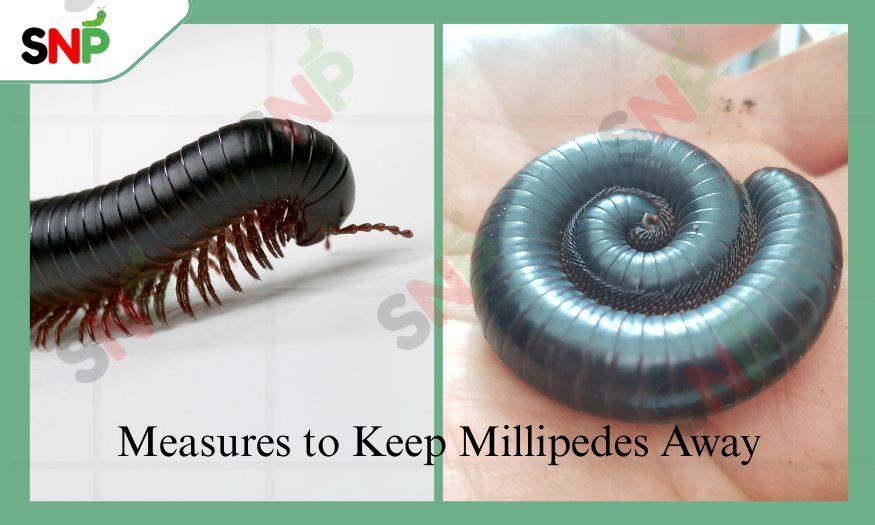
    Effective Measures to Keep Millipedes Away

    Measures-to-Keep-Millipedes-Away

    One effective way to avoid millipede infestations is by prevention. Below are the steps that you can take to get rid of millipedes before they start a problem:

    • Remove Dampness: Millipedes greatly multiply in moist areas. Keeping your environment dry is one of the most important parts of how to get rid of millipedes.
    • Clear All the Organic Waste: Millipedes major food source is decaying plant matter, clear your yard from leaf piles, grass clippings, mulch, and woodpiles. Also, do not keep firewood stored far away from your home.
    • Fill all the cracks and holes in the walls, windows, doors, and other openings.
    • Proper Storage: Keep trash cans, pet food, and water barrels off the ground and away from your home’s exterior.

    Following these steps will reduce the attractiveness of your property to millipedes.

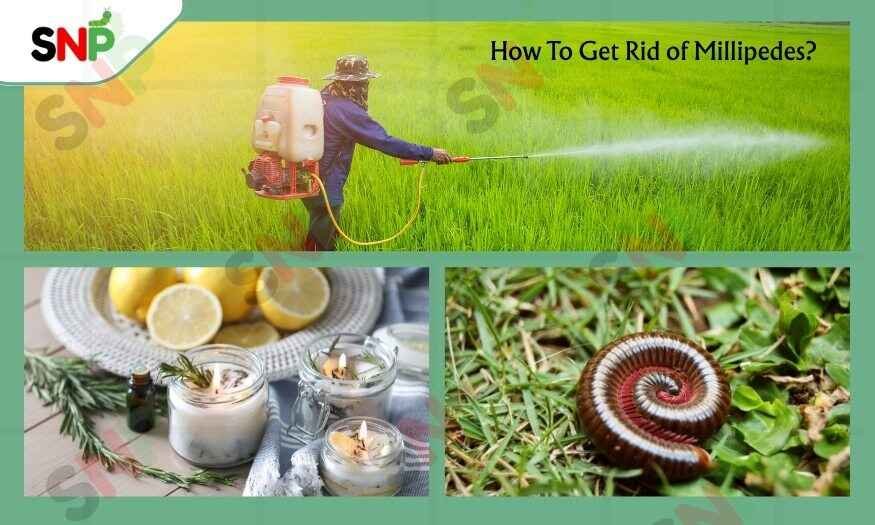
    How To Get Rid of Millipedes?

    Millipedes

    The following steps will help you eliminate millipedes quickly and effectively if manual prevention methods failed to work:

    • Manual removal stands are the simplest approach to get rid of millipedes.
    • Place sticky traps with glue boards at door and window entry points to capture walking millipedes. The traps function both safely and effectively for indoor and outdoor use.
    • Natural repellents such as tea tree and peppermint essential oils and cayenne pepper work effectively to deter millipedes from entering your space. Spray the mixture of essential oils and water at entry points to establish a natural repellent. Sprinkle cayenne pepper across the areas where you have observed millipede activity.
    • You can create a DIY trap by using a plastic bottle with ripe fruit and vinyl tubing. The fruit attracts millipedes inside while their bodies remain trapped because they cannot escape through the bottle opening. This creates a pet-safe organic pest control method.
    • Apply insecticide to the perimeter of your house foundation by focusing on doors windows vents and all entry points. The application of Millipede control products creates an effective barrier that blocks millipedes from accessing your home.
    • The majority of millipedes eat decaying matter so you must maintain your home and garden in a clean state. All organic waste including dog food scraps must be completely removed from your home. The garbage bin needs to be properly closed while moving waste containers to a location outside the dwelling area.
    • The dry environment inside homes combined and the absence of food will cause millipedes to perish within a short period. A few millipedes you encounter will naturally die within a few days because of their environment.

    It is possible to become an expert on how to get rid of millipedes and ensure that your house is free from pests by employing the aforementioned techniques together.

    Conclusion: How to Get Rid of Millipedes

    The correct methods will help you regain control of your home and yard despite millipede annoyance. To know how to get rid of millipedes you should know their diet while removing their food sources, reducing moisture levels, sealing entry points, and using safe removal methods. These methods will help you maintain a millipede-free environment in your entire home throughout the year.

  • How to Handle Millipedes in House

    How to Handle Millipedes in House

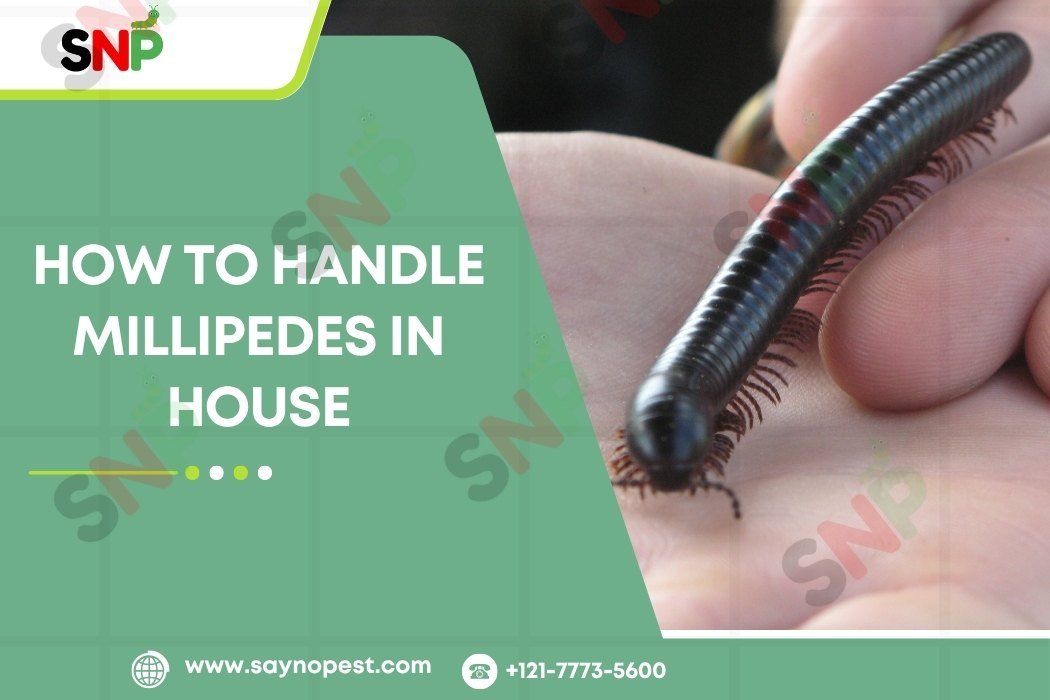
    Finding millipedes in house can be an extremely scary situation for many homeowners. These creatures commonly get into basements, restrooms, and crawlspaces, after heavy rain. While their presence may bring even a jolt of fear, awareness about millipedes in the house. The necessary measures to control them can help you live in your home being very comfortable and completely pest-free.

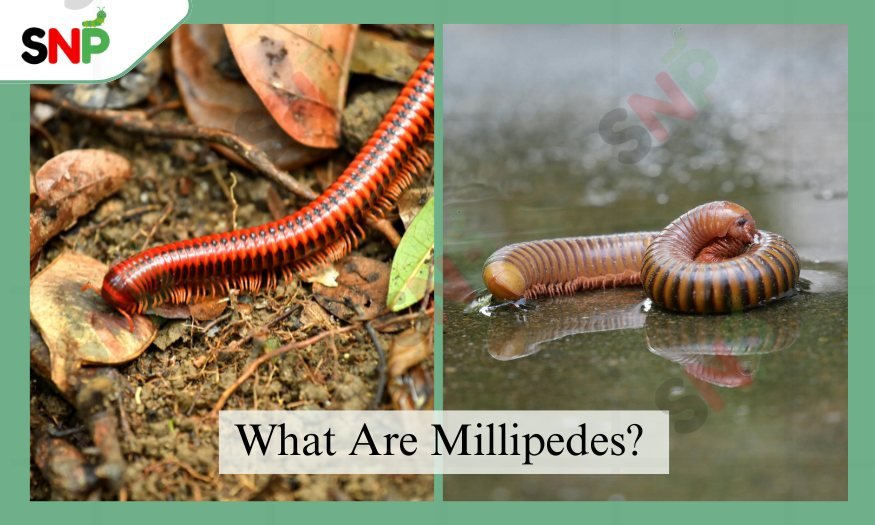
    What Are Millipedes?- Know about Millipedes in House

    Not insect but arthropods, millipedes in house are close relatives of centipedes. Their bodies are round and made of numerous segments, with two pairs of legs each. Therefore, another name for them is the “hundred-leggers”. Millipedes are dark brown or black in color and are 1/16 of an inch to more than 4 inches long. They have the ability to move like a wave.

    What Environments Do Millipedes Prefer?

    It is possible that your finding of millipedes indoors is due to the fact that your house or garden is creating the right environment for them. Here is what makes millipedes come indoors:

    • Moisture: Millipedes in house love to be around moisture the most. They must have the humidity for the existence of the newt, thus damp places like basements, washing rooms, bathrooms, and crawl spaces are the most suitable for them.
    • Decaying Organic Matter: Not only are millipedes decomposers, but they also attract dead leaves, mulch, compost, and other partly decayed plant materials from both inside and outside your home.
    • Shelter: The tall grass, heaps of leaves, mulch, and rocks bordering your house are good places for millipedes to hide and to stay cool and moist.
    • Weather Changes: Heavy rain, drought, or cold temperatures can drive millipedes indoors in search of more suitable environment.

    Do Millipede Bite?

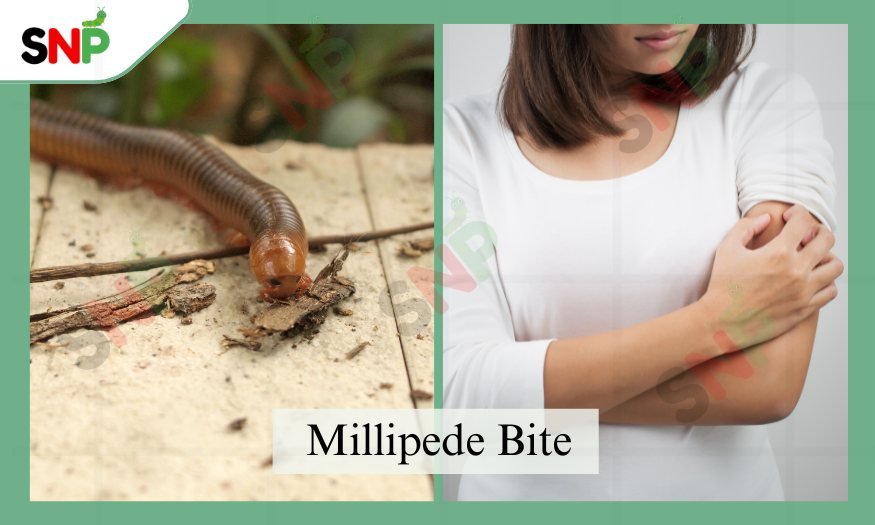
    A question asked by people is, “Do millipede bite?” The answer is actually that millipede do bite, but there is nothing to worry about. The fact is that centipedes come with a pair of legs that are capable of injecting venom. Whereas millipedes do not have such an adaptation and are not poisonous.

    However, if they feel threatened, they can initiate a mechanism that will release a production of an offensive fluid. This will have a sharp smell but may also cause skin irritation or discoloration to people with sensitive skin. Washing your hands remains essential after millipede contact because their liquid substance is non-hazardous yet skin reactions may occur. The news about millipede bites may seem concerning but these creatures pose no threat to humans or animals. The real issue with millipedes in house is their nuisance factor, not any health threat.

    Conclusion: Millipedes in House

    Millipedes in a house is a very common issue that occurs mostly in places where there is dampness, darkness, or changes from the weather.

    Even though their site may be a bit scary, they are not a health threat, and millipede bite is no longer a concern to you. In any case, these harmless beings are just after the water and shelter they need. You can maintain their presence at a low level by eliminating standing water, clearing away rotting organic matter, and sealing the entry points. If the problem is persistent, you can opt for professional pest control that will make your home full of comfort. Always remember that while millipedes in house can be a pest, they are not life-threatening.

  • The Great Black Wasp: A Guide for American Homeowners

    The Great Black Wasp: A Guide for American Homeowners

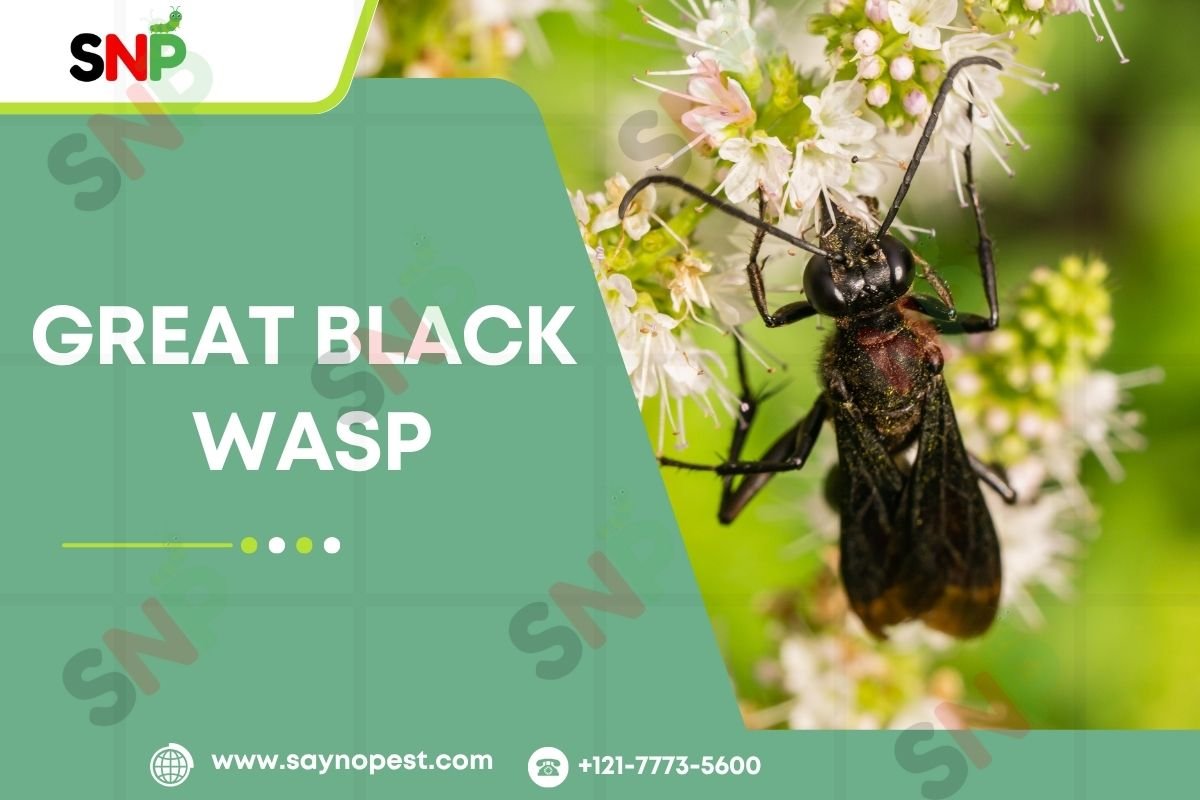
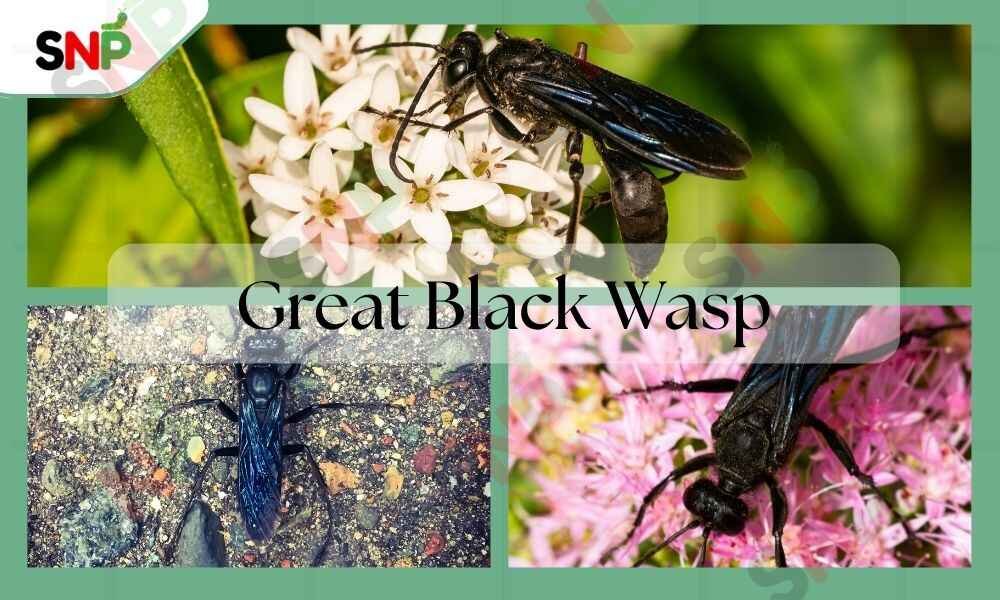
    The great black wasp takes residence in summer gardens as a large, shiny black flying insect. Sphex pensylvanicus represents the scientific name of this wasp, which functions as a solitary digger wasp mainly present throughout most parts of the United States. Society perceives these wasps to be harmful beings despite their affirmative role in maintaining the ecosystem. People lack awareness of wasp ecology because they do not seek information about insects. The truth is that these wasps are not as harmful as most people imagine they are, despite their large size and scary looks. We aim to uncover as many realities as possible about the great black wasp, including the threat to humans, , the stinging behavior of the great black wasp lifespan, and the ways to reduce the risk of having them.

    The Great Black Wasp: A Guide for American Homeowners

    The female of the great black wasps is among North America’s largest wasp species, with her size being 1.3, with males slightly smaller. They are quite obviously black/faun and shiny with smoky blue iridescent wings, the solid colored wasps that are a great black wasp. On the other side, wasps have their lives in collective buildings, for instance those of a yellow jacket, in a leaf & mdash; large caterpillar nest while the great black wasps are quite autonomous with each female working on her own nest, which is often (but not always) underground and never forms colonies of her own.

    great-black-wasp

    Is the Great Black Wasp Dangerous?

    Some people are concerned about is the great black wasp is dangerous to them. The answer given is not scary: these wasps do not easily get provoked. Since they are social, there is no protection for them, and consequently, there is no source of defensive behavior for humans. Only the great black wasp will sting if you handle them directly, and still, only the females are capable of stinging. These stings, which may be painful, are for the majority of the population consider non-medically important, unless you are very allergic to wasp venom.

    Great Black Wasp Lifespan

    The great black wasp lifespan certainly gives a clue as to their seasonal occurrence. The life cycle is initiated by the female by digging a hole in a well-drained soil where she makes her youngsters the chambers by laying the eggs in. After her prey’s hunt & stings, which include grasshoppers, katydids, or crickets, she paralyzes them with her sting, and afterwards, she places them in the hole of the nest, which serves as food for the babies who are to be born. The larvae then feed on these paralyzed insects for about 10 days, and later, the adult wasps, after pupating for so many weeks, come in late summer, generally as an end of the cycle.

    The great black wasp lifespan lives for quite a short time compared to other organic forms of life; they live a few weeks to a couple of months, but often it’s just a couple of weeks, which is the result of the weather. Female usually emerges after the males and may stay for a while and then be gone, it could be associated with their reproductive strategy or predators, and transportation. A new breed of wasp ends its cycle during the warm season, which is usually summer, and the cycle consists of only one such season.

    Do Great Black Wasps sting?

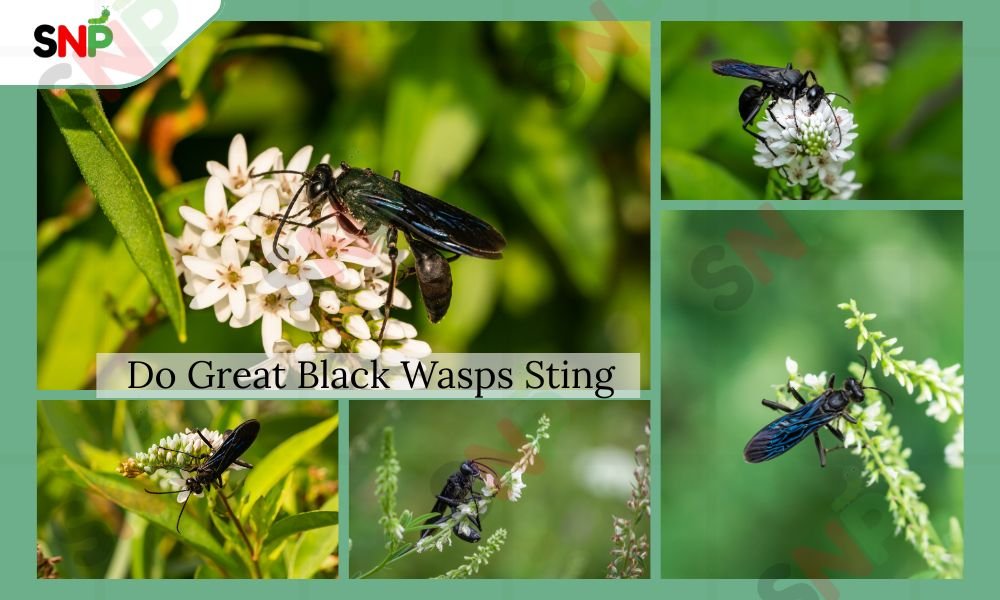
    One common question is: Do great black wasps sting? Yes, they do, but there is an important context for that. It is only the female great black wasps that have stingers which they primarily use for paralyzing prey rather than for defense. Male great black wasps do not possess any stinger structure. Pain is a common effect of a great black wasp sting, although the sting is not as risky as different types of wasps, and these wasps sting people only when specifically provoked or handled wrong.

    The typical signs of a great black wasp sting include pain at the site, combined with redness and tissue swelling. Despite being rare, most allergy sufferers still face a risk of serious reactions if they come into contact with these insects.

    do-great-black-wasp-sting

    How to Manage or Kill Great Black Wasps

    If you are not feeling safe about great black wasps making their nest near your home, there are indeed several ways to manage them that are safe and effective:

    1. Soap and Water: A simple mixture of dish soap and water applied to a nest is sufficient to cause wasps to suffocate and die.
    2. Wasp Traps: The use of homemade traps with sugary syrup can effectively reduce the number of wasps around.
    3. Essential Oils: Wasp-repelling aromas including but not limited to oils from peppermint, clove, and citrus are also an effective solution to protect the house from wasps nesting near it.
    4. Seal Entry Points: One method that may work for getting rid of wasps is to cover the cracks and close the cans to prevent wasp from getting on your property.
    5. Professional Pest Control: For cases of huge or unreachable nests or in the event of allergy symptoms, hiring the experts in the field of pest control is the ideal option.

    Conclusion

    Great black wasps establish themselves as beneficial insects because they manage pest outbreaks and contribute to flower pollination activities. These insects appear frightening due to their size, but they avoid aggressive behavior and present minimal danger to people only when exposed to harm. Great black wasps live for a short time, mainly through prey hunting behavior instead of defending their nest. The question exists about whether great black wasps will sting humans, and the answer becomes clear when they feel threatened.

    The understanding of great black wasp lifestyle and ecological advantages allows us to better appreciate their ecological role and execute secure home pest control. When necessary removal should be performed by using proper pest management techniques or getting help from professional experts. Through proper techniques you can live alongside great black wasps while maintaining safety for both humans and your properties.

  • Oriental Cockroach: Identification, Life Cycle, Bites, Control

    Oriental Cockroach: Identification, Life Cycle, Bites, Control

    The oriental cockroach, also known as the waterbug or black beetle, is a common pest, is found throughout the United States and is notorious for being a harbinger of dark, damp environments and a potential spread of serious home diseases. Either you are having to deal with these pests or you are never enough to learn about them, I suppose, this guide will get to know the oriental cockroach, oriental cockroach life cycle, whether it oriental cockroach bite, and the best methods of How to Get Rid of Oriental Cockroach, all on the premise of providing true, and doable information for homeowners from the United States.

    What Are Oriental Cockroaches?

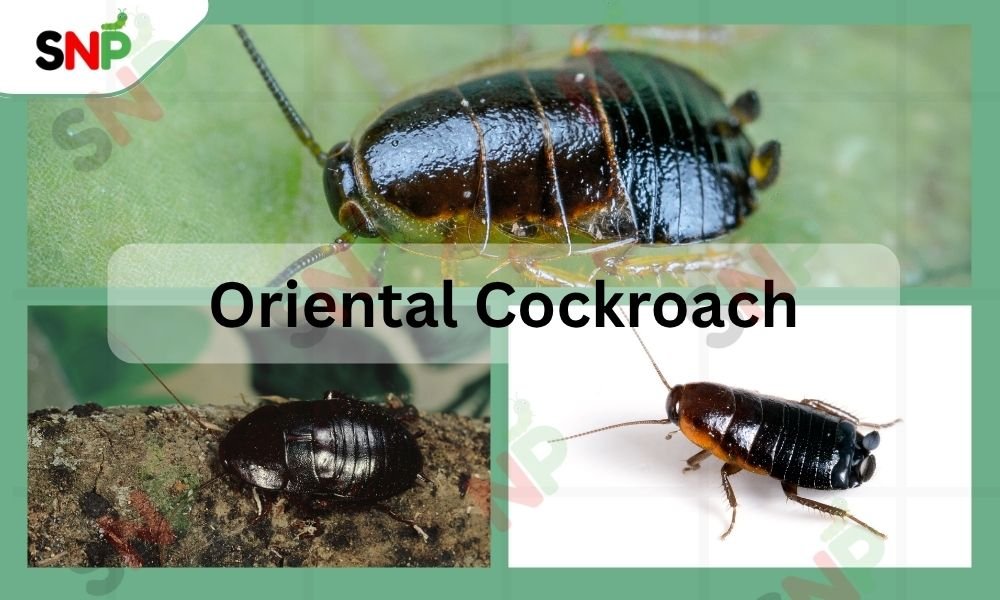
    The oriental cockroach receives its names from two sources: water bug and black beetle because of its dark brown to black appearance and shiny body structure. An oriental cockroach exists in three different forms with the longest measuring 1-1.25 inches. Both sexes have six legs and long antennae, and they produce a distinctive, musty odor that becomes stronger as infestations grow. Males and females can told apart with ease, either a male one with wings that cover three-quarters of the abdomen but which cannot fly, or a female one with only small, non-functional wing pads that make the female look broader and heavier.

    oriental-cockroaches

    These species of cockroaches reproduce effectively in unclean, wet areas such as basements, drains, sewer lines, and around garbage cans. They are mostly feeders on decaying organic matter, starchy foods, and other waste making them so adaptable and a great annoyance in homes and businesses on a regular basis.

    Oriental Cockroach Life Cycle

    The understanding of the oriental cockroach life cycle leads to a good understanding of its control. The cycle comprises three stages: egg, nymph, and adult. Egg capsules (oothecae) of about 16 eggs each laid by the females. A female can produce around eight to sixteen such oothecae in her lifetime, and around moist, unexposed areas near the food source, she deposits them. The hatchery of programs of these eggs is usually between 42 to 81 days, with the temperature of the surroundings greatly playing a factor.

    The emergence of oriental cockroach nymph occurs after they have hatched. The nymphs are without wings and are similarly shape as adults but smaller and lighter in color and much more hyperactive. The oriental cockroach nymph has to have seven to ten molts over a period of six months to a year for it to reach the adult stage. The latter has a lifespan of about six months, during which they are busy multiplying and growing the infestation.

    Do Oriental Cockroaches Bite?

    Do Oriental cockroaches bite, although that is an extremely rare case and not a characteristic of their typical behavior. When they do, it generally results in a small area of redness that quickly goes away after the wound is clean and disinfected. The true danger posed by oriental cockroaches emerges from their practice of transferring germs and bacteria to food and surfaces as they constantly walk through sewers and garbage sites. People experiencing allergic reactions along with asthmatic symptoms may also develop these issues due to allergen components within cockroach shed skins and cockroach droppings.

    how-to-get-rid-of-cockroaches

    How to Get Rid of Oriental Cockroach

    For an oriental cockroach issue, one has to apply the three-pronged approach of hygiene, isolation, and target-oriented pest control. Below, you can find out how to efficiently remove them from the residence:

    Sanitation

    Eradicate all places which tend to be the source of food, water, and shelter. Maintain the kitchens and storage areas clean, repair any leakages, and remove most of the unwanted items, particularly those in the damp areas.

    Exclusion

    Close the outlets like door, window, and base interstice. Put grills in the vents and remember to shut the doors tightly to restrict the entry.

    Pest Control

    The best way to deal with oriental cockroaches is to use different insecticides. The insecticide you are going to use is clearly label suitable for oriental cockroach control. If this is what you are doing, then applying residual sprays apply around your house, especially around the entry points, drains, and moist places. At times, professional pest control services use baits, dusts, and liquid for a combination of safe and effective cockroach treatment.

    Monitor and Maintain

    Inspect your house regularly for evidence of oriental cockroach nymph and adult stages such as the presence of egg cases, droppings, and musty odors. Surely, if no evidence of live roaches is found, you must have kept an efficient preventive strategy to avoid another infestation still going on.

    Conclusion

    The oriental cockroach is a persistent pest that thrives on American soil and is a prominent issue in households if there is moisture and food available. Due to their distinctive appearance, long oriental cockroach life cycle, and possible profound contamination, it is imperative to take action immediately as soon as the first sign of infestation appears. On the bright side, oriental cockroach rarely bites and minimal, the threats of getting infected through the various health problems the roaches can cause are enormous.

    Through a good understanding of their habits and by constantly applying the principles of good sanitation, exclusion, as well as specific and targeted pest control measures, one can ensure to be the owner of a property in good condition and of a safe environment, free of the fear of pests. Finally, professional pest control services will be required if one is not able to eliminate an oriental roach invasion by oneself.

  • American Cockroaches: Life Cycle, Nymphs, Babies

    American Cockroaches: Life Cycle, Nymphs, Babies

    While American cockroaches regarded as the most common pests found in the United States. Many facts about their behavior remain unknown.You should notice this creature moving across your kitchen floor, or are you just curious about these visitors, learning their biology and actions is the first step to winning the battle. In this article, we are going to guide you through the American cockroach life cycle, go through the stages from American cockroach nymph to baby American cockroach, and certainly, clear out everything about how do I get rid of American cockroach infestations in your home.

    What Are American Cockroaches?

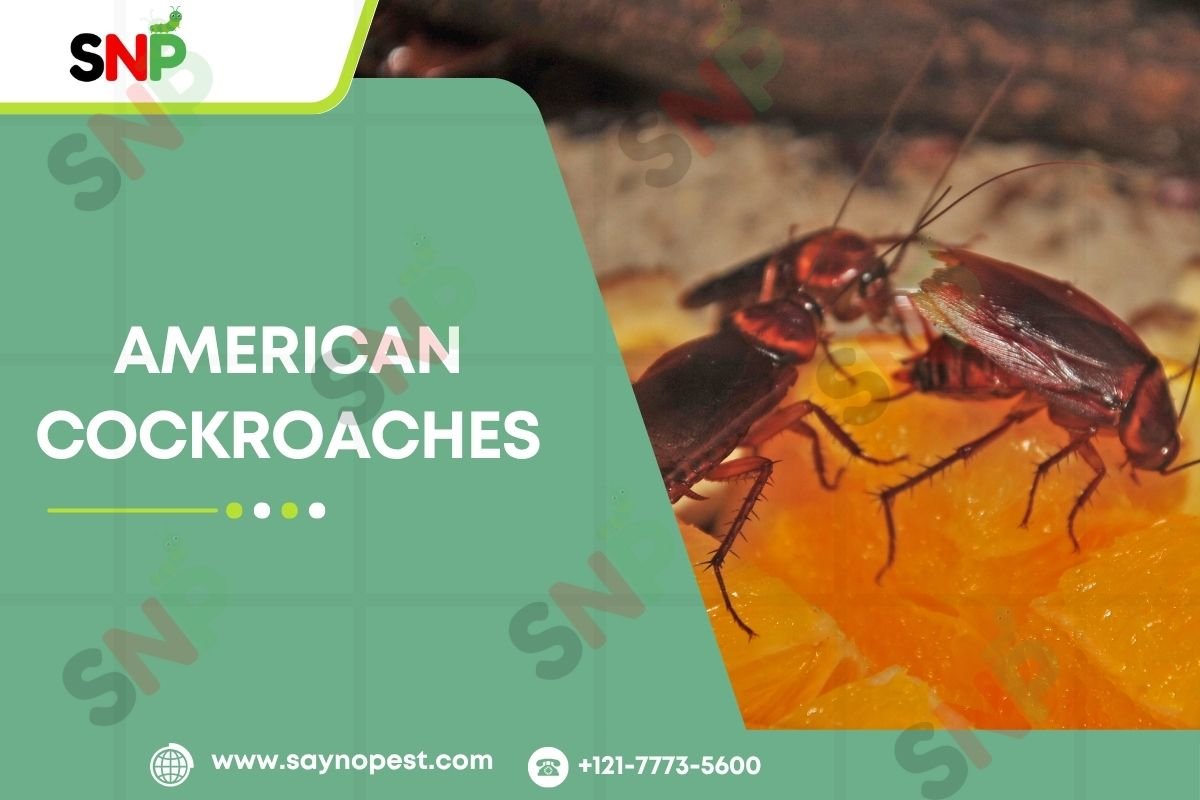
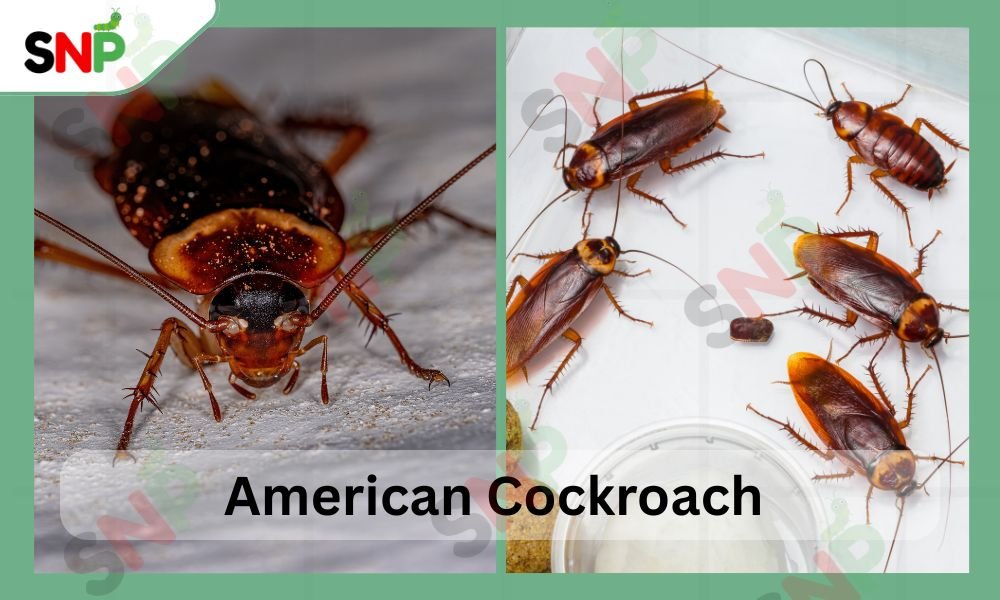
    American cockroaches earn the title of being the largest cockroach species which invade residences across the United States. American cockroaches receive two widespread names because of their association with water and palmetto trees. American cockroaches extend 1.4 to 2 inches in length and feature red-brown torso with a yellow cap at the head. These cockroaches were not named after North America, and they had been introduced centuries ago. Their favorite habitat remains warm and moist, and they are generally found in basements, sewers, kitchens, and bathrooms.

    american-cockroaches

    The American Cockroach Life Cycle

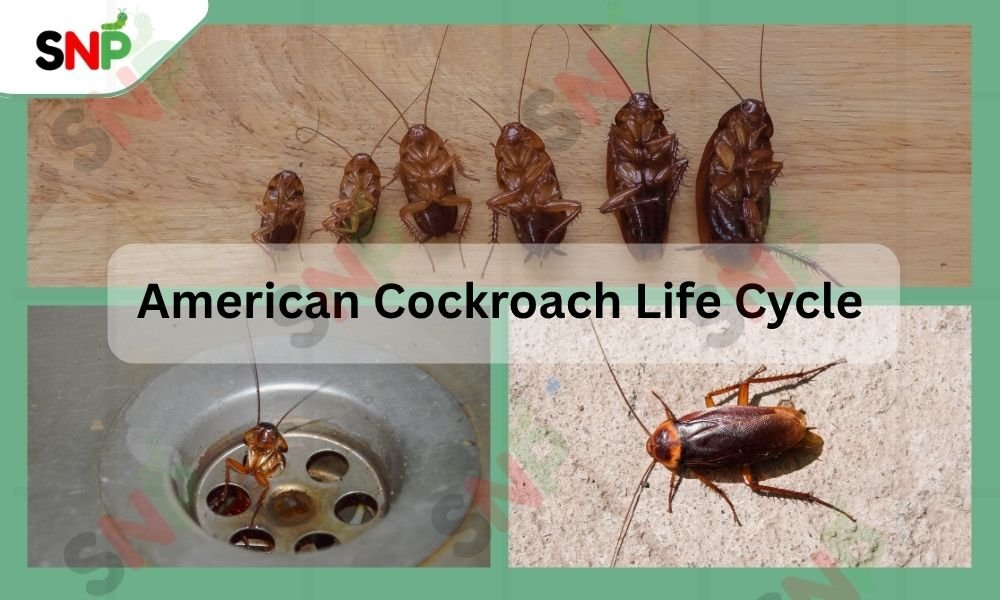
    The American cockroach life cycle is quite plain and includes just three main steps: eggs, nymphs, and adults. This cycle is important for the full understanding of how infestations develop and how to cut them off best.

    Egg Stage

    The female American cockroaches produce their egg cases in masses. Each of the cases can contain about 15 embryos. The cases deposit in moist and dark places, where they maintained for 6 to 8 weeks and then hatch.

    Nymph Stage

    On being born, the young of the American cockroach also known as the American cockroaches nymphs. Nymphs, unlike adults, are wingless and over a period of 6-12 months. They change the skin 10-14 times. Thus they are bigger after each molt, and the process of shedding the exoskeleton is called molting. After the process of molting, the nymphs grow and look more like the adult cockroaches that are even larger.

    Adult Stage

    After their last molting, American cockroaches can have wings and reproductive organs. These roaches can live for about a year and in a period of favorable conditions, one female cockroach can produce a great number of offspring in her lifetime.

    American Cockroach Nymph

    Actually, they change their color many times before they become an adult American Roach Nymph

    The American cockroach nymph is a crucial developmental phase in the life of the pest. Small insects similar to regular grains in their dimension prove to be dangerous pests that make entire homes feel less comfortable. The freshly born white baby American cockroaches turns into a dark-colored creature, which develops into the adult cockroach appearance. An active roach population living on your property becomes evident through baby American cockroaches because egg hatching signifies population expansion.

    american-cockroach-life-cycle

    Baby American Cockroach: The Alarming Facts

    A baby American cockroach refers to the newly molted insect after emerging from the eggshell. These small insects measure less than a grain of rice yet possess great danger which leads to an uncomfortable environment in homes. Newly emerged baby American cockroaches begin life white before transforming into their dark adult form. The emergence of baby American cockroaches becomes a major cause for concern because it signifies your premises have a large roach colony which is highly active through egg hatching marks population expansion.

    How do I Get Rid of American Cockroach?

    If you are still thinking about how to get rid of American cockroaches infestations, then it is no wonder. The effective controlling of any pest typically requires that you should have a combination of sanitation, exclusion, and targeted treatments as the main components of the plan:

    Sanitation

    Managing food and water supply access stands as the most crucial step. The elimination of food debris, combined with container storage along leak maintenance, minimizes the attraction for American cockroaches to your property.

    Exclusion of Entry Points

    Sealing all foundation and window, and door utility penetrations and cracks throughout a property structure represents a correct method. The pests will stay outside since the entrances for them are blocked.

    Targeted Treatments

    The use of professionally-endorsed baits and gels and insecticide sprays becomes appropriate for these areas where cockroaches reside especially behind appliances, under sinks, and in crawl spaces. Cockroaches respond positively to treatments of boric acid and diatomaceous earth that are used along hidden nooks and crannies.

    DIY Solutions

    A mixture of sugar and baking soda can easily made and kept in the areas where roaches hide; the sugary bait allures them, and the other ingredient kills them when ingested.

    Professional Assistance

    Hire a pest control professional for the most severe infestations who can execute a full-fledged strategy adapted to your house.

    Conclusion

    American cockroaches are pests that can survive in numerous places through various challenging stages of the American cockroach life cycle. Every stage masters the role of infestation sustainability from the young American cockroach to the American cockroach nymph and the reproductive adult, being together at each event. Understanding how do I get rid of American cockroaches is the cornerstone of the struggle for a healthy, pest-free home. The breaking of the cycle, as well as keeping good sanitation, sealing of prevailing entry, and using the specified measures, are always the solutions that will keep the guests away from your house. In case you find that the above-mentioned chores are not enough to cope with the situation, it will be wise to approach the professionals for an efficient and lasting solution.

    Act now to secure your home from American cockroaches as being on the alert and dealing with the problem in time are the key factors in protecting yourself from those insects.

  • Why Choose a Flea Treatment Service

    Why Choose a Flea Treatment Service

    If you’re a homeowner or pet parent in the United States, you are probably fully aware of how quickly a flea infestation can scale up. The tiny insects not only bring a hard time for your pets but also nest in your living areas, thus, they become unbearable for your family as well. Therefore, opting for a flea treatment service is vital to keep your atmosphere safe, clean, and comfortable. This post is to detail the journey from fleas to humans and the reaction of professional services to that infestation. It will also show that professional assistance if your best judgment.

    Where Do Fleas Come From

    The location of the source regarding where do the fleas come from is the most crucial part of the battle against them. Mostly found in areas with high humidity and temperature, fleas are external parasites and feed on the blood of mammals and birds. The most direct way of entrance into one’s house is through the pets we have, primarily dogs and cats, after playing outside or from other animals. The grown-up fleas then lay their eggs on these things so that the problems are amplified at a faster rate.

    Not only pets produce the issues, animals such as raccoons, squirrels, etc that have entered your yard can bring flea. If you have been in the woods or a place with high grass, then you must check your clothes and shoes for fleas. Later they move to wall-to-wall carpets, bedding, and dark corners , making it difficult to identify them.

    Flea Treatment Service

    A flea treatment service is focused on ending the flea life cycle and thus eliminating these fleas from your place for good. The exercise automatically begins when a full examination is done to find out the magnitude of infestation and locate the areas which need to be taken care of, such as pet bedding, floor cracks, and carpets. The next step includes the staff outlining a custom plan that eradicates fleas at each stage of their life.

    The best flea treatment choice is the one that combines different advanced means—such as insecticide applications, growth regulators, and sometimes heat treatment—to make sure that all the fleas are exterminated. Professionals also give you instructions on how to prepare your dwelling, such as vacuuming thoroughly, washing pet bedding, and treating pets with veterinarian-endorsed products. This multi-step method is the most reliable provided that the fleas do not return, so that the consumers and professionals both are satisfied and the results are long-lasting.

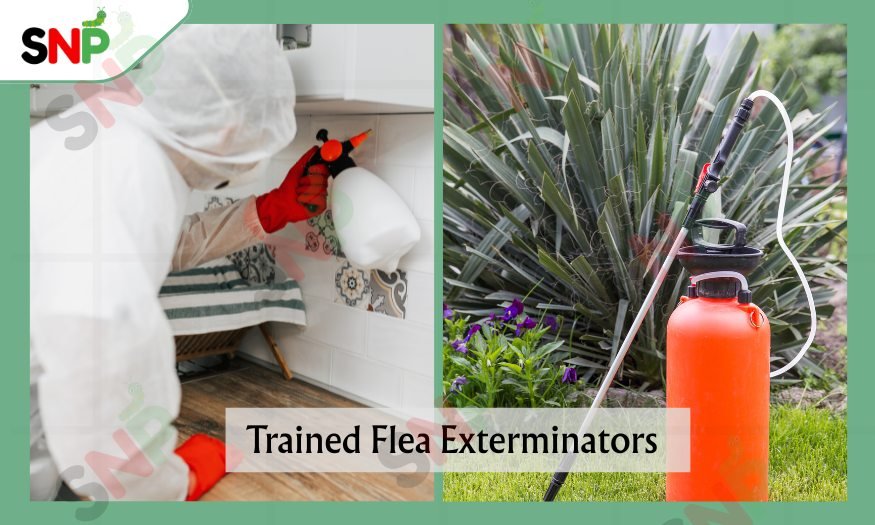
    Trained Flea Exterminators

    Trained-Flea-Exterminators

    When it comes to taking care of the problem of the infestation of the fleas, the treatment involving professionals gives several benefits compared to the do-it- yourself methods.

    Such experts use products that are specifically designed for the job of insect and insecticide eradication. The products that experts use are of higher quality and are available in the market. These are the products like insecticides (pyrethrins, pyrethroids, methoprene, pyriproxifen) and growth regulators that are safe for your family and pets, and when correctly applied, they will work effectively. These help in killing all the life cycle stages of the flea.

    Some of the flea treatment provider companies offer fumigation and heat treatments as well. These are mainly targeting tough infestations and sensitive areas. Heat treatments, or fumigation, are safer and more eco-friendly. Avoid using chemical products, and they have a complete effect of reaching hidden pests.

    Professionals can also keep track of the situation, give you detailed reports after the treatment. They revisit your site to monitor reinfestation perfectly thus your place continuously (is safe) greenhouse-gas-free.

    Importance of Flea Treatment Service

    Understanding the need for flea treatment service is important. The life of a flea includes four different stages-

    1. egg

    2. larva

    3. pupa

    4. adult.

    In favourable Conditions, fleas can undergo an extremely rapid life cycle resulting in severe infestations. The adult fleas are capable of living for a few weeks to many months. Anxiety and suffering is the reason that you need a pest free zone for yourself and your pets. Therefore, professionals focus on killing the entire cycle, to be sure that it will be the end of your flea problem.

    Conclusion

    Fleas create more than simple discomfort and cause threats to both your home and your pets. The most efficient way to protect your family and living areas from fleas involves understanding their life cycle. Also, hiring a professional flea treatment service might help.

  • Flea Larvae: Discover How to Eliminate Them

    Flea Larvae: Discover How to Eliminate Them

    Fleas are a huge problem in a pet owner’s life and learning about flea lifecycle could result in more efficiency in controlling the infestation. The most underrated but vital phase of flea’s life is the flea larvae stage. These freshly hatched creatures are a secret weapon in any infestation.

    Summary

    We are going to unfold the meaning of flea larvae, the role they play in the life cycle of the flea, how one can recognize them, and most importantly, how to get rid of them.

    Flea Life Cycle

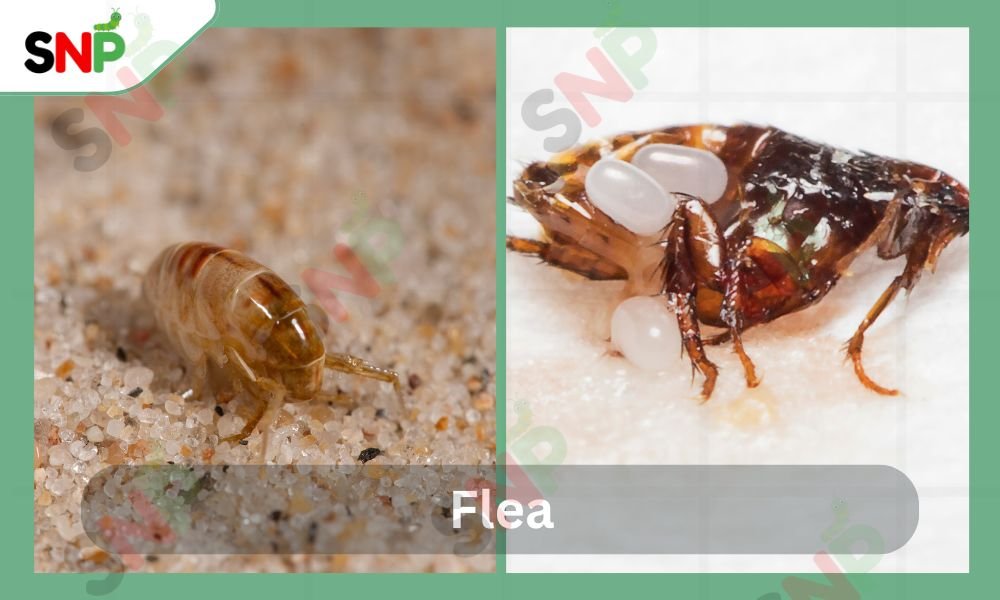
    flea

    Fleas know how to multiply fast! It’s important to know how they grow. They go through four stages namely- egg, larva, pupa, and adult.

    1. Egg Stage- A grown-up female flea lays her eggs on animals (dog or a cat). But the eggs don’t stay there long, they fall off into places like your carpets, beds, and floors. One flea can lay hundreds of eggs a month, which is how an infestation can start fast.

    2. The eggs transform into a worm- like larvae during the larva stage which occurs within one week or less. These creatures lack both legs and eyesight while hiding in dark spaces such as floor cracks and deep carpet areas. These creatures consume dried skin together with dirt and small food particles.

    3. The larva develops into a pupa by creating a cocoon- The pupal stage represents the most challenging period to handle. The cocoon stage can last from days to weeks to months as the insect waits for the right time to emerge (such as sensing movement or heat).

    4. Adult fleas emerge from their cocoon as mature insects- It immediately seek out pets or people to bite.

    Your flea control efforts will be ineffective if you target only adult fleas because eggs and larvae and cocoons remain hidden inside your home. Flea problems persist because you need to treat all life stages simultaneously to prevent them.

    Flea Larvae

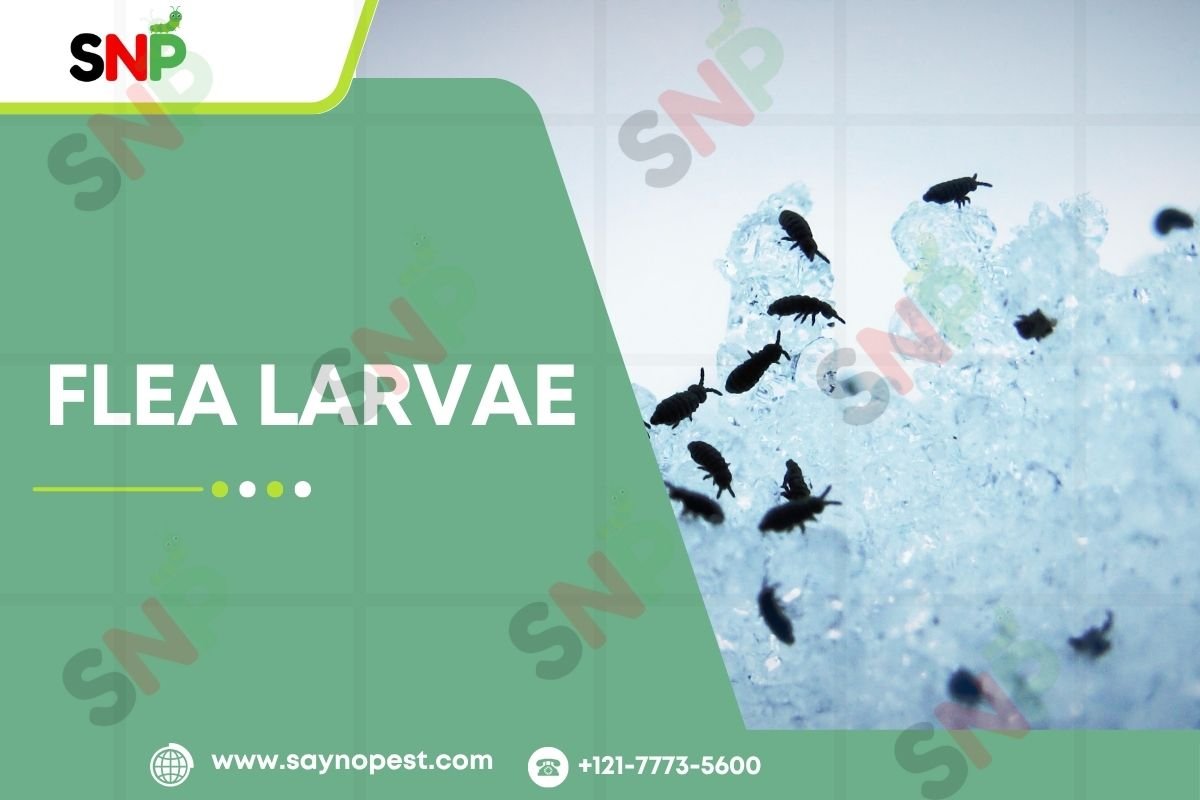
    When the adult fleas lay eggs, the flea larvae are the next step of the flea life cycle, being the second stage. What sets apart this phase from adult fleas is that flea larvae do not suck blood. Instead, they survive by eating organic debris, especially “flea dirt,” which in fact, are the feces of adult fleas and carry undigested blood. This stage is important because flea larvae are the make the most of their population, about 35%, and they can be really challenging to eliminate as they are hide in hard-to-reach places.

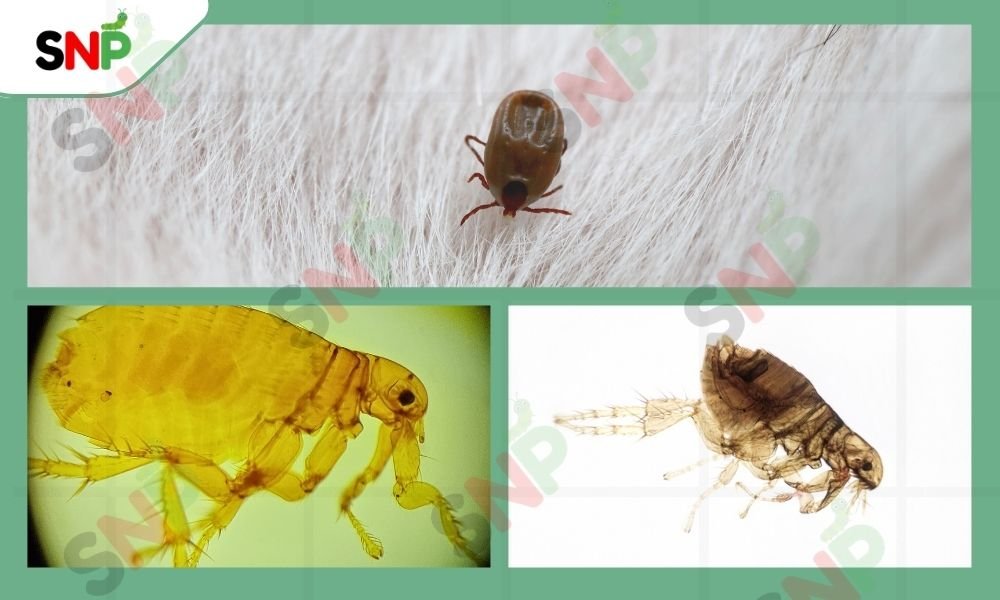
    What Does Flea Larvae Look Like

    Ascertaining the tiny flea larvae in a bunch of other adjacent small particles is a big puzzle, because both their size and behaviour are the main issues. Identifying them as small, whitish worms, measuring 2–5mm in length, is the process of finding them. The body of the flea larvae is transparent, and if they eat flea dirt, these darlings can become darker as the digested blood shows the darkness inside them. The body is still a little hairy and quite pale, and they will only be found deep in the carpets, pet bedding, or the cracks in furniture, and floors, where the light never comes and the larvae bury themselves.

    What-Does-Flea-Larvae-Look-Like

    Steps to Eliminate Flea Larvae from Your Home

    On the premise of a multi-faceted strategy, you can effectively remove fleas in every stage of their life cycle. It explicitly explains how you can get the flea larvae out of your home through the steps below:

    1. Treat Your Pets: To start the process, use the veterinarian-prescribed flea treatment such as shampoos, spot-on treatments, or oral medications on your pets. Your pet’s fur must be cleaned of any fleas or dirt with a flea comb.
    2. Wash Bedding and Fabrics: In order to kill the flea larvae and eggs, wash pet beds, blankets, cushion covers, and your bedding in the hottest water possible and with a strong detergent.
    3. Vacuum Thoroughly: It is crucial to clean all things that cover the floor such as carpets, rugs, furniture, and even those hard corners and dark areas that are hard to access such as corners, cracks, and under the furniture. When done throughout an infestation, weekly vacuuming can reduce as much as 90% of the known sources of flea eggs and flea larvae.
    4. Use Insecticidal Sprays and Powders: Apply flea insecticides or insect growth regulators (IGRs) to carpets, upholstery, and pet areas.  IGRs can stop flea larvae from growing by interrupting the life cycle of the latter.
    5. Use Natural Alternatives: Diatomaceous earth, a non-toxic alternative, can be sprinkled in parts with the flea problem, e.g. in carpets, under a pet’s bedding. This substance acts by the way that it dehydrates the insects.
    6. Declutter and Deep Clean: A clear space is a key point of getting rid of fleas. Flea eggs and larvae will be exterminated besides general housecleaning by doing such things as decluttering off old useless things, steam cleaning carpets.

    Conclusion

    From my point of view, you need to stick to regular steps in order to make sure that not only the adult fleas but also their eggs and larvae are completely eliminated. The treatment of flea larvae is the foundation of parasite control that will protect your pets and your dwelling from the further development of insects. Firstly, it is necessary to find and understand where flea larvae are and then focus on dealing with them, following this up by a word about the best ways to kill them.

  • DIY Termite Treatment : Complete Guide for American Homeowners

    DIY Termite Treatment : Complete Guide for American Homeowners

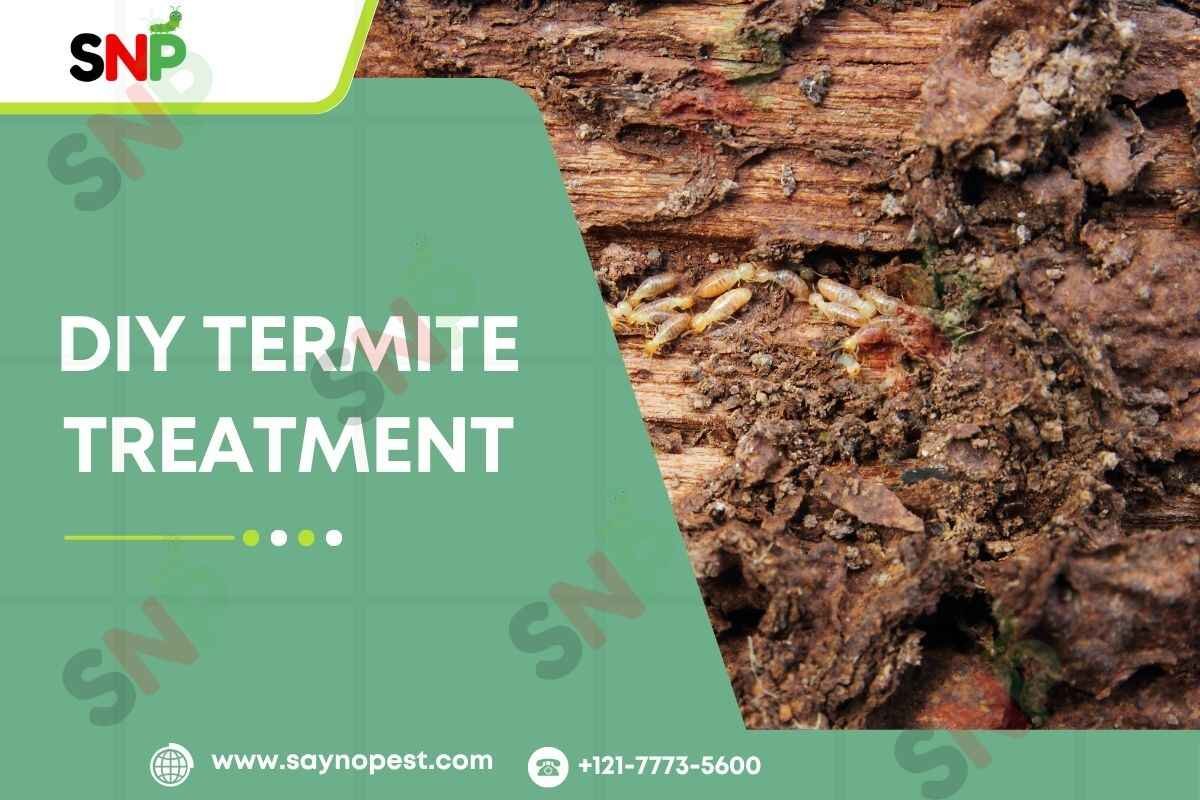
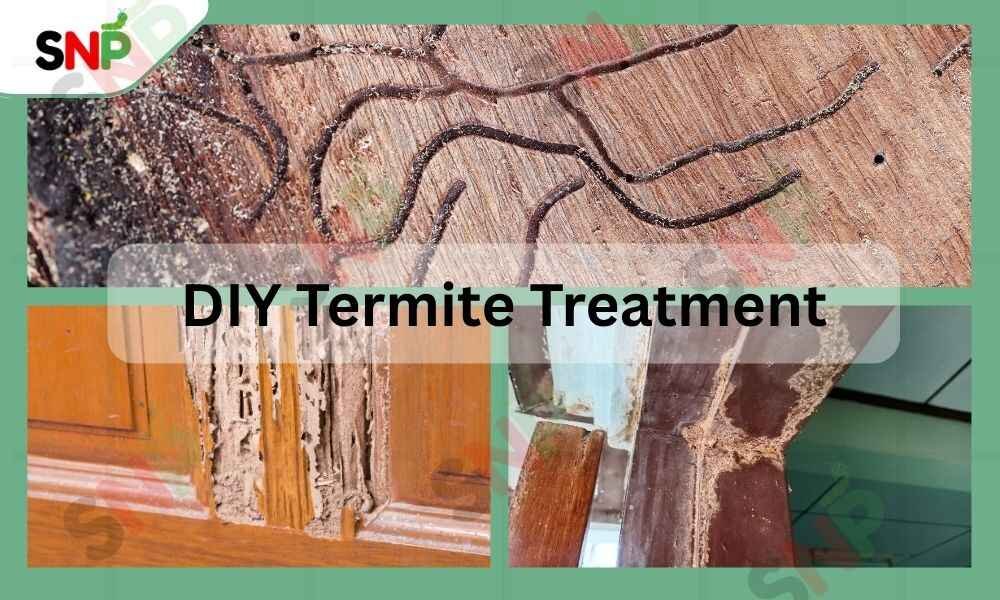
    Termites have massively inflicted damage on houses across the United States, through losses, piling up to billions of dollars annually. You might be searching the internet every year to find the diy termite treatment or best termite treatment and get an idea of the treatment cost. If termites become a problem, or you want to protect your home from them, this article will be of great help to you, as it will enlighten you on everything to do with natural termite treatment, the ways and means to be used in the removal of termites and how to find the termite treatment that is best for your home. What are natural termite control techniques that work? In this ultimate guide, we will cover the effective types of termite treatment price guide, and be there for you throughout every decision.

    Understanding DIY Termite Treatment

    DIY-TERMITE-TREATMENT

    Many homeowners prefer to start with diy termite treatment before calling in the professionals. While these DIY treatments are very effective for a small level of infestation. Some diy termite treatment includes:

    Aloe Vera Gel

    Aloe Vera gel application on wooden surfaces would help establish a barrier to termites and thus keep termites away from the furniture and fixtures. This uncomplicated diy termite treatment is not only cost-effective but also safe and easy to apply.

    Orange Oil

    Orange oil is among the toxic compounds that are can remove termites very easily. Moreover, the local application of this liquid contributes to the sustainable development of small colonies. Whenever you are dealing with this oil, remember to protect yourself, using gloves and a mask for safety.

    Cardboard Traps

    Cardboard, when doused with water, attracts termites. Placing the lures in the vicinity of the suspect activity is a diy termite treatment that is direct and very low-cost and also involves the use-and-discard method.

    Beneficial Nematodes

    The diminutive nematodes, these are, which found in nurseries, are the natural predators of termites making them unmanageable once they have turned loose in the soil surrounding your residence.

    Boric Acid

    Indeed, the boric acid paste, which is placed at the infested sites, can be passed back to the colony by the termites, and if so, the whole group will be exterminated accordingly.

    Although diy termite treatment options are budget-friendly and within reach, they may not be the right solution for situations where the problem is severe. Always be keen on the changes happening.

    Types of Termite Treatment

    Several types of termite treatment are available, and each of them has its advantages:

    Liquid-Soil Treatments

    A trench is dug around your house and a liquid termiticide is put into it to create a chemical barrier that kills termites as they cross it. And it also has a very good residual effect that can last more than five years. When talking about termite treatment, it is one of the most general methods that people can use both for prevention and active infestations.

    Bait Stations

    These are the stations locataround the house and filled with a slowly acting poison. As the name suggests, termites lured to the bait, where they eat it, and out of the pieces, they start their colony. The population decreased step by step. To make sure that the control is operating effectively, it is necessary to carry out periodical checks.

    Wood Treatments

    These are made by using surface sprays, injected foams, or direct application onto the infested wood for termites. They kill all termites and at the same time, protect the wood for a while. They are recommended for localized, contained infestations and also for a new building project.

    Pre-Treated Materials

    The proactive way to go forward is by using construction materials that are preservative-treat with termiticides as these deterrents ward off the pests even before they even think of entering. It is, thus far, one of the most aggressive methods that can be referr as the most proactive though still the most effective.

    The choice of the best types of termite treatment depends on the termite species, and level of infestation.

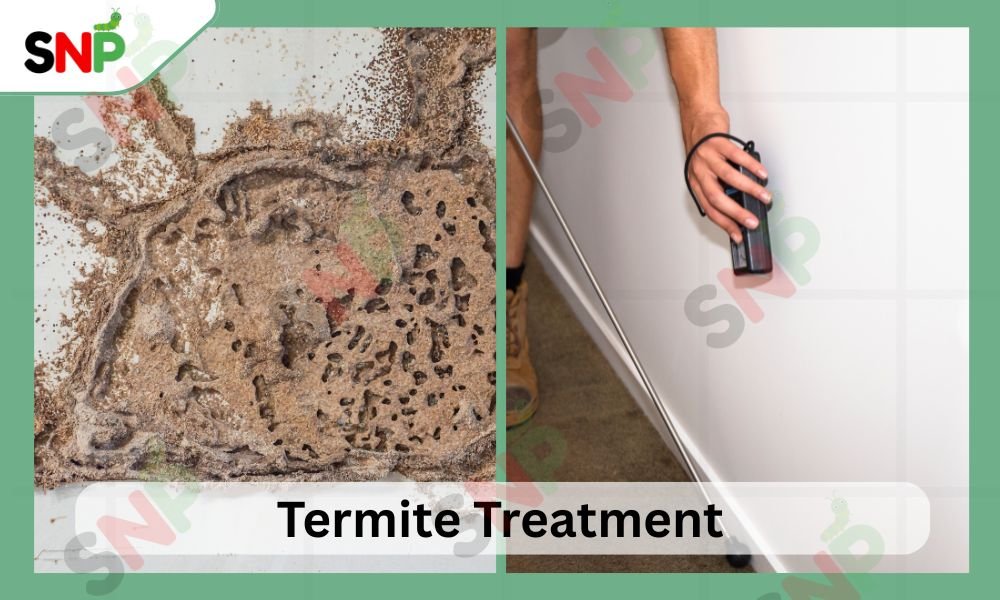
    TERMITES-TREATMENT

    Termite Treatment Cost

    In the US, the termite treatment cost can go very high depending on the strategy used, the dimensions of your home, and the severity of the infestation:

    DIY Termite Treatment Cost:

    Some of the natural remedies and over-the-counter products for DIY termite treatment cost between $20 to $200, which is going to be the most affordable option for minor issues

    Professional Termite Treatment Cost:

    • Chemical Termiticide: $3–$16 per linear foot..
    • Bait Systems: $8–$12 per linear foot.
    • Tenting/Fumigation: $5–$20 per linear foot.
    • Annual Treatments: $200–$400.
    • One-Time Treatments: $200–$1,000.
    • Large Homes: For a 2,000 sq. ft. home, termite treatment cost can range from $6,000 to $40,000 if extensive repairs needed.

    Doing DIY termite treatment early can save money on costs.

    Conclusion

    Learning about the different termite treatments combined with the selection of the best option and termite treatment pricing knowledge will protect your home, regardless of whether you choose to tackle it yourself or seek professional assistance. If you notice minor termite issues, begin with self-made solutions while seeking professional assistance for significant infestations. Your proactive approach and awareness lead to reduced termite damage expenses and make your home protected from termites over multiple years.