Blog

  • Tick Types: Most Common in America

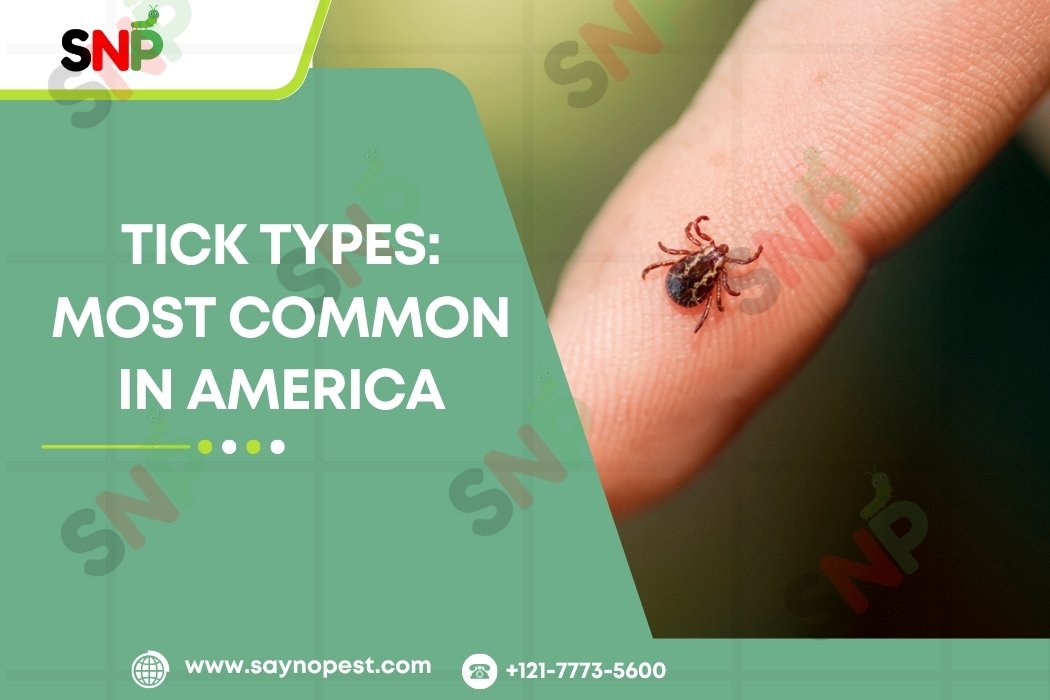
    Tick Types: Most Common in America

    Several Tick Types in America can be the carriers of dangerous diseases like Lyme disease, Rocky Mountain spotted fever, and ehrlichiosis. The knowledge of the most common Tick Types and the signs of tick growth in pets can be a certain protection for pets from these tick bites.

    5 Common Tick Types in the United States

    5-Common-Tick-Types-in-the-United-States

    5 Tick Types that are currently in the United States, and that are most likely to come into contact with your dog are-

    1. American Dog Tick (Dermacentor variabilis)

    • The American dog tick has always been one of the most common Tick Types in the US. Adult specimens are about to be found just at first glance due to the combination of their brown bodies with white or silver markings on their backs. When engorged, female ticks change color to gray.
    • American dog ticks are well known for causing diseases like tularemia to dogs and humans. Dogs seem to be their preferred victims but they can easily switch to other species. For example, people in addition to cattle and wildlife.
    • These ticks are mainly seen in the spring and early summer. After a feast, the female tick may spawn thousands of eggs, hence an infestation is hard to be rectified. Ticks virtually never infest buildings but are quite a threat where there is a little canopy of trees outdoors.

    2. Blacklegged Tick

    • Western regions know it by the name blacklegged tick, and in the east, it goes by the name deer tick. The black-legged tick is tinier than the dog tick yet it is very dangerous. The adult black-legged tick is about 0.9×0.5mm in size and is almost two times smaller than the adult dog tick. They are usually found in grassy and woodland areas.
    • Due to global warming, the ticks are increasing. They are mostly present in the Midwest and Northeast and along the Pacific Coast. They are predominant in areas where the rodent reservoirs are and later transmits to humans.
    • These ticks are well known for being the transmitters of Lyme disease, as well as babesiosis, anaplasmosis, and ehrlichiosis. Nymphs of these species are dangerous since they can hardly be detected. These tick species are active from spring to the end of autumn, and one bite can transmit Lyme disease if the tick is not removed in time.

    3. Lone Star Tick

    • This tick has a single white dot on the back of the adult female. Lone Star ticks are not only aggressive biters but are also very likely to bite dogs, humans, and wildlife. They cause red and itchy rashes and transmit ehrlichiosis, tularemia, as well as another disease-STARI.
    • Important- Some people, that have been bitten by the Lone Star ticks, become allergic to meat, and this disease is called alpha-gal syndrome. These ticks are most active during early spring and late fall.

    4. Brown Dog Tick (Rhipicephalus sanguineus)

    • Brown dog ticks are bicolored and have a conical, elongated form. The larvae, nymphs, and adults of this species are the cause of a theoretical illness called erliquiosis, amongst the symptoms of which are: headache, sore muscles, fever, etc. Toddlers, seniors, and the one with weaker immunity are the most likely to catch the infection.
    • Brown dog ticks are only found indoors, so their hosts are strictly limited to dogs, and they survive by remaining in one place an entire life-cycle. The ticks can move from a pet to its owner and cause severe symptoms. The transmission of the pathogens to the bloodstream can lead to the growth of the disease.

    5. Rocky Mountain Wood Tick (Dermacentor andersoni)

    • Rocky Mountain wood tick can be found in the states near Rocky Mountains and in the parts of the Pacific Northwest. These are similar to the American dog tick, which has a red-brown body with silver spots.
    • Mostly these ticks are active during the spring and the beginning of the summer. Their preferred habitats are grassy, bush, or forest areas in highlands. The infection by Rocky Mountain Wood Tick from one host to another can be Rocky Mountain spotted fever, Colorado tick fever, and tularemia.
    • Moreover, they have the potential to cause tick paralysis in canines and humans-a rare but very serious condition. If you go hiking or camping in the Rockies, don’t forget to check your dog (and yourself) in time after every outdoor adventure!

    Conclusion

    If you’re a pet owner, one of the responsibly common things to do is get yourself familiar with the Tick Types in America for dog protective measures and for the safety of your family.

    The thorough understanding of a species individual behavior, and risky diseases is quite crucial when it comes to seeking the best preventative measures while some other strategies like regular tick checks, unstoppable prevention, and on-time extraction will give the results. The constant protection of your pet (and yourself) against ticks is important.

  • How to Get Rid of Hornets: An Expert Guide

    How to Get Rid of Hornets: An Expert Guide

    Substantial outdoor areas can become dangerous zones because hornets pose particular threats to those who suffer from allergies to stings. Understanding the nature of these pests will lead to finding how to get rid of hornets. The advice presented here will help anyone control both hornets in their garden and home setting effectively.

    How Do Hornets Look Like?

    How-Do-Hornets-Look-Like

    Identifying a hornet pest is the first step towards controlling an infestation. Often, it happens that individuals mix up the hornet with the wasp and the yellowjacket, however, the former has several specific features:

    • Colour: Many hornets have a black and yellow colour. But some Hornets also have black and dark orange colour, which belongs to the European side.
    • Size: The size of a hornet bug is 2 inches long, and they are the largest compared to a bee or wasp in size.
    • Body Structure: They have six legs, wings that are a bit see-through, and a broader middle part than that of the yellowjackets. Their heads are also notably bigger and darker.
    • Habitat: Normally, hornets build their nests up high in the trees or bushes, but today some species build in such sheltered places as empty tree trunks.

    Habitat Of Hornets

    The life of a hornet bug differs depending on the bee’s role in the nest:

    1. Workers: During the warm season, workers can live for about 3 to 4 weeks.
    2. Hornet Queen: In comparison to workers, the lifespan of a queen is amazingly long and can reach up to one year. After the wintertime, she comes out in the spring, sets up the nest, and at the end of the next summer or in the fall, the young queens are fertilised, so the old one can die.
    3. Males: The drones’ life span is very short, as they live only for a few weeks before dying. The main reason they exist is for mating and they do so in the warm season before the weather gets cold.

    The Hornet Queen: The Centre of the Family

    hornet-queen

    The hornet queen is the most basic and the very first part of the hornet family. During the springtime, she comes out of her hiding, which was the place she overwintered and begins to search for the best one. After this is done, she:

    • Constructs the initial nest and the egg-laying process.
    • Feeds the first workforce that converts the colony, as the next group of workers becomes the foragers.
    • Dedicates all her energy to laying eggs, reaching as many as 400 per day.
    • Produces and releases pheromones for both the management of the colony’s social system and the workers’ reproduction inhibition.
    • At the end of summer, she gives birth to queens and males, ensuring the life of the colony in the next year. The original queen of the hornet and all the workers die when winter is coming, the new queens stay in hibernation.

    How to Get Rid of Hornets

    At first sight, a hornet bug invasion can be scary, but here are very efficient and simple steps on how to get rid of hornets:

    Identify the Nest

    You need to find the hornet nest, which is usually at a high place in trees or under eaves. Do so at a safe distance and watch the hornets as they fly.Choose the Right Time: Always visit the nest after dusk or in the very late hours of the night when hornets are not so active and are less likely to attack.

    Use a Hornet Spray

    You should use a wasp and hornet killer that is commercial and can reach up to 22 feet. Put the nozzle into the entrance and shoot the nest thoroughly. These sprays kill hornets immediately upon contact and can kill all the hornets and the nest as well.

    Set Up Traps

    Homemade or commercial traps loaded with sweet baits could help reduce the density of hornet bugs in and around your home.

    Remove Food Sources

    Make sure to keep outdoor trash well-covered and do not leave sugary drinks or food outside as these are the food items which will attract hornets.

    how-to-get-rid-of-hornets

    Target the Hornet Queen

    The eliminating of the hornet queen in the start of the season stops the creation of the colony. Traps can be of great help for the successful capturing of queens before they start to build new nests.

    Professional Help

    If the infestation level is high, contact the professional pest control provider as they can help you to deal with the problems in the best way.

    Wear Protective Clothing: Always make sure you are well covered with long sleeves, pants, gloves, and even a face net when the fun is for a DIY removal.

    Conclusion

    It is important to know how to get rid of hornets as you can avoid damage to your family and home. Knowing how to handle the hornet bug, learning about the role of the hornet queen, and following safe removal practices, you are able to kill and prevent insects from growing. Remember: early action, the right tools, and sometimes professional help are the keys to keeping your property hornet-free.
    Are you searching for products that are reliable and are the services of a professional expert to attend to how to get rid of hornets? Access the services and products we recommend and your home will stay secured throughout the year

  • How to Get Rid of Earwigs in House: Effective Control Methods

    How to Get Rid of Earwigs in House: Effective Control Methods

    Seeing earwigs bugs as they move across your bathroom floor or find hiding spots in your basement can cause you great concern. Earwig include small insects that possess pincers alongside their night-time habits, and this combination frequently creates unnecessary fear in people. Many homeowners who wish to deal with the problems of how to get rid of earwigs in house share their curiosity about the best possible methods. The guide offers accurate knowledge about these misinterpreted insects which provides effective control methods.

    Understanding Earwig Bugs

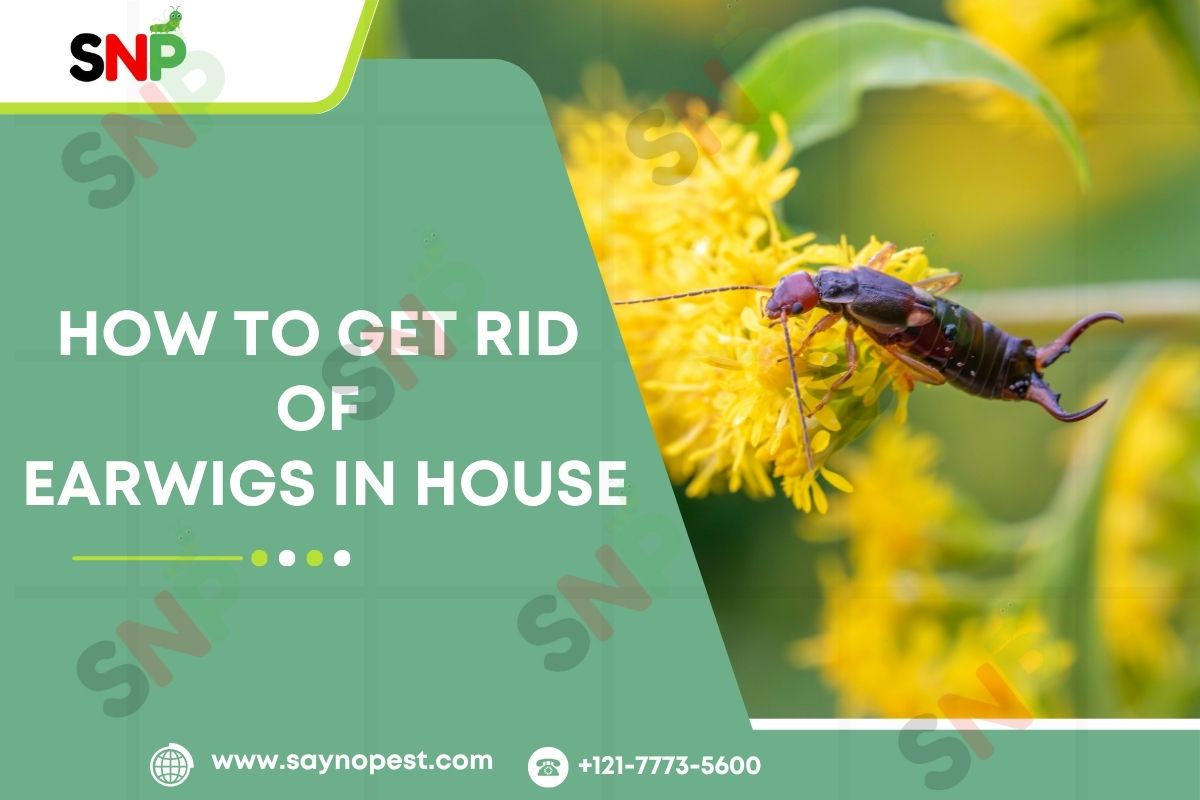
    The common earwig bugs is typically defined as a Dermaptera creature that has forcep-like pincers that come out from its abdomen, which is a quick way to notice the earwigs. These pincers known as cerci look at first sight to be curved when equipped by males, and straighter when carried by females.

    Being insects, earwigs bugs usually can survive in dark and wet places and are active during the night only which means that they are nocturnal. At the same time, they are hiding during the day and do not produce any sounds, so they are still and silent.

    Early morning, when the dew covers the ground, the air becomes chilly inside the home, and there is food on the table, some earwigs find a way into the houses through cracks, gaps around doors and windows, foundation crevices, and unscreened vents. They can also embark on the journey through different places such as newspapers, boxes, greenery, or any other objects that people store in places with high humidity. The moment the earwig enters the place, it goes directly to the bathroom, kitchen, basement, or wherever there are plumbing leaks to get the needed moisture.

    earwig

    Do Earwigs Bite?

    Many homeowners are concerned about do earwigs bite. While it is true that earwigs can bite, technically, they are relatively harmless. With the pain level, it’s more equivalent to a very light mosquito bite. Another thing to consider is where that bug came from. The bite itself doesn’t always look noticeable, but some people may develop an allergic reaction to the bug bite.

    One of the questions that public has actively debate is whether or not the earwigs will become a serious problem.

    Are Earwigs Dangerous?

    Even though earwigs look pretty awful, they do not harm people. The bugs are not carriers of various illnesses, they are not poisonous, and they only cause mild pain if handled too roughly.

    Not necessarily threatening to humans but European earwigs might attack gardens by eating seedlings, small fruits, and flowers such as dahlia, rose, and marigold. What’s more, the earwigs’ presence in large numbers could be a sign of problems with a house’s humidity, which, in turn, could result in a variety of other issues.

    Are-Earwigs-Dangerous

    Do earwigs get into your ear?

    The story behind the name “earwig” embraces the notion that these insects crawl into people’s ears when they are asleep. However, the question of how to get rid of earwigs in house comes down to the fact that it is a very rare occasion for earwigs bugs to enter the ears of human begins.

    Earwigs bugs are not even slightly the least bit interested in human ears, and the idea of them burrowing into your brain or laying eggs there is fabricat.

    People have contiued to spread this false misconception for ages and in turn, makes people fear these harmless creatures unnecessarily.

    How To Get Rid of Earwigs in House

    If you are dealing with the problems of how to get rid of earwigs in house. Don’t let an earwig infestation get out of control by taking the following steps:

    1. Decrease moisture: Fix leak pipe problems in your house, enhance drainage, and use dehumidifiers to absorb moisture from air.
    2. Clean your house: Clean hidden parts and remove visible earwigs bugs using the vacuum cleaner.
    3. Set traps: Combine soy sauce and vegetable oil in a dish and place the dish where there is a earwig pollution, especially during the dark hours of the day. This very cheap device you make on your own, will be surprisingly efficient.
    4. Use natural sprays: A mixture of dish soap and water or rubbing alcohol and water can eliminate earwigs whenever they come across them.
    5. Use diatomaceous earth: This material is 100% natural and it removes the moisture of earwigs because it injures the exoskeleton’s moisture barrier.
    6. Seal off openings: Wrap the areas such as the shell of the house and the frame of the window or the doorbell with a caulking gun to avoid such insects from getting in.

    Eliminate the inhabited situations: Do away with piles of leaves, a lot of mulch, and other debris from around your house’s exterior.

    Conclusion

    Even though earwigs are highly unwanted in one’s home, it should not be forgotten that these bugs are more annoying than dangerous. To be convinced that earwigs are insect irritants, don’t get bitten by people deliberately, are not hazardous, and will not sneak into your ears with evil intent, that will make worry cease.

    The most effective method for how to get rid of earwigs in house comprises some operations, namely not only eliminating moisture removal, but also hiding places, sticky traps as well as sealing door openings. Accordance with these methods will enable you to carry out the control of earwigs.

  • Life Cycle of Blacklegged (Deer) Tick: A 2 Year Process

    Life Cycle of Blacklegged (Deer) Tick: A 2 Year Process

    The Life cycle of blacklegged tick or a deer tick. It is an extremely small spider-like creature that is known for giving Lyme disease, anaplasmosis, and babesiosis by its bite. These dangerous parasites are the reason for most of the infection cases with Lyme disease in 14 states in the northern part of the country. Ticks are carriers of the infectious agents and they are distributed to humans by a bite of the parasites during the absorption of human blood by the latter.

    deer-tick

    Life Cycle of Blacklegged (Deer) Tick

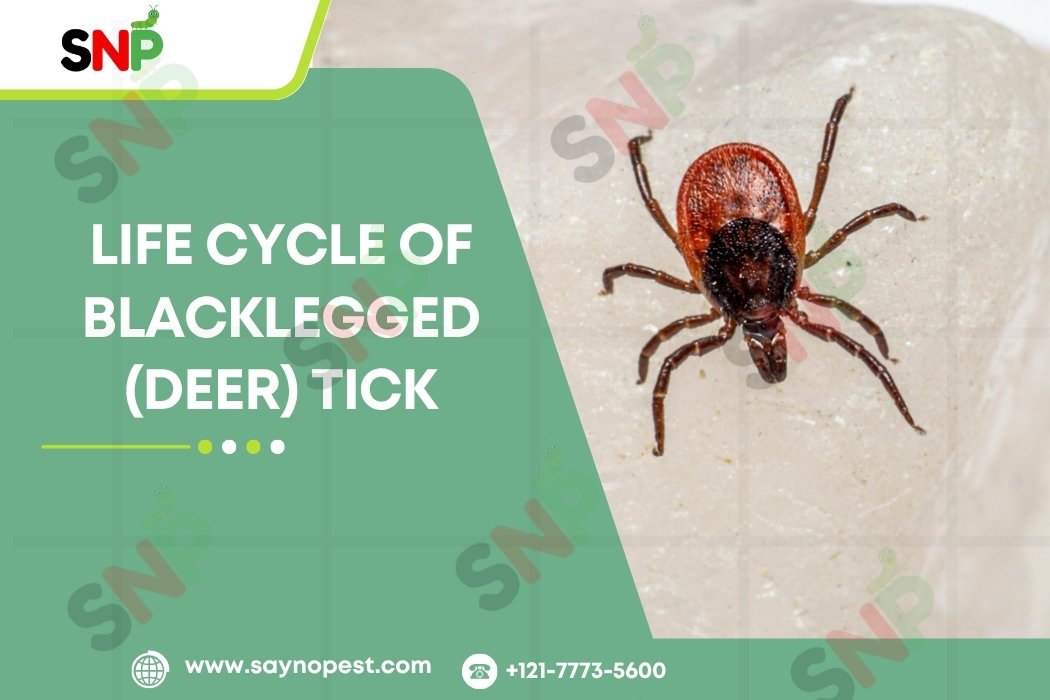
    The Life Cycle of the blacklegged (Deer) tick, Ixodes scapularis, takes place during two or even three years and consists of the four stages:

    1. Egg Stage-

    In early spring, after feeding on a host, adult female blacklegged ticks lay thousands of eggs in moist, sheltered spots near animal trails or under leaf litter.

    These eggs are tiny, often red-brown in color, and almost invisible to the naked eye. Laying eggs in such strategic locations ensures the next generation will have easy access to passing hosts.

    2. Larva Stage-

    The eggs hatch into six-legged larvae, sometimes known as “seed ticks.” These larvae are really tiny-no larger than a grain of sand-hungry and thirsty for their first “blood” meal.

    The most delicious dishes for the newborn ticks are small mammals, such as a mouse or a bird such as a sparrow. They don’t spread the diseases while in the larvae stage, biting an unhealthy animal, they can acquire bacteria that cause Lyme disease.

     After three days of sucking, the larvae leaves the host, transforms into nymphs, and are often to be found in the hiding place.

    3. Nymph Stage-

    The following spring, nymphs are out and now with eight legs and a little bit bigger than their former size, approximately poppy seed in size.

    The danger with a Tick Life Cycle is its very next phase, i.e. nymphs.

    They are active at the period between May till July and are mainly responsible for the transmission of pathogens that cause tick-borne-diseases.

    The main reason is due to the fact that they are small, difficult to see and also they can pick up the infection from their larval feeding. The nymphs fall off the host after feeding, and molt once more to become adults.

    4. Adult Stage

    Adult blacklegged ticks are most likely to be seen in the fall and will continue being active throughout the winter if it never gets too cold. Adults are easier to spot due to their larger size. Females are easily identifiable by the red-brown body and black legs they have. This is the time the ticks move towards bigger hosts like deer, dogs, or even humans.

    Females need another full blood meal for reproducing, but males only mate and shortly thereafter, they die. Once the female has mates, she will lay eggs in the spring, and the Tick Life Cycle will begin again.

    Features of the Blacklegged (Deer) Tick

    Host Switching- One of the features that distinguish Life Cycle of Blacklegged (Deer) Tick is that blacklegged ticks usually have a different host at every stage. This increases their exposure to a wide range of animals and thus the possibility of disease transmission. For pet owners, it means that the dog is likely to be exposed to ticks. He has been on wildlife before and were carrying dangerous pathogens.

    Conclusion: Life Cycle of Blacklegged (Deer) Tick

    The Life Cycle of Blacklegged (Deer) Tick is a process that starts with an egg and ends with an adult tick. Each stage being a chance for the tick to acquire a host and transmit disease. This article has explained the Tick Life Cycle and the best ways to avoid the tick seasons. This ensures that your dear pets do not fall sick from tick-borne diseases. It is important that you provide vet-approved products for tick prevention and make sure that your yard is always clean. It is worth noting that with knowledge and care, you can still enjoy your outdoor activities. Have fun with your pets in a safe, and a no-tick environment!

  • What Are Centipedes? An In-Depth Guide for U.S. Homeowners

    What Are Centipedes? An In-Depth Guide for U.S. Homeowners

    If you’ve ever seen an agile, multi-legged being run across your bathroom floor, you’ve probably asked yourself What are centipedes? These unique arthropods live throughout the United States, and their appearance, behavior, and possible danger cause queries among people. In this blog, we will address all your main questions: what are centipedes, what are centipedes attracted to, and are centipedes dangerous, while offering practical advice for homeowners.

    What Are Centipedes & How Do They Look?

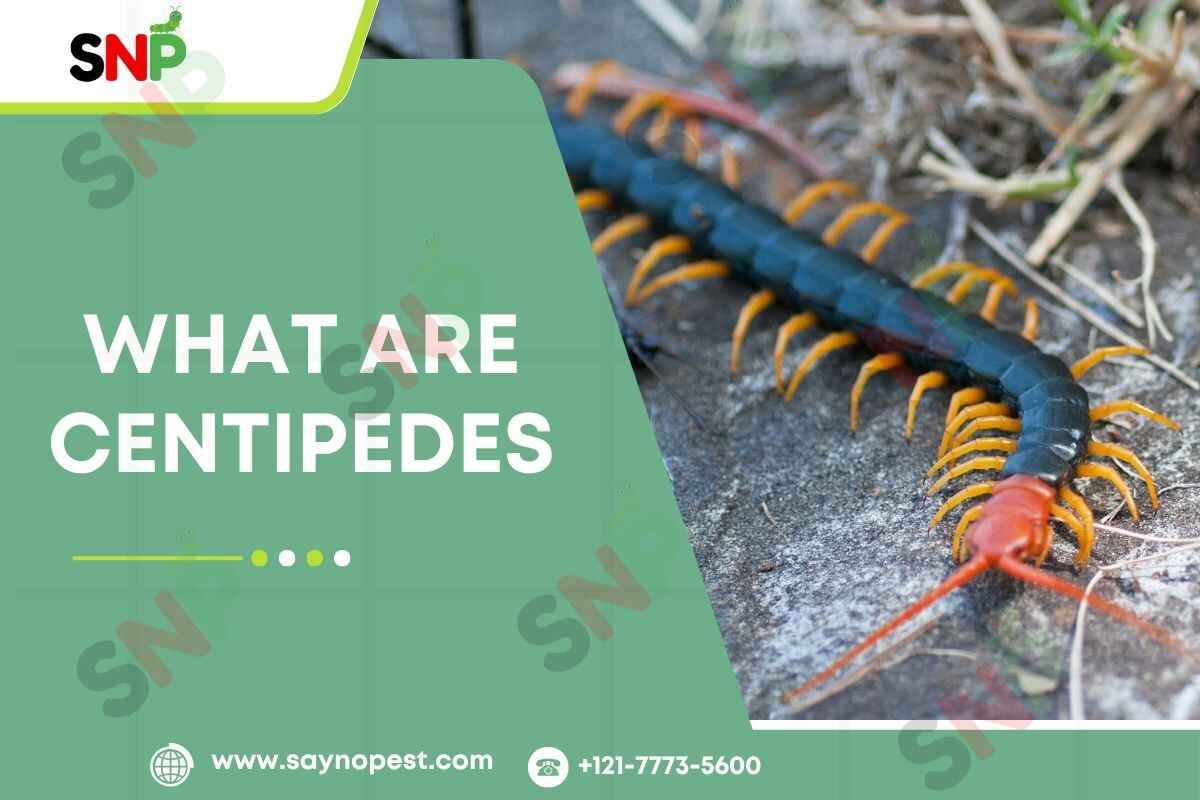
    Centipede receive their definition from science as Chilopoda, which group together with these long arthropod species. As Chilopoda centipedes take the form of elongated arthropod-like organisms. Unlike insect species, centipedes maintain one foot pair per body section as their leg distribution ranges from 30 and 350 units, even more according to their classification. It might come as a surprise, but no centipede has exactly 100 legs—centipedes always with an odd number of leg pairs.

    They do not show the usual cylindrical body but are generally wide and flat from the top down, which is key to their slipping ability through very narrow cracks and crevices. Usually, most centipedes have a hard exoskeleton that can be brown, reddish-brown, or even yellowish, with the occurrence sometimes of distinct patterns for camouflage. The head has with the main pair of antennas, and in front of that, there modified legs called forcipules designed for the process of injecting venom into the prey.

    One species people often spot inside a house, the delicate, long-legged creatures also known as house centipedes due to their size and speed. The species show different length dimensions extending from centimeter-scale to inch-scale dimensions, but retain standard physical characteristics of numerous legs and segmented form with rapid movement capability.

    what-are-centipedes

    What Are Centipedes Attracted To?

    For any homeowner, the question of what attracted centipedes is one of the many problems they have to solve.The vital needs that reveal the answer are food, water and shelter. The food sources of centipedes consist of cockroaches together with spiders silverfish and additional centipedes. The presence of more pests positively correlates with increased chances of centipede infestations.

    Wetness represents one of the primary elements that draws centipedes. Because they don’t have a waxy layer to keep wetness in their body, they dry out easily. For this reason, they choose the area where there must be a wetness, like in bathrooms, basements of the house, or any property, in the kitchen under the sink, or at any place where they can stay in a moist environment. Centipedes find their preferred dwelling spots in moist conditions since they need the protection of rocks and logs, and leaf litter when living in open environments.

    The need for a hideaway is also valid. Centipede are very sensitive to light, feed only during the night, and therefore, are looking for quiet places during the day. They make their way into houses through the smallest openings, through drains, and also through poorly sealed doors or windows, and all the more so when it is cold or dry outside, as they will be looking for refuge indoors.

    Are Centipedes Dangerous?

    Many people think whether centipede are a danger to humans and pets or not. All species of centipede are toxic’s how they catch their prey-but most of the species that live in the houses of the people will not cause great harm to people. A bite from the latter may result in mild pain, redness, or swelling, like a bee sting, though severe reactions are not very common.

    Are-Centipedes-Dangerous

    Some of the larger species can bite harder, and those who bite, especially children, or those who are allergic, carefully noticed. Nonetheless, the fact is that centipedes usually avoid biting and they generally only bite in self-defense. Most people are safe and do not worry about centipede bites, they are a bigger problem than danger.

    Conclusion

    So, what are centipede? The fascinating arthropods with numerous legs control populations of other pests. Learning about the things that attract centipede (moisture and food along with protection) will enable homeowners to stop centipedes from entering living spaces. The fear concerning centipedes’ danger is common but these arthropods present no threat to human health because they reduce populations of undesirable pest insects.

    The removal of moisture combined with secure building seals and elimination of other organisms helps to decrease the desirability of your house for centipede. Recall that although centipedes can appear frightening they belong to the natural environment where they serve as natural pest controllers.

  • Types of Centipedes: A Comprehensive Guide

    Types of Centipedes: A Comprehensive Guide

    Facing centipedes in your home can be an unpleasant experience. These fast-moving, multi-legged arthropods can look very frightening at first, but once you get to know the different types of centipedes and their routines you will find that your potential infestation will be better manageable. This piece contains the most common centipede species and answers the question “how many legs does a centipede have” for the public and tells us about the U.S. states that represent the greatest number of centipedes in their population.

    types-of-centipedes

    Common Types of Centipedes in the United States

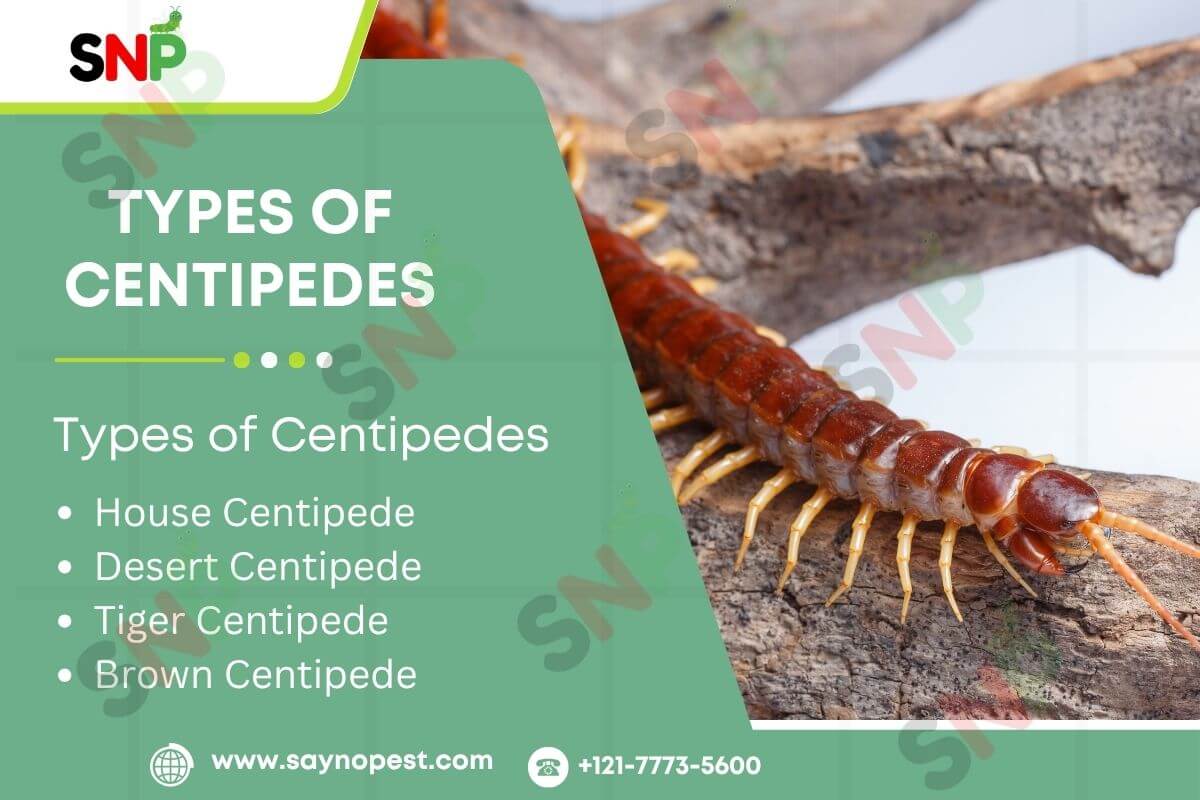
    The most common centipedes you will meet include:

    House Centipede (Scutigera coleoptrata)

    Indoor patrolling house centipedes are the most popular breed of their kind all over the continent, North America. Ranging from 1 to 1.5 inches with a yellowish-gray body featuring three dark stripes, these colorful insects have 15 pairs of legs which are significantly long. In fact, they are quite useful in the sense that they are predators who go cockroach, and silverfish hunting in households.

    Desert Centipede (Scolopendra hero)

    The Giant Desert Centipede also has the name Desert Centipede. This creature is quite large and it is restricted to the arid parts of the United States and the north of Mexico. The usual hiding places under rocks or logs of the typical daytime-hour hiding desert centipede are the desert centipedes.

    Tiger Centipede (Scolopendra polymorpha)

    The common desert centipede also known as the tiger centipede inhabits mainly the southern and western United States. Their predominant color patterns are their most conspicuous characteristic and they are well-suited to the dry environment.

    Brown Centipede (Lithobius forficatus)

    Initially of European origin, brown centipedes have spread to a large extent across the Eastern Seaboard. The inch-long creature sports a glossy brown color and venomous small straws that pose little threat to people.

    Other Notable Types

    In the United States, soil centipedes, stone centipedes, Florida blue centipedes, bark centipedes, Red-headed centipedes, and tropical centipedes are some of the many types of centipedes found. Each of these species adapts its unique habits and environmental conditions.

    How Many Legs Does a Centipede Have?

    Despite the name translation of “centi” to hundred the number of legs that different centipede species possess shows considerable variation.
    A centipede usually has one pair of legs per body segment, and what is interesting, that number is always an odd one.

    How many legs does a centipede have It has from 15 to 177 pairs, depending on the species. Here are some examples:

    • The house centipede has 15 pairs of legs.
    • Scolopendromorphs can feature 21-23 pairs.
    • Geophilomorphs may have up to 177 pairs of shorter legs.

    These legs are getting successively longer as they get away from the head part which helps in the balance and quickness. The last pair of legs contains sensory bristles that act as an added pair of antennae and allow centipedes to move backward through narrow gaps.

    centipedes

    Top States for Centipede Infestations

    The centipedes expand in localities with a hot and humid climate where they find the necessary conditions to reproduce in large numbers. Knowing the most common states helps to predict the centipede infestation.

    1. Georgia
    2. California
    3. Texas
    4. Florida
    5. Tennessee
    6. Virginia
    7. Louisiana
    8. Alabama
    9. Mississippi
    10. Arizona
    11. Ohio
    12. Illinois
    13. South Carolina
    14. North Carolina
    15. Kentucky
    16. Oklahoma
    17. Arkansas
    18. Missouri
    19. Kansas
    20. Hawaii

    Southern states lead this list as their climate provides ideal conditions. Georgia ranks particularly high for centipede presence, while states like Texas and Florida support various types of centipedes due to their diverse ecosystems and year-round warmth

    Conclusion

    Familiarity with various types of centipedes that can be found in your place is crucial in the fight against pests. While with the way they lurk about with many legs and their quick movement, the majority of centipedes are beneficial to the households as they will look after the families by consuming other pests.

    The quest for the number of legs of a centipede doesn’t necessarily mean a one-word answer, as the intensity of the diversity is such that the counting of legs varies from one species to the other. This is actually the great ability of the centipedes to adjust to various habitats.

    If you’re having troubles with unwanted centipedes in your house, the natural management of populations can be done by the fixing of the moisture problem and blocking the way of getting in; don’t forget that these spectacular extinct creatures were around for millions of years, having an exact match for their ecological niche as the most efficient predators of household pests among the animals of the places they inhibit.

  • Bed Bug Vs Tick: Hidden Dangers at Home

    Bed Bug Vs Tick: Hidden Dangers at Home

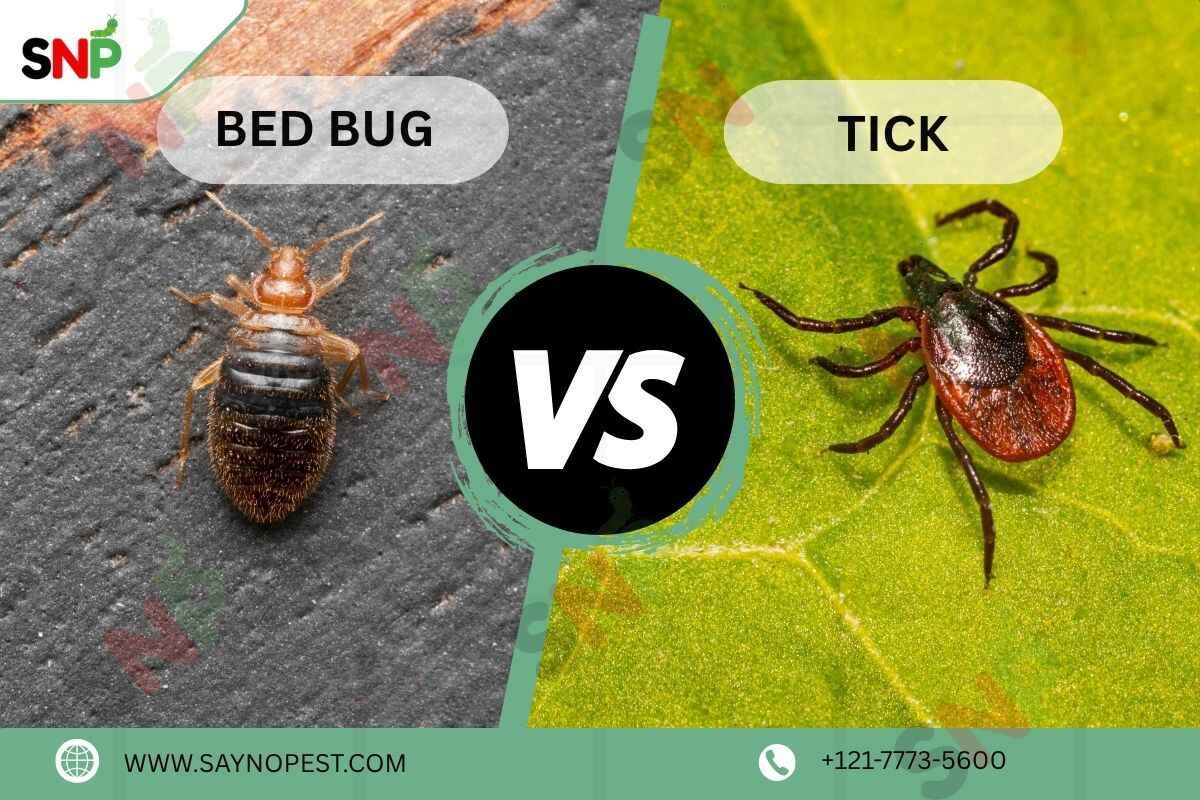
    Bed bugs and ticks both are disgusting creatures. They suck the blood out of your body and can be very dangerous to you. They are totally different in the ways they live, the health threats they pose, and the ways in which they can enter your home. The hot topic of the bed bug vs tick dispute is usually started by pet owners. However, to be safe from the itchy bites and diseases that bed bugs and ticks can cause is to understand their unique characteristics.

    Tick vs. Bed Bug: How to Know If It’s a Tick or a Bed Bug

    The physical appearances of these pests show that at a distance, they are similar in size, both wingless, and round. But after close examination, the differences are clear to see:

    • Size and Shape: The common bed bug measures 4-5 mm in length ( apple seed), is elongated, and flattens out.

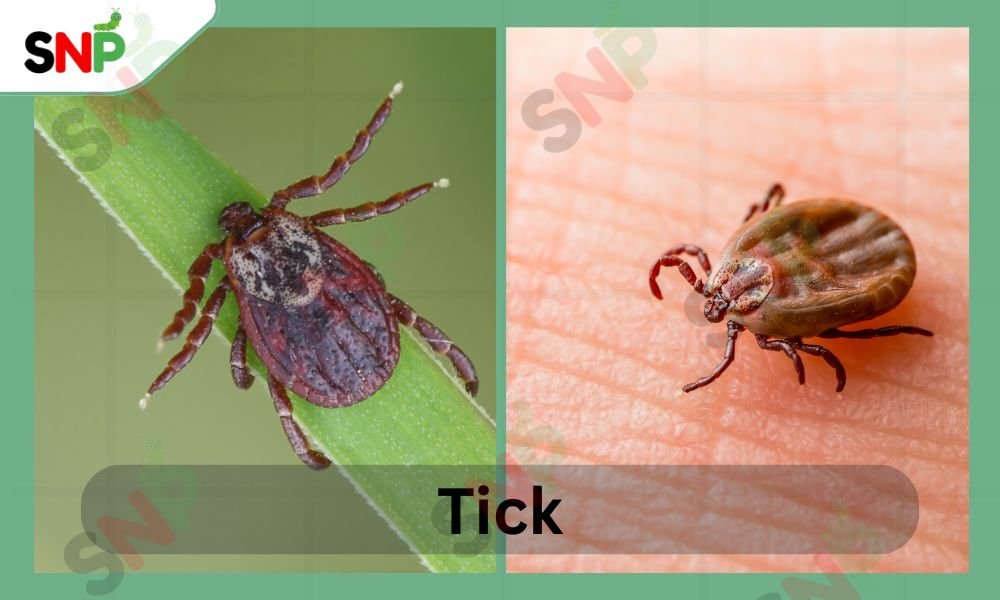
    Ticks are usually smaller, around 3-5 mm, but when they get bloated with blood, their size can be triple and reach 10 mm. Right after feeding, the ticks become swollen, whereas the bed bugs still look somewhat thin.

    • Color: Bed bugs change from red or brown and become more transparent after they have swollen up due to the blood. Ticks are initially brown or dark brown, but when they feed, they may become grey or light red.
    • Legs: Insects have six legs, which is true of the bed bug, while ticks have eight legs.
    • Movement: One of the more basic ways of identifying them is that bed bugs search for a host that they can suck blood from, sometimes, they roam around without the host even realizing it. Ticks, on the contrary, remain in a passive state known as “questing,” where they simply lie in hiding on leaves and appears not to be moving.

    If you see a bug with eight legs and a round inflated body hanging onto your dog, it is probably a tick. If the bug is flat, the color is red-brown, and it is seen under your bed, then most likely it is a bed bug.

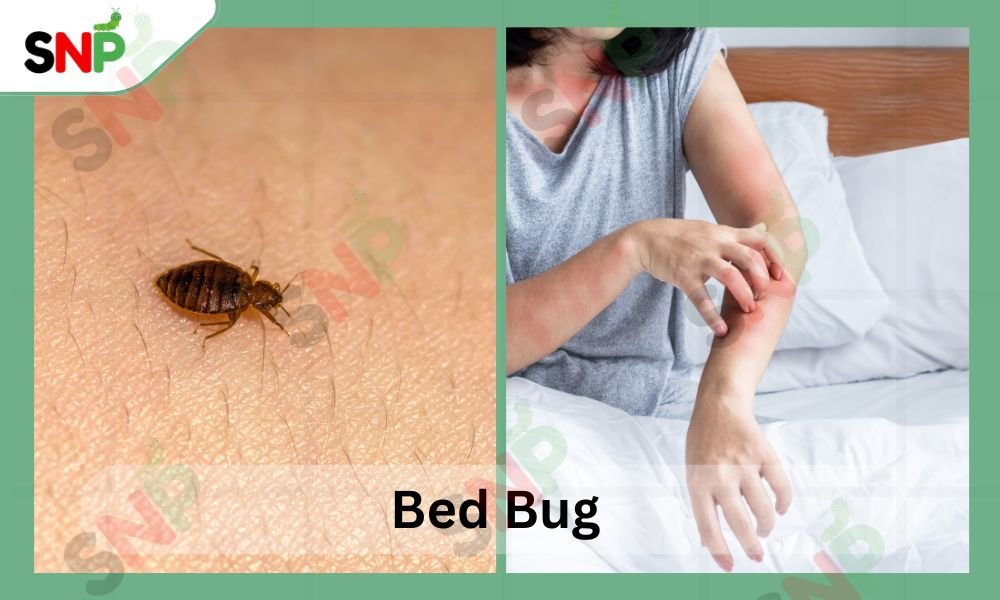
    A Guide on How to Distinguish Tick Bites vs Bed Bug Bites

    bed-bug

    Both bugs can cause irritated and itchy marks, but their appearance, effects, and ways of transmission differ:

    Bed Bug Bites-

    • These are usually small, red, and itchy spots that are frequently in lines or groups on the skin that is exposed, e.g. arms, neck, or back.
    • Bed bugs prefer to bite the same place several times, usually at night, after what they go back to their shelters.
    • Bed bug bites are certainly very uncomfortable and sometimes can cause allergic reactions to humans or pets.
    • However, they are still the non-carriers and not the source of diseases to the man and pets.

    Tick Bites:

    • Ticks adhere to the host’s skin and suck blood there for more than one day.
    • Afterward, the bite is first quite unexpressed and people do not feel anything but the tick continues to adhere.
    • If the tick brings a disease, the symptoms will probably appear later as a spot or sore area, fever, or muscle and joint aches.
    • The following are common diseases caused by tick bite-
    • Lyme disease
    • Rocky Mountain spotted fever
    • Anaplasmosis
    • Ehrlichiosis
    • Ticks-thus posing a greater health risk than bed bug bites.

    Real-life example: Imagine your dog is continuously rubbing behind the ear. Your search reveals a tick that has anchored. This is a common sign of tick bite. On the contrary, a person who wakes up with a sense of itching, crosses over the arm, with small reddened hives, and this may be a sign of bed bug bites.

    The Places They Live and the Signs of an Infestation

    Knowing the environment where these bugs can be found and their penetration into your house will aid you in taking preventive measures:

    Bed Bugs: These are some of the most common pests that are found in the house and they are mostly found indoors and can be found in the folds of the mattress, the bed frame, the furniture, behind the wallpaper or the socket when they are not draining their food sources by feeding on humans. Bed bugs are nighttime insects and only come out at night to feed.

    tick

    Ticks: Ticks are commonly found in grass or woods. A very common way for ticks to get onto people and pets is through hikes in the mentioned environments. Ticks may choose to travel indoors by most commonly clinging on the clothes of people or the fur of animals. Ticks do not colonize indoors like bed bugs do, but they may still be present in household spaces. They can attach themselves to animals or be hidden in pet beddings.

    • You will find ticks on your pet’s fur around the ears, neck, and underbelly.
    • Ticks on your own skin or clothing after being outdoors.

    Note- While it’s almost always a bed bug if it’s found in your bed! Ticks usually are on the pets or humans.

    Conclusion: Bed Bug vs Tick

    The difference between bed bug vs tick is critical to the well-being of both owners and pets. Bed bugs, at the most, cause itchy bites. However, they do not spread diseases. But Ticks transfer dangerous bacteria and viruses to humans and animals. Therefore, it is important to know their habits. It will help recognize early warning signs to make your home safe, healthy and pest-free.

  • How to Get Rid of Centipedes: Signs, Safety, and Effective Control

    How to Get Rid of Centipedes: Signs, Safety, and Effective Control

    Centipedes face frequent uninvited status in American domestic spaces. The terrifying combination of numerous legs and fast movements in centipedes leads many people to search for effective methods of how to get rid of centipedes. This guide presents the indicators of centipede residence, answers the question regarding are centipedes poisonous, and provides useful measures on how to get rid of centipedes.

    Signs of Centipedes in the House

    Spotting a centipede running across your floor is often the first sign of their presence, but there are other indicators that you may have a centipede problem:

    1. Frequent Sightings: If you see centipedes during the day, it can suggest a larger infestation, as they typically come in night.
    2. Molted Skins: Centipedes shed their skins as they grow. They usually shed their skin in hard areas where humans can’t go easily. Like in basements corners, and behind the fixture.
    3. Egg Clusters: Centipede eggs are small, round, and often laid in damp, quiet areas. Finding egg clusters indicates centipedes have established breeding grounds inside your home.
    4. Dead Centipedes: Finding dead centipedes, especially in basements or by windowsills, can indicate a larger population.
    5. Increased Pest Activity: Centipedes feed on other pests like roaches and fleas. The presence of additional pests can be a sign that centipedes will arrive soon.

    Are Centipedes Poisonous?

    Many people wonder if centipedes have toxic capabilities. Yes, they are poisonous yet subject to specific requirements. Centipedes are poisonous, not venomous. Prey immobilization venom passes through modified front legs named maxillipeds. A centipede bite produces a bee sting sensation that poses no danger to human existence. Small centipedes lack the power needed to penetrate human skin, but larger species can produce minor allergic responses and occasional skin swelling. The risk of experiencing severe allergic reactions from centipede bites remains uncommon, while serious reactions might present as major swelling combined with fever or chills. In conclusion, are centipedes poisonous? Centipede venom poses no serious threat to human health.

    How to Get Rid of Centipedes: Useful Protection and Control Tips

    How-to-Get-Rid-of-Centipedes

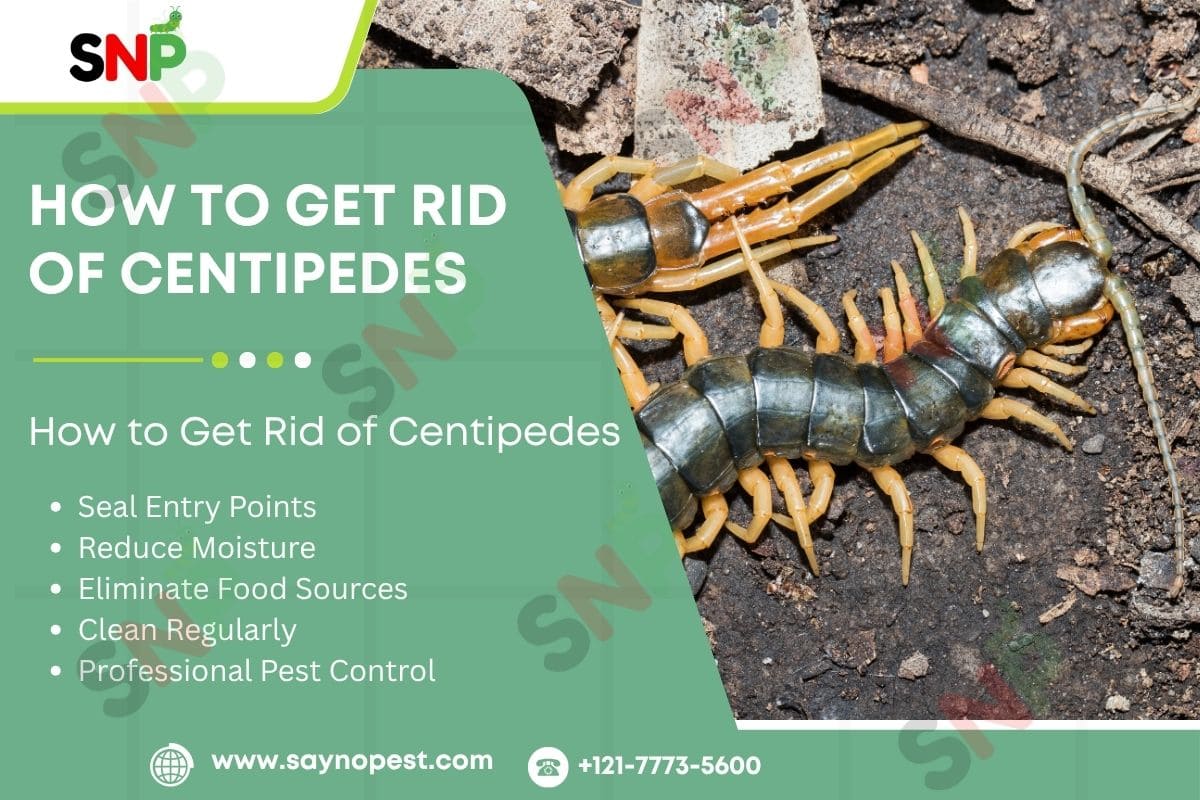
    If you’re thinking how to get rid of centipedes, these pointers will help you deal with the problems in the best possible way. Here are proven methods to help you reclaim your space:

    Seal Entry Points

    Check your house for cracks, gaps, and holes. Sealing those entry points will keep centipedes outside your home.

    Reduce Moisture

    Try to keep a dry atmosphere in the basement, bathroom, and kitchen. The number one feature for the thriving of the centipedes is a humid environment.

    Eliminate Food Sources

    Centipedes feed on insects, so if you want to get rid of them , keep your home clean and pest fress and if that not possible make sure to the level of pest in your home is maintained. Use sticky traps, natural sprays, and clean up your home on a regular basis to minimize the number of pests.

    Clean Regularly

    Keep your home clean and fresh especially an areas where wetness might be present, and have a dark environment. Clear leaves and debris from around the house’s foundation, as these will attract centipedes.

    Use Natural Repellents

    Sprinkle diatomaceous earth in places like corners, cracks, and damp areas where the insects enter the house. This natural powder marks off centipedes’ exoskeletons, killing them safely 56. Apart from this, salt and essential oils such as peppermint can also act as repellents for centipedes.

    Vacuum and Trap

    Use a strong vacuum cleaner to vacuum up any centipedes that appear. On the other hand, sticky traps are effective for centipedes in specific areas where the problem is.

    Clean Drains

    Occasionally pour a mixture of vinegar or a diluted bleach solution down the drains to deter centipedes from using them as hiding places the two substances should never be combined.

    Professional Help

    If none of the natural methods are working, a targeted treatment from a pest control might be worth considering.

    By following these steps, you’ll not only learn how to get rid of centipedes, but also make your home less attractive to future infestations.

    Conclusion

    Learning the right methods to remove centipedes enables easy elimination of these creatures. Observe the following events: the continuous occurrences of centipedes, the increasing number of pest activities, and the excessive shedding of skin. Scientists have established that centipedes have venom yet their venom does not constitute a significant threat to humans. Thus, by applying these methods, you can efficiently confront every centipede issue and have your place as a comfortable and pest-free living space for life. Should you ever need your exterminator, don’t hesitate to ask for pest control services; getting your peace of mind back is invaluable.

  • How to Get Rid of Earwigs: An Authentic Guide Homeowners

    How to Get Rid of Earwigs: An Authentic Guide Homeowners

    The pincer-tailed insects that appear in your home or garden space are common occurrences throughout America. American citizens regularly ask themselves about effective methods to how to get rid of earwigs while stopping their infestation from spreading throughout their homes. The following text explores the earwig insect’s nature, along with their invasion patterns and flying ability, and provides essential information about their complete elimination.

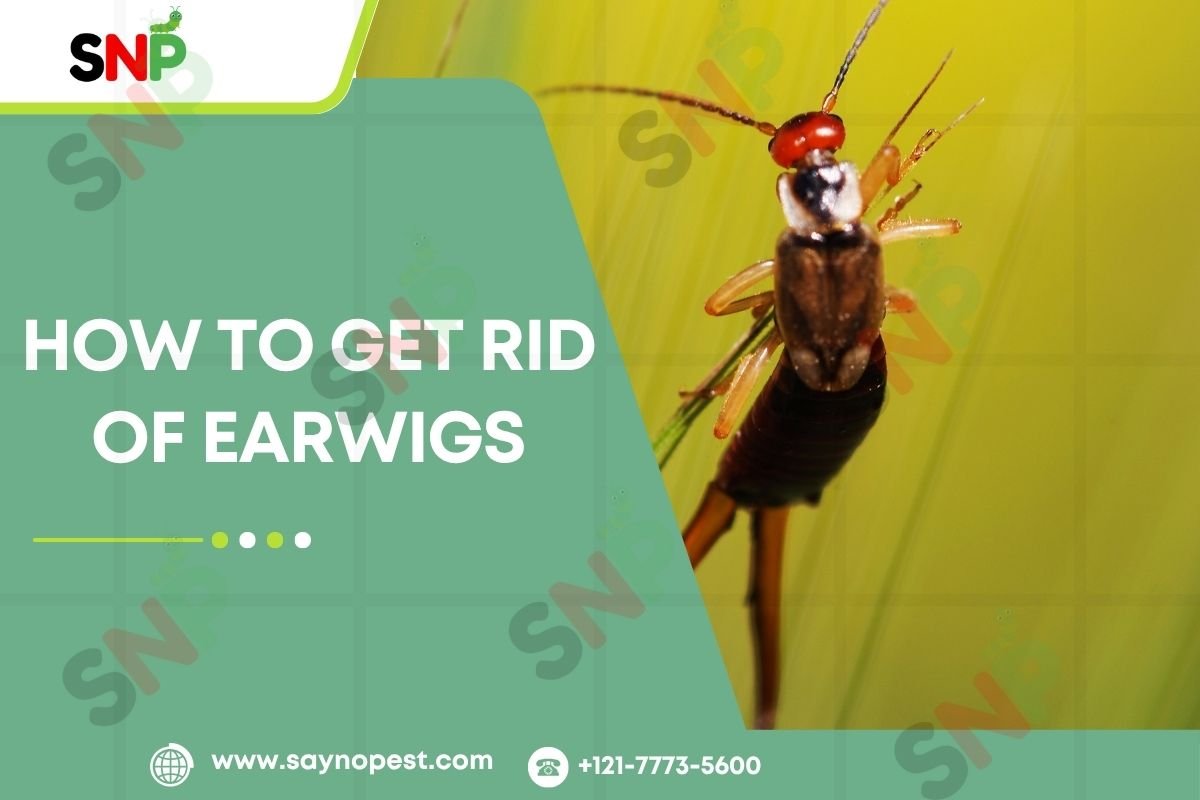
    What Are Earwig Bugs?

    An earwig is an elongated insect of the order Dermaptera among over 2,000 species present worldwide, and with more than 20 species in just the United States. The earwig bugs are identified with the help of pincer-like clamps or cerci at the end of their abdomens. The petrifying appearance of the insects notwithstanding, earwig bugs are more often than not quite harmless to people, and the fact that they do not enter people’s ears is one of the most widespread misconceptions about them.

    earwig-bugs

    The adult form of earwigs is typically dark brown, half an inch to one inch long, has six legs, two antennae, and a pair of short, rarely used wings folded under tough forewings. They are nocturnal feeders and will eat anything provided it is rotting plant matter, flowers, fruits, or insects themselves. They tend to hide from the strong light during the day, and it’s the moist and dark places they go to, such as under leaves and mulch, stones, or garden debris.

    Understanding Earwig Infestation

    The situation at hand when these insects make themselves at home in your house or garden is referred to as an earwig infestation. Earwig infestation generally happen during warm wet months or when the outside living conditions are extremely harsh forcing the bugs to seek shelter and food and water inside the buildings. So, indoors you might find earwigs in bathrooms, kitchens, basements, or anywhere damp and dark.

    While earwig infestation rarely causes structural damage, they can be a nuisance and may harm young plants. The presence of several earwig bugs in a house is evidence that the habitat is suitable for their thriving, and that the insect population may soon grow and become a serious problem.

    Do Earwigs Fly?

    Do earwigs fly? This question often heard. It is true that earwigs have wings but they are poor fliers and it is very rare that they fly. The front wings of the insects usually hide their wings, and most earwigs would rather walk instead of using their wings for flight. So if earwig bugs are seen darting around, there’s no reason to worry because they aren’t gonna fly.

    How to Get Rid of Earwigs

    Well then, I guess it’s time to deal with the primary issue of how to get rid of earwigs and to keep the place from infested by earwigs in the future. See the list of validated, workable strategies below:

    How to Get  Rid of Earwigs

    Eliminate Moisture

    Via dehumidifiers or fans, it is possible to eliminate the moisture that bugs particularly earwigs like in the basement, bathroom, and kitchen, thus making these places become drier. This will minimize the occurrence of earwigs in these areas.

    Seal Entry Points

    A thorough inspection of all the cracks near the doors, windows, and the foundation should be check, and the cracks should then be immediately sealed using silicon caulk. This way, earwig bugs will kept out of your house.

    Remove Outdoor Debris

    As simple as getting rid of the soil covering your house, removing leaf piles and garden garbage around your house’s foundation will make the place less attractive to the earwigs, and their presence is less likely to increase so rapidly.

    Vacuum Regularly

    Regular cleaning with the vacuum cleaner is necessary so that not only earwig bugs but also their food, which are the attracting factors, are being remove. That way, your home won’t fetch them.

    Use Traps

    You can go ahead and make the traps at home. Such a trap you can make soaking a couple of layers of newspapers in water and then rolling them up to make paper cylinders, which you can place where the pests gather. For this trap to work, you will need to clean it regularly, as earwigs are likely to drown, and the water will get dirty. Alternatively, a solution of oil and soy sauce in little trays (not deeper than an inch) will attract the bugs, and the oil will drown them. This method also effective with the traps bought at the stores. However, don’t forget to change the bait and renew the traps if you have the commercial ones.

    Apply Boric Acid or Insecticides

    Make sure you follow all the preventive measures first, and then you can sprinkle some boric acid where the earwigs are most likely to appear, and never forget to keep it in a place out of the reach of your kids and pets. If the problem is severe, you might need to contact a professional exterminator. The experts would be the exemplary ones who extend their services in fighting the earwig problem both at home and in your yard.

    Conclusion

    Managing an earwig infestation could be a bit of a shock, but with the right methods, you can tackle and win back your home and garden. Remember, the earwig bugs are more of a pest than a risk, and their presence poses no significant health risk. Your decision on how to get rid of earwigs became easier by the use of the tips on how to eliminate earwigs and keep your living spaces free of any pests. Nevertheless, when the problem is too big, do not hesitate to call for help from an expert in pest control.

    If you choose to proceed with these necessary actions now, you will not have to deal with any earwigs for an entire year.

  • Centipede vs Millipede: Which One’s in Your Home?

    Centipede vs Millipede: Which One’s in Your Home?

    When you see something small and creepy crawling that has way too many legs. Do you wonder if it a centipede or a millipede? Telling them apart actually matters. It helps you figure out whether you’re dealing with a harmless pest or a harmful disease carrier. A lot of homeowners get confused between the two. But once you learn the difference between centipede vs millipede, everything becomes easy. It can help you protect your home and keep the pests under control.

    Centipede vs Millipede: One is a predator and the other’s a decomposer

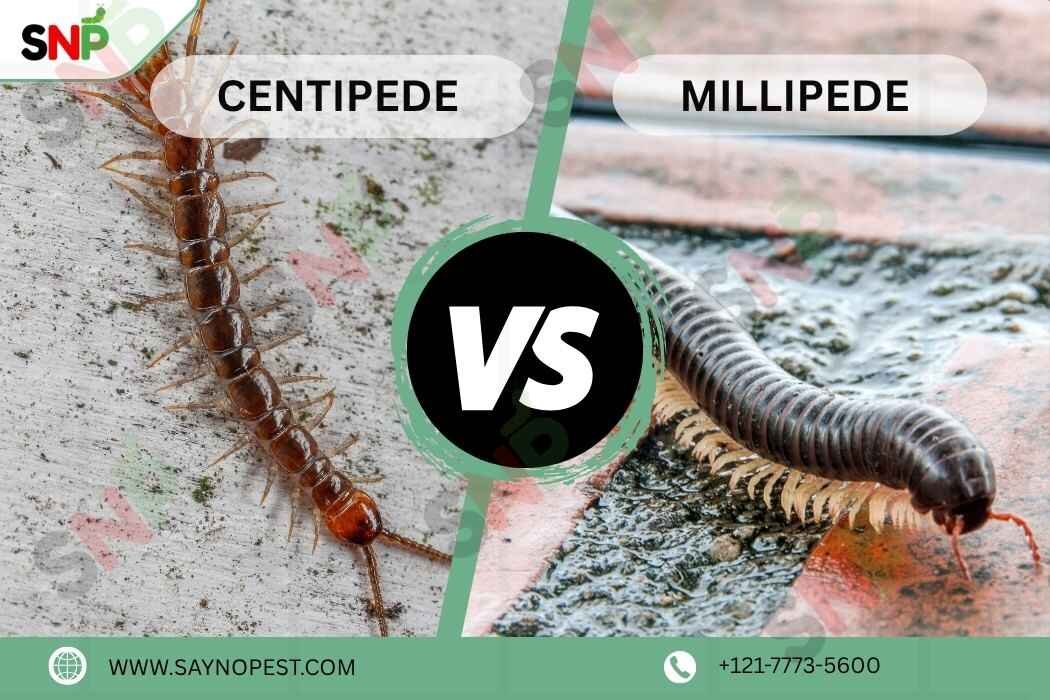
    The distinction between centipedes and millipedes often causes people to mix them up.  Although they share similar names and live in similar environments they remain distinct creatures. Centipedes show quick movements and hunting behaviour yet millipedes move slowly as they break down plant matter through decomposition.

    The natural habitats of centipedes and millipedes include leaf-covered areas and soil and damp basements. Each species possesses distinct body structures and leg patterns and separate behavioral characteristics.

    Therefore, effective pest control starts with understanding these distinctions and using them to protect your home.

    How Many Legs Does a Centipede Have

    How-Many-Legs-Does-a-Centipede-Have (1)

    People often ask about the number of legs each of them have, when they talk about centipede vs millipede. Many of them want to know, how many legs does a centipede have and the response is going to shock you!

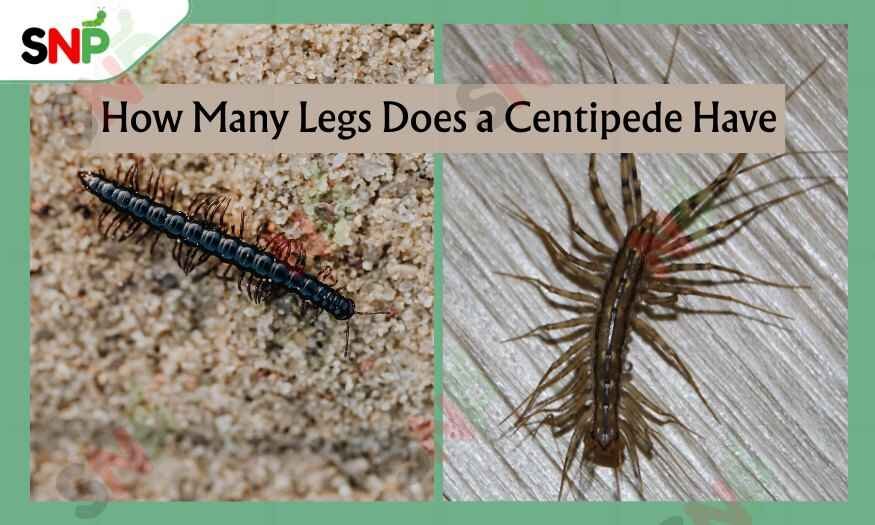
    Even though their name suggests otherwise, centipedes do not have one hundred legs. On the contrary, centipedes have a range of legs 30 to 382, usually, depending on the species. Centipedes have one pair of legs per body segment while the total number of legs is always an odd number of pairs. That is the only reason you will not find a centipede with 100 legs. They are flat and flexible in appearance.

    Centipedes Legs is the most prominent characteristic. The first pair of legs has been converted into poison fangs, and centipedes use these fangs to catch and paralyze their prey in milliseconds. If you see an insect in your house with a flat-body, who is also a fast runner with legs coming out of their sides, then you are likely to have a centipede. Based on these differences in how they operate in the ecosystem, the examination of the centipede vs millipede scenario would find centipedes as the runners and exploiters.

    How Many Legs Does a Millipede Have: The Truth Might Surprise You.

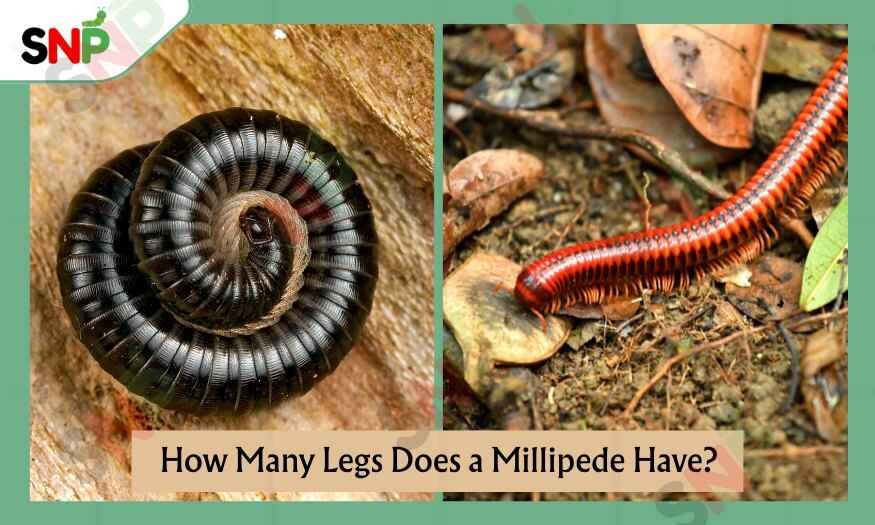
    People think that there are thousand legs in a millipede, but the majority of the millipede population has far fewer legs. In real terms, if the question is how many legs does a millipede have, the vast majority will answer something between 80 and 400 legs, but still you may find an odd species with 750 legs or even more.

    Millipede has two pairs of legs, and not just one. Their legs are shorter and point down straight, which makes millipedes look round. As they grow, millipedes add segments and legs, so the number may change during their life.

    Millipedes cannot be characterized as aggressive creatures. Instead, they crawl very slowly through the soil, eating decaying plants while also working as recyclers of the nutrients back to the earth. If followed by danger, millipedes may secrete an odorless but repulsive fluid in the face of danger. In the centipede vs millipede battle, millipedes are the kind recyclers, not the killers.

    Conclusion: Centipede vs Millipede

    In short, finding out the centipede vs millipede difference is a must. Millipedes are slow, round and long creatures that eat dead plants and thus they recycle nutrients. Centipedes on the other hand are the fast ones. These guys feed on other insects, so they’re also not all bad. So next time, remember: centipede vs millipede isn’t just a battle of legs it’s about knowing your home’s tiny invaders.

    So, next time you ask yourself how many legs does a millipede have, remember that millipedes always have more legs than centipedes, but never reach a thousand. By knowing all this, you can make your house a comfortable place to stay.