Blog

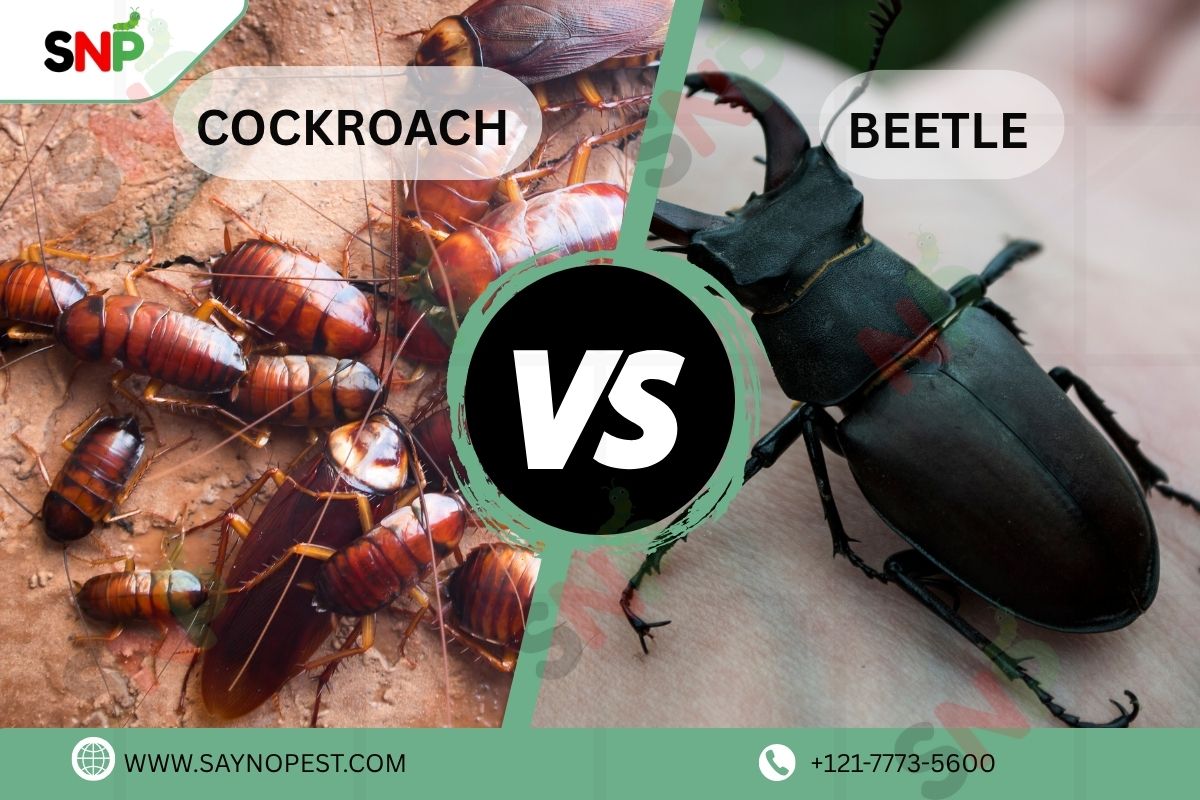
  • Cockroach vs Beetle: Understanding the Differences

    Cockroach vs Beetle: Understanding the Differences

    If you’ve noticed a bug rushing around the kitchen or a few small holes in your clothes and not able to identify what is whether it is a cockroach or beetle then this blog will help you to make difference. It’s not uncommon to be unsure about this, especially when cockroaches and carpet beetles are invading the typical American house. In this blog, we are going to compare the major differences between cockroach vs beetle concerning their habitat, behavior, health risks, and the best removal strategies. This will be of great importance to your understanding of the situation, whether you are a homeowner or a business manager.

    Cockroach vs Beetle: Habitat and Behavior

    This Cockroach vs beetle is an interesting topic because while both can be domestic pests, their routines and their favored dwellings are quite diverse.

    Cockroach

    Being small and adaptable, they find places near water or food and this often includes the kitchen, bathroom, cellar and anywhere more damp. These cockroaches like the German and American stand by resting during the day and hunt down food when it’s nighttime. They are agile, gregarious, and usually, these qualities enable them to comfortably settled in huge groups that grow quickly.

    Cockroach-vs-Beetle

    Carpet beetle (a common beetle pest)

    On the flip side, these beetles, fabric pests, are not of similar taste as their first choice is dark and undisturbed places such as the inside of a wardrobe, the attic, or places under the furniture. While cockroaches scavenge anything, i.e., they are omnivorous, carpet beetle larvae consume wool, silk, leather, and even pet hair, which is why they are resulting in damage to the carpet, clothing, or upholstery. Adult carpet beetles are attract to light, are hence mostly locate near windows, and are, quite the opposite of cockroaches, slow in their movement.

    Behavioral differences

    Cockroaches are mostly nocturnal, and living in crowds is a normal way for them, while most beetles, including carpet beetles, are solitary and active during the day. Cockroaches, as a rule, search for food scraps and garbage, and that’s where you can find them, but carpet beetles, in general, tend to be in places where organic debris is there.

    Is It Easier to Manage a Beetle vs Cockroach Infestation Indoors?

    In dealing with an indoor case of cockroach vs beetle, the methods of management and especially the level of difficulty change.

    • Infestations of cockroaches are usually very difficult to get rid of. Cockroaches breed quickly, can hide in hard-to-reach places, and live on very little food. The most effective way is not only the sanitation but also the exclusion, the baiting, and, depending on the severity of the case, the professional pest control. The behavior of the pests allows them to come back if their living conditions are suitable.
    • Carpet beetle infestations are likely high in numbers of species of carpet beetles but are less difficult to manage in comparison to the cockroach infestations. Infected materials should be discarded, vacuuming, and fabric laundering are methods suitable for cleaning the area to strive for major reduction in carpet beetle population. The source of the number of fabrics or food for the carpet beetle is very limited, thus they are easy to control. The chemical treatment should be mostly avoided if the infestation is not very high.

    Simply, in most cases, the control of a carpet beetle infestation which occurs indoors is less tiring and it is safer than doing the same with a cockroach infestation.

    Cockroach

    Diseases Caused by Cockroach vs Beetle

    One main difference between cockroach vs beetle is the health threats they present.

    1. Cockroach: They can spread different diseases from one place to another. For example, Salmonella, E. coli and Staphylococcus are some bacterial infections they can transmit, causing food poisoning and stomach as well as typhoid infections. Furthermore, cockroach filth, flakes of skin and droplets of saliva can increase the chances of asthma and allergies in children and others who are sensitive.
    2. Carpet beetle: Carpet beetles are not like cockroaches which can transmit diseases to people. The common health threat from carpet beetles is allergy attacks that result from the bristly hairs of their immature stage. This could lead to prickly skin and respiratory problems of those who are sensitive to this. Nevertheless, they don’t transmit pathogens of diseases.

    Tips to Remove Cockroach vs Beetle

    Effective tips for the removal of cockroach vs beetle differ from one pest to another :

    Cockroach Removal Tips:

    1. Once the kitchen is clean, make sure it’s completely dry to stop cockroaches from appearing.
    2. Apply a form of sealant such as caulk or weather-stripping, to stop up any openings and cracks in your house.
    3. Choose special bait stations or bait formulated to effectively get rid of cockroaches.
    4. Regularly perform the task of vacuuming, and as soon as you done this work, throw the vacuum bag away.
    5. You can opt for boric acid or diatomaceous earth if they fit the place you are aiming at and are hard for anyone to reach.
    6. If the degree of infestation is too high, it is recommend that wild pest control services be hire.
    Beetles

    Carpet Beetle Removal Tips:

    1. It is imperative to vacuum thoroughly and frequently carpets, furniture, and storage areas to get rid of carpet beetles.
    2. Wash the infested clothing and fabrics in hot water and dry them in the sun never in a dryer.
    3. Imprison the items that are susceptible to the attack of carpet beetles in air-tight containers.
    4. Tips to Remove Carpet Beetles from Your Home
    5. Check underneath the furniture, baseboards, and in the closets periodically to lead out the dirt and dust that the carpet beetles may be using for their habitation.
    6. For robust and continued issues, it may become inevitable to use a specific insecticide, which is limited but is rarely needed.

    Conclusion: Cockroach vs Beetle—Know the Difference, Protect Your Home

    Being aware of cockroach vs beetle is a vital lesson for the property owner and their family’s health who are familiar with the situation in America. Typically, cockroach invasions are widely known for their far-reaching health hazards and difficulty in removing, while carpet beetles are not. The threats are not so significant, and you can quickly manage things in addition to using clean clothes all thanks to your correct detection, the knowledge of their habits, and the application of the appropriate control methods that promise your home will be free of pests and your family members’ health will not be at risk. If by any chance one is having cockroach or carpet beetle issues and can’t get over them, an immediate decision or the help of an experienced pest control professional can eliminate the situation.
  • Drywood Termites: Identification, Eggs, Elimination

    Drywood Termites: Identification, Eggs, Elimination

    If you are a house owner or have some real estate in the USA, especially in warm regions, drywood termites are not an unfamiliar problem for you. These creatures are so skillful at ruining wood without noise and therefore making you suffer unexpected huge expenses to recover your house. In the forthcoming article, we shall unveil the myth of drywood termites, analyze the tactics of drywood termite eggs identification, and most importantly, suggest a way to permanently solve the drywood termite problem.

    What Are Drywood Termites?

    Drywood termites are a rare species of termites that survive well in wood and dead tree branches, completely dry conditions prevail in these places unlike their subterranean counterparts, which don’t require contact with the soil or outside water to survive. This is why they are often found in coastal areas from South Carolina to Texas, and along the West Coast, as well as in Florida and Hawaii; these insects mainly infest structural wood, furniture, picture frames, and wood handrails.

    Drywood-Termites

    The drywood termite colony typically has a handful to only around 2,700 members. The most common drywood termites in the U.S. are the light brown and creamy white ones with their narrow, oval-shaped bodies and six legs. They are capable of eating wood without moving to other areas, unlike the other termites, drywood termites. They feed on the wood for most of their life cycle and live in the same environment, but they reproduce elsewhere.

    Unlike subterranean and dampwood termite nests, drywood termites do not have their nests on the ground, thus, they are very difficult to detect and thus more destructive. Drywood termites are light brown to creamy white with slim, elongated, white, oval bodies with six legs. Typical drywood termites are not as regular in the way they move and travel as other termites because they move through their galleries in the wood, hence, not much can be detected until the damage has already spread. As such, these termites leave behind only slightly carved wooden galleries and heaps of powdery, dust-like sand particles that are their faeces—known as “frass”.

    Drywood Termite Eggs: The Start of an Infestation

    The drywood termite lifecycle starts with the egg stage. Drywood termites lay eggs in the hidden tunnels are not easily identified without the splitting of the galleries. These drywood termite eggs will be look after by the immature termites, first of all by a species that doesn’t have separate workers. The nymphs that hatch from the eggs after some time will change into adults after a few moults. The tasks of those nymphs that lead to the workers are finding food and space within the woodwork of the home for the expansion of the infestation. Their presence mainly signifies that a two-winged, able insect pest that has also increased in size is in the house already, which is why early detection and intervention are very important.

    How-to-Get-Rid-of-Drywood-Termites

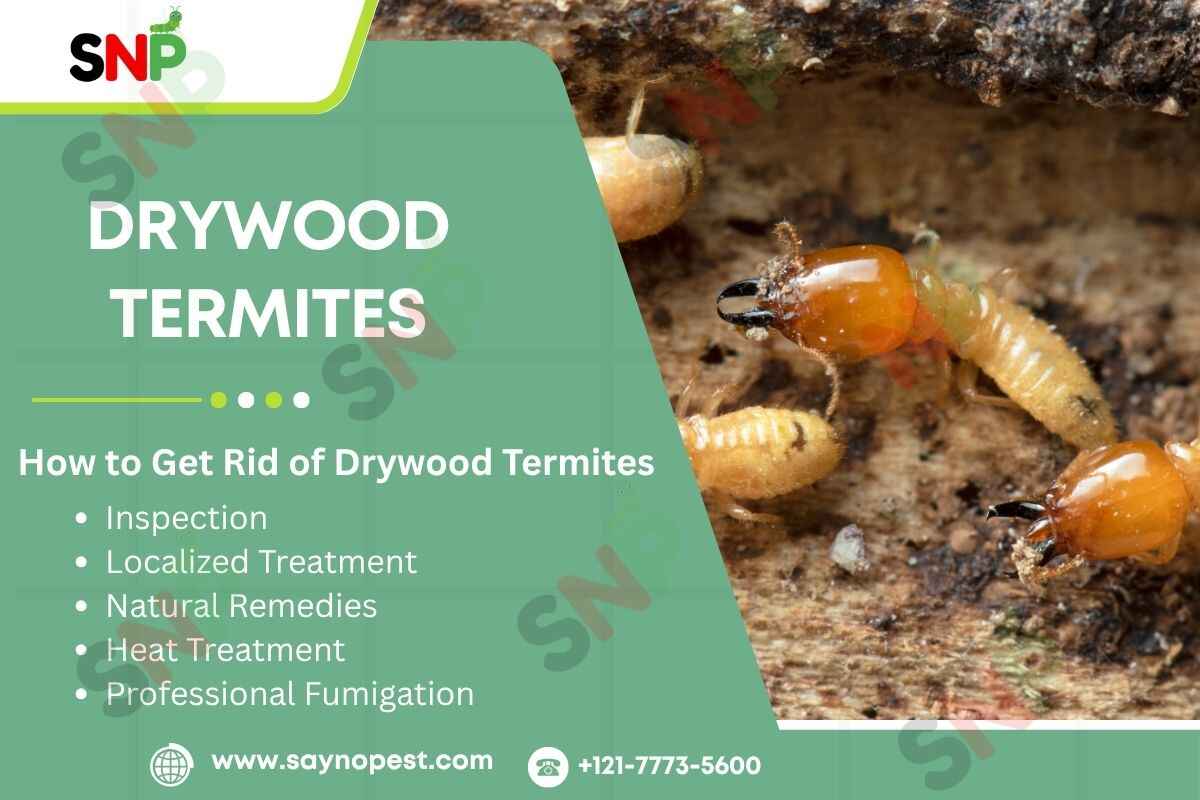
    How to Get Rid of Drywood Termites

    Suspect termites in your home; the situation requires immediate intervention. Here’s a working guide on how to get rid of drywood termites successfully:

    Inspection

    The first step is examining and evaluating the whole of your property. Don’t miss any wooden part, focus on the accommodation, including the furniture such as the attic beams and window frames, as well as any other above-ground wooden material. If you observe frass heaps, wings that were shed, or the wood sounds hollow, then you have found a potential cause of the termite problem.

    Localized Treatment

    As for small, local infections, the acoustic method is the fastest, going for the drilling of holes and the pouring in of chemicals, into them, has turned out to be the most convenient method. Plus, the gallon of termiticide fluid injected into the holes of the wood, aiming at the main entrance of the termites, will reach the galleries that are a result of the termite and drywood termite eggs symbiosis.

    Natural Remedies

    Homeowners resort to natural solutions like aromatic orange oil, the herbal product neem, or the dishwasher vinegar and lemon extract composition for killing the species naturally. Those could also rubbed into the cracks as they are less toxic, though they still work better in slight cases of incursions.

    Heat Treatment

    The natural extermination of drywood termites is achievable by directed high temperatures, which should be a minimum of 120°F and needs to last half an hour at least. By these means, we will not only remove adult termites but also terminate drywood termite eggs entirely.

    Professional Fumigation

    Professional fumigation is the most effective method that can eradicate drywood termites off your entire house, especially for extensive and severe termite attacks. This method is about captivating the fume inside the building and letting the gas seep into the wood, thus killing the termites at all stages.

    It’s worth noting that how to get rid of drywood termites usually comes down to the size and the location of the swarm if left to their own devices. Otherwise, seeking advice from a licensed pest control professional is the most suitable option they will inspect your problem and suggest what treatment plan will work most efficiently

    Conclusion

    Homes and structures in warmer, coastal regions of the United States are threaten by drywood termites. Because they can hide for years inside dry wood, it is usually hard to detect them early on. By recognizing drywood termite infestations, noticing their eggs and removing them, you save yourself costly home repairs.
    If you have drywood termites in your home, don’t wait—check for them, use treatments, and telephone a professional when required. You can protect your property and relax knowing more about drywood termites.

  • Carpet Beetle vs Bed Bug: How to Identify, Prevent, and Remove

    Carpet Beetle vs Bed Bug: How to Identify, Prevent, and Remove

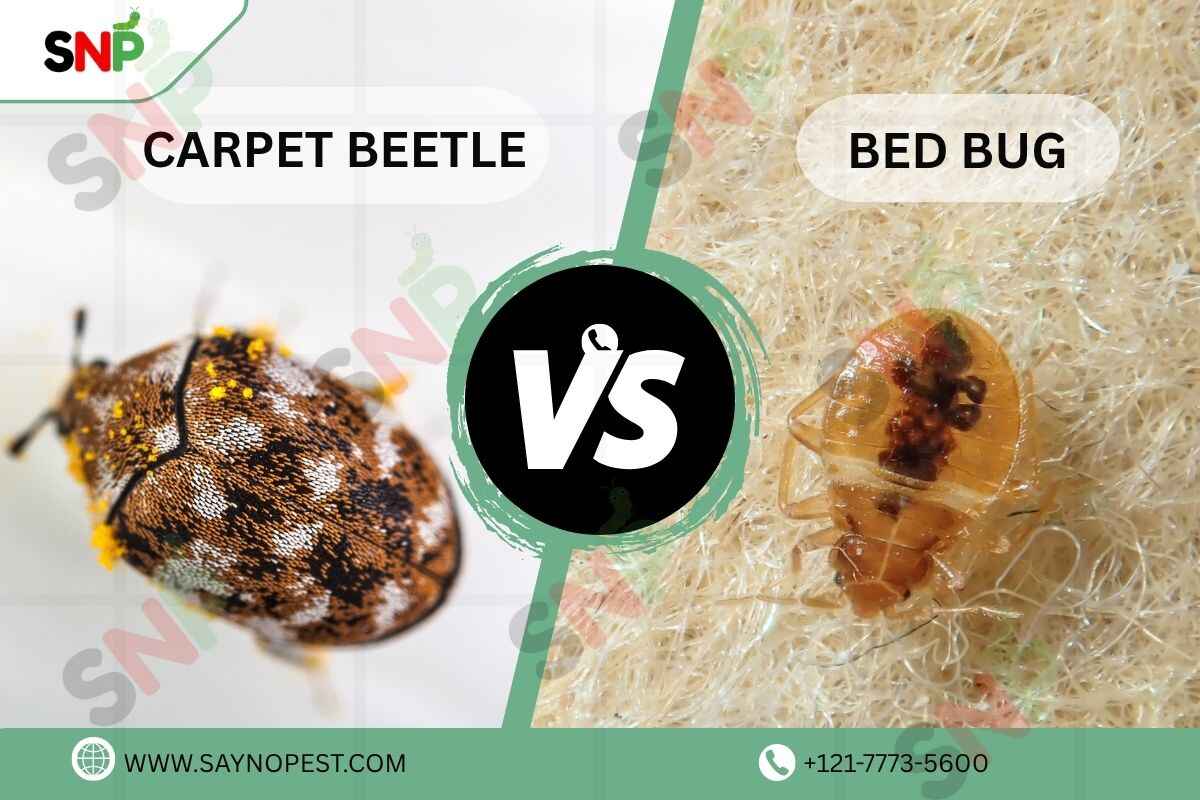
    If your furniture, rugs or clothes continue to get damaged and you also observe suspicious insects in the house, you might think you have a carpet beetle vs bed bug infestation. Ticks, bedbugs and beetles are common pests in the US and can also create a range of issues, but act differently and are not equal. Perfectly knowing the difference between carpet beetle vs bed bug is important as this will help you to easily remove them from your house.

    Carpet Beetle vs Bed Bug: Appearance, Size, Habitat, and Behaviour

    Carpet-Beetle-Vs-Bed-Bug

    Appearance and Size

    • Adult carpet beetles are small in size and have an oval body structure, mainly between 2 and 3 long in length (about 1/10 to 1/8 of an inch). They have different colours like brown, black, yellow and orange. Moreover, their larval forms are long, hairy, and look like small cigars or bands.
    • The adult bed bug are bigger, ranging from 4 to 5 mm in length and appearing like small, flat and red-brown apple seeds. Nymph bed bugs are young, smooth and a lot smaller than larval carpet beetles, which have bristles.

    Habitat

    • Carpet beetles often feed on natural material and tend to live in carpets, clothing, upholstered furniture, and sometimes in museums, feeding on old fabrics or taxidermy. The adults of this species consume pollen outside but lay eggs indoors. Larvae rely on wool, silk, leather, and the hair of animals as their food source.
    • Bed bugs like to stay in places where people hang out or sleep, mostly around your bed. They usually hide in seams of your mattress, bed joints, or even small nearby cracks. At night, they crawl out to bite and feed on blood.

    Behavior

    • It is the larvae of the carpet beetle that cause the real issues, as they are the ones who feed during the day and do so by causing serious damage to fabrics and fibres. Adults are not responsible for the damage, and they do not bite.
    • Bed bugs are always active during the night and eat human blood only. They normally bite individuals while they sleep, which leads to the formation of itchy and red welts. Baby bed bugs carry out their daily activities in the same way as the adult bugs do, but in a lesser extent.
    Carpet-Beetle

    Signs of Infestation: Carpet Beetle vs Bed Bug

    Carpet Beetle Infestation Signs:

    • Wool rugs or clothing will appear with thin, bare patches as they suffer from Carpet Beetle attacks.
    • Noticeable damage will be on blankets, furs, and upholstered furniture that the beetles infest.
    • Shed larval skins (translucent, brownish, and shaped like sunflower seeds).
    • Small dark fecal pellets, about the size of table salt.
    • Adult beetles are found near windowsills or slowly climbing walls.

    Bed Bug Infestation Signs:

    • One can find tiny bites that are itchy and occur in clusters, mainly on arms and shoulders.
    • Blood spots on sheets or mattresses.
    • Black and dark brown shed bug skins that look just like the bugs themselves.
    • Shed skins that resemble the bugs themselves.
    • Tiny white eggs or eggshells.
    • A sweet, musty odour near the bed.
    • Sightings of live bed bugs or baby bed bugs. If you suspect the presence of the condition call the pest control service provoider.

    Diseases Caused by Carpet Beetle vs Bed Bug

    1. Wool rugs or clothing will appear with thin, bare patches as they suffer from Carpet Beetle attacks. Papular urticaria can cause skin rashes in people exposed to carpet beetles. In susceptible individuals, the larvae’s hairs and shed skins are common allergens. Respiratory allergies are the most crucial health consequence of exposure to carpet beetles, but they do not transmit diseases.
    2. Bed bugs can’t transmit diseases to people. Even though experiencing bed bug or baby bed bug bites can result in itching and, at times, an infection, medical research does not point to them being responsible for spreading infections.
    Bed-Bug

    Tips to Remove Carpet Beetle vs Bed Bug

    Carpet Beetle Removal.

    1. Make sure to deep clean carpets, rugs, upholstery and curtains with a vacuum, perhaps one with a HEPA filter.
    2. Apply steam to the fabrics to get rid of any eggs and larvae
    3. Clothes and bedding with bed bugs should be washed at a high temperature.
    4. Store things that cannot be washed in strongly sealed plastic bags for at least two days before using.
    5. Take care of your vacuum bags regularly and think about cleaning your valuables once in a while by a professional.

    Bed Bug Removal:

    1. Wash all your bedding, linens and clothing at the highest temperature available and dry them at the highest setting.
    2. Make certain to clean carefully all mattresses, bed frames and the places around them.
    3. Wrap both the mattress and the box spring in bed bug-proof covers.
    4. If there are many bed bugs, use special sprays or contact a professional for treatment.
    5. Make sure to check for bed bugs and baby bed bugs in any room where you sleep.

    Conclusion: Carpet Beetle vs Bed Bug

    Understanding the difference between carpet beetle vs bed bug infestations is vital to American homeowners. Carpet beetles can still damage things in your place, but bed bugs are the ones that bite the owner. Both the carpet beetle vs bed bug need the perfect treatment to get out of the house. If you notice pests in your home, along with their shed skins, bites or torn clothes, then you must need to take immediate action to get rid of these pests because these pests can infest your home very badly if not treated in a right way. Call the Pest Control service provider, because they are aware about how to handle them, and they will assist you in managing this issue and inform you about any other issues.

    If you stay informed about attacks and make the right treatment, you will at the same time prevent both bed bugs vs carpet beetle infestations, and your family will enjoy peace and comfort.

  • How to Get Rid of Ticks and Save Your Pets

    How to Get Rid of Ticks and Save Your Pets

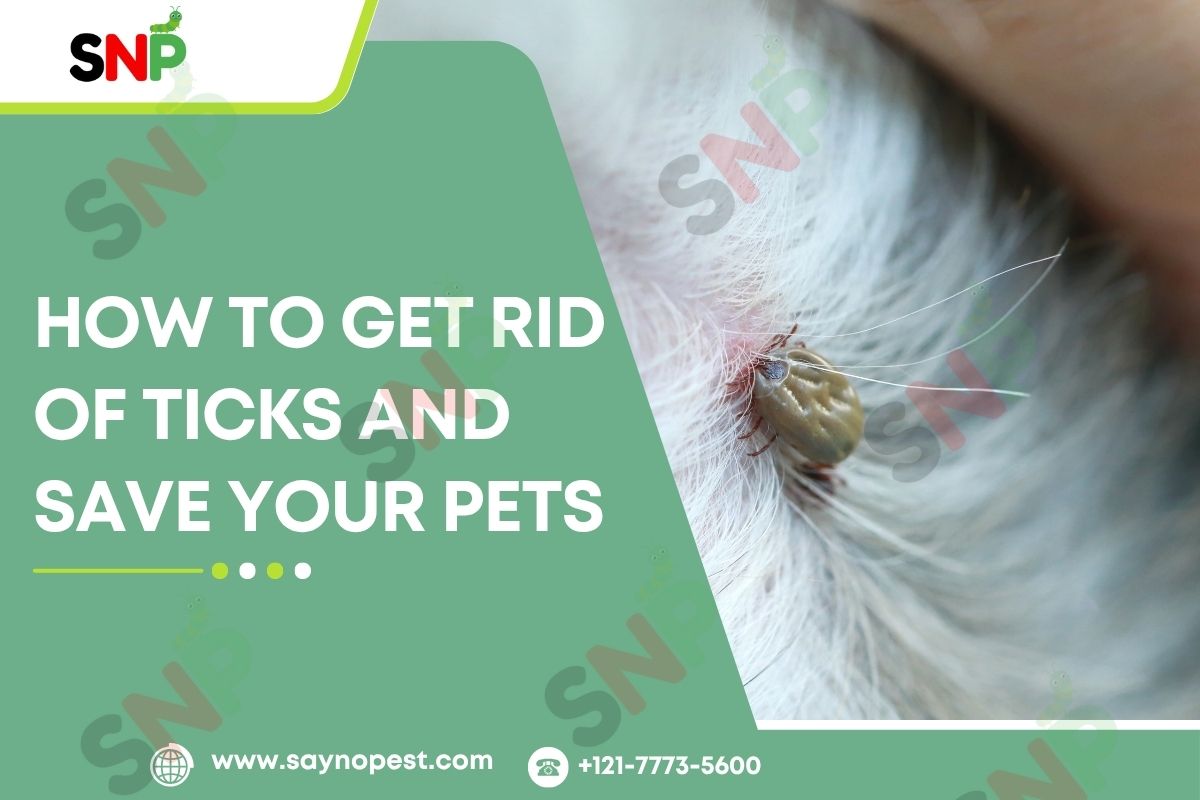
    How To Get Rid of Ticks is not only a seasonal concern, but a year-round concern. Ticks are not just icky. Ticks are those little parasites that spread everywhere, grassy, wooded, and even urban areas in the United States. They are a huge problem as they stick to pets and humans and feed on the blood while they have the potential to carry diseases.

    That’s why understanding How to Get Rid of Ticks is a must for any health-conscious pet parent if the wellness of their family members is their concern as well.

    7 Ways on How to Get Rid of Ticks

    7 ways on how to get rid of ticks

    1. Inspect Your Pets Daily

    Make sure you give your pets a thorough check for ticks after coming from outside. You must always check the main areas like their paws, armpits, and tail.

    2. Remove Ticks Properly

    If you find a tick, do not worry, you can and will get rid of them. The only thing you need is a pair of tweezers with fine-tipped ends or a tick-removal tool. Grab the tick and safely and straightly, without twisting, pull it out.

    In this way, you can ensure that you took out the tick. Never ever touch the tick with your bare hands as this could cause you to get bitten.

    3. Clean the Bite area

    After removing the tick, you have to apply rubbing alcohol or antiseptic cleanser. Apply the cleanser to the bitten area and make it clean. Secure the tick in a tight container and pour the rubbing alcohol over it to kill it.

    4. Use Tick Preventive Products

    Visit a vet and take the best tick prevention products for your pet. There are various options including-

    • Topical treatments
    • Oral medicines
    • Collars
    • Anti tick shampoos

    Do not forget to pick dawn products and comply with the given instructions. Most of the available preventives also protect against other parasites like fleas and heartworms.

    5. Treat Your Home and Yard

    One way of tick transmission is through your pets that can be indoors. Rolls down and vacuum after your pet’s bedding every week Apa SO Sofas and floors for very well Cleaning. Pest control is also an alternative. It can be a professional exterminator who can help you out, in case the infestation is really bad.

    In the open, simple measures can be effective in restricting tick habitation, such as cutting the grass low, clearing the leaves, and cutting back the bushes. Don’t take your little friends out to places with high grass or lots of trees, especially during the ticking-hot seasons.

    6. Monitor Your Pet’s Health

    If your pet has been bitten by a tick, observe any changes in your pet’s behavior, appetite, or general energy/fatigue levels. Contact the vet if you see any weird symptoms. Keep in mind that some diseases that are transmitted by ticks may not be diagnosed until weeks or even months. Due to this the infection starts spreading and you do not have a clue. This is why you need to be very careful at all times.

    7. Treat All Pets

    You must look after each one of your pets. Make sure that you treat them all equally at so as not to spread it from one pet to another.

    If you adhere to these directions, you will definitely know How to Get Rid of Ticks and you will be able to save your family and pets from the problems caused by ticks.

    What Eats Ticks?

    what eat ticks

    Nature itself has already preordained for the existence of pests whose main role is to keep the community in balance. For those who are curious about What Eats Ticks, the range of animals and insects that consumers of tick populations might.

    Animals That Consume Ticks

    Let’s check out a fast list of those that are on the prowl for the top tick catchers:

    • Birds: The birds’ species have been seen feeding on the ticks as they look for food in the grass and brush.
    • Reptiles and Amphibians: Lizards and toads eat ticks that they find on the ground.
    • Insects: There are also ants, beetles and spiders that prey on ticks – especially once they’re in larval form and more vulnerable to their predators. But do not forget that these animals themselves are not going to eradicate ticks off completely.

    Conclusion

    The ticks are not just a casual problem. They are a serious danger to the health of your pets and the comfort of your family. A quality approach allows you to master How to Get Rid of Ticks. It is important to keep a check on your pets every day to protect them from tick fever. To take the ticks off as soon as possible and in the right way, use vet-recommended preventives and to keep your home and yard tick-unfriendly.

    While it is an excellent idea to know What Eats Ticks, the nature is unreliable. Human help works effectively when you have combined your own with it. Stay watchful, keep your pets safe, and together enjoy every tick-free moment.

  • Ants Out! Ways on How to Get Rid of Fire Ants

    Ants Out! Ways on How to Get Rid of Fire Ants

    Introduction

    If you are one of the people who are looking for how to get rid of fire ants, you are at the right place.

    Fire ants are a problem graver than people generally think. They are a serious health hazard, be it for families or pets. Their stings can even cause allergic reactions sometimes. Knowing the ways to end the infestation of fire ants in a safe manner that does not take up a lot of time is important. This will help you in protecting yourself.

    Discover What Do Fire Ants Look Like?

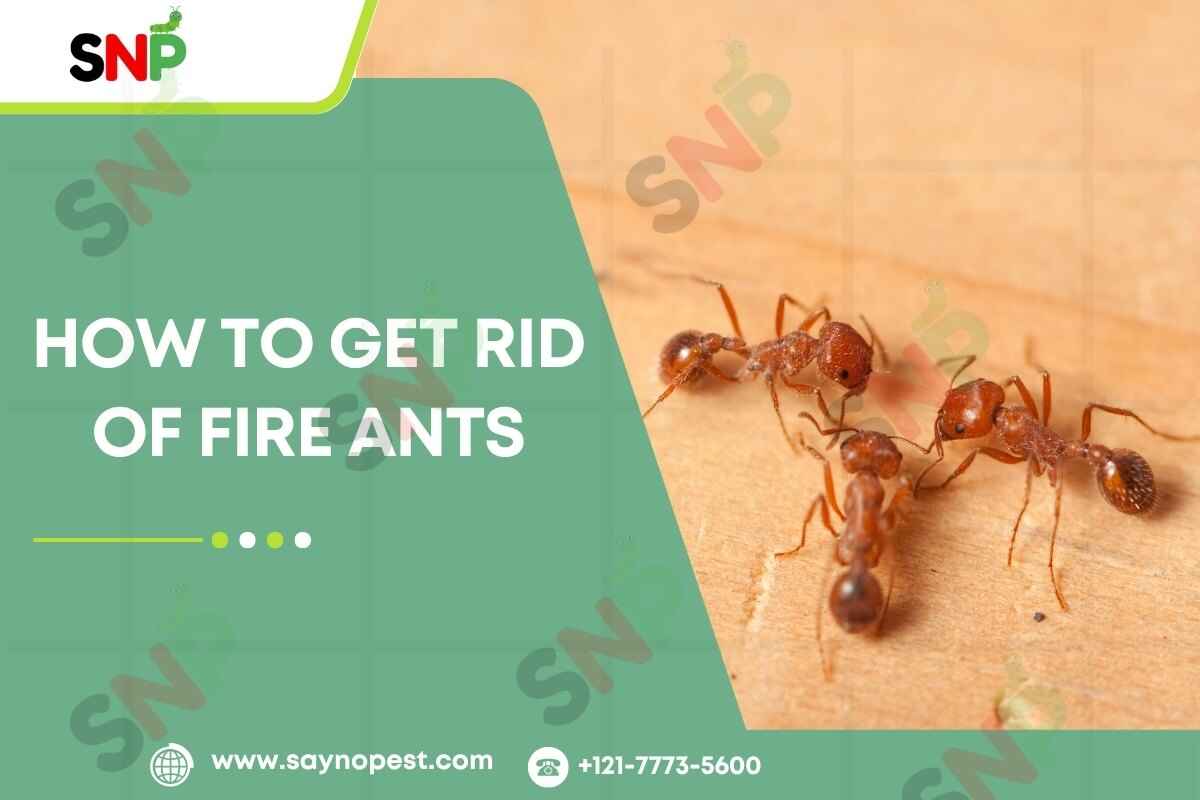
    First, before you are able to exterminate them, you need to learn what do the fire ants look like.

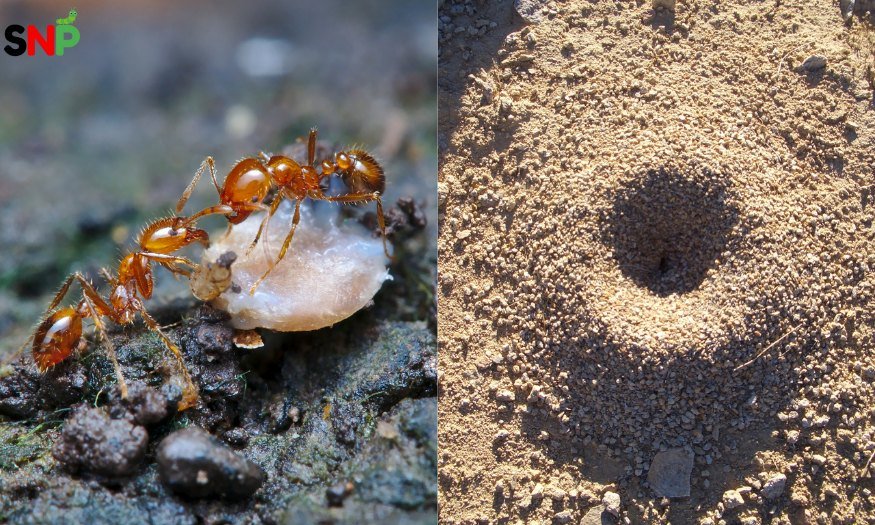
    They are most often copper brown with a very dark in color, with a nearly black abdomen. The size of ants is between 2 to 6 millimeters. The shape of their bodies is like an hourglass with two large nodes right before the abdomen, which is clearly visible.

    The fire ants don’t attack first of all, rather they are provoked, if their mound is turned over, hundreds of them will be ready instantly and attack.

    Their mounds resemble dome-shaped heaps of upturned soil and typically do not have a readily identifiable entry point.

    One can find red-brown ants of various sizes coming out of these mounds in sunny places such as lawns, gardens, and even along the pavements. If you see different sizes of red-brown ants coming out from soil mounds, then you are dealing with fire ants. Understanding what do fire ants look like is the first step to any successful control strategy.

    Easy and Environmental Friendly Ways to Get Rid of Fire Ants

    In case you are the one that gives great importance to your health or you have pets and kids, it is quite possible that you will opt for the nature-based solutions as the starting point of how to get rid of fire ants. Here, we are presenting you the safe and proven remedies:

    • Hot Water: You have to pour 2-3 gallons of boiling water directly to the nest. In this case, you should be very careful, as this method can damage the grass and plants nearby and you might also have to repeat the process.
    • Diatomaceous Earth (DE): You can either sprinkle food-grade DE around and on the nest. The powdered type of DE makes them dehydrated. It is non-toxic to human beings and animals.
    • Beneficial Nematodes: Residing in the soil, these microscopic creatures are capable of killing fire ants within a few days. Apply nematodes as per the guidelines given on the package and then don’t forget to water the area in the end for the best outcome.
    • Botanical Oils: Citrus oil which is rich in the monoterpene d-limonene, peppermint, and rosemary oils are natural ant repellents. Adding water to the citrus oil will allow it to be poured over the nest. If diluted essential oils are sprayed all over the ant tracks, it’s quicker to move the ants away.
    • Dish Soap and Cayenne Pepper: Mix cayenne pepper and dish soap with water and then you can either water the mound with it.

    Despite the fact that these natural substances may reduce the number of ants significantly, but the likelihood of completely wiping out the colonies of fire ants remains rather low.

    How to Get Rid of Fire Ants Permanently

    1. Try the two-step method:

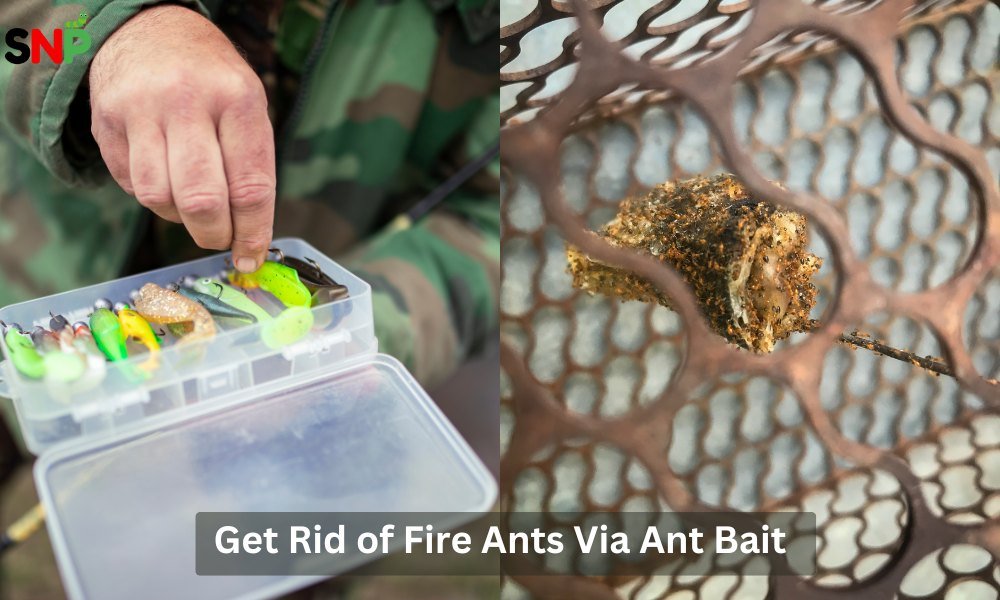
    • First off, spread the fire ant bait all over the infested site. This method enables the worker ants to transfer the bait to the colony and locate the queen, thus cutting off reproduction.
    • It is necessary to be patient and in 2–3 days after the bait application go to the next step.

    2. Treat Individual Mounds:

    Apply mound drenches (using hot water, citrus oil solutions, or approved insecticides) directly onto visible mounds to kill remaining colonies. Do mound treatments again when needed to get rid of new or still persisting ones.

    Repeat as required for stubborn or new mounds.

    3. Reapply Baits Periodically:

    To prevent reinfestation, broadcast bait once or twice a year, especially in spring and fall.

    4. Monitor and Maintain:

    Regularly inspect your yard for new activity and treat promptly to stop colonies from reestablishing.

    5. Consider Professional Help:

    For big and stubborn infestations, consult pest control professionals. They offer targeted, long-lasting solutions.

    Conclusion

    If you want a reliable, expert assistance in the field, just leave it to SayNoPest.

    You can take the necessary measures at the earliest moment, in this way, you take the forefront of not only your safety but the well-being of your family. Be aware that without the right information, and no good plan of action on how to get rid of fire ants, there is nothing you can achieve.

  • Carpet Beetle Bites: What Every American Needs to Know

    Carpet Beetle Bites: What Every American Needs to Know

    If you find some rashes, holes on your favourite sweater, or unusual damage to your carpets, you could be encountering a relatively common but not well-understood pest called a carpet beetle. Almost all of the people are looking for information about carpet beetle bites, do carpet beetles bite, and are carpet beetle harmful. This blog post will give you the answers, explore a lot of other questions, and allow you to take care of the problems with the help of your veterinarian or doctor when there is carpet beetle bites.

    Do Carpet Beetles Bite?

    Carpet beetles do not bite people – this is the fact that needs to be highlighted. Many people doubt that do carpet beetle bite, so the answer is no. The revelation comes from the source of the very confused: as we know, adult insects feed on the contents of flowers and the like, they are not engaged in the blood of people or animals. Also, their mouthparts cannot bite people or pets. Yet, there is a risk of their larvae – the young beetle stage – causing skin irritation as they are equipped with minute hair-like structures which can provoke it when they touch the skin.

    Carpet beetle dermatitis is the term usually referring to such conditions. That is just one symptom of an allergic reaction, and it can appear as spots or welts, closely resembling bug bites. The response is not an insect bite but rather hypersensitivity to the bristles or moulted skins that the larvae have scattered. In case there are no insect bites, but you notice red, itchy nodules on your body in the morning, then a carpet beetle larva might be the perpetrator.

    Carpet-Beetle-Bites

    Are Carpet Beetle Harmful?

    So, what about the harm level of a carpet beetle? In this case, there is negative potential, but it appears to be an unexpected one. Insects and larvae of these species cannot be consider vectors of diseases, and they don’t bite either, but they pose a serious problem at home.

    Health Concerns

    Their hair and exuviae discover the main cause of allergic reactions, like skin rashes, eye irritation and in serious cases, respiratory troubles when the particles become airborne as well as if one is repeatedly expose. Only some individuals might discover their sensitivity having been from little or no exposure.

    Damage to Belongings

    The greatest harm is to the eating pattern of the larvae. You should also know that bristle which is on the larvae also forms part of their diet. They eat fabrics like wool, silk, fur, etc and sometimes the pet’s hair. Which means they not only damage the carpet, they also damage our clothes, furniture and our all house.

    Food Contamination

    Carpet beetle larvae cause harm by destroying clothes and also known to leave feces and shed skin in pantries, leading to allergies or further unhealthy conditions.

    How-to-Get-Rid-of-Carpet-Beetles

    Lifecycle of the Carpet Beetle

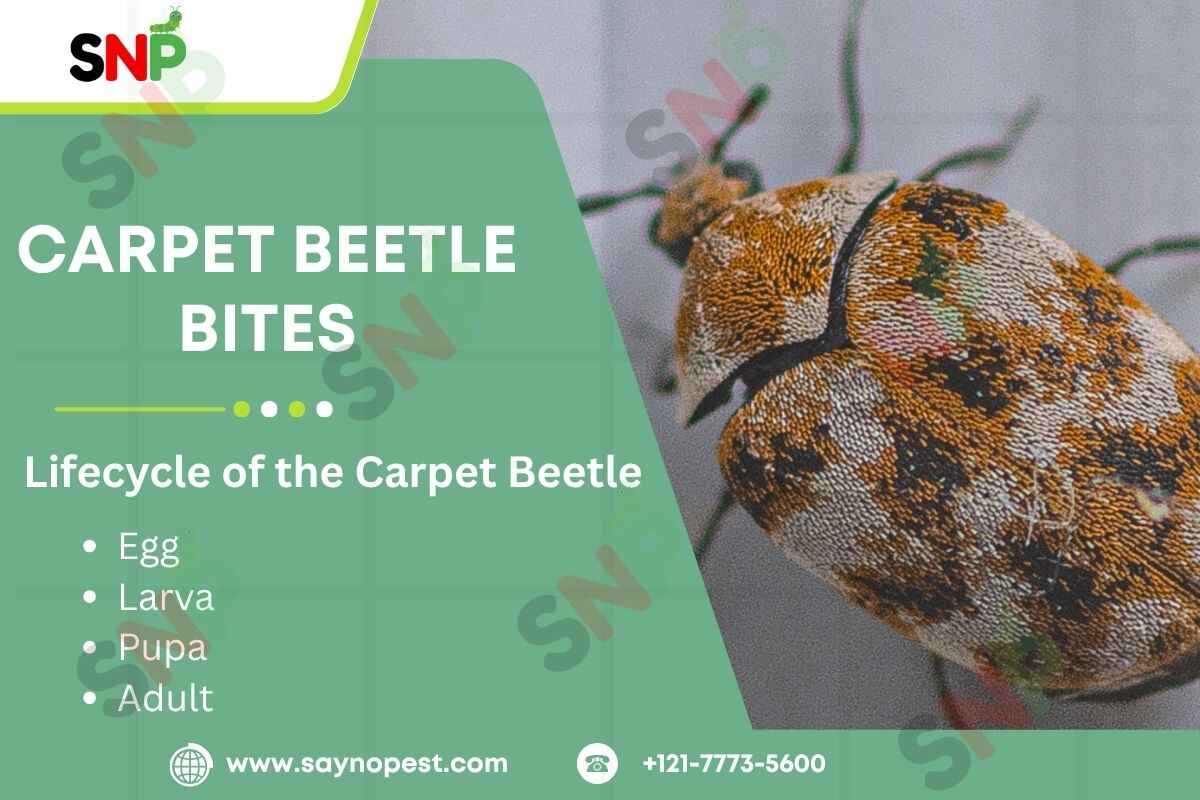
    It is the knowledge of the lifecycle of the carpet beetle that one must have in order to get rid of them properly. The different species of the carpet beetles undergo a complete life cycle with the help of changes in their bodies and types of food. The change happens through four different stages: egg, larva, pupa, and adult.

    1. Egg: The grown-up female is laying the eggs of the carpet beetle at the quantity of about 150 and she is doing that many times, normally in dusty vases, where eggs can be hidden or under the carpet, or stored fabrics. Every single egg hatches within about 7 to 35 days.
    2. Larva: This moth is very dangerous if it is in this stage. So what we can say is that carpet larvae experiments will have more strength, they will not eat anything for many weeks, they will be able to cause damage to the disaster of natural fibres of your house calmly and silently.
    3. Pupa: Preparing for the adult stage is what the larvae do after they have had a great meal. This metamorphic process is the time when the larvae become motionless before giving birth to the new adult. Adults usually stay as pupae depending on the habits of the local environment for a few weeks or even months.
    4. Adult: Adults of carpet beetles are not insects that last for a long time, as their life span is just within the limit of a few weeks. They are phototactic and feed on plant secretions like sugar, pollen, and nectar, so they do not eat anything at home.

    The full life span could range from a few months up to many years, based on the kind and amount of food.

    Conclusion

    The name carpet beetle bites is not accurate for these pests, given that they do not bite us, but the larvae can still harm us and our belongings. Wondering about carpet beetles? Are they dangerous, or do they bite?

    • You don’t have to worry about carpet beetles hurting people directly.
    • The insects at this stage may provoke allergies and erode your bed, sofa and carpets.
    • An infestation by carpet beetles may cause damage to your property and put you at risk of allergic reactions.

    Take time to examine your home, clean it thoroughly and store your natural fiber stuff properly to avoid any infestation. If you believe you have carpet beetles, seek professional help and the problem will be taken care of efficiently.

    Don’t worry too much about carpet beetle bites. Do whatever you can to prevent these pests from attacking your home and belongings or you can contact the pest control company they will help you to get rid of them.

  • How to Get Rid of Pantry Moths: A Complete Guide

    How to Get Rid of Pantry Moths: A Complete Guide

    If you have ever found worms or moths coming from a bag of flour or cereal, these are usually pantry moths. These little beasts invade your kitchen space, infect food, and, worst of all, they are very annoying. This article will show you how to get rid of pantry moths, help you to know what stage of their life cycle they are in, and what measures to take to keep your pantry free from pests.

    Signs of Pantry Moths

    Understanding the early signs is the first step when it comes to dealing with the problem of pantry moths. These signs can help:

    1. Webbing: The larvae of pantry moths produce silk to hold together and attach the food on the outside or inside the plastic bag and on the garden shelf. The characteristic of these webs is that they are usually discover on the edges or on the surface of grains and cereals.
    2. Clumped Food: The sweet and sticky substances that the larvae of pantry moths secrete can cause the food to stick or clumped together on the packaging.
    3. Unpleasant Odor: The moldy and musky scent that comes from your kitchen is another sign of an outbreak that originated from the food that the moths released when they first came into your home.
    4. Small holes in packaging: Pantry moth larvae are able to chew their way into plastic and cardboard packaging. Therefore, the packaging, though unopened, might still be infestation.
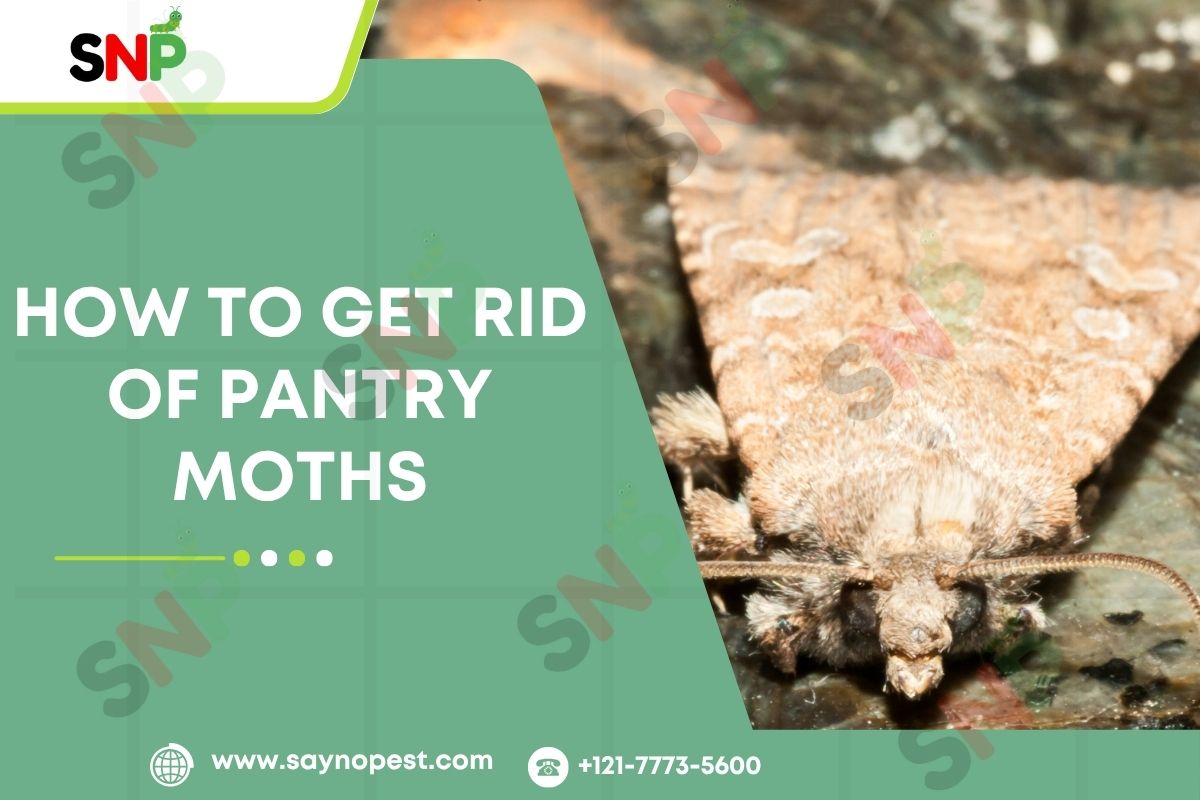
    5. Visible Moths or Larvae: Brown and small pantry moths can seen fluttering about in the pantry. You can find the larvae of pantry moths which have a wiry body and are either white or cream, on your pantry walls or crawling on your food.
    Pantry-Moths

    Are Pantry Moths Harmful?

    Pests like pantry moths are of no use to the household, however, the fact that they are not harmful to humans is a relief. Neither the phylum Lepidoptera, to which the pantry moths belong, nor any of its insects, larvae or eggs are carriers of human diseases or producers of toxic substances. The intake of the pantry moth larvae or the pantry moth eggs is generally safe when it is accidental, although it is not at all attractive. The major danger lies in food contamination- pantry moths and their leftovers (webs, feces, exoskeletons) can spoil food, causing it to wasted and possibly with bacterial contamination if the infested food goes unnoticed. Ensuring safe food and disposing of the contaminants when they happen is and will always be the most advisable path to take.

    Pantry Moth Lifecycle: The Stages of Their Life Cycle

    Getting to know the life cycle of pantry moths is very important because it is the first step to end this unwanted cycle. Here is its step-by-step process:

    1. Pantry Moth Eggs: The female moths spread their 100-300 barely visible microscopic eggs through food like wheat, flour, and cereal. These eggs are very small in size, so we can’t easily detect them, and due to which leads to the infestation.
    2. Pantry Moth Larvae: After a few days, pantry moth lay their eggs and covert themselves into larvae stage, and they are small in size and called the white caterpillar. The pantry moth larvae are the biggest source of problems as they consume what you store, cast cobwebs, and become a source of pollution for your food.
    3. Pupa Stage: Once the pantry moth larvae are fully fed, they get out of the food source and seal themselves in cocoons in the cracks or gaps where they pupate. The larval stage usually stretches for several weeks.
    4. Adult Moths: Adult kitchen moths fly out from their pupa cases, start mating, and the life cycle repeats. Adults usually survive three weeks or one week only from the emergence time, but the total life cycle can be as short as 30 days in tropical areas and up to 10 months in cooler places.
    Pantry-Moth-Lifecycle

    How to Get Rid of Pantry Moths

    If you’re looking for a way how to get rid of pantry moths permanently, that would work. Follow these steps to the end:

    Inspect Everything

    Get all the supplies out and put them away in bags. Dispose if they are contaminated since some can be carriers of the eggs of the Pantry Moth and the Moth larvae. Do the items in the garbage bin outside, and let the items also be treated according to the instructions given on how to treat them.

    Deep Clean

    Vacuum up very well all the corners and shelves that have been used for storing foods before disposing of the pests in the pantry. The dirt collected in the vacuum cleaner should also be treated outside immediately or changed otherwise.

    Wash Surfaces

    Embrace the use of a cleaning material that has white diluted vinegar and hot water in equal proportions of 1:1 to clean blisters, walls, and containers. Pantry moths and larvae can be kill and their population controlled through the use of vinegar and its odour. The dirtiness attach to the vinegar is also a good repellent to the moth, shushing them away from the recipients that the vinegar must used in addition to the fact that they can easily cleaned.

    Replace Liners

    Does the old liner have to removed, and then can a new one be put in its place, after which the eggs present will be set free?

    Store Food Properly

    Placing dry store items in airtight, high-quality plastic or glass containers will safeguard them from insects and keep them fresh for a long time. There is a huge chance of the pests destroying the bags and containers of the goods if they are made of thin plastics and cardboard. It is important to have a strong container.

    Freeze New Purchases

    Always ensure you freeze the flour or grain for a period of not less than 7 days, in that way no Moths eggs would survive the process and later be a headache to the stored food.

    Set Traps

    Use flypaper for killing household pests and moths that fly on the market. Place space as close as possible where pests are prone to gather. This is really effective and kills the pests with less harm to the environment.

    Repeat as Needed

    Keep checking for and cleaning up the problem until the pantry moths gone. Be aware that it can take a while for this technique to get rid of them, meaning there may still be pantry moth larvae due to missed eggs.

    Conclusion

    It can be very disillusioning to work on a pantry moth elimination plan. Nonetheless, an orderly method can go a long way. By understanding the lifecycle, preventing the eggs, and getting rid of the larvae, you will identify the problem, and in turn, your food will be much safer and your home will be clean. Let it not slip your mind that the answer to how to get rid of pantry moths is strictly thorough cleaning, proper food storage, and constant checking. When you act on the early signs of infestation, you will have a pantry free from moths forever.

  • Elongated Twig Ants: Friend or Foe?

    Elongated Twig Ants: Friend or Foe?

    The twig ants can be found in almost all the states of America and is the problem for the countryside houses in the USA. In this blog we will help you find out all about elongated twig ants. Starting with their appearance and ending with the prevention and control measures.

    What Are Twig Ants?

    What-Are-Twig-Ants

    Twig ants is a special species of ants, known as Pseudomyrmex gracilis, scientifically. These are found in Mexico, particularly Florida, Texas, and Hawaii. They are often referred to as elongated twig ants or “Mexican twig ants“. Usually, they are found in warm climates and nest in trees, dead twigs, or dry plant material.

    Twig Ants can help in the fight against other pest insects. Although their painful stings are the reason for which they are not accepted by people, homes, and gardens as such.

    Appearance of Elongated Twig Ants

    Elongated twig ant has some characteristics that set it apart from other insects of its kind:

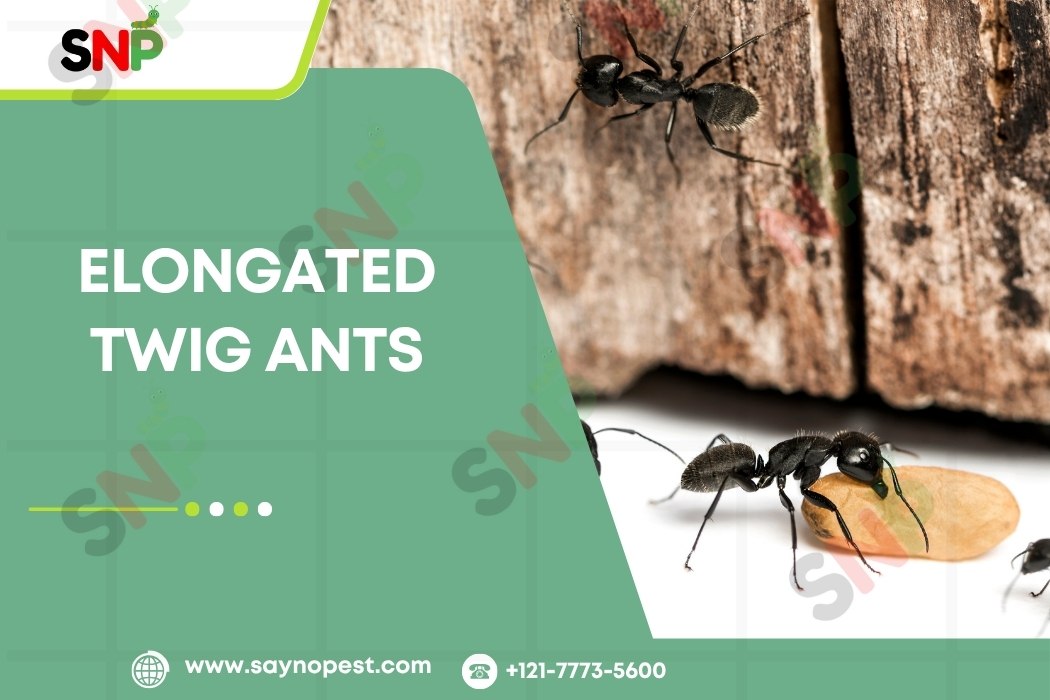
    These ants are longer than the rest of the ants and you can easily see the difference if you compare the sizes of 8-10 millimeters with 5/16 and 2/5 inches. Their bodies are long, thin, and wasp-like, with big, oval eyes and long legs and feelers.

    The stem ants are of different colors. Mostly they are two-colored: the dark part covers the head and the abdomen while the part of the body such as the thorax, antennae, and legs are colored in a burnt orange or red-brown shade. Such a pattern helps these ants to stay hidden among the greenery and give an impression of the stem themselves.

    Twig ants do not simply stay in one place when they are disturbed. They exhibit a kind of behavior similar to darting, and the ants reposition their nests if they are repetitively disturbed.

    How to Get Rid of Twig Ants?

    The most effective ways to deal with elongated twig ants can be-

    • Seal all the Entries: Check the house for any cracks or holes where ants might enter and seal them with caulk.
    • Remove Nesting Material: Cut and trim trees and shrubs and gather up the dead twigs and plant debris.
    • Bait Stations: You will have to put on the entrance to the colony at the corners of the house, so that the ants are attracted to and then go and get the bait. Keep in mind. The worker ants will transport the bait to the colony, thus erasing the ants through this gradual process.
    • Hire a professional: An infestation of such aggressive pest requires quick, thorough control. If the infestation is severe or the nests are too high and hard to reach for the layman, one practical solution is to find an expert who is experienced in handling such issues. The latter knows what precaution areas are, has the means, and is in a better position to win the battle against twig ants while not causing any harm to the children or beneficial insects.

    Ways to Prevent Infestation of Elongated Twig Ants

    Below are a few steps through which you can safeguard your dwelling and garden:

    1. Regular Yard Maintenance: Regularly cut grass, bushes, and tree branches and make sure they are not near your house. Tall grass and  bushes are easy sources and the best places for elongated twig ants to hide.
    2. Get Rid of the Source of Food: Keep food in plastic containers, wash away crumbs, and spills immediately, and pet food should also be kept away from the floor.
    3. Inspect plants regularly: Check the plants and outdoor furniture for signs of twig ants before taking them inside.
    4. Create Sticky Barriers: Wrap the tree trunks and plant stems with sticky substances like Tanglefoot to prevent ant climbing.
    5. Secure Home Exteriors: Review and then seal any cracks or gaps in your household’s windows, and doors. This will make it impossible for ants to enter your home.
    6. Maintain Good Sanitation in your Kitchen: Keep the kitchen and dining areas clean to get rid of anything that could attract pests.

    Conclusion

    Among ants, twig ants, particularly the elongated twig ant are highly interesting. Besides the wasp-like form and horrible sting, which make them pretty troublesome, they also play a vital role in gardens by eliminating other pests. If stung by the twig ant, apply appropriate first aid and be on the lookout for any signs of allergies. By staying alert and giving these insects proper care, you can have a pest-free, safe and ecological home. Be proactive and let your information about twig ants be your shield that will maintain a safe environment for your family.

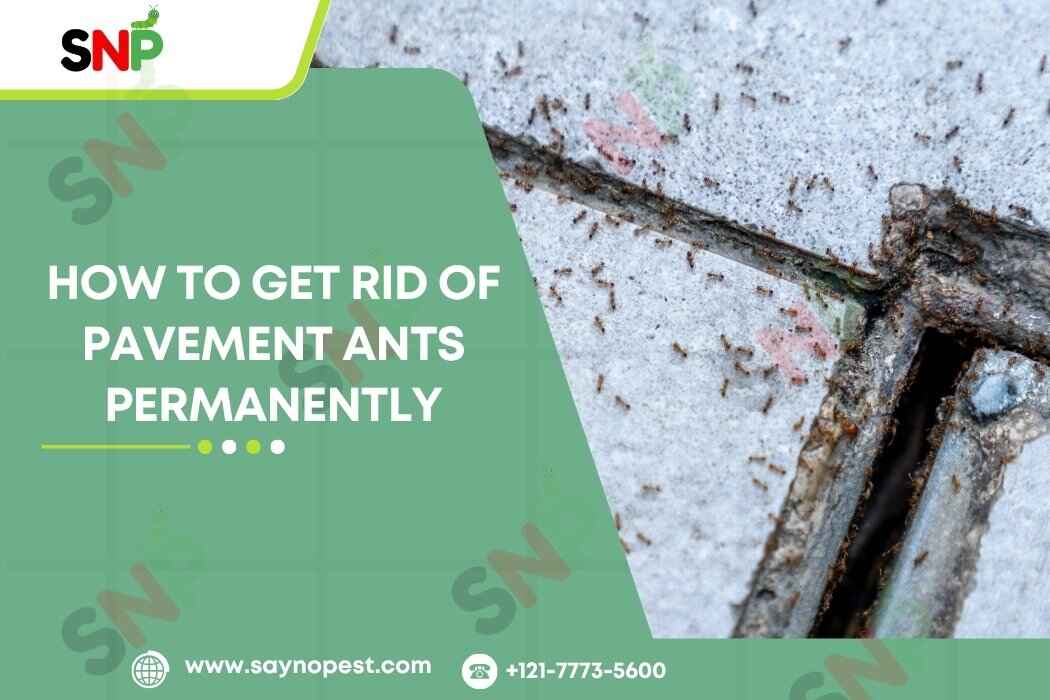
  • How to Get Rid of Pavement Ants Permanently

    How to Get Rid of Pavement Ants Permanently

    If keeping healthy is essential to you and you don’t like using many chemicals in your home to keep it free of pests, this article covers you. In this article, you will know how to get rid of pavement ants as well as the steps to prevent their appearance in the future!

    What Are Pavement Ants and Why They Cause a Problem?

    The pavement ants are small and nocturnal. They are black to dark brown ants that are not particularly harmful. They are mostly considered as pests when they intrude into our homes in search of food. The situation is likely to get out of control, if their colonies expand. It’s either 2-3 ants or up to thousands of ants, and then they are very hard to manage. If you want to understand how to get rid of pavement ants, then first, you must learn the habits and the sources that attract ants to come indoors.

    What Attracts Pavement Ants?

    The main thing to win the fight with the pavement ants is to know what attracts pavement ants. Such ants are called the “opportunistic eaters”. Any food that is lying around in their way is their meal. Here is what they go for when they get inside your home:

    • Sweets: Pavement ants are known as small ants that have a taste for sweets. They go after sugar, honey, syrup, fruit, and even drink spills.
    • Proteins and Grease: Everything from cheese, nuts, bread, and crackers is their most wanted diet variety.
    • Pet Food: Do not leave your pet’s food overnight, or otherwise, you are inviting pavement ants over.
    • Moisture: The places where they find leaky pipes, wet basements, and moist spots under the sink are ants favourite places to live.
    • Trash and Crumbs: Just a small piece of bread left on the kitchen table or an overflowing garbage basket are enough for these ants.

    Let me give you an example- Jane, who is a health-conscious mother living in Atlanta, figured that in every spring she would get ants in her kitchen. Later, she discovered that children’s snack crumbs and the dog’s food bowl were the reason. This is when she got into the habit of cleaning up and keeping food in airtight containers. The ants were no longer to be found in the abundance they had earlier.

    5 Professional Ant Control Methods

    Professional-Ant-Control-Methods

    If the use of DIY tools is not working, or if the condition is not going away, you are fighting with a large and persistent infestation. It’s probably a smart move to go and get help from the experts at this point. Pest management professionals employ methods that make use of pesticides (IPM) to solve how to kill pavement ants. These methods are:

    • Thorough Inspection- including all hiding spots and trails, even the ones under the slabs, patios, and inside the walls, are located by the professionals.
    • Targeted baiting– Using professional-grade products that possess more efficient and powerful agents and are able to achieve the quickest elimination.
    • Perimeter treatments around the foundation and entry points, with the help of residual insecticides, create a barrier for new ants to enter the house.
    • Habitat modification– including sealing of all cracks, removing debris, and reducing moisture sources, to make your property less attractive to pests.
    • Follow-up visits- These are conducted in the case when the infestation persists even after multiple trials.

    The professionals are already equipped with stronger agents and specialized devices that are not accessible to the general public. This makes pest control companies the best choice for such matters.

    Conclusion

    Getting rid of pavement ants is a tricky process. First of all, the removal of what attracts ants and the cleanliness of your living area will almost guarantee the ants will leave. However, if the infestation is hard-core, donot think twice before contacting someone who can solve how to get rid of pavement ants once and for all.

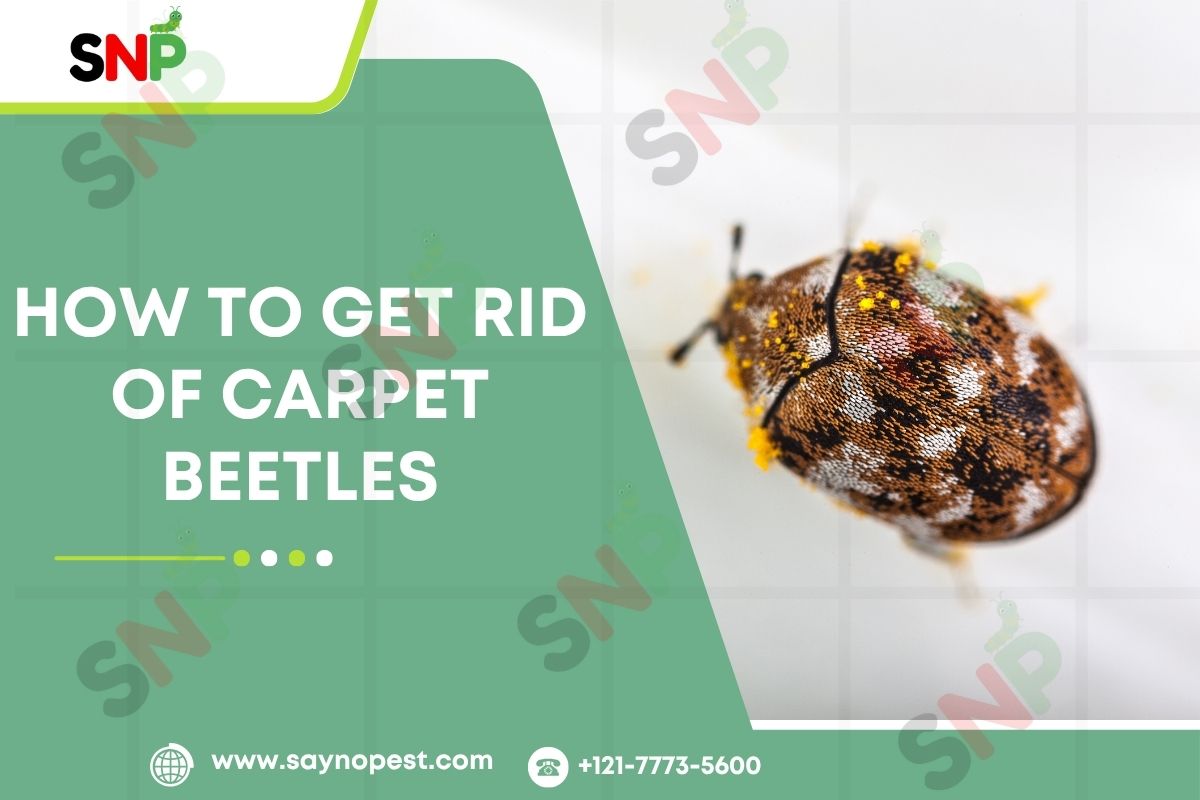
  • How to Get Rid of Carpet Beetles: Signs, Solutions, and Prevention

    How to Get Rid of Carpet Beetles: Signs, Solutions, and Prevention

    Carpet beetles have been tolerating and enduring it for homeowners in the United States, especially for those with prized rugs, clothing, and upholstered furniture. If you are hoping to find expert advice on how to get rid of carpet beetles, knowing where they live and recognising the signs of carpet beetles are the early pointers to keeping your home safe and your belongings intact. Following these steps, you will make sure that the methods given in this tutorial will help you to know, remove, and avert such pests as the carpet beetles effectively.

    What Are Carpet Beetles?

    Carpet Beetles are small; their body structure is oval. They belong to the Dermestidae. Their body size is 1/16 inch to 1/8 inch. Each specie have a different colour like black, brown, yellow and orange. Adult carpet beetles, while outside, prefer to eat flower pollen. The larvae are, however, the ones that are causing all the fuss in the house. They are tan to brownish, have bristles covering them, and are about 1/8-1/4 inches long.

    Carpet-Beetle

    The darkness, quietness, and food in such places are something that the larvae like most. Keratin is found in many of their favourite things, including wool, silk, leather and pets’ hair. Examples of these items in our homes are rugs, carpets, blankets, clothes and electrical services. For the next generation, it is the adults of the carpet beetles that always get into the homes, through open windows, or together with groceries, that deposit the eggs on the fibres that are there, and they provide food for when the larvae hatch.

    Signs of Carpet Beetles

    As soon as you can identify the pests, you will significantly reduce the costs of eliminating them from your property. The most frequent signs of carpet beetles are as follows:

    • One of the signs might be the presence of thin, balding areas on the rug surface made of wool or wool blend thread.
    • Another indicator of a carpet beetle is damage clothes or torn blankets and upholstery with irregular holes.
    • More signs might be observe in animal-based textiles because they lose hair on their own, besides the fact that natural fur might be disintegrating.
    • Any other sign of a carpet beetle infestation can identify the pest causing the ugly dirty brown or yellow exuvia, which dried-out and contain no living creature.
    • Every now and then, you might also come across the mess made by small dark fecal pellets that has the resemblance of sand particles.
    • Occasionally, you might see the tiny beetles coming out from the walls or near the windows; also, they might be at dead end on the windowsill.

    Areas with lots of fabric folds, under rugs, and inside storage boxes are commonly infeste by the larvae. Their shed skins and fecal pellets are normally found at the places that they feed upon (under furniture or at the base of the wardrobe). It is important to notice the signs of carpet beetles, and once you catch them in your house, contact the pest control service provider

    Carpet-Beetle-bite

    How to Get Rid of Carpet Beetles

    Looking for tips on how to get rid of carpet beetles. Here’s how to go about cleaning, using a treatment and preventing future issues:

    1 Thorough Cleaning

    • Clean all carpets, rugs, sofas and baseboards with the vacuum thoroughly. Check the areas where bugs often hide such as corners, cracks and cupboards.
    • Wash any infected clothing, mattress covers, towels and bedding in hot water to destroy any eggs or larvae that may be there.
    • Steaming will be of advantage to carpets and furniture, as it can penetrate through the fibre to eliminate any concealed pests.

    2 Targeted Treatments

    • Use chemical sprays with cyfluthrin, bifenthrin or deltamethrin to deal with carpet beetles.
    • If you are going for a natural approach, consider using essential oils of cedar or neem. Test pesticides on a hidden part first and then spray them only where they are needed.
    • Sprinkle a layer of food-grade diatomaceous earth in areas where pests may be found. Apply this powder to your carpet; it kills carpet beetles on the spot and should followed by a thorough vacuum immediately after application.
    How-to-Get-Rid-Of-Carpet-Beetles

    3 Locate and Remove Nests

    • Look in closets, air ducts and under furniture for any hidden egg masses or larvae. Handle and deal with infested things as soon as you find them.

    4 Professional Help

    • If the pest infestation is very bad, hiring professionals might be needed. Experts apply different treatments appropriate for both the adults and the larvae, with attention given to the sites where the insect breeds and prevention over the long term.

    5 Prevent Future Infestations

    • Pack up exposed textiles into properly sealed containers.
    • Vacuum and mop natural fibre carpets regularly, taking special attention to edges and baseboards under furniture.
    • Seal all the cracks and edges of the window to prevent them.

    Conclusion

    Carpet beetles are bad for your house because they eat up almost everything with textiles, and they can make a mess if they live there unnoticed. As long as you know how to recognise the signs of carpet beetles and if you already have methods of how to get rid of carpet beetles, plus understanding what carpet beetles are, you can still make your safe and clean environment as before and preserve your investments. Your best bets against the pests are regular cleaning, through inspection, and immediate treatment. In the case of prolonged or heavy infestations, a professional pest control service is the right step to take. Do not think twice, because you may need your peace of mind and also because your home fabrics are precious.