Blog

  • Fire Ants vs Red Ants: Spot the Threat Early

    Fire Ants vs Red Ants: Spot the Threat Early

    What if, one day, you spot little red insects in your yard? Your mind goes dizzy with questions like what are these insects? Are they deadly fire ants, or are they just harmless red ants? Almost every American homeowner is in a dilemma because of this question. Knowing the major differences of fire ants vs red ants can be an assurance of your family’s safety.

    However, most of the people mistakenly identify the red ants as being dangerous insect just because of their red bodies. The problem with this is that they are not aware of the potential hazards until something worse happens.

    Size

    Fire ants vs red ants size issue really is a piece of cake. Fire ants are 1/8 to 1/4 inches long while red ants are bigger in size.

    The truth is that different ants in the same community differ significantly in size. A colony of fire ants may consist of some worker ants that are as short as 1/16 inch, and some others almost 1/4 inch long. On the other hand, red ants are more uniform when it comes to size.

    Appearance: Fire ants vs Red Ants

    One of the most essential things to remember about the physical features that separate fire ants vs red ants is not just a size disadvantage.

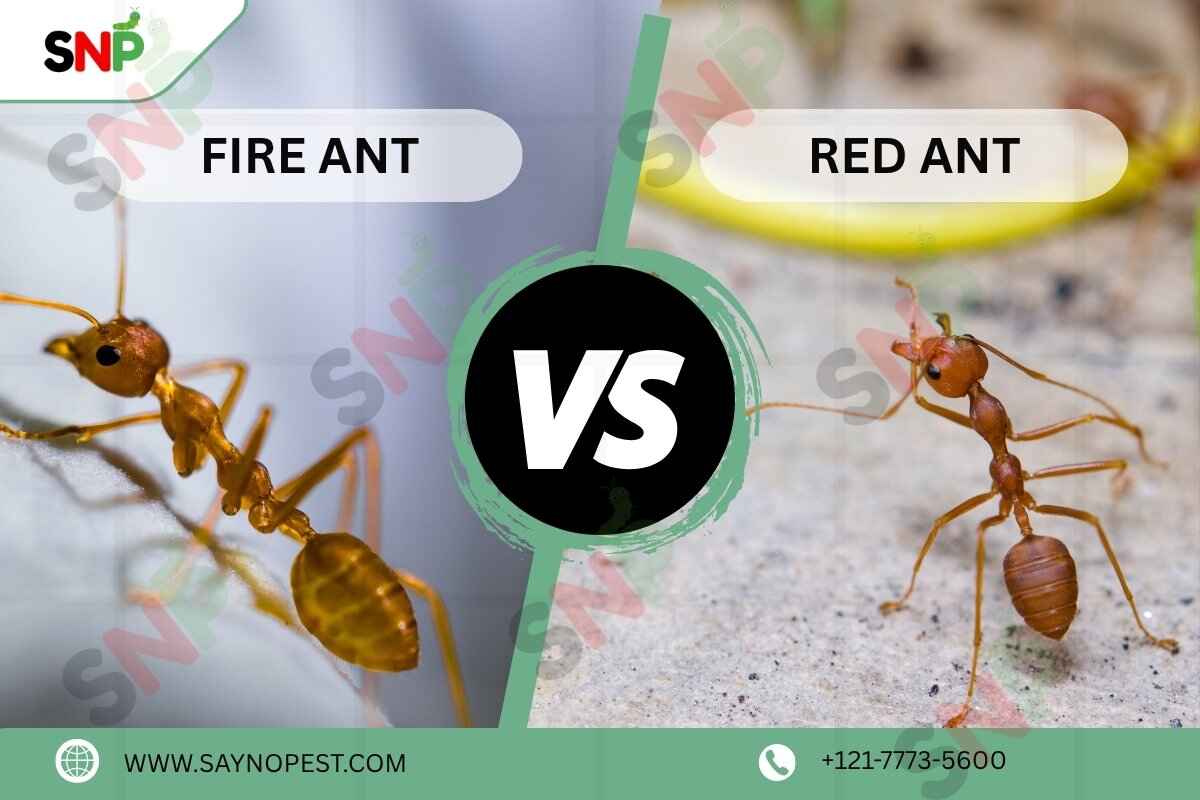
    • Fire ants have two petioles (small bumps that are connecting the thorax to the abdomen). Red ants, on the other hand, have a single petiole in the same body region.
    • Another most important feature is their antenna’s structure. While the fire ants have 11-segmented antennae with the club made with 2 segments, the red ants have 10-segmented antennae with a similar club part but bigger and bolder than the fire ants.
    • The shape of the head of the red harvester worker ants is more contrasting, and it sometimes resembles a square head.

    What Do Fire Ants and Red Ants Eat?

    Food preference is the major behavior difference between fire ants and red ants as indicated by a variety of food sources from which they can choose.

    Fire ants are omnivorous. They eat both plant and animal matter. They get their food from insects, earthworms, spiders, seeds, nectar, fruits, and even small vertebrates. In addition, these pests feed on dead animals, and at any time, they can be seen seeking out protein sources. Fire ants are hunters and tend to eat whatever they can find. They are able to eat both liquids and solids, but only adult ants rely on larvae to break down solid foods.

    Red harvester ants are also called seed collectors as they gather and store seeds. Red ants usually collect seeds at certain times of the year and tend to forage at regular times.

    Color Differences

    Color differences between these pests can help you tell a lot about fire ants vs red ants. Fire ants have red-brown heads and thoraxes, but their abdomens are usually darker and often black. The two-colored bodies of fire ants make their pattern easy to identify in most species. Red fire ants have a copper-brown color, but their backs are darker.

    Their typical bright red to dark brown color is consistent throughout the body of red harvester ants. The two-colored patterns are confined to their respective species but may vary based on different environmental conditions.

    While some fire ants are completely black, others, mainly the worker ants, have a mix of red-brown and black color. Unlike fire ants, red ants can have black spots, but they do not have the clear two-color appearance.

    What to do for Red and Fire Ants in Your Yard?

    FIRE-ANTS-APPEARANCE

    The existence of fire ants and red ants in your yard means that you should make quick decisions using different strategies-

    The fire ants are the most aggressive and destructive group of insects while they are also venomous and can cause painful stings. Without delay, call in a professional pest control team at once in case you find any fire ant mounds where children or pets usually play. Fire ants reacting to the slightest of disturbance come out in large numbers and are capable of causing severe reactions in people who are allergic to them.

    If you want to control the fire ant infestation, do not use any DIY treatments that are not certified safe for use in the problem. The exterminators have baits and treatments that are made for professional use only and cannot be purchased by homeowners.

    Fire ants moves inside your house when the weather gets too harsh outdoors. They come in search of food, water, and a place of shelter. Make sure to seal all the entry points around your house.

    Red ant management usually requires less intensive measures to be taken since these species hardly ever sting humans.

    Fire ants vs red ants treatment approaches differ significantly in urgency and methodology. In fact, red ants offer pest control benefits as they eat harmful insects and make the soil airy. Nevertheless, their painful stings near high-traffic areas demands professional removal.

    The two ant types can be controlled by using bait systems as well. It is a good practice to check around your property constantly whether there are any fresh mounds, most especially after heavy rain when fire ants are prone to changes in terms of the location of their colonies.

    Conclusion

    To sum up- knowing the differences between Fire Ants vs Red Ants helps with better pest management. Fire ants are dangerous to health because they swarm and sting painfully. It should be handled by professionals. Red ants are not harmful and can help the environment in many ways. When you know the difference between fire ants and red ants, it helps in right decision making to deal with these pests.
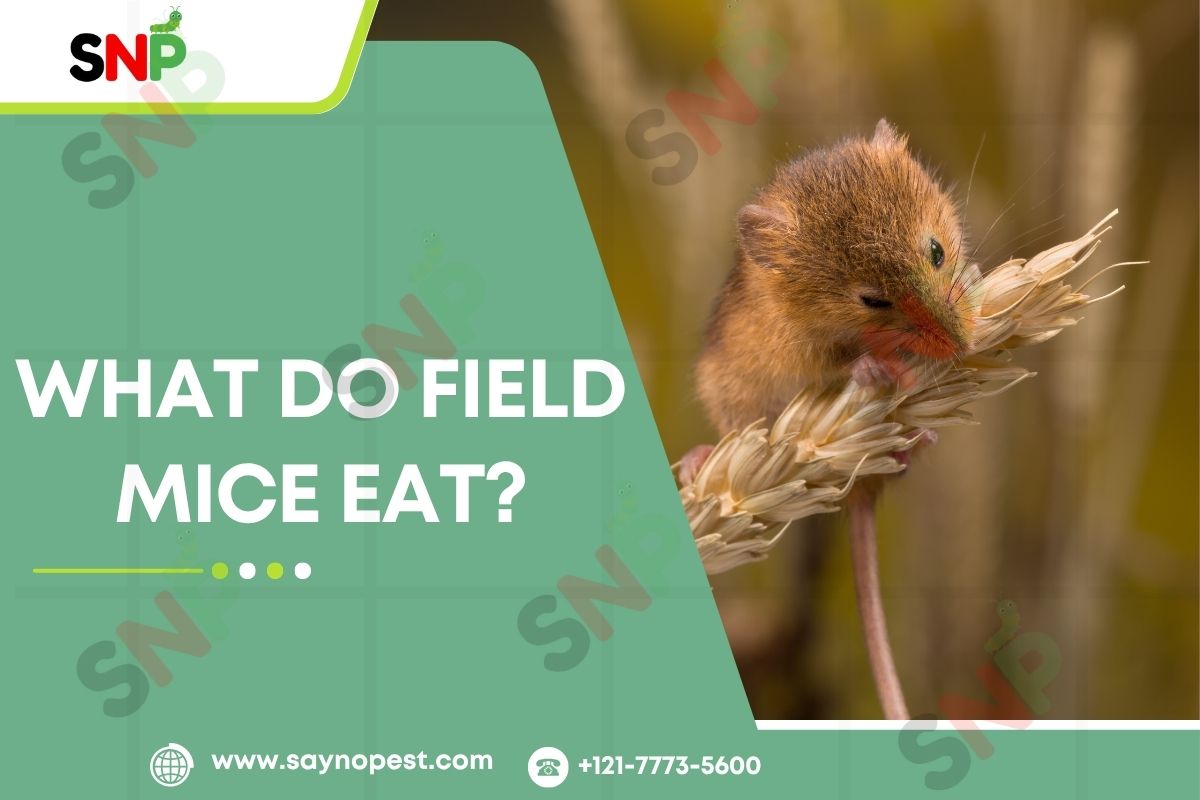
  • What Do Field Mice Eat & Why It Matters

    What Do Field Mice Eat & Why It Matters

    Introduction

    At SayNoPest, one of the most common questions we receive is about what do field mice eat. And knowing their diet will help you take the first step in getting rid of these unwanted visitors from your home and garden. If you want to know exactly how to protect your home from these pests, you first need to know what do field mice eat in detail.

    Field Mice

    Most field mice live only several months to a year; however, they never stop searching for food and shelter during that time.

    Food consumption plays a big role in life-sustaining endeavors. As opportunistic feeders, field mice consume whatever is at their disposal, thus they quickly adjust to changes in the natural environment. This indicates that eating habits of field mice can be different depending on the season as well as the location.

    It is obvious that their characteristic of food searching often make them go into places like gardens, sheds, and even homes, especially when foods become scarce outside.

    Life Cycle of a Field Mice

    Life-Cycle-of-a-Field-Mice
    • The life of a field mouse is a road of rapid growth and reproduction.
      A female, in a period of 20 to 25 days, carries a pregnancy and then gives birth to a litter that can have from 2 to 11 pups.
    • Two weeks after birth, the opening of eyes and ears, and the appearance of fur begin.
    • At three to four weeks of age, they quit sucking and enter the stage of eating solid foods and learn the basic of foraging from their mother.
      Field mice are able to reproduce very quickly and do so after their sexual maturity, which is typically reached somewhere between five to eight weeks.
    • This rapid growth permits them to reproduce throughout the year, occurring multiple times.
      A solitary female is able to give several litters in a year thereby resulting in a population explosion provided the food is abundant.
    • After they have become adult, field mice continue their relentless search for food, make their nests, and protect their territory from other mice.
      Their short life-span implies that they have to find food and shelter every day that they can hide from predators.

    What Do Field Mice Eat?

    The answer to what do field mice eat is pretty simple!

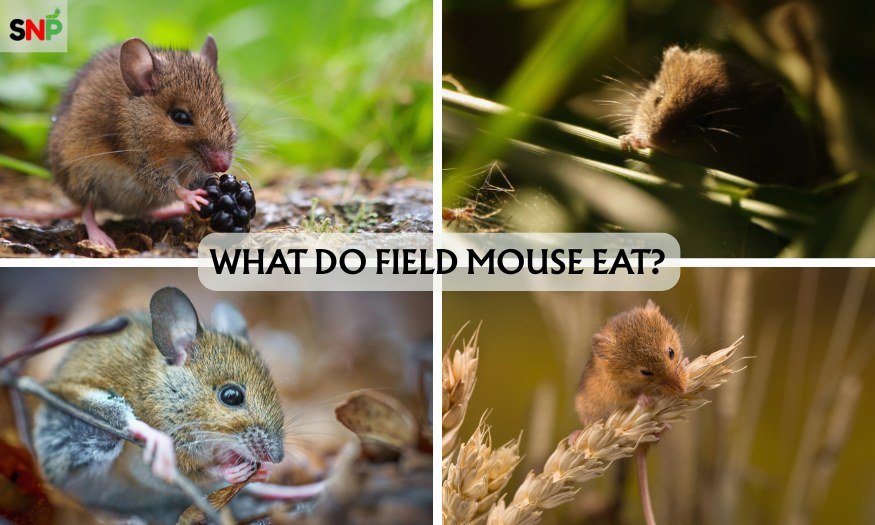
    • Seeds and Grains- Field mice are mostly herbivores, however, they have no preference. Their diet is mainly includes seeds, grains and green plants such as grass, clover and leaves.
    • These foods give them the necessary nutrients and moisture, particularly in the warm season when the vegetation is plentiful.
    • Fruits and Berries- They change their diet to fruits, berries, mushrooms, and even insects when there is no plant food.
    • Nuts- In general, animals living in the wild are not picky eaters, they will eat whatever they find, including nuts of different kinds, such as acorns, hazelnuts, beech nuts, as well as the occasional insect or invertebrate.

    Among other reasons, their great adaptability explains why field mice diet may vary with seasons-

    • At the time of spring and summer, these rodents have a feast of both fresh greens and insects.
    • And during the winter, after collecting and storing seeds and nuts in fall, they can hibernate or not but they will have food.
    • Besides that, the field mice have been known to be destructive as they can drive birds away if they raid their feeders.
    • At the same time, they gather and store food in the vicinity of their nests.
      Of course, this action will give them the security of a food supply in the time of scarcity. But this may lead to over-eating so that there will be a shortage of the stored food.
    • Additionally, their omnivorous nature makes them a never-ending problem to the farmers and the homeowners.

    Conclusion:

    Knowing what do field mice eat is a major factor in keeping them from invading your house or the garden. On top of that, their easily available diet and high reproduction rate make them extremely difficult to handle. Knowing what do field mice eat allows you to make use of this information in order to be one step ahead of the rodents take food away from them, close up your home tightly, and don’t risk your health.

    Be Cautious!

  • Field Mice: Tiny Yet Huge Troublemakers

    Field Mice: Tiny Yet Huge Troublemakers

    Imagine stepping into your garden and finding a quick, brown blur darting through the grass. That’s probably a Field Mouse one of the most common rodents in the United States. You have no idea about the energy these mice have.  Do not ever judge them by their furry appearance. The possibility of damage they can do to your house is quite extensive. Here we are going to give you all the facts that you need to know about Field Mouse vs House Mouse.

    What Does a Field Mice Look Like?

    These usually have a 3-4 inches long body, keeping their tail aside. The tail is often just as long as their bodies. The color of their coat could be anything from sandy or red-brown on the back to white or gray on the underbelly, making them very easy to recognize among other mouse types. Their tail is dark on the top and light from the bottom, besides being bi-colored it is also covered with fine hair.

    The Deer Mouse or “Field Mice” are the rodent species that have exceptional hearing capabilities. Their night vision and hearing are perfect for detecting food and avoiding predators. Spotting a mouse with a round body, big eyes, and a tail as long as its body, I can tell you to not think further, because it is a Field Mouse.

    Major Differences between a Field Mouse vs. House Mouse

    While both are small rodents, Field Mouse vs House Mouse have very different lifestyles and habits.

    • Habitat: Field Mice can be seen in open areas such as fields or gardens. They occasionally enter buildings if the weather outside is bad or during winters. House Mice prefer to live inside, so they are more likely to stay near you.
    • Behaviour: Field Mice are solitary animals but during winter they may form small groups for warmth. They often store their food near their nests. House Mice are more social and they store food less frequently.
    • Droppings: The droppings left by Field Mice are pointed at the ends, while House Mice make round ones. This might help you know which species of mice has occupied your place.
    • Smell: House Mice have a strong, foul odor, whereas Field Mice do not have any as such.
    • Feet: Field Mice have large hind feet for jumping, whereas House Mice have smaller feet due to which they can easily enter your house even through tight indoor spaces.
    • Reproduction: Both are prolific breeders, but the Field Mice can breed as high as 6-8 litters in a year and each litter can have 10-20 pups. Thus, they can cause a huge problem if they are left uncontrolled.

    Field Mice Dangers

    Field-Mice-Dangers

    Don’t be fooled by how small and cute field mice look, they can actually cause a lot of problems in your home and on your property.

    Health Hazards-

    Field mice can spread dangerous diseases like:

    • Hantavirus (a severe lung disease),
    • Salmonella (causes food poisoning), and
    • LCMV (Lymphocytic Choriomeningitis, which affects the brain).

    How?

    Among the animals, the mice are the most dangerous ones. It was claimed that such diseases can be spread by the mice’s excretions, urine, or even saliva. For example, imagine if a mouse has wandered on your kitchen counter and has left its droppings. You without realizing it have prepared the food, this might lead to you getting very sick.

    Field Mice Bring Parasites

    Field mice don’t come alone, they bring ticks, fleas, and mites attached on their bodies to your house.

    • Ticks can cause joint pain and fatigue.
    • Fleas can cause illnesses like typhus.

    So, a single field mouse could bring a whole group of tiny pests into your home.

    They Chew Everything

    Mice chew constantly because it is the only way to keep their teeth from getting overgrown. This results in:

    • Chewed electrical wires, that could spark and cause a fire in the house.
    • The destruction of pipes and the insulation can result in costly repairs.

    They Destroy Food and Crops

    Field mice can sneak into:

    • Pantries and eat through packaging to get to grains, cereals, or snacks.
    • Gardens or farms, where they eat seeds, vegetables, and damage crops.

    Conclusion:

    Field Mice are indeed very cute, but they are capable of causing damage to health and property that are definitely not minor.  Field Mice are dangerous because their number increases a lot faster. They spread diseases and are very destructive. It is crucial to solve the Field Mice problem as soon as possible.

    In case you think that these pests are in your home or yard, act immediately! Waiting too long can lead to serious consequences that would make you regret.

  • Wolf Spider: Nature’s Agile Hunter in American Homes

    Wolf Spider: Nature’s Agile Hunter in American Homes

    Wolf spider impress many because they are big, fast, and display some unique actions. All through the United States, these spiders help control the number of pests, so it makes they are simultaneously interesting and beneficial to have around. If you are interested in any of these things—what a baby wolf spider is, if a wolf spider can be dangerous, or how long they live—this guide has you covered, especially if considering pest control solutions.

    What Makes the Wolf Spider Unique?

    The wolf spiders is part of the family Lycosidae because of that its shell look likes that of a wolf, and its attacking ways are much the same. Unlike other spiders, a wolf spider does not spin webs in order source of food. They use its quickness, nimble movements, and incredible vision to eat insects, much like a wolf would use its prey. North America has over 240 distinct species of wolf spiders, and it is for this reason that you will find them living in grasslands, forest, gardens, and even within human homes on a very chilly day.
    Its rugged and hairy body, long legs and unusual eye pattern—big eyes at the front and sides and smaller ones under them—are the main traits of them. Being able to see well in low light, owls are powerful animals that hunt at night.

    Wolf-spider

    The Fascinating Life of the Baby Wolf Spider

    They shows one interesting trait: a mother’s love that never fails. Her next step is to wrap her egg sac in silk and bring it with her as she continues moving after laying around 100 eggs. As the eggs hatch, each baby wolf spider measures just 1mm and climbs on the mother to get protection and help with moving. It is amazing and shows a good climate when a mother wolf spider is with her hatchlings.

    Mainly, baby wolf spiders have shade of black, grey, tan, or brown in fur color, and often have dark stripes that make them appear to be hiding among objects nearby. Masking is really important for them because it helps protect them from attack and makes them much better attacker themselves. Although, the baby wolf spider leaves its mother and lives on as its own hunter.

    Is a Wolf Spider Poisonous? Separating Fact from Fiction

    One of the most frequently asked questions about these animals is: is a wolf spider poisonous? The result is no, wolf spiders have no poison that is effective against humans. Commonly, the use of the words “poisonous” leads to confusion, because they mean something different. Even though they have poison, wolf spiders’ bites are safe for people. If you are bitten by a wolf spider, it may hurt, cause some swelling or make you feel itchy, but this is unlikely to cause a big danger to your health.

    They aren’t dangerous to your family and pests, their bites are’t harmful, and they don’t have poison that can hurt you.

    Wolf Spider Bite Symptoms: What Should You Watch For?

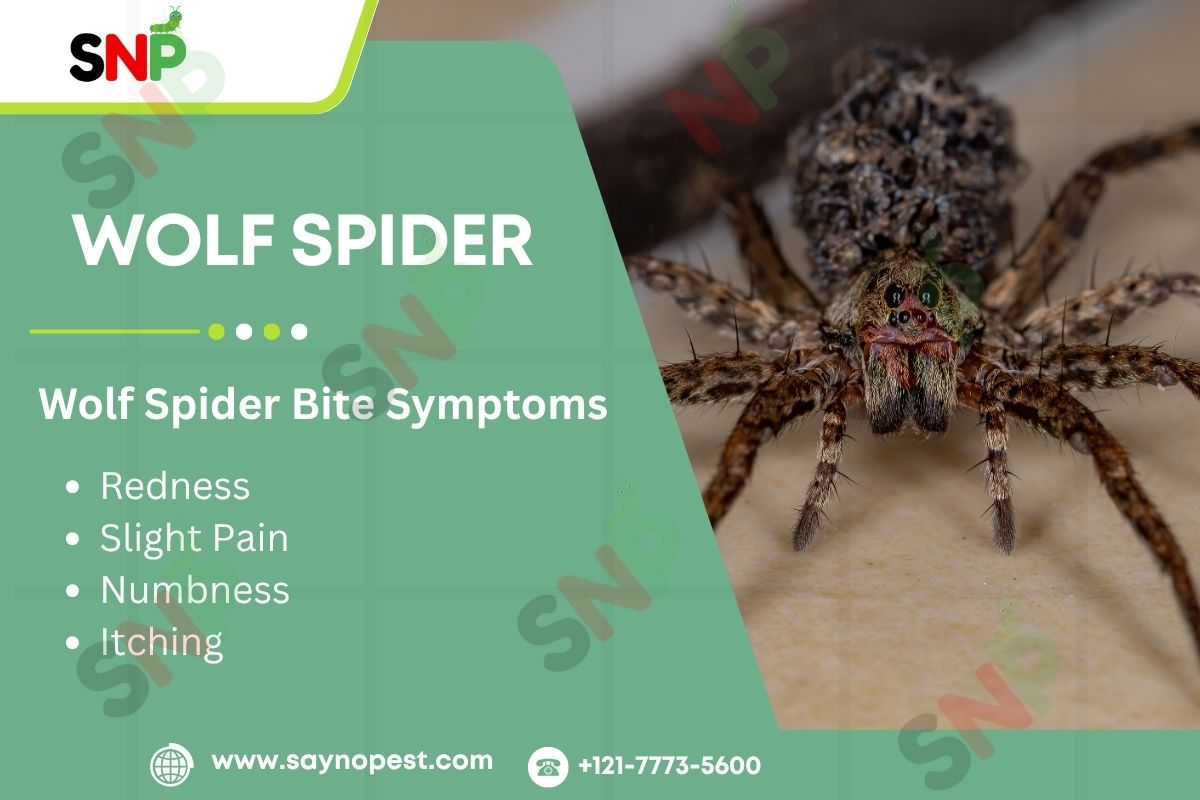
    Though the wolf spider seldom actually bites people, if an accident happens, the individual dog that it is most similar to in poor biting would be various pests. The typical case is that the initial reaction will be mild and similar to other bug bites. The symptoms you can recognize include,

    • The red, inflamed place
    • The slight pain or numbness near the bite
    • The itching, which can persist over several days

    Most of the time, that is the nature of the wolf spider’s bite, which usually goes away without any treatment. On the other hand, there is danger in this rare case when a certain category of individuals can develop an allergic reaction due to, for example, such side effects as swelling, hives, and breathing difficulty. The rapid consultation with the doctor will be significant if those extreme signs are present. However, the fact is that such allergic incidents are quite rare.

    spiders

    Wolf Spider Lifespan: How Long Do They Live?

    The duration of the life of them is stunning if we compare it with the life of other spiders. Most of the time, a wolf spider lives for a year or two. Conditions like environment and availability of food, and escaping from the predators, for instance, all these factors affect the life span of the wolf spider. A case in point is species that dwell underground and avoid the predators that would seek to attack them there, thus they typically tend to live longer.

    Females normally expire following their initial reproductive cycle, whereas males commonly of shorter lives. The wolf spider’s versatility, which notably involves its capacity to endure intervals of no food, is one of the main factors that make the wolf spider lifespan longer.

    Conclusion

    Wolf spiders are interesting creatures that provide several benefits where they live. Its clever hunting, way of caring for the baby wolf spider, and adaptability help it control pests in nature. When finding these arachnids, just remember they are not poisonous and hardly threaten people. Since wolf spiders can live for up to three years, they are strong creatures and help limit insect communities.

    Understanding on the reasons behind wolf spiders helps you respond to pests at home. Once you spot these spiders, have a pest removal service handle them as soon as you can. While you could feel worried about wolf spiders, they contribute good things in nature.

  • Brown Recluse Spider: What Every American Homeowner Know

    Brown Recluse Spider: What Every American Homeowner Know

    The brown recluse spider is a spider that has widely covered in the US. It is famous for its unique features, secret life, and dangerous potential of the bite. It is extremely necessary for you if you are a homeowner, renter, or pest control enthusiast, to know the life cycle, the identification, and the risks of the brown recluse spider, that also includes the baby brown recluse and the brown recluse eggs, to keep your home safe and pest-free.

    Identifying the Brown Recluse

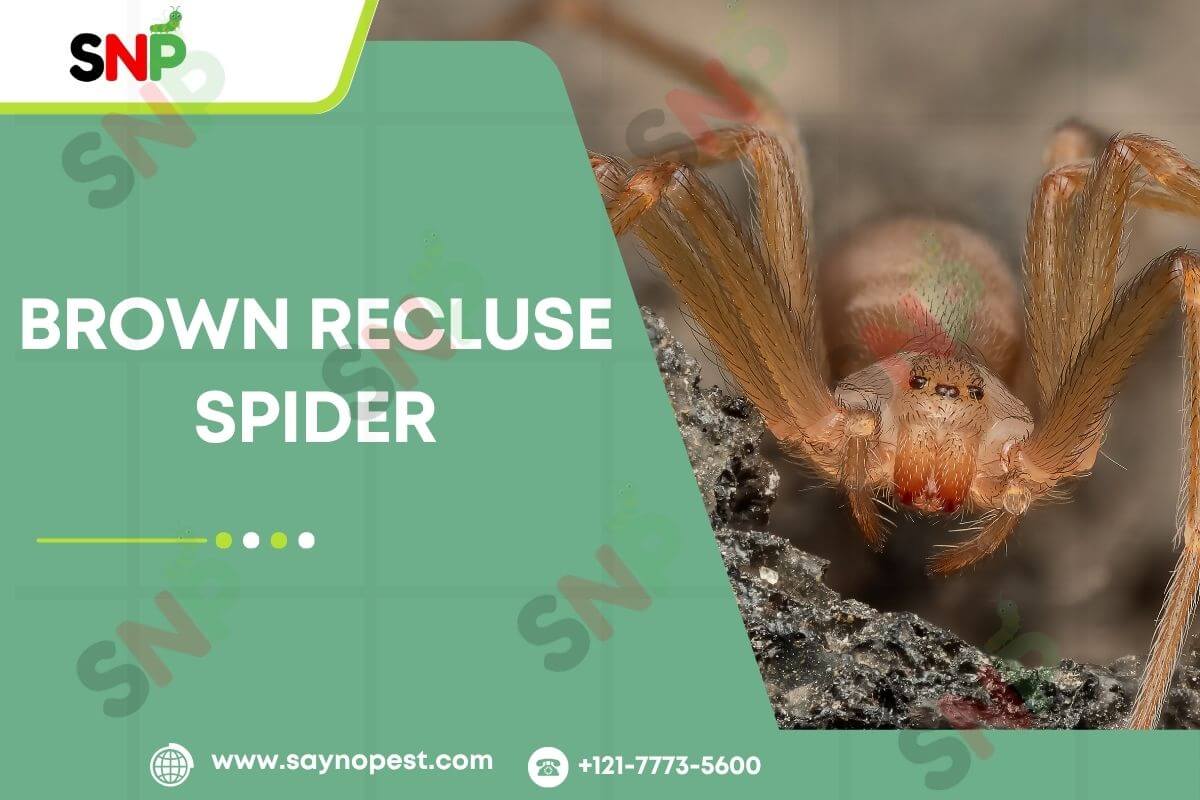
    The brown recluse is a type that is most commonly located in the South and Central United States. You can located from Texas to Georgia, and northward in Illinois. Adults are usually about 1/4 to 1/2 long; their bodies are usually light to dark brown. They have a violin shaped mark on the upper part of the body. One thing that keeps them different from many spiders is that they only have six eyes inspite of eight. They’re most active during the night and like to stay in dark places like basements, behind furniture, and in quiet corners.

    Brown-Recluse-Spider

    Brown Recluse Spider Eggs: The root of the problem

    A healthy female brown recluse spider can lay many spider eggs. There are usually a large number of eggs in a sac is 40-50. A female can make many egg sacs, thus, a rapid increase in number is possible if no action is taken. The brown recluse spider eggs are creamy in color, and they are inside a loosely woven silk sac that the female may hide in places such as in the web, behind the baseboards, or in storage boxes. The hatching of these eggs happens during a maximum of a month, and the spiderlings do their first molt after they come out of the sac.

    Baby Brown Recluse Spider: Early Life and Identification

    After the brown recluse eggs hatch, the baby brown recluse spider appears. These spiderlings are significantly smaller and lighter than adults, usually, they do not even have the violin marking, which is the main characteristic of the brown recluse that is formed during its growth. Still, the six eyes arranged in pairs and the uniform, unbanded legs were the main features of the baby brown recluse spider that made it recognizable.

    In the first days of its life, the baby brown recluse spider is with the mother both physically and in food, because the mother usually protects and gives food to the spider. Later on, they go in search of new places to hunt, and this is disturbing behavior, as when they leave their place in bed linen, it is almost like they are going on a caravan to empty places in rooms, or in luggage, or rolled clothes. And hence, they hardly realize this act, and this leads to infestations in their homes spreading further unknowingly.

    Brown-Recluse-Spider-Bite

    Brown Recluse Spider Bite: Symptoms and Precautions

    The brown recluse is the matter of utmost concern here. Most of them are not harmful to life, but their venom may still cause a strong allergic reaction in some people. The list of symptoms of a brown recluse spider bite is:

    • The place where the bite happened starts burning, is painful, itchy or red; usually, these symptoms appear hours after the bite
    • A round deep blue or purple spot in the middle is separated from the whitish outer ring by the red ring, thus resembling the bullseye pattern
    • The ulcer or the blister, which has appeared initially, may turn black if the tissue damage is continuing
    • Headache, temperature, nausea, vomiting, and body pains may also follow in case of very severe symptoms

    If someone gets a bite from a brown recluse, it is important that the place is clean, cold is apply, and a doctor is consult, particularly when the symptoms become severe or continue. The first aid can cut down on the potential of a serious condition caused by the bite to the local tissue or, in very rare cases, a systemic reaction.

    Conclusion: Protecting Your Home and Family

    Since the brown recluse likes to tarry alone and its bite can be dangerous, it is a perilous pest. Knowing the development of a brown recluse spider eggs, baby, and adult stages allows you to manage or get rid of their population early on. You should often check corners and unused areas, responsibly handle storage, and this may keep the brown recluse spider out of your way.

    Should you catch the brown recluse spider or its eggs in your home, or maybe a baby of this spider, you should turn to a professional pest control company. Protecting your family with careful security also guarantees comfort in your own home.

    If you are inform and cautious, the brown recluse won’t have the chance to disturb your home and will keep it comfortable for everyone.

  • Black Widow Spider: Identification, Bite Symptoms, Webs

    Black Widow Spider: Identification, Bite Symptoms, Webs

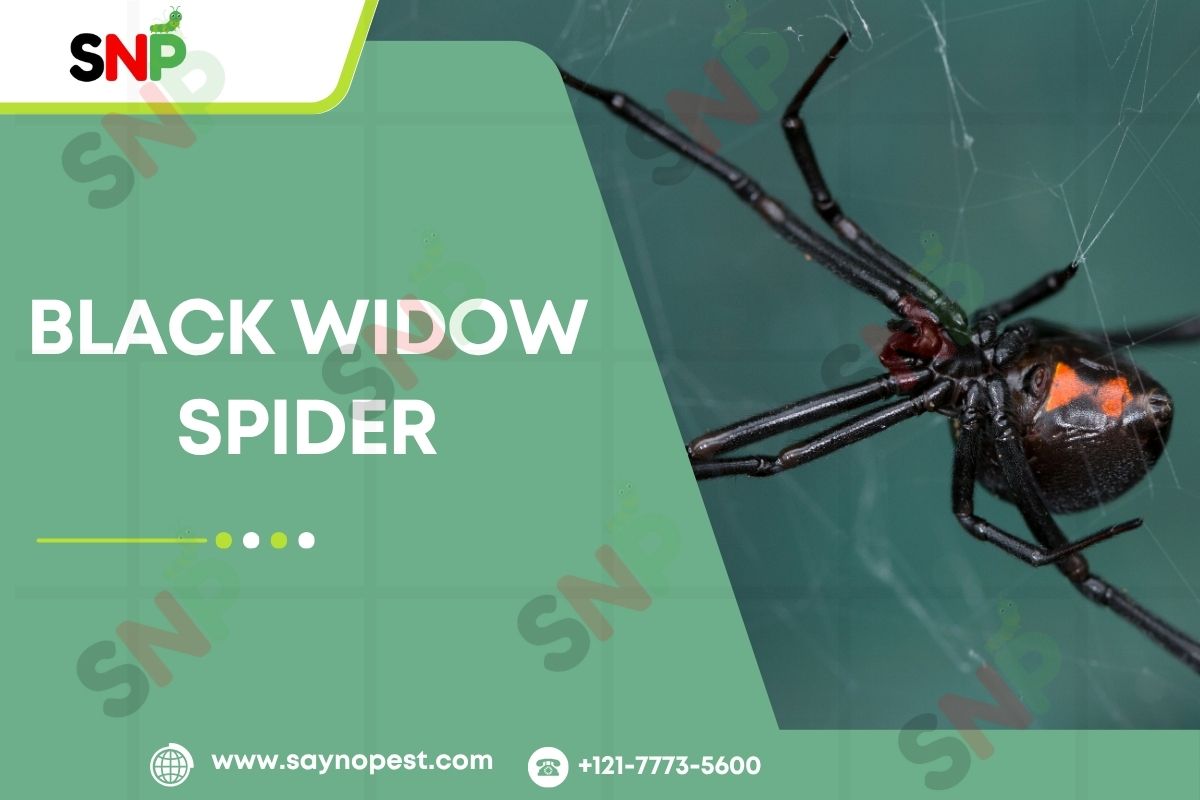
    The black widow spider is a figure that is most known and dreaded by the arachnid in the US. The spider is of a lustrous black color, and its abdomen has a red hourglass shape on the underside. In addition to the above, the spider is mentioned as the scariest in the US. Due to their fascination with the red hourglass spider, recent black widow spider pictures, and the information on dealing with the black widow spider nest, local families can be sure that their homes will still be a haven for them, learning the habits of these spiders.

    The black widow spider bite symptoms

    black-widow-spider

    The black widow spider bite symptoms and the way to act may give you comfort, but ignoring them can be dangerous. The sensation of the bite can be like a slight pinprick, or you may not feel it initially. However, within an hour of the bite, you can develop symptoms that start in one place but later spread all over your body as dull muscle pain. The area around the bite may become hot, red, and perhaps, at times, it will even look like a bullseye. Mostly, two very small puncture marks could be the only visible signs of a black widow spider bite.

    Below is a list of the common symptoms:

    • Within the first 8 h, muscle pain and stiffness are experienced
    • Feeling of sickness or vomiting
    • Breathing difficulties or a feeling of tightness in the chest
    • Very strong pain in the belly and muscle spasms
    • Profuse sweating
    • Feeling of being weak, shivering, or trembling
    • Eyelids that have puffiness and rash

    The situation gets worse when the symptoms resemble a heart attack, which include, among others, increased blood pressure and heart rate. Fatal situations rarely occur; thus, emergency care is necessary only if the victim is a child, aged, or suffers from chronic illnesses.

    Black Widow Spider Web: Where and Why They Build

    The black widow spider web is a perfect example of nature at its best; the web looks like a mess, but it can fulfill specific tasks. The webs were normally carried on in charred areas within the house and also outside. The most common places are:

    • Basements, garages, and crawl spaces
    • Sheds, barns, and outdoor toilets
    • Woodpiles, debris piles, and under rocks
    • Around foundation cracks, window wells, and under patio furniture

    Black widow spiders are the ones that select these particular places, and they have their reasons:

    • People use these places less, therefore, there is always a need to cause the least possible disturbance to the area
    • The insects that are the main diet of the spiders are constantly looking for such places where they could hide and get food, thus landing in these places in great numbers.
    • The roughness of the surfaces and the crevices form the perfect structure for the spiders to anchor their irregular and twisted webs
    • These places, in addition, give them the possibility to be perfectly hidden while the spider’s nest and the egg sacs are there.

    They are not the classic round and regular shape, but rather they are in a messy and three-dimensional form, which is very effective for the trapping of small insects that are crawling insects. The female black widow spider is generally found resting in the middle of the web upside down, and she stays there until she catches something moving close to her.

    Spider-Webs

    How to Get Rid of a Black Widow Spider

    A black widow spider nest or infestation can be a real pain to get rid of. However, besides prevention, you also have to do targeted treatment to get rid of the black widows. Follow these points to keep your home safe:

    1. Declutter and Clean: Dispose of any dust, firewood, and other debris and items on your property and home. Reduce spider webs and spider egg sacs by doing regular dusting and vacuuming corners, under furniture, and inside storage/basement rooms.
    2. Wear Protective Gear: Always wear protective gear at the time of working with firewood, in he yard or cleaning places because these places can contain black widows.
    3. Seal Entry Points: Fix cracks in your home, put in screens, and use door sweeps to stop spiders
    4. Trim Vegetation: Regularly trim weeds and shrubs away from the foundation so that it is not a good place for spiders to hide, and also bugs cannot go there.
    5. Use Insecticides: Spray liquid residual insecticides on the foundation, window frames, doorways, and other entry points. Wind and dust insecticides work well because they cover voids and inaccessible places such as the attic and crawl spaces.
    6. Remove Webs: A cobweb duster or vacuum can used to continually remove black widow spider web and the egg sacs thereof.

    In case you come across a black widow spider nest or believe that there is a big infestation, perhaps getting a professional pest control service to do the job in a safe and thorough manner would be a good idea.

    Conclusion

    The black widow spider is a very good example of a creature that has many parts of the United States that are its home, but it is also one that is potentially dangerous. Seeing black widow spider pictures is very useful for recognition. Understanding what and where the bites are will help you prevent exposure and know when to be careful. Keeping every surface clean, sealing gaps inside, and eradicating pests if they appear can help prevent them from living in your home. It’s important to check for spiders, always pay attention, and be more careful around black widow spiders.

  • Jumping Spiders: Meet the Fascinating World of Crawlers

    Jumping Spiders: Meet the Fascinating World of Crawlers

    Probably, if you were to scan a room and see a tiny, fuzzy spider with big, curious eyes watching you from a windowsill or garden, you would instantly recognize that it is a member of the Salticidae family (also called jumping spiders). These little creatures are not only very amusing to watch but also are efficient natural pest control in the U.S. across the country. If you are a homeowner, gardener, or a nature enthusiast, the knowledge of the jumping spider’s lifespan, their bite, and the nature of the baby jumping spider will certainly make you more inclined to help instead of harming the beneficial species.

    The Jumping Spider Lifespan

    The jumping spider lifespan is very different due to various factors such as their species, locality, and gender. Most of the jumping spiders live on average from one to two years, but some of them might reach three years in quite favorable conditions. Females are usually expected to live longer than males, they can live up to a year after they become adults, however, males may only survive three to six months following maturity. Conditions like available food and environmental safety can affect the jumping spider lifespan; spiders that get to be adults fast because of the food abundance might end up having shorter lives, though. Though this life is rather short, it is quite active and full of hunting, mating, and, in females’ case, taking care of the spiderlings.

    Jumping-Spider

    The Truth About the Jumping Spider Bite

    Americans often ask if a jumping spider bite is venomous. The answer is a comforting one: although jumping spiders can bite, it is very unlikely that they will do so if you do not provoke or threaten them. Their bites are thus far from being medically significant for humans. The poison, which is injected during the bite, is aimed at the insect’s paralysation and not at people. In most cases of jumping spider bites, only redness, slight itching, and swelling will take place, and these are only mild symptoms similar to those that occur in a mosquito bite.

    Allergic reactions are very unlikely to occur; still, if after a jumping spider bite the symptoms are still there or become more severe, it is advisable to go to the doctor. From a person’s point of view, these spiders would not harm, indeed, they are very likely to be scared and run away instead of attacking.

    The Active Baby Jumping Spider

    Nature has few things as cute as a baby jumping spider. Such tiny creatures are the spider lings, also known as slings. They appear after their mother takes care of them for 2-4 weeks of development in an egg sac, uninterrupted. Initially, plastic-like spider legs or some parts of the body may be there. The spider lings possess very good vision and can jump incredible distances that are sometimes many times longer than their size.

    Someone definitely would ask whether a baby jumping spider is dangerous or not. It is not: they are very active and aggressive when it comes to hunting small insects and can even get to the level of cannibalism among siblings, but their bite cannot injure humans in any way. Such a tiny spider would be more interested in chasing flies or some other small animals than in dealing with people. They get their sharp vision and active hunting style right from the start, which makes them very small copies of the adults.

    Why Jumping Spiders Are Good Neighbors

    Besides their peculiar appearances and fast moves, jumping spiders are an indispensable part of the natural system of pest management. They energetically search for and ingurgitate all sorts of insect enemies, including the ones which are responsible for the pollution of the vegetable garden as mosquitoes and bugs. Their being in the gardens, fields, and even near houses makes them natural controlling agents that keep pest populations at a minimum. The avoidance of chemicals in fighting pests also has a very positive impact on the environment.

    Jumping spiders can see clearly from far away and surprise their victims effortlessly, and they can protect themselves with their silk draglines while jumping. This hunting method makes them the most effective spiders out of all the predatory ones.

    Conclusion: Embracing the Jumping Spider

    All in all, jumping spiders fascinate, help us, and are unthreatening insects that should be in our homes and gardens. A jumping spider usually lives for a year or two, though female life expectancy is higher than males. A jump spider bite does not lead to big problems and only causes mild pain. Not too big nor threatening, the baby jumping spider is active early in its life and plays an important part, no matter where it is located.

    Knowing about jumping spiders in our homes helps us manage in a safe way and supports a balanced environment. When you spot a jumping spider, keep in mind that it is serving by eating pests in your home or in the garden.

  • Difference Between Mice and Rats: Mice vs Rats

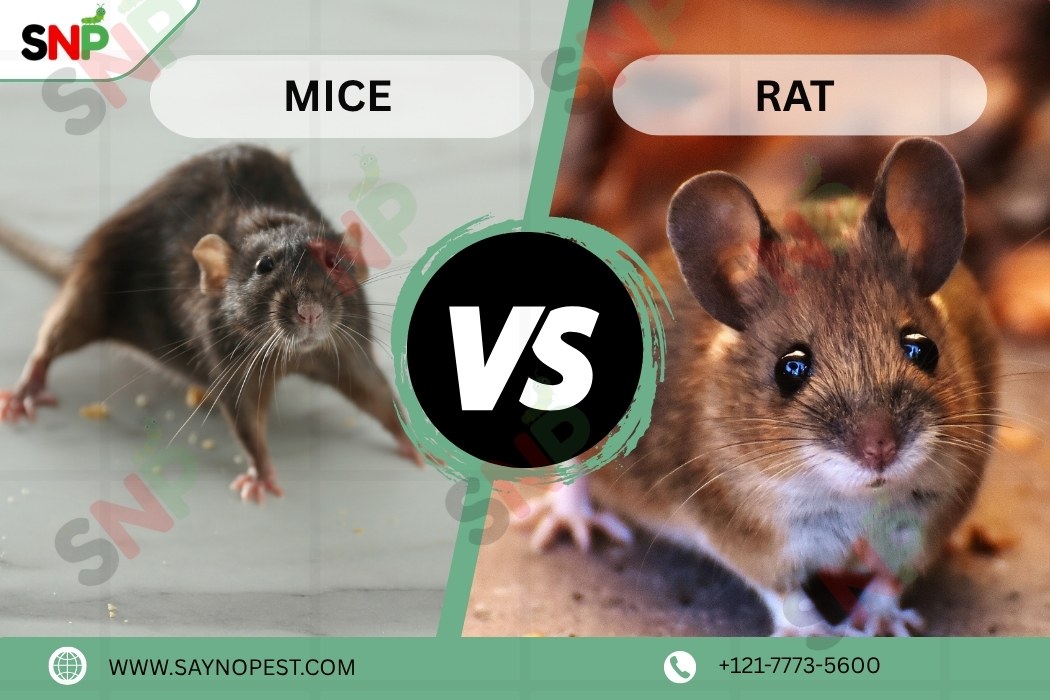
    Difference Between Mice and Rats: Mice vs Rats

    Mice and rats might seem similar at first, but they’re actually quite different. These differences matter to know how you are going to manage rats and mice at home and that is why it is important to know what you’re dealing with. We’ll break down the basics:

    • what mice and rats look like
    • how they behave
    • the best ways to keep them out of your space for good.

    What Mice and Rats Look Like – Size, Shape and Colour

    Mice- These are tiny and slim. They are 2.5 to 4 inches long, and their tails are just as long as their bodies and their weight is just half an ounce or one ounce. They don’t weigh much, their weight is just half an ounce or one ounce. Some house mice are light brown and some are grey in colour. They have big, round ears, a small pointed nose, and long, thin tails covered with tiny hairs.

    Rats- They are much bigger and heavier in size. Grown-up rats are normally 7 to 10 inches long, and their tails are thick, scaly, and usually hairless. In comparision to mice, rats look tougher, with bigger heads, feet, and are bulkier.

    Can Mice Bite You?

    Yes, mice can bite, but they do not do it normally. Mice prefer to escape and hide. They do not like fighting but when a mouse is scared, it may bite to defend itself. Mother mice may also bite when they believe that their babies are under threat.

    In case you are ever bitten, wash it thoroughly and consult a doctor. Wild mice should not be touched and should be left to the professionals.

    What do Mice Eat and How do they Behave

    They eat both plants and animals. When they are outside, feed on seeds, grains, and fruits. But if they get access to your house, they’ll eat almost anything like crumbs, pet food, and sometimes even things like soap or paper if they can’t find real food.

    Mice eat a lot and by a lot I mean around 15 to 20 times a day, so they make their home near places where food is easy to find and always available.

    How Big Do Mice Get?

    Mice in the U.S. are normally 2.5 to 4 inches long. Their tail can add another 2.5 to 4 inches. They are extremely lightweight. They are tiny and can fit into small holes and cracks in your house.

    Want to know How Smart Are Rats?

    Rats are really smart animals. They can solve problems, notice patterns,  and learn tasks. In some cases, they are even better than humans at smartness. Rats are also social creatures that can form friendships with other rats and even with humans, recognizing people by their scent. Their intelligence makes them more careful and harder to trap than mice.

    Effective Methods on How to Get Rid of both Mice and Rats

    To end rodents infestation, follow the steps mentioned below:

    • Find Entry Points
    • Place Traps in the Right Spots
    • Choose the Right Bait
    • Keep Things Clean
    • Get Rid of Dirty Storages
    • Take Professional Help

    Use mice control products and regularly inspect your home for new signs of activity.

    Conclusion

    Mice are smaller and easy to capture whereas rats are larger, smarter and difficult to capture. Both are capable of health problems. Always be quick to take action when you suspect the presence of mice or rats and always keep in mind that the best way to defend your home is to know them.

  • Damselfly vs Dragonfly: Appearance, Diet, Habitat, and Behavior

    Damselfly vs Dragonfly: Appearance, Diet, Habitat, and Behavior

    Few insects near water are as interesting, and not as easily recognisable, as damselflies and dragonflies. If you’ve wanted to know the differences between the two, then you’re not the only one. This post is dedicate to the topic of damselfly vs dragonfly; here we will take a careful look at both through their features, food, habitat, behaviour, and more. Whether you are a fan of nature, a professional who deals with pests, or just curious, got yourself the means here to differentiate between these two kinds of insects.

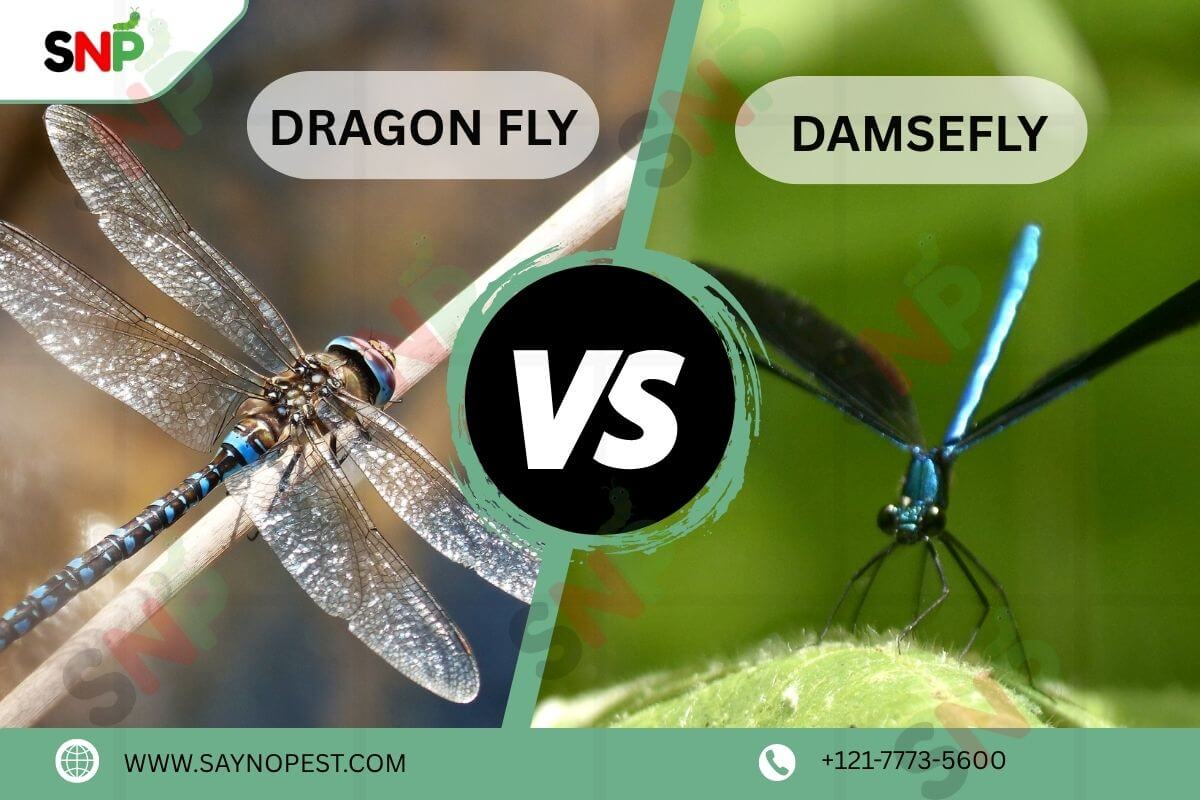
    Damselfly-vs-Dragonfly

    Comparing Damselfly vs Dragonfly

    Appearance

    Of all the factors considered in the comparison of damselfly vs dragonfly, the most remarkable one is their appearance. By nature, dragonflies are bigger and stouter and have a bulkier body and wide open wings that resemble those of an aeroplane during their resting time. Their eyes are huge and usually meet at the top of the head, thus giving them almost 360-degree vision. On the other hand, when we refer to the Damselfly, it is a different story. They are not only thin and light but also smaller, and have wings that hold over the body when at rest, and a pair of eyes that stand alone on the same level but on either side of the head of the insect. In other words, they are quite reminiscent of an aircraft that holds its wings over the body.

    Diet

    Diet-wise, both damselflies and dragonflies feed on any kind of insect aggressively, which makes them the best friends of the farmers. Their nutrition comes mainly from mosquitoes, midges, and other small insects during their growth period, as well as plenty of adult ones. The dragonfly is a great interceptor in the sky, its strong legs enable them to catch insects on the wing, while the manner of the damselfly attack is more likely to ambush from a plant stem than anything else.

    Habitat

    Most damselflies and dragonflies can found in places near clean water, which can be ponds, rivers, lakes, or marshes. While larvae or nymphs are aquatic, the water they need to live in should be clean. They prefer things to be orderly, and they do their best to keep their living spaces free from messes.

    Behavior

    Dragonfly can fly as fast as compare to other insects. Their speed is 25 miles per hour. So they are the fastest. With the help of their strong chest, they can float, zip around, and go far when required this is one of the dragonfly facts that many do not know. In contrast, damselflies fly with a slight flutter, and they usually keep close to the vegetation, sometimes even moving slower and more gracefully. Both types of insects, whose populations do the natural control of the pest situation as the water becomes of much better quality, are of great significance for the environment.

    Damselfly

    Dragonfly & Damselfly Larvae

    Understanding dragonfly & damselfly larvae is important for everyone so that they can identify them easily. Although both come into being in water, they stay alive and grow in different ways that are easily differentiat both physically and behaviorally.

    • Damselfly larvae have a lengthy and thin body, and the abdomen is armed with three leaf-like external gills. The gills are easily seen, and they not only facilitate swimming but also can be used to breathe. The nature of the damselfly larvae’s movement is very serpentine, and they are usually found attached to aquatic plants.
    • Dragonfly larvae have a longer and more muscular body, and there are internal gills present in the rectum. The aquatic larvae are capable of getting food through respiration cause by the inhalation and exhalation of water out of their hind end, and also are able to perform jet propulsion to avoid predators. The respiration of dragonfly larvae is different from damselfly larvae because they have no external gills and they usually roost in the silt or under a shelter made of debris.

    Larvae of both types are predators and they feed on other water insects, small fishes, and tadpoles, serving as a biological control agent by dwindling pest populations naturally.

    Pros and cons of damselfly vs dragonfly

    Damselfly (Zygoptera)

    Pros:

    • Dainty bodies are less likely to scare away people and be of serious character, thus making them helpful to individuals.
    • These small beings are masters when it comes to staying afloat and are often seen fluttering over plants.
    • Little flying insects show the skill of an assassin by catching and consuming them as if they were their prey.
    • Their larvae, which are leaf-clinging and have visible tails, enable them to achieve their respiratory function using gills that are outside their bodies.
    • The role of being beautiful and the promoter of nature’s wealth by filling your garden and water body with flowers can be seen in them.
    • Moderately tolerant of pollution, can survive in a variety of water conditions.

    Cons:

    • These wobbly, slow movers are easy targets for potential enemies.
    • They bring down twice as much prey as dragonflies, which a nursery crop protection entomological consultant can confirm.
    • The livelihood of the species can severely affected by the loss of their habitat and the pollution of water bodies.
    Dragonfly

    Dragonfly (Anisoptera)

    Pros:

    • Strong and agile bodies facilitate quick and nimble flight.
    • Conditions of poor visibility do not deter these skilled predators from catching prey while they are in flight, including insects of significant size.
    • This method is particularly good for controlling the number of mosquitoes without using chemicals.
    • The larvae are provided with internal gills and have a clever way of escaping their predators by means of jet propulsion.
    • They are reliable in the detection of the good health of water ecosystems.
    • A few types of these insects can survive in all kinds of water.

    Cons:

    • A few species are vulnerable to pollution and changes to their habitat.
    • Apart from rare cases when large populations cause a small interference, the species is a pure advantage.
    • The bigger the breeding and survival water bodies are, the better.

    Conclusion: Damselfly vs Dragonfly in Pest Control

    The damselfly vs dragonfly argument reveals the most effective as well as very good-looking pest killers in the world of insects. They are not only occurring in the same places at the same time, and are of the same size, but also, a distinctive shape, behaviour, and, if still in a larval form, can make the identification process of the species relatively straightforward. The question left is whether the damselfly larvae and the dragonfly larvae will still have to stay in the water to secure their ecosystem, or the adults are going to do the job of a natural pest control agent.

    For pest control businesses and environmentally friendly homeowners, both damselflies and dragonflies are beneficial as they can give you a natural pest management solution without using chemicals. By knowing the dragonfly characteristics and recognising the differences, you will become more efficient nature protectors and more actively involved in the ecosystem around your home or business.

    Thus, if you notice a sleek, hovering damselfly or a mighty, darting dragonfly next time, be reminded that both are your helpers in the long-standing struggle against pests, and both are also the miracles of the natural world.

  • Types of Bed Bugs: Not All Bed Bugs Are the Same

    Types of Bed Bugs: Not All Bed Bugs Are the Same

    Many people worry that bed bugs inhabit their homes at present. Your sleep can suffer and your skin becomes irritated from bed bugs which simultaneously generates significant mental distress in you. Homes throughout the United States battle with three different types of bed bugs species: Cimex hemipterus, Leptocimex boueti and Cimex lectularius that is the most commonly identified strain.

    The Main Types of Bed Bugs

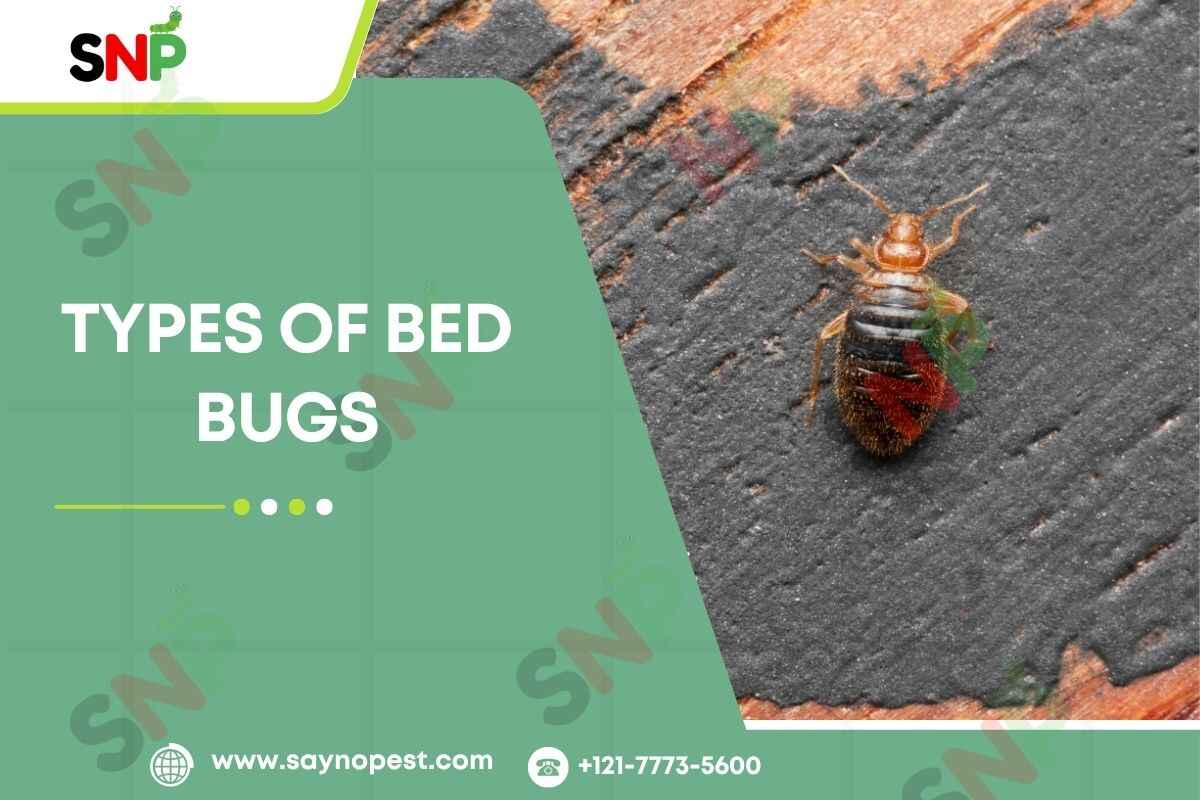
    Types-of-Bed-Bugs

    Common Bed Bug (Cimex lectularius)

    The most common types of bed bugs found in America is called Cimex lectularius. They are called the “common bed bug.” Bed Bugs live their best life in not too hot or not too cold places, which makes homes, hotels, and apartments a perfect place for them.

    The tiny body of bed bugs allows them to fit into minute openings such as mattress seams and box springs as well as headboard crevices and areas behind wallpaper. Bed bugs emerge mainly during nighttime hours for human blood feedings while people rest. Various people experience mysterious itchy red skin bites upon waking up without recognizing their night agencies. Bed bugs do not spread diseases but they create irritation as they are extremely difficult to eliminate. Regular room cleaning along with regular bed bug inspection efforts will help you maintain a bed bug–free environment.

    Tropical Bed Bug (Cimex hemipterus)

    Another type of bed bug you should know about is The tropical bed bug (Cimex hemipterus). It is also called the tropical bed bug. As the name suggests, it is found in warm, and tropical places. However, because of more people traveling in such places and due to the changes in the weather, this bug has started showing up in homes in the southern parts like Florida.

    You might feel that it looks a lot like the common bed bug. But you find it a little bigger and rounder than them. It lives in small and narrow crevices and feeds on human blood at night like other bed bugs. It conceals itself in small and narrow places around beds like other bed bugs, and it feeds on human blood during the night.

    The Bed Bug (Leptocimex boueti)

    The occurrence of bed bug (Leptocimex boueti) in American homes remains very low despite its worth knowing existence. The bed bug (Leptocimex boueti) exists mainly in West African and South American regions even though it occasionally proves present in U.S. territories adjacent to bat habitats. The Bed Bug (Leptocimex boueti) targets bat blood exclusively because it does not feed on human blood. The bug tends to feed on bats however it will bite human beings when bats are absent from the area. Due to its stretched upper body hair, this distinctive species shows close resemblance to the common bed bugs and are found in places where there are bats present.

    How Can You Tell If You Have Bed Bugs at your Place?

    How-Can-You-Tell-If-You-Have-Bed-Bugs-at-your-Place

    Finding the types of bed bugs is a task because they are great at hiding. Then, how can you tell if you have bed bugs invasion? Here are six signs that can tell if you have bed bugs:

    Bed bugs are hard to find because they are clever little insects that are excellent at hiding. Even so, you can detect them early if you know what symptoms to look for. The following six easy signs might point to the presence of bed bugs:

    • Itchy Bites: You may experience a line or tiny, red, itchy pimples on your skin. These normally appear on the arms, shoulders, or any exposed skin during sleep. The absence of bites does not mean the absence of bugs.
    • Blood Spots: Tiny blood spots on your sheets or pillows also mean you might have bed bugs at your place.
    • Dark Spots: One of the best signs that bed bugs are present is the presence of these droppings.
    • Shed Skins: Bed bugs develop pale yellow skins as they mature. They may be present in furniture cracks or inside bed mattress.
    • Eggs and Eggshells: The tiny, sticky, white eggs of bed bugs are approximately the size of a pinhead. They often appear in bed mattress seams or in hidden corners.
    • Weird Smell: If you have bed bugs at home, you might have a weird and funky smell in the room.

    Noticing even a few of these signs helps you check more closely and take action fast! To answer how can you tell if you have bed bugs, do a thorough inspection of your bed. Check all the furniture. Don’t forget to check behind house frames, under baseboards, and inside electrical outlets.

    Why Identification of all the Types of Bed Bugs Matter?

    Know the types of bed bugs that are present on your property? Lucky for you, you made it simple for the pest control professionals to provide the best solution. If you’re still wondering how can you tell if you have bed bugs, remember that professional inspection is always the solution for peace of mind.

    Types of bed bugs and how can you tell if you have bed bugs are questions every homeowner should be able to answer. Stay informed!