Blog

  • Cicada Killer Wasp: The Gentle Giant of Summer Lawns

    Cicada Killer Wasp: The Gentle Giant of Summer Lawns

    Have you ever seen a big insect with a loud buzz digging in your garden on a hot summer day? Then you are most probably looking at the Cicada Killer Wasp. They have a reputation all around America due to their size and the scary name, but these wasps are the unique agents of good that are rarely expect in the American ecosystems. So, we start the blog on a journey into the Cicada Killer Wasp’s universe where we shall meet the ones that feed the cicada killer wasps, shall delve into the life of the cicada killer wasp’s larvae, search if the cicada killer wasps are dangerous, and most importantly, learn how to get rid of the cicada killer wasps in case they decide to stay with us without our permission.

    What Do Cicada Killer Wasps Eat?

    Cicada-Killer-Wasps

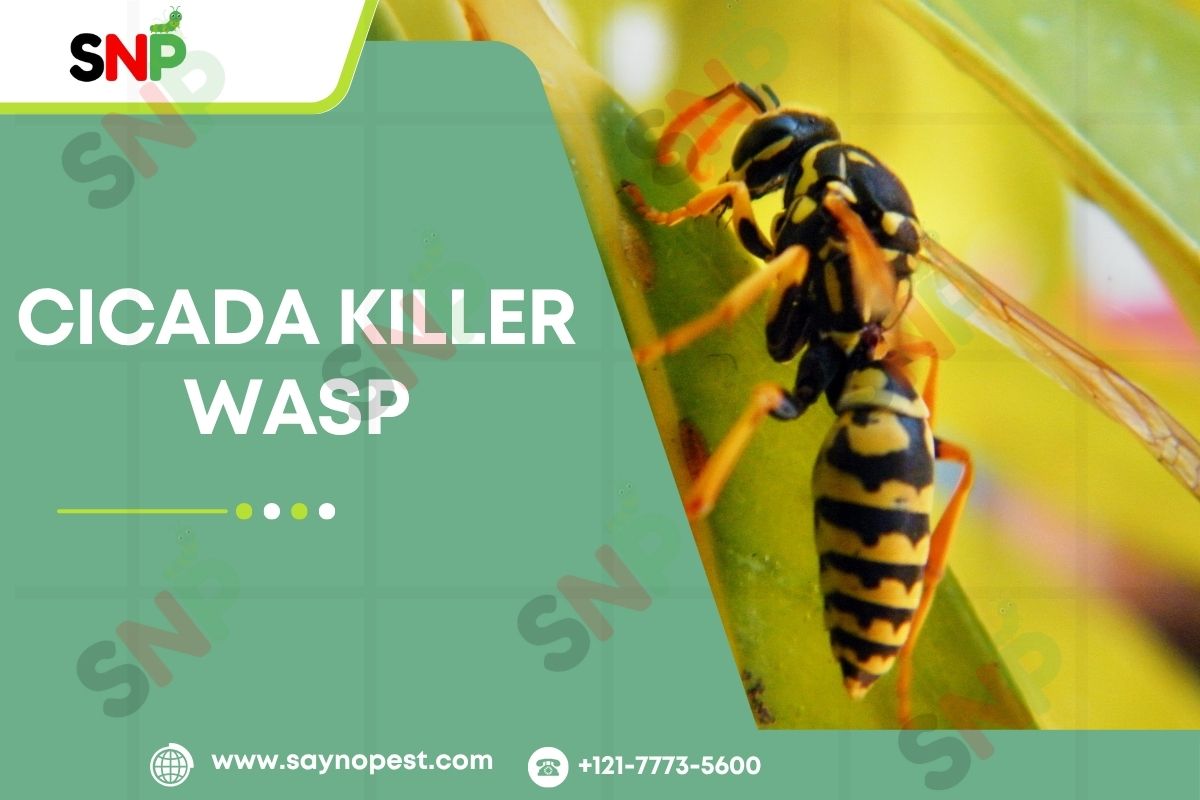
    The diet of the Cicada Killer Wasp is an extension of its name, highly nutritious food. Cicada Killer Wasps are nectar-feeders and hence often seen in bright gardens and among wildflowers. Nevertheless, they are most renowned for their fighting ability. The mother of the Cicada Killer Wasp species is a natural enemy of the cicada, and with no more than a precise stinger, the female wasp shoots and paralyzes the insect. After it is paralyze, it is carry, sometimes very far, back to the wasp’s underground home. There, it becomes the life-giving food for the new generation, thus the process is ensure that the next one will follow. So, when you rethink the question “what do cicada killer wasps eat,” bear this in mind: the adults only drink nectar, but their babies gobble up cicadas.

    Cicada Killer Wasp Larvae: Nature’s Little Predators

    The bit of the tale, that focuses on the cicada killer wasp larvae, is one of mayhem and gore. The female wasp fills her home underground with paralyzed cicadas, and then she deposits one egg per prey. After a couple of days, hatch the larvae that are going to perform the horrible, yet natural job of eating the cicada’s innards first and leaving the outside for last. The larvae get from this process of feeding their growing and developing all the nutrients they need. When the feeding is finish, the larvae produce a silk cocoon, spend the winter underground, and come out the next summer, fully grown and ready for a new run.

    Are Cicada Killer Wasps Dangerous?

    With a large size and a fierce look, a person’s first instinct might be to think that are cicada killer wasps dangerous. The answer is quite surprising. Female Cicada Killer Wasps can sting, but they are peace-loving and rarely do they sting people unless they are directly provoke or do so by mistake. On the other hand, male ones, who are very territorial and tend to be around if they see a stranger, do not have stingers; thus, they can never become a source of harm for people. The majority of encounters with these wasps have a quiet ending, as the Cicada Killer Wasp revolver is to avoid quarrels and focus on its feast instead. The wasps are no danger to the average American; however, those who are allergic to the insect stings should not take any chances when it comes to their safety.

    How to Get Rid of Cicada Killer Wasp

    How-to-Get-Rid-of-Cicada-Killer-Wasp

    Although the Cicada Killer Wasp is hardly a threat to humans, it can be of great help if used as a natural pesticide. Due to its diet of cicadas, the burrowing habits of these wasps, as they go about their business, can create plenty of mounds in the lawn and garden. Some go as far as to say that they are against the beady eyes of those who have noticed these little creatures around and want to be rid of them. The power of nature can be conjured to do just that, and several effective ways as follows:

    1. Natural Methods: Find their holes—those will be small holes requiring a coin and mounds of soil—and then, when the wasps are inside at night, pour boiling water into the holes. Place a glass bowl over the hole entrance so no one can get out.
    2. Chemical Solutions: Use drops or powder insecticide like Bifen LP and put it in the holes just before going to bed. This method will rid you of not only the ones that are alive now but also of the larvae of future ones.
    3. Professional Help: A pest control professional is recommended if the infestation is on a large scale, and the removal of the wasps should be done safely and effectively.
      Always take care when dealing with any stinging insect, and wear protective clothing during removal efforts.

    Conclusion

    The Cicada Killer Wasp is an amazing insect that usually has bad press because of its size and vivid look. But, knowledge of what do cicada killer wasps eat, the lifecycle of cicada killer wasp larvae, and the truth about are cicada killer wasps dangerous shows that this is more of a friend than a foe. These wasps keep the population of cicadas under control, and they are not usually aggressive to humans. When they are too problematic with their burrows, knowing how to get rid of cicada killer wasp will help you to deal with them effectively and safely. With a little knowledge on the significance of the Cicada Killer Wasp in our ecosystem, we can coexist with these large Docile Giants and yet have a beautiful home and garden, without pests.
  • Bald Face Hornet: Identification, Nest, Sting

    Bald Face Hornet: Identification, Nest, Sting

    You most likely encountered the bald-faced hornet if you have ever seen a large football-shaped nest hanging from a tree or the eaves of the house. These insects are certainly the ones that have been notorious with their black and white coloration and the fear of their appearance, but they are still fascinating by their nature and, to some extent, intimidating. Knowing the bald face hornet, their nests, and the danger that they can pose is necessary for anyone who lives in the United States or loves to be outdoors.

    What Is a Bald Face Hornet?

    Bald-Face-Hornet

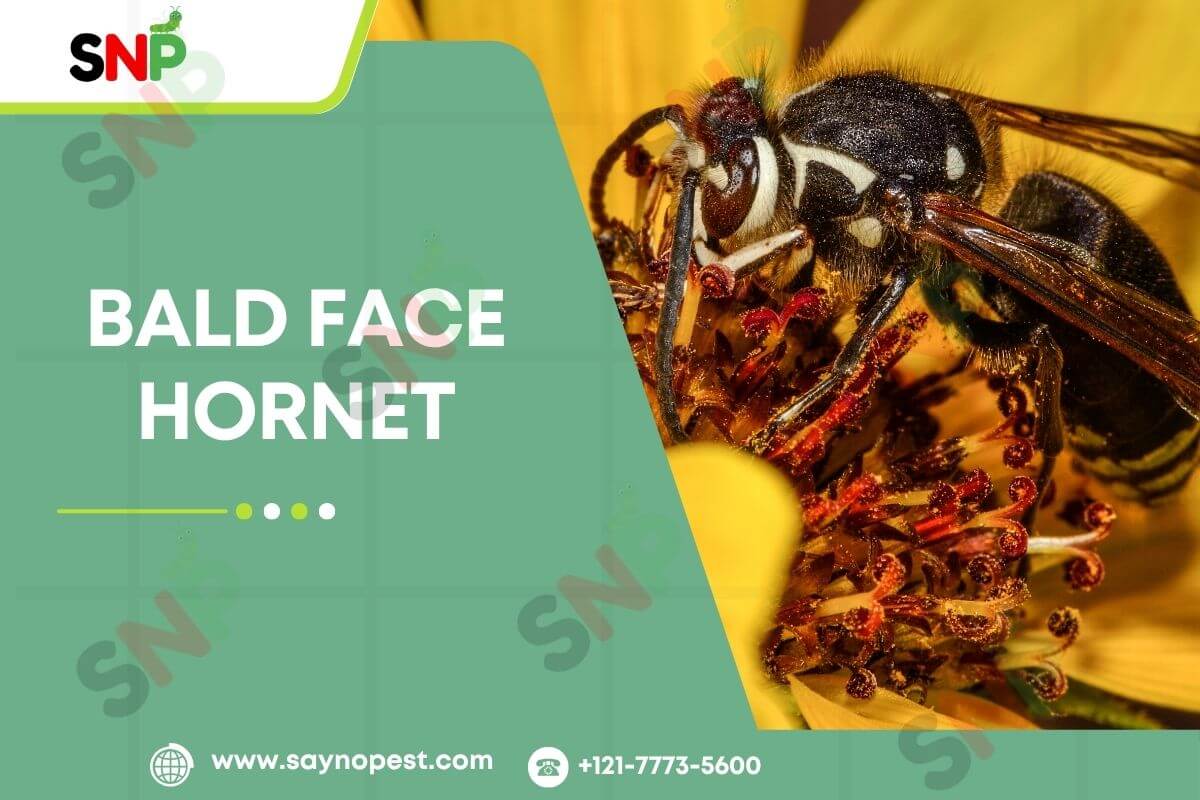
    To tell the truth, the bald face hornet is not a real hornet, but a large, black-and-white wasp that belongs to the yellowjacket family of the black and white species. Their moniker is derive from the features of the dark spots on their face and body that make them very easy to recognize. Most of the adult workers have a length of ½ to ¾ inch, while the queens are a bit bigger. These insects are highly social and, by late summer, a typical colony can have up to 400 members.

    The Bald Faced Hornet Nest: Nature’s Paper Fortress

    One most notable things about the bald-faced hornet is its nest. The bald faced hornet nest is an ingenious structure—football-shape, gray, and composed of a papery substance from chewed toilet paper pulp mixed with water and beeswax. Such nests are usually located on tree branches, under eaves, or on utility poles, sometimes as high up as 60 feet in the air.

    The bald faced hornet nest of a single hive can become the main home of hundreds throughout the season as it can reach sizes over two feet long and over one foot wide. In the core of the structure, the nest is design like a beehive, being compose of multiple layers of hexagonal cells, in which the queen lays eggs and the workers tend to the young. The season that comes to its end is when the population of the colony reaches its top, and only new queens are the ones that make it through the winter to continue in spring the new one they have started together.

    The Sting: What to Expect from a Bald Faced Hornet

    The bald face hornet is a legend for its aggressive behavior that is exhibit in defending its nests. A foolhardy person who decides to go to the nest of the hornets just to stung can certainly face their wrath. Blad Face hornet can sting many times in one interval; they are different from the honey bee. The sting of a bald face hornet is painful, and the area affected will swell, be red and itchy, and this may last as long as a day. Many times, pain remains the same at the affected area. Although there are many people who are allergic to the sting, this could be a serious problem for them.

    Are Bald Faced Hornets Dangerous?

    So, are bald faced hornets dangerous? It is so, especially when their nest is disturb or they are in a place where there is a lot of human activity. The bald faced hornet is the most active and possessive of its race, and it will fiercely protect its territory. The majority of the stings occur when an individual is near a hornet nest and remains unaware of its presence.

    Conversely, when they are away from their nest, these hornets are not normally pests and may even put to beneficial uses. The key mission of these creatures is to ensure the pest insects and other animals are keep at very minimal levels and to carry on with their mission of pollination late in the summer. Nevertheless, the danger of a painful sting of the hornet and the possible danger of acquiring allergic symptoms is enough to be on the safe side and to eliminate the nests around houses, playgrounds, or tracks.

    Finding a hornet nest on your premises is the most suitable situation that should prompt you to contact a pest control professional. A professional is more qualify and prepare to handle such a situation far better than you; moreover, trying to get rid of the nest yourself, you can get stung severely and, therefore, in more danger because the hornets will not stop attacking you.

    Conclusion

    Bald face hornet is a very conspicuous and significant insect in the American landscape. They are greatly helpful by their grand nests and by keeping the population of pests under control. Nevertheless, even though they are generally harmless, the sting of a bald face hornet, particularly in and around areas of human activity, should be enough to treat them with a modicum of respect and caution.

    In case you are asking, are bald faced hornets dangerous? The question is answer clearly; they can be, mainly when something upset the nest. To be on the safety and free of worry, it is best that you call a professional if you must eliminate a bald faced hornet nest. With a little knowledge and respect for these incredible insects, you can share the space safely and still enjoy the outdoors.

  • Keep Black Flies Away

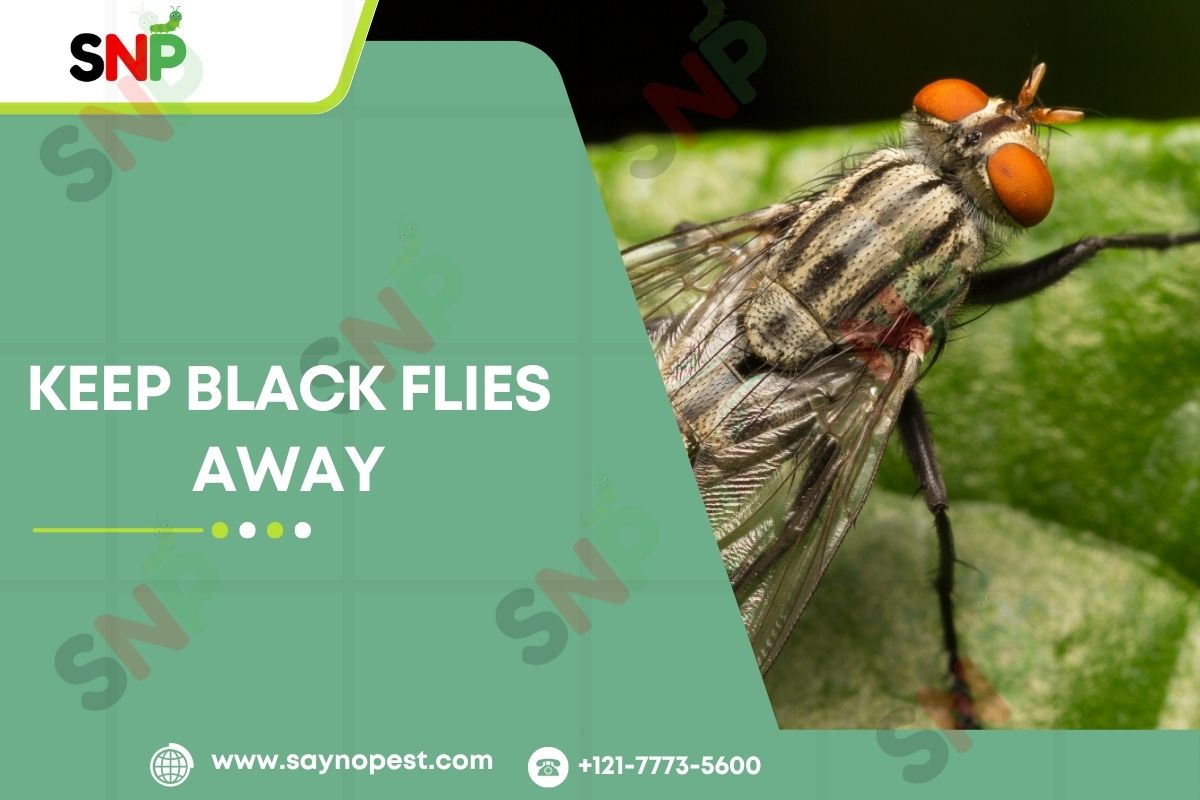
    Keep Black Flies Away

    Introduction to Black Flies

    Black flies are little black insects in places around the rivers and the streams. These pests are most active in the end of spring and the beginning of summer.

    Female black flies feed on the blood, which they use as a source of nutrition for the eggs they produce. Both humans and animals become their victims. The bites they cause and the discomfort they create are the problems to American people. Mostly those who love spending time in the nature in the flies regions suffer.

    What to Know About Black Fly Bites

    Black fly bites can be very annoying, and in some cases dangerous. The non-biting mode of black flies is far different from mosquitoes. Black flies are equipped with teeth allow them to cut the skin and feed on the blood. Most often, the bites are seen mainly near the hairline, ankles, feet, and arms – places that are difficult to completely cover with clothes.

    How do the Black Fly Bites look?

    You will see tiny red spots to big, swollen welts, and the severity of their bite is different with each individual. A few people experience minimal irritation, and on the other hand, some have swelling and itching that can stay for days or weeks.

    How-do-the-Black-Fly-Bites-look

    Black Fly Saliva: Deadly or not?

    The black flies saliva is the allergy causing element. This is the reason for the very strong itching, and also the swelling. There can be secondary infections or very bad allergic reactions if the bite area is not clean.

    Though the bites are mostly not dangerous. Black fly bites can give parallel problems to animals like causing heavy blood loss and even lead to death in the case of pets.

    These flies love carbon dioxide, body warmth, and dark clothing. This has the effect of causing some people to be more prone in comparision with others. The individuals who tend to spend most of their time outside and particularly in the woods or by the river need to be aware of the potential risks and symptoms of the black fly bites. This will aid in making them comfortable and healthy.

    Black Flies Control -Black Fly Repellent

    Black-Flies-Control

    To get rid of black flies and prevent black fly bites, it is necessary to use a combination of methods!

    1. Personal protection and environment care- It is recommended to wear not only long-sleeve shirts and pants but also head nets made of light fabric, which can be a very effective means of protection.
    2. Do not be Outdoors at peak hours- It is also advisable not to be outdoors at peak black fly hours because they are most active at that time, which is usually during cloudy days or in breezy areas. In addition to all of this, bright sunlight and wind also repels black flies.
    3. black fly repellent can be either chemical or natural.
    4. DEET formula-based repellents- These are recognized as the most efficient ones against black flies.

    You can also use Natural Black Fly Repellents like-

    1. Sprays- Use of such sprays is by no means risky if the ingredients are natural. The sprays can be also made with water and vinegar.
    2. Witch hazel- Thisis a natural product that can be used for the protection of both skin and home.
    3. These natural black fly repellents can be effective when applied not only to the skin and clothing but also to places where flies can enter, e.g., the door and the window.
    4. Apart from using repellents, also having screens on your windows and doors and getting rid of standing water near your house can also help you to further reduce black fly population.

    Conclusion

    The black flies are very common and risky pests in particular for those who put their health on the first place. Their bites may be a reason of discomfort, allergic reactions, and in rare situations even a serious health issues for both people and animals. The only way to be sure of the minimum exposure and the safest possible time outdoors is to use the best black fly repellent, to wear protective clothes, and to know their behavior well.

  • Types of Mosquitoes in the U.S: Know the Biters!

    Types of Mosquitoes in the U.S: Know the Biters!

    Did you know not all mosquitoes are the same? There are more than 3000 types of mosquitoes species. Some bite during the day, while others come out at night and each type can carry different diseases. For example, Aedes mosquitoes bite in the day time and Culex mosquitoes usually bite after dark. The good news? You can protect your family by a few simple steps-

    1. Getting rid of mosquito breeding spots around your home.
    2. Just making sure there are no standing water in buckets, pots, and coolers.
    3. Always keep your surroundings clean.

    A few simple steps can go a long way in keeping these tiny troublemakers away and your loved ones safe and healthy!

    The most common types of mosquitoes in the U.S.

    1. Aedes
    2. Culex
    3. Anopheles genera

    Aedes Mosquitoes

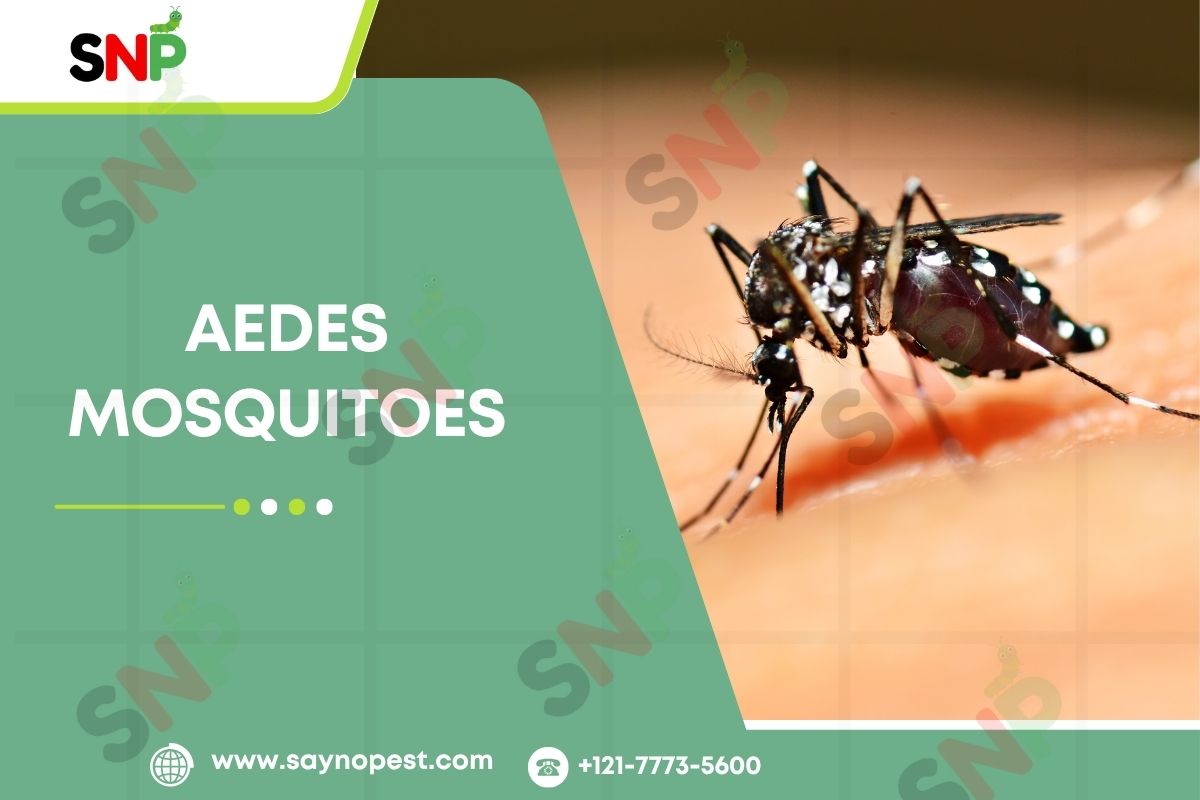
    They are known for their aggressive biting habits, Aedes mosquitoes usually bite in the daytime and have black and white markings on their legs and bodies. They reproduce in flower pots in standing water. When its eggs are exposed to rain and the right temperature, they hatch quickly which leads to increase in their population.

    The female Asian tiger mosquito bites during the day in comparison to other mosquito species but their male specie do not bite.

    Diseases Caused by the bite of Aedes Mosquitoes-

    • Zika
    • Dengue
    • Chikungunya
    • Yellow Fever
    • West Nile
    • Eastern Equine Encephalitis

    House Mosquito

    House mosquitoes belong to the Culex mosquitoes species,  and are one of the most common species found in the U.S. and usually, they emerge at night. Their color is mostly light brown with white stripes and these are attracted to dirty as well as still water.

    They mostly prefer damp places and places like drains and birdbaths.

    Each Culex female lays between 50 to 400 eggs before they complete development within a span of 10 to 14 days. Standing water locations should receive attention from humans because Culex mosquitoes along with different mosquitoes spread diseases that affect human health.

    Diseases Caused by the bite of these types of mosquitoes-

    • West Nile virus
    • St. Louis encephalitis
    • Japanese encephalitis
    • Western equine encephalitis
    • Eastern equine encephalitis
    • Lymphatic filariasis

    Anopheles ( Malaria causing Mosquito)

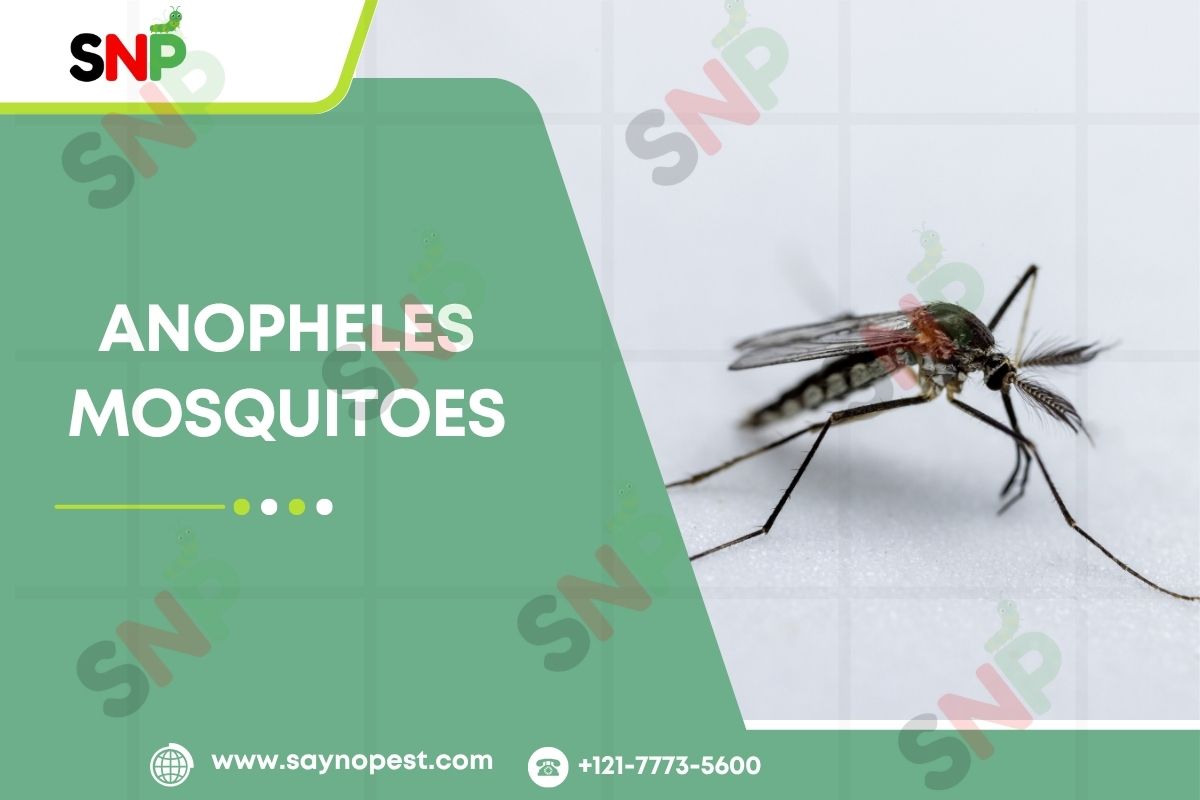
    Anopheles mosquito is a Malaria causing mosquito.  These are dark brown or black in colour. Malaria mosquito’s stomach points upward. You can find Anopheles mosquitoes almost everywhere in the world but they are not a major threat in the U.S.

    Fun Fact- Malaria mosquitoes can lay their eggs in many different places. Female anopheles have the ability to lay thousands of eggs during their entire life.

    Types-Of-Mosquitoes

    A list of Common Diseases Transmitted by Mosquitoes!

    Mosquitoes not only create nuisance but are also responsible for aggressive bites that spread mosquito-borne diseases. They can transmit deadly diseases that put your health at risk. Diseases that mosquitoes can carry include:

    • Chikungunya
    • Dengue Fever
    • Malaria
    • West Nile Virus
    • Western/Eastern Equine Encephalitis
    • Yellow Fever
    • Zika

    How Long Do Mosquitoes Live?

    The lifespan of mosquitoes depends on many factors like:

    Mosquito lifespan based on Sex-

    Male Mosquitoes: Males generally have the shortest lives, typically surviving only about 5–10 days. Their main purpose is to mate, after which they die soon after.

    Female Mosquitoes: Females live comparatively longer that is two to eight weeks under ideal conditions, and in some cases, they can even live up to two months or more. This longer lifespan allows them to lay multiple eggs and seek several blood meals throughout their lives.

    • Mosquito lifespan based on Species-
    • Aedes Mosquito live up to 20–40 days.
    • Culex Mosquito live up to 14–28 days.
    • Anopheles live up to 14–28 days.

    How to Get Rid of Mosquitoes at your property?

    How-to-Get-Rid-of-Mosquitoes-at-your-property

    The clear response to your question about removing mosquitoes centers on their detrimental effect on both health and comfort levels. These steps below help you stop diseases which mosquitoes spread:

    1. Immediately get rid of Still and Standing Water at your place – Mosquitoes lay their eggs in standing water. Hence, keep gutters and drains clean.

    3. Clean your Yard Regularly – Cut the grass and trim bushes frequently because these are the places where the mosquitoes rest.

    4. Natural Methods that can help-

    • Use outdoor fans.
    • Plant mosquito fighting plants in your backyard.
    • Make use of mosquito traps.

    5.Professional Pest Control Service- In case mosquitoes are still bothering you, it is advisable to call a pest control professional to help you with some targeted treatments.

    Conclusion

    Acquiring knowledge about typical mosquito species present in America represents a small yet beneficial method for protecting your property and your loved ones against mosquito attack and their associated health risks.

    Filthy water accumulations that attract mosquitoes must receive prompt attention because these periods provide ideal chances to stop new generation reproduction. Dependable knowledge provides reassurance to people who want to protect themselves from mosquito attacks during outdoor activities within their yards and community parks

  • Aedes mosquitoes in the U.S.

    Aedes mosquitoes in the U.S.

    The 3 types of Aedes Mosquitoes that exist in the U.S.-

    1. Aedes aegypti
    2. Aedes albopictus
    3. Aedes sollicitans
    types-of-Aedes-Mosquitoes

    Aedes aegypti

    Because Aedes aegypti mosquito causes Yellow Fever, it is commonly known as the yellow fever mosquito. This mosquito has black and white texture and targets both humans and animals during the day time.

    This mosquito has a violent behaviour and is known to transmit viruses, such as-

    •Zika

    •Dengue

    •Chikungunya

    •Yellow fever

    The eggs of Aedes aegypti mosquito have the ability to survive even in dry environment for a long-long time.

    These are also called Asian Tiger Mosquito. This mosquito shows aggressiveness in the daytime. This insect consumes blood from three different groups of hosts which include people and animals together with birds.

    Alboictus is known to transmit viruses, such as-

    • Encephalitis
    • Dengue (all four serotypes)
    • Yellow fever
    • Dog heartworm.
    • West Nile virus has also been detected in the east of U.S.

    Aedes sollicitans

    Aedes sollicitans is also called the Eastern Saltmarsh Mosquito. They have a rusty colour and banded legs. They become widespread after high tides and heavy rain and are found all year long when the weather is warm and humid. During the colder months their numbers are reduced.

    Aedes sollicitans normally bite in the early morning or late afternoon, but when disturbed during the day, females that are at rest will attack wholeheartedly.

    Females of this species can lay their eggs in different places such as-

    • Birdbaths
    • Flowerpots
    • and other similar containers.

    Common Characteristics of Aedes Mosquitoes

    Aedes mosquitoes demonstrate aggressive feeding behavior while seeking their blood meals between day-time hours. During each feeding period these mosquitoes target multiple hosts so they increase their chances to transmit diseases.

    The mosquitoes lay eggs in natural and artificial water containers such as tree holes, tires and buckets, etc. They lay eggs outside water and retains the ability to survive without water until the habitat becomes moist again.

    The complete life cycle needs around seven to ten days under conducive weather to proceed from egg to adult which promotes rapid population growth.

    The adaptive features of Aedes albopictus mosquitoes along with other Aedes species allow them to thrive in colder temperature environments.

    Aedes mosquitoes show aggressive bite habits and transmit multiple diseases due to their transmission ability which creates a major public health concern when mosquito infestations become prevalent.

    How To Protect Yourself From Their Bite

    How-To-Protect-Yourself-From-Mosquito-Bite
    • Apply repellents containing EPA registered ingredients.
    • Wear long sleeve clothes, socks and shoes to protect yourself.
    • Doors and windows at your house should be properly shut if you want to stop mosquitoes from entering.

    Life Cycle Of Aedes Mosquito

    1. Eggs Stage- The egg-laying process of female mosquitoes takes place in containers that retain water such as buckets and birdbaths alongside flowerpots and tree holes. The eggs which mosquito females place become exceptionally durable allowing them to survive in dry areas for months.

    When the eggs come in contact with water due to rain or when someone waters the plants, they hatch into larvae.

    2. Larvae Stage-Larvae live in water. These larvae look like tiny worms.They breathe via tubes at the surface and eat tiny stuff present in the water.The growth of these Larvae is fast.In about 5 days, they change into the next stage called the pupa.

    3. Pupa Stage- At this stage, the pupa stays in the water and doesnot move and it looks like curled up little commas. Before getting ready to come out, the adult mosquito spends 2-3 days maturing inside its cocoon.

    4. Adult Mosquito- At this stage, the mosquito comes out of the water and starts to fly! Adult females go looking for blood so they can lay more eggs. Male mosquitoes don’t bite, they feed on honeydrew and plant nectar.

    After obtaining blood through feeding, the female mosquito lays eggs before starting a new cycle.

    Total Time:

    From egg to adult can take as little as 7–10 days if the weather is warm and conditions are right. That’s why these mosquitoes multiply so quickly!

    Conclusion

    The aedes mosquito is an issue in the U.S. Therefore, knowing their appearance, understanding their life cycle, is important to get rid of them is an important step for your and your family’s safety.

  • Anopheles Mosquitoes: Identification and Control

    Anopheles Mosquitoes: Identification and Control

    Anopheles mosquitoes are the one’s that spread malaria. Hence, this is an important mosquito species to know about.

    If you want to avoid mosquito bites and protect your space-

    • Know what Anopheles mosquitoes look like!
    • Understand when and how they are most active!
    • And learn simple steps to control or reduce their numbers!

    Not a pest control expert?, donot worry! Just knowing a bit about these mosquitoes can go a long way in keeping yourself and your family safe.

    This blog will help you understand anopheles malaria mosquito patterns in depth, covering their appearance, habits, what they eat, the life cycle of anopheles mosquito, and practical tips for how to get rid of anopheles mosquito.

    A Few Facts About Anopheles Mosquitoes-

    • Anopheles mosquitoes do not just cause malaria but are also responsible for causing other diseases like encephalitis, and more.They are easy to identify.
    • They lay their eggs in clean, and still water.
    • These mosquitoes are highly flexible.
    • Only female anopheles mosquitoes bite, and after a blood meal, they can lay hundreds of eggs in their lifetime.

    What do Anopheles Mosquitoes Look Like-(Appearance, Color, and Size)

    What-do-Anopheles-Mosquitoes-Look-Like

    Anopheles mosquitoes are easy to spot. They are medium-sized and usually light brown in color. One thing that makes them stand out is their wings. They’re fully covered in brown scales and often have four dark spots. Anopheles wings don’t have shiny copper-colored tips.

    1. Female Anopheles mosquitoes- These are about 5 mm long, which is about the length of a grain of rice. Their wings are just about the same size.
    2. Male Anopheles mosquitoes- They are a little bigger, around 5.5 mm, and they have big, fluffy antennae that look like tiny feathers — that’s how you can tell them apart.

    Spot The Anopheles Mosquito via its Posture!

    Anopheles mosquitoes reveal themselves through their angled position while resting. Anopheles mosquitoes hold different body positions than other mosquitoes because they elevate their bodies instead of resting flat.

    Do Anopheles Mosquitoes Bite?

    Only the female Anopheles mosquito bites. Female Anopheles malaria mosquitoes need a blood meal to lay eggs. They bite during the night. However, males of this species do not bite. They consume plant juices and nectar. Although both sexes get their energy from plant nectar, only females have the unique mouthparts required to bite human or animal skin and obtain blood.

    Anopheles mosquito larvae obtain their sustenance from the organic substances together with algae and microorganisms that exist in their aquatic birth habitat. Pupal form consumes no food since it exists in a period of suspension which leads to adult metamorphosis.

    Life Cycle of Anopheles Mosquito

    Anopheles mosquito is a Malaria causing mosquito.  These are dark brown or black in colour. Malaria mosquito’s stomach points upward. You can find Anopheles mosquitoes almost everywhere in the world but they are not a major threat in the U.S.

    Fun Fact- Malaria mosquitoes can lay their eggs in many different places. Female anopheles have the ability to lay thousands of eggs during their entire life.

    The life cycle of anopheles mosquito

    1. Stage 1 (Egg): Females lay 50–200 eggs each time on a moist surface. The eggs float and hatch within 2–3 days in warm conditions.
    2. Stage 2 (Larva): Larvae live in water, floating parallel to the surface, and feed on organic particles. They shed four times before turning into pupae.
    3. Stage 3 (Pupa): Pupae remain in water but do not feed. After a few days, the adult mosquito appears.
    4. Stage 4 (Adult): Adults mate soon after emerging. Females take blood meals to produce eggs, while males feed on nectar.
    5. The life cycle of anopheles mosquito can take around 9 to 20 days. It depends on the weather.

    How to Get Rid of Anopheles Mosquito-

    1. Immediately get rid of Still and Standing Water at your place – Mosquitoes lay their eggs in standing water. Hence, keep gutters and drains clean.

    3. Clean your Yard Regularly – Cut the grass and trim bushes frequently because these are the places where the mosquitoes rest.

    4. Natural Methods that can help-

    • Use outdoor fans.
    • Plant mosquito fighting plants in your backyard.
    • Make use of mosquito traps.

    5.Professional Pest Control Service- In case mosquitoes are still bothering you, it is advisable to call a pest control professional to help you with some targeted treatments.

    Final thoughts

    The malaria causing mosquito is a pest and public health concern in the U.S. Therefore, knowing their appearance, understanding their habits, and knowing how to get rid of them is an important step for your own health and safety.

  • Digger Wasp: Everything You Need to Know About Them

    Digger Wasp: Everything You Need to Know About Them

    If you have seen burrows in your yard or have noticed large, brightly colored wasps flying over the bare ground, then chances are that you have the problem of the digger wasp. These interesting creatures are native to the U.S. and hence are frequently seen. Yet they also can be the diabolic icons of the familiar and similar in appearance, unknown flying insects, so a high level of friendship between man and nature is often a problem, such is the case in the initial stages of this blog. But that will be explored as we discuss their dangerous potentials, the introduction of the marvelous great golden digger wasps, and then we will provide practical tips on how to get rid of digger wasps when the situation becomes unbearable.

    What Is a Digger Wasp?

    The digger wasp is a one-entity community insect that is notable for its ability to make holes in the ground covered with loose sand. Only a single female digger wasp generates a small offshoot from the main nest, in full contrast with those social wasps that live in colonies. She scratches a shaft, fabricates the rooms for the young, and fills them with the paralyzed animals, which thus become their food. They are diurnal and hence their most frequent sightings are in the sunniest months from midsummer to early fall, especially in places with sparse vegetation.

    Digger-Wasp

    Are Digger Wasps Dangerous?

    One of the most popular questions asked by people who live in houses goes like this: “Are digger wasps dangerous?” The felicitous news is that the digger wasp is not meant at all by nature to be a danger to humans or domestic animals. Only females carry stingers and will use them only if they are caught, and thus try to free themselves or accidentally push them too hard. Besides, males do not have any stingers at all. The female’s main function of the sting is to paralyze the prey for the offspring and not to defend the nest or attack people.

    Generally, digger wasps are usually very mild-manner and not at all aggressive. They will hardly sting people and the presence of these insects in your garden will have a beneficial effect since they will become natural enemies of pest insects. Alternatively, they can cause the landscaping to disturbed or unsightly mounds to appear in the lawns and gardens as a result of their burrowing.

    Meet the Great Golden Digger Wasps

    Among the multiple species of digger wasps, the great golden digger wasps (Sphex ichneumoneus) are the ones that come to mind first due to their nice coloring and good nature. Great golden digger wasps are best in by their bright orange, black, and gold color and their fairly big size, often about half an inch long. Their size and color contrast make them very visible and hence, more recognizable from a distance.

    Great golden digger wasps are the perfect team of one. A single female wasp begins by excavating several nests in the sandy soil, each of which is to serve as a chamber in which she will feed her larvae. These chambers are each fill with immobilize insects, usually crickets which the larvae are make to feed on. Although they are of such large size and their colors are so bright, provided you do not annoy them they will not attack you. Only if they are directly threaten will they aggressive. Apart from humans, natural pest controllers are their only target; therefore, their green role makes them garden-friendly.

    How to Get Rid of Digger Wasps

    How-to-Get-Rid-of-Digger-Wasps

    On the other hand, digger wasps play a positive role in nature but in case their digs are too many and they create a mess or the situation gets out of control, it might be necessary to find out how to get rid of digger wasps. Here are some ways to get rid of them:

    1. Eliminate Nesting Sites: Digger wasps like dry, sandy, or loose soil with little vegetation. Keeping your lawn dense, healthy, and moist will make your yard less attractive to these insects.
    2. Mechanical Control: Frequently water and reseed bare patches of the lawn. Mulch flowerbeds and garden areas to discourage nesting.
    3. Insecticidal Solutions: If you want immediate results, besides the nest entrances, direct application of wasp spray can also done at night when the wasps are less active. Make sure to always adhere to the application instructions and take into account employing a professional if the problem is large.
    4. Professional Help: In case of large infestations or if competent in pesticide handling, a pest control company with a license can do it safely and also give you prevention advice for the future.

    You must weigh up the ecological benefits of the digger wasps before you decide to get rid of them. But sometime a large number of wasp may create a lot of irritation.

    Conclusion

    Digger wasp is a great insect that plays a very important role in the ecosystem with regard to pest control and aeration of soil. Despite the annoying effect of their burrowing activity, they do not harm humans and barely sting unless provoked. Species of the great golden digger wasps are especially worth mentioning regarding their beauty and non-aggressive nature. Their presence may become problematic, in which case, the proper guidance on how to get rid of digger wasps can ensure you keep a nice-looking yard that is also safe. With a little knowledge and appreciation of these amazing animals, you will be able to make informed choices that will help your property and the environment too. To Know more about these wasp visit our website saynopest.com and get the interesting info about them

  • Blue Winged Wasp: America’s Beneficial Backyard Ally

    Blue Winged Wasp: America’s Beneficial Backyard Ally

    If an insect with blue-black, shiny wings and a reddish, hairy belly that was flying low was notice over a lawn or garden, the insect is a blue winged wasp. The wasp. This type of wasp is the major pollinator of several plant species in North America. A blue winged wasp may appear scary, but they are not only interesting but also super good to the American landscapes. Here are all the things you should know about the blue wasp – its habitat, behavior, and the answer to the question: are blue wing wasps dangerous?

    What is the Blue Winged Wasp?

    Blue-Winged-Wasp

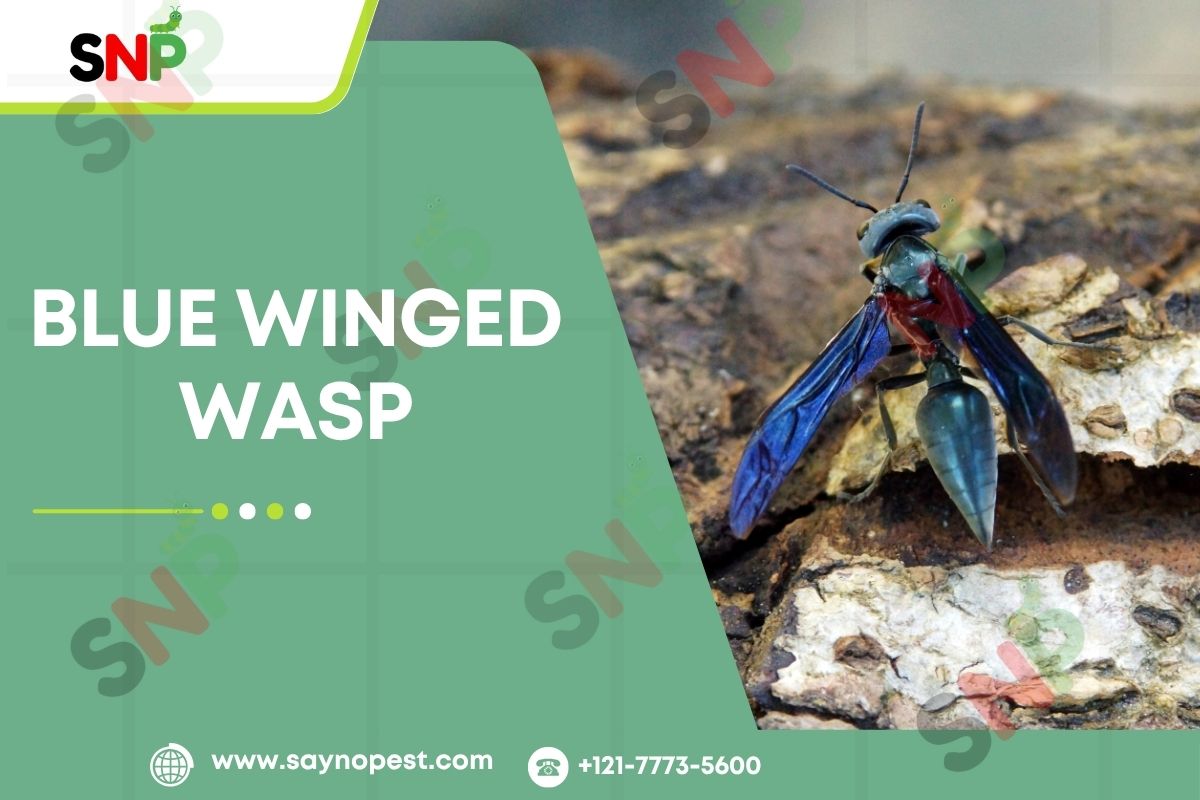
    The blue wasp is a sturdy loner who is widely distribute throughout the United States. Its range extends from New England to Florida and westward to California, with its southernmost range going into northern Mexico Besides their deep blue, iridescent wings and a rusty-red abdomen with two yellow spots, they also have reddish-yellow bands on their legs and antenna One of the great things about their color is that if the light is just right, their wing color can look like it changes, which makes them very eye-catching and memorable when seen in a garden or a meadow.

    Blue Winged Wasp Habitat

    The blue winged wasp is visible in most open places like meadows, gardens, lawns, and parks in the United States. They thrive in temperate regions and are mostly active in summer seasons, particularly between July and September. Nevertheless, blue winged wasps will specifically be friendlier in areas such as parks, gardens, and outdoor restaurants, where they will be more in numbers, owing to the availability of many flowers and sources of food. These wasps prefer loose well well-drained soils, and this is ideal as the females dig in the soil in quest of their food, which are wood boring beetle larvae, and this turns out to be their primary source of protein to undergo the reproductive cycle. Therefore, they become perfect indicators of a natural and healthy environment as their role goes to both pollinators and natural pest invaders.

    Are Blue Winged Wasps Dangerous?

    Among the most common questions that arise from homeowners and gardeners is the one about the blue wing wasps is that are Blue Winged Wasps Dangerous . The answer is that no, blue winged wasps are not aggressive. They have got the ability to sting, which is, however, these wasps are very focuse on their hunting for beetle grubs and generally ignore humans unless they are provoke. Males, in fact, are not able to sting at all, while females will only sting if they are treat roughly or if they are directly threaten. The forest creatures are therefore perfectly safe for people and animals, provide they left undisturb

    Blue Winged Wasp Sting: What to Expect

    The possibility of blue winged wasp sting certainly exists; however, it is incredibly rare. In case a sting happens, it is usually no more than a minor one, and it is less painful than that of many other wasp species. Most people will only have localised pain and swelling, which is comparable to a bee sting in the affected area. If someone is not allergic to it, only the usual basic and easy first aid is need. The fact that the blue winged wasp will only use a sting as a last resort should kept in mind. Hence, if we give them their space, the possibility of the problem is greatly reduce.

    Blue-Winged-Wasp-Sting

    Ecological Benefits and Pest Control

    Undoubtedly, the most remarkable characteristic of the blue winged wasp is its role in biological pest control. Female wasps get rid of the root of the problem, that is, the beetle larvae, especially the green June beetle and Japanese beetle. The wasp digs into the earth to reach the grub, stings it to make it unconscious, and then lays an egg on it. As the wasp larva is developing, it will eat the grub, which in turn depletes the population of the pest beetle that causes damage to the lawn and the garden. Wasps also benefit themselves by feeding on nectar, thus they become great pollinators for a variety of plants.

    Conclusion

    To conclude, the blue winged wasp is a beautiful and helpful insect to the American yards and landscapes. Although these wasps can sting, they are not aggressive and do not present much threat to humans or pets. They are a real value to any person who wants to have a healthy and beautiful yard because of their role in regulating the population of beetles and pollinating flowers. Next time, when you see a blue wing wasp buzzing around your lawn, you can look back and think, they are earning their keep, making your garden beautiful and free of pests.

    Inviting the blue winged wasp to your yard is a clever, earth-friendly method of pest control- one that is not only friendly to the environment but to your experience in the great American outdoors as well.

  • House Centipedes: The Ultimate Guide

    House Centipedes: The Ultimate Guide

    If you ever came across a creature that is very fast and many-legged running across your bathroom floor, then you have probably seen a house centipedes. These odd arthropods are the fauna that is typical of human habitats all over the United States, and therefore, their appearance may frighten you, but a lecture about them can make you decide whether you want to set them free or get rid of them.

    What Are House Centipedes?

    They are small, quick, and slender in shape, with slender legs. Legs and antennae taken separately can be up to four inches in length, when we take the length of the body parts. The adults are of a yellowish-grey colour, with three dark stripes on their bodies, and with 15 pairs of striped legs, so that in the general aspect they are perhaps rather more than halfway between the familiar and the alien. The centipedes are night creatures; hence, in the daytime they usually hide in damp and dark places, such as basements, bathrooms and closets. One night, they go out hunting.

    House-Centipedes

    How Long Do House Centipedes Live?

    The life of these pest is one of the best facts about this pest. And were you to ask how long do house centipedes live, the reply would be that they live longer than one would think possible with such a small creature. House centipedes are known to live for seven years, but on average, they live about three years. The process of their growth can be compared to going from having just 4 pairs and gradually adding more legs with each stage until they reach the adult stage. This longer lifespan makes their presence in your house like a pest-free shield that can last for a time span of multiple years.

    Are House Centipedes Poisonous?

    Many People may ask this question, ‘Are house centipedes poisonous?’ The answer is not straightforward. They are venomous, but not poisonous. They have fangs with venom, which they use to eliminate the prey, that is, spiders, ants, cockroaches, and other pests from the house. The poison, however, is not sufficient to cause harm to humans or animals. A bite is an extremely rare occurrence because they are known to very shy and try to avoid humans. If the case of a bite happens (very unlikely), it will just be similar to a mosquito bite and may mildly irritated, reddened, or swollen. On the contrary, many pest experts even regard these pest as good because the latter is the former’s prey in a food chain.

    How to Get Rid of House Centipedes

    How-to-Get-Rid-of-House-Centipedes

    Sure, house centipedes are harmless, but you could get the idea that they are there just by the mere fact of their being. If you are after a solution to the problem of the existence of house centipedes, a variety of non-toxic methods may come to your aid:

    1. Reduce Moisture: One of the most interesting things about them is that they prefer moist places. Use dehumidifiers in basements and bathrooms to avoid the house centipedes.
    2. Seal Entry Points: Shut cracks and holes that are near windows, doors, and foundations so that house centipedes cannot get in.
    3. Eliminate Food Sources: Use pest repellents to avoid other pests. This may help you to remove these pest also. Pests can ridded of by traps, sprays, and diatomaceous earth.
    4. Vacuum Regularly: Use a vacuum cleaner with strong suction to suck them out of the cracks and corners. Put the vacuum bag or contents outside so that the pests won’t come back in.
    5. Clean Drains: Use vinegar and bleach solutions in the drains of bathrooms and kitchens to get rid of house centipedes, as they work best on them.
    6. Outdoor Maintenance: Outdoor Maintenance: In addition to removing dry leaves and decorative plants, it is also advisable to remove wet ones, such as grass and leaves, in the places surrounding your house, to make your home less attractive to pests.

    When house centipedes continue to appear in huge numbers in your home, then you may have a larger issue with pests and so you may need to seek the assistance of a professional pest control service.

    Conclusion

    In American houses, house centipedes are a familiar place, particularly in regions with high humidity. Keep in mind that kindly remember that when answering the question of how long do house centipedes live, they can be your silent friends to up to seven years, keeping other pests under control. You may ask yourself, Are house centipedes poisonous Be assured that their venom is not dangerous to people or other animals. In case they become a nuisance, easy measures such as decreasing moisture, caulking entry sites, and removing their food source can help you to eliminate them naturally and effectively.

    So you decide to live with these useful predators or would rather not have them in your home, and knowledge about house centipedes will help you to make the right choice regarding your family. To the homeowners who want to get professional assistance, there are numerous pest control companies that will provide you with safe and effective solutions to your particular problem.

  • Paper Wasp: Everything You Need to Know

    Paper Wasp: Everything You Need to Know

    Paper wasp are the most common species around homes in the United States, which people mostly encounter while they are gardening or doing outdoor housework. Those insects that have a reputation for their nests and play a positive role in the control of garden pests are also the myrmecophilous that can be betrayers, especially when those nests are in close range of human activities. This blog will cover the questions of whether paper wasps are aggressive, the lifespan of a paper wasp, and how to get rid of paper wasps, among other topics. It would be very helpful indeed if you need trustworthy and practical information.

    What is a Paper Wasp?

    The word paper wasp comes from the paper-like material these wasp uses for their nests. Since paper wasps make nests that can found under the roof edge, at the top of porches, and on trees, their nest design is like an open umbrella shape. Most paper wasps have long legs, skinny waists, and are long and thin.

    Paper-Wasp

    Are Paper Wasps Aggressive?

    One of the typical questions that a property owner will ask is, Are paper wasps aggressive? The reply to this is complicated. These insects are calm by nature and do not want to sting anyone or anything. But if someone disrupts their nest unfairly or provokes them, then these insects will use their stings in defense. If the paper wasps and the bees were two sides of the same coin, then certainly they would be different because bees can sting only once, however, paper wasps can do it several times, which means they can be more dangerous if they are disturbed. Their stings are quite painful and may also bring out allergic reactions among those who are sensitive to them. So, it is always a good idea to be careful near their nests.

    One thing we should keep in minds is that paper wasps may be aggressive, but they generally only become a danger if their nests are physically disturbed. In all other cases, they are quite calm and even good, because they allow the garden to be free of pests.

    Lifespan of Paper Wasp

    The lifespan of paper wasp can be significant if you need to get rid of a nest of wasps or you are just a curious person. The lifespan of a paper wasp depends on the role they have in the colony.

    1. Queens: The queen of a colony is the one that lives the longest, normally, she is around one year old. She lives through the winter in safe places and starts a new colony in spring.
    2. Workers: The worker paper wasps are alive for several months (generally, from spring to late summer or early fall).
    3. Males (Drones): Male paper wasps are the shortest cool life, existing for just a few weeks or to month. Their main function is to join with new queens.

    Natural conditions, enemies of wasps, and humans may still give a lifespan to the paper wasp location a change.

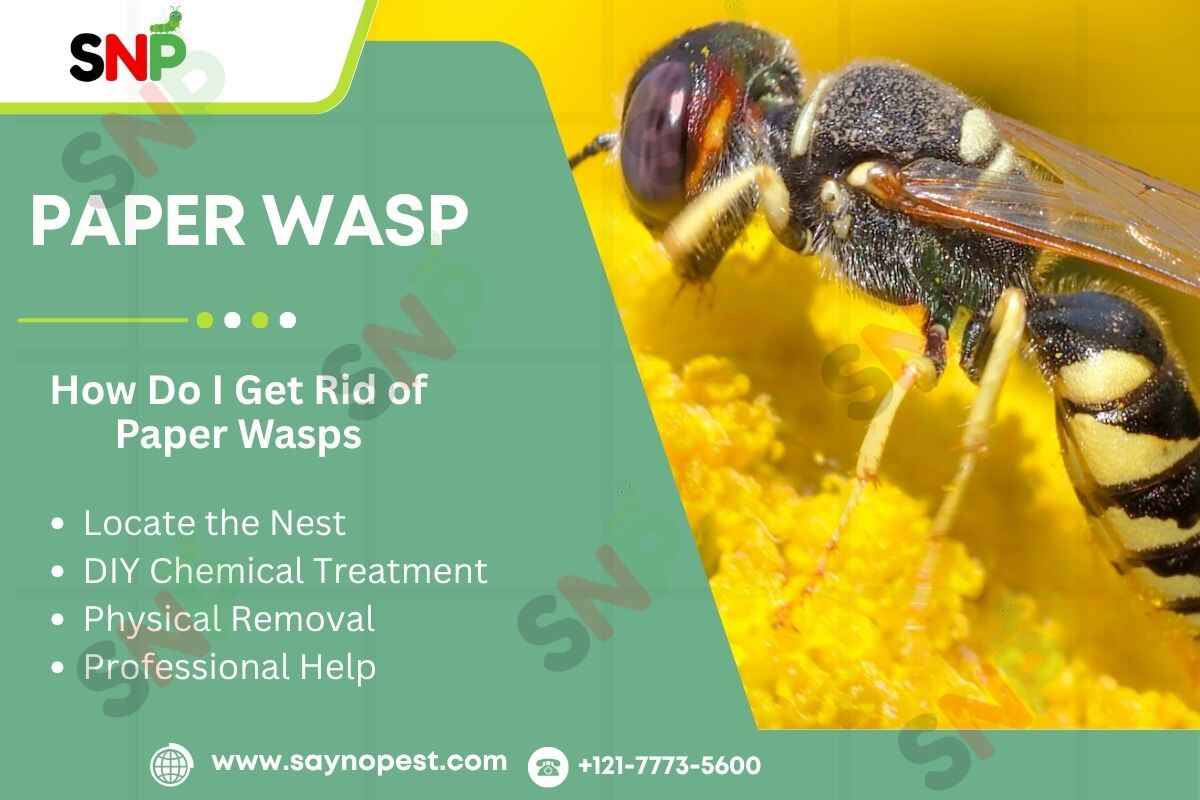
    How Do I Get Rid of Paper Wasps?

    How-Do-I-Get-Rid-of-Paper-Wasps

    You might ask How do I get rid of paper wasps, Here are some good ideas.

    1. Locate the Nest: First thing to do is to identify the nest. The usual places are under the eaves or in a protected outdoor area.
    2. DIY Chemical Treatment: In general, the wasp sprays can work. Spray wasp nests directly, preferably at night, as wasps are not very active at that time. Make sure that you follow all safety rules, focus on the queen to break the colony’s life cycle.
    3. Physical Removal: If the nest is dead or you have completed the treatment, you can pick it up safely with a broom or pole. Use of clothing and gloves is a must.
    4. Professional Help: You should contact professionals if you don’t know what wasp it is and the nest is either hard to reach or rather large. They will handle the removal of the nests safely and quickly since they are trained and equip for the job.

    Conclusion

    Paper wasps are interesting insects that assist in reducing the number of plant pests. Even though many people wonder if paper wasps are aggressive, they are usually not unless someone troubles them. Members of the colony have different lifespans, where queens live for as long as a year, workers and males for less than that. When you notice paper wasps, make sure to deal with them early, check their identity, and use safe ways to get rid of them. If you have a continuous or widespread problem, get the help of experts. When you learn about paper wasp, you can protect your home as well as appreciate their positive contributions to nature