Blog

  • Emerald Ash Borer: A Growing Threat to America’s Ash Trees

    Emerald Ash Borer: A Growing Threat to America’s Ash Trees

    The emerald ash borer is an aggressive beetle that can cause heavy damage to the ash trees in the United States. Ever since the invasion, this pest has not only caused ecological but also economic loss in large amounts, and hence, quite crucial that individuals and the community are in a position to identify, control, and avoid the infestation. Here, in this blog, we will discuss the emerald ash borer look alikes, the life of the emerald ash borer, the extent of emerald ash borer damage, and some natural and efficient ways for control. If you have an emerald ash borer problem in your garden you have to understand what they are and how a pest control company can help you in the best way.

    What is the Emerald Ash Borer?

    Emerald-Ash-Borer

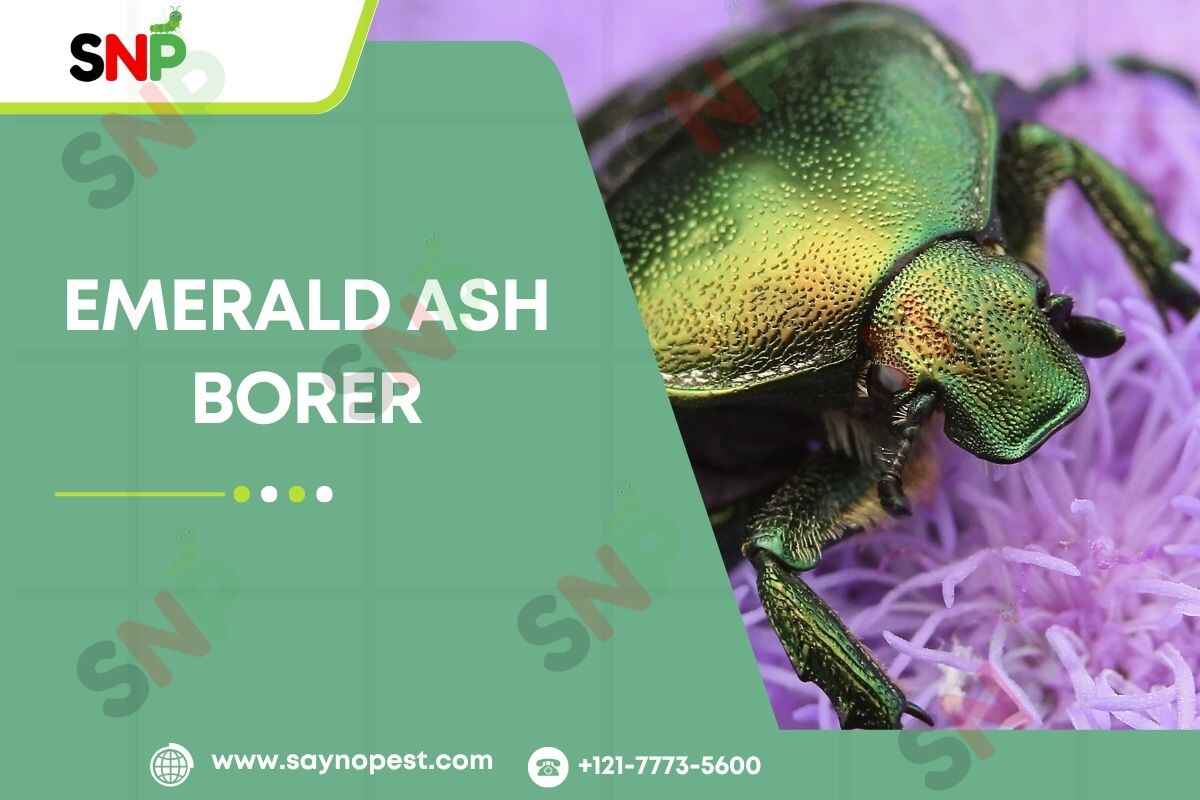
    The emerald ash borer is a green colour beetle. It has the primary mission of killing ash trees. This insect lays eggs in the ash trees. When the larvae hatch, they go into the bark, and thus, the tree’s ability to carry water and food will affect. This invasive insect was first spotted in North America in 2002, and later it has reached 37 states, after which it has killed ash trees only. The detection of the beetle at an early stage is not an easy job, as the initial damage caused by the beetle to the tree is not visible until the tree becomes weak and starts dying.

    Emerald Ash Borer Look Alikes

    Correct identification is very important because of the fact that the native beetles have a similarity with the emerald ash borer in their appearance. There are two typical cases of the emerald ash borer look alikes:

    • Six-spotted tiger beetle (Cicindela sexguttata): This insect is a shiny green color as well, but is a bit bigger and has spotty patterns of white on the sides of the wings.
    • Bronze birch borer (Agrilus anxius): In carcass and size, this insect is more bronze than green color and its main food is birch trees instead of ash.

    It is very important to be able to differentiate the emerald ash borer from the fakes in order to be able to report accurately and manage the situation effectively.

    Life Cycle of the Emerald Ash Borer

    Climate and tree health being other parameters, the lifecycle of them covers one to two years, and here is the sequence of events:

    1. Adult Emergence: Those who remain in the stage of adults come out of the infested trees during late spring. They also get D-shaped exit holes.
    2. Mating and Egg Laying: The first step is a whole week of feeding on ash leaves, then the adults decide to mate with one another. The females deposit 40-70 eggs into bark crevices.
    3. Larval Stage: Eggs hatch in weeks. As these larvae feed and bore their winding galleries through the inner bark and the cambium. It is the most destructive phase, as the life of the tree will block.
    4. Overwintering and Pupation: Larvae stand the winter season under the bark. With the arrival of spring, they become adults, thus allowing the cycle to continue.

    Knowing the life cycle of the emerald ash borer is the main thing for conducting the measures of control during the most efficient period.

    Emerald Ash Borer Damage

    The range of emerald ash borer damage is quite beyond belief. The larvae disrupt the flow of water and nutrients, which in turn causes:

    • Cown dieback: Dead branches, especially near the top of the tree.
    • Epicormic shoots: Overgrowth of sprouting on the trunk and big branches.
    • Bark splits and S-shaped galleries: Going under the bark, these are signs of infestation; they are uncover by the bark.

    Increased woodpecker activity: Birds feed on larvae by stripping off bark to get there, they may also be the ones that reveal the infestation.

    Beetle

    How to Get Rid of Emerald Ash Borer Naturally

    If you want to understand how to get rid of the emerald ash borer naturally, by following natural ways. Understand these pointers and practice them:

    • Sticky Traps: Wrap several sticky traps, which are brightly color, around the lower part of the tree, as this will efficiently catch the beetles going up.
    • Neem Oil: Wash the contaminated zones with a mixture of neem oil. The oil of neem is a natural insecticide that kills larvae by asphyxiation and also keeps adults away from the place.
    • Biological Control: Provide undesired insects such as parasitic wasps, which attack the emerald ash borer larvae and thus bring down the population of the pest.
    • Tree Wrapping: Sticky tape or special wraps can be wrapped around the trunks as a barrier, thus preventing bugs from laying eggs there.
    • Insecticidal Soap and Garlic Spray: These natural sprays are also very helpful as they can be directly introduced on the bark and foliage, and they act as a repellent, or their kill is instant on any beetle coming in contact with them.
    • Remove Severely Infested Trees: If the tree is going to die anyway, it is better to take it out now so that the infection is kept limited and does not spread to the nearby healthy trees.

    If these methods are applied in combination, it will be easier to tackle the infestation and at the same time, the damage caused by the pest will be at minimum and no harm will be done to the ecosystem it resides in.

    Conclusion

    The green beetle is still the most destructive invasive species in the United States of America. It is the reason that ash species all over the country are disappearing at an alarming rate. If you go step by step, first be able to differentiate between the green borer and its mimics, understand the life stages of our pest, find the symptoms of borer’s damage, and then last but not least use natural control methods, you will be be able to protect your community and the trees. It is very important to act early, keep an eye on your ash trees, and if the problem has become too severe for you, get a professional for assistance.

    You must always be vigilant, and if you opt for the correct strategies, employing them will be possible to shield your lawn from the attacks of the green ash borer and grant the beauty of the trees the preservation and prestige from the flower of America, the ash trees to go on. To now more about the bettle visit our website SAYNOPEST and get the interesting information.
  • California Argentine Ants: Friend or Foe?

    California Argentine Ants: Friend or Foe?

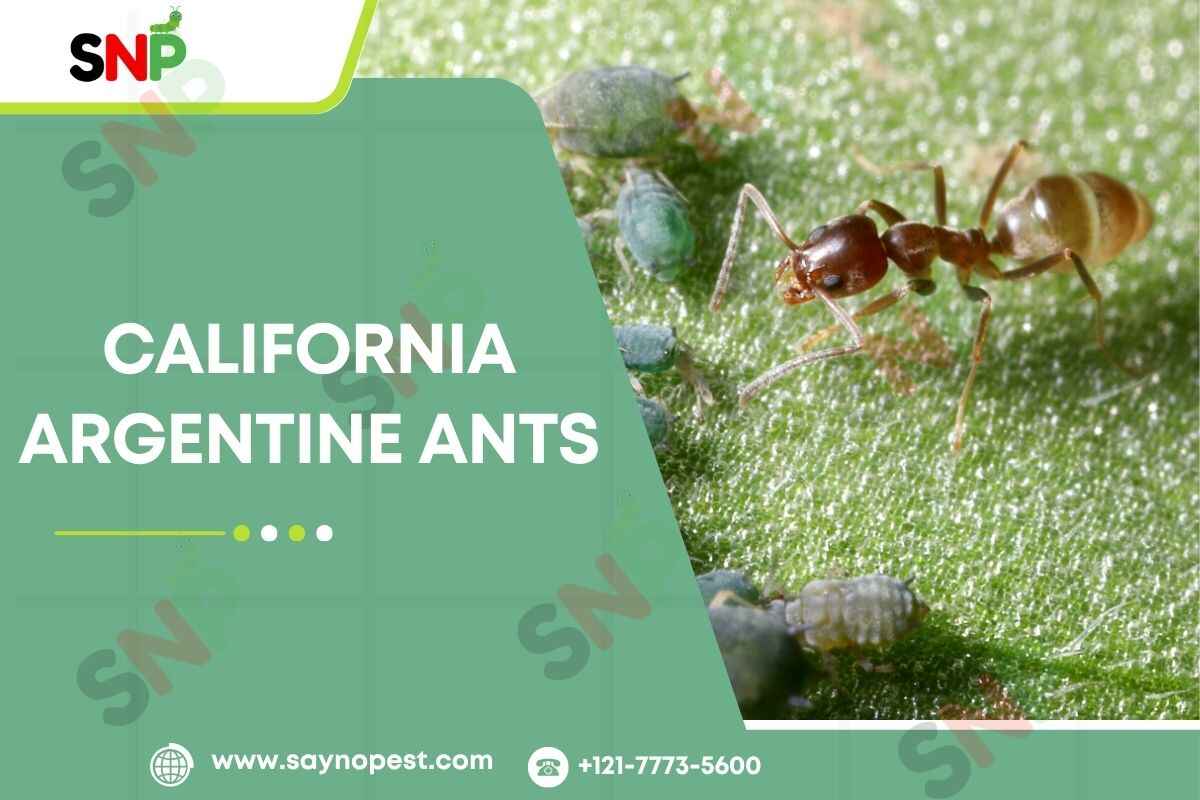
    California argentine ants originally come from South America. These ants have become an issue for residents not only in the state but in the entire United States as well. They are small and dark-brown and their ability to survive in different habitats makes them one of the most invasive species of the region.

    Do they Sting?

    People often ask whether ants of the species ‘california Argentine ants’ sting or not!

    These are non-stinging ants. Hence, they are different from other ant species. They might attempt to bite you if you bother them, but their bites rarely cause a reaction.

    The size of their mandibles is so small that even the most sensitive human skin will not get damaged, so do not expect any painful stings from the California Argentine Ants.

    Their aggressive nature is directed only at other insects, so you hardly ever need to worry about them biting.

    Tips to Argentine Ant Control

    These ants are like cockroaches in their nature, they are extremely difficult to get rid of and they reproduce in a quickly. Below are the tips to prevent argentine ants:

    1. Seal Entry Points: Seal all cracks, gaps, and places that can be around the windows, doors, etc. This is not only a safe way to keep your home warm and save energy but also to stop the invasion of the insects into your house.
    2. Eliminate Food Sources:
    • Put food into containers that cannot be penetrated by air and clean any spills on the spot.
    • Regularly cleaning of the countertops, mopping the floor, and emptying the trash can, will help to remove any smell that may be there to attract the california argentine ants.

    3. Remove Water Sources: Make sure that there is good drainage around your house. These  ants find moisture and water to invade your house.

    Use Ant Baits: Set ant baits along the ant trails. Baits work better than sprays!

    4. Avoid Spraying Trails: Use the baits as well as non-repellent insecticides for long-term results.

    5. Maintain Cleanliness: Dispose off yard debris and the maintain cleanliness of the yard and give no place for ants to hide.

    6. Professional Help: It would be more effective to call a professional pest control who knows well about this issue.

    Stick to these steps and you will be able to significantly contribute to your ant control and your home will remain a safe place for you and your family.

    Fire Ants vs Argentine Ants

    It is very important to be knowledgeable of the features in fire ants vs argentine ants when managing pests. They are quite different from each other in aspects of the behavior and hazardousness to humans.

    • Appearance: California argentine ants are small. Fire ants are bigger. But Both of them are red-brown in color.
    • Stings: Fire ants sting and bite ruthlessly, due to this they are considered more aggressive. On the other hand, California argentine ants do not sting and they barely bite.
    • Habitat: Argentine ants prefer damp areas. Fire ants prefer bright unshaded places and construct big mounds in lawns and fields.
    • Colony: Argentine ant colony includes several queens and thus they can reproduce very fast. Fire ants generally have a single queen or few queen colonies, but they are more aggressive and are not very friendly with their neighbors.
    • Diet: California argentine ants prefer sweet food, however, fire ants have an omnivorous diet and they eat both plants and animals.

    When it comes to fire ants vs argentine ants, homeowners must keep in mind that the california argentine ants are only a nuisance, but fire ants are more dangerous to health because of their painful stings.

    Conclusion

    Although Argentine Ants do not sting, but their existence creates problem hence there is a need for the control of the argentine ants. You can protect your home and family from these invasive pests by understanding these pests and implementing the most effective control methods.

  • Mountain Pine Beetle: A Threat to America’s Forests

    Mountain Pine Beetle: A Threat to America’s Forests

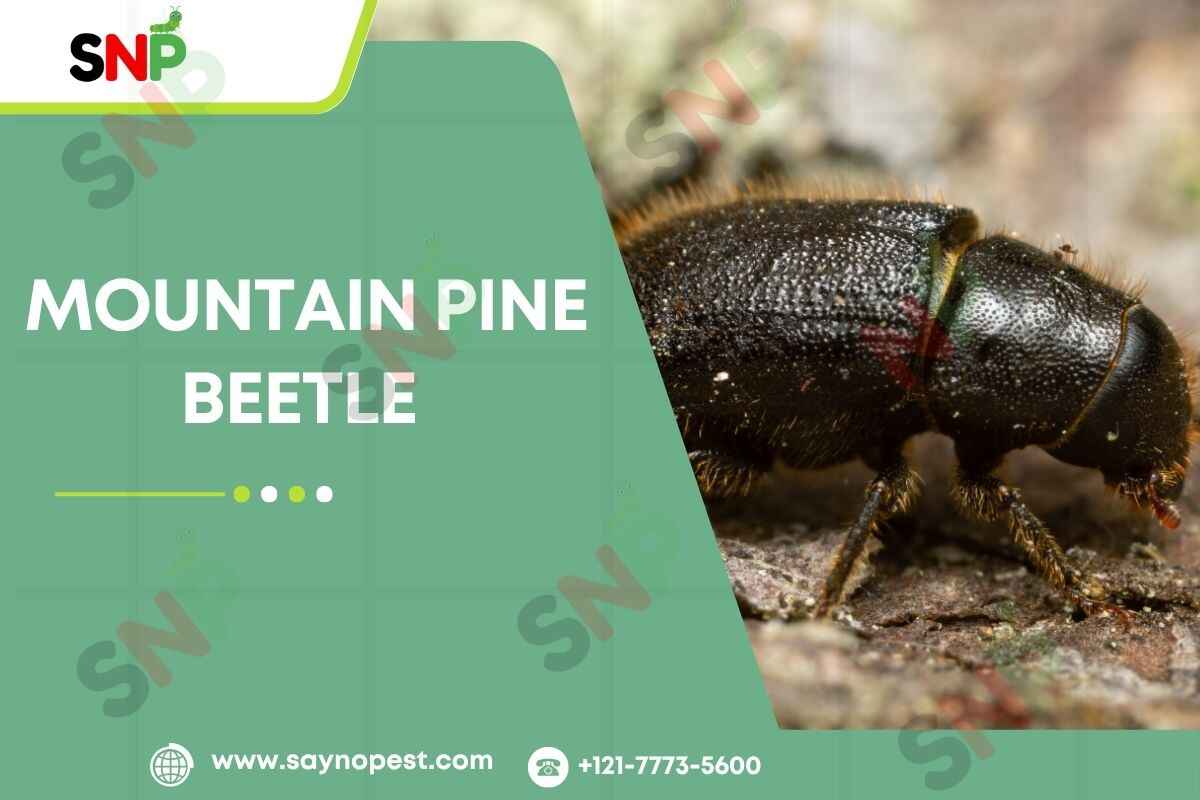
    The mountain pine beetle is an insect with a tiny body but a destructive nature that has significantly affected the ecology of pine forests in the United States. It is a beast characterize by its capacity to wipe out entire forests, and the beetle is therefore a very large problem if it is not control. The affected people include those who have their homes within the forests or to whom these forests are of interest, and those who are managing the land. In this article, we will investigate the mountain pine beetle appearance, the function of pine beetle larvae, ways of detecting an infestation, and, most importantly, measures and strategies on how to efficiently remove the mountain pine beetles.

    What Does a Pine Beetle Look Like?

    Mountain-Pine-Beetle

    This beetle is refer to as mountain pine beetle and is a small pest. The beetles, when adult, are usually black to reddish-brow in color and are smooth. Their body structure is cylindrical. They are small in size, but their impact is very large. These beetles are normally found on pine tree bark, particularly when they are flying, mainly in summer. They are small, which is why it is hard to detect them at an early stage, yet the possibility of detecting them must viewed as a prerequisite for controlling the invasion of beetles.

    Pine Beetle Larvae: The Hidden Destroyers

    The stages of the life of a beetle that are the most conspicuous and best known are those of the adult beetles, but it is the pine beetle larvae that cause the most harm. The female beetle first digs into the wood of the tree and then lays eggs inside. Once this is done, the larvae arise, which seem to legless worms with brown heads. These larvae mainly stay on the backs of the tree and feed on the phloem of the tree, which is the part of the plant that sends water and nourishment all over the tree.

    The larvae that burrow and feed along the way are the prime reason the tree dies even after being attack because they limit the tree to absorb nutrients at its heart of the matter. This phase of larval growth extends even during winters; hence, when the tree is already infest, it is extremely hard to retaliate.

    Signs of Beetle Infestation

    Finding a beetle problem in your trees early is very important. If not done, the trees will lost. The following are the common signs

    1. Pitch Tubes: The tree makes a defense response to the attack if you see on the bark small yellow or red sticky substances (resin blobs) that are the same color as the tree.
    2. Boring Dust: The reddish-brown sawdust, which is fine in texture, sticks to the crevices of the bark and the base of the tree.
    3. Egg Galleries: If you see along the bark that there are several long, straight tunnels filled with frass (boring dust and insect droppings), then be sure that the pine beetle is out and about.
    4. Fading Needles: The needles of a tree, if infested, are usually yellow, red, or brown in the process of the tree’s death.
    5. Blue-Stain Fungus: The beetle brings a blue-stain fungus with them. These Fungus Discolors the wood and also impair the tree’s ability to transport water even more.

    If you spot the symptoms mentioned above, then you can be sure that there is a beetle invasion and take the best possible action

    How to Get Rid of Pine Beetles

    How-to-Get-Rid-of-Pine-Beetles

    In dealing with how to get rid of pine beetles, one has to consider a range of measures that include prevention and treatment:

    Remove Infested Trees

    Quickly felling and taking away infected trees is the most indispensable part of stopping the outbreak of the mountain pine beetle among the healthy ones.

    Solar Treatments

    The infested trees, which are cut down, can be stack in the sun and then covered with plastic for small stands. This solarization method can increase temperatures beneath the bark, which leads to both adult beetles and pine beetle larvae.

    Chemical Treatments

    Insecticide sprays that serve as protectors of high-value trees can be preventive. They should used prior to the invasion and commencement of their attack by the beetles, which normally occurs during late spring or at the beginning of summer. The most effective ones are products that have bifenthrin, carbaryl, or permethrin. However, they can only used when the infestation has not happen and when they used before the beetle infestation taking place

    Trap Trees

    As a method of controlling populations, sometimes, healthy trees are cut and left for the beetles to come. The removal of the infested trees after the beetle invasion has the effect of reducing the local beetle population.

    Contact Pest Control

    The application of these chemicals and the removal of the trees can be a complex task, and thus, it is the best option for professionals who are trained to do it most efficiently and also to keep the environmental impact at a minimum, to carry out the work.

    On the other hand, a tree that is already heavily infest cannot save. The role of dealing has to changed to a more defensive one, which means protecting the trees near and preventing further beetle infestation.

    Conclusion

    Mountain pine beetle is consider one of the most common harmful factors for forests and parks in America. By knowing what a pine bug and pine beetle larvae look like, what the signs of a pine beetle infestation are, and how you get rid of the pine beetles, you will be able to save your trees if you are a tree lover. The best way to deal with them is to prevent and spot them early on- after the beetle has taken over, hardly any options will left. Protecting your property with vigilance and quick reaction can be a way for you to contribute to the health of America’s forests.

    If you are not sure but it is possible you may have a beetle infestation, or you need tips on pine beetle removal, you should not refuse to get in touch with a pest control service that is a specialist in forest pests. Take care of your trees now, and they will continue to beautify and add value to your landscape for a long time.

  • Asian Longhorned Beetle: A Threat to American Trees

    Asian Longhorned Beetle: A Threat to American Trees

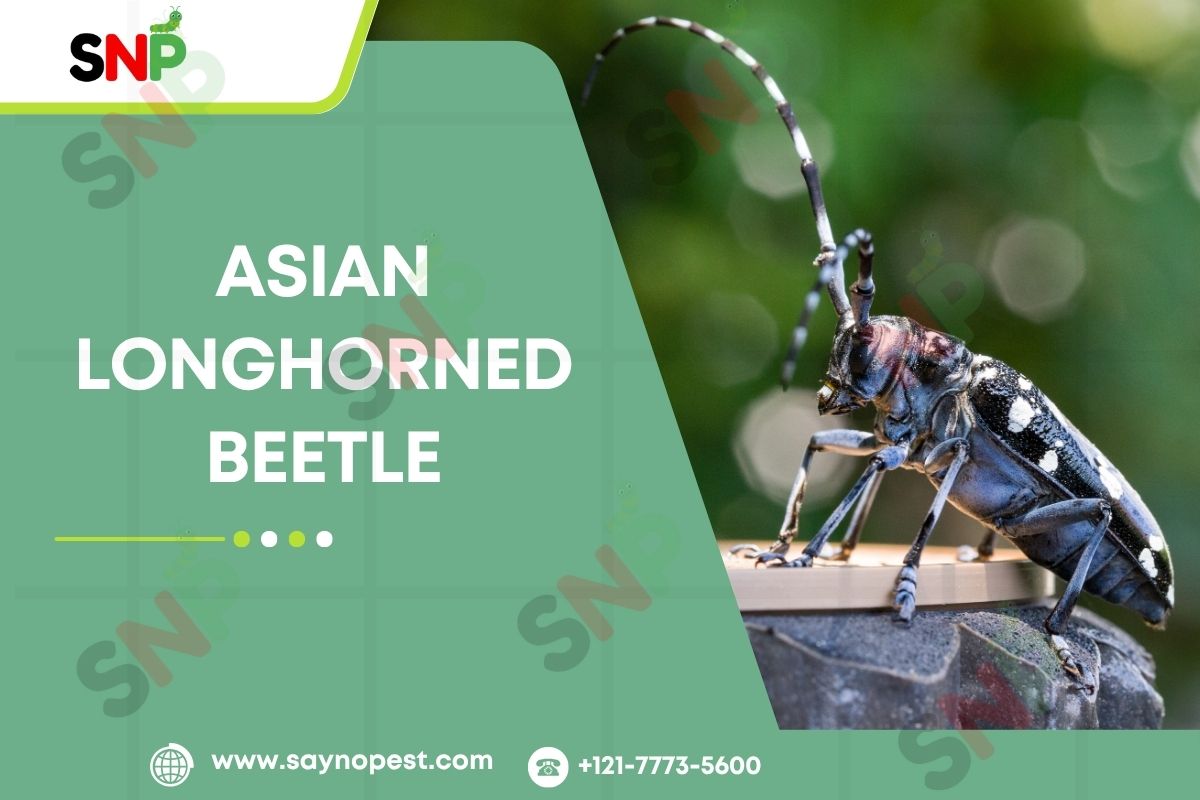
    Unmistakably beautiful but deadly, the Asian longhorned beetle became the talk of the town among arborists and homeowners in the U.S. over its unintentional destruction of hardwood trees. Known for their shiny black body with white spots and very long bands of antennae, these beetles are no longer just interesting to look at; they are the major pests in the fight against American hardwoods and urban forests. This article aims to give a picture of who the Asian beetle is, identify the Asian longhorned beetle larvae, show the similarities and differences between the these and other look a like species, and finally clear up any doubts caused by the question, ‘Does the Asian longhorned beetle bite?’

    What Are Asian Longhorned Beetles?

    The Asian longhorned beetle is a foreign pest that is mainly found in wood-boring beetles in East Asia, mainly China, Korea, and Japan. They also found in North America. It is a major problem since the pest has done a lot of damage to various types of hardwood trees. Adult beetles measure 20 to 35 millimeters in length, and are very conspicuous owing to their jet-black bodies, white spots, and also by their funny antennae, which are sometimes even twice as long as the bodies. The incursion of them in the United States has resulted in the death of millions of trees and has forced the government to initiate several measures.

    Asian-Longhorned-Beetle

    Moreover, the life cycle of the insect is reliant on its host trees. Females make small holes in the bark to lay their eggs, and multiple eggs can laid by one female. Those eggs will develop into grubs that start the most harmful stage of the beetle’s life.

    Asian Longhorned Beetle Larvae: The Hidden Destroyers

    The Asian longhorned beetle larvae are the very characteristics behind the disaster trigger by this insect. The larvae have a color of cream or yellow, and they can become 50 millimeters (approximately 2 inches) in length. Once born, the Asian longhorned beetle larvae burrow deeply into the wood, gorging on the tree’s inner tissues. Growing thus, they make a wide network of the tree’s tissues wherein they run and at last, kill the tree.

    The growth of the Asian longhorned beetle larvae is a process involving many steps, or instars, and it can take from one to two years depending on the weather. Through this period, the larvae spend the winter inside the tree; thus, detection and control become hard. Besides, the infestation of the insect can be identify by sawdust-like frass near the tree base, oval exit holes, and oozing sap. If you spot these signs, likely, the Asian longhorned beetle larvae are there.

    Asian Longhorn Beetle Look Alike

    Several native beetles and insects can be mistaken for the Asian longhorned , thus making it imperative to have an accurate identification in order to able to carry out efficient pest management. Some common Asian longhorn beetle look alike species that are known to are the whitespot sawyer, northeastern sawyer, eyed click beetle, and brown prionid. While these insects may share similar size, coloration, or long antennae, there are key differences:

    • The Asian longhorned is sheeny black in color with a few white marks and antennae that are stripe in black and white.
    • The white spotted sawyer, a widespread Asian longhorn beetle look alike, is much drabber in color, with a white scutellum (the small space between the base of the wings), and lacks the beetle template spots.
    • In addition to these, other Asian longhorn beetle look-alike species exist, such as the eyed click beetle or brown prionid, which cannot confused with the body shape, color, and markings on the antennae.

    In addition to that, upon getting a sight of the Asian longhorned, one has to quite particular whilst viewing it up close to avoid mixing it up with other beetles that look alike, particularly if it is believed that the region has been infested by pests.

    Asian Longhorned Beetle Bite

    Asian-Longhorned-Beetle-Bite

    The number of individuals speculating whether the Asian longhorned has the ability to bite them is very high. Although these beetles bite and their jaws are strong, an Asian longhorned beetle bite is not deem dangerous to humans in any form. They are very docile and may only bite when they are mishandle or when they perceive danger. Nevertheless, the bite of an Asian longhorned beetle may confused with a sting or some small spot of pain, where the localized pain tends to vanish after the first day or two. There is no poison involve , and the ‘Asian longhorned beetle bite‘ doesn’t become a considerable medical problem except in the case of an allergic reaction.

    Conclusion

    The Asian longhorned is a very harmful pest that is able to destroy the health. Its larvae, lurking far inside the wood, can work undetected and fatally injure even those trees that are in perfect health. It is very important to differentiate the Asian longhorned from the Asian longhorn beetle look-alike species through some features for being able to detect the act early and take measures to keep it under control. Even though the chance of getting an Asian longhorned beetle bite is very limit, the role of this pest in the havoc caused both ecologically and economically is still massive.

    If, in case, you think that the these has invaded your home or spot signs of its presence or its larvae, immediately seek assistance from pest control professionals in your locality. A rapid response is the only way it can guarantee that the area will not be infest further, and also be at a position of saving the trees to the future generation. Make sure you are aware and take action in preventing the Asian longhorned beetle menace in our woods.

  • Army Ant Bites Are No Joke: Here’s How to Treat Them

    Army Ant Bites Are No Joke: Here’s How to Treat Them

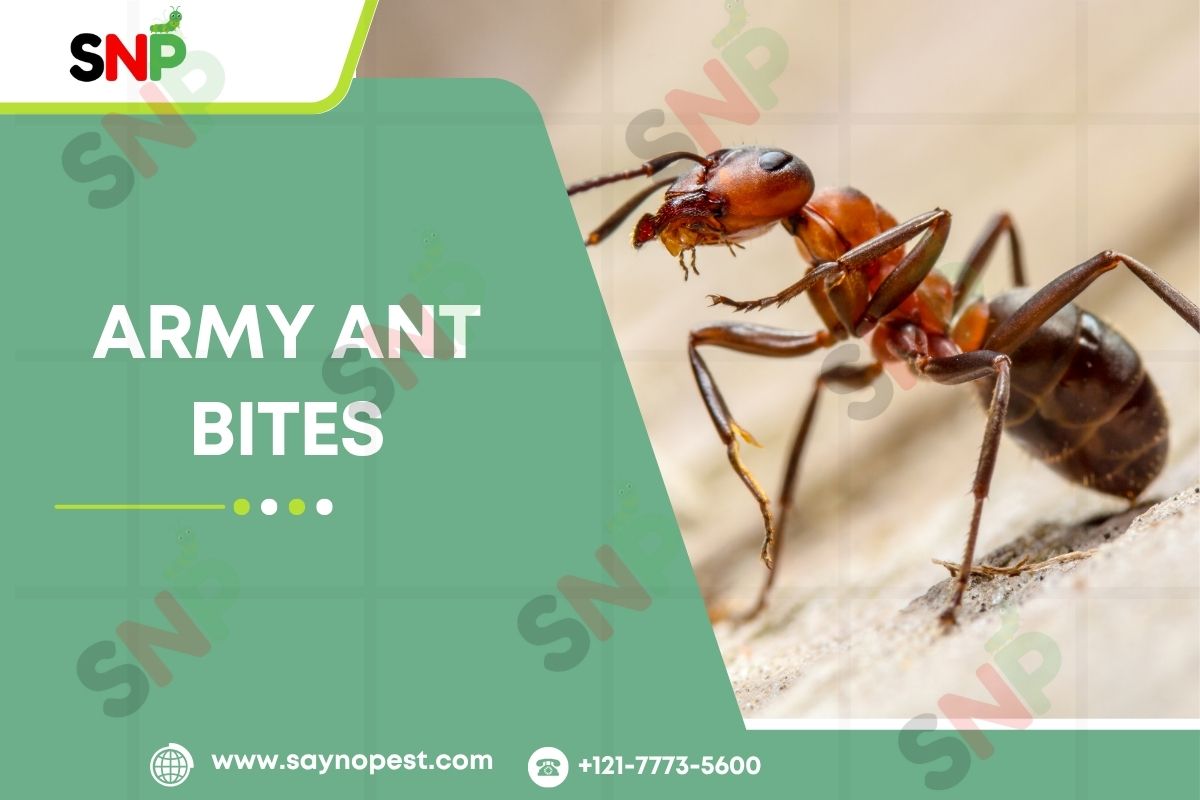
    Army ants are infamous for their never-ending eating, and if you happen to bother them, they can bite you many times. After facing army ant bites, people usually look for the most suitable remedies to get rid of them. Therefore, they need to be updated with information about the symptoms of the bite and be able to act immediately.

    Army Ant Size

    There is a big difference between the ant and the queen depending on which part of the colony the individual ant performs his/her duties. Therefore there is variance in their sizes after class and specialization. Most worker ants are roughly 0.25 inch in size while major army ants that are also called soldiers can be 0.5 inch long at the most. The army ant size is quite amazing, especially if taking into account they have great jaws and strong muscles. The colors can vary from dark brown or black bodies to orange heads and legs. Better knowledge about the pest, i.e., knowing the difficulty of the pest, employing the proper control measures for eradicating them. This will only be done after you understand the army ant size. The queen who is the biggest can also change her size to be able to relocate the colony.

    How Painful Are Army Ant Bites?

    How-Painful-Are-Army-Ant-Bites
    • Most individuals that are bitten by these ants and army ant bites cause them severe discomfort.
    • How painful are army ant bites is a question that depends on the the pain experienced and the symptoms of swelling and itching. If a person was bitten by many ants at a single time, the pain caused by the bites of the army ants can be very difficult to bear.
    • Different people react differently, some end up with allergic symptoms. This not only increase the discomfort but also require that they go to the doctor immediately for treatment.
    • In extremely rare situations, the swelling caused by the bites of the army ants can be still there after a number of days. Due to this, the part may become so sensitive that even a small movement is difficult.  But most people say that the pain is quite high and unforgettable.

    Tips for Army Ant Bites Treatment

    • Do not forget that immediate attention is necessary.
    • First, clean the bitten area with soap and water. You can get rid of any dirt and it reduces the chance of infection.
    • An ice massage makes it possible to diminish the swelling and numb the affected area thus, getting a fast relief from the bites of the army ants.
    • You should not scratch the bite as in doing so it may become infected.
    • For those who wonder how painful are army ant bites, it is important to know that apart from the mentioned remedies, there are a few more that can also reduce the irritation.
    • Aloe vera.
    • Baking soda paste.
    • or diluted tea tree oil.
    • If you see that there is excessive swelling, presence of an infection, or if you experience allergic symptoms such as breathlessness or swelling of the face, do seek medical help immediately.
    • Usually, managing the army ant bites at home is okay, but be cautious if the symptoms get worse. You may be able to treat arm ant bites at your place. Being careful with the measures is important.

    Conclusion

    Army ant bites, aggressive behavior and the fact that they can give you very painful bites make it necessary to be aware of army ant size, understand how painful are their bites, and have ready treatments that actually work. Be aware, be ready, and keep safety as the first priority while dealing with these powerful pests with SayNoPest.

  • The Lone Star Tick

    The Lone Star Tick

    The lone star tick is an extremely aggressive insect that is generally found in the woods and grassy areas. Additionally, this tick is not only passively but actively looking for hosts, it makes no difference whether they are humans or pets and as such, it is going to be the most wanted.

    The lone star tick can give you a few diseases that include-

    1. Ehrliciosis
    2. Tularemia
    3. Heartland virus
    4. STARI
    5. Its bite is also mentioned to be one of the causes of alpha-gal syndrome, which is a kind of meat allergy that in some cases can lead to very severe symptoms.

    What does a lone star tick look like

    What-Does-a-Lone-Star-Tick-Look-Like

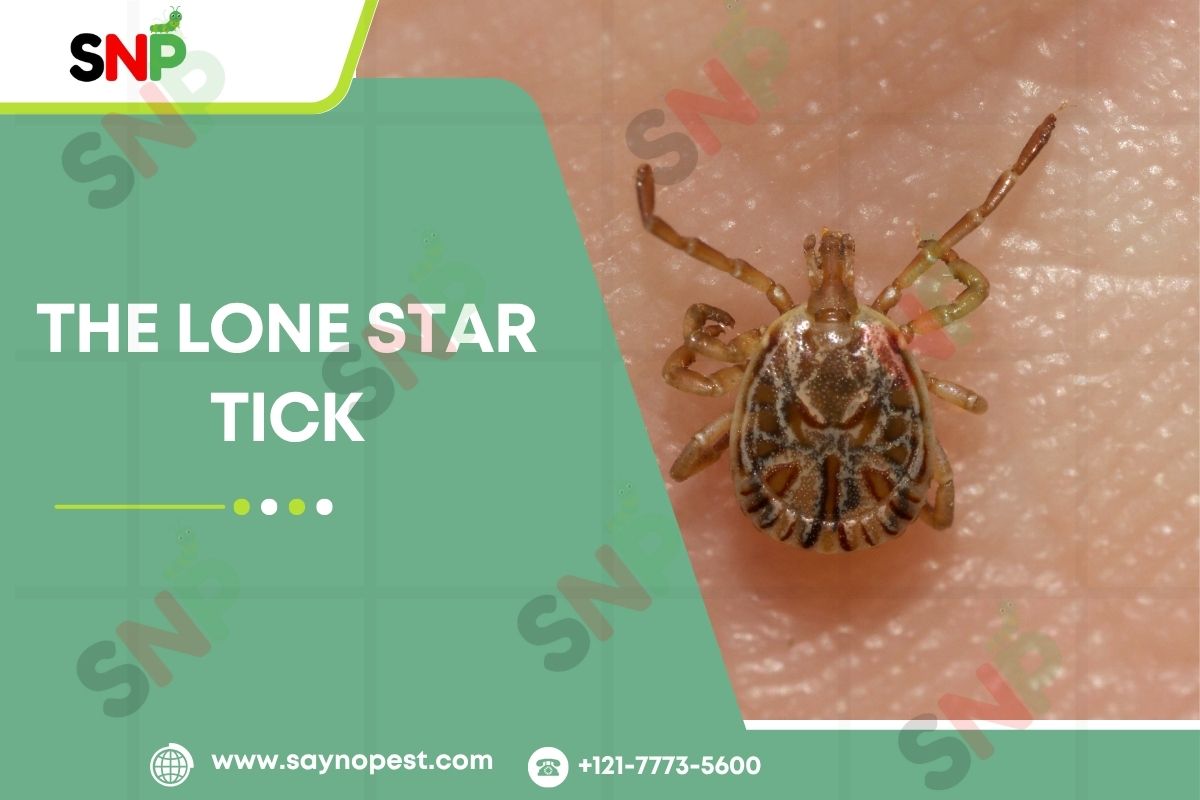
    Female adult lone star ticks have one white or silvery spot in the center of their red-brown back. This “lone star” marking is the only one and thus definitely the main reason for the tick’s name.

    Male adults, on the other hand, are missing the white central spot but have white streaks or spots on the outer parts of their bodies.

    The number of the legs for both male and female is eight, and they have a flattened and oval body that becomes more rounded and gray after feeding.

    The lone star tick passes through four developmental phases during its lifetime egg, larva, nymph, and adult.

    Life Cycle

    • The larvae, which are also called “seed ticks,” are very small. They have six legs, and they do not have a white spot.
    • The nymphs are a little bigger, about the size of a poppy seed, and they have eight legs but no central dot. Adult females are the only ones who get the trademark white dot.
    • Unfed adult females are about 1/6 to 1/4 inch, but after they have sucked, they can become 1/2 inch or more.
    • Moreover, the lone star tick such as a shaded and woody environment is their favorite and they are most active from spring to the late summer when they are sitting on the grass or branches and waiting for a host to come by.

    Lone star tick on dogs

    Lone-Star-Tick-on-Dogs

    The presence of a lone star tick on dog will definitely be a great concern for pet owners. No matter what, the tick will find a spot to attach itself to your dog. The most common areas are head, ears, neck, and sometimes, between the toes.

    The lone star tick on dog causes diseases like ehrlichiosis and tularemia. The symptoms are-

    • Fever
    • Lethargy
    • Loss of appetite
    • Joint pain
    • Swollen lymph nodes
    • Even neurological issues.

    Some dogs may not show signs of illness, so it is best to see them closely over time. If you find a lone star tick on dog, do not hesitate:

    • Take a pair of fine-point tweezers or any tick removal tool and grab the tick with pressure from your dog’s skin. Pull it straight out gently. Be careful along the process.
    • Avoid home remedies like heat because it does not help to resolve the issue. After removing the tick, wash the bitten area properly.
    • In case your veterinarian needs to determine the tick later, place it in a closed container or under rubbing alcohol. You should monitor your dog to see any signs of sickness. In case you notice any symptoms like fever, lethargy, or loss of appetite, do not be wait to call your vet.
    • Blood tests might be necessary to confirm diseases transmitted by ticks and in most cases, antibiotics like doxycycline are administered.

    Preventive Measures

    • Use the tick control products that are approved by the veterinarian and may be oral, topical, or a tick collar throughout the year.
    • Once you are outdoors, make sure you check your dog thoroughly, particularly in the places where ticks tend to hide.
    • Keep your yard trimmed and mowed, clear leaf litter and reduce the brush level. These measures not only minimize the chances of a lone star tick on dog but also ensure that your pet is healthy.

    Conclusion

    Lone Star Tick is an aggressive species of ticks. They are harmful to you and your pets. You have to take proper measures to protect your family’s health and your pets from the diseases and discomfort caused by the lone star tick.

  • European Earwig: Understanding This Common Pest

    European Earwig: Understanding This Common Pest

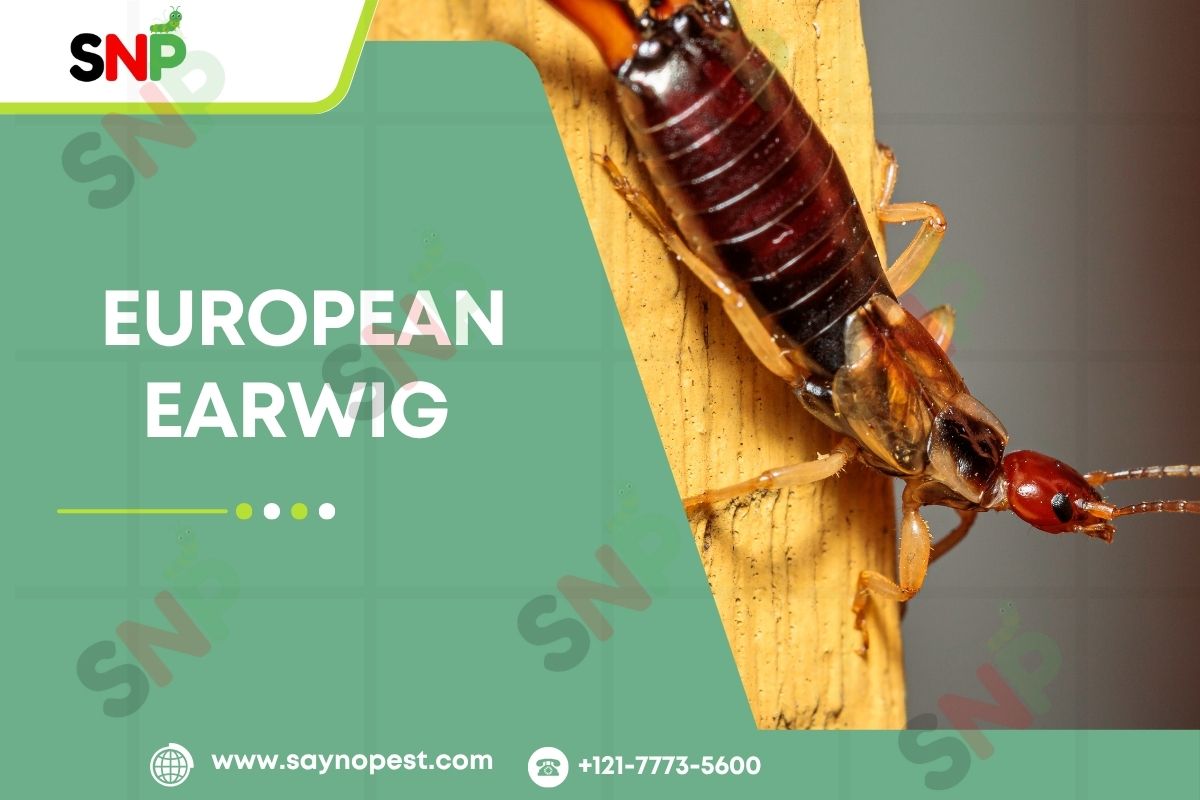
    European earwigs are quite well-known insects in the U.S. among those who are engage in home and garden work. A brief description of their appearance would be a slender reddish-brown body and a pair of pincers, which are the most striking feature. The European earwig often appears and is discuss with some topic of curiosity or even fright if it is found indoors or among the garden plants. This blog is meant for people who have or want to have knowledge about this pest. We will discuss all the topics that are related to the European earwig, such as its habitat, lifecycle, whether it bites, and the most important topic of how to get rid of European earwigs in the home and garden.

    European Earwig Habitat

    European-earwigs

    The European earwig habitat is a rather unexpected, diverse one that enables insects to spread all over the country. They are lung suited to dwell in moist and chilly conditions and are most alert in the night, wondering around in search of hideouts. When the weather is sunny they hide in cool and moist areas such as beneath rocks, mulch, logs, garden trash or even within flowers and fruits. Encountering these vipers may be quite common in gardens, woods, farms, and suburban lawns due to the dampness, which is their top choice, and it also allows locating spots that will be rich in organic materials and moisture.

    When the season for courtship and mating is on, the female earwigs go in search of wonderful, loose soil to bury their nests and lay eggs there. Moreover, they can seen in the crevices of the wood, under the potted plants, or in the stacks of newspapers and lumber that are brought indoors, if the latter is the case. Bearing in mind the ability of the European earwig habitat it is understandable why the insects are so powerful in the conquest of the new territories and that is the very reason that they may appear as a trouble in the house, especially during periods if the dryness or cold time when they are searching for the better conditions for them.

    European Earwig Life Cycle

    Recognizing the European earwig life cycle is of utmost importance if one wants to control their numbers in an optimal way. Definitely similar to other species of insects, the European earwig life cycle comprises three significant phases, namely egg, nymph, and adult. Typical of females to deposit the eggs in the soil during late winter or early spring, with the number of eggs in one clutch being 60 at most. The diligent mother watches over her eggs in a way that she not only keeps them clean but also free from fungi and predators.

    First off, the eggs become nymphs after a week; they are very small adults without fully develop wings and pincers. During 70 days that they will be undergoing further development, namely four growth stages or instars in a process of gradual maturity into adults. It is quite interesting to note that the European earwig life cycle is typical in that females can have one or two broods per year if they are in a favorable environment. Usually, the lifespan of the majority of the adults is around one year, with the males being the group that is generally more vulnerable and tends to disappear first, especially after the winter season.

    Do European Earwigs Bite?

    Is it among the questions if it is that European earwigs bite humans, that an answer has to found? Technically, yes, but the probability of the event is minimal. Most of the time, however, such insects use their pincers to protect themselves or to catch prey. In case of unintentional handling, a European earwig might pinch your skin, which can result in a mild, red mark or a bit of swelling; however, it is very unlikely that it will cause you to lose skin or any serious harm. Although the old myths, European earwigs do not go into ears to lay eggs or feed on brains—these are just the urban legends

    How to Get Rid of European Earwigs

    How-to-Get-Rid-of-European-Earwigs

    In case you were seeking ways on how to get rid of European earwigs, you are definitely not alone. Here we have some strategies that are simple and very effective to control these pests that can become just like a nuisance both inside and outside the home.

    Reduce Moisture

    Since a typical European earwig is a moisture-loving creature, get rid of excess moisture in your home and garden that most probably, they will use as a haven. Repair leaked faucets, improve drainage, and do not overwater the plants.

    Remove Shelter

    Besides that, it is good to get rid of all the possible hiding places of the European earwigs that created by the piles of leaves, mulch, wood, and other debris. Keep garden beds tidy and store firewood away from your house.

    Seal Entry Points

    Carefully search your house for cracks, gaps, or holes that could be the potential entry places for earwigs, and if found, close them definitely, and thus you will be sure that they will not find a way in.

    Trap Earwigs

    To catch and kill the earwigs without using chemicals, set some easy traps made from rolled-up newspapers, cardboard tubes, or shallow cans with a little bit of oil. Just splash them where you are sure that earwigs are. In the morning, get rid of the insects that got trap.

    Targeted Pesticides

    Should you decide to use pesticides on the earwigs, then select those that are earwig-specific. Do not ignore the label, and make sure that you read the instructions. Besides, you can think of non-chemical methods as a priority and only use the chemical ones as a last resort.

    Only have the knowledge on how to get rid of European earwigs, it is still possible to be very active for your home and garden to be pest-free without being dependent on chemicals.

    Conclusion

    The European earwig is a tough and adaptable bug that has become a menace in gardens and homes all over the United States. It is good to know about the habitat of the European earwig, be able to identify the stages of the European earwig life cycle, and also find out the truth about their biting to be able to control the pests better. Above all, your property will be safe, and you will be able to enjoy a pest-free environment if you will strictly adhere to the ways of getting rid of the local pests that are verified to be efficient. Be watchful, maintain the cleanliness and dryness of your surroundings, and do not forget that with a proper strategy, European earwigs can turned from a menace into a mere presence in your home and garden.

  • Common Silverfish: Attraction, Diet & Removal

    Common Silverfish: Attraction, Diet & Removal

    Have you ever spotted a small, silvery insect that is moving very fast on your bathroom or in your basement? You most likely have met the Common Silverfish. These insects, which are wingless and ancient, are not only pests—they also can be a danger to you and can indicate that there are problems in your house. Knowing what things attract silverfish, what the silverfish eat, and how to get rid of the silverfish from your house will help a US homeowner to keep their home clean.

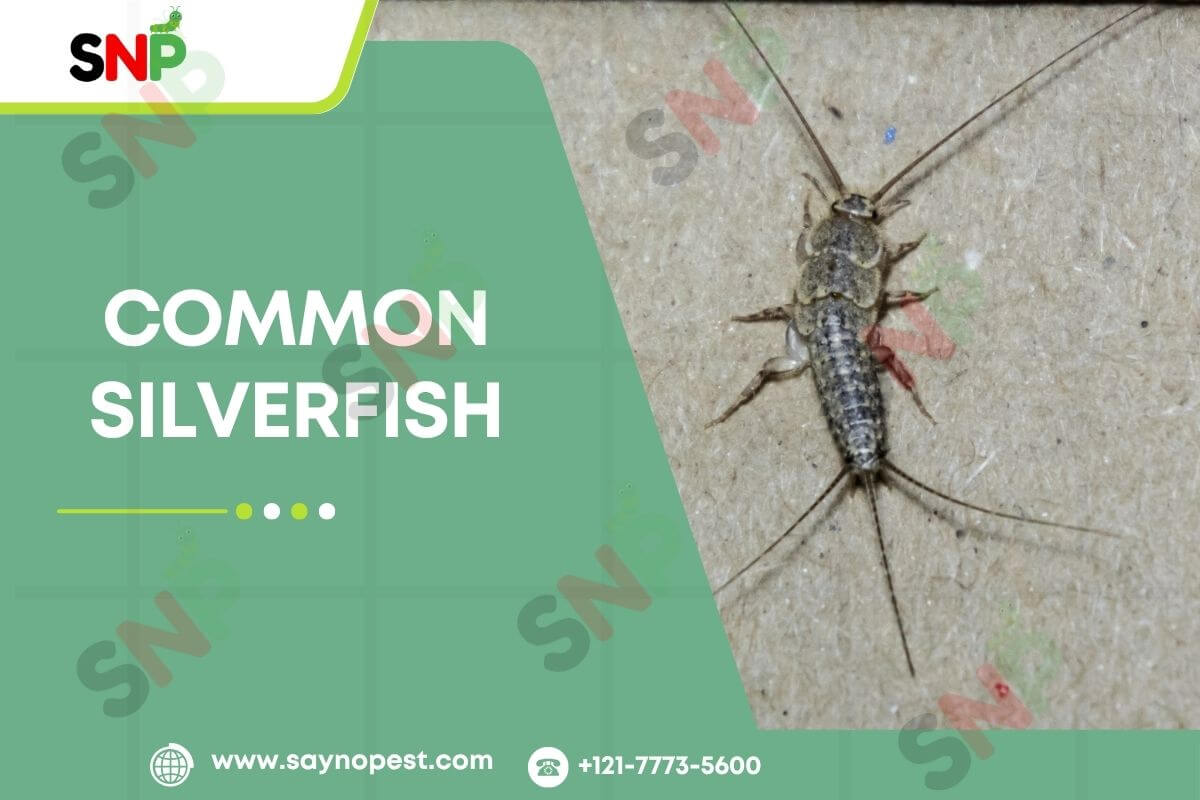
    Common Silverfish are small pests of a night-active nature that grow to a maximum of 2.5 cm. They have a shining and metallic body, and they move like a fish, which can make them easily identify. Although they don’t harm people with their bites or the diseases they carry, an infestation of silverfish might become a source of it, as the damage to books, papers, clothes, and food supplies can be caused by them.

    What Attracts Silverfish

    common-silverfish

    First, let’s figure out what to focus on in order to prevent a silverfish infestation, namely, to understand what attracts silverfish to your home. Such a pest is coming after:

    1. Moisture: High humidity is the best attractant for Common Silverfish. They become very successful in the case of a humidity level that is more than 75%, and such places as bathrooms, basements, kitchens, and laundry rooms are the most favorable for silverfish to reproduce and multiply.
    2. Warm, Dark Spaces: Common Silverfish are fond of a temperature which ranges from 70 to 90°F and are always on their quest for dark, quiet spots like closets, attics, and storage boxes where they can be undisturbed.
    3. Clutter: Cardboard boxes, paper stacks, and clothing piles not only serve as food but also as shelter, thus creating a double effect that significantly raises the probability of a silverfish infestation in your home.

    If you have questions about what lures silverfish at your place, then you have to look out for leaks, wet surfaces, and mess in the house. Getting rid of these attractants is very important in the control of a silverfish invasion.

    What Do Silverfish Eat

    Another important point in dealing with these pests is certainly being aware of what do silverfish eat. Common Silverfish have a rather extensive diet, which is the main reason for them to be see everywhere around the house:

    • Carbohydrates and Starches: The foods they like best include flour, cereals, oats and anything that has starch including wallpaper paste, book covers and cardboard.
    • Paper and Glue: The most destructive to texts, to the various classes of paper used to write on, and even to wall papers, are the Common Silverfish, as they feed on the glue and starches which are employed in these substances.
    • Protein: Apart from carbs, Common Silverfish will eat dried meat, dead insects, and even certain fabrics like cotton and silk.

    Being aware what do silverfish eat is the way to find the spot of a silverfish infestation and then get rid of it by removing its food source.

    How to Get Rid of Common Silverfish

    how-to-get-rid-of-common-silverfish

    Getting rid of a silverfish infestation involves multiple actions. Therefore, here are stages after stages to be follow to accomplish the removal and the prevention of the presence of Common Silverfish at your residence:

    Reduce Moisture

    Seal up the leaks, use a dehumidifier and also ensure that there is good ventilation in the bathroom, basement and kitchen areas. Among the most effective ways of making your home uninviting to Common Silverfish is keeping the humidity down

    Eliminate Food Sources

    Food should stored in airtight containers, keep books and papers off the floor, and avoid using cardboard boxes for storage. This narrows down to what is no longer attractive to the silverfish and also limits the range of what do silverfish eat.

    Declutter

    Get rid of unnecessary things and clean storage areas regularly. Less clutter means fewer hiding places and less food for a potential silverfish infestation.

    Traps and Natural Repellents

    Set sticky traps, glass jar traps (with the outside taped), or use natural repellents like cedar oil and bay leaves to catch or drive away Common Silverfish.

    Vacuum Regularly

    Regularly vacuuming, especially in cracks, crevices and along baseboards, will help get rid of eggs and will reduce the number of Common Silverfish in the house.

    Professional Help

    If a silverfish invasion is common and high, it is advise to contact a pest control expert, as they know how to remove them easily.

    By focusing on these tips, you can remove and reduce the silverfish infestation very easily.

    Conclusion

    Small as they may be, the Common Silverfish can cause big troubles once their presence is not controlled. Knowing what silverfish prefer, what do silverfish feed on and taking action in preventing Silverfish to dwell by making the environment an unfriendly territory to these Silverfish pests is the best defense against an infestation of silverfish. After turning over a few pages and a couple of steps of how to prevent moisture, cluttering, and holding protection over your food and personal items, you can make your house free of these irritating pests and have a better and healthier environment to live.

    You have discovered that your house is infested by silverfish or simply feared that you have had a problem; it does not matter any more, you should take a step now in order to protect your house and guarantee future well-being of your family. If you want more information about common silverfish, visit our website, saynopest.com, and get more.

  • Deer Mouse Traps & Prevention Tips

    Deer Mouse Traps & Prevention Tips

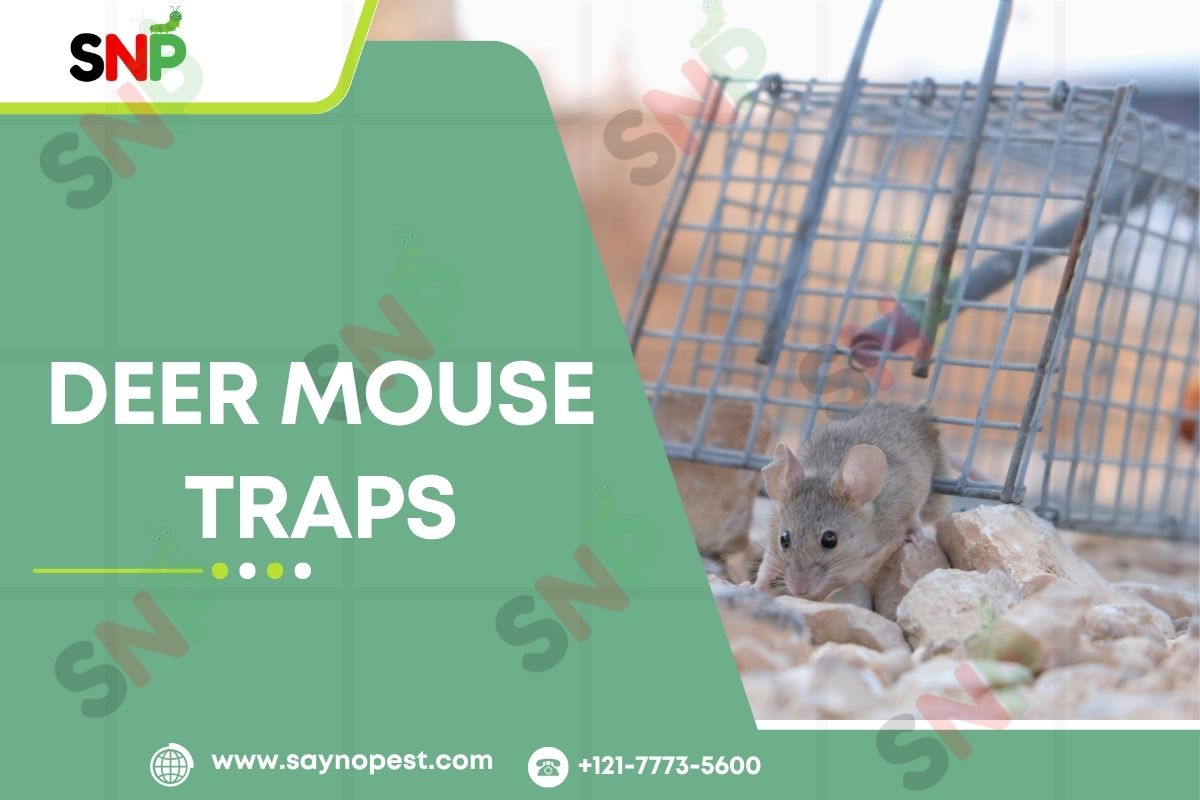
    If you are a resident of the United States and are concerned about your well-being, you must be aware of deer mouse traps. Deer mice live in your houses’ garage and sheds most of the times. In addition, they are carriers of very dangerous diseases, such as Hantavirus, which is a virus that causes very severe respiratory diseases in humans. Since these mice are very fast at reproducing and are excellent at hiding, you need to be quick in your decision to control them. The use of the correct deer mouse traps is the most important step in that.

    Top 6 Ways on How to Get Rid of Deer Mice

    In order to efficiently get rid of an infestation, you will have to use a range of methods. They are the top ways on How to Get Rid of Deer Mice:

    • Set Multiple Traps: Put snap traps, glue traps, or live traps in places where there is the presence of mouse droppings or where a mouse has been gnawing. In order to attract the mouse more effectively, you may use sticky bait such as peanut butter.
    • Seal Everything: Make sure that all cracks, gaps, and holes are sealed with steel wool, caulk, or good quality sealant.
    • Apply rodent bait stations that are tamper-proof.
    • Clean Up: Food should be kept in airtight containers. The cleaning up of crumbs should be done frequently so that no food sources remain. Garbage should be disposed of regularly, and storage areas should also be kept clean.
    • Repellents: The use of peppermint oil or ultrasonic devices is considered to be some of the natural repellents. Although you should be using it as part of a bigger plan.
    • Seal All Entryways: Check carefully for any holes in the foundation of your house, doors, and windows.

    Use DEER MOUSE TRAPS

    It is always advisable to prevent a problem of mice in inital stages. These are the most effective preventative measures along with the use of DEER MOUSE TRAPS .

    Regular Use of DEER MOUSE TRAPS: Put traps in places where the risk of mice infestation is the highest. For example, along the walls, behind the appliances, and near the places that you think the mice could have come in. Don’t forget to check every day if the traps are still there as this will increase success coverage.

    Professional Help: Situations of severe infestation call for a professional pest control expert who uses Integrated Pest Management (IPM) plan that involves a variety of methods such as exclusion, sanitation, and Deer Mouse Traps for long-term control.

    Preventing Deer Mice Reinfestation

    Once you have rooted out deer mice, prevent them from coming back by:

    • Maintaining Seals: Keep an eye on your house’s exterior and make sure that besides repairing the existing gaps, no new ones appear.
    • Routine Cleaning: Secure the food store place and always keep the living spaces free of piles of unnecessary things.
    • Ongoing Monitoring: It will be safer if Deer Mouse Traps are placed in the most convenient spots for mice . Make sure to be diligent in checking them.
    • Do not let shrubs become overgrown. Make sure that no deer mice find their way to your home.

    Conclusion

    Deer mice are not just a trouble, they can also endanger your health and cause damage to your home. Don’t forget that getting rid of deer mice by yourself is only partially solving the problem. You have to be consistent in the use of prevention, traps and continue to be on the lookout for new arrivals. Act now to make your house safe, protect your health, and have a good sleep knowing that no unwanted guests have entered.

  • Horse Fly Bites: What You Need to Know

    Horse Fly Bites: What You Need to Know

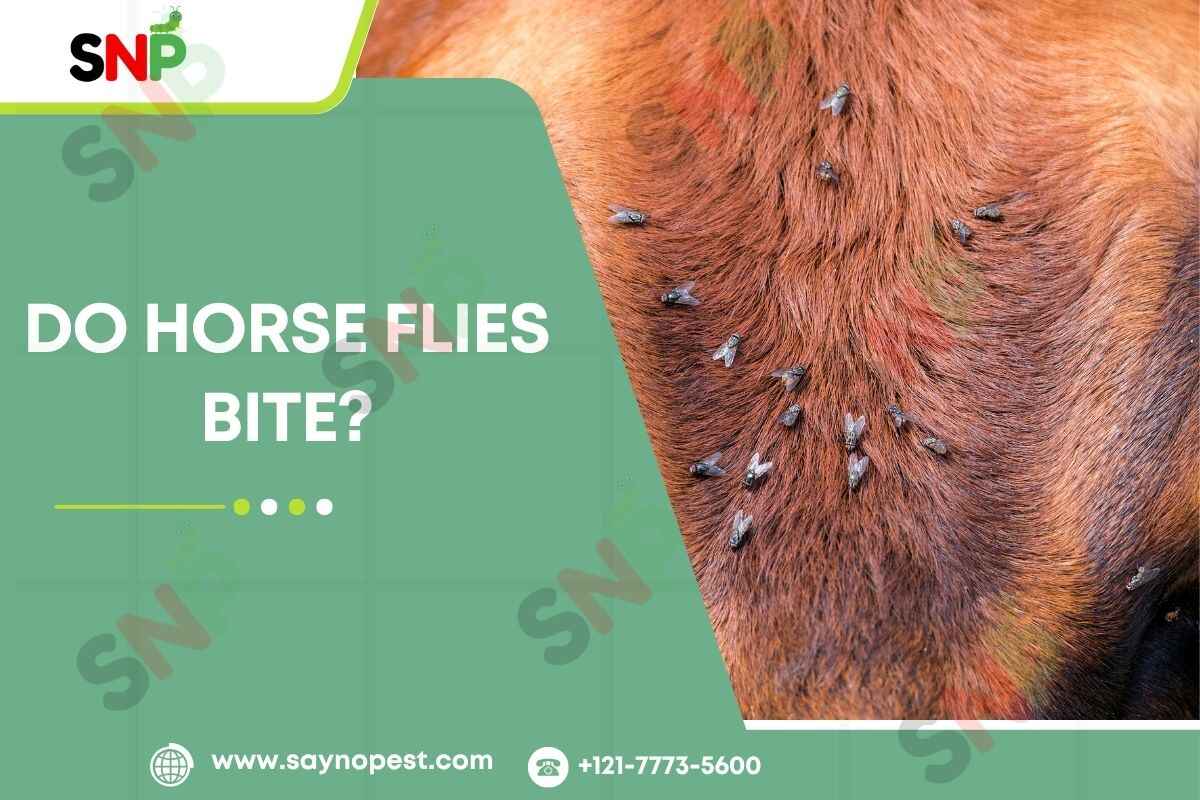
    Horse fly bites are very common all across America and are very bothersome to people there, especially in warm seasons. These aggressive insects do not spare anyone! They use their sharp parts to feed on human or animal blood. The bites cause an burning sensation instantly and can cause red, swollen blisters. Being aware of the symptoms, side effects and the right treatment will be of great help to you to keep your health safe. Being aware of the symptoms, side effects and the right treatment will be of great help to you to keep your health safe.

    Stages of horse fly bites

    First of all, the female horsefly that needs blood for mating, lands on the skin if it is exposed. Instead of piercing the skin like a mosquito, it cuts through the skin with its saw-like mouthparts.

    At the same time, the fly secretes its anticoagulantn (insulin) to prevent the blood from becoming semi-solid. If the bite was scratched, it can cause a big red rash.

    Few hours after the bite, you experience swelling, redness, and sometimes a burning sensation. The majority of horsefly bites will be gone within a couple of days. But some may go on for a longer time. Learning the signs of these stages allows one to react quickly and reduce the unpleasant feelings.

    Are horse fly bites deadly?

    Horseflies are very aggressive in nature and their bites are very painful.They carry a high risk of allergic reactions. The main danger is the pain and irritation they cause, which can cause even more severe symptoms than other insect bites. Usually, for most people, symptoms are-

    • Discomfort
    • Swelling
    • Redness

    Someone can be very sensitive to the proteins in the saliva of the horsefly and get an allergic reaction. The allergy reaction is diagnosed through a widely spread rash, running hives, shortness of breath, swollen eyelids or lips, dizziness, and weakness. When the situation gets severe, which is called anaphylaxis, it becomes a medical emergency and help has to arrive immediately.

    Another thing that is at stake is infection. Since the horsefly bites are very deep, the skin gets torn and bacteria can come in there. Especially if that place gets scratched or is left without being cleaned properly. Signs of infection, for instance, are increase of pain, pus, redness that spreads, and fever. Horsefly bites might very rarely be the cause of tularemia spreading. In the United States, it is a very rare case.

    Generally speaking, although horsefly bites are not a big danger the main thing to do is to keep an eye on how the symptoms are evolving and to see a doctor if a strong allergic reaction or infection are suspected.

    How can I treat horsefly bites?

    Horsefly bites should receive treatment as soon as possible to avoid going through any complications.

    • Start with cleaning the bitten area very well with soap and water in order to remove the bacteria and to prevent infection.
    • Use an ice pack for atleast 10 minutes to decrease the swelling and numb the pain.
    • Do not scratch the bite.
    • Using aloe vera or honey might be one of the home remedies.
    • In case you see discharge, redness, or fever or if you get an allergic reaction, call the doctor immediately.

    Although, horsefly bites heal without complications in a few days after receiving the appropriate treatment.

    Conclusion

    Horse-fly bites are gross and painful. Be aware of how these bites happen, stages of these bites, and how to treat them properly. It will help you to protect your health and be confident while outdoors.

    • Be observant.
    • Keep the place clean.
    • Do not hesitate to ask for help.