Blog

  • German vs American Cockroach: Difference, Problems, & Solutions

    German vs American Cockroach: Difference, Problems, & Solutions

    In regard to pest control in the United States, the German vs American cockroach is critical knowledge to take into consideration by any homeowner and enterprise. These two are known to invade homes and they do so but the difference between these two makes them distinctive pains because of how they look and how they can be controlled. This blog will take you all the way down into the German vs American cockroach, the questions that arise about the problems that can occur as a result of the cockroaches and tips on how to get rid of them. In case you are struggling with such pests, feel free to continue reading this article to get valuable tips provided by Saynopest.

    What’s the Difference Between German vs American Cockroach?

    German-vs-American-Cockroach

    Appearance & Size

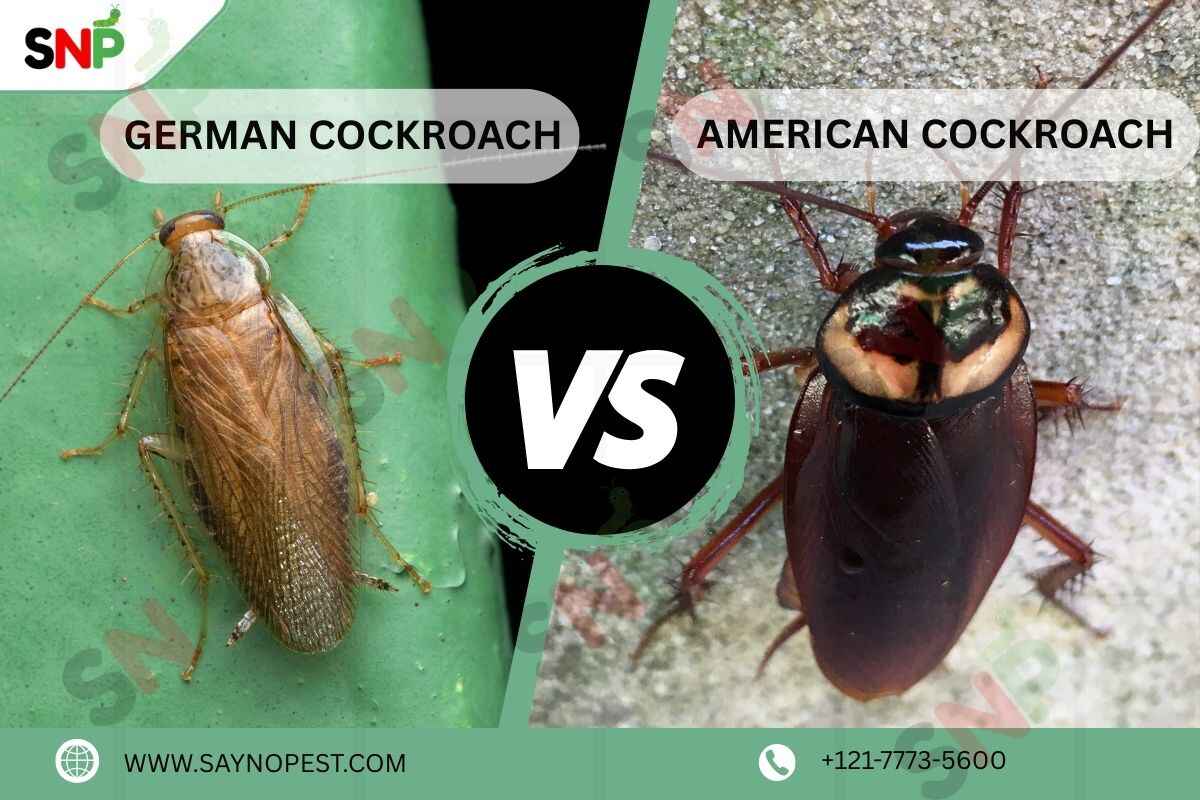
    The easiest way to observe the differences between the German and American cockroaches is by their appearance and size. American cockroach is a large home-invading cockroach in the U.S, and it has dimensions of 1.5 to 2 inches. It has a reddish brown body and a yellowish stripe behind the head. The German cockroach, on the contrary, is surprisingly tiny and is approximately half an inch long and light brown or tan with two dark stripes that are quite parallel and that run down its back.

    Habitat

    Concerning the habitat, the German vs American cockroach are different in their choice of dwelling. German cockroaches do best indoors and are most commonly found in kitchens and bathrooms, where they can get plenty of heat and water. American cockroaches prefer wet and dank areas like basements and crawl spaces, sewers and drains, though they can also invade living quarters especially when there is severe weather.

    Behaviour

    Where behaviour is concerned, the German vs American cockroach are divergent in their levels of activity and reproduction. German cockroaches reproduce so fast that they are the major threat when it comes to quick infestations. If the infestation level is high then you can see more and more german cockroaches here, and their in the daytime. American cockroaches reproduce at a lower rate, but they live longer and often caught flying, particularly during the night, still they are less prolific breeders.

    american-cockroach

    Life Cycle

    The life cycle of the German vs American cockroach is also different from other The German cockroaches deposit egg cases (oothecae) that can contain up to 40 eggs, and the larvae grow fast, thus, there is a sudden increase in their population. American cockroaches put fewer eggs in a case (up to 16), and it takes them longer to develop from eggs to adults but the adults can live for as long as two years.

    Diet

    Both of the species are omnivorous scavengers, which means they consume practically any organic substance. The German vs American cockroach is an example of such a species which goes not only after crumbs but also grease, garbage, pet food and even the bindings of the books. Their consumption of any kind

    Problems Caused by Cockroaches

    It doesn’t matter what kind of species they are, cockroaches are the main cause of health and property safety issues. Here are the reasons why the german vs american cockroach are not welcome:

    • Transmission of Diseases: Cockroaches have bacteria and pathogens which they have acquired in sewers and garbage. Accordingly, they will so contaminate the food, surfaces and utensils without being aware of it. They can infect us with Salmonella, gastroenteritis, E. coli and dysentery.
    • Allergies & Asthma: Cockroach droppings, saliva, and shedding of skins are the allergens that may cause asthma and allergies, mostly in children and sensitive individuals, of course, provided that they are not kept in check properly.
    • Property Damage: The bad smell and stains brought about by the very presence of the pests will be sufficient to give the house a new feeling, but it is also possible to notice that there is some damage to the furniture, books, and fabric due to the infestation.
    • Fast Infestation: German vs American cockroach has a very short breeding cycle that will lead to a huge infestation just by simply letting a small issue go out of control

    How to Kill a Cockroach

    german-cockroach

    Understanding how to kill a cockroach is very important if you want to remove them all. Their are some best methods by following which you can easily remove cockroaches.

    • Boric Acid: Spread boric acid powder in places where cockroaches are very active. As they move through it, the powder sticks to their bodies, and when they consume it, they die.
    • Baking Soda and Sugar: Prepare a mixture of baking soda and sugar and put it in the places where the infestation is higher. The sugar attracts the cockroaches, and the baking soda makes the digestive system of the cockroaches fail, thus, they die.
    • Bait Traps: Bait traps that are commercially produced attract cockroaches with food and poison. The roach that is not yet dead, moves back to the nest, thus, the poison is spread the same as to the other.
    • Insecticide Sprays: Sprays that are target help a lot to reach the spots where cockroaches hide. Make sure, you are using the product in the right way following the instructions on the label.
    • Soapy Water: Mix dish soap and water, and spray that solution on cockroaches, it will cause them to suffocate and help you to remove them
    • Professional Pest Control: If the infestation is large and the roaches are numerous in count, it is a good option to get a pest control company that only assures elimination.

    Prevention is the most effective method in this case. Be sure to keep your home tidy. These steps are going to make a big difference in the prevention of either a German or American cockroach infestation.

    Conclusion

    The fight between the German and American cockroach is real for American families. Both of them are pests, and they can cause the same trouble in a home, but if you are familiar with their behaviour and have a plan to get rid of them, you can still have your home as their haven.
  • Are Drain Flies Dangerous? An In-Depth Guide for US Homeowners

    Are Drain Flies Dangerous? An In-Depth Guide for US Homeowners

    Have you ever noticed Tiny, fuzzy flies hovering around your kitchen or bathroom sinks? You can’t help but wonder: are drain flies harmful? Those nasty little bugs that you discover in every nook and cranny of American homes have the potential to be extremely distressing if they exist in large quantities. Understanding whether are drain flies harmful is extremely essential in order to maintain a healthy home and understand when it’s necessary to take action.

    are-drain-flies-harmful

    Introduction to Are Drain Flies Harmful

    Drain flies, sewer gnats, and moth flies are all names for these small insects that thrive in moist areas where there is decaying matter. Drain flies are generally around 1/8 inch long and have fuzzy, moth-like wings. Homeowners first see these insects and think: are drain flies harmful? The answer has some background to it about their habitat, potential health reasons, and why they are drawn to your home.

    These flies clutch in sewers, drains, & other stagnant water with organic materials. Though drab to behold, especially if they breed fast in huge numbers, whether drain flies are dangerous relies on some factors like their health hazards, cleanliness problems, and impact on your home.

    Are Drain Flies Harmful to Humans?

    The question whether drain flies are harmful to human is a Tough question. Drain flies don’t bite, sting, or transmit diseases to human beings. Drain flies have no mouth parts to bite human beings, as the case of mosquitoes and biting flies. It doesn’t mean that they are totally free from the effects of health.

    Are drain flies harmful to human respiratory health?  It’s a Yes, they are. Heavy  can cause bronchial asthma in susceptible individuals. When drain flies die, their rotting bodies can be capable of releasing airborne particles that may worsen underlying respiratory illness. Degraded drain fly dust triggers allergic reactions in susceptible individuals.

    Also, since drain flies develop from dirty surroundings, they can spread germs and bacteria from dirty surroundings to clean surfaces. While they do not cause specific diseases, they are signs of potential cleanliness issues that can be secondary health issues. The flies can spread germs from drain dirt and organic matter to the food preparation surface, causing gastrointestinal disorders if consumed with contaminated food.

    Are Drain Flies Harmful

    are-drain-flies-harmful-to-humans

    The key question is are drain flies harmful? and it focuses on the larger issue of how they affect home cleanliness and well-being. Although drain flies themselves are not themselves harmful in small quantities, they are a symptom that there is some underlying issue that must be addressed.

    Are drain flies harmful? Yes, if they are a sign of a dirty Environment. Blocked sewage or organic deposits that have accumulated & serve as breeding grounds for bacteria and other disease-producing micro-organisms. Where more serious health risks can develop, including mold growth and bacterial infections.

    Severe infestation can be a problem in several ways. First, they expose concealed moisture problems which could lead to structural harm and mold infestation. Second, the flies themselves will transfer bacteria onto surfaces and food, particularly in places like kitchens where the potential for contamination is most lethal. Third, are drain flies dangerous? is an emphatic yes when one realizes that drain flies can transfer disease-causing germs like E. coli and Salmonella from unclean drains to clean spaces.

    The drain flies will also worsen existing health conditions. People with a weak immune system, elderly individuals, and respiratory disease patients can be most susceptible to problems due to drain fly infestation.

    Are Drain Flies Toxic to Dogs?

    Pet owners are usually inquiring if drain flies are harmful to dogs. Drain flies are not much direct danger to dogs. Drain flies do not bite or sting dogs, and they do not infect animals.

    But are drain flies harmful to dogs indirectly? Perhaps. When dogs are offered water contaminated by drain fly larvae or bacteria from infected drains, they acquire mild gastrointestinal upset. Vomiting, diarrhea, or abdominal pain can ensue, although such occurrences are comparatively rare.

    In unusual cases, drain flies cause myiasis in pets – an infection where fly larvae infest live tissue. This is more within the province of other flies and is most frequently observed in open-wounded or otherwise injured animals. For healthy animals, is drain fly bad for dogs is most often answered in the negative, although clean water sources and toilet drains remain a concern to overall pet health.

    Breed dogs with pre-existing health complications or compromised immune systems are vulnerable to problems if exposed to contaminated water. Additionally, drain flies typically indicate filthy conditions with long-lasting health implications on household members as well as pets.

    Conclusion

    Information on are drain flies harmful helps ensure a clean home. Although the pests are harmless by biting or disease transmission, they indicate that there are sanitation issues that must be solved. are drain flies harmful to humans? They will lead to respiratory issues in vulnerable people and spread germs from unpleasant places. are drain flies harmful? Yes, particularly when they indicate poor drainage conditions that can cause serious health hazards.

    For dog owners asking if drain flies are poisonous to dogs, their instant harm is minimal, but maintaining clean water sources and their working drains saves pets and residents of the house. Drain fly infestations are treated by the removal of breeding grounds by cleaning and maintenance.

    If you have recurring drain fly infestations, take note that these insects are a sign of things that must be resolved by professionals. Don’t let minor issues turn into ginormous health risks. For efficient pest control solutions and expert guidance for a healthy home ambiance, rely on SayNoPest to help you get rid of drain flies and destroy the chance of future infestation.

  • How to Get Rid of Bumble Bees

    How to Get Rid of Bumble Bees

    Bumble bees are a common insect in yards all over the United States, where they perform an important function as pollinators. They can be bothersome in two cases which are if their nest is located near your house and property, and the second one is when their nest is in an overcrowded area. This article will help you with the steps that attract them, their nature of existence, and both natural and chemical means of how to get rid of bumble bees, if you are still thinking about how to get rid of them safely and efficiently. Get more information from saynopest.

    What Attracts Bumblebees

    bumblebees

    To learn about the ways of how to get rid of bumble bees, it is necessary to comprehend the factors that bring them to your property. The main things bumble bees are attracted to are:

    • Flowering plants: The bumble bee has no special taste, and consequently during the early part of the season, the greatest number of bumble bees are captured in gardens where the variety of flowers in general, and those which fall within the sphere of blue and violet, e.g. lavender and grape hyacinth, is greatest. These colors show the presence of high nectar level which is unresistible to bumble bees
    • Abundant pollen and nectar: Plenty of pollen and nectar. A yard that contains plants with a lot of flowers will ensure that there is a lot of food , and consequently, the place will be the best suits for bumble bees in order to establish their nests.
    • Sheltered nesting spots: The bumble bee has the greatest tendency to build its nest underground, or somewhere that is cover up, like a compost pile, shed, or rodent hole that has fallen out of use.

    In case you reduce the plant cover with flowering plants in the high-traffic areas and also cover the possible nesting sites, it will help you to maintain a low population.

    Do Bumble Bee Cause Problem ?

    Someone will always pose the question, Do bumble bee cause problem to the homeowners? Even though bumble bees are not significant and as dangerous as other stinging insects, they also sting when disturbed or when they believe that they are in some kind of defense of their nest. However, they may be a problem if:

    • The nests are close to the doors or the area where the kids are playing: This therefore leads to a higher risk of the kids and the pets being affect by the bees without knowing and hence they can get stings without being aware of it, thus the conclusion that kids and pets are most at a risk here.
    • Allergies: In case of those people who are very allergic to bee stings, a sting from even a single bee can be life-threatening for them.
    • Structural concerns: Very few instances are that bumble bees could be the ones who cause damage caused by them to our constructions, as when their nesting place becomes wall voids or other structures, they may cause minor damage.

    Nevertheless, bumble bees characteristically are great pollinators, but if they get close to humans, they become a threat, especially in case the nest is disturb.

    Natural Ways on How to Get Rid of Bumble Bees

    how-to-get-rid-of-bumble-bee

    In case you want to act ecologically, there are even more natural solutions for the question of how to get rid of bumble bees without hurting them and the environment as well:

    Essential oils

    Aromas are, in general, peppermint, eucalyptus, cloves, and citronella, which are most repelling to bumble bees. A few drops of essential oil with water and a little bit of liquid soap in a spray bottle are mix, and then sprayed around the nesting places and the entry points.

    Cinnamon and citrus

    If we consider the use of a smelly substance as a deterrent for bumblebees, then the use of ingredients such as cinnamon and citrus smell would be of utmost importance; then we would distribute the above along the periphery of the registration area of these insects

    Cucumber peels

    If you put cucumber peels on aluminum plates near the places where bumble bees nest, you get an odor that is not pleasant for them.

    Bee-repelling plants

    Growing mint, neem, or citronella plants can be a natural way to get rid of bumble bees, as they will not come to your place to nest.

    Chemical Treatments on How to Get Rid of Bumble Bees

    If the infestation is very severe, you may have to resort to chemical treatments. Here is the guide on how to get rid of bumble bees with the means of chemicals:

    Insecticidal dusts

    Dow Baman is a product of the insecticidal dust family that utilizes the active ingredient deltamethrin. It is to used only for the nests of bees, wasps, and hornets, in the case of entry application, thus giving the effect of quick knockdown and residual control effect.

    Aerosol sprays

    Aerosols are a very efficient method when it comes to coats on surfaces that are non-porous, as they provide a fast and safe way of removing the undesired insects without them having the chance to hide. Although underground nests are less accessible and less effective with this method, as a rule of thumb, dust formulations are more suitable for bumble bees.

    Professional grades concentration

    There are no scents to these non-repellents concentrates, and they are the most effective in eliminating the bees which come into contact with them in the surface they are used in.

    It is also notable to mention that reading label directions and observing a pest professional in case of allergy, or a nest in an inaccessible place are the precautions to observe before you begin this journey.

    Conclusion

    So, bumble bees are very good pollinators, but sometimes they can cause a lot of irritation to the people when their nest is located too close to your house and this could be harmful as well. Knowing what attracts the bumble bees, will help you to deal with them by following the best methods.

    No matter if you went for natural repellents or chemicals, the main thing is to be safe and environmentally responsible. For more advice and ways to get rid of pests, go to saynopest—the one who helps you keep your house safe and free from pests.

  • The Complete Guide to Mosquito Bites: How to Identify, Avoid, and Defend Your American Home

    The Complete Guide to Mosquito Bites: How to Identify, Avoid, and Defend Your American Home

    Evening courtyard parties on hot summer evenings, back-yard barbecues, and outdoor activities across America have a mean sidekick: mosquito bites. Not only a bad nuisance, the flying pest carries deadly diseases like West Nile virus, dengue. Knowing why mosquitoes bite. what to look for, and how to prevent mosquito bites that will make you and your loved ones sickness-free.

    Mosquito-bites

    Introduction to Mosquito Bites

    Mosquito bites are painful, itching welts on your body after a female mosquito takes a suck from your blood. The ugly welts are your reaction to the protein components of mosquito saliva that inhibit blood clotting. While bites are only an annoying short-term problem, sometimes they pass along more serious diseases in children. The elderly, and those with weakened immune systems.

    Mosquito bites do more than sting. American mosquito bites can spread as much disease as West Nile virus, which infected 1,035 people and killed 79 in the year 2022 alone. Mosquito bites are something all families should be aware of because mosquitoes infest. All 50 states and could bring a lot of harm to serious health conditions.

    what it does is that it pierces your body with a needle-like proboscis. It injects saliva so your blood won’t clot, and sucks your blood. Your body can sense the mosquito saliva as foreign substance and release dopamine. This is the only reason behind the itching, redness, and swelling of mosquito bites.

    Why Do Mosquitoes Bite: The Science Behind the Sting

    how to evade them, you must know why they bite. And only females bite, and they bite for one biological reason: reproduction. Why do flowers and humans get consumed by mosquitoes, then? The female mosquito needs protein & iron from the blood so that she can be able to build and lay eggs.

    Why do mosquitoes bite? is a fascinating question if we append how mosquitoes select their victims. Human victims are identified by mosquitoes via a sense, or stimulus, input system of great refinement. The co2 we exhale is a distant lure to mosquitoes and which they can detect at more than 100 feet. Why am I and others bitten by mosquitoes? Mosquitoes have been scientifically established to be attracted by some things such as the blood group. The body temperature, sweat, & even the bacteria in the skin.

    Why are mosquitoes biting me in the daytime?

    The majority of the mosquito types are most active early in the morning & late in the evening when wind speed is low and humidity is high. The hours selected are the reasons why they bite at these times. Why mosquitoes bite human beings and not animals is because of their evolutionary adaptation. As some like Aedes aegypti have adapted to feeding on human hosts exclusively.

    How to Prevent Mosquito Bites?

    It is an adjuvant method, a synergy of personal protection and environmental alteration, in the literature on how to prevent mosquito bites. The best method of how to prevent mosquito bites is with EPA-registered repellents which have DEET, picaridin, IR3535, or oil of lemon eucalyptus. These medications, well-researched, are long-lasting for hours and the gold standard for how to prevent mosquito bites.

    Mosquito bite protective clothing can entirely restrict your exposure. Long sleeves and pants and closed shoes covered clothing make an insect bite a physical shield. Tight-fitting clothes and tightly woven in light colors are most appropriate to prevent getting bites because mosquitoes are attracted to black and light cloths that have an easy airflow through them. Clothing treated with Permethrin is also a protective element in your strategy on how not to get mosquito bite.

    Environmental changes are of the highest importance in learning about the avoidance of bites indoors. Elimination of breeding site sources of areas that have standing water where the larva of the mosquitoes flourishes is of the highest importance in learning about the avoidance of mosquito bites . They involve draining pots on a frequent basis like flowerpots, rain gutters, bird baths, and any other container utilized to harvest rainwater. Window and door screen installation and repair are also bought to avoid the stings of mosquitoes.

    Schedule your outing during the day and you are preventing yourself from mosquito biting. You learn after learning how mosquitoes bite more during the morning and evening. Your opportunity for mosquito biting is minimized if you remain indoors when they come out. Whenever you get the opportunity to go out when they come out, extra precautions add to your opportunity to prevent mosquito bites.

    Having fans outside with boxes is a wonderful way of how to get rid of mosquitoes. Mosquitoes are not good fliers, and even the gentle blowing of a box fan will prevent them from being able to land on you. So a wonderful way of how to keep mosquitoes away. Having air blown down over your lower area by a fan is a wonderful trick because mosquitoes fly low.

    Fix Your Home: The SayNoPest Solution

    Mosquito bites not always spoil your outdoor fun or pose a health threat to your family. Understanding why mosquitoes bite, acknowledging the deadly health threat. They can pose, and taking keen measures to ward off mosquito bites can turn your home into a haven for your family.

    We at SayNoPest realize that mosquitoes are not only annoying, but a significant health threat to American families. From coastal regions where Aedes aegypti mosquitoes are battled to interior regions where Culex mosquitoes transmit West Nile virus. There is still another issue of mosquito bites across the United States. Mosquito-borne diseases doubled in 2004-2016 in the United States, and prevention has thus become more crucial.

    Don’t miss that mosquito bites not only avert current suffering but against deadly diseases such as West Nile virus, dengue, and Zika spilling into American populations. Global warming is boosting mosquito breeding pools and global travel is bringing new emerging risks of disease, so your prudent foresight of avoiding mosquito bites is your family’s best defense.

    Take action now and safe your family from the greif of mosquito bites. Try these easy prevention methods, talk to local mosquito populations, and allow the irritation of these infuriating bugs not to spoil your life outdoors. With effective mosquito bites eliminated, you can have everything with the wonderful outdoors and your healthy and secure family.

  • The Life of a Flea: A Secret Adventure

    The Life of a Flea: A Secret Adventure

    Fleas are little, annoying insects that can turn a peaceful home front into a war zone. The secret that protects your family and pets from these uninvited guests is to understand the life of a flea. Join me and get to know the interesting, and sometimes infuriating, life of fleas and how effective flea treatment can end their life cycle once and for all.

    Life-of-a-Flea

    Introduction to Flea Life

    life of a flea is diversified, with rapid specialization and evolutionary adaptation. Fleas infest the entire United States and reproduce mostly favorable in warm, damp environments. Fleas are not only pests; they are disease carriers and allergenic stimuli for human beings and domestic pets.

    A flea cycle starts when an adult female lays eggs following a first blood meal. A single flea lays 50 eggs daily, and these can infest a small area fast and make it an infestation. These eggs are smooth and easily fall from the  host and onto the carpet, bed, and furniture. For this reason, the life of a flea is never restricted within your pet alone—your whole house is their home.

    The flea life cycle repeats in four simple steps:

    Egg: Flea eggs mature in a day or two which depends on temp. and humidity.

    Larva: Larvae are very delicate to light and are trained by organic waste, like adult flea poop. They choose dark, moist environments like mattresses and mat.

    Pupa: Flea  create cocoons to protect themselves and they can stay in this dormant state for weeks or months, waiting for the right time to appear.

    Adult: By capturing their full size, fleas will locate a host on which they will feed on blood, reproduce, and begin the cycle anew. Adult fleas survive weeks to months depending on circumstances and availability of host. 

    Flea Treatment: Breaking the Cycle

    Effective flea treatment must disrupt a flea’s continuous life cycle. Since most of a flea’s lifetime is on the host, overall treatment is required.

    Major Steps in Flea Treatment

    Pet Treatment: Start with treating all pets in the home. Apply vet-approved products in oral or topical form, which kill adult fleas and developmental stages. Wash the pets daily with the flea shampoo and brush them daily with a flea comb to kill fleas and eggs in their fur.

    Home Cleaning: Vacuum carpet, rugs, and upholstered furniture regularly, and hot wash all bedding, including pet bedding, with water to kill eggs and larvae. Vacuum bags should be removed immediately to prevent reinfestation.

    Indirect Oversight: Sprays contain insect growth directors to kill the fleas in all stages of life. Treat sheltered, moist areas where the fleas like to congregate, under furniture and baseboards.

    Maintenance Prevention: Re-treat fleas hardly on a regular schedule because the life of a flea cycle enables them to hibernate for several months. Continue with additional treatments as needed in an attempt to eliminate all of the fleas, including the pupae.

    It should be kept in mind that a single flea treatment will not work. Multi-level decision and determination will be necessary to eliminate the life of one flea and your home pest-free.

    The Flea’s Effect on Home and Health

    The flea infestation is not just a biological oddity, it occurs physically on your family and house. Fleas are also a carrier of tapeworms and bacteria, such as Bartonella (cause of “cat scratch disease”), and their bites are known to bring on severe itching, allergic reactions, as well as puppy and kitten feline anemia. Flea Bites in humans tend to cause red, itching welts, and on occasion may result in secondary infection secondary to scratching.

    One of the flea survival secrets is that they are able to lie dormant for months at a time when in the pupal stage. What this implies is that even after thorough flea treatment, freshly emerging adults weeks later can still surprise homeowners. That’s why vigilance and continued flea treatment is needed to totally shatter the cycle.

    Commercial and Natural Flea Treatment Options

    life-of-a-flea

    There are several ways of treating fleas. Topical treatment, medication, and over-the-counter flea collars are extremely effective as well as widely prescribed by veterinarians. The drugs not only eliminate adult fleas but also inhibit egg and larvae development and affect all stages of a flea’s development.

    For natural medications, diatomaceous earth, cedar or lavender essential oil sprays, and vacuuming regularly reduce flea infestations. Natural medications take more frequently and more rapidly than over-the-counter medications. Always contact a veterinarian prior to attempting a new flea medication on your pets for their own well-being.

    Avoidance Tips for Future Infestations

    Inspect your pets regularly for flea infestation, notably after visiting the park or going for a walk.

    • Keep your area fleas free by mowing the lawn and picking up garbage, fleas prefer shaded, moist areas.
    • Apply flea control to dogs year-round even during winters since indoor temperatures can support the flea cycle to be prolonged throughout.

    That a flea exists is a credit to the persistence of nature, but you can keep your home and family safe with the right information and products. By gaining an understanding of the flea life cycle and its application of a complete flea control program, you are capable of killing their life cycle and preventing further infestations from getting a foothold.

    If you already have fleas or would simply like to have your home flea-free, trust the professionals at saynopest. We offer advice and accompanying products for you to make an informed choice on flea treatment products that fit you. Do not allow the life of a flea overwhelm your home, act now with saynopest and sleep tight.

  • Mosquito Control Tips: Get a Bite-Free Home

    Mosquito Control Tips: Get a Bite-Free Home

    Have you ever been in a mosquito-infested place where you are so bothered and bitten that you felt like you could not sleep from the buzzing and the biting? The good news is that if you are looking for some mosquito control tips, then here is the place for you. A complete guide of proven techniques to keep away those blood-sucking pests from your family and property will be shared in this guide.

    Mosquitoes are definitely more than a nuisance during the summer season. Their role is like that of a dangerous transmitter of diseases such as West Nile virus, Zika, and dengue fever.

    Top 5 Mosquito Control Tips

    1. Eliminate Standing Water Sources

    Remove standing water from:

    • Change Birdbaths and pet water bowls weekly.
    • Get rid of clogged gutters.
    • Saucers, planters, and flower pots.
    • Old tires, buckets, and containers.
    • Outdoor equipment, toys, and wheelbarrows.

    2. Use Repellents

    When you are outside, protect yourself with insect repellents that have been registered by EPA and have active ingredients.

    • DEET
    • Picaridin is less irritating than DEET.
    • Oil of lemon eucalyptus – Natural plant-based option.
    • Choose from different options available that are safe for pregnant women and children.

    3. Install Physical Barriers

    Make barriers around your house that will be useful-

    • Use AC whenever available.
    • Get done mesh netting on outdoor spaces of the house.
    • Cover outdoor seating areas with fine mesh netting.

    4. Maintain Your Yard

    A maintained yard can do a lot in preventing mosquitoes to make it their home. Since it reduces considerably the areas where they can rest or breed. The major landscaping practices are:

    • The grass should be kept short in order to minimize the number of hiding places for mosquitoes.
    • Everything should be trimmed.
    • Leaf litter and yard debris should be taken away.
    • Drainage should be improved to avoid water accumulation.

    5. Plant Natural Mosquito Repellents

    Integrate plants that naturally repel mosquitoes into your landscaping to reduce the pest population naturally. Effective options include:

    • Citronella grass – It is the main source of natural citronellal compounds.
    • Lavender – It has a nice smell and drives away mosquitoes.
    • Marigolds – They are bright colored flowers with mosquito-repelling.

    Proper Mosquito Control Plan

    Mosquito-Control-Plan

    The following are the steps to come up with a comprehensive plan:

    Start firstly with a local property inspection to confirm if there are unintentional mosquito breeding sites and the extent of mosquito activity in the area.

    Do a regular perimeter patrol of your property weekly to inspect places in which water has accumulated. Plants that are too dense and make it easy for mosquitoes to find hiding spots.

    How the Seasons Affect Mosquito Activity

    It is advisable to design your mosquito control plan in a way to include seasonal variations in mosquito activity. To be more precise, your mosquito control plan should take into consideration the fluctuations in mosquito activity that occur due to changes in seasons. Initiate the preventive measures in early spring when the temperature is regularly around 50°F as this is the period when mosquitoes start reproduction. Further, carry on with the treatments through the month of October, changing the frequency in accordance with the local mosquito populations.

    Mosquito Control Solution

    Mosquito-control-solution
    1. Control the Breeding Sites: Pay attention to water sources to prevent mosquito breeding. Remove or manage the water sources that cannot be eliminated entirely.
    2. Biological Control: Fish such as mosquito fish are efficient consumers of mosquito eggs and larvae. A mosquito fish can eat as many as 500 larvae a day, thus leading to very good natural control.
    3. Chemical Control: Only if needed, and after getting all the information, people can use the least toxic options of these treatments. Think about larvicides for permanent water sources and adulticides in the case of very bad situations.
    4. Personal Protection: Continue, without any interruptions, to use repellents and to wear clothes protecting you from-
    5. Places in which water has accumulated.
    6. Plants that are too dense and make it easy for bugs to find hiding spots.
    7. Ways that bugs can enter inside the house.
    8. How the seasons affect mosquito activity.

    Professional Services

    Additionally, you must not ignore the option of hiring some professionals who will take care of all the mosquito problems in the most efficient way for you. The professionals’ jobs are the assurance of:

    • Targeted barrier treatments lasting 3-4 weeks.
    • Larvicide applications for breeding sites.
    • Ongoing monitoring and maintenance.
    • Guaranteed results with follow-up treatments.

    Highly effective mosquito control will totally change your outdoor living experience allowing you to enjoy your personal space.

    It is important to remember that a successful mosquito control certainly needs a constant dedication and regular care. Regular checks, regular treatment, and good landscape maintenance will ensure that your outdoor areas are comfortable and safe to your family throughout the mosquito season.

    Conclusion

    It is established that mosquito season is from late spring through early fall. Efficient protective measures against mosquitoes will help you to protect your family as well as create comfortable outdoor spaces for you to enjoy. If you are looking for professional help and deciding to consult, then go for licensed pest control specialists to get proper mosquito control solution programs that are suited to your property requirements.

    For more professional pest control advice and services that will help you keep your home free from pests, check out saynopest.

  • Black Widow Spider Bite: A Comprehensive Guide for U.S.A

    Black Widow Spider Bite: A Comprehensive Guide for U.S.A

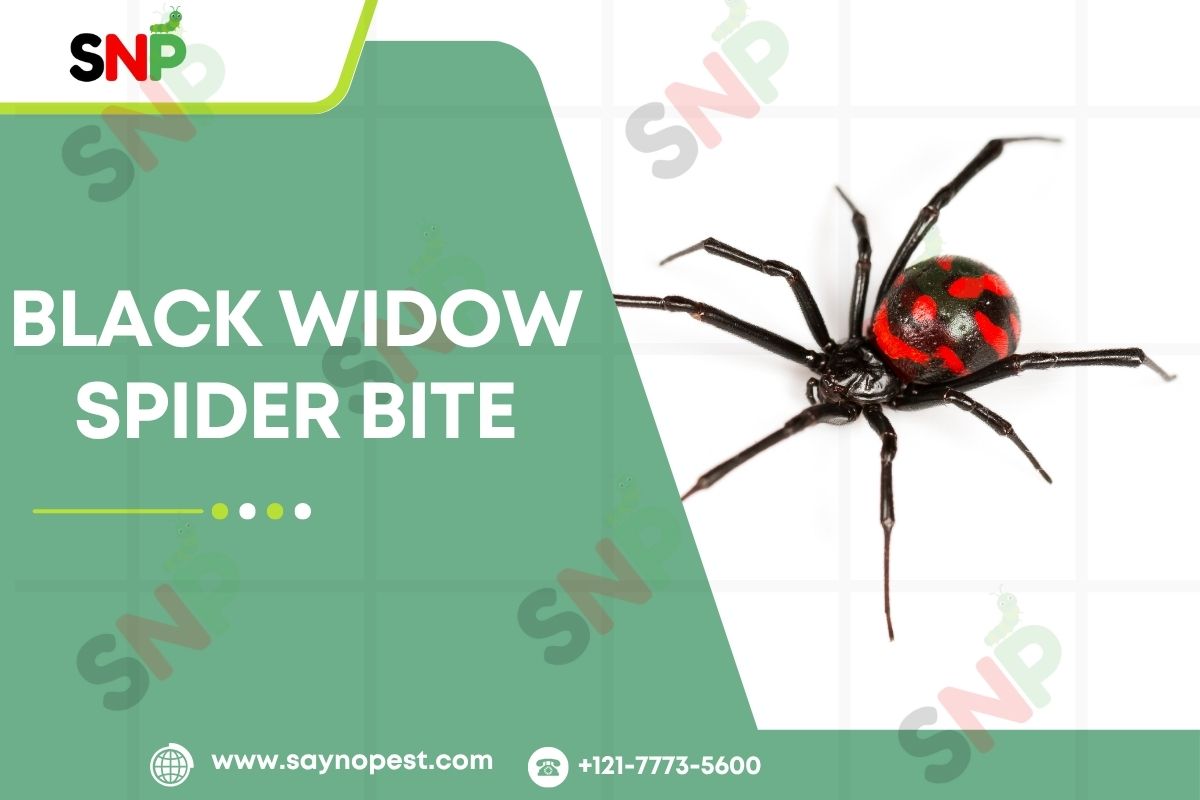
    The black widow spider is one of the most renowned spiders of the United States, as well as one of the most dangerous ones. Conversely, these are some facts about the black widow spider bite that are bound to ensure you do not overreact, and should make sure to take the much-needed action in the event of a bite. This guide goes in-depth on black widow spider bite symptoms, appearance, and treatment.

    When Black Widow Spider Bites Happen

    BLACK-WIDOW-SPIDER-BITE

    Such bites are not common and usually arise out of particular conditions. The black widow spiders are not ferocious and are very happy to leave humans alone. Bites occur most of the time when the spider has no other option than to defend itself or when it mistakenly perceives a threat, so the instances are when somebody:

    • Tries to pick something from an unlit space like a cellar, garage, attic, etc.
    • Clears away woodpiles or shifts outdoor furniture, without realizing that he is destroying hiding places of spiders
    • Uses worn clothes/shoes that have not been washed and have been kept in an undisturbed place for a long period
    • Touches on outdoor verandas, patios, and garden environments

    April to October is the warmest period, and an advantage that the black widow spiders take advantage of this to be the most active. Besides this, they like dark and quiet places and do not disturb them anywhere, whether they are outdoors or indoors which includes corners of garages, crawl spaces, basements, woodpiles, and around swimming pools.  They make building of irregular, messy webs near the ground where they hang upside down, watching for prey.

    According to studies, people can be in the most danger when they unintentionally grip or pinch the spider’s body. Although even if the spider is constantly poked, it may not necessarily bite, However, if you happen to sit on or grab a black widow spider, the spider is likely to give a defensive bite.

    Black Widow Spider Bite Symptoms

    The extent of black widow spider bite symptoms is directly related to the quantity of venom injected and the person’s consequent sensitivity. At the beginning, a black widow spider bite might be felt as a very light sting or might not be noticed at all. The area where the bite is has typically two small fang marks with minimal swelling and redness.

    After 15 minutes to a few hours at most, the envenomation by a black widow spider can result in the appearance of further and more dangerous symptoms such as:

    • Excruciating muscle pain and cramping that disseminates from the bite site to the chest, back, and stomach
    • Muscle stiffness and spasms can be very painful
    • Nausea and vomiting
    • Profuse sweating and increased saliva production
    • Anxiety, restlessness, and difficulty in breathing
    • Headache and dizziness
    • High blood pressure and rapid heartbeat
    • Weakness and tremors

    This pain feeling is commonly described to be the most intense that some patients who have experienced it have even compared it to appendicitis or a heart attack. The symptoms of a black widow spider bite are usually most intense within the first 12 hours and can linger from some days to weeks.

    What Does a Black Widow Spider Bite Look Like

    The black widow spider bite is like a small red dot. Which is hard to spot by everyone. And the most important, their bite marks are not always present. 

    It is typical that within a few hours, the place that got bitten by the spider usually develops:

    • Redness that is local and swelling around the place where the bite happened
    • A rash that is shaped like a bull’s eye, and the center being pale, surrounded by a red ring
    • Very small damage to the tissue, as brown recluse spider bites cause tissue death or ulceration, black widow spider bites rarely do.

    The place where you got the bite may be painful and feel tender, with the skin looking mildly raised or swollen.

    How to Treat Black Widow Spider Bites

    BLACK-WIDOW-SPIDER

    If you see a black widow spider bite, it is important to contact a doctor but before the medical help comes, follow these first aid steps by yourself to avoid the infection

    Immediate First Aid:

    • Wash gently with soap.
    • Use ice to reduce the pain and swell part of the affected area
    • In case it is available, raise the affected area such that the venom is transferred at a reduced pace.
    • Do not agitate and do not make many movements, so that the venom will not circulate quickly.

    Medical Treatment:

    Professional medical treatment of black widow spider bites can include:

    • Pain medications, which can also include opioids in the case of severe pain.
    • Muscle relaxants like benzodiazepines control spasms.
    • Antivenom is used in the case of severe intoxication, although it is rarely applied.
    • Supportive care, like vital signs monitoring.

    Emergency Care:

    • Breathing problems 
    • Pain in the Chest & fast heartbeat
    • Severe muscle pain
    • Skin problems, which include facial swelling
    • Infection in the body

    Prevention and Safety

    Prevention is the best approach to black widow spider bites. They used to live in dark places and prefer not to be disturbed, thus:

    • Use gloves to work in garages or basements or any outdoor areas
    • Air shoes and clothes before donning them
    • Maintain clean and de-cluttered areas of storage
    • Wear flashlights whenever digging into dark holes
    • Seal cracks and crevices where spiders might enter

    Conclusion 

    A bite of a black widow spider is a severe medical issue; however, in case of early identification and management, the majority of individuals make good recoveries. This is always noted that the black widow spider bites when threatened, and therefore, one must always be careful in their area of work around the spider’s hiding points. Wear gloves, declutter, and cover the access holes to your house. Do not wait in case you suspect a black widow spider bite to find medical assistance.

    To receive additional advice and keep out of the way of the dangerous spiders, visit saynopest. We highly emphasize your safety.

  • Cockroach Nymph: A Key to Effective Pest Control

    Cockroach Nymph: A Key to Effective Pest Control

    Only a few topics in pest control are as imperative and as unnoticed as the cockroach nymph. If you have a cockroach infestation in your house or office, knowing about a cockroach nymph is important. To know how it progresses is the key to solving this problem. In this article, we will discuss what a cockroach nymph is, why it is important, and how to recognize the various types of cockroaches present in the USA.

    What Are Cockroach Nymphs?

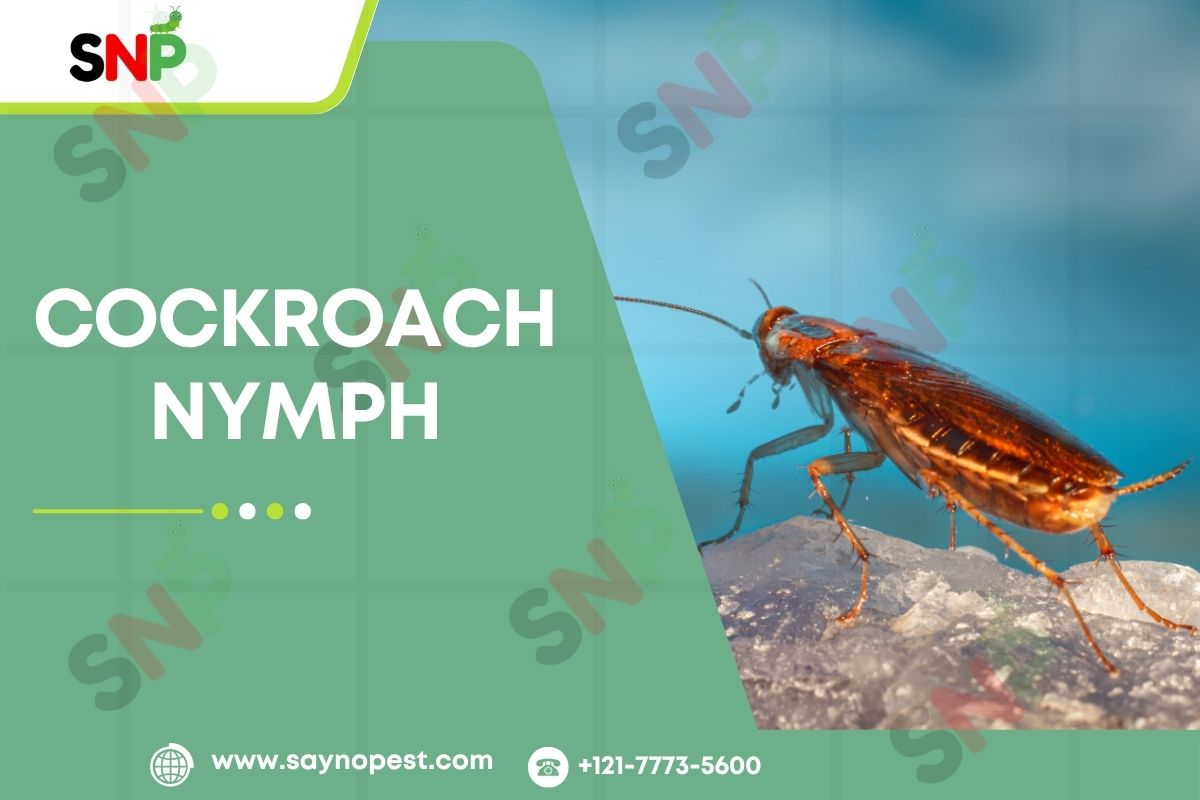
    A baby cockroach is known as a cockroach nymph whose life starts at egg hatching and grows up by moulting thrice in its life span. As compared to many other insects, which undergo a complete metamorphosis, cockroach nymphs are merely smaller copies of the adults (but without wings). They are initially soft and white, but very quickly, they turn dark and hard. Whenever the nymph cockroach sheds its skin, it gets larger and appears more like its adult counterpart.

    cockroach-Nymphs

    This phase is another important phase in the roach lifecycle. The nymphs are highly hairy and what makes them more dangerous is that as they move around seeking food. They can hide under almost any screwed part of the house. According to the environment, the nymph stage may take several months to a year or even more than that.

    Why Understanding Cockroach Nymphs Is Important

    There are a couple of reasons why identifying a cockroach nymph is very important:

    • Early Detection: The presence of a cockroach nymph is an indicator that the infestation is already vibrant. It means that the cockroaches are close to you and are reproducing there.
    • Effective Control: Such treatments represent only one target area of the adult cockroach segment. They are generally unsuccessful as the nymphs that are still hidden continue the population cycle.
    • Prevention: Besides sealing points of entry and getting rid of food, the idea of knowing where and how the nymphs of the cockroach hide is also a valuable method of pest control since it avails safe sites.

    Strict attention to the cockroach nymph decreases the length of pest control procedures and increases their effectiveness.

    Types of Cockroach Nymphs in the United States

    It is believed that all cockroach nymphs are identical. Nevertheless, that is just wrong. In this article, various cockroach nymphs will be discussed, and their identification tips will be provided.

    German Cockroach Nymphs

    One of the smallest and most ubiquitous sources of infestation in the USA is German Cockroach Nymph. At their birth, they had a length of fewer than 3 millimetres and their colour was from a dark brown to nearly black with a light stripe down the middle. A word very similar to “grow” that also means to increase in size is “moult”. “German Cockroach Nymphs” is the best example here, as they moult about 6 times before reaching the adult stage. “German Cockroach Nymphs” are notoriously known for their stealth and ability to find only the tiniest places to hide. Hence, if you find one of them, it is highly likely there are many more invisible to your eyes.

    American Cockroach Nymphs

    American Cockroach Nymphs are much bigger creatures at the beginning of life, coloured pale grey or white; they turn reddish-brown as they mature. Nymphs’ wings have not developed yet and to find them, one should look in wet, dark places such as basements. The process of shedding the old layer of skin results in a new one. The number of times that an insect sheds its skin varies for different kinds of insects, here it has been indicated several times. The period to be taken by an insect to develop after the imago (adult) stage can be as long as 600 days.

    baby-cockroach

    Brown Banded Cockroach Nymph

    The brown banded cockroach nymph is small in size and has light brown stripes. Such nymphs are fond of the warmth and dryness of their habitats and often they are positioned in the highest parts of the cupboards or secretly behind the pictures on the wall. The phenomenon of moulting can be explained as the repeated shedding and regrowing of a new integument that enables insects to grow. Just like the other nymphs of the same insect, these moulting nymphs do it several

    Oriental Cockroach Nymph

    The oriental cockroach nymph is black with hints of dark brown and it also has a glossy coat. The nymphs of these cockroaches really like cool, wet places like basements and drains. Their growth is very slow and they shed their skin many times for around one year before they become adult. If an oriental cockroach nymph is found, it may mean that there is a problem with the moisture condition in your property.

    Conclusion

    Knowledge of the cockroach nymph is crucial to the person who wants to have successful control over the cockroaches. Whether it is the waspish, elusive German Cockroach Nymphs or the robust American Cockroach Nymphs, they present different challenges. Your home or business could be the next target of the cockroach infestation unless you learn how to break the cycle of the infestation by learning to identify and solve the stage of cockroach nymphs.

    In case you are experiencing problems with cockroaches or you require qualified insight on how to manage a cockroach nymph issue, you can visit saynopest to get dependable information and ideas. Do not forget that prevention is the main priority in order to keep your surroundings safe and without pests.

  • Rat Control in Drain Chambers: Best Practices

    Rat Control in Drain Chambers: Best Practices

    If you are looking for a solution on how to control rats in drain chamber, then you are definitely not alone. The rodents’ nature makes them survive for many reasons. One of which is that water that makes it easy for them to hide. Knowing how to control rats in drain chamber is an important step in the process of protecting your property, and most importantly your health.

    This article aims to show you how rats are attracted to drains, what harm they can cause, and what means of defence are most powerful to drive them away for good.

    Why Do Rats Live in Drains

    Obviously, rats and drain chambers are the perfect match since these places provide them with all the necessities:

    • Place to hide
    • Food
    • Water
    • Transport them to buildings

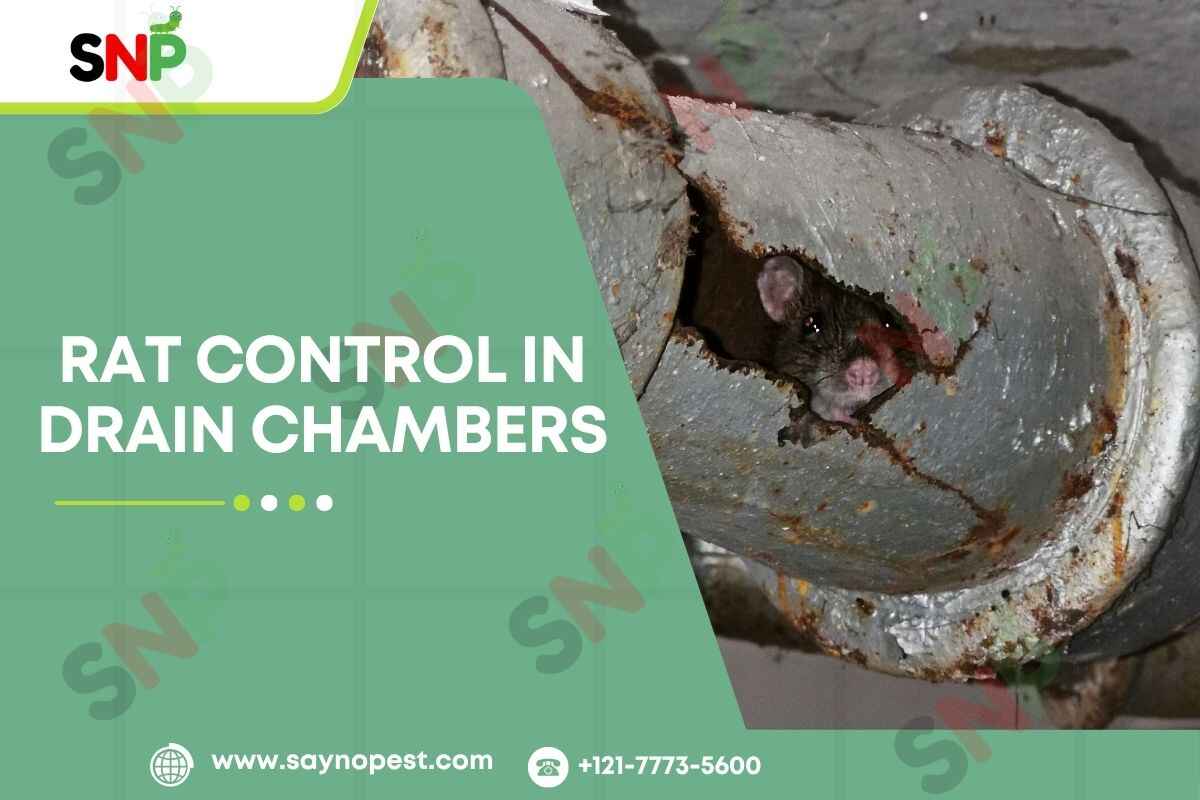
    The rotting organic waste and other garbage that goes down the drain are an unlimited source of food to the rats. Also, the dark and sheltered corners provide them from extreme weather conditions. Even a small crack or hole in a drain pipe is sufficient to allow a rat to squeeze through and nest.

    One of the reasons why rats can move so easily and unnoticed between various properties is the urban infrastructure, which is a complex network of sewer lines. You need to understand why the rats love drain chambers in case you want to discover how to control rats in drain chamber effectively. Because of the very nature of the rats as scavengers, nothing will be left to take advantage of the weak points in your drainage system; hence, inspection and maintenance are crucial components of the control program.

    Why-Do-Rats-Live-in-Drains

    Dangers of Rats in Drain Chambers

    Letting rats infest your drain chambers can be very dangerous:

    1. Health Hazards: Rats are disease-ridden creatures that carry leptospirosis, salmonella, and hantavirus. These diseases become easily transmissible through their urine, droppings, and bites. Contaminated water and surfaces in your home become thus sources of infection.
    2. Structural Damage: Rats are insensitive in nature as far as chewing is concerned. They may chew on pipes, cables and even concrete, not only making repairs expensive but also leading to water leakage.
    3. Infestation Spread: Rats can easily move through the pipes to the kitchens, bathrooms, and other rooms without being noticed when they have settled in a drain chamber, and this will worsen the infestation.
    4. Unpleasant Odors: The rats in the drains are one of the main sources of bad smells that result in the drainage system of your home or business getting contaminated.

    We see how these dangers show the importance of knowing the way to get rid of rats in a drain chamber.

    Effective Rat Control Techniques

    Effective-Rat-Control-Techniques

    So, if you are in search of best practices of how to control rats in drain chamber that will enable you to solve the problem quickly and efficiently, here are some useful points for you:

    1. Conduct a Thorough Inspection

    The very first step of your rat extermination plan should be an examination of your drain chambers for the indications of their presence such as droppings, biting traces, nests, or unexpected sounds. Look around for any cracks, broken pipes, and holes in brickwork since these places are commonly exploited as entrances by rodents. Carry out the inspection using gloves and safety equipment to avoid the direct contact with contaminants.

    2. Block Access Points

    If there is any damage to the drains or pipes, be sure to fix them as soon as possible. Fill in the holes, seal the cracks and put barriers or rodent control devices. The devices work as if they are one-way traffic, thus, they allow waste to go out but stop the entry of rats. Blocking access is one of the most important elements in the control of rats in drain chambers question.

    3. Install Physical Barriers

    You may also find it reasonable to install non-return valves (NRVs) or drain bungs in such parts of your drainage system that are only accessible to you. Such installations will stop rodents from moving against the flow to your premises.

    4. Remove Food and Water Sources

    Rats are less likely to stay where there is a shortage of food and water. Do not ever put food scraps, grease, or any other material that can attract the animals into the drains. Make sure the place around the drains is clean and there is no garbage there. Do not forget to take care of the drains regularly so that there is no accumulation that could become a source of rodents.

    5. Monitor and Maintain

    Carry out regular inspections of your drainage system and the nearby areas to see if there is any new activity of rats. One of the key elements of how to control rats in drain chambers is maintenance.

    Conclusion

    Rats in the drain chambers may be quite stubborn and harmful, yet you, nevertheless, can do a lot save your property and health. Just be proactive! The technique is to understand how to control rats in drain chamber, have deep checks, seal the entry points, and maintain the drains in good condition. Have your eyes open, and never hesitate to contact the professionals. In this way, you will be capable of offering a safer, cleaner, and rat-free environment to yourself and your family.

  • Baby Cockroach: What Every American Homeowner Should Know

    Baby Cockroach: What Every American Homeowner Should Know

    Have you ever seen a tiny insect running very fast on your kitchen floor? It was a probable baby cockroach. Being familiar with what baby roaches look like, their indicators, health hazards they are capable of causing, and dealing with infant cockroaches will be useful as a way of safeguarding your home against invasion by this pest. We at Saynopest are always ready to give American families who have pest problems clear directions on what to do.

    What Do Baby Roaches Look Like?

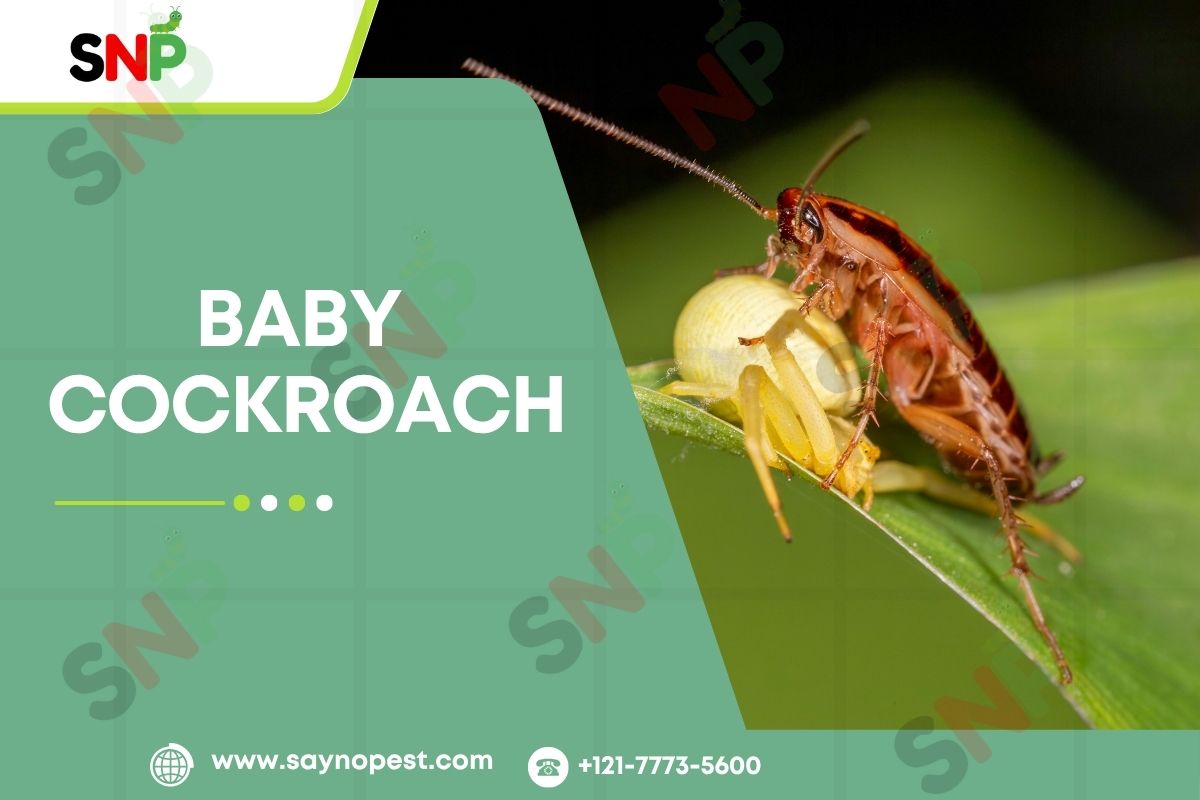
    Another name of a baby cockroach is revealed to be a nymph. When you pose the question of what do baby roaches look like then a nymph is very small and is a cockroach with no wings. These nymphs are most often between 1/8 and 1/4 inch in length, and the body is soft and oval in shape. One of the baby exoskeleton colours, which changes between white and grey immediately after moulting to a slight brown, tan or even reddish-brown as the baby exoskeleton lives the remainder of its life until adulthood.. Unlike adults, baby cockroaches don’t have fully developed wings, and they are often more uniform in shape.

    Step by step, a baby cockroach is positively supported by its shedding of the exoskeleton to change its colour and become darker. Their long antennae and spiny legs are already present, making them agile and quick. A Baby American Cockroach is a good example if it is one of the species you would like to point out there, be sure that the size can one of the features that will differentiate it from the other species, and most of the time it can found in places which are humid and dark like basements or bathrooms.

    Signs of Baby Cockroach Infestation

    Finding a single baby cockroach in a house is a sure sign that the infestation is active. These are the main symptoms of that:

    1. Frequent Sightings: If you often get the opportunity to see small, tan, or brown insects and the only thing you can determine from them is that they run away when you switch on the light, you might be encountering baby cockroaches.
    2. Droppings: Check places which can be the nest of the cockroach for very small dark droppings. The drops will most likely shaped like coffee grounds or black pepper.
    3. Egg Casings: Finding oval, brown egg casings means cockroaches are breeding nearby
    4. Shed Skins: As the baby cockroaches grow they shed their exoskeletons as it grows and this produces exoskeletons that get cast off behind.
    5. The Odour: The smell may be describe as musty, and it is strong and unpleasant; this will be a good indication that the roaches have multiplied and they are breeding the roaches somewhere in the house.

    If you notice any of these signs, especially multiple at once, it’s time to take action

    Health Problems Caused by Baby Cockroach

    Some people think that a baby cockroach is not that dangerous, and therefore, they don’t realize that these pests can become a source of various diseases for the family. The following points can given as an explanation:

    • Disease Transmission: The young cockroaches have a possibility of carrying bacteria such as Salmonella, E. coli, and Staphylococcus and can cause contamination of foods and surfaces. These diseases are capable of causing food poisoning, diarrhoea, vomiting and fever.
    • Allergic Reactions: Baby cockroaches also have allergens that can be the cause of asthma attacks, especially in children and people with breathing problems, because of droppings and their saliva, as well as the shed skin.
    • Skin and Eye Irritation: The presence of allergens when people have contact causes them to experience skin and eye irritation in addition to other conditions that appear as allergic conditions.
    • Long-Term Risks: The risk of aggravated allergic reactions and/or asthma predisposition can become possible over time due to the continuous exposure to animal allergens that the existence of cockroaches causes.

    A Baby American Cockroach is, therefore, one of the factors that can make these health hazards

    How-to-Get-Rid-of-Baby-Cockroaches

    How to Get Rid of Baby Cockroaches

    Eliminating a baby cockroach infestation necessitates using multiple solutions together. Here are the steps which you should follow:

    1. Deny Food Supplies: Your kitchen needs to clean, food should put in air-tight containers, and garbage should disposed of daily to remove the factors that attract baby cockroaches.
    2. Seal Entry Points: Inspect around and look out for holes or cracks. Tape or spray areas where you suspect to be to prevent their entry of cockroaches through those areas.
    3. Use Baits and Traps: Use sticky traps and cockroach baits in the areas where activity was observe. Gel baits in the cracks and hiding places work better, likewise, bait stations are cooler places like kitchens and bathrooms.
    4. Apply Safe Insecticides: Always follow safety instructions during the application of sprays or powders such as boric acid or diatomaceous earth at the problem areas.
    5. Call a Professional: Let them give you the best service they can provide, especially in case of a serious and/or long-lasting infestation.

    Besides, keep your home clean and look out for signs of baby roaches regularly.

    Conclusion

    The detection of baby roaches is not a mere unpleasant incident but also a serious and important matter that must be attend to. Recognizing the appearance of “What do baby roaches look like” and the signs of their presence will equip you to quickly secure your place and your health. Disease risk and allergenic effects are just a few of the dangers that these little creatures pose. Don’t allow a baby cockroach problem to become out of control. Implement the above-mentioned tips immediately, and keep in mind that SayNoPest is your go-to place for all pest control issues all over the United States of America.
    For more expert guidance and help, access synopses—your peace of mind is our mission here.