Category: Wasp

  • Mud Dauber Wasp: Identification, Nests, and Control Methods

    Mud Dauber Wasp: Identification, Nests, and Control Methods

    Mud dauber wasp is a common sight near American homes especially in the warm weather season. Although they are not typically inclined to be aggressive, their unique mud nests are often considered an eyesore on the buildings. This resource addresses all issues that homeowners need to know about these wasps and mandates some practical control methods in case of the nuisance.

    What Are Mud Dauber Wasps?

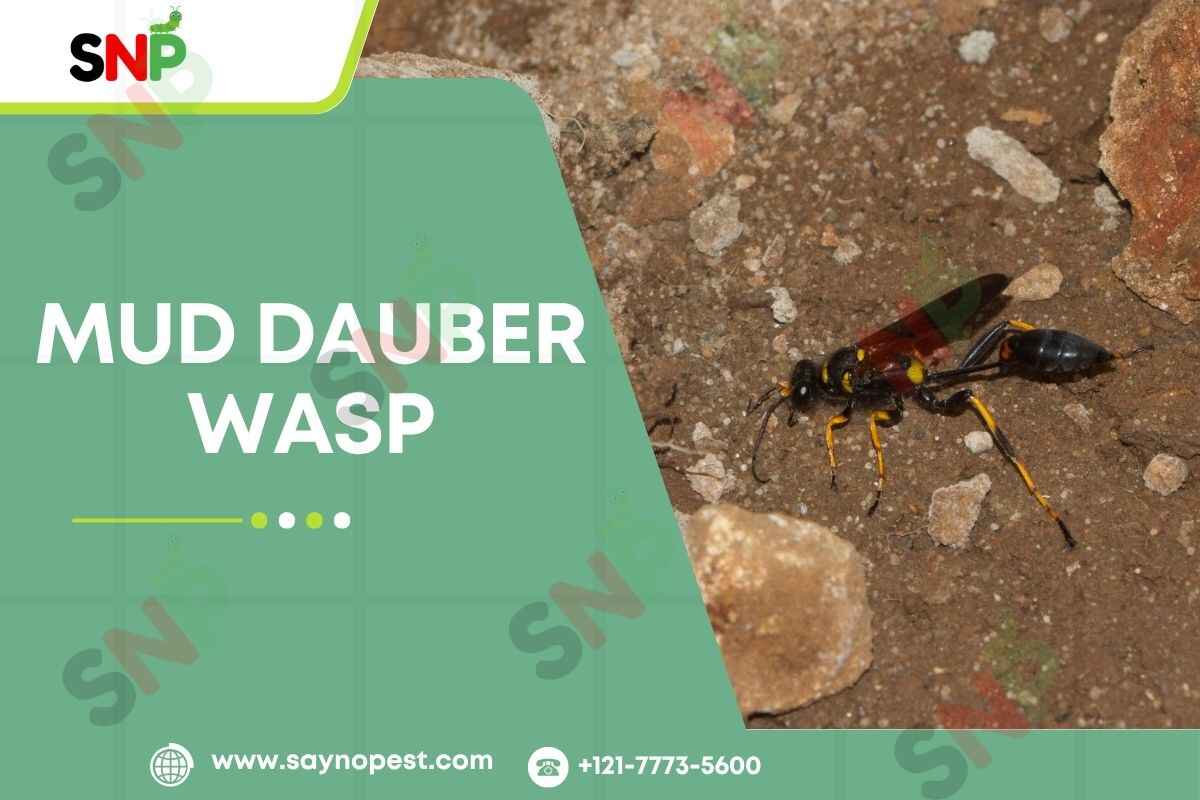
    The mud dauber wasp exists within Sphecidae or Crabronidae families with Sceliphrinae as its subfamily designation. Mud dauber wasps share their solitary life patterns and natural building instincts with yellow jackets among social wasps yet construct their nests exclusively from mud. They are usually ½ to 1-inch long with wasp waists and slim in body, which makes them look even more slender.

    The three main species that you are likely to come across include:

    • Black and yellow mud dauber wasp (Sceliphron caementarium)
    • Organ pipe mud wasps (Trypoxylon politum)
    • Blue mud wasp (Chalybion californicum)

    They possess a variety of colours, with metallic blue or black with yellow spots. The wasp-waisted body is their most unique feature across all the subspecies of mud wasps. Mud wasp most active period is spring to fall, when they hunt spiders and at the same time build their mud homes.

    Mud-Dauber-Wasps

    Do Mud Dauber Wasps Sting?

    Female mud dauber wasps rarely sting humans because all stingers come from females and they will only deliver a sting while experiencing direct assault or when handled. Social wasps are the aggressive ones among the species, but this does not hold for the mud wasps. It is good to know that none of the males can sting, and thus females use it mainly for paralysing spiders to feed their young.

    If, say, you do have the chance to get bitten by a mud wasp, the pain is not as severe as that of other wasps. Nonetheless, people allergic to the venom of wasps should be careful, as such relatively quiet insects can provoke very dangerous reactions, including death.

    Mud Dauber Wasp Nest Identification

    The mud dauber wasp nest is a masterpiece of natural design and looks different according to the species. Each mud dauber wasp serves as a nursery for the embryos, with each cell full of subdued spiders and a single egg; each nest does so.

    The black and yellow mud dauber wasp constructs cigar-shaped bundles, usually in groups and looking like a fist-sized lump, the configuration of which, due to the potential species, is observed to have several variations. The organ pipe mud wasp builds structures in the shape of organ pipes, doing so usually in the form of vertical rows. The blue mud wasp almost always prefers to use abandoned nests and not construct new ones.

    Common locations for a mud dauber wasp nest

    • Under the roof eaves
    • On porch ceilings
    • Along the bridge undersides
    • Inside garages or sheds
    • On the walls of buildings
    Mud-Dauber-Wasp-Nest

    How to Get Rid of Mud Wasps

    While mud dauber wasps provide ecological benefits by controlling spider populations, sometimes removal becomes necessary

    1. Get rid of the insect’s food supply: Get rid of spider webs from the surroundings of your house, as spiders are the main food for mud wasp larvae.
    2. Targeted treatment: At night, when mud dauber wasps are less active, use a wasp-specific aerosol insecticide and directly apply it to their nests. Do not forget to put on protective clothing while treating the house.
    3. The nest removal: Once you have killed all the wasps, scrape off the mud dauber wasp nest with a paint scraper. If the nest is tough to remove, you can soften it with water first.
    4. The preventive measures: Regular insecticide applications at the perimeter of the house with lasting residuals can keep new mud wasp activity away from your home.
    5. Use Water for Quick Removal: A strong stream of water from a hose or sprayer proves suitable for removing newly built mud dauber wasp nests through water pressure alone. Smooth surfaces combined with tender nests make water a very effective solution.
    6. Wear Protective Gear: Protection such as long sleeves combined with gloves and eye protection should be worn when extracting mud wasp nests because the risk of being stung remains minimal.
    7. Choose the Right Time: For safer nest removal of mud dauber wasps conduct the procedure in evening or early morning hours while the wasps remain inside the activity center.

    Conclusion

    The ecosystem receives advantages from mud dauber wasps because they control both dangerous and common spider groups, including black widow spiders. Although the appearance of their mud dauber wasp nests may be undesirabl,e they present no significant danger to human beings.

    Professional pest control services offer both risk-minimised and secure solutions for removing persistent mud wasp infestations. Your best defensive approach against these insects involves regular inspections as well as removing empty nests, since it leads to the most successful long-term protection.
    Your decision about mud dauber wasps depends on your knowledge of their behavior for proper property management.

  • Yellow Jacket Wasp : LifeCycle and Control

    Yellow Jacket Wasp : LifeCycle and Control

    Throughout the United States, the yellow jacket wasp flies freely while differentiated by black and yellow markings and receiving both positive and negative public perception. Understanding yellow-colored insect behaviours becomes vital when attempting to manage these pests since many people experience summer picnic stings and outdoor dwelling contacts with their nests. This article investigates Yellow Jacket characteristics by analysing specifically their queen species as well as the yellow jacket wasp life cycle and successful insect control practices.

    YELLOW-JACKET-WASP-QUEEN

    What Does a Yellow Jacket Wasp Queen Look Like?

    The yellow jacket wasp queen is the head of the pack in her nest crew, who is different from the other members. Those among the worker wasps are usually half an inch long, but the yellow jacket wasp queen is considerably larger, with a typical queen being around three-fourths of an inch in length. She has the same body shine and shiny figure as those of other nests and the characteristic alternating bands of black and yellow, but her size and sometimes a more abundant abdomen mark her as different. In contrast to the fur-covered honeybees, yellow jackets, of which the queen is an example, are shiny, hairless insects that look practically shiny. A larger, solitary wasp may be seen in the early stages of the breeding season, looking for a place to settle–that could well be the queen before she starts the colony.

    The Yellow Jacket Wasp Life Cycle

    Having knowledge about the yellow jacket wasp life cycle is the basis of effective pest control and prevention. The life cycle initiates at the beginning of spring when the fertilised queen of the yellow jacket wasp arises from her wintering spot, which might be in logs, leaf litter, or even man-made structures. The yellow jacket wasp queen searches for an appropriate building site where she constructs either underground dwellings or protected cavities or small paper nests by combining plant fibres with saliva.

    After preparing cells for the eggs development, the yellow jacket wasp queen lays her offspring in each cell. She gives the larvae food until they turn into sterile female workers, a process that usually lasts about 18 to 20 days. The workers then take up the different tasks of fetching, building new cells, and caring for the queen and her offspring, so that the queen can concentrate entirely on her egg-laying duties.

    In the middle of summer, the size of the colony rises quickly, sometimes getting up to 4,000 to 5,000 workers and a nest with 15,000 cells. At that time, the queen begins to produce males (drones) and new queens that she does as the season moves on. These sexual wasps mate and then the males die, while the fertilised new queens find places to survive the winter. The original colony that includes the founding queen and the rest of the workers bids farewell as the winter season comes, and the cycle starts all over again next year.

    The Role and Importance of the Yellow Jacket Wasp Queen

    The queen of the yellow jacket wasp is a critical necessity for the colony’s survival and expansion. She is the only egg layer that gives life to every member of the nest. Many times her death threatens the workers’ life, which means bees will protect her and the young no matter what, giving yellow jackets the human-like attribute of being especially aggressive when someone/something disturbs them. Following the queen of the yellow jacket wasp life cycle, reproduction becomes the queen’s role, while other duties are done by the workers, such as food search, expansion of the nest, and protection of the colony.

    The end of summer and early autumn see the queen generating the next generation of queens and males. After these reproductives go to mate, the queen’s mission comes to an end, and along with the rest of the brood, she dies, leaving the newly fertilised queens to ensure the survival of the species through the winter.

    YELLOW-JACKET-WASP

    Managing and Controlling

    Their aggressiveness and pain-inducing sting being the characteristic features, it is essential to manage the yellow jacket population around your home, especially if you have allergies or small children. Here are some points :

    1. Prevention: Seal your home’s exterior cracks and holes, keep food and waste underground and make sure to not leave sugary drinks or meats outside because the latter attract the yellow jackets.
    2. Traps: Commercial traps for yellow jackets can reduce the volume of wasps, especially in the spring when it is the time of actively searching for queens. These traps use the scent of meat or sweet objects as bait to attract wasps.
    3. DIY Solutions: Spraying the nests with a mixture of dish soap and water importantly erases the wasps on the spot, however, it is necessary to be always careful and wear protective clothing.
    4. Pest Control: Always consult the pest control service when the pest invasion is high as they know how to deal with them in best possible way.

    Conclusion

    The yellow jacket serves as an essential controller of pest insects, although its aggressive nature becomes dangerous when humans disturb their nests. Learning about yellow jacket wasp reproduction patterns, together with queen dependencies, allows individuals to both understand their ecosystem value and implement proper safety measures for their home areas. When you see yellow jacket wasp nest activity or notice excessive activity, it is essential to contact professionals who will handle their removal safely. You can live happily in your outdoor areas by understanding yellow jacket wasp behaviours and taking proper preventive measures.

  • Wasp vs Hornet: Understanding Differences, Control, & Protection

    Wasp vs Hornet: Understanding Differences, Control, & Protection

    With the onset of summer in the States, the same goes for the insects that ruin the outdoor fun and are also a threat to homes and businesses. Among the most frequent are wasp vs hornet – two insects that are extremely difficult to tell apart, but have very distinct differences. Should you be in search of reliable relevant about wasp vs hornet, effective wasp control or professional hornet pest control, this guide will help you identify, understand, and manage these stinging pests.

    What are Wasps?

    WASP

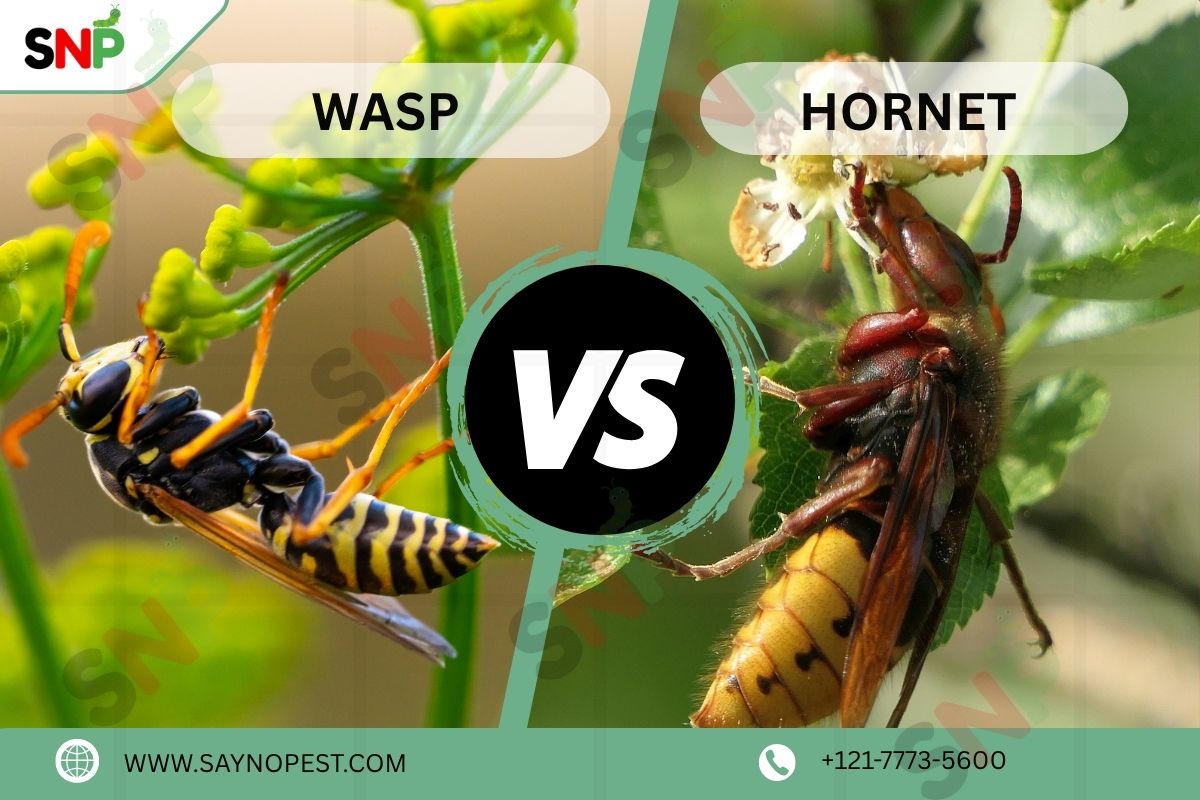
    Wasps are a diverged group of insects that fly, with more than 30,000 registered species all over the planet, and over 4,000 of them available in the US only. They have elongated and slim bodies. They have a very narrow waist and four transparent wings as identifiers. The majority of wasps are striped with black and yellow, although of course, there are some species having redness or some metallic hues. Some wasps live alone, while other wasps live in colony structures, and those structures are made of wood fibre that is chewed and mixed with saliva.

    Wasps are omnivorous social insects. They can eat nectar, fruit, and other insects. They help to keep the pests in the garden under some control, but scavenging for sugary drinks and protein-rich foods is what they do at picnics and outdoor events. Wasps are equipped with stingers that are smooth and with which they can sting multiple times; they can use them as weapons for both offensive and defensive purposes.

    When they build their nests extremely close to human activity, it is very important to implement wasp control as their stings can be painful and, for some people, dangerous. A proper way to eliminate a wasp nest involves using special sprays and soapy water to locate the nest and contacting professionals if it is necessary for safe removal.

    What Are Hornets?

    Hornets constitute a rodent species of classification Vespa beneath the wasp family. Horns stand out from regular wasps through their enlarged size and thick body since they measure from 1 to 2 inches in length. Their appearance is rather dull, usually featuring black and white or brownish-red patterns, and the head is much bigger hence scarier impression that they give.

    Among all hornet species living in the United States, the biggest one is the European hornet (Vespa crabro). Some rare observations show the Northern giant hornet (V. mandarinia) also called “murder hornet” despite its unseen occurrences because of its extended physical features. The social insect hornets develop circular nests that nest primarily in elevated positions of trees, along with attics and hidden locations.

    HORNETS

    Hornets maintain an insect-based diet as they eliminate pests yet they become defensive to protect their nest. The control of hornets becomes necessary when their nests exist close to residential properties and businesses because hornets deliver numerous painful stings and they swarm to protect their nests from threats.

    Wasp vs. Hornet : Key Differences

    Size

    • Wasps: Wasp size ranges from ⅓ inch to 1 inch in length.
    • Hornets: Hornets range from 1 inch to over 2 inches.

    Appearance

    • Wasps: Wasps have a Slender body with a narrow waist and bright yellow and black
    • Hornets: More robust and thick-bodied; muted black and white or brown and red coloration.

    Diet

    • Wasps: Omnivorous — feed on nectar, fruit, insects, and scavenge for sweet foods and proteins.
    • Hornets: Primarily predators — feed mostly on other insects (including bees) and occasionally nectar.

    Habitat

    • Wasps: Build nests in diverse locations such as eaves, attics, underground burrows, wall cavities, and trees.
    • Hornets: They prefer sheltered areas like trees, high branches.

    Behavior

    • Wasps: Yellow jacket wasps, among other types, display aggressive behavior during their hunting, resulting in painful stings.
    • Hornets: Hornets demonstrate minimal aggressive behavior unless anyone irritates them and threatens their nesting area.
    wasp-v-s-hornet

    Wasp Control and Hornet Pest Control: Protecting Your Home

    Both wasp vs hornet pest control require careful identification and targeted action. You can use several methods to eliminate these bugs, for example, insecticides, but bear in mind that this must be done at night, you can seal off, and you can even go as far as to remove a nest by using protective clothing. Nevertheless, due to the possibility of multiple stings and aggressive swarming, especially with hornet pest control is often the safest choice.
    Professional wasp pest control and hornet pest control services can:

    • Identify the species and nest location
    • Use specialized treatments and equipment
    • Remove nests safely, mostly at night when the insects are not active
    • Advise on prevention methods so that your property remains pest-free

    Conclusion

    Knowing the differences between the wasp vs hornet discussion is a very important aspect in the scheme of successful pest management and safety. Even if both species perform important functions in the environment, their dwellings near homes and businesses might be the cause of quite a few risks. Being aware of their special traits – size, appearance, diet, habitat, and behavior – will make it easier for you to choose the proper wasp control or hornet pest control strategy.
    With the right techniques, you can have a safe environment without the threat of stings throughout the whole summer. For all your wasp pest control and hornet pest control needs, trust experts who understand the wasp vs hornet challenge and can deliver peace of mind.

  • Types of Wasps : Identification, Control, & Management in the U.S.

    Types of Wasps : Identification, Control, & Management in the U.S.

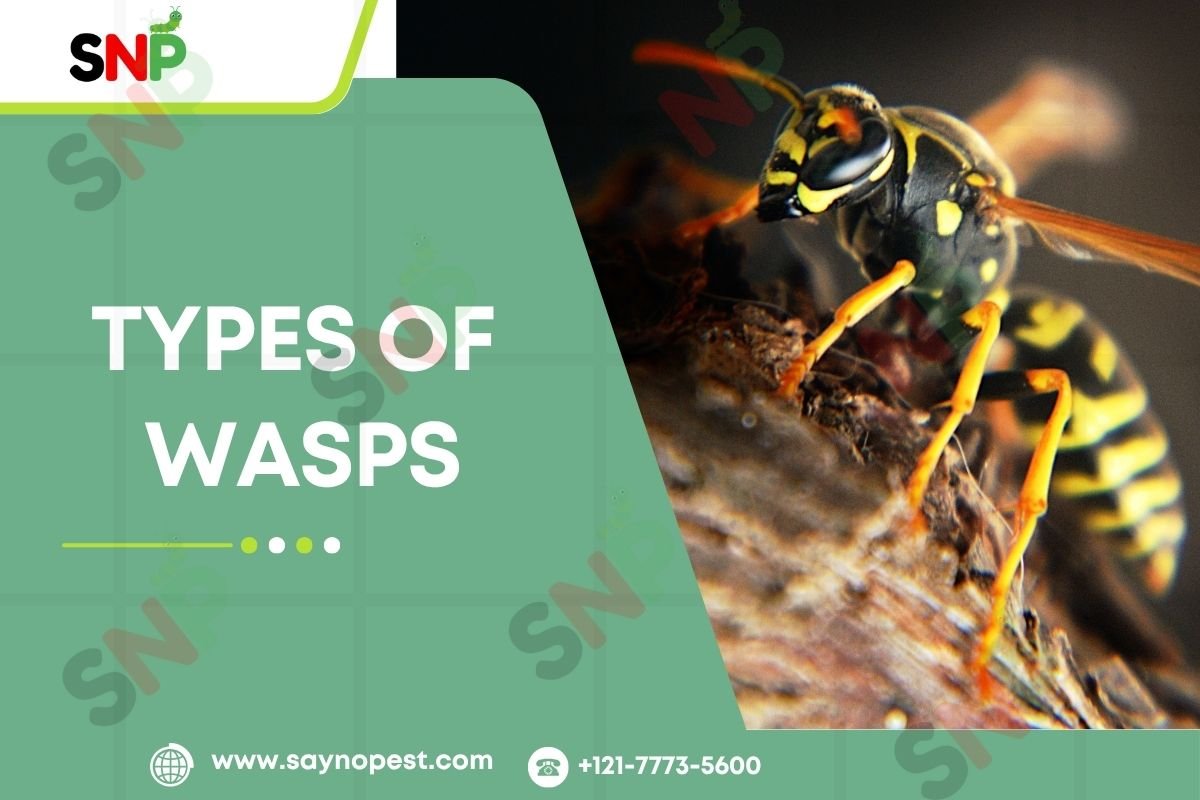
    Wasps are an actual pest across the country, and hence understanding the familiar types of wasps is key to effective wasp control and safety. Recognizing and being capable of managing and eliminating these insects, whether you’re faced with aggressive yellow jackets or the more docile paper wasps, are crucial for both homeowners and businesses. Here will be our focus on the main types of wasps, how to kill wasps, what are their life cycle, and we will also provide simple tricks for.

    TYPES-OF-WASP

    Types of Wasps in the United States

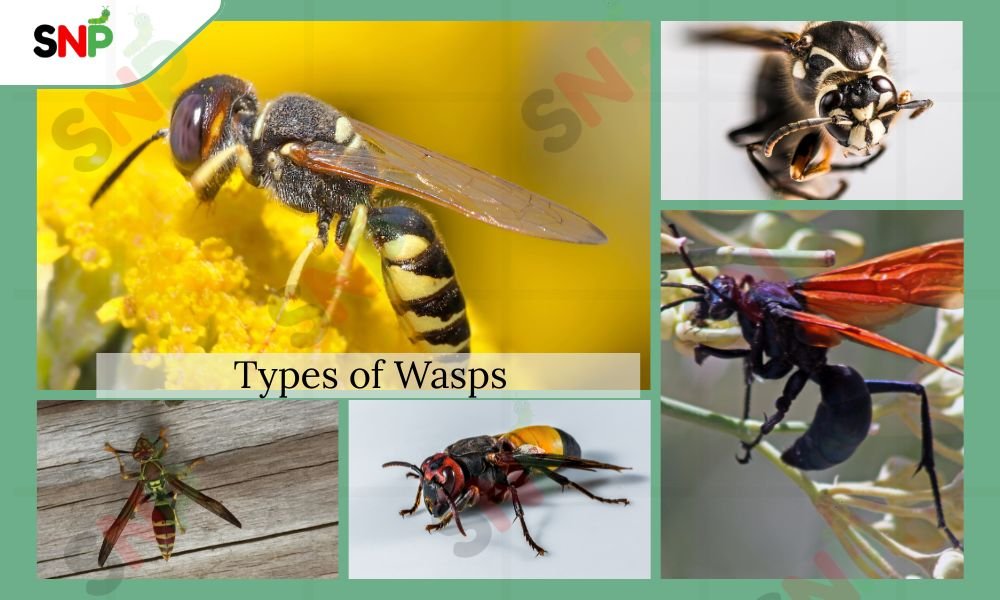
    There are more than 4,000 species of wasps in the U.S., but a very limited number is found around residential buildings and are potentially dangerous. The most common types of wasps you might come across are:

    Yellow Jackets

    Yellow Jackets wasp stand out with their black and yellow striped pattern since they display the highest level of aggressiveness. The construction sites of Vespula spp. exist either beneath ground or within wall cavities while their defensive protection against nest intruders has earned them universal notoriety.

    Paper Wasps

    They’re outstanding for their thin bodies and long legs. The nests of paper wasps take an umbrella shape and usually reside under eaves or attics and tree branches. Paper wasps exhibit color patterns that include black together with yellow and white markings, and also exist in red or orange hues.

    Bald-Faced Hornets

    Despite the name, they are still wasps. The creatures are black and have white facial markings. They prefer to inhabit tree roots or building eaves and construct large, aerial nests. Bald-faced hornets are seriously mad with their stings if you become an obstacle to their nests.

    European Hornets

    European hornets are bigger than the usual wasps. They have a mixture of brown and yellow colors and build nests from paper in the hollows of trees or wall voids.

    Blue-Winged Wasps

    This wasp species mostly found in the eastern parts of the United States. The blue-winged wasps characterized by their large size and wings of a blue hue and are a completely solar species that makes underground nests and stings only if disturbed, seldom.

    Therefore, these types of wasps are useful for carrying out pollination and pest control, but they are also harmful in case of build their nests near humans

    How to Kill Wasps Safely and Efficiently

    If you find a wasp problem at your place, then you must know the ways to how kill wasps to save yourself. Here are some of the effective methods that are used for getting rid of wasps:

    Direct Sprays

    The commercial wasp sprays we’re speaking of here have a nozzle that jets the spray a long way so that you can keep a safe distance. Shoot the entrance to the nest in the early morning or at night before it gets dark, when the wasps are asleep.

    Soap and Water Solution

    A solution that is prepare by mixing two spoons of dish soap in a bottle with water and sprayed directly on the nest. The soap prevents the breathing pores from working correctly, and the wasps killed instantly.

    Homemade Traps

    The first step here would be to cut a plastic bottle and turn it over where the top is filled with sugary syrup or a soda of your choice. After that, we wait for the wasps to get lured into the sweet smell and drown.

    Rubbing Alcohol

    A small drop of alcohol dropped onto the insect will quickly kill it. It can even be done when the wasp is inside your home and you want to get rid of it quickly.

    Essential Oils

    Create a natural wasp deterrent using water and dish soap by mixing any available citrus oil with clove oil and peppermint oil. You can apply this solution through the targeted entry points or nests after preparation.

    Remember that protective clothing is a must, and do not swat the wasps as this can annoy them and they can become aggressive. At the same time, the use of professional wasp pest control services is highly affected when there are big infestations.

    HOW-LONG-DO-WASP-LIVE

    How Long Do Wasps Live?

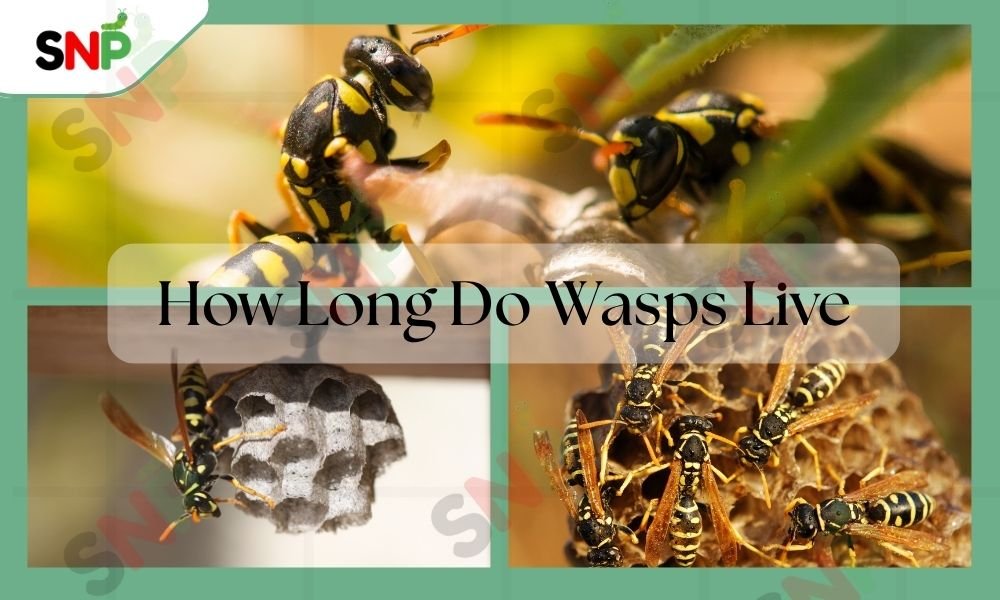
    The understanding of the lifespan of wasps is important to come up with effective wasp control measures. The life expectancy of the average worker as an adult is between 12 and 22 days. A full life cycle-from egg to adult-consists of about 35 and 70 days. The case is different for queen wasps, who survive overwinter by hiding themselves in safe places and thus can survive for one year. Worker wasps and males naturally die in autumn because of the cold and lack of food.

    Wasps, unlike honeybees, do not die after stinging. Their slick retractable stinger enables them to sting several times. This is what makes the effective wasp pest control even more important, with the late summer and fall period being the most aggressive season for wasps.

    Wasp Pest Control: Prevention and Professional Help

    Combining prevention, DIY solutions, and professional help for controlling wasps effectively consists of:

    Seal Entry Points

    Visually inspect and seal up the cracks, gaps, and holes in the walls, roofs, and around the windows to make sure no wasps can get there.

    Remove Food Sources

    Regularly keep outdoor eating areas clean, cover trash cans, and remove the fallen fruit from the yards to be less of a wasp attraction.

    Decoy Nests

    Put up some artificial nests to discourage the territorial wasps from creating the real ones around your place.

    Professional Removal

    If you cannot access a nest, or it is a big one, look for a licensed wasp pest control service to do the job. These people have the professions and equipment to take down nests in a safe and efficient manner.

    Doing regular checks and acting promptly are the main principles of successful wasp control.

    Conclusion

    Wasp management requires full knowledge about types of wasps, along with their natural behaviors as well as appropriate wasp control techniques. Learning either home-based safe DIY wasp killing methods or hiring professional pest control services for wasps requires updated knowledge to protect families and properties. Our security depends on fast intervention whenever wasps create a dangerous situation, even though staying with low numbers of wasps can sometimes bring advantages. The preventative practice of wasp pest control should become a fundamental part of your regular home care activities to maintain lasting mental tranquility.

  • The Great Black Wasp: A Guide for American Homeowners

    The Great Black Wasp: A Guide for American Homeowners

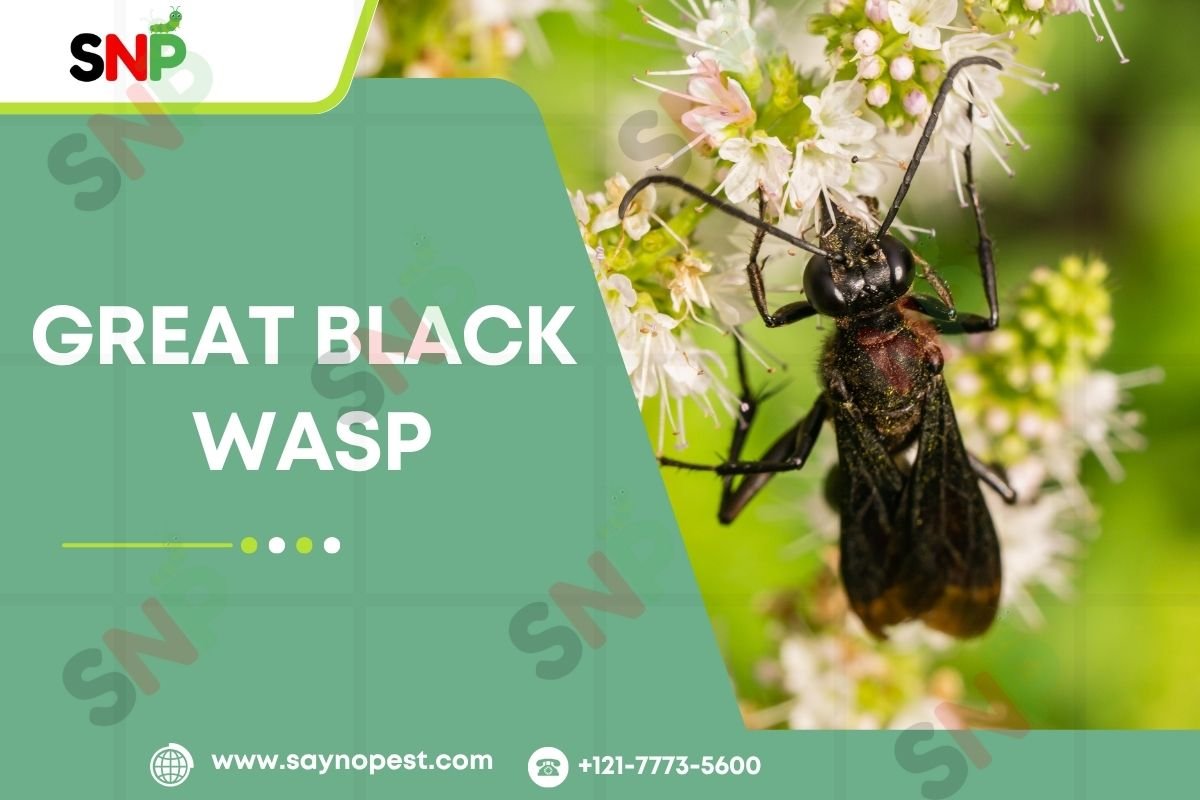
    The great black wasp takes residence in summer gardens as a large, shiny black flying insect. Sphex pensylvanicus represents the scientific name of this wasp, which functions as a solitary digger wasp mainly present throughout most parts of the United States. Society perceives these wasps to be harmful beings despite their affirmative role in maintaining the ecosystem. People lack awareness of wasp ecology because they do not seek information about insects. The truth is that these wasps are not as harmful as most people imagine they are, despite their large size and scary looks. We aim to uncover as many realities as possible about the great black wasp, including the threat to humans, , the stinging behavior of the great black wasp lifespan, and the ways to reduce the risk of having them.

    The Great Black Wasp: A Guide for American Homeowners

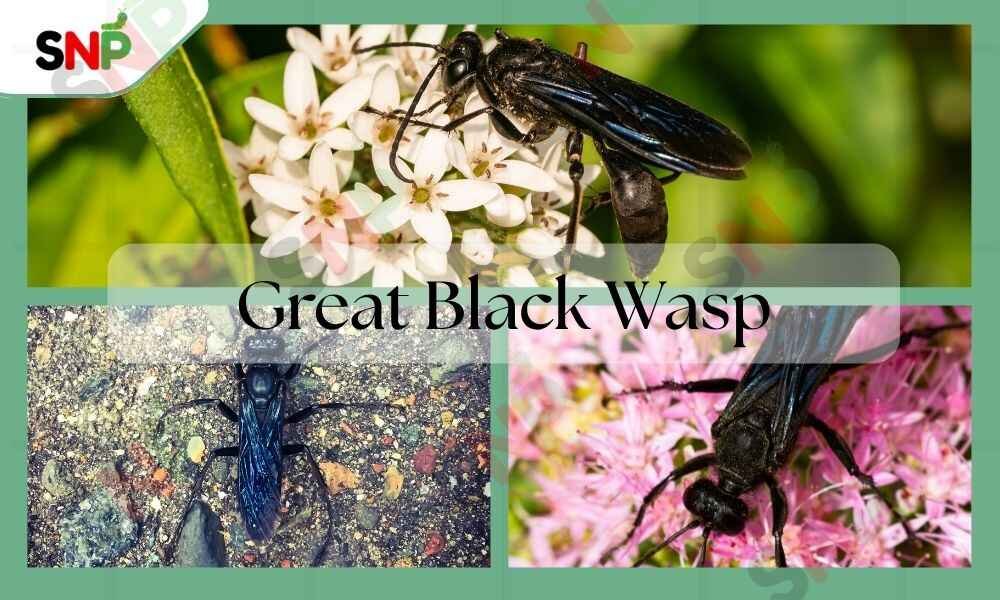
    The female of the great black wasps is among North America’s largest wasp species, with her size being 1.3, with males slightly smaller. They are quite obviously black/faun and shiny with smoky blue iridescent wings, the solid colored wasps that are a great black wasp. On the other side, wasps have their lives in collective buildings, for instance those of a yellow jacket, in a leaf & mdash; large caterpillar nest while the great black wasps are quite autonomous with each female working on her own nest, which is often (but not always) underground and never forms colonies of her own.

    great-black-wasp

    Is the Great Black Wasp Dangerous?

    Some people are concerned about is the great black wasp is dangerous to them. The answer given is not scary: these wasps do not easily get provoked. Since they are social, there is no protection for them, and consequently, there is no source of defensive behavior for humans. Only the great black wasp will sting if you handle them directly, and still, only the females are capable of stinging. These stings, which may be painful, are for the majority of the population consider non-medically important, unless you are very allergic to wasp venom.

    Great Black Wasp Lifespan

    The great black wasp lifespan certainly gives a clue as to their seasonal occurrence. The life cycle is initiated by the female by digging a hole in a well-drained soil where she makes her youngsters the chambers by laying the eggs in. After her prey’s hunt & stings, which include grasshoppers, katydids, or crickets, she paralyzes them with her sting, and afterwards, she places them in the hole of the nest, which serves as food for the babies who are to be born. The larvae then feed on these paralyzed insects for about 10 days, and later, the adult wasps, after pupating for so many weeks, come in late summer, generally as an end of the cycle.

    The great black wasp lifespan lives for quite a short time compared to other organic forms of life; they live a few weeks to a couple of months, but often it’s just a couple of weeks, which is the result of the weather. Female usually emerges after the males and may stay for a while and then be gone, it could be associated with their reproductive strategy or predators, and transportation. A new breed of wasp ends its cycle during the warm season, which is usually summer, and the cycle consists of only one such season.

    Do Great Black Wasps sting?

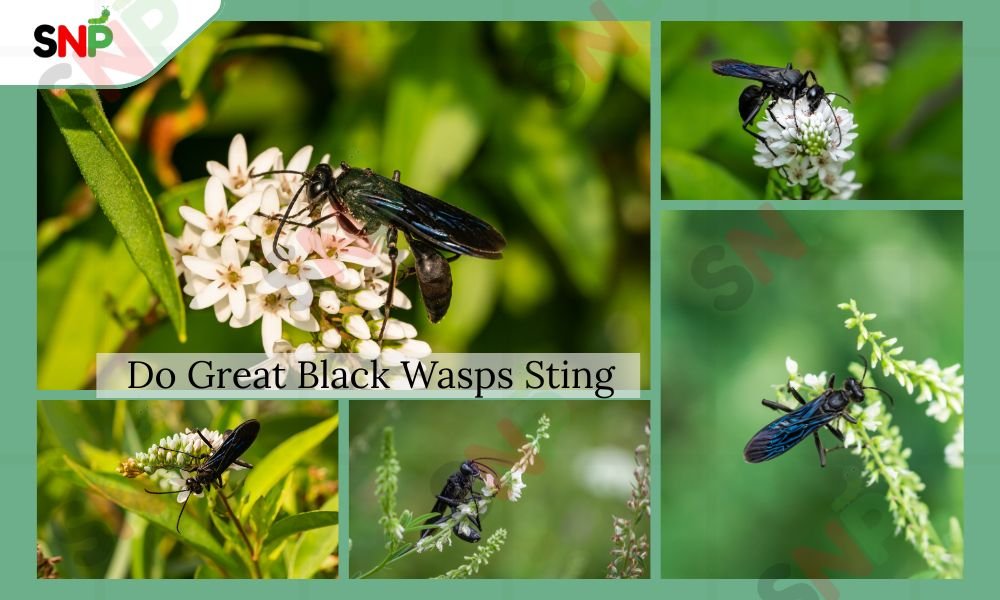
    One common question is: Do great black wasps sting? Yes, they do, but there is an important context for that. It is only the female great black wasps that have stingers which they primarily use for paralyzing prey rather than for defense. Male great black wasps do not possess any stinger structure. Pain is a common effect of a great black wasp sting, although the sting is not as risky as different types of wasps, and these wasps sting people only when specifically provoked or handled wrong.

    The typical signs of a great black wasp sting include pain at the site, combined with redness and tissue swelling. Despite being rare, most allergy sufferers still face a risk of serious reactions if they come into contact with these insects.

    do-great-black-wasp-sting

    How to Manage or Kill Great Black Wasps

    If you are not feeling safe about great black wasps making their nest near your home, there are indeed several ways to manage them that are safe and effective:

    1. Soap and Water: A simple mixture of dish soap and water applied to a nest is sufficient to cause wasps to suffocate and die.
    2. Wasp Traps: The use of homemade traps with sugary syrup can effectively reduce the number of wasps around.
    3. Essential Oils: Wasp-repelling aromas including but not limited to oils from peppermint, clove, and citrus are also an effective solution to protect the house from wasps nesting near it.
    4. Seal Entry Points: One method that may work for getting rid of wasps is to cover the cracks and close the cans to prevent wasp from getting on your property.
    5. Professional Pest Control: For cases of huge or unreachable nests or in the event of allergy symptoms, hiring the experts in the field of pest control is the ideal option.

    Conclusion

    Great black wasps establish themselves as beneficial insects because they manage pest outbreaks and contribute to flower pollination activities. These insects appear frightening due to their size, but they avoid aggressive behavior and present minimal danger to people only when exposed to harm. Great black wasps live for a short time, mainly through prey hunting behavior instead of defending their nest. The question exists about whether great black wasps will sting humans, and the answer becomes clear when they feel threatened.

    The understanding of great black wasp lifestyle and ecological advantages allows us to better appreciate their ecological role and execute secure home pest control. When necessary removal should be performed by using proper pest management techniques or getting help from professional experts. Through proper techniques you can live alongside great black wasps while maintaining safety for both humans and your properties.