Category: Rodents

  • Deer Mouse Traps & Prevention Tips

    Deer Mouse Traps & Prevention Tips

    If you are a resident of the United States and are concerned about your well-being, you must be aware of deer mouse traps. Deer mice live in your houses’ garage and sheds most of the times. In addition, they are carriers of very dangerous diseases, such as Hantavirus, which is a virus that causes very severe respiratory diseases in humans. Since these mice are very fast at reproducing and are excellent at hiding, you need to be quick in your decision to control them. The use of the correct deer mouse traps is the most important step in that.

    Top 6 Ways on How to Get Rid of Deer Mice

    In order to efficiently get rid of an infestation, you will have to use a range of methods. They are the top ways on How to Get Rid of Deer Mice:

    • Set Multiple Traps: Put snap traps, glue traps, or live traps in places where there is the presence of mouse droppings or where a mouse has been gnawing. In order to attract the mouse more effectively, you may use sticky bait such as peanut butter.
    • Seal Everything: Make sure that all cracks, gaps, and holes are sealed with steel wool, caulk, or good quality sealant.
    • Apply rodent bait stations that are tamper-proof.
    • Clean Up: Food should be kept in airtight containers. The cleaning up of crumbs should be done frequently so that no food sources remain. Garbage should be disposed of regularly, and storage areas should also be kept clean.
    • Repellents: The use of peppermint oil or ultrasonic devices is considered to be some of the natural repellents. Although you should be using it as part of a bigger plan.
    • Seal All Entryways: Check carefully for any holes in the foundation of your house, doors, and windows.

    Use DEER MOUSE TRAPS

    It is always advisable to prevent a problem of mice in inital stages. These are the most effective preventative measures along with the use of DEER MOUSE TRAPS .

    Regular Use of DEER MOUSE TRAPS: Put traps in places where the risk of mice infestation is the highest. For example, along the walls, behind the appliances, and near the places that you think the mice could have come in. Don’t forget to check every day if the traps are still there as this will increase success coverage.

    Professional Help: Situations of severe infestation call for a professional pest control expert who uses Integrated Pest Management (IPM) plan that involves a variety of methods such as exclusion, sanitation, and Deer Mouse Traps for long-term control.

    Preventing Deer Mice Reinfestation

    Once you have rooted out deer mice, prevent them from coming back by:

    • Maintaining Seals: Keep an eye on your house’s exterior and make sure that besides repairing the existing gaps, no new ones appear.
    • Routine Cleaning: Secure the food store place and always keep the living spaces free of piles of unnecessary things.
    • Ongoing Monitoring: It will be safer if Deer Mouse Traps are placed in the most convenient spots for mice . Make sure to be diligent in checking them.
    • Do not let shrubs become overgrown. Make sure that no deer mice find their way to your home.

    Conclusion

    Deer mice are not just a trouble, they can also endanger your health and cause damage to your home. Don’t forget that getting rid of deer mice by yourself is only partially solving the problem. You have to be consistent in the use of prevention, traps and continue to be on the lookout for new arrivals. Act now to make your house safe, protect your health, and have a good sleep knowing that no unwanted guests have entered.

  • Are Field Mice Dangerous or Harmless?

    Are Field Mice Dangerous or Harmless?

    The health-conscious person you are, perhaps you may have stopped for a moment and asked yourselves: Are field Mice Dangerous? We will now find the facts about these typical U.S. rodents and the things you didn’t know they could do to your home, health, and peace of mind.

    Introduction to Are field Mice Dangerous

    Field mice, also named meadow voles, are small animals which have a brown or gray coat of fur, and are usually 4 to 7 inches long including their tails. They are present in grassy fields, meadows, and suburban yards in the whole United States. While their place of origin is the outdoors, these adaptable creatures can enter homes especially when going out to find a warm place as weather gets colder. The main question still being are the field mice dangerous besides this?

    Are field Mice Dangerous?

    field-mice-property-damage

    1. Disease Transmission

    The most important thing when deciding, Are field Mice Dangerous, is the possibility of them being the carriers of the diseases. Mice of the field can be vectors of hantavirus, a very rare but very dangerous respiratory illness.

    Transmission occurs by inhalation of dust contaminated with mouse urine or feces. The symptoms of this sickness are-

    • high temperature
    • tiredness
    • breathing problems

    Therefore, it is a very serious threat to the health of the people. Besides, field mouse can be the vector of parasites that will get into your house. They will be the source of illnesses that they will bring if their parasites are the carriers (flea, tick cause Lyme disease).

    2. Property Damage

    As a result of their teeth being very sharp and their permanent need to gnaw, mice cause fires by chewing the electrical wires. They also frequently cause fire and need for expensive fixing. Your lawn, garden, and even the roots of the plants and trees may get damaged by their burrowing and their feeding activities.

    3. Food Contamination

    Field mice are known to pollute food with their droppings, urine, and saliva. Such contamination can lead to the transfer of bacteria in your kitchen. Due to this your  family’s health can be at risk.

    4. Allergic Reactions

    For very sensitive people, the presence of field mice can be the main cause of the allergy and allergic symptoms. The contribution of their fur, and droppings to respiratory disorder or skin reaction may be significant, especially in the case of children.

    5. Infestation Potential

    Field mice are prolific breeders. Thus, a few of them can soon become a major problem if the situation is not rectified in time. They are nocturnal animals, thus, even during the day, you will hardly see them; however, the places where they leave their droppings, gnaw marks, or the scratching sounds will be a giveaway of their presence at night.

    Are field Mice Dangerous: How Do They Get Inside?

    How-Do-Mice-Get-Inside-Homes

    Although field mice prefer to live outdoors, but they can come into houses through tiny cracks in your home, gaps under doors, or from somewhere else. You might not even notice their entry points most of the times. They are very good at moving through narrow openings and will come in searching for warmth and food during the coldest months. Moreover, they can make their nests in attics, basements, or even behind walls.

    Signs of Field Mice Infestation

    Before you even get to know whether Are field Mice Dangerous you need to recognize the signs of their presence:

    • Near food, fences, or outbuildings you may find small black droppings that look like grains of rice.
    • On food packages, wires, or wooden structures there will be some gnaw marks.
    • Decided areas such as under the furniture or inside closets would be full of the nests made of shredded paper or fabric.
    • At night, you will hear scratching or rustling sounds.
    • In the grass or under the snow you will see runways or tunnels if the mice have got there.

    Do not wait if you have any of these signs present in your home.

    Conclusion

    So, Are field Mice Dangerous? The answer is definitely yes. They are not only infected with various health problems but also have the capability to cause you a large-scale damage and can contaminate your food and living spaces. In fact, they might be even more dangerous than we expect if they manage to spread disease, become an allergy trigger, or cost us high repair bills. However, if you will be alert, looking after your property regularly and taking immediate action when you notice the first signs of house invasion, you will be able to shield your family and home from the harm caused by the field mice they need.

  • What Do Field Mice Eat & Why It Matters

    What Do Field Mice Eat & Why It Matters

    Introduction

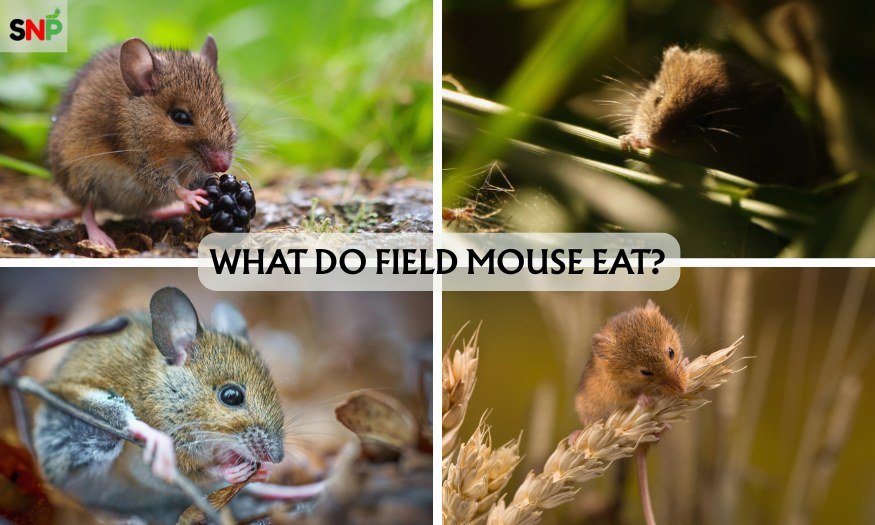
    At SayNoPest, one of the most common questions we receive is about what do field mice eat. And knowing their diet will help you take the first step in getting rid of these unwanted visitors from your home and garden. If you want to know exactly how to protect your home from these pests, you first need to know what do field mice eat in detail.

    Field Mice

    Most field mice live only several months to a year; however, they never stop searching for food and shelter during that time.

    Food consumption plays a big role in life-sustaining endeavors. As opportunistic feeders, field mice consume whatever is at their disposal, thus they quickly adjust to changes in the natural environment. This indicates that eating habits of field mice can be different depending on the season as well as the location.

    It is obvious that their characteristic of food searching often make them go into places like gardens, sheds, and even homes, especially when foods become scarce outside.

    Life Cycle of a Field Mice

    Life-Cycle-of-a-Field-Mice
    • The life of a field mouse is a road of rapid growth and reproduction.
      A female, in a period of 20 to 25 days, carries a pregnancy and then gives birth to a litter that can have from 2 to 11 pups.
    • Two weeks after birth, the opening of eyes and ears, and the appearance of fur begin.
    • At three to four weeks of age, they quit sucking and enter the stage of eating solid foods and learn the basic of foraging from their mother.
      Field mice are able to reproduce very quickly and do so after their sexual maturity, which is typically reached somewhere between five to eight weeks.
    • This rapid growth permits them to reproduce throughout the year, occurring multiple times.
      A solitary female is able to give several litters in a year thereby resulting in a population explosion provided the food is abundant.
    • After they have become adult, field mice continue their relentless search for food, make their nests, and protect their territory from other mice.
      Their short life-span implies that they have to find food and shelter every day that they can hide from predators.

    What Do Field Mice Eat?

    The answer to what do field mice eat is pretty simple!

    • Seeds and Grains- Field mice are mostly herbivores, however, they have no preference. Their diet is mainly includes seeds, grains and green plants such as grass, clover and leaves.
    • These foods give them the necessary nutrients and moisture, particularly in the warm season when the vegetation is plentiful.
    • Fruits and Berries- They change their diet to fruits, berries, mushrooms, and even insects when there is no plant food.
    • Nuts- In general, animals living in the wild are not picky eaters, they will eat whatever they find, including nuts of different kinds, such as acorns, hazelnuts, beech nuts, as well as the occasional insect or invertebrate.

    Among other reasons, their great adaptability explains why field mice diet may vary with seasons-

    • At the time of spring and summer, these rodents have a feast of both fresh greens and insects.
    • And during the winter, after collecting and storing seeds and nuts in fall, they can hibernate or not but they will have food.
    • Besides that, the field mice have been known to be destructive as they can drive birds away if they raid their feeders.
    • At the same time, they gather and store food in the vicinity of their nests.
      Of course, this action will give them the security of a food supply in the time of scarcity. But this may lead to over-eating so that there will be a shortage of the stored food.
    • Additionally, their omnivorous nature makes them a never-ending problem to the farmers and the homeowners.

    Conclusion:

    Knowing what do field mice eat is a major factor in keeping them from invading your house or the garden. On top of that, their easily available diet and high reproduction rate make them extremely difficult to handle. Knowing what do field mice eat allows you to make use of this information in order to be one step ahead of the rodents take food away from them, close up your home tightly, and don’t risk your health.

    Be Cautious!

  • Field Mice: Tiny Yet Huge Troublemakers

    Field Mice: Tiny Yet Huge Troublemakers

    Imagine stepping into your garden and finding a quick, brown blur darting through the grass. That’s probably a Field Mouse one of the most common rodents in the United States. You have no idea about the energy these mice have.  Do not ever judge them by their furry appearance. The possibility of damage they can do to your house is quite extensive. Here we are going to give you all the facts that you need to know about Field Mouse vs House Mouse.

    What Does a Field Mice Look Like?

    These usually have a 3-4 inches long body, keeping their tail aside. The tail is often just as long as their bodies. The color of their coat could be anything from sandy or red-brown on the back to white or gray on the underbelly, making them very easy to recognize among other mouse types. Their tail is dark on the top and light from the bottom, besides being bi-colored it is also covered with fine hair.

    The Deer Mouse or “Field Mice” are the rodent species that have exceptional hearing capabilities. Their night vision and hearing are perfect for detecting food and avoiding predators. Spotting a mouse with a round body, big eyes, and a tail as long as its body, I can tell you to not think further, because it is a Field Mouse.

    Major Differences between a Field Mouse vs. House Mouse

    While both are small rodents, Field Mouse vs House Mouse have very different lifestyles and habits.

    • Habitat: Field Mice can be seen in open areas such as fields or gardens. They occasionally enter buildings if the weather outside is bad or during winters. House Mice prefer to live inside, so they are more likely to stay near you.
    • Behaviour: Field Mice are solitary animals but during winter they may form small groups for warmth. They often store their food near their nests. House Mice are more social and they store food less frequently.
    • Droppings: The droppings left by Field Mice are pointed at the ends, while House Mice make round ones. This might help you know which species of mice has occupied your place.
    • Smell: House Mice have a strong, foul odor, whereas Field Mice do not have any as such.
    • Feet: Field Mice have large hind feet for jumping, whereas House Mice have smaller feet due to which they can easily enter your house even through tight indoor spaces.
    • Reproduction: Both are prolific breeders, but the Field Mice can breed as high as 6-8 litters in a year and each litter can have 10-20 pups. Thus, they can cause a huge problem if they are left uncontrolled.

    Field Mice Dangers

    Field-Mice-Dangers

    Don’t be fooled by how small and cute field mice look, they can actually cause a lot of problems in your home and on your property.

    Health Hazards-

    Field mice can spread dangerous diseases like:

    • Hantavirus (a severe lung disease),
    • Salmonella (causes food poisoning), and
    • LCMV (Lymphocytic Choriomeningitis, which affects the brain).

    How?

    Among the animals, the mice are the most dangerous ones. It was claimed that such diseases can be spread by the mice’s excretions, urine, or even saliva. For example, imagine if a mouse has wandered on your kitchen counter and has left its droppings. You without realizing it have prepared the food, this might lead to you getting very sick.

    Field Mice Bring Parasites

    Field mice don’t come alone, they bring ticks, fleas, and mites attached on their bodies to your house.

    • Ticks can cause joint pain and fatigue.
    • Fleas can cause illnesses like typhus.

    So, a single field mouse could bring a whole group of tiny pests into your home.

    They Chew Everything

    Mice chew constantly because it is the only way to keep their teeth from getting overgrown. This results in:

    • Chewed electrical wires, that could spark and cause a fire in the house.
    • The destruction of pipes and the insulation can result in costly repairs.

    They Destroy Food and Crops

    Field mice can sneak into:

    • Pantries and eat through packaging to get to grains, cereals, or snacks.
    • Gardens or farms, where they eat seeds, vegetables, and damage crops.

    Conclusion:

    Field Mice are indeed very cute, but they are capable of causing damage to health and property that are definitely not minor.  Field Mice are dangerous because their number increases a lot faster. They spread diseases and are very destructive. It is crucial to solve the Field Mice problem as soon as possible.

    In case you think that these pests are in your home or yard, act immediately! Waiting too long can lead to serious consequences that would make you regret.

  • Difference Between Mice and Rats: Mice vs Rats

    Difference Between Mice and Rats: Mice vs Rats

    Mice and rats might seem similar at first, but they’re actually quite different. These differences matter to know how you are going to manage rats and mice at home and that is why it is important to know what you’re dealing with. We’ll break down the basics:

    • what mice and rats look like
    • how they behave
    • the best ways to keep them out of your space for good.

    What Mice and Rats Look Like – Size, Shape and Colour

    Mice- These are tiny and slim. They are 2.5 to 4 inches long, and their tails are just as long as their bodies and their weight is just half an ounce or one ounce. They don’t weigh much, their weight is just half an ounce or one ounce. Some house mice are light brown and some are grey in colour. They have big, round ears, a small pointed nose, and long, thin tails covered with tiny hairs.

    Rats- They are much bigger and heavier in size. Grown-up rats are normally 7 to 10 inches long, and their tails are thick, scaly, and usually hairless. In comparision to mice, rats look tougher, with bigger heads, feet, and are bulkier.

    Can Mice Bite You?

    Yes, mice can bite, but they do not do it normally. Mice prefer to escape and hide. They do not like fighting but when a mouse is scared, it may bite to defend itself. Mother mice may also bite when they believe that their babies are under threat.

    In case you are ever bitten, wash it thoroughly and consult a doctor. Wild mice should not be touched and should be left to the professionals.

    What do Mice Eat and How do they Behave

    They eat both plants and animals. When they are outside, feed on seeds, grains, and fruits. But if they get access to your house, they’ll eat almost anything like crumbs, pet food, and sometimes even things like soap or paper if they can’t find real food.

    Mice eat a lot and by a lot I mean around 15 to 20 times a day, so they make their home near places where food is easy to find and always available.

    How Big Do Mice Get?

    Mice in the U.S. are normally 2.5 to 4 inches long. Their tail can add another 2.5 to 4 inches. They are extremely lightweight. They are tiny and can fit into small holes and cracks in your house.

    Want to know How Smart Are Rats?

    Rats are really smart animals. They can solve problems, notice patterns,  and learn tasks. In some cases, they are even better than humans at smartness. Rats are also social creatures that can form friendships with other rats and even with humans, recognizing people by their scent. Their intelligence makes them more careful and harder to trap than mice.

    Effective Methods on How to Get Rid of both Mice and Rats

    To end rodents infestation, follow the steps mentioned below:

    • Find Entry Points
    • Place Traps in the Right Spots
    • Choose the Right Bait
    • Keep Things Clean
    • Get Rid of Dirty Storages
    • Take Professional Help

    Use mice control products and regularly inspect your home for new signs of activity.

    Conclusion

    Mice are smaller and easy to capture whereas rats are larger, smarter and difficult to capture. Both are capable of health problems. Always be quick to take action when you suspect the presence of mice or rats and always keep in mind that the best way to defend your home is to know them.

  • Discover How to Get Rid of Mice Without Losing Your Mind!

    Discover How to Get Rid of Mice Without Losing Your Mind!

    Mice are are the most common pests everywhere. If you have tried enough and are drained of mice invading your house and want to know how to get rid of mice, you’re at the right place! These small rodents can pollute food and cause health risks. We will cover everything you need to know about mice, their appearance, behaviour, what they eat, whether they bite or not, and more about the best mice control services in the U.S.

    Mice are small animals. They are about 2.5 to 4 inches long, and their tails are just as long as their bodies. They don’t weigh much, their weight is just half an ounce or one ounce. Most house mice are light brown or grey in color. They have big, round ears, a small pointed nose, and long, thin tails covered with tiny hairs.

    Do Mice Bite Humans? Here’s the Truth!

    Mice are not at all violent, but they do bite if they feel scared or harmed.This mostly happens when someone tries to catch or touch a wild mouse. Their front teeth are sharp which can cause damage to the skin, like a small red wound that can hurt.

    The biggest problem is that it can cause an infection. So, if you ever get bitten, make sure to wash the area really well. If the pain, redness, or swelling gets worse, its best to see a doctor.

    How do Mice Behave and What do they Eat-

    Mice wander at night and stay hidden during the day. They’re shy creatures but they easily adjust at new places. They like to stay close to places where they can find food easily.

    They eat both plants and animals. When they are outside, feed on seeds, grains, and fruits. But if they get access to your house, they’ll eat almost anything like crumbs, pet food, and sometimes even things like soap or paper if they can’t find real food.

    Mice eat a lot and by a lot I mean around 15 to 20 times a day, so they make their home near places where food is easy to find and always available.

    Know How to Get Rid of Mice?

    If you’re thinking how to get rid of mice: prevention, trapping, and professional help is often necessary!

    1. Block All Entry Points
      Mice can fit in holes as tiny as a dime! Seal any openings you find like gaps near doors, windows, pipes, and the base of the walls using caulk or anything so mice can’t sneak in.
    2. Use Traps Smartly
      If you’ve signs of mice at your house, traps can help. Snap traps, sticky glue boards, or even live catch traps work well for small problems. Place them where you’ve noticed mouse activity. Use baits like peanut butter, chocolate, or dry fruit instead of bread and other boring stuff.
    3. Cut Off Their Food Supply
      Keep all your food in properly sealed containers. Don’t leave food particles lying around, and take out the trash daily. This way you take away their reason of staying at your house.
    4. Get Rid of Nesting Stuff
      The less cozy stuff they can find, the less likely they’ll settle in.
    5. Try Natural Mouse Repellents
      Some smells can help keep mice away. Peppermint oil and other strong-scented essential oils may work as natural deterrents. Even having a cat can help!

    If you still find these tiny invaders at your house, professional mice control services are recommended.

    How To Get Rid of Mice at Your Place?

    How-To-Get-Rid-of-Mice

    If home remedies aren’t working, take professional help. Here’s what typically happens when you call in the pros:

    1. Home Inspection
      First, they carefully inspect your home and look for the signs of mouse activity at your place such as droppings, nests, or chewed wires and then they figure out how the mice are getting inside.
    2. Sealing the Gaps
      Once they find the entry points, they’ll seal all the holes or cracks using materials mice can’t chew through. This helps stop new mice from getting in.
    3. Trapping and Removing Mice
      In the following step, they’ll place traps in smart spots, especially where mice travel or hide.
    4. Using Bait Stations Safely
      In bigger mice infestations, professionals may use special bait boxes with rodent poison. These are designed in a way that kids and pets can’t get into them.
    5. Fumigation (Only If Needed)
      In really bad cases, a full-home fumigation might be used, but this is rare and usually the very last option.
    6. Follow-Up Visits
      Most pest control companies don’t just treat once and leave. They come back for follow-up checks to make sure the mice are really gone and nothing new has popped up.

    Professional mice control services are effective because they ensure long-term results.

    Mice Control Services in the U.S.

    When choosing a company to help you get rid of mice, here are some things they should offer:

    • Thorough Home Checks
    • Personalized Treatment Plans
    • Safe and Kind Techniques
    • Prevention Tips
    • Follow-Up Visits

    Reputable mice control services will help you get rid of mice quickly and prevent future infestations.

    Final thoughts on Taking Care of a Mouse Problem

    Mice at your home? Yes it can be frustrating and if the problem feels bigger than you can handle, don’t wait to call a professional pest control service. These experts do more than just remove the mice. They also help you stop them from coming back.