Category: Moths

  • Clothes Moths: How to Protect Your Wardrobe

    Clothes Moths: How to Protect Your Wardrobe

    The clothes moths are a secret danger that is hiding in your storage spaces and in your closets all over America. Homeowners can be concerned with them because of their ability to destroy favourite clothes, particularly those made in natural fibres. Did you ever ask yourself the question: Do moths eat clothes? Or do you find strange holes in your beloved sweater, or are you wondering what you can do to help prevent the infestation? Then this guide will give you the real answers and practical tips that will help you in this situation, and you will find that it is specific to the American audience.

    Do Moths Eat Clothes?

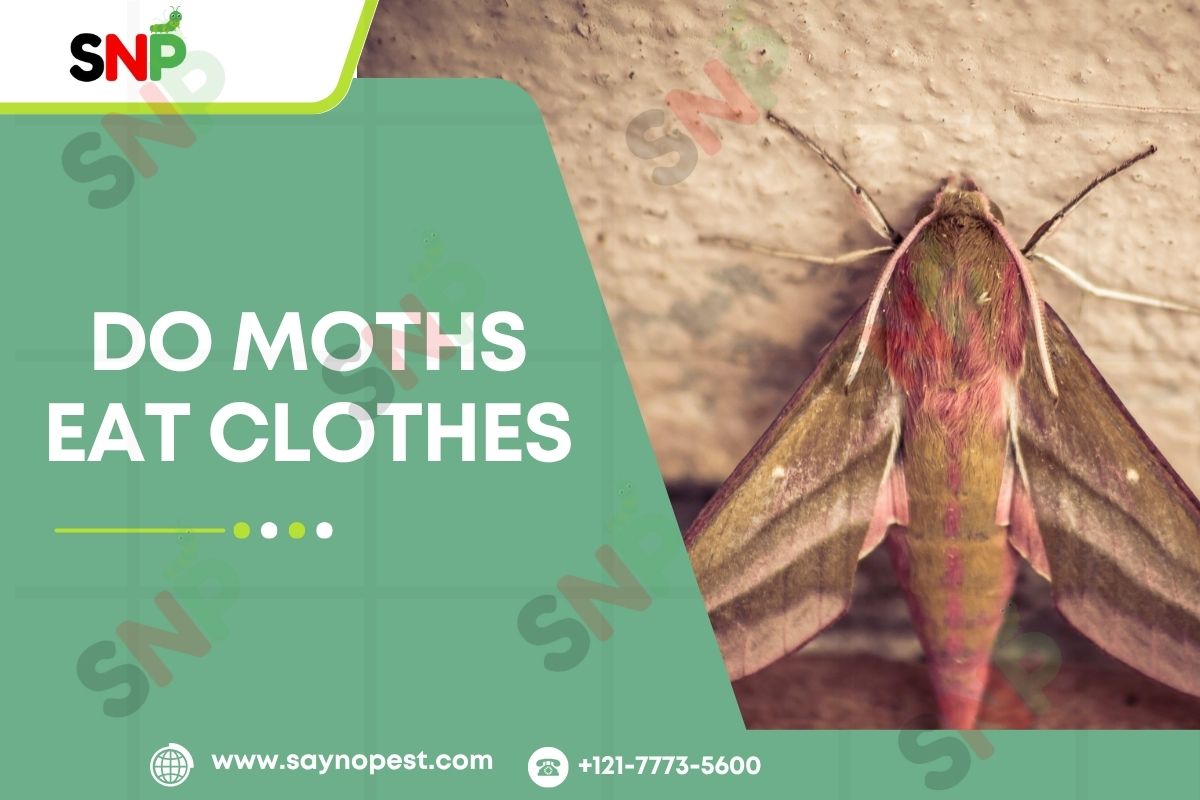
    Many people ask this common question: Do moths eat clothes? As this question may come to mind the when people see their clothes in bad condition. The thing is that adult clothes moths, the tiny golden or brownish moths that you may observe flying around discreetly, do not feed on clothes. Rather, it is their larvae that are the guilty parties. These are the cream-colored and caterpillar-like tiny larvae that chew on clothes, carpets, cushions, etc. The question Do moths eat clothes has an actual answer of no, but their larvae do.

    Do-Moths-Eat-Clothes

    The larvae of clothes moths prefer animal fibres that are keratin-base, e.g.:

    • Wool
    • Fur
    • Silk
    • Cashmere
    • Feathers
    • Leather

    In spite of the fact that the clothes moth rarely attacks such synthetic materials as polyester or acrylic, an attack may be made on mixed or blended fabrics, especially those that are stained with sweat or oils and food residue. This is the reason why it is quite essential to clean and take care of your clothes in order to maintain them in a perfect state.

    Where Do Clothes Moths Breed?

    Clothes moths like dark and silent places. Pantry moths prefer the hustle and bustle of the house, whereas clothing moths prefer the quiet and distraction-free environment where they eggs and young ones will not disturbe as much. Where, then, does the cloth moth breed? The response is obvious: deep inside cupboards, wardrobes, drawers, storage boxes and even under furniture.

    A cluster of sticky eggs of female clothes moths is laid and hidden in the folds and seams of the garments, under the bed, or in the thick carpet pile. These eggs are not easily visible but turn out to be the beginning of infestations. Clothes moths normally breed in:

    • The closet’s back corners
    • The insides of storage trunks or garment bags
    • Black basements or attics
    • Under pieces of furniture and in its cushions
    • Boxes and drawers, which were seldom use
    • In and underneath carpets and rugs that are seldom cleane

    Humidity, moisture, warmth, and organic material like pet hair, dust or food spillages all present an ideal breeding environment to the common clothes moth and its relatives.

    Signs of Clothes Moths

    You may save your expensive clothes by detecting it early. Being aware of the warning signs of clothes moths will assist you in dealing with the situation before your favourite items are destroy. The following are the most indicative signs of clothes moths to look out:

    • The holey or worn-through places in wool and other animal fibre cloth tend to be random and discontinuous
    • Silky tunnels, webbing or patches stuck to fabrics, carpets or the corners of drawers
    • The casemaking clothing moth larvae live in the portable houses of small tubes or cases attached to clothing
    • Sandy granules or dark specks (droppings of larvae) on shelves or in boxes used to store foodstuffs
    • Too much fur on the floor, worn-down cloth or piles of rugs and furniture

    Adult moths suddenly flitting away when you disturb stored items (though, of course, adults feed on nothing, but seeing them is an indication that a breeding population is in the process)

    Most of the destruction is done in the places where the clothes moths feel most secure, that is, in the seams, the collars, under the cuffs or the fringe of carpets behind furniture. The presence of discarded pupal skins or live larvae is also a sure indication that you have an infestation.

    Common Clothes Moth Species

    Several clothes moths are damaging in American households, the most infamous being the common clothes moth. The worst offenders are as follows :

    1. The Web Clothes Moth: This small golden moth, commonly known as the common clothes moth, is widely spread in homes in the United States. It is mainly damaging in its larvae, which often spin light webs and feed intensely on natural fibres.
    2. Casemaking Clothes Moth: Almost the same size, except a bit browner, these larvae dwell inside portable cases made of silk and fibres they gather. As they feed their cases, stick to the fabric.
    3. Other Relatives: Other relatives include the tapestry or carpet moth and brown-dotted clothes moth, although these are not as common.

    All these moths are indoors throughout the year, most likely in areas that are not often visited. The adult clothing moths have poor flight ability and do not prefer light and thus the infestations are usually not noticed till severe damages occur.

    Clothes-Moths

    How to Protect Your Home from Clothes Moths

    The most effective way how to get rid clothes moths is preventive action, which keeps your clothes safe. What you can do is the following:

    1. Daily Cleaning: Vacuum closets, carpet edges and behind furniture. Clean the clothing by laundering or by dry-cleaning at regular and, especially before storage.
    2. Check and Repeat Clothes: Clothes which are regularly worn by people have less chance of being affected.
    3. Protective Storage: Keep the extra clothes in the best and air-tight containers. Also use the essential oils like cedar blocks, lavender and etc to avoid the clothes moths.
    4. Control Environment: Hospitable conditions are reduce by cutting down humidity and the moisture content in areas of storage.
    5. Dispose of or Treat Infested Items: During cleaning, it may be necessary to treat or dispose of dangerous items professionally to eliminate the spread.
    6. Monitor: Skin or traps to watch out for the signs of clothes moths, or do frequent checks.

    Conclusion

    Clothes moths are not just a bother; each one is a major foe to your clothing and house textiles. Living to the realization that it have to be the adults but the larvae that respond to the question, Do moths eat clothes?, being able to detect the thin line evidence of clothes moth with its perfect knowledge of how and where the common clothes moth breeds, it is the watchful eye and the proactive protection that will help you to keep your wardrobe intact.

    Trust Saynopest to take care of your house and offer practical advice and contacts to professional pest control services in the United States. Remaining informed and ready, you will make sure that clothes moths won’t have a chance.
  • Do Moths Eat Clothes? Uncovering the Truth About Clothing Moth

    Do Moths Eat Clothes? Uncovering the Truth About Clothing Moth

    Do moths eat clothes? Well, if you have ever found holes in your favorite wool sweater after taking it out of storage, you must have asked yourself that question. It is one of the questions that are often asked by households in the United States who love wool, silk, and other natural fabrics. First of all, let’s figure out the reasons why the clothing moths are attracted to your wardrobe, the role of clothes moth larvae, how to observe the infestation, and most importantly, how to save your clothes.

    Why Do Moths Eat Clothes?

    clothing-moths

    Now, to answer the question, do moths eat clothes first, we need to find out the nature of these insects. Adult moths do not eat clothes – this is often misunderstood. The offspring of the adults, called clothes moth larvae, are responsible for the destruction.

    The clothes moth larvae eat only animal fibers like wool, silk, fur, and feathers because these materials have in them keratin, a protein of animal origin that is made of fibrous structures similar to those the larvae use for digestion. Keratin remains a major ingredient in the synthesis of their growth and development. These fibers are fed on by the larvae as they mature to enable them to develop the energy they need to transform into the pupa stage and hence adult moths. That is precisely the reason you woolen sweaters, cashmere scarves, and silky attire are more appealing to the clothes moths.

    Basically, these larvae are capable of digesting keratin, thus giving them the ability to develop into rampaging pests. They are nocturnal animals as well, and this means that they would seek purely dark places where they can hide with ease, like closets the attics as well and storage boxes. Besides, it is in such places that they find their leisurely feeding. Items that are not used often or kept for a long time are the most vulnerable.

    Clothes Moth Larvae: The Real Threat

    Clothes moth larvae are small worms of cream colour, and they are usually less than 1.3 cm in length. Once the adult female clothing moth lays its eggs on a fabric that is favorable to the eggs, the eggs will develop in about 4-10 days, which is dependent on the climatic conditions such as temperature and humidity. The larvae will then enter into a feeding spree which can extend as long as a few weeks or in some cases up to 2.5 years, depending upon the prevailing conditions of the environment and also based on the food supply.
    As they go through this period, clothes moth larvae are unstoppable. They also weave silk tubes or cases while they go, which can frequently found on infested fabrics. These garments and tunnels are more than just a safe place for them; they also signal their presence.

    Signs of Clothing Moths

    Recognizing a clothing moth infestation in its initial stages is vital to avoiding a lot of destruction. The following are the typical indicators that clothes moth larvae are around:

    • Uneven holes or completely worn areas in clothes made from wool, silk, cashmere, or fur.
    • Silky tunnels or cases attached to the fabric, especially from the casemaking variety of clothing moths.
    • Fur or feathered articles excessively shedding.
    • Crusty accumulations or tiny fecal pellets on or near infested fabrics.
    • When clothes are disturb, visible larvae or grown moths occur.

    Damage is commonly conceale in places that are not plain to the eye, beneath collars, inside cuffs, beneath furniture, etc. When you see these symptoms, it indicates that it is high time that clothes moth larvae establish themselves as home in your wardrobe.

    How-to-Get-Rid-of-Clothes-Moths

    How to Control Moths Eating Clothes

    Keeping your wardrobe safe from clothing moths needs a very engaged approach. Here is what you can do for clothes moth larvae control and how to prevent their damage:

    1. Cleaning Thoroughly: Vacuum regularly closets, storage, and furniture that is upholster at least once a week. Before storing, wash or dry clean clothes, as food stains and body oils are the favorite of clothes moth larvae.
    2. Storage Properly: When the season changes, store clothes that you do not need in airtight containers or garment bags. Besides, cedar chests or blocks are also a very efficacious natural remedy against the moths due to the presence of essential oils in them.
    3. Cut Back Hiding Spots: Ventilate and keep well-lit the storage places since the clothing moths are the places where they like the most dark and quiet places.
    4. Utilize Moth Traps: Setting up pheromone traps will help you catch the adult moths as well and it will also serve as a tool to check the number of the infestation.
    5. Inspect Consistently: Make sure you keep checking the items in the storage regularly so that you will not surprised if the clothes moth larvae are there or some damage has occurred.
    6. Get Rid of Infestations: After discovering the infested items, you can wash them with hot water or place them in the freezer for a few days, as it will kill all the life stages of the clothing moths.

    The application of these instructions will enormously downplay the chance of clothes moth larvae being. By carefully following the instructions below, you can go a long way to prevent clothes moth larvae from turning your favorite clothes into their feast.

    Conclusion

    Well, do moths eat clothes? The fact is they do—more precisely, the clothes moth larvae caused the harm to your favorite fabrics. By knowing their nature and life cycle, you will be able to detect clothing moths in the very beginning and do the right things to defend your closet. For more professional pest prevention tips and to ensure that moths have no place in your house, go to saynopest—your reliable partner for pest control.

  • Pantry Moths: A Complete Guide for American Homeowners

    Pantry Moths: A Complete Guide for American Homeowners

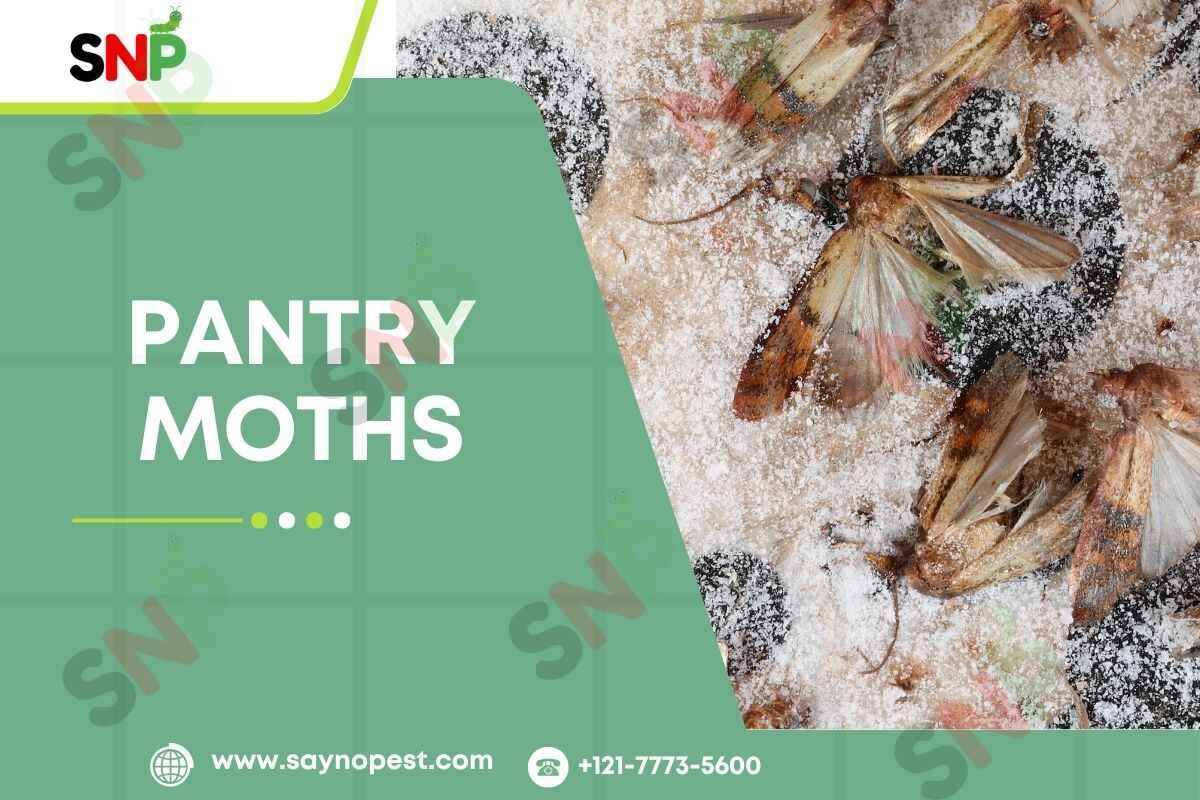
    Pantry moths are one of the commonest and most annoying household pests that American families can find in their kitchens. These small and tiresome bugs can easily and rapidly turn a well-stocked pantry into a disaster for themselves. They will not only contaminate the food but will also make an unwelcome mess in it. Learning the nature of these pests is the most important thing to be able to prevent and control them during the whole process of solving the problem, which makes the present guide an indispensable aid to every homeowner who is dealing with the problem of pantry moths.

    What are Pantry Moths?

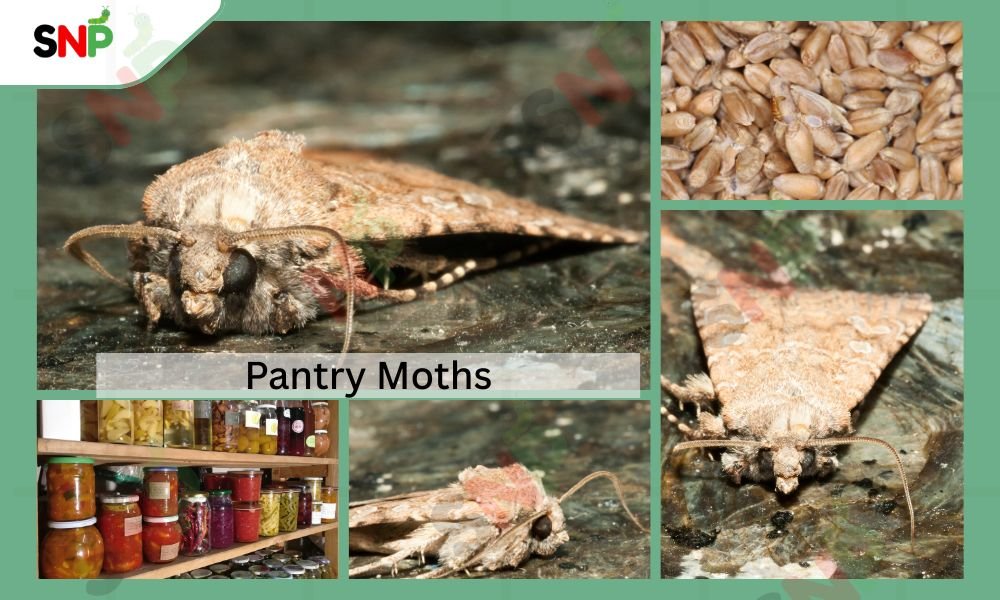
    Pantry moths are little creatures that love grain and thus only dry food they can find in the kitchen and the pantry. They are a night kind of animals and, besides that, they are not one but many species that are quite similar and have a similar kind of food and thus feeding habits. The common types of pantry moths that are found in an American household are the Indian Meal Moth, Mediterranean Flour Moth, and Angoumois Grain Moth.

    pantry-moths-life-cycle

    The insects called pantry moths that are in their adult stage are very small. The most recognizable by people, the Indian Meal Moth, looks like it has a pair of bronze-colored wings, but if you look closely, two colors can be seen – the one which is next to the head of the moth is grayish-white, and the far end is the reddish-brown copper color. Unlike butterflies, these moths are quite small and have a weak flying ability, so they tend to rest with their wings folded, and when they are disturbed, they show the flight pattern which is very characteristic of them – they fly in a zigzag maneuver.

    Pantry moths have launched an attack on stored food products that are of an extensive variety, such as cereals, grains, flour, beans, nuts, dried fruits, spices, chocolate, pet food, birdseed, and even packaging materials. These pests are quite troublesome, mainly because they tend to invade food packaging – their larvae can make holes in plastic bags, thin cardboard, and even in some sealed containers to get at the food. The harm caused by pantry moths has gone far beyond food consumption, only because they have now become a nuisance in several products due to their droppings, shed skins, silk webbing, and body parts that have led to the whole food supplies being rendered unusable.

    Pantry Moth Larvae: The Real Culprits

    The most life-threatening phase of the pantry moth life cycle is the larval stage. The pantry moth larvae are tiny, worm-like creatures, usually off-white with brown heads, that can reach a length of 1.7 cm. Once they hatch from eggs laid directly on food, these little ones become ravenous and consume whatever is at hand – flour, grains, nuts, and more.

    During their eating, pantry moth larvae give off frass (waste) and the silky webbing, which acts as a glue for the particles of the food, thus indicating a very big infestation along with the smell of them. Not only will their presence will destroy the food, but also their rapid spread, as they can chew not only cardboard, but also thin plastic to get to new food sources, will cause the spreading of the infestation.

    The larva stage of their development may continue from a minimum of 2-3 weeks, if the temperature is high, to even a few months, if the environment is cold and the food is insufficient. It is this time that they do the most contamination and, therefore, they are the main cause of food being thrown away.

    Pantry Moth Life Cycle

    Understanding the pantry moth lifecycle is very important to remove them outside your house because you never know which corner they are building their family in. They go through a complete process of four stages.

    1. Egg Stage: One female Pantry Moth can give a maximum of four hundred eggs, directly or near a food source. These eggs are so small that they look like a white, grey haze.
    2. Larval Stage: This is the most damaging phase. The pantry moth larvae consume food for up to 3 weeks (sometimes even longer) and thus spread the pollution everywhere they go.
    3. Pupal Stage: When the larvae have eaten enough, they move away from the food and spin their cocoons in the cracks, corners, or even under the food packaging. The pupa period is the time when the insect changes inside the cocoon from being a larva into an adult moth, which lasts about 15-20 days.
    4. Adult Stage: Adult Pantry Moths come out mainly to mate and lay eggs, their life span being about 1-2 weeks. They don’t eat during this period; the only thing they do is reproduce.

    The entire pantry moth life cycle may last from 30 to 300 days, depending on the environmental conditions. This will then allow the population to grow rapidly if it is not under the control of humans.

    How-to-Get-Rid-of-Pantry-Moths

    How to Get Rid of Pantry Moths

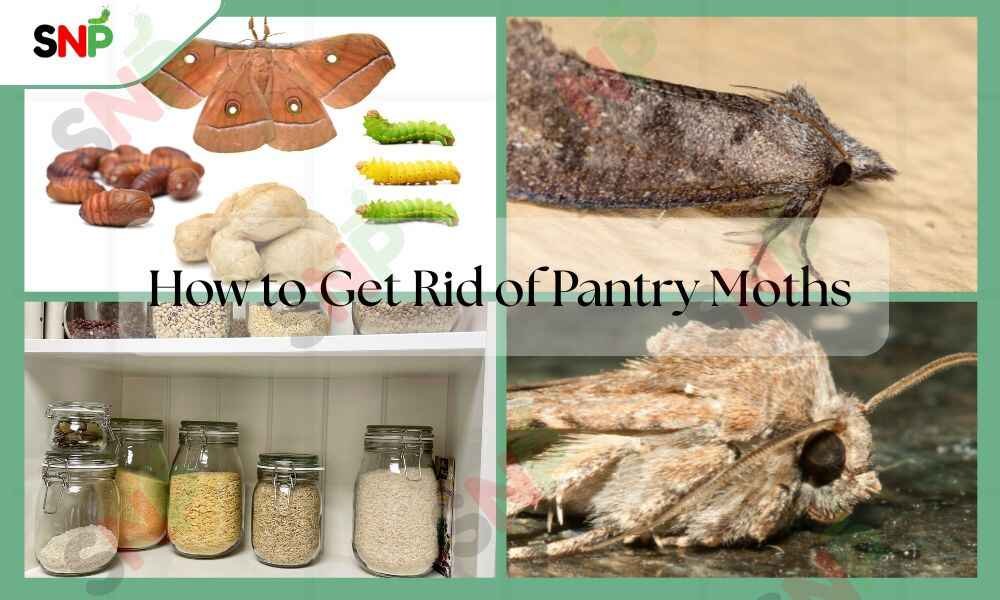
    If you understand that we’re having a problem with an infestation of these pests, here’s a quick guide on the way to how to get rid of pantry moths:

    • Check every container or item in your pantry for the presence of moths, larvae, webs, or anything sticking together.
    • Throw away all the infest food as soon as possible and ensure that they are zip in bags before throwing them away.
    • Washing shelves and corners of the pantry, plus containers with hot soapy water or a vinegar solution, is to done.
    • All your dry goods should be store in glass, plastic, or metal after being well clean in air-tight containers. This will guard against re-infestation of your pantry.
    • You will also be able to break the cycle of breeding by applying the pheromone traps to trap the adult moths.
    • Start checking your pantry more often and rotating the food; this way, you will notice a problem quite early.
    • Seal any cracks or entry points in your pantry, so they will not attract new moths.

    Conclusion

    Pantry Moths are continually annoying for American households; however, this issue is not unsolvable. Once you get a clear understanding of the pantry moth life cycle as well as their destructive behavior of the pantry moth larvae, you will be able to protect not only your food but also your family. Implementing the correct pollution and prevention measures will become a guarantee that your pantry will be free of pests and food will be safe for use.
    For more experts’ tips and tricks on how to find effective solutions to get rid of pantry moths, head to SayNoPest, your most reliable source of pest control across the United States.

  • How to Get Rid of Pantry Moths: A Complete Guide

    How to Get Rid of Pantry Moths: A Complete Guide

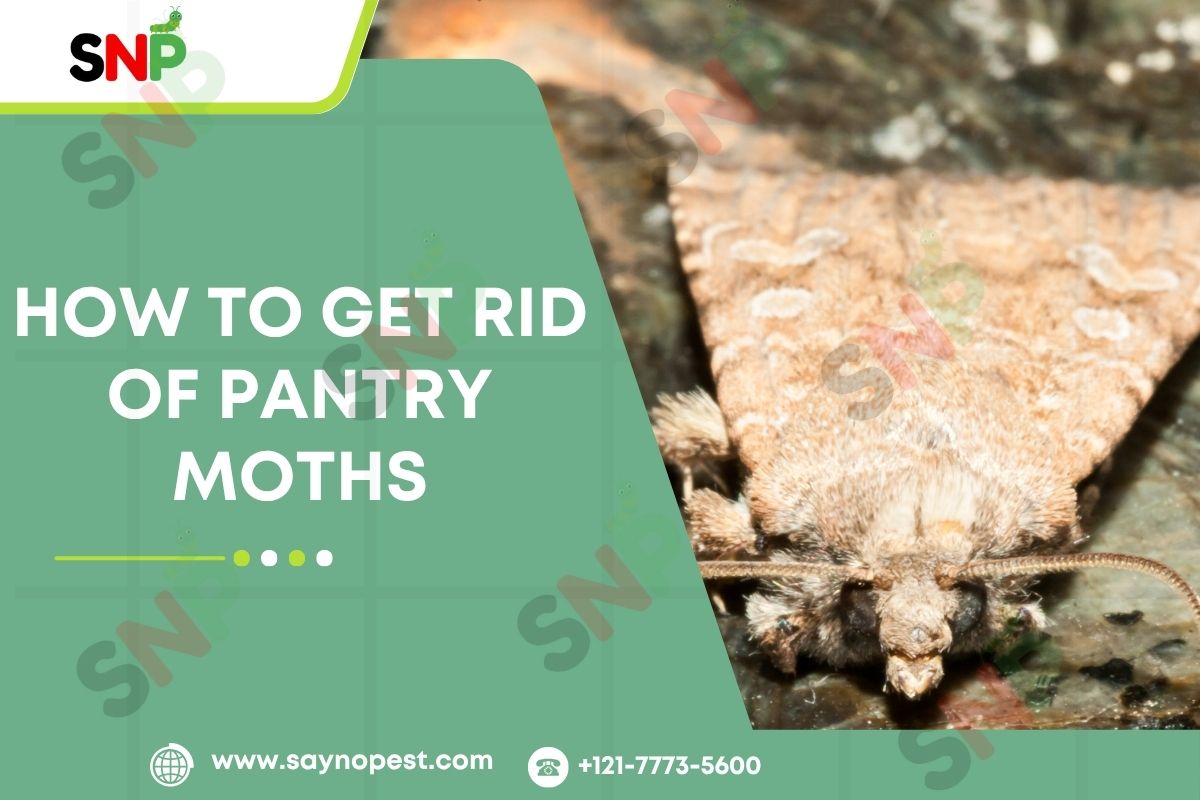
    If you have ever found worms or moths coming from a bag of flour or cereal, these are usually pantry moths. These little beasts invade your kitchen space, infect food, and, worst of all, they are very annoying. This article will show you how to get rid of pantry moths, help you to know what stage of their life cycle they are in, and what measures to take to keep your pantry free from pests.

    Signs of Pantry Moths

    Understanding the early signs is the first step when it comes to dealing with the problem of pantry moths. These signs can help:

    1. Webbing: The larvae of pantry moths produce silk to hold together and attach the food on the outside or inside the plastic bag and on the garden shelf. The characteristic of these webs is that they are usually discover on the edges or on the surface of grains and cereals.
    2. Clumped Food: The sweet and sticky substances that the larvae of pantry moths secrete can cause the food to stick or clumped together on the packaging.
    3. Unpleasant Odor: The moldy and musky scent that comes from your kitchen is another sign of an outbreak that originated from the food that the moths released when they first came into your home.
    4. Small holes in packaging: Pantry moth larvae are able to chew their way into plastic and cardboard packaging. Therefore, the packaging, though unopened, might still be infestation.
    5. Visible Moths or Larvae: Brown and small pantry moths can seen fluttering about in the pantry. You can find the larvae of pantry moths which have a wiry body and are either white or cream, on your pantry walls or crawling on your food.
    Pantry-Moths

    Are Pantry Moths Harmful?

    Pests like pantry moths are of no use to the household, however, the fact that they are not harmful to humans is a relief. Neither the phylum Lepidoptera, to which the pantry moths belong, nor any of its insects, larvae or eggs are carriers of human diseases or producers of toxic substances. The intake of the pantry moth larvae or the pantry moth eggs is generally safe when it is accidental, although it is not at all attractive. The major danger lies in food contamination- pantry moths and their leftovers (webs, feces, exoskeletons) can spoil food, causing it to wasted and possibly with bacterial contamination if the infested food goes unnoticed. Ensuring safe food and disposing of the contaminants when they happen is and will always be the most advisable path to take.

    Pantry Moth Lifecycle: The Stages of Their Life Cycle

    Getting to know the life cycle of pantry moths is very important because it is the first step to end this unwanted cycle. Here is its step-by-step process:

    1. Pantry Moth Eggs: The female moths spread their 100-300 barely visible microscopic eggs through food like wheat, flour, and cereal. These eggs are very small in size, so we can’t easily detect them, and due to which leads to the infestation.
    2. Pantry Moth Larvae: After a few days, pantry moth lay their eggs and covert themselves into larvae stage, and they are small in size and called the white caterpillar. The pantry moth larvae are the biggest source of problems as they consume what you store, cast cobwebs, and become a source of pollution for your food.
    3. Pupa Stage: Once the pantry moth larvae are fully fed, they get out of the food source and seal themselves in cocoons in the cracks or gaps where they pupate. The larval stage usually stretches for several weeks.
    4. Adult Moths: Adult kitchen moths fly out from their pupa cases, start mating, and the life cycle repeats. Adults usually survive three weeks or one week only from the emergence time, but the total life cycle can be as short as 30 days in tropical areas and up to 10 months in cooler places.
    Pantry-Moth-Lifecycle

    How to Get Rid of Pantry Moths

    If you’re looking for a way how to get rid of pantry moths permanently, that would work. Follow these steps to the end:

    Inspect Everything

    Get all the supplies out and put them away in bags. Dispose if they are contaminated since some can be carriers of the eggs of the Pantry Moth and the Moth larvae. Do the items in the garbage bin outside, and let the items also be treated according to the instructions given on how to treat them.

    Deep Clean

    Vacuum up very well all the corners and shelves that have been used for storing foods before disposing of the pests in the pantry. The dirt collected in the vacuum cleaner should also be treated outside immediately or changed otherwise.

    Wash Surfaces

    Embrace the use of a cleaning material that has white diluted vinegar and hot water in equal proportions of 1:1 to clean blisters, walls, and containers. Pantry moths and larvae can be kill and their population controlled through the use of vinegar and its odour. The dirtiness attach to the vinegar is also a good repellent to the moth, shushing them away from the recipients that the vinegar must used in addition to the fact that they can easily cleaned.

    Replace Liners

    Does the old liner have to removed, and then can a new one be put in its place, after which the eggs present will be set free?

    Store Food Properly

    Placing dry store items in airtight, high-quality plastic or glass containers will safeguard them from insects and keep them fresh for a long time. There is a huge chance of the pests destroying the bags and containers of the goods if they are made of thin plastics and cardboard. It is important to have a strong container.

    Freeze New Purchases

    Always ensure you freeze the flour or grain for a period of not less than 7 days, in that way no Moths eggs would survive the process and later be a headache to the stored food.

    Set Traps

    Use flypaper for killing household pests and moths that fly on the market. Place space as close as possible where pests are prone to gather. This is really effective and kills the pests with less harm to the environment.

    Repeat as Needed

    Keep checking for and cleaning up the problem until the pantry moths gone. Be aware that it can take a while for this technique to get rid of them, meaning there may still be pantry moth larvae due to missed eggs.

    Conclusion

    It can be very disillusioning to work on a pantry moth elimination plan. Nonetheless, an orderly method can go a long way. By understanding the lifecycle, preventing the eggs, and getting rid of the larvae, you will identify the problem, and in turn, your food will be much safer and your home will be clean. Let it not slip your mind that the answer to how to get rid of pantry moths is strictly thorough cleaning, proper food storage, and constant checking. When you act on the early signs of infestation, you will have a pantry free from moths forever.

  • How to Get Rid of Clothes Moths: A Complete Guide

    How to Get Rid of Clothes Moths: A Complete Guide

    Your favourite clothes and precious family items can easily become damaged by clothes moths. Should you notice holes in your clothes or small moths in your closet, it’s not unusual. Over the years, many homes in America have dealt with these constant pests. This guide will teach you how to get rid of clothes moths, see why moths like to eat our clothes, What do clothes moths look like and keep them away for good.

    Clothes-Moths

    Why Do Moths Eat Clothes?

    Have you ever wondered why do moths eat clothes and or enter our closet? The easiest answer is no. It is usually the larvae that destroy fibres, and not the adult moths. Clothes moth caterpillars are the ones to eat keratin, a protein found in animal-based fibres like wool, silk, cashmere, feathers, and fur. The larvae use these materials to build their bodies and develop into adult moths. That is why your warm woollen sweaters, fine silken scarves and even your rugs can appeal to these worms. Yet even these adult moths do not feed AT ALL and exist to lay their eggs on the suitable fabrics, which the offspring can eat from when they hatch.

    How Do You Know If You Have a Clothes Moth Infestation?

    The quicker you find a clothes moth infestation, the less the damage will be. Here is how you can figure out if a moth problem has occurred at your place:

    • Do a check on the clothes for the holes that have particularly irregular shapes in them, this usually happens in wool, silk, or fur clothing.
    • Silky tunnels or webs mostly on or near fabrics are the typical signs left by moth larvae.
    • Can you see tiny, sticky tubes (larval casings) clinging to clothes, rugs, or the corners of closets?
    • Would you notice any inordinate shedding from fur garments or a loopy damage on wool rugs?
    • Login to look for those small, pale, and sluggish moths which usually fly or crawl on fabrics, especially in dark, and rareky disturbed areas such as closets or storage boxes.

    If you identify any of the above signs, you should immediately take any required steps to get rid of the clothes moths and then click here to learn more about how to get rid of clothes moths before the problem escalates.

    How-To-Get-Rid-of-Clothes-Moths

    What Do Clothes Moths Look Like?

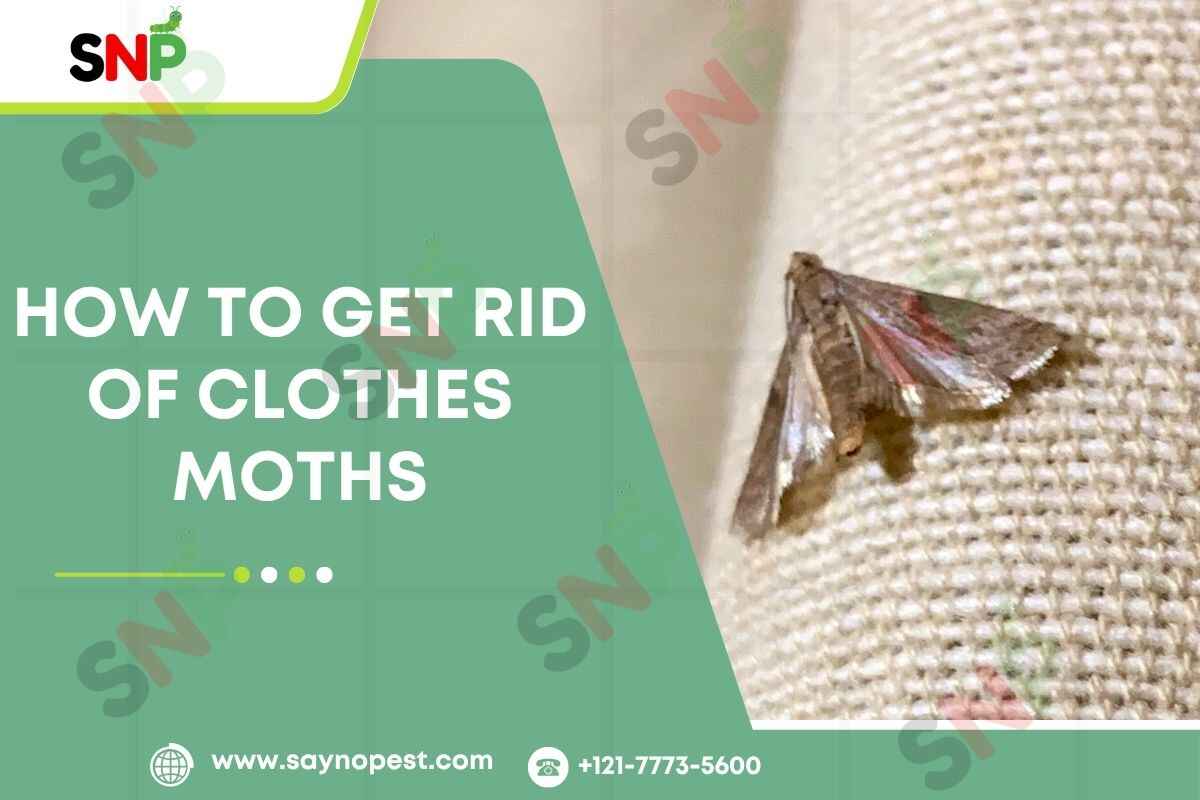
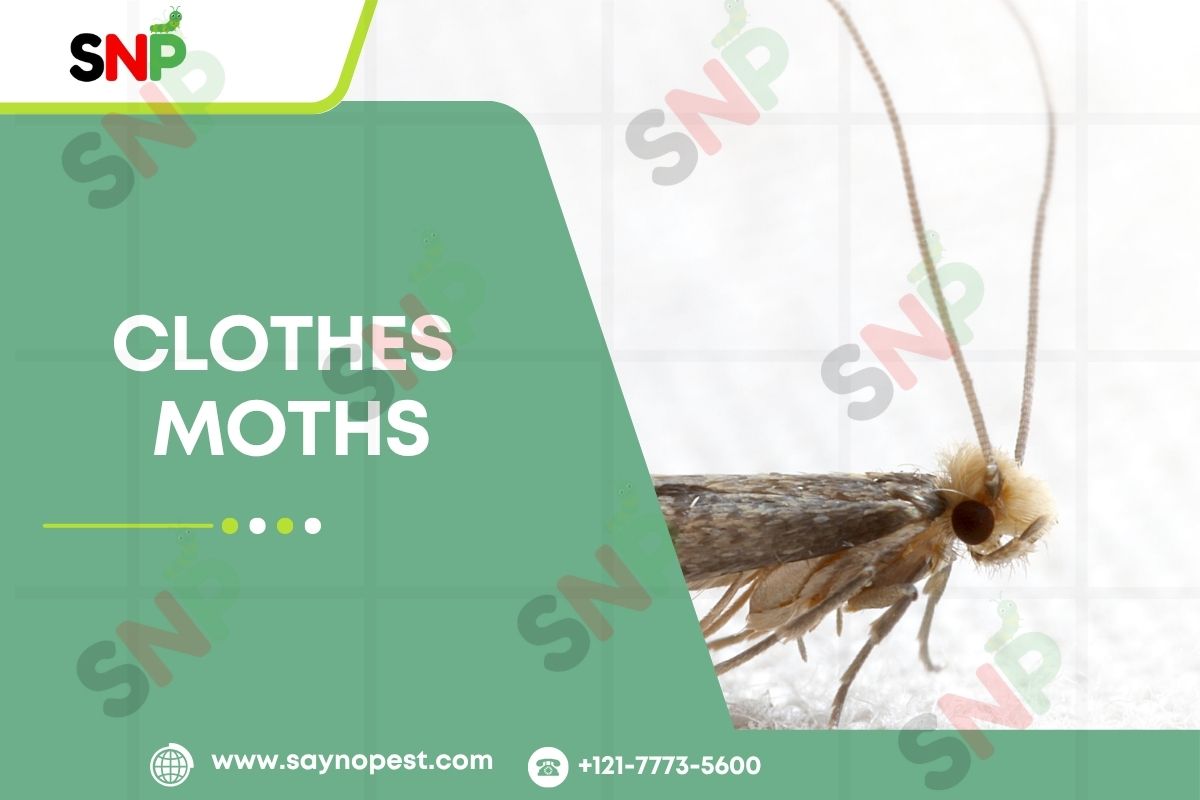
    It is very important to know what do clothes moths look like so that are there for effectively managed. Clothes moths are tiny in size, usually no more than 1 cm long and have a pale yellow or greyish colour. They usually shun light and like to stay in dark and hidden parts. The pests of the clothes, which are the ones doing the real damage, are small and yellowish caterpillars with brown heads. Another way of detecting them is with their webbing or case trails, which will take the shape of small tubes or be spotted as small silky formations on the fabrics.

    How to Get Rid of Clothes Moths

    If you’re looking for advice on killing clothes moths, these effective ways are worth following:

    Deep Clean and Declutter

    Do away with all clothing and soft furnishings from infected areas. To keep the items, either wash or dry-clean them–clothes moths at a high temperature of water (over 120°F) or professional dry cleaning will kill larvae and eggs. Several clothes cannot be wash, so to clean them, you can use heat treatment by using a dryer, or low oven, or freezing them

    Vacuum thoroughly

    Clean your wardrobe, drawers, and carpets properly. Remove every crack, crevice, and dark corner that is infeste with moths and larvae. Moth expands into them. They can hide unseen all sorts of filth and garbage you might not think are actually there.

    Discard Heavily Infested Items

    If an item is so damage that the infestation is in a critical stage, it’s a good idea to get rid of it to avoid it from spreading.

    Use Moth Traps

    Harbour lures with pheromones in closets and storage areas. These lures can attract and capture male moths, stopping the breeding cycle and indicating the degree of infestation that you face.

    Apply Moth Sprays

    Insecticidal sprays that are suitable for clothes moths will be needed for significant infestations. Biological pesticides that are daisy-based insecticides, particularly chrysanthemum, can also be as effective and safe for most types of fabrics.

    Store Clothes Properly

    Make sure to get clean clothes properly store since body oils and food stains usually lure in moths. Put out-of-season clothes in airtight storage bags and also you can put natural repellents like cedar or lavender into the closet and drawers optionally.

    Monitor and Repeat

    Be sure to inspect potential moth locations frequently. Afterwards place new monitors every couple of months and in addition keep up with cleaning in order to prevent reinfestation.

    Conclusion

    Understanding How to get rid of clothes moths is necessary to preserve your clothes and living space. Spotting clothes moths, understanding their reason for eating clothing and acting right away can prevent them from damaging your possessions. Keeping your clothes clean, putting them away in a tight space and using traps/sprays will prevent moths from appearing. Steer clear of moth damage to your wardrobe by addressing the problem now and enjoying the security of knowing they are safe. Get the best help for your clothes moth problem by calling a specialist who has dealt with similar infestations.