Category: Millipede

  • Dragon Millipedes: Explore the Unique Pest!

    Dragon Millipedes: Explore the Unique Pest!

    The dragon millipedes is one of the most visually striking and attractive in the natural world. Its lively colors and the horned, dragon-like texture are the reasons why the millipede was loved by the people. Even though it may look scary, the dragon millipede is an example of how nature employs color to survive.

    All About dragon millipedes

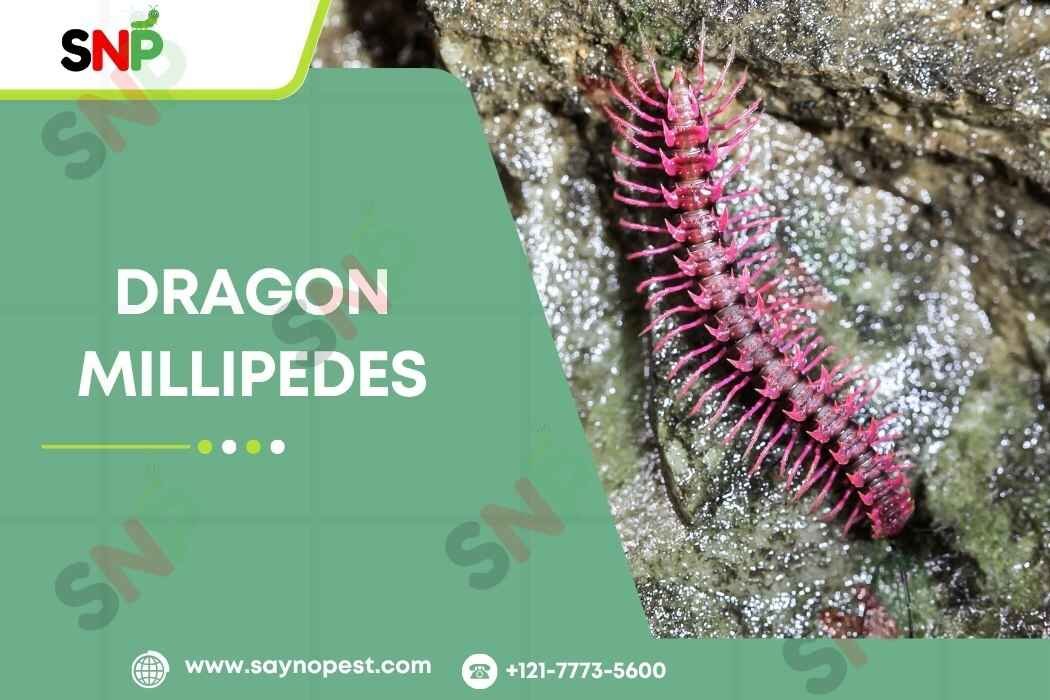
    The dragon millipedes are so unique in their shapes. The spiny projections they carry on their bodies make them look like dragons. The majority of the species are of small size, with the length being no more than 3 centimeters (1.2 inches). They have low stature, and each of the segments have lateral folds which produce a shape similar to a dragon.

    The best thing about a dragon millipede is that it can produce a poison called hydrogen cyanide for its defense. This poisonous substance is used to scare predators and at the same time, it makes the millipede smell like almonds.

    While many species of millipedes are brightly colored, those that live in caves, on the contrary, are losing their color. Some even appear pale or completely transparent.

    Pink Dragon Millipede
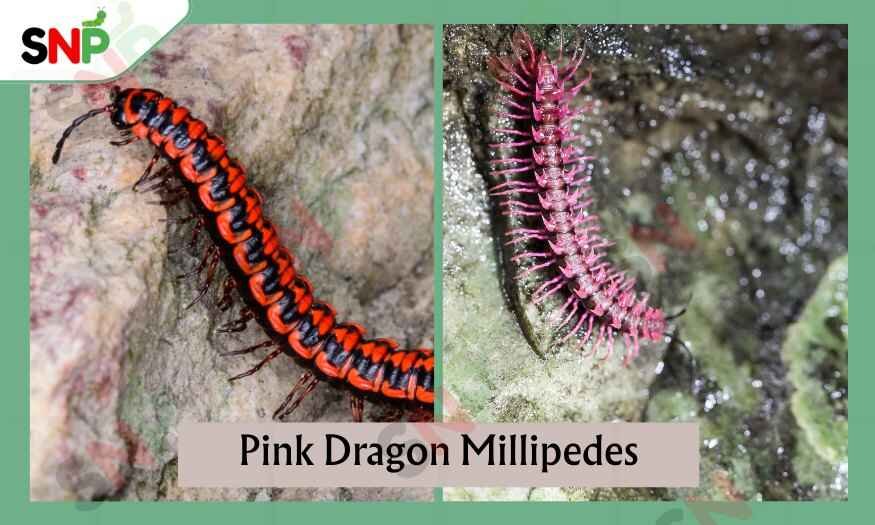
    pink-dragon-millipedes

    One of the species of millipedes, the Pink Dragon Millipede (Desmoxytes purpurosea) is the most popular. It is also the most attractive one genetically. First found in Thailand, this of millipede won recognition from many other lands because of the incredibly bright pink body.

    The pink color of the millipede tells the predators not to approach it as it has a protective device inside – the poison that it releases when it is being attacked by the predators.

    The Pink Dragon Millipede is about 3 centimeters long, it has a spiny, flattened body that makes it look like a miniature dragon. Mostly, it is seen on the ground on leaf litter, especially after it rains. And no aggressive behavior is often reported as its main trait.

    In most cases, the millipede will not attack you even if it looks like that! It is usually hiding and trying to avoid confrontation through chemical defenses.

    Places They Are Found In

    Dragon millipede species are predominantly from Southeast Asia with the highest number coming from countries like Thailand, Malaysia, Myanmar, and southern China. An example is The Pink Dragon Millipede. There were other species in otjer the parts of the world like India, Sri Lanka, etc can be the habitat of as well as the result of the unintentional transportation by human beings.

    The habitation of the vibrant rainforests and damp leaf litter and decaying wood where most of the dragon millipede species are found favors the life of those insects. Some species have developed cave-dwelling characters to an extent where they have evolved very long legs and antennae or reduced the colors or completely lost the colors.

    Are They Dangerous?

    The dragon millipede is not regarded as a danger to the human race, it is not to say that they are not able to spray with a toxic chemical liquid as a means of its natural defense. If a human being gives it a feeling of being threatened, it naturally secretes hydrogen cyanide, a toxic chemical that is used as a warning to its aggressors and is also the source of the almond smell usually associated with millipedes. This secretion is toxic; however, the dosage the millipede issues out is of no harm to healthy adults when they come into a brief touch. Still, it is highly recommended that one should avoid touching the millipedes without any equipment, particularly if you have cuts or sensitive skin, and always wash your hands thoroughly after any contact.

    No children and animals should try to handle these millipedes. Why? Because they are so small and their bodies are so thin, therefore they can easily get killed. Another reason is that their chemical defenses could cause a mild irritation.

    Dragon Millipedes Conclusion

    The dragon millipede definitely stands as a prime example of nature’s creativity. It has a unique body structure, and chemical defenses, to survive in a region. You may be fascinated by the radiant pink color of the Pink Dragon Millipede. These millipedes give you a sneak peek at the natural world’s amazing things. With the proper care and treatment, these animals are harmless to people, and a popular choice among exotic pet lovers. If you ever come across a dragon millipede, take your time to glorify its beauty from a close distance
  • How to Get Rid of Millipedes Fast

    How to Get Rid of Millipedes Fast

    If your house or yard has suddenly been occupied by a large number of millipedes, then you are undoubtedly not alone. It is common to find many American homeowners forced to seek a remedy on how to get rid of millipedes, especially after it has been raining heavily or the weather is changing.

    Millipedes outside the home provide environmental benefits while remaining harmless to people. The situation changes when millipedes enter your home.

    What Do Millipedes Eat?

    The information about what do millipedes eat is essential to reduce the population of them. On a rare occasion, millipedes might consume fungi, algae, or even little insects if they happen to be there. The question about how to get rid of millipedes typically remains unanswered within homes because these creatures need decaying matter to survive. Your home may not have millipedes but the combination of moist areas with organic debris and pet food remains will still attract them.

    Effective Measures to Keep Millipedes Away

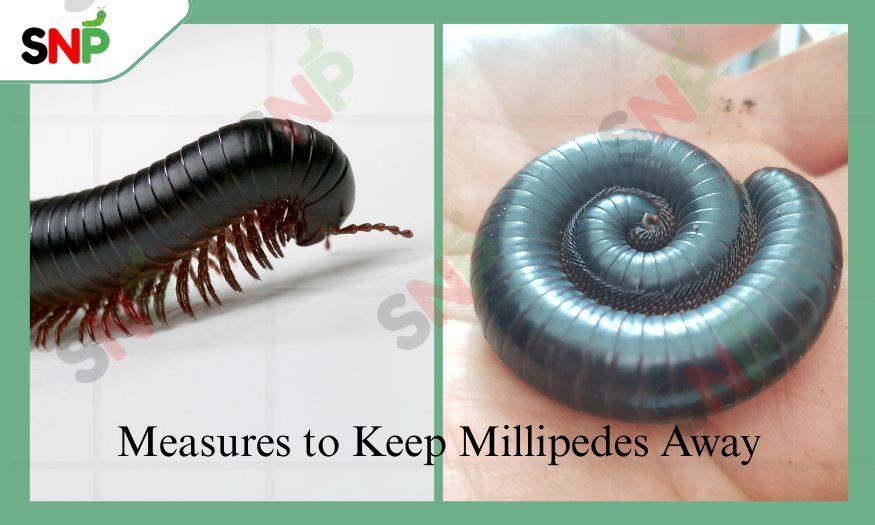
    Measures-to-Keep-Millipedes-Away

    One effective way to avoid millipede infestations is by prevention. Below are the steps that you can take to get rid of millipedes before they start a problem:

    • Remove Dampness: Millipedes greatly multiply in moist areas. Keeping your environment dry is one of the most important parts of how to get rid of millipedes.
    • Clear All the Organic Waste: Millipedes major food source is decaying plant matter, clear your yard from leaf piles, grass clippings, mulch, and woodpiles. Also, do not keep firewood stored far away from your home.
    • Fill all the cracks and holes in the walls, windows, doors, and other openings.
    • Proper Storage: Keep trash cans, pet food, and water barrels off the ground and away from your home’s exterior.

    Following these steps will reduce the attractiveness of your property to millipedes.

    How To Get Rid of Millipedes?

    Millipedes

    The following steps will help you eliminate millipedes quickly and effectively if manual prevention methods failed to work:

    • Manual removal stands are the simplest approach to get rid of millipedes.
    • Place sticky traps with glue boards at door and window entry points to capture walking millipedes. The traps function both safely and effectively for indoor and outdoor use.
    • Natural repellents such as tea tree and peppermint essential oils and cayenne pepper work effectively to deter millipedes from entering your space. Spray the mixture of essential oils and water at entry points to establish a natural repellent. Sprinkle cayenne pepper across the areas where you have observed millipede activity.
    • You can create a DIY trap by using a plastic bottle with ripe fruit and vinyl tubing. The fruit attracts millipedes inside while their bodies remain trapped because they cannot escape through the bottle opening. This creates a pet-safe organic pest control method.
    • Apply insecticide to the perimeter of your house foundation by focusing on doors windows vents and all entry points. The application of Millipede control products creates an effective barrier that blocks millipedes from accessing your home.
    • The majority of millipedes eat decaying matter so you must maintain your home and garden in a clean state. All organic waste including dog food scraps must be completely removed from your home. The garbage bin needs to be properly closed while moving waste containers to a location outside the dwelling area.
    • The dry environment inside homes combined and the absence of food will cause millipedes to perish within a short period. A few millipedes you encounter will naturally die within a few days because of their environment.

    It is possible to become an expert on how to get rid of millipedes and ensure that your house is free from pests by employing the aforementioned techniques together.

    Conclusion: How to Get Rid of Millipedes

    The correct methods will help you regain control of your home and yard despite millipede annoyance. To know how to get rid of millipedes you should know their diet while removing their food sources, reducing moisture levels, sealing entry points, and using safe removal methods. These methods will help you maintain a millipede-free environment in your entire home throughout the year.

  • How to Handle Millipedes in House

    How to Handle Millipedes in House

    Finding millipedes in house can be an extremely scary situation for many homeowners. These creatures commonly get into basements, restrooms, and crawlspaces, after heavy rain. While their presence may bring even a jolt of fear, awareness about millipedes in the house. The necessary measures to control them can help you live in your home being very comfortable and completely pest-free.

    What Are Millipedes?- Know about Millipedes in House

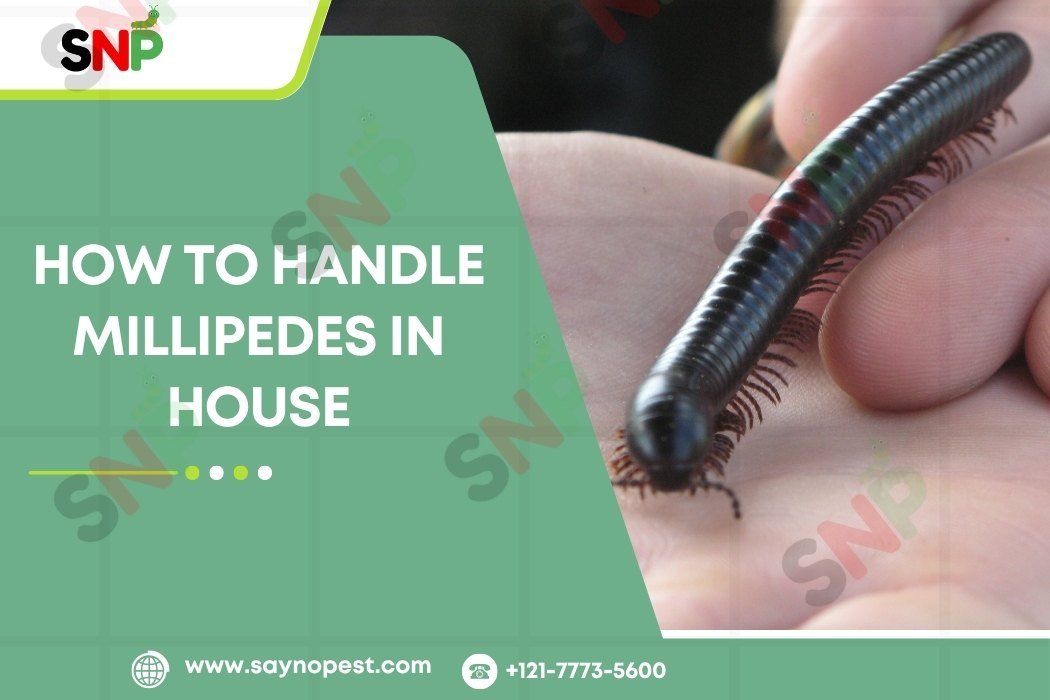
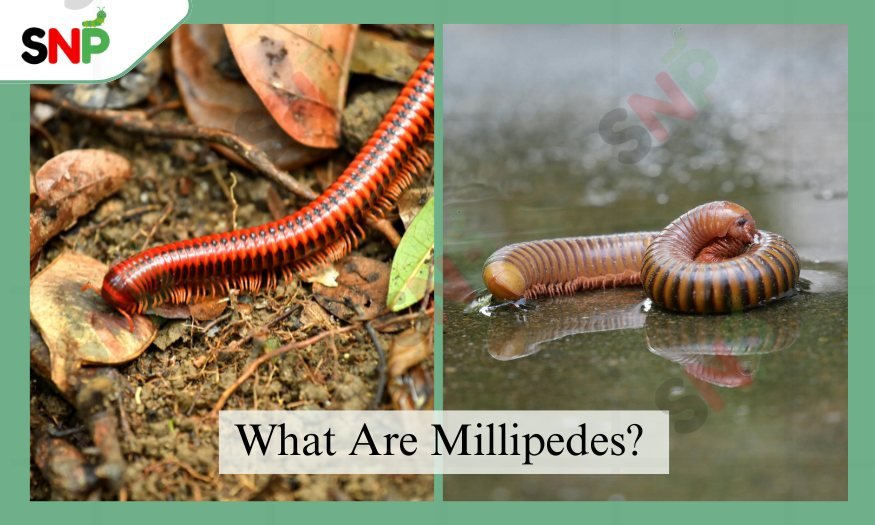
    Not insect but arthropods, millipedes in house are close relatives of centipedes. Their bodies are round and made of numerous segments, with two pairs of legs each. Therefore, another name for them is the “hundred-leggers”. Millipedes are dark brown or black in color and are 1/16 of an inch to more than 4 inches long. They have the ability to move like a wave.

    What Environments Do Millipedes Prefer?

    It is possible that your finding of millipedes indoors is due to the fact that your house or garden is creating the right environment for them. Here is what makes millipedes come indoors:

    • Moisture: Millipedes in house love to be around moisture the most. They must have the humidity for the existence of the newt, thus damp places like basements, washing rooms, bathrooms, and crawl spaces are the most suitable for them.
    • Decaying Organic Matter: Not only are millipedes decomposers, but they also attract dead leaves, mulch, compost, and other partly decayed plant materials from both inside and outside your home.
    • Shelter: The tall grass, heaps of leaves, mulch, and rocks bordering your house are good places for millipedes to hide and to stay cool and moist.
    • Weather Changes: Heavy rain, drought, or cold temperatures can drive millipedes indoors in search of more suitable environment.

    Do Millipede Bite?

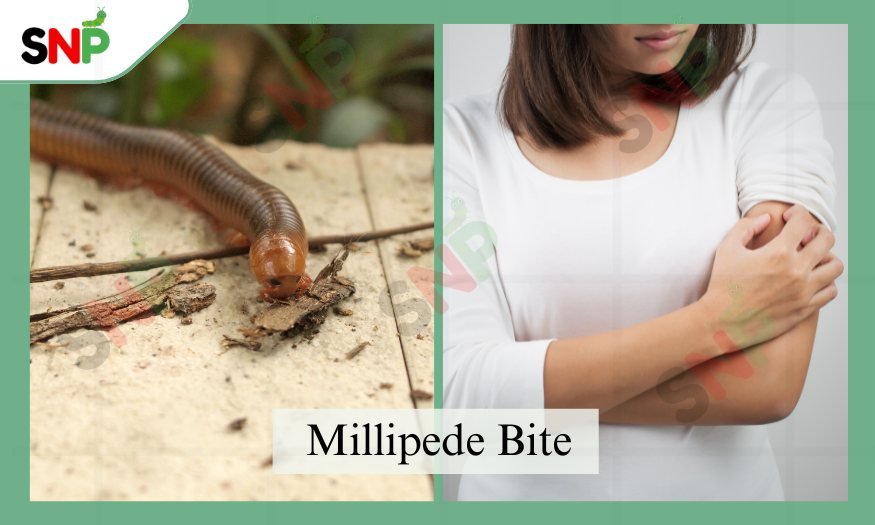
    A question asked by people is, “Do millipede bite?” The answer is actually that millipede do bite, but there is nothing to worry about. The fact is that centipedes come with a pair of legs that are capable of injecting venom. Whereas millipedes do not have such an adaptation and are not poisonous.

    However, if they feel threatened, they can initiate a mechanism that will release a production of an offensive fluid. This will have a sharp smell but may also cause skin irritation or discoloration to people with sensitive skin. Washing your hands remains essential after millipede contact because their liquid substance is non-hazardous yet skin reactions may occur. The news about millipede bites may seem concerning but these creatures pose no threat to humans or animals. The real issue with millipedes in house is their nuisance factor, not any health threat.

    Conclusion: Millipedes in House

    Millipedes in a house is a very common issue that occurs mostly in places where there is dampness, darkness, or changes from the weather.

    Even though their site may be a bit scary, they are not a health threat, and millipede bite is no longer a concern to you. In any case, these harmless beings are just after the water and shelter they need. You can maintain their presence at a low level by eliminating standing water, clearing away rotting organic matter, and sealing the entry points. If the problem is persistent, you can opt for professional pest control that will make your home full of comfort. Always remember that while millipedes in house can be a pest, they are not life-threatening.