Category: Flies

  • Are Drain Flies Dangerous? An In-Depth Guide for US Homeowners

    Are Drain Flies Dangerous? An In-Depth Guide for US Homeowners

    Have you ever noticed Tiny, fuzzy flies hovering around your kitchen or bathroom sinks? You can’t help but wonder: are drain flies harmful? Those nasty little bugs that you discover in every nook and cranny of American homes have the potential to be extremely distressing if they exist in large quantities. Understanding whether are drain flies harmful is extremely essential in order to maintain a healthy home and understand when it’s necessary to take action.

    are-drain-flies-harmful

    Introduction to Are Drain Flies Harmful

    Drain flies, sewer gnats, and moth flies are all names for these small insects that thrive in moist areas where there is decaying matter. Drain flies are generally around 1/8 inch long and have fuzzy, moth-like wings. Homeowners first see these insects and think: are drain flies harmful? The answer has some background to it about their habitat, potential health reasons, and why they are drawn to your home.

    These flies clutch in sewers, drains, & other stagnant water with organic materials. Though drab to behold, especially if they breed fast in huge numbers, whether drain flies are dangerous relies on some factors like their health hazards, cleanliness problems, and impact on your home.

    Are Drain Flies Harmful to Humans?

    The question whether drain flies are harmful to human is a Tough question. Drain flies don’t bite, sting, or transmit diseases to human beings. Drain flies have no mouth parts to bite human beings, as the case of mosquitoes and biting flies. It doesn’t mean that they are totally free from the effects of health.

    Are drain flies harmful to human respiratory health?  It’s a Yes, they are. Heavy  can cause bronchial asthma in susceptible individuals. When drain flies die, their rotting bodies can be capable of releasing airborne particles that may worsen underlying respiratory illness. Degraded drain fly dust triggers allergic reactions in susceptible individuals.

    Also, since drain flies develop from dirty surroundings, they can spread germs and bacteria from dirty surroundings to clean surfaces. While they do not cause specific diseases, they are signs of potential cleanliness issues that can be secondary health issues. The flies can spread germs from drain dirt and organic matter to the food preparation surface, causing gastrointestinal disorders if consumed with contaminated food.

    Are Drain Flies Harmful

    are-drain-flies-harmful-to-humans

    The key question is are drain flies harmful? and it focuses on the larger issue of how they affect home cleanliness and well-being. Although drain flies themselves are not themselves harmful in small quantities, they are a symptom that there is some underlying issue that must be addressed.

    Are drain flies harmful? Yes, if they are a sign of a dirty Environment. Blocked sewage or organic deposits that have accumulated & serve as breeding grounds for bacteria and other disease-producing micro-organisms. Where more serious health risks can develop, including mold growth and bacterial infections.

    Severe infestation can be a problem in several ways. First, they expose concealed moisture problems which could lead to structural harm and mold infestation. Second, the flies themselves will transfer bacteria onto surfaces and food, particularly in places like kitchens where the potential for contamination is most lethal. Third, are drain flies dangerous? is an emphatic yes when one realizes that drain flies can transfer disease-causing germs like E. coli and Salmonella from unclean drains to clean spaces.

    The drain flies will also worsen existing health conditions. People with a weak immune system, elderly individuals, and respiratory disease patients can be most susceptible to problems due to drain fly infestation.

    Are Drain Flies Toxic to Dogs?

    Pet owners are usually inquiring if drain flies are harmful to dogs. Drain flies are not much direct danger to dogs. Drain flies do not bite or sting dogs, and they do not infect animals.

    But are drain flies harmful to dogs indirectly? Perhaps. When dogs are offered water contaminated by drain fly larvae or bacteria from infected drains, they acquire mild gastrointestinal upset. Vomiting, diarrhea, or abdominal pain can ensue, although such occurrences are comparatively rare.

    In unusual cases, drain flies cause myiasis in pets – an infection where fly larvae infest live tissue. This is more within the province of other flies and is most frequently observed in open-wounded or otherwise injured animals. For healthy animals, is drain fly bad for dogs is most often answered in the negative, although clean water sources and toilet drains remain a concern to overall pet health.

    Breed dogs with pre-existing health complications or compromised immune systems are vulnerable to problems if exposed to contaminated water. Additionally, drain flies typically indicate filthy conditions with long-lasting health implications on household members as well as pets.

    Conclusion

    Information on are drain flies harmful helps ensure a clean home. Although the pests are harmless by biting or disease transmission, they indicate that there are sanitation issues that must be solved. are drain flies harmful to humans? They will lead to respiratory issues in vulnerable people and spread germs from unpleasant places. are drain flies harmful? Yes, particularly when they indicate poor drainage conditions that can cause serious health hazards.

    For dog owners asking if drain flies are poisonous to dogs, their instant harm is minimal, but maintaining clean water sources and their working drains saves pets and residents of the house. Drain fly infestations are treated by the removal of breeding grounds by cleaning and maintenance.

    If you have recurring drain fly infestations, take note that these insects are a sign of things that must be resolved by professionals. Don’t let minor issues turn into ginormous health risks. For efficient pest control solutions and expert guidance for a healthy home ambiance, rely on SayNoPest to help you get rid of drain flies and destroy the chance of future infestation.
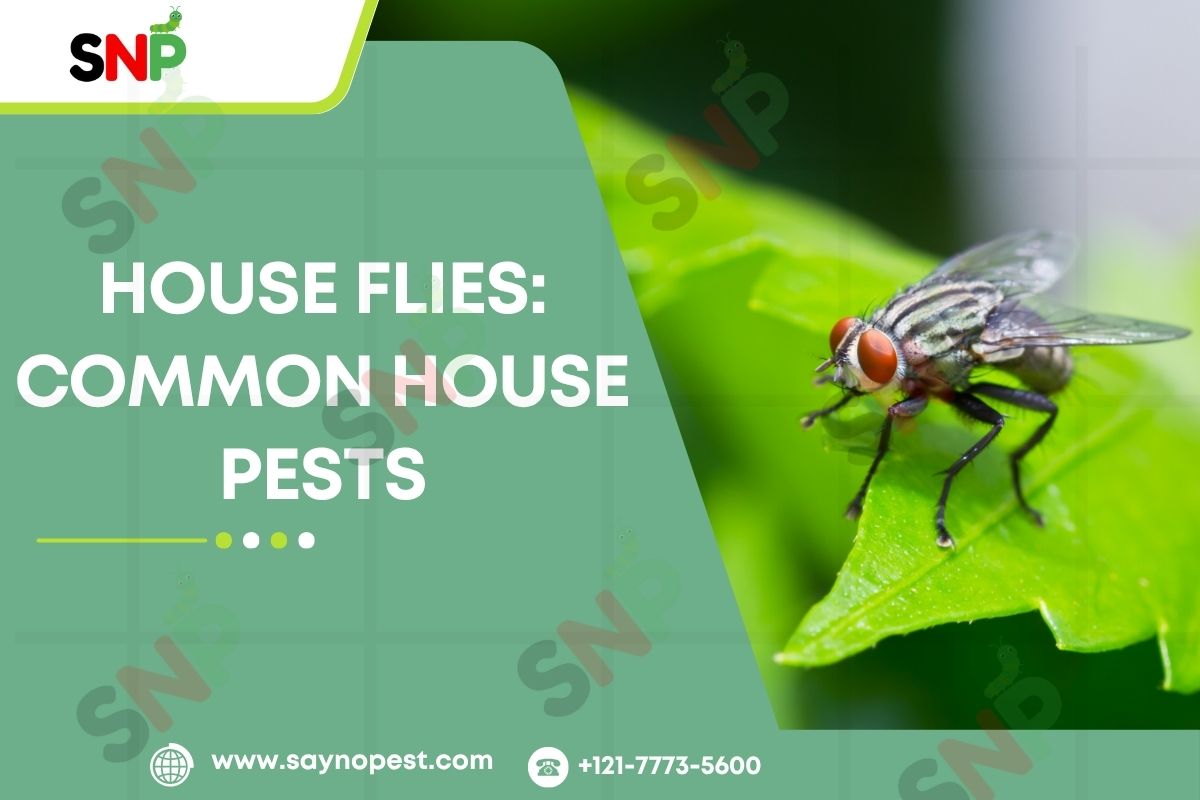
  • House Flies: Understand and Control These Common House Pests

    House Flies: Understand and Control These Common House Pests

    House flies are the most persistent and annoying pests that American homeowners have to deal with throughout the year. The flying insects are not just the problem of being annoying though. They can do a lot more!

    In order to maintain a healthy living environment, there is need to know the biological characteristics, behavioural patterns and effective control methods of house flies. We will guide you through the steps of identifying the pests, learning about their lifecycle and give you the tested ways to eliminate them safely and effectively.

    How Long Do House Flies Live?

    The life of a house fly is quite short but they are extremely fertile. Generally, the adult house flies live around 15-30 days under normal conditions.

    During the lifetime of house flies, the environmental factors that affect their life expectancy are-

    • Temperature
    • Humidity
    • Food availability

    The life cycle of a house fly, as stated by the University of Florida, is a rapid one and the stages in the cycle include four stages similar to most pests ie. egg, larva (maggot), pupa, and adult.

    Incredibly prolific female house flies lay between 75 to 150 eggs in each batch and up to 6 batches during their lifetime. This means they form up to 900 eggs, which is a lot.

    The role of temperature is very important to decide how long do house flies live. Because of the cooler environment, they might have longer lives. On the other hand, warm temperatures can lead to a shorter lifetime of these flies. If the house flies don’t have access to food and water, they will be able to survive for only 2 to 3 days.

    How-to-Get-Rid-of-House-Flies

    How to Get Rid of House Flies?

    The only way to get rid of House Flies is- sanitation, exclusion, and targeted control methods.

    • Clean spills at once, and continue to wipe surfaces and clear any pet waste. Make sure the removal is done swiftly. The fly’s favorite food place is the hive, so pay extra attention to the areas where food is prepared and consumed, as these attract flies most readily.
    • Exclusion Methods- Prevent flies in your house and eliminate the ones that are already in your house. Install screens on your windows and doors, close doors where possible and seal any cracks or openings around windows and doors. Also, you can install air curtains or exhaust fans over the most frequently used entrances, which will provide the flies with obstacles to your entering and leaving.
    • Natural Control Methods- There are a number of natural ways that can actually eliminate flies without using dangerous substances.
    • Grow herbs such as basil, mint, lavender and bay leaves around the entry points as they are natural fly repellents.
    • Peppermint, eucalyptus, and lemongrass essential oils can be diluted with water and sprayed in the affected areas.
    • Dish soap and apple cider vinegar traps are very effective in catching flies inside the house.

    House Fly Traps

    House-Fly-Traps

    House fly traps are probably the most efficient tools for decreasing the fly population in a non-toxic way and without using chemical pesticides.

    Sticky Traps and Ribbons

    Still, the use of sticky traps remains very effective for indoor places. They implement surfaces with sticky glue that catches flies landing on them and many of them also include attractants which increase their power of lure. Window strips are the most effective for flies that are fond of the glass surface. So, while those dead flies might be a bit gross, but they are totally safe to have around kids and pets.

    Light Traps

    Limelight traps are electric light sources that emit ultraviolet radiation LEDs to attract the flies, therefore, they are going to be stuck on glue boards behind the bulbs. These are continuous operation devices and can cover areas up to 400 square feet.

    Fly lights are most effective when there is less natural light.

    They are also perfect for night time periods when the artificial light is dominant, and thus, more attractive to the flies.

    Bait Traps

    Outdoor bait traps are a great way to get rid of flies before they invade your home. They are the most efficient method of insect elimination. Flies cannot resist the attractants of the traps but due to their strong smell, it should be placed at least 10feet away from living areas. Homemade versions that use overripe fruit, sugar water, or vinegar can be as effective as store-bought ones.

    Conclusion

    The control and eradication of house flies should be holistic in nature and not only address the current crises but also prevent future outbreaks. You can actually decrease the number of flies in your house and the surrounding area by maintaining good sanitation, and putting in the right traps and control devices. But never forget that consistency is important!

  • Crane Fly or Mosquito Hawks? Debunking the Biggest Confusion

    Crane Fly or Mosquito Hawks? Debunking the Biggest Confusion

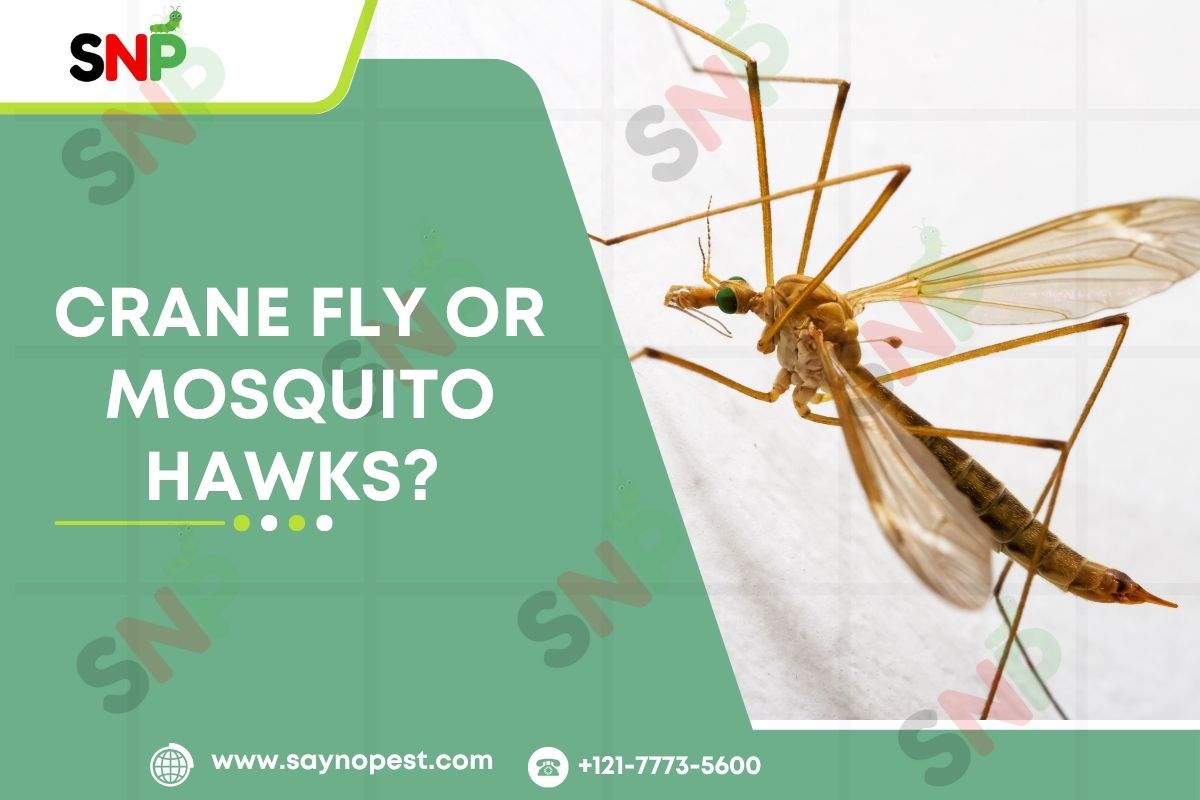
    The crane fly is a pest which people often confuse with a mosquito.  It has a slimy body type, long legs and looks like a funny mosquito in home. These flies and the mosquitoes are similar because of their external features. In fact, the crane flies do not bite or sting humans and they are very safe as compared to the mosquitoes. You can usually spot them in damp places like lawns, gardens, and near water all around places. Their fragile look, with legs that are very easy to detach, makes them a very common insect in the late summer and fall.

    Crane fly lifespan

    • The female flies lay eggs in the moist soil or sometimes in the water. These eggs take a week or two to hatch, releasing larvae called leatherjackets due to their hard skins.
    • The larval stage is the stage at which the crane fly lives the longest and most active. Depending on the species and the environment, the larvae survive a few weeks to a year. During this time, they are the largest consumers of organic matter, plant roots, and rotting vegetation.
    • Then the crane fly enters the pupal stage lasting approximately one to two weeks where the transformation of the larva to an adult occurs. The transformation period into the adult phase takes place during the pupa stage which lasts approximately one or two weeks.

    Adult Life of a Crane Fly- The life of an adult crane fly is very brief and typically varies from 1 to 15 days. Reproduction is the only mission of the adult part of the life cycle.

    Normally, adults don’t eat, and if they do, it is just a little nectar or water. Their mouthparts either donot develop or are non-functional which makes it difficult for them to eat. Therefore, the crane fly lifespan as an egg to an adult may take six weeks to several months.

    Do Crane Flies Eat Mosquitoes?

    Do-Crane-Flies-Eat-Mosquitoes

    The fact that crane flies are considered as great mosquito hunters is still a misunderstanding among the public. Hence, they are incorrectly called “mosquito hawks.” Nevertheless, this is far from accurate.

    The question do crane flies eat mosquitoes is an easy one to answer.  The reply is negative. No, and in addition to that, they do not bite and are not dangerous to people. The majority of the adult flies do not eat at all, and those which do are only like sipping nectar. While some aquatic larvae of certain crane fly species might occasionally eat small invertebrates, including mosquito larvae, this is rare and not their main diet. So, it is nonsense to trust crane flies for the purpose of mosquito controlling.

    What do crane flies eat?

    What-Do-Crane-Flies-Eat

    To better understand what do crane flies eat we need to discuss their larvae and adult stage.  The main consumers of food in the larval stage are the flies of the crane family. In general, they feed on a great variety of organic materials like rotten plant stuff, grass roots, seedlings, fungal, algae, and sometimes small animals. This activity not only breaks down organic substances but also contributes to the improvement of the soil and the cycling of nutrients. But, if the numbers of the flies are very high, they can do a lot of damage to the lawns and the plants in the fields because they will be eating the roots of the plants.

    As adults, their dietary habits become completely contrasted with their larval forms. Owing to their lifecycle being very short and their mouthparts being either completely absent or non-functional, the majority of crane flies do not feed at all. In cases when they feed, it is mostly nectar or water that they consume which barely gives them any energy for their short adult lives. The main goal of their adult phase is to reproduce, not to eat.

    Conclusion

    The crane fly is an insect that has a very important function in the ecosystem, particularly during its larval stage. Although it is a weirdly shaped pest often misidentified as a mosquito, but the crane fly is neither mosquito eater nor a threat to people.  This is because it doesnot bite.

    The larvae of the crane fly are also responsible for the nutrient cycle since they consume dead organic materials, although they may be the source of some small problems in lawns. The crane fly lifespan is limited and concentrated only on mating, as the adults hardly eat during the whole time. Knowing what do crane flies eat will make the situation with them clearer, the good ones who help nature get rid of the dead things instead of hunting the mosquito.

    So, the health-conscious homeowners who realise that crane flies may become their best friends by making the right choices in the matter of pest control and care.

  • Cluster Flies In House? Know What to Do!

    Cluster Flies In House? Know What to Do!

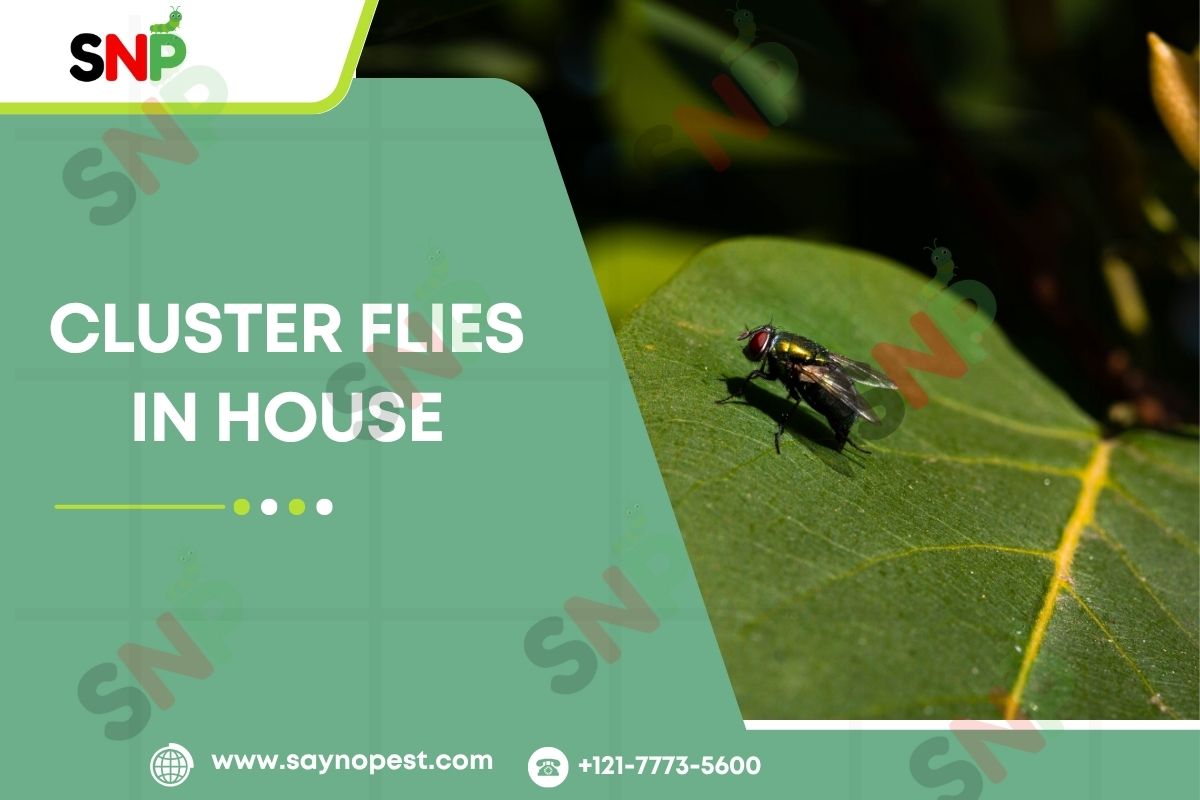
    Cluster Flies in house are not dangerous to your health, but their presence can be irritating for some. A little more information on cluster flies in house will help you to do a good job in getting rid of them and making your house clean and comfortable.

    What are cluster flies and how to distinguish them?

    Cluster flies, or attic flies, or grass flies, are of the genus Pollenia. They are a little bigger than the house flies, measuring 8-10 millimeters. They are the dark gray color with the golden-yellow hairs on the thorax and a chessboard-like pattern on the abdomen. Their wings are parallel to each other when they are resting unlike the house flies whose wings are spread.

    As compared to the normal house flies cluster flies in house don’t reproduce indoors. On the other hand, the larval period of these flies takes place in the outdoors.

    These flies decide to come inside homes during the late summer and fall. They prefer places such as rooms, attics, wall voids, etc. where they tend to invade in large numbers. This is why they are called Cluster Flies.

    What-Do-Cluster-Flies-Eat

    What Do Cluster Flies Eat?

    The diet of cluster flies in a house is completely different from other flies. As larvae, they feed on earthworms. Adult cluster flies, on the other hand, have no appetite for garbage, decayed matter or human food, as house flies do. They only eat nectar and other plant-based liquids when they are outside.

    What Are the Risks/Diseases Caused by Cluster Fly?

    Cluster Flies are not a threat to the health of your family or the pets. However, these flies do not carry diseases that they can transfer either to humans or animals. They do not pollute the food and they do not bite or sting.  Although these flies are non-venomous, but their numbers could make them a nuisance to people.

    Methods to Get Rid of Cluster Fly

    Methods-to-Get-Rid-of-Cluster-Fly

    The cluster flies can be managed through prevention and elimination of the pests:

    • Seal cracks and gaps: Inspect the exterior of your house and seal any cracks or gaps with an appropriate material.Screen windows and vents: Properly screen windows, doors, and attic vents, leaving no gaps or holes and flies cannot enter.
    • Insulate attics: The reduction of hiding spots for cluster flies can be achieved by using proper insulation and sealing of attic spaces.
    • Clean up properly: Get rid of food and drink spills, stagnant water, open rubbish bins, and pet waste helps to eliminate the sources of attraction.
    • Use a vacuum cleaner: Vacuum is the ideal way of getting rid of flies because it removes them directly from the place where the fly is hiding without disturbing them.
    • If you have a certain area in your room where the flies love to go, put a trap over that spot. This way you will attract and capture all the flies there.
    • Long-lasting insecticide: Use a long-lasting insecticide on exterior cracks in your home. Never ignore the label instructions.
    • Professional pest control: If the infestation is chronic or very severe, call a licensed pest control service to receive special treatment. They will also help you in long-term prevention.

    Conclusion

    Cluster flies are a problem, mainly in rural and sub-urban regions. They do not transmit disease but there nature of invading in large groups can be an issue. You can prevent them in your home by knowing their habits and how to prevent and eliminate them. When you are overwhelmed with cluster flies in house, consider professional pest control services.

  • House Flies vs Cluster Flies

    House Flies vs Cluster Flies

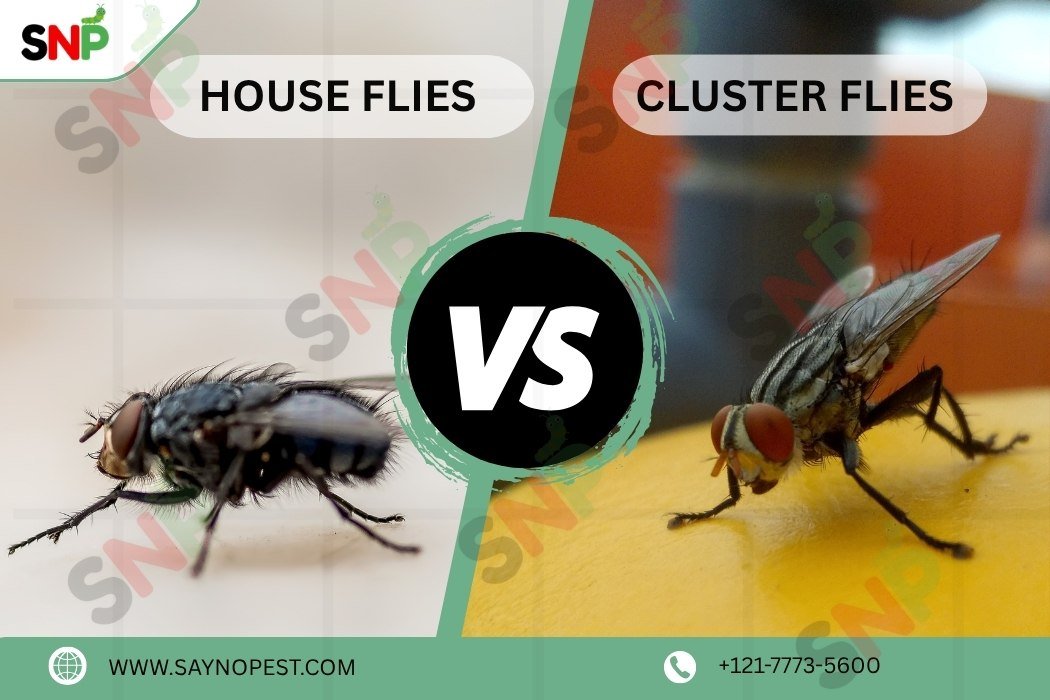
    If you are worried which fly species has invaded your home, cluster flies vs house flies? We might be able to help you figure it out. These flies have various differences. They are different in shape, color, habits, and in the health risks they pose. Let’s take a look at the main points of cluster flies vs house flies to help you spot them and get rid of these pests.

    How to differenciate between House Fly vs Cluster Fly?

    Let’s start with cluster flies!

    Cluster flies are large in size and darker as compared to the house flies. A cluster fly has a dark gray to black body with a silvery, checkered abdomen. They usually have short golden hairs on the thorax.

    Wings and Resting Position: The wings of cluster flies overlap when they rest. So if a fly is sitting near you, you will be able to tell what type of fly it is by the position of the wings.

    Movement and Behavior: One of their characteristic is their slow movement and the fact that they usually gather in clusters. Cluster flies can be in the sunlight near windows or in the attic. Due to this they form clusters.

    Habits: Cluster flies make a beeline for the houses in the late summer and fall for their hibernation, they like the attic and space in the walls. They have no intention of replicating indoors.

    House Flies

    House flies are small in size. They are about 3-8 mm long. The gray-color body of the house fly has four black stripes running along the back.

    Movement and Behavior: House flies are more energetic and move faster. You are more likely to spot them while they are looking for food or water in your house.

    Habits: House flies, in contrast, are powerfully attracted to food, rubbish, and decay. They deposit their eggs on these substances and thus they are able to multiply rapidly inside of your house.

    Lifespan of Cluster Flies vs House Flies

    The duration of lifespan of house flies vs cluster flies is different too:

    Cluster flies have been known to survive beyond a few months especially when they enter into a hibernation state during winter. Their lifetime is deeply connected with the seasons since they look for warm places in houses to survive the cold.

    The house flies are likely to live shorter which is about 15 to 30 days. But they multiply very fast and a small number of them can grow to a big number within a very short period when the weather conditions are in favor.

    Which Fly is More Hazardous?

    To decide the better option between cluster flies vs house flies, the health hazards need to be focused on first.

    Are Cluster Flies Harmless?

    Cluster flies are known as nuisance pests. They don’t transmit any diseases to people, and neither do they contaminate the food or surfaces in your house. The life of the larvae is in the soil, and they get their food from earthworms, therefore, they are not the ones that lay eggs on food or garbage.

    Are House Flies a threat to your health?

    House flies are a great danger to health. They are prime carriers of bacteria and germs. These flies feed and propagate on garbage, excrement, and the decomposition of organic matter. Pathogens can be transmitted by house flies to food and surfaces, thus, people must be careful.

    Therefore, house flies are more dangerous than cluster flies.

    Conclusion

    The first step to effectively eliminate the pests and ensure that your home is safe, is to know the difference between house flies vs cluster flies. You should focus your energy on the quick removal of house flies and the maintenance of your house, and on sealing the entry points to ensure that the cluster flies do not get into your place to hibernate in winters. By understanding house flies vs cluster flies, you can take the right steps to protect your family.

  • Horse Fly Bites: What You Need to Know

    Horse Fly Bites: What You Need to Know

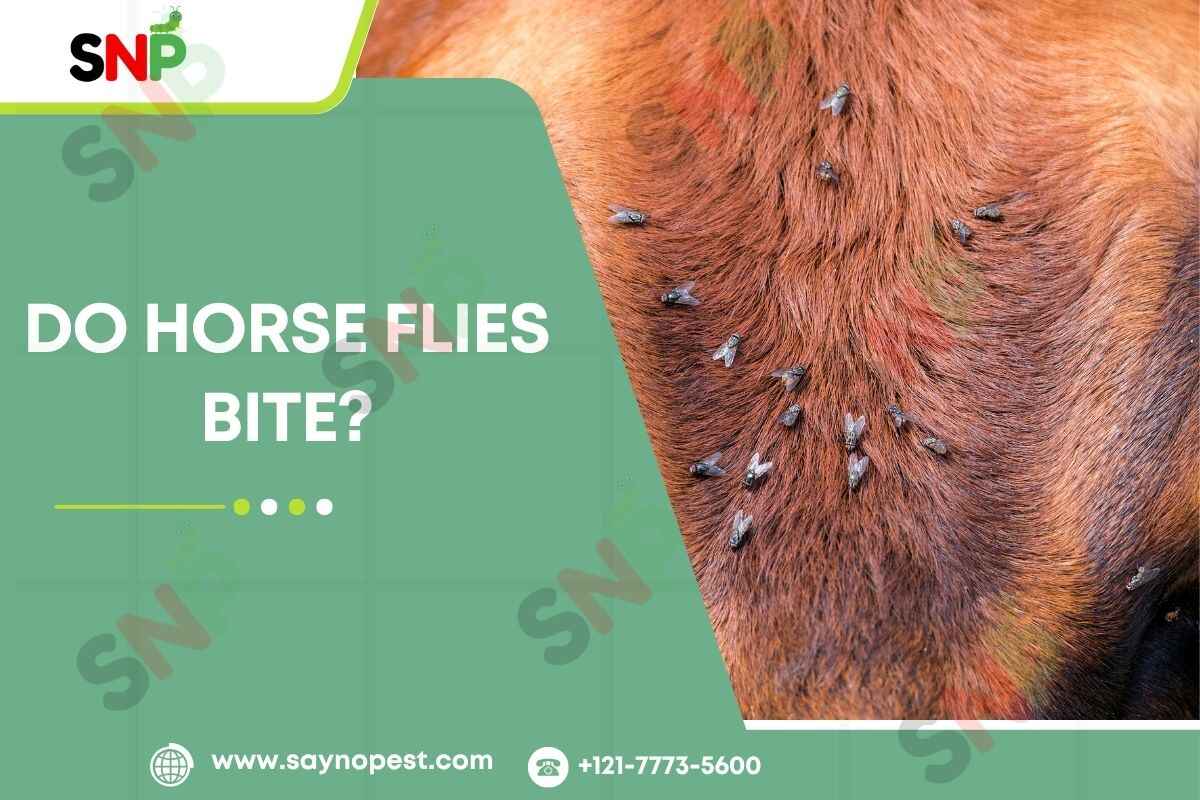
    Horse fly bites are very common all across America and are very bothersome to people there, especially in warm seasons. These aggressive insects do not spare anyone! They use their sharp parts to feed on human or animal blood. The bites cause an burning sensation instantly and can cause red, swollen blisters. Being aware of the symptoms, side effects and the right treatment will be of great help to you to keep your health safe. Being aware of the symptoms, side effects and the right treatment will be of great help to you to keep your health safe.

    Stages of horse fly bites

    First of all, the female horsefly that needs blood for mating, lands on the skin if it is exposed. Instead of piercing the skin like a mosquito, it cuts through the skin with its saw-like mouthparts.

    At the same time, the fly secretes its anticoagulantn (insulin) to prevent the blood from becoming semi-solid. If the bite was scratched, it can cause a big red rash.

    Few hours after the bite, you experience swelling, redness, and sometimes a burning sensation. The majority of horsefly bites will be gone within a couple of days. But some may go on for a longer time. Learning the signs of these stages allows one to react quickly and reduce the unpleasant feelings.

    Are horse fly bites deadly?

    Horseflies are very aggressive in nature and their bites are very painful.They carry a high risk of allergic reactions. The main danger is the pain and irritation they cause, which can cause even more severe symptoms than other insect bites. Usually, for most people, symptoms are-

    • Discomfort
    • Swelling
    • Redness

    Someone can be very sensitive to the proteins in the saliva of the horsefly and get an allergic reaction. The allergy reaction is diagnosed through a widely spread rash, running hives, shortness of breath, swollen eyelids or lips, dizziness, and weakness. When the situation gets severe, which is called anaphylaxis, it becomes a medical emergency and help has to arrive immediately.

    Another thing that is at stake is infection. Since the horsefly bites are very deep, the skin gets torn and bacteria can come in there. Especially if that place gets scratched or is left without being cleaned properly. Signs of infection, for instance, are increase of pain, pus, redness that spreads, and fever. Horsefly bites might very rarely be the cause of tularemia spreading. In the United States, it is a very rare case.

    Generally speaking, although horsefly bites are not a big danger the main thing to do is to keep an eye on how the symptoms are evolving and to see a doctor if a strong allergic reaction or infection are suspected.

    How can I treat horsefly bites?

    Horsefly bites should receive treatment as soon as possible to avoid going through any complications.

    • Start with cleaning the bitten area very well with soap and water in order to remove the bacteria and to prevent infection.
    • Use an ice pack for atleast 10 minutes to decrease the swelling and numb the pain.
    • Do not scratch the bite.
    • Using aloe vera or honey might be one of the home remedies.
    • In case you see discharge, redness, or fever or if you get an allergic reaction, call the doctor immediately.

    Although, horsefly bites heal without complications in a few days after receiving the appropriate treatment.

    Conclusion

    Horse-fly bites are gross and painful. Be aware of how these bites happen, stages of these bites, and how to treat them properly. It will help you to protect your health and be confident while outdoors.

    • Be observant.
    • Keep the place clean.
    • Do not hesitate to ask for help.
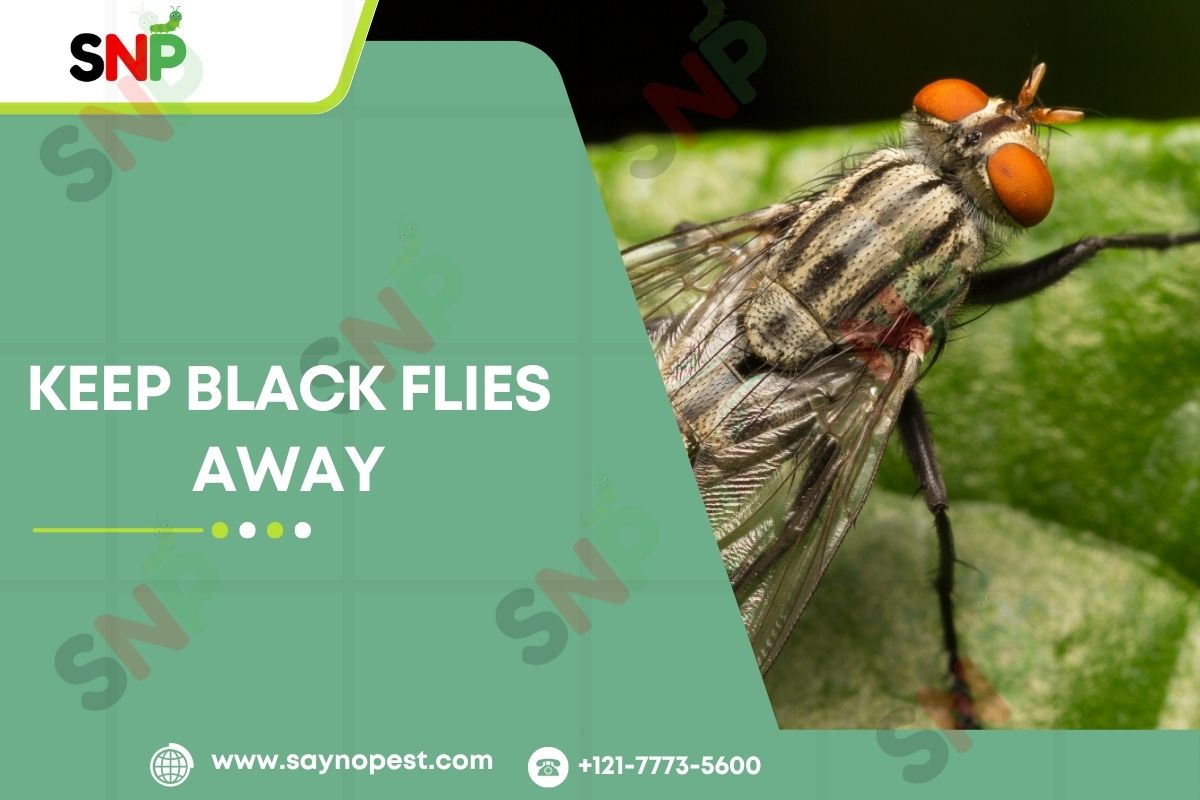
  • Keep Black Flies Away

    Keep Black Flies Away

    Introduction to Black Flies

    Black flies are little black insects in places around the rivers and the streams. These pests are most active in the end of spring and the beginning of summer.

    Female black flies feed on the blood, which they use as a source of nutrition for the eggs they produce. Both humans and animals become their victims. The bites they cause and the discomfort they create are the problems to American people. Mostly those who love spending time in the nature in the flies regions suffer.

    What to Know About Black Fly Bites

    Black fly bites can be very annoying, and in some cases dangerous. The non-biting mode of black flies is far different from mosquitoes. Black flies are equipped with teeth allow them to cut the skin and feed on the blood. Most often, the bites are seen mainly near the hairline, ankles, feet, and arms – places that are difficult to completely cover with clothes.

    How do the Black Fly Bites look?

    You will see tiny red spots to big, swollen welts, and the severity of their bite is different with each individual. A few people experience minimal irritation, and on the other hand, some have swelling and itching that can stay for days or weeks.

    How-do-the-Black-Fly-Bites-look

    Black Fly Saliva: Deadly or not?

    The black flies saliva is the allergy causing element. This is the reason for the very strong itching, and also the swelling. There can be secondary infections or very bad allergic reactions if the bite area is not clean.

    Though the bites are mostly not dangerous. Black fly bites can give parallel problems to animals like causing heavy blood loss and even lead to death in the case of pets.

    These flies love carbon dioxide, body warmth, and dark clothing. This has the effect of causing some people to be more prone in comparision with others. The individuals who tend to spend most of their time outside and particularly in the woods or by the river need to be aware of the potential risks and symptoms of the black fly bites. This will aid in making them comfortable and healthy.

    Black Flies Control -Black Fly Repellent

    Black-Flies-Control

    To get rid of black flies and prevent black fly bites, it is necessary to use a combination of methods!

    1. Personal protection and environment care- It is recommended to wear not only long-sleeve shirts and pants but also head nets made of light fabric, which can be a very effective means of protection.
    2. Do not be Outdoors at peak hours- It is also advisable not to be outdoors at peak black fly hours because they are most active at that time, which is usually during cloudy days or in breezy areas. In addition to all of this, bright sunlight and wind also repels black flies.
    3. black fly repellent can be either chemical or natural.
    4. DEET formula-based repellents- These are recognized as the most efficient ones against black flies.

    You can also use Natural Black Fly Repellents like-

    1. Sprays- Use of such sprays is by no means risky if the ingredients are natural. The sprays can be also made with water and vinegar.
    2. Witch hazel- Thisis a natural product that can be used for the protection of both skin and home.
    3. These natural black fly repellents can be effective when applied not only to the skin and clothing but also to places where flies can enter, e.g., the door and the window.
    4. Apart from using repellents, also having screens on your windows and doors and getting rid of standing water near your house can also help you to further reduce black fly population.

    Conclusion

    The black flies are very common and risky pests in particular for those who put their health on the first place. Their bites may be a reason of discomfort, allergic reactions, and in rare situations even a serious health issues for both people and animals. The only way to be sure of the minimum exposure and the safest possible time outdoors is to use the best black fly repellent, to wear protective clothes, and to know their behavior well.

  • How to Kill Flies in Drain Fast

    How to Kill Flies in Drain Fast

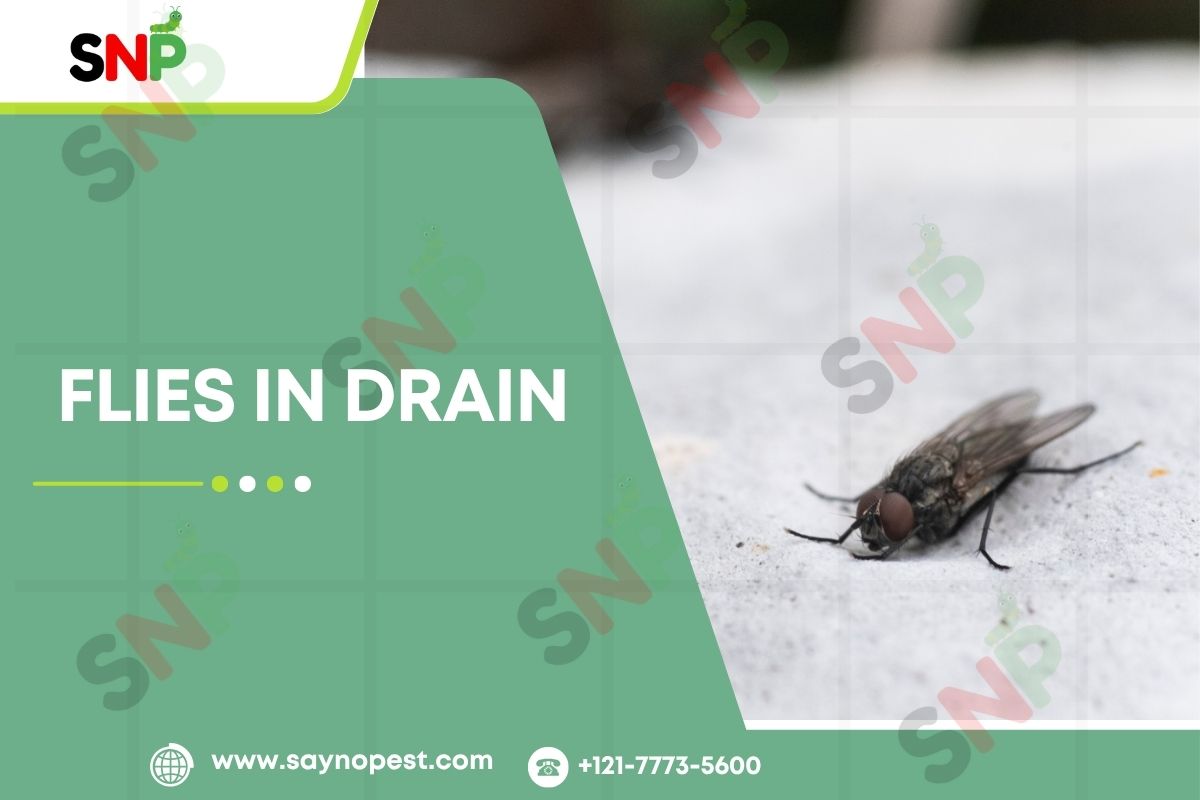
    Flies in drain go by various names such as drain flies, sink flies, or sewer gnats. The thing is that they can live in moist areas. The places where you are most likely to find these flies are sinks, tubs, or showers.

    They multiply quickly and can be an indication of a hidden problem in your plumbing. Although flies in drain are not our direct problem, as they do not bite or carry diseases, they can become a source of allergy and asthma for sensitive people, therefore, they are a health-conscious family’s enemy.

    What Do Drain Flies Eat?

    What-Do-Drain-Flies-Eat

    Knowing exactly the answer to the question of what do drain flies eat is very important if you want to solve the problem.

    • Drain Flies indulge themselves with decomposition materials found in the slime film called biofilm. This film accumulates on the inner walls of drains, pipes, and traps.
      The components of this biofilm include hair, grease, soap scum, food particles, and other organic debris.
    • The larvae are the ones that are totally happy in this environment because to them it is a never-ending buffet of bacteria, fungi, and microscopic life forms that can usually be found in the goo. Adult flies drink dirty water but their main meal comes from the sludge that is inside your plumbing.
    • Thus, an ultra-clean kitchen or bathroom can still be the perfect place for these pests if under the sinks there is enough organic stuff. So, if you are still asking what do drain flies eat, they are largely dirty, damp, and full of organic matter hyphens that are located deep inside your pipes.
    • It is undeniable that the more organic material there is, the more food there is for the pests. This is one of the main reasons why cleaning and maintenance on a regular basis are very important.

    If your health is a major concern, learning good things about the nutrition of drain flies will definitely make you realize that getting rid of drain buildup is the only way to have a house free from pests.

    Reason for Flies in Drain

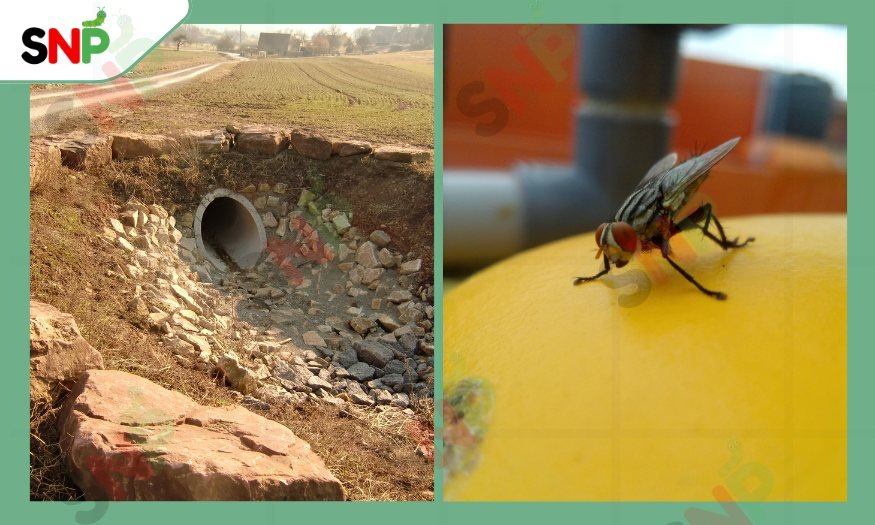
    The cause can be found in the inside of your pipes. The flies are feeding on water, which is either still or moves very slowly. The most common reasons for the flies in drain are:

    • Blocked Drains- Drains that are blocked or slow can lead to accumulation organic matter and moisture.
    • Leaked Pipes- Leaks in pipes or water that is not being drained. Places where the water movement is absent, such as sinks or toilets that are rarely used, allow biofilm to accumulate.
    • Fly nests in the outside environment may provoke cracks or gaps in the plumbing where flies can easily enter.

    For instance, if you have been on a vacation and have returned back or you have an unused sink for some time, you may suddenly find that there are flies in drain.

    The major cause for the flies in drain is the moisture and the organic matter, which are the exact things that pests need for their feeding, and moreover, it provides them with fields for reproduction. The first action should be the elimination of such factors if you are willing to get rid of the infestation.
    Best Drain Fly Killer

    Best-Drain-Fly-Killer

    Are you looking for the most effective drain fly killer? A good one is that which takes care of both the adult flies and the place where they lay their eggs. Here is an easy way to get the job done correctly:

    Clear the Drains Completely:

    Take a plumbing snake or a stiff brush for this work and remove biofilm and other dirt from the pipes. It cuts the larvae food source and interrupts their reproduction.

    Enzymatic Drain Cleaners:

    These are natural enzyme-based cleaners that digest the organic matter present inside the pipes. The enzymes are therefore the best drain fly exterminator option for families who are concerned about their health. Stay away from aggressive chemicals since they have the potential to destroy the pipes and pollute the environment.

    Boiling Water:

    A quick pouring of boiling water down a drain can go a long way in loosening a part of the dirt and flushing the larvae out as well. Make it your daily habit and repeat this process for seven consecutive days for maximum effect.

    Trap and Monitor:

    The easiest way to catch pests is to use a trap. You can set it, for example, be a clear plastic cup that is destained with petroleum jelly, thus, over the drain, it will be eliminated overnight. The principle of this trap is that it will grab new emerging flies thus enabling you to track their source.

    Fix Leaks and Eliminate Standing Water:

    In order to do this, you have to mend any plumbing leaks and also make sure the water is circulating in all drains so that there is no stagnant water.

    In case you find the situation getting out of your hands, professional pest control may be the best solution. They will locate invisible places where the pests are breeding and then carry out the action targeted only at the place where the problem came from thus, they will eliminate the issue once and for all.

    Getting rid of both the source of their food and the breeding places will protect your home, help it to breathe freely, and will keep it pest-free.

    Conclusion : Flies in Drain

    Drain flies are not only a nuisance but they also are an indication that your plumbing is in need of repair.  Take care of your drains, fix any moisture problems, and you are good to go. You will be able to protect your home and your health from these bothering pests that do not go away easily.

  • How Do I Get Rid of Drain Flies Overnight?

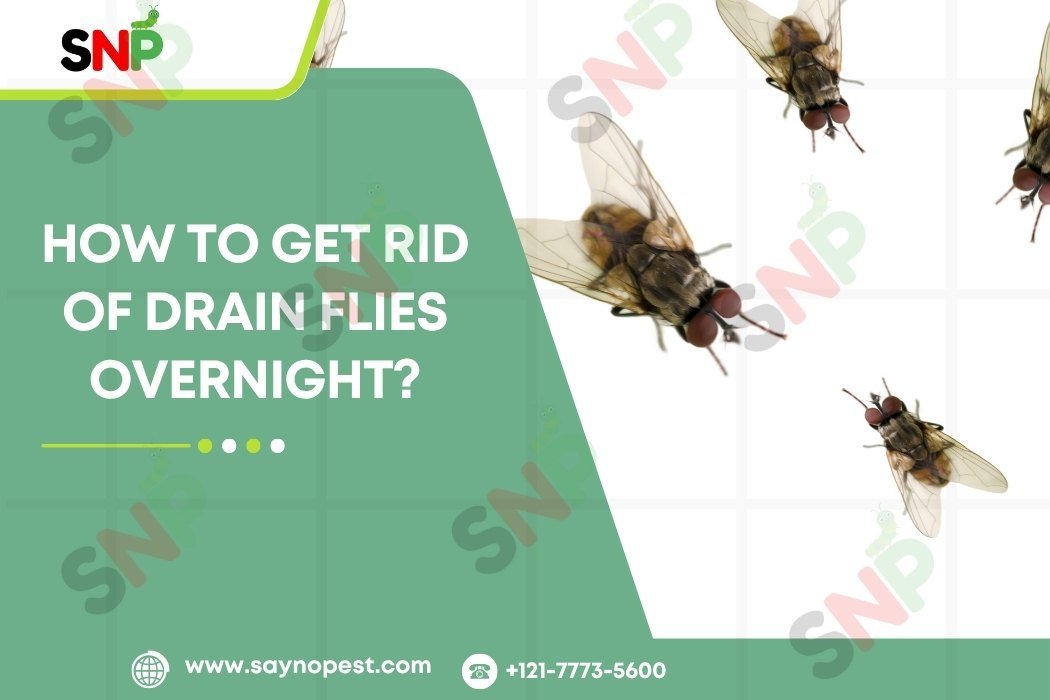
    How Do I Get Rid of Drain Flies Overnight?

    Ever seen tiny flies buzzing around the drains? Quite a several households in the United States suffer from drain flies, also known as sewer flies or moth flies, mostly in kitchens, bathrooms, and basements. We will help you know the tips and tricks of How do I get rid of drain flies and what are the most suitable way to keep your home free from these pests.

    Identification and Understanding of Drain Flies

    Characteristic of drain flies are-

    • The drain flies are small and are 1/8 inches long.
    • They have hairy bodies and hairy wings that resemble those of moths.
    • The common name are ‘sewer flies’ or “moth flies”.
    • Their favorite spots are moist surroundings, the organic matter that builds up inside drains, sewer lines, and even in standing water near refrigerators and washing machines.
    • You’ll find them resting on walls near sinks or bathtubs, or see them flying in short. Their larvae feeds on the cheeky gunk in your pipes making your kitchen and bathroom drains the ideal breeding colonies.
    • Many of you don’t realize how much dirt exists in the drains, but if you put a clear piece of tape over the drain, and check in the morning, you will find some flies stuck in the tape, you’ll know.

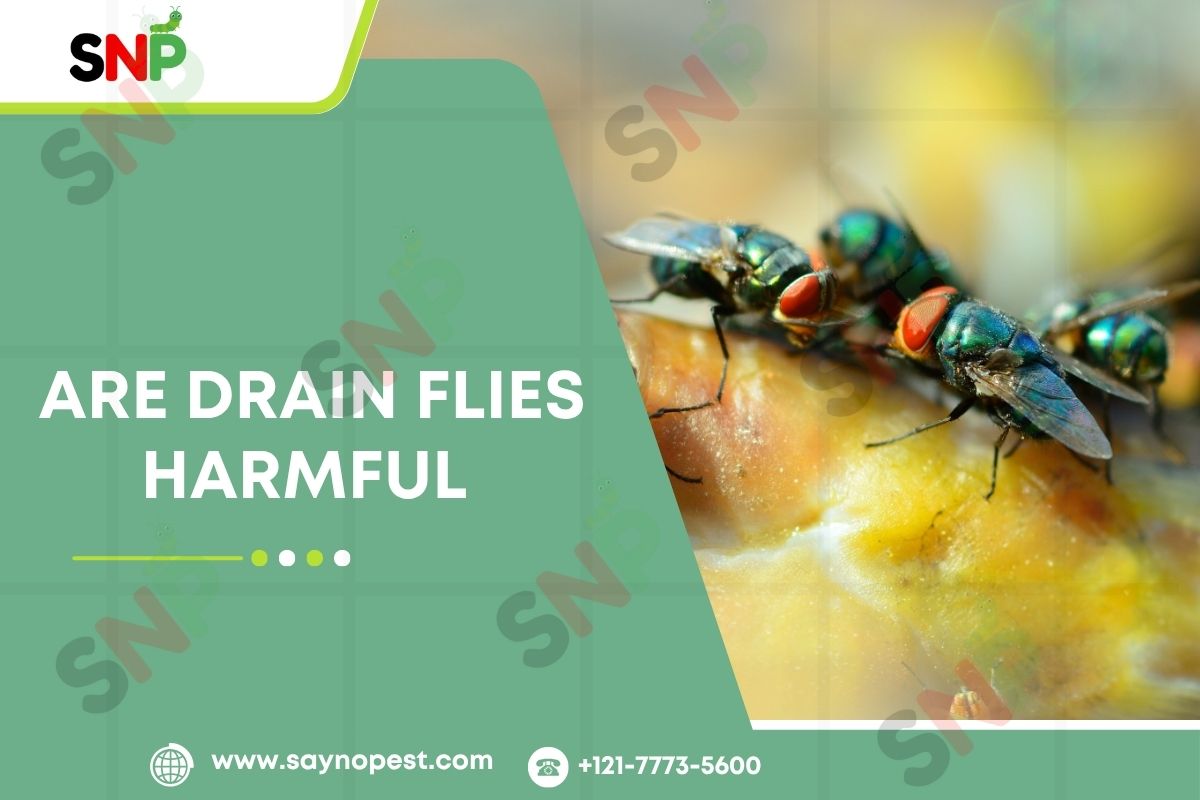
    Are Drain Flies Harmful to You?

    Are-Drain-Flies-Harmful

    Many people ask, are drain flies harmful? My answer to that is they do not bite or sting and do not carry any diseases that are harmful to us. However, the presence of these small flies can cause sanitation issues and can be a reason behind the origin of other health hazards.

    Even though drain flies do not sting directly, they can be carriers of germs and pathogenic agents from the foul-smelling areas where they breed. They can cause allergy and asthma symptoms in sensitive individuals. Drain flies usually show up in unclean conditions that makes the air worse, and if they keep coming back, it could mean a clogged drain which might cause more drain problems in future.

    Are Drain Flies Harmful in the sense of biting or stinging? No. But they are a nuisance, can worsen respiratory conditions, and signal that your drains need attention.

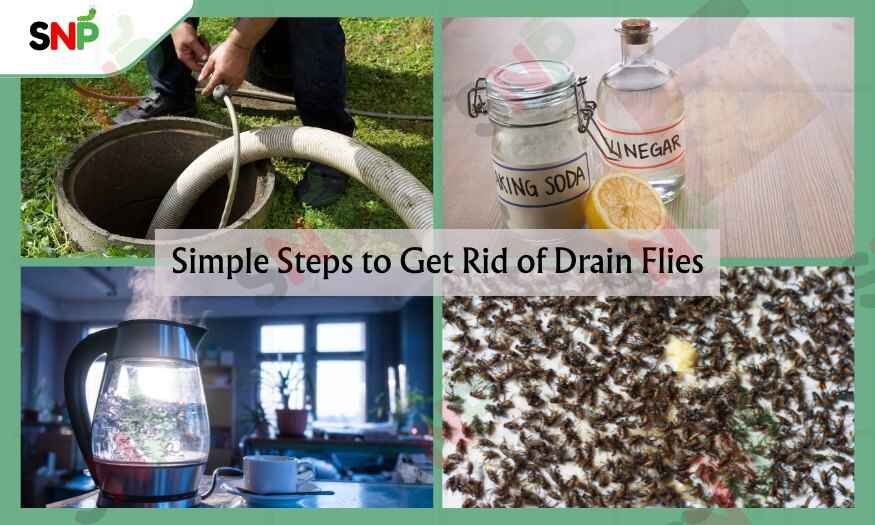
    7 Simple Steps on How Do I Get Rid of Drain Flies

    Simple-Steps-to-Get-Rid-of-Drain-Flies

    If your home is already infested with drain flies, here is a time-proven, detailed method for the step-by-step that can be taken to get rid of drain flies in your house, which is efficient and practical:

    1. Locate the Source

     Look for which drains are affected by using tape traps or visually examining the area.

    2. Manual Cleaning

    Get a pipe brush and thoroughly clean the insides of infested drain and remove all the organic residues.

    3. Boiling Water

    For 7 days, continue to pour a kettle of boiling water into the drain to kill the larvae and clear the channel of dirt.

    4. Use Baking Soda and Vinegar

    Boiling Water: For a week, keep pouring boiling water down the drain and wash away the gunk.

    5. Apply Drain Cleaner (If Necessary)

    An enzymatic or microbial drain cleaner will be perfect for stubborn infestation, as it is specifically produced for organic matter digestion, and these are chemical-free cleaners that won’t harm the pipes. Other drain cleaners can damage the pipe with their strength.

    6. Adult Fly Traps

    Set up a bowl of apple cider vinegar with a few drops of dish soap near the drain. The flies that come close to it, get caught. Another good alternative is to cover a bowl of vinegar with a plastic wrap, drill holes in it and allow the insect to go in but not come out.

    Make it a habit to check and wash the drains out, eliminating flies and eggs, until there are no more signs of the pest. If the problem exists even after the cleaning has been done, the flies have probably made their way deeper into the plumbing system or sewer lines. In that case, you should consider hiring a professional pest control or plumbing service for help.

    Conclusion

    Drain flies represent a typical pest problem which homeowners can effectively control. Drain flies disappear when you eliminate their breeding sites through proper drain maintenance and cleaning. You may wonder Are Drain Flies Harmful, they are not directly dangerous but can be a cause to major hygiene problems.

    To know how do i get rid of drain flies and expert pest control tips and solutions across the United States, trust SayNoPest as your go-to resource.

  • Types of Flies & How to Stop Them

    Types of Flies & How to Stop Them

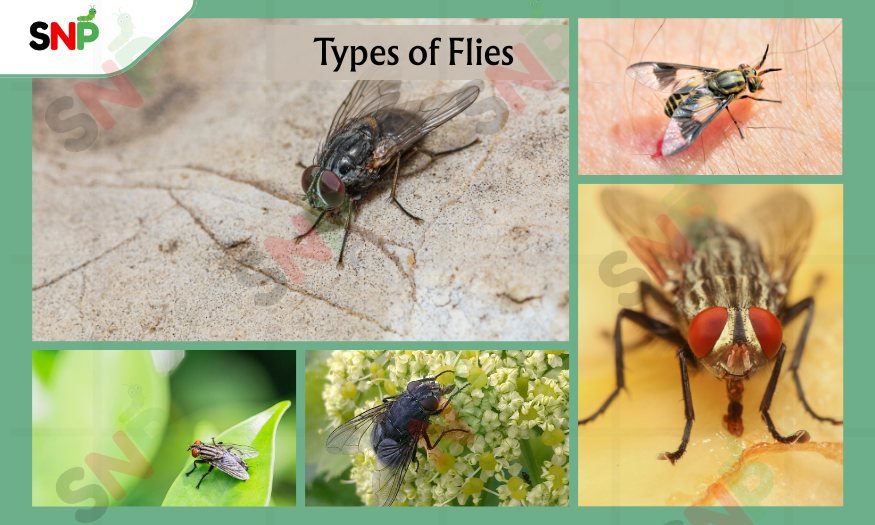
    If you have ever inhaled an intruder who was buzzing in your kitchen, or seen tiny insects circling your fruit bowl, congratulations, flies have invaded your home. Flies are the most common insects that are sharing your home with you. To recognize the Types of Flies in your place and learn how to stop them is the first step to effective prevention and control.

    How many species of flies exist?

    There are 120,000 described species on a global scale with probably lots of those still yet to be discovered. In the United States, there are several Types of Flies, which enter the house, expose you to diseases, and, of course, make it uncomfortable for you to stay at home. Knowing the species enables you to direct your anti-insect actions and save your health.

    Top 7 Types of Flies

    Types-of-Flies

    The idea is to elucidate the most prevalent Types of Flies across the US.

    1. House Flies

    The classic nuisance, house flies are grey with four black stripes on their thorax and measure about 1/8–1/4 inch long. They reproduce in decaying organic materials like dung, and other waste from which they hatch fast due to favorable temperatures and are disease carriers.

    2. Drain Flies (Moth Flies)

    Drain flies are small, shaggy, and are often taken for moths mainly due to their coloring and size. Moist areas of the house like drains, sewer systems and sink lines provide a suitable breeding ground for these flies. They turn into larvae and eat up the leftover organic matter in the pipes which consequently combine to be a sign of plumbing problems or lack of hygiene.

    3. Fruit Flies

    Small, about 1/8 inch long, tan, or dark brown with red eyes shining, fruit flies are primarily attracted to ripe fruits, vegetables, and sweet liquids. The rapid breeding cycle of these flies allow females to produce 500 eggs which hatch into new flies within 24 hours thus causing fast infestations during summer.

    4. Blow Flies

    Green or Blue Bottle Flies are also called the blow flies because of their sparkling green coat. They are a bit bigger than house flies. These flies lay their eggs in decaying meat or carcasses and the presence of these flies can be an indicator of a sanitation problem or a rotten animal in walls or attics.

    5. Fungus Gnats

    These are one of the craziest groups of flies and these flies are quite similar to mosquitoes. Fungus gnat larvae utilize fungi and rotting plant matter as their food, even though they do not sting, they can be dangerous if they feed on your plant’s roots. The growth of the plant will stop.

    6. Cluster Flies

    Cluster flies are different from those of house flies since they are more prominent, with darker color that reside in lofts or wall voids, especially in late winter and spring. To get through winter, they gather in huge numbers indoors, but they neither breed nor spread diseases.

    7. Horse Flies

    Horse flies are larger, more violent, and they have itchy bites and are mostly found in water, next to the farm, and in the woods. They can cause allergic reactions besides the transmission of diseases to animals.

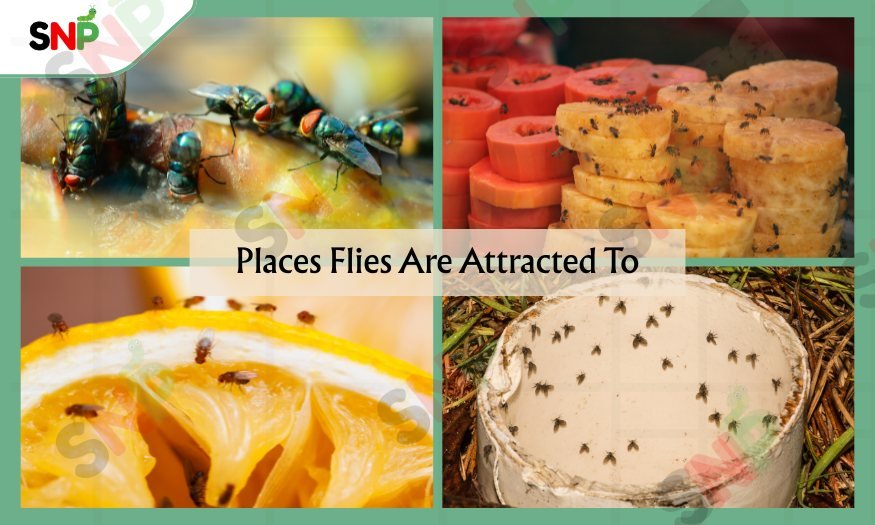
    Places Flies Are Attracted To

    Places-flies-are-attacted-to

    The environments that attract flies consist of areas which offer food sources and moisture together and suitable breeding sites. All Types of Flies primarily have four main attractants:

    • Flies seek out moist organic waste materials that exist in garbage containers and compost heaps and food leftovers. Both food sources and suitable breeding sites exist in unsealed trash and leftover food.
    • Fruit flies along with various other fly species love overripe produce and sweet liquids including fermented beverages such as soda and liquor and vinegar.
    • The breeding grounds for drain flies and fungus gnats exist in humid environments that standing water and moisture sources create including leaky pipes and water-filled plant saucers.
    • House flies and blow flies are strongly in favor of to animal carcasses and pet waste because these items provide both food sources and breeding opportunities.

    Know how to Prevent Flies

    Keeping flies out requires a proactive approach. Here’s how you can deter all Types of Flies:

    • Maintain Cleanliness
    • Manage Moisture
    • Seal Entry Points
    • Use Traps and Baits
    • Professional Help

    Conclusion (Understanding the Types of Flies)

    Effective pest control requires proper identification of the different fly species that invade residential and commercial spaces. Professional pest control experts are always there for you when pest infestations become challenging to manage. They will free you from fly infestations and provide a fly-free environment.