Category: Fleas

  • Flea Larvae: Discover How to Eliminate Them

    Flea Larvae: Discover How to Eliminate Them

    Fleas are a huge problem in a pet owner’s life and learning about flea lifecycle could result in more efficiency in controlling the infestation. The most underrated but vital phase of flea’s life is the flea larvae stage. These freshly hatched creatures are a secret weapon in any infestation.

    Summary

    We are going to unfold the meaning of flea larvae, the role they play in the life cycle of the flea, how one can recognize them, and most importantly, how to get rid of them.

    Flea Life Cycle
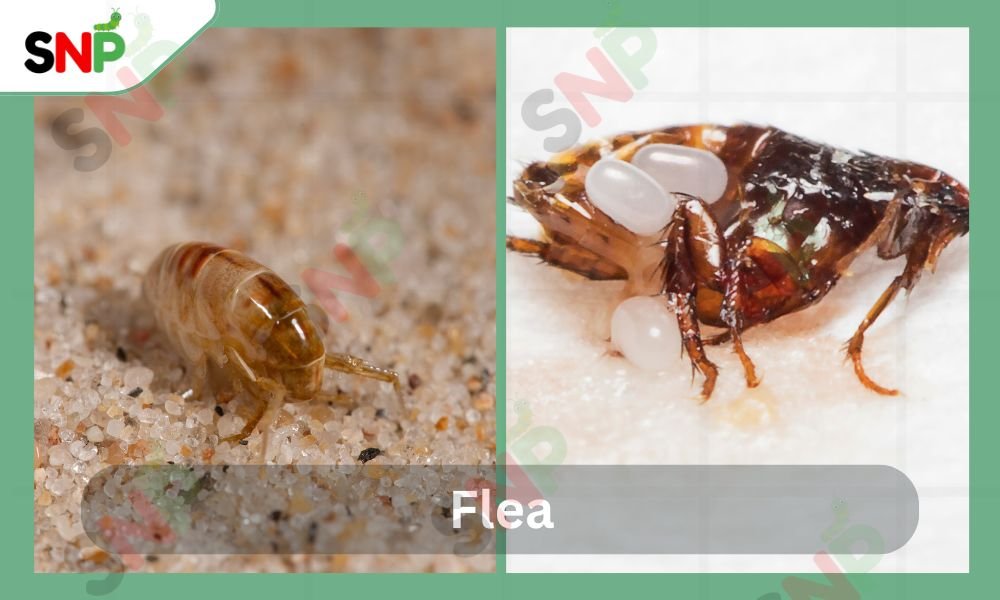
    flea

    Fleas know how to multiply fast! It’s important to know how they grow. They go through four stages namely- egg, larva, pupa, and adult.

    1. Egg Stage- A grown-up female flea lays her eggs on animals (dog or a cat). But the eggs don’t stay there long, they fall off into places like your carpets, beds, and floors. One flea can lay hundreds of eggs a month, which is how an infestation can start fast.

    2. The eggs transform into a worm- like larvae during the larva stage which occurs within one week or less. These creatures lack both legs and eyesight while hiding in dark spaces such as floor cracks and deep carpet areas. These creatures consume dried skin together with dirt and small food particles.

    3. The larva develops into a pupa by creating a cocoon- The pupal stage represents the most challenging period to handle. The cocoon stage can last from days to weeks to months as the insect waits for the right time to emerge (such as sensing movement or heat).

    4. Adult fleas emerge from their cocoon as mature insects- It immediately seek out pets or people to bite.

    Your flea control efforts will be ineffective if you target only adult fleas because eggs and larvae and cocoons remain hidden inside your home. Flea problems persist because you need to treat all life stages simultaneously to prevent them.

    Flea Larvae

    When the adult fleas lay eggs, the flea larvae are the next step of the flea life cycle, being the second stage. What sets apart this phase from adult fleas is that flea larvae do not suck blood. Instead, they survive by eating organic debris, especially “flea dirt,” which in fact, are the feces of adult fleas and carry undigested blood. This stage is important because flea larvae are the make the most of their population, about 35%, and they can be really challenging to eliminate as they are hide in hard-to-reach places.

    What Does Flea Larvae Look Like

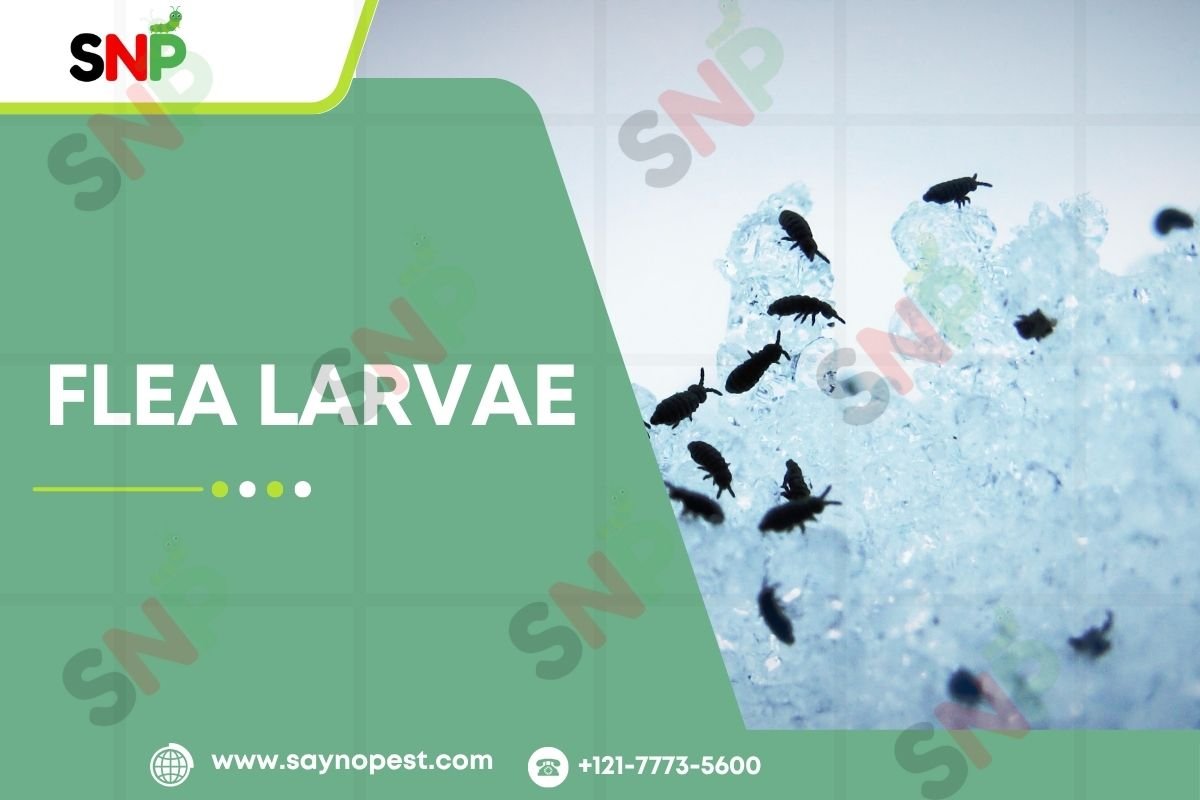
    Ascertaining the tiny flea larvae in a bunch of other adjacent small particles is a big puzzle, because both their size and behaviour are the main issues. Identifying them as small, whitish worms, measuring 2–5mm in length, is the process of finding them. The body of the flea larvae is transparent, and if they eat flea dirt, these darlings can become darker as the digested blood shows the darkness inside them. The body is still a little hairy and quite pale, and they will only be found deep in the carpets, pet bedding, or the cracks in furniture, and floors, where the light never comes and the larvae bury themselves.
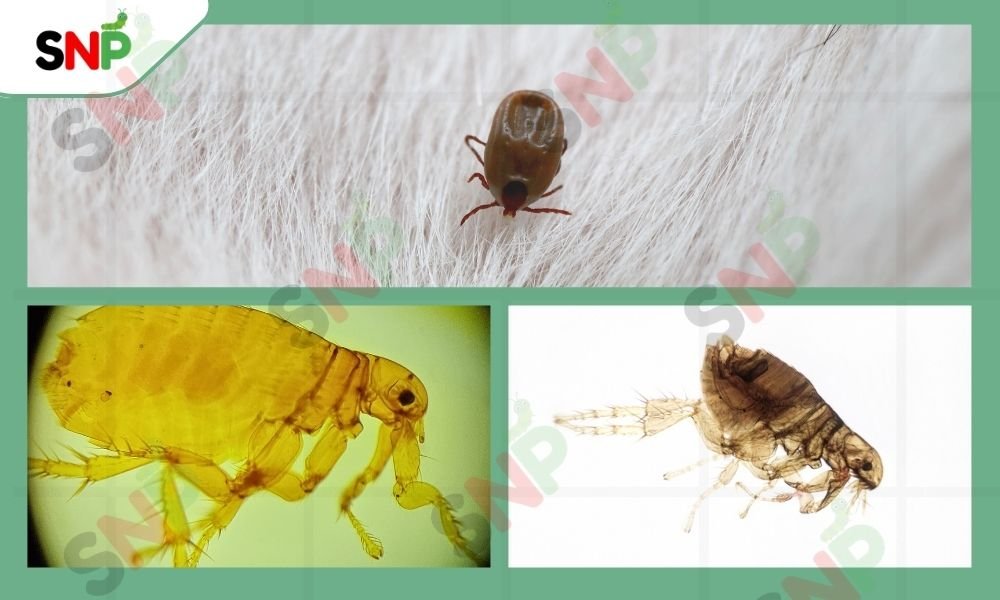
    What-Does-Flea-Larvae-Look-Like

    Steps to Eliminate Flea Larvae from Your Home

    On the premise of a multi-faceted strategy, you can effectively remove fleas in every stage of their life cycle. It explicitly explains how you can get the flea larvae out of your home through the steps below:

    1. Treat Your Pets: To start the process, use the veterinarian-prescribed flea treatment such as shampoos, spot-on treatments, or oral medications on your pets. Your pet’s fur must be cleaned of any fleas or dirt with a flea comb.
    2. Wash Bedding and Fabrics: In order to kill the flea larvae and eggs, wash pet beds, blankets, cushion covers, and your bedding in the hottest water possible and with a strong detergent.
    3. Vacuum Thoroughly: It is crucial to clean all things that cover the floor such as carpets, rugs, furniture, and even those hard corners and dark areas that are hard to access such as corners, cracks, and under the furniture. When done throughout an infestation, weekly vacuuming can reduce as much as 90% of the known sources of flea eggs and flea larvae.
    4. Use Insecticidal Sprays and Powders: Apply flea insecticides or insect growth regulators (IGRs) to carpets, upholstery, and pet areas.  IGRs can stop flea larvae from growing by interrupting the life cycle of the latter.
    5. Use Natural Alternatives: Diatomaceous earth, a non-toxic alternative, can be sprinkled in parts with the flea problem, e.g. in carpets, under a pet’s bedding. This substance acts by the way that it dehydrates the insects.
    6. Declutter and Deep Clean: A clear space is a key point of getting rid of fleas. Flea eggs and larvae will be exterminated besides general housecleaning by doing such things as decluttering off old useless things, steam cleaning carpets.

    Conclusion

    From my point of view, you need to stick to regular steps in order to make sure that not only the adult fleas but also their eggs and larvae are completely eliminated. The treatment of flea larvae is the foundation of parasite control that will protect your pets and your dwelling from the further development of insects. Firstly, it is necessary to find and understand where flea larvae are and then focus on dealing with them, following this up by a word about the best ways to kill them.
  • How to Kill Fleas the Right Way

    How to Kill Fleas the Right Way

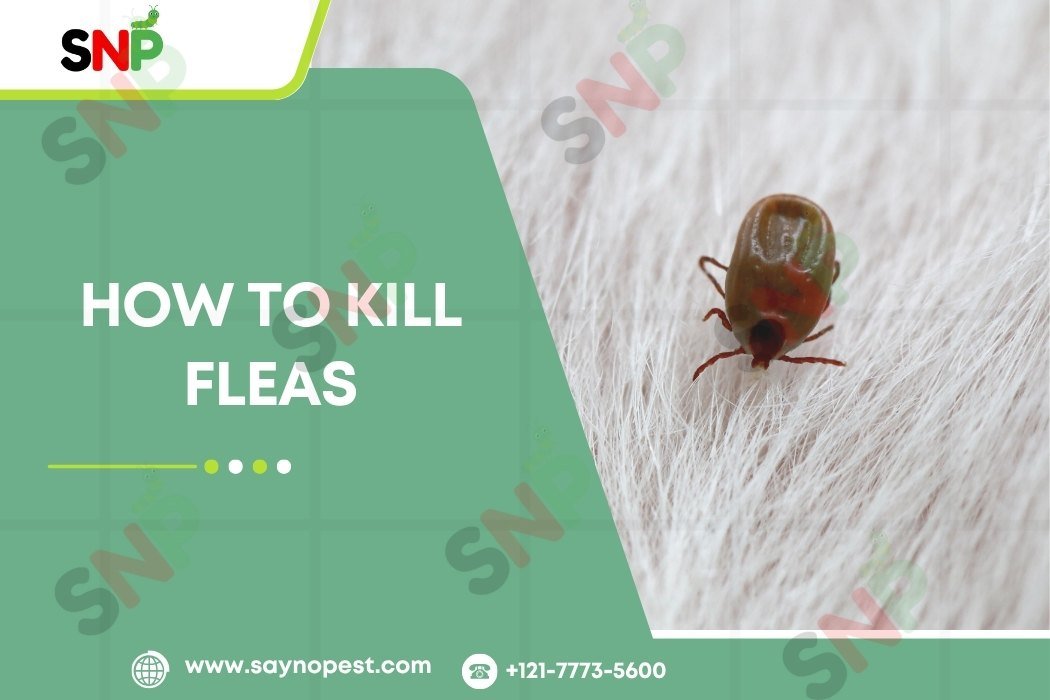
    Are you looking for how to kill fleas and finding out the most efficient and safe techniques to do so? Not to worry, you are at the right place. Fleas are a big annoyance, in particular because they cause discomfort to you and your pets and can even cause gross diseases.

    Identify Fleas To Get Rid of Them: Fleas multiply quickly if nothing is done!

    Proper identification is the first step to eliminate fleas. Proper identification is the first step to eliminate fleas. The small dark brown insect known as a flea can be identified easily when:

    • Your pets show excessive scratching and biting behaviour.
    • Small, and red bites on humans.
    • Flea dirt appears as tiny black particles on furniture and carpets and pet bedding because it consists of flea feces.
    • Flea eggs appear as tiny oval off-white objects which frequently cause problems in hardwood floor cracks and bedding.

    You need to start your flea control measures right away after noticing these warning signs. A small flea infestation can rapidly transform into a major problem because these pests lay 50 eggs daily. A complete inspection serves as the essential starting point to remove fleas from your home and pets and your garden.

    Flea Spray for House: A Secret Weapon To Kill Them

    The primary weapon to kill fleas is a potent flea spray for the house. These sprays are powerful flea killers which can destroy adults, eggs and larvae immediately upon contact, that is how the life cycle of fleas is broken and reinfestation is avoided.

    The flea spray for house works the best that has Permethrin and Methoprene or Pyriproxyfen. These will not only kill adult fleas but also make their eggs and larvae inactive. You can use flea spray in your house on carpets, rugs, pet beds, and in any cracks where fleas may be present. But don’t forget always pay attention to the manufacturer’s manual to use it in a safe and effective way.

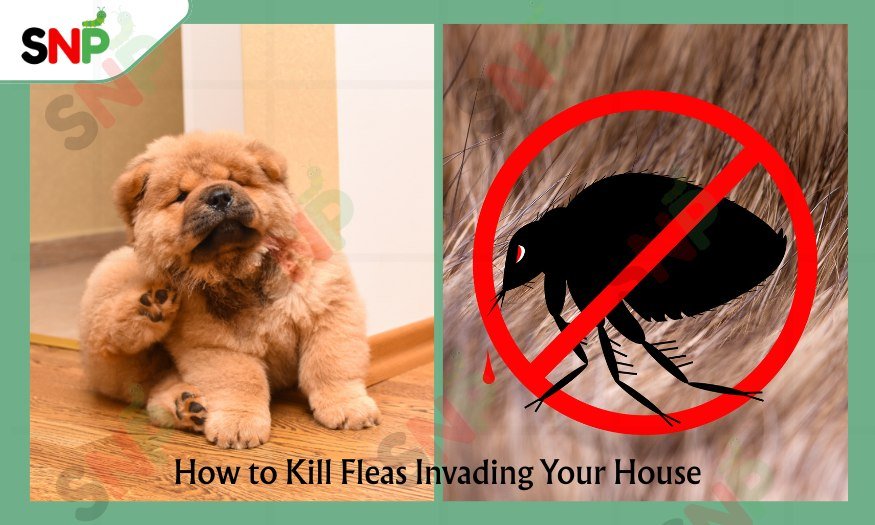
    How to Kill Fleas Invading Your House

    Getting rid of fleas indoors will involve a series of actions. A few tips on how to kill fleas are:

    1. Clean the Floors Thoroughly with a Vacuum Cleaner: A high-efficiency vacuum should be used to clean all floors and furniture surfaces and carpets and rugs thoroughly. The areas where pets spend time serve as flea and egg hiding spots so you must thoroughly clean these areas.
    2. Use your home as the base for flea spray: Apply the flea spray to all the contaminated areas including pet bedding, upholstery, and floor cracks. This phase is one of the most important for the question of how to kill fleas and their lifecycle.
    3. Get New Bedding: You can kill all stages of fleas by washing pet bedding, your bedding, and any fabric that can be washed in water that is too hot to touch. and then dry them at the highest temperature.
    4. Make sure your home is in a good condition: High heat and steam can eliminate many fleas and eggs and their larvae from your home environment. A steam cleaning machine should be used to clean carpets rugs and upholstery for optimal results.
    5. Regularly comb your pets with a flea comb starting from their neck and moving to their tail region. Dip the comb in soapy water when you take out fleas so they will be killed.
    6. Look After Your Animals: Go to your vet to get the best advice on the type of flea treatment that is most suitable for your pets, for example, one that not only kills fleas but also stops future infestations.
    7. Go on doing these steps on a weekly basis until the signs of the fleas are no longer visible. Being consistent is the most important in learning about flea control methods effectively.

    How to Get Rid of Fleas in Your Yard

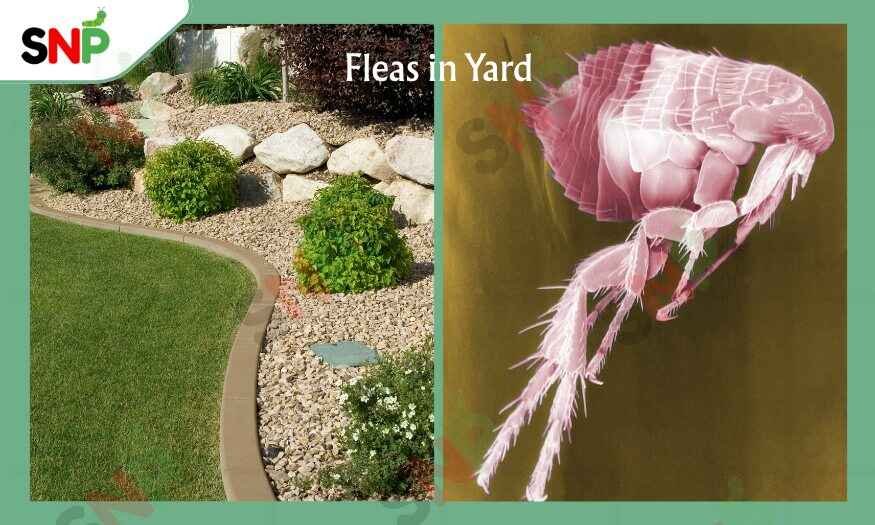
    Fleas-in-Yard

    The outdoor origin of fleas starts when they attach themselves to pets and clothing as they enter your home.

    The following steps will help you eliminate fleas from your yard:

    1. Regular lawn mowing eliminates the places where fleas prefer to hide. Shorten your grass while removing leaves and debris because these items create areas where fleas can hide.
    2. Yard debris should be removed by clearing all leaf piles and twigs and grass clippings from the area. Dispose of yard waste in bags instead of composting because fleas can reproduce in organic materials.
    3. Outdoor flea treatments should be applied through yard-specific sprays and granules to the lawns and flower beds and pet resting areas. The outdoor products are made to disrupt the flea life cycle while being suitable for external applications.
    4. Cedar chips create an environment that fleas find unappealing because of their cedar scent. Pet rest areas and flower beds and areas under bushes can be protected from fleas by spreading cedar chips.

    Conclusion

    A complete strategy to eliminate fleas involves three essential steps: detecting the infestation, using strong house flea sprays and performing thorough cleaning and treatment of your home and pets and yard maintenance. The flea life cycle can be stopped through regular repetition of these steps while maintaining constant vigilance which will create a pest-free environment.