Category: Bugs

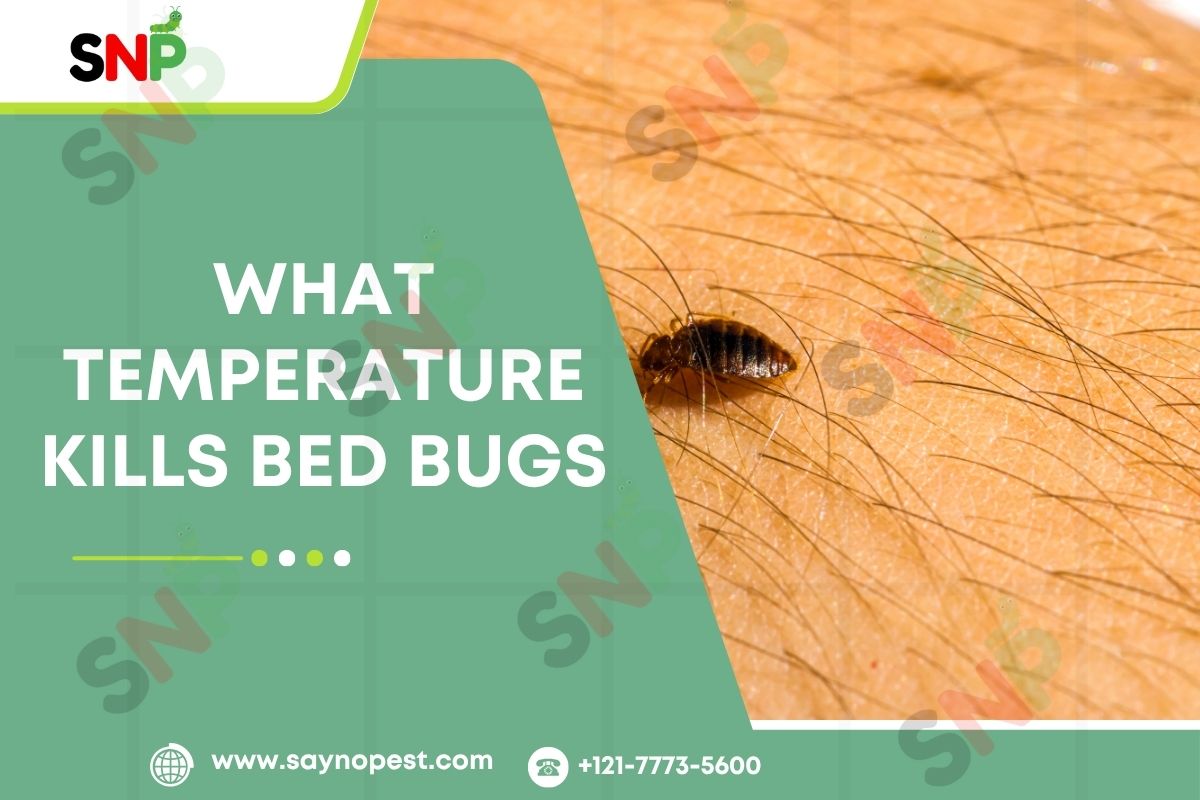
  • What Temperature Kills Bed Bugs: Guide for American Homeowners

    What Temperature Kills Bed Bugs: Guide for American Homeowners

    Bed bugs are one of the most constant & Extreme pests facing Americans today. If you’re searching for answers about what temperature kills bed bugs. Heat is among the most effective, chemical-free ways to eliminate these tenacious insects. In this comprehensive guide from saynopest, you’ll learn exactly what temperature kills bed bugs. What kills bed bugs instantly, and where do bed bugs come from.

    This guide to safeguard your home and family, and remember to stay vigilant bed bugs don’t discriminate and can show up anywhere.

    The how hot it takes to kill bed bugs question apparently precedes a experience of surviving hell and discovering an infestation. Bed bugs are a hearty animal, yet they possess one vulnerability: heat. Knowing an idea of what temperature kills bed bugs is helpful in a battle against an infestation because doing it incorrectly will only serve to make matters worse. Heat cure are a sure method to kill such insects. The principal issue. It is not temperature but proper application of heat for a sufficient duration so that all concealed insects are destroyed.

    What Temperature Kills Bed Bugs

    Researchers and pest control experts have explored. What is the optimal temperature to exterminate bed bugs in the household as well as in the workplace. Below is what the experts have to say:

    • 113°F (45°C) for 90 minutes: It will eliminate all forms of bed bug life if it is maintained for at least 90 minutes.
    • 118°F (48°C) for 20 minutes: Bed bugs will kill more quickly at this increased temperature most typically in 20 minutes. They are more difficult to kill as eggs . It would take at least 90 minutes of this heat to achieve best mortality.
    • 120°F–125°F (49°C–52°C) for instant results: 120°F for a few minutes or, for precise accuracy, 125°F+ where bed bugs and eggs are killed on the spot even in hard-to-reach areas.
    • Home solutions: Washing of infested bedding and clothes at home with hot water at 140°F (60°C) for 30+ minutes, or the hottest possible setting, is optimal & will kill all the bugs eggs and nymphs included.

    Industrial-strength heat treatments on a room scale employ commercial heaters to warm surface and air to take all hiding places to killing temperature. If you ask over and over again at what temperature kills bed bugs. Just keep this in mind: high heat for a long duration, evenly applied, is the norm.

    What Kills Bed Bugs Instantly?

    In looking for something that kills bed bugs instantly, most want the quick remedy. Hereafter is the reality:

    Straight Heat Application: Steam cleaners heated above 180°F (82°C) will kill bed bugs on contact instantly, killing insects & eggs on contact. Effective on mattresses, furniture, carpets, and cracks.

    Extreme Cold: Immersion for four days below 0°F (-18°C) will kill & freeze bed bugs, but heat is optimally used with in the home environment.

    Home Dryers: Bedding and laundry infestations washing through your hot dryer are good at killing dead bed bugs and eggs.

    Specialty Items: Bed bug steamers and heaters that are certified to apply instant and deadly heat to anything from couch cushions to suitcases.

    But also keep in mind that sprays and other types of “instant kill” depend on destroying bugs they come into direct contact with leaving bed bugs in hiding. For application in the rooms or within the house, heat solutions are still the best option for instant bed bug killers.

    Where Do Bed Bugs Come From?

    Most Americans are shocked to discover that bed bugs infest their home, and the first thing to ask is: where do bed bugs originate from? These millennial hitchhikers have been co-evolving with humans for thousands of years.

    Origins: Bed bugs infested caves originally, residing on bats and eventually transiting to the humans who inhabited the area. They travelled with humans for centuries and now inhabit every corner of the globe.

    Common Sources:

    • Hotels, motels, and dorms where there is greater foot traffic as well as the swapping of bags
    • Secondhand furniture, namely mattresses, sofas, and chairs
    • Public transportation, cruise ships, and even office space
    • Clothing, luggage, and things that were stored in infested rooms.

    Keep in mind: picking up bed bugs on me has nothing to do with cleanliness. Five-star hotels and the typical home can also get bed bugs. These bugs like affix on mattresses, baseboards, outlets, and any other enclosed dark spot close to them where human beings (their meal) sleep.

    Conclusion

    To exterminate bed bugs, brains are your best ally. Now you know what kills bed bugs by heat and at the same time kills bed bugs, you’ll be able to fight back with confidence.

    • Repeated heat, 120°F–125°F (49°C–52°C), is your safest option to exterminate bed bugs and their crumpled eggs.
    • Direct steam and heavy-duty heaters are the best options for instant killing.

    Prevention begins with learning where do bed bugs come from travel smart, check hotel rooms, and also when buying second-hand furniture, be careful.

    For further information or to hire an expert, visit saynopest for any of your pest control needs. Don’t hesitate to ask what temperature kills bed bugs at night apply science and professionalism to conquer.

    Remember: If you are smart, if you are quick-witted, and if you use the heat card, then you can outsmart bed bugs. Trust in saynopest to enable you to sleep peacefully bed bug-free.
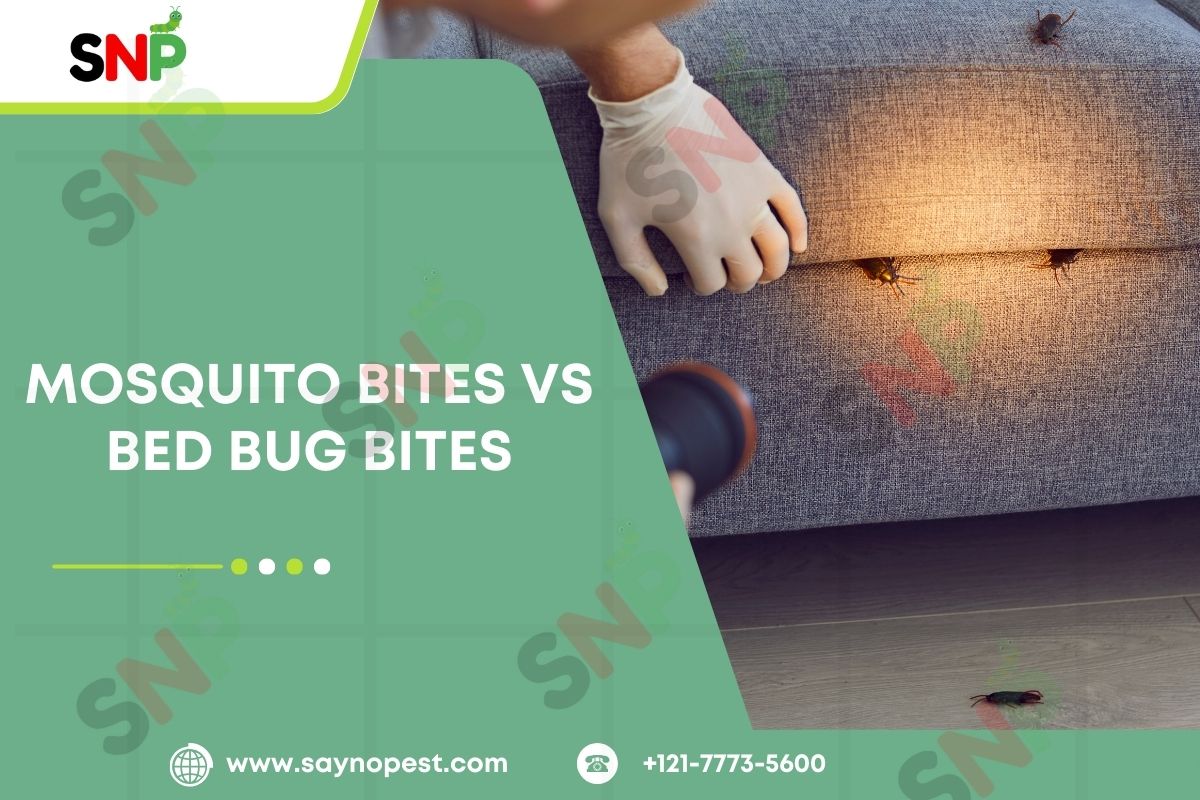
  • Mosquito Bites vs Bed Bug Bites: How to Distinguish

    Mosquito Bites vs Bed Bug Bites: How to Distinguish

    For a peaceful night of rest or evening outdoors spent resting, nothing will destroy tranquility faster than obnoxious, scratchy bites. Two of the sneakiest culprits in America are bed bugs and mosquitoes. It is a blessing to be able to distinguish between Bed Bug Bites vs Mosquito Bites so you can maintain your sanity, household, and home. We’ll clear up the mystery of the distinctions in this article. Teach you how to determine what critter is infesting you, and take you through solutions that work.

    Bed bugs and mosquitoes are both blood-suckers, and either bite will superficially resemble each other.

    But noticing the minor difference between the mosquito bites vs bed bug bites may be what inhibits you from taking action & hence experiencing issues in the future. These Mosquitoes are outstanding for the buzzing sounds outdoors. In the evening and early morning hours, but bugs are quiet insects that stay under mattresses and furniture and come out at night to feed. Knowing the difference between mosquito bites vs bed bug bites is not about convenience, it’s about health and safety. Mosquitoes are the vectors for West Nile Virus and Zika, whereas bed bugs, as little as spreading no disease yet to be known, can result in allergic reactions and restless nights.

    Bed Bug Bites vs Mosquito Bites: Spotting the Differences

    Let’s take a closer look at bed bug bites and mosquito bites so that you can determine the cause of your discomfort.

    Appearance and Pattern

    mosquito bites vs bed bug bites: Puncture-centered, balloon-up red papules are most commonly what it will be. They are random and can occur anywhere on patches of exposed skin.

    Bed bug bites compared to mosquito bites: Bed bug bites will be together in clumps or in a line—be better termed as the “breakfast, lunch, and dinner” pattern. Bed bug bites are red, tiny, typically swollen, and can have a darker center shade.

    Timing and Reaction

    Mosquito bite: They itch right away and are uncomfortable, most people must scratch minutes following the bite. Discomfort will subside after a day or two.

    Bed bug: This may not even be felt initially. The reaction can take hours, or even days, to surface, and itching or swelling will last much, much longer, a week or more.

    Location on the Body

    Bed bug bites and mosquito bites: Mosquitoes bite on anything, even thin cloth. Bites will usually be on arms, legs, neck, and ankles.

    Bed bug bites and mosquito bites: Bed bugs bite on skin that is exposed to bedding, e.g. face, neck, arms, and shoulders. Less frequently bites below clothing.

    Health Risks

    mosquito bites: Mosquitoes transmit many diseases and therefore These bites are a health risk.

    Bed bug: These bugs are not disease transmitters but the bites lead to secondary infection as a result of scratching and tension or insomnia.

    Duration and Severity

    Bed bug vs mosquito bites: Insect itching from bite decreases very soon without treatment.

    Bed bug bites vs mosquito bites: This remain the same, whereas repeated exposure will produce increased sensitivity of skin, which will lead to future amplified responses.

    Conclusion

    To recognize bed bug bites and mosquito bites is to recognize effective pest control and remain sane. Both bite and sting, of course, but to be able to distinguish between bed bug bites and mosquito bites says you best what to do spray the mosquitoes or call in the professional on the bed bugs.

    We at SayNoPest are committed to helping American families detect and eliminate pest infestation. If you wish to discover whether your bites are bed bug or mosquito or need professional assistance in treatment and prevention, trust SayNoPest to walk you through it step by step. Bites no longer need to dominate your life act now and reclaim your comfort with SayNoPest!

  • Where Bed Bugs Hide and Live: The Complete Guide to Homeowners in America

    Where Bed Bugs Hide and Live: The Complete Guide to Homeowners in America

    If you’re asking yourself, where do bed bugs hide and live, you’re not alone. They are prominent for their ability to sneak into homes and remain hidden for a long Time, making them a constant problem across the Usa. Understanding where do bed bugs hide and live is the first step to protecting your home,and your peace of mind.

    where-do-bed-bugs-hide-and-live

    The Secret Life of Bed Bugs: Where Do They Hide

    Red skin-colored, flat, blood-feeding bugs which feed on human beings at night, bed bugs are the buggers. To survive, they must be close to their food source—humans—but not in plain sight. So where do bed bugs hide and live around your home?

    Bedding and Mattresses: The most general answer to where bed bugs live and hide is around and in beds. Bed bugs like to infest mattress seams and tufts and mattress box spring seams and folds. They bed down in headboard and bed frame cracks and crevices and congregate around sleeping areas.

    Furniture: Apart from beds, bed bugs live in upholstered furniture such as sofas and chairs. They infest into seams, under cushions, and within folds of fabric.

    Wood, Paper, and Fabric Surfaces: Bed bugs even occupy natural substrates and will reside in wood furniture cracks, dresser drawer drawers, behind baseboards, and even piles of clothing or books propped up against a bed.

    Behind Wallpaper and Wall Decor: Behind wall moldings, picture frames, hung wallpaper, and appliances and outlets that are installed close to beds is another location that the bed bugs will make themselves at home and reproduce.

    Personal Items and Clutter: Bed bugs are opportunists. They will infest suitcases, backpacks, shoes, and boxes—anything that offers a dark sheltered space close to where human bodies are lying.

    Hidden Places: During serious infestations, bed bugs hide in folds of curtains, drawer seams, under carpets, and even the head of a screw or inside electronic devices near bed areas.

    Where Do Bed Bugs Hide Outside the Bedroom?

    where-do-bed-bugs-hide-and-live

    The bedroom may be the place to be, but where bed bugs hide and live is not always bedroom territory. Bed bugs hide and live in:

    Hotels, Motels, and Dorms: High-turnover facilities are where there are many opportunities for bed bugs to hitch hike into suitcases and ride from room to room.

    Public Transportation: Bed bugs are found in bus seats, train seats, and even airplane seats and ride home with their owners none the worse.

    Offices, Schools, and Hospitals: Upholstered chairs or wherever one is seated to rest is wherever shall be a hiding place. Bed bugs have even taken over cinemas and malls.

    Why Do Bed Bugs Have a Preference for Hiding Places?

    Bed bugs are nocturnal and would rather stay hidden by day. They migrate to dark secluded places that are within resting or sleeping zones. They are also able to creep into crevices that are as narrow as a credit card because they are flat. When asking about where do bed bugs hide and dwell, keep in mind that bed bugs are great hideouts and can survive for a number of months without eating, so it becomes difficult to locate them when it begins.

    Bed Bug Infestation Detection

    You have to know where do bed bugs hide and live to detect infestation at an early stage. Check for the following signs:

    • Dark spots or rust stains on bed furniture and mattresses (bed bug feces)
    • Shed skin or eggshells in creases and joints
    • Musty odor in heavily infested places
    • Itchy welts or bites on your skin after sleeping
    • Check your bed and furniture regularly, particularly seams, folds, and crevices.

    Conclusion

    Your own best defense against these infamous unwanted guests is knowledge of where bed bugs hide In and around beds, in mattresses, in furniture, in suitcases, and even on public transportation, bed bugs are where human beings lie down to rest or ride. As soon as you notice signs of infestation, act quickly—act immediately. For expert advice, inspection, and efficient solutions, trust SayNoPest to make your house a bug-free home. Keep in mind, knowing where bed bugs hide and nest is just the starting of a pest-free home. Learn more facts and expert tips at SayNoPest today.

  • Bugs That Look Like Bed Bugs: Strange Facts!

    Bugs That Look Like Bed Bugs: Strange Facts!

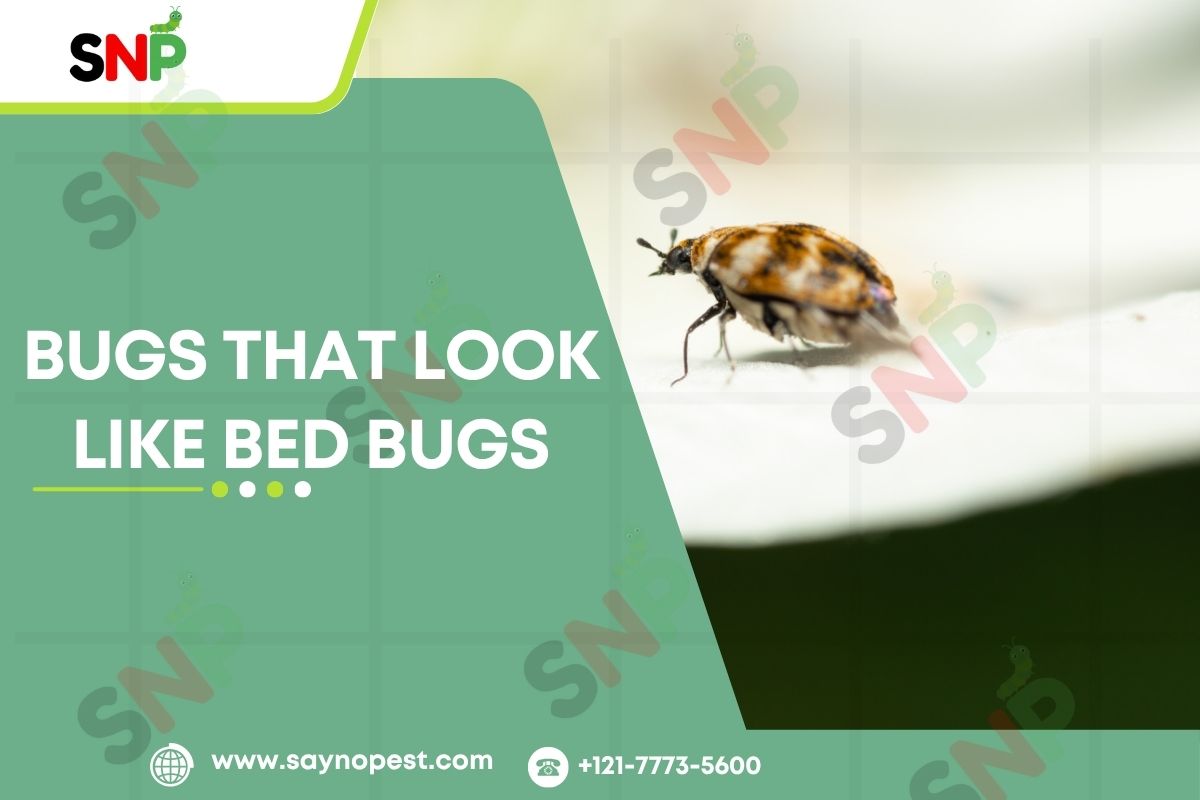
    There are actually a few bugs that look like bed bugs and they can cause confusion, scare people and may even result in wrong pest control measures. So, knowing Bugs That Look Like Bed Bugs and the difference between true bed bugs and their look-alikes is important for a successful pest management program in the whole of the United States.

    How To know if You Saw a Bed Bug or a Different Insect

    You need to understand the genuine look of bed bugs before starting to identify bugs that resemble them.

    The body of a bed bug appears small flat and oval-shaped with mahogany through red-brown coloration. Bed bugs measure between 4 to 7 mm in length. The insects measure the same size as small apple seeds or flaxseeds.

    The characteristic features include:

    • Six thin legs
    • Short, four-segmented antennae
    • They have bead-like eyes
    • Squarish, protruding mouthparts
    • Flat, broad abdomen with horizontal grooves
    • Wide dorsal plate (pronotum) that flares outward

    Bed bugs are mostly found in the vicinity of mattress seams, box springs, bed frames, and headboards. Signals of infestation may include rusty or reddish stains on bedding (due to crushed bugs), dark excreta spots, tiny light-yellow eggs or eggshells, and skins left behind by moulted bugs.

    6 Bugs That Look Like Bed Bugs

    Many bugs that look like bed bugs are frequently of similar colors, shapes, or sizes, which makes it quite tricky to distinguish between them. Here are six of the most common suspects:

    1. Fleas

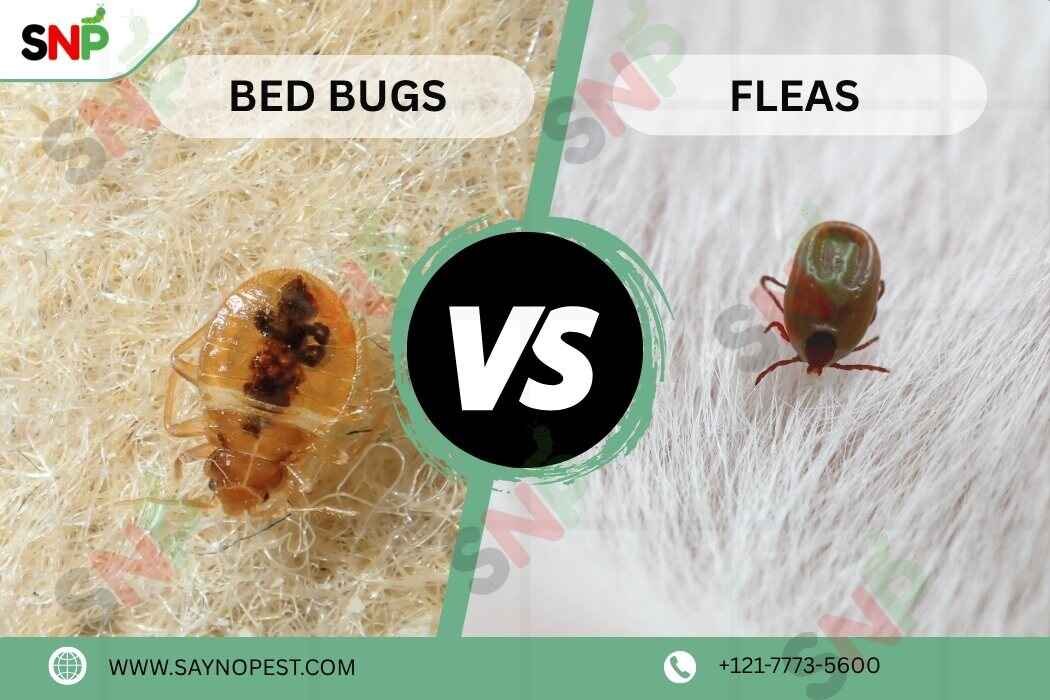
    Fleas are one of the bugs that look like bed bugs, and people get confused a lot. This happens particularly because they both feed on blood and cause itchiness in the skin. Fleas have a red-brown colour but have a slightly oval shape. Unlike bed bugs, fleas can jump rather long distances, up to 13 inches. Fleas prefer animal hosts (cats and dogs) but will bite humans as well. The reproductive capacity of fleas is entirely different to that of bed bugs, as they lay hundreds of eggs per week as they reproduce.

    2. Booklice

    Booklice are small and pale in colour and are mistaken for bed bug nymphs. These bugs are smaller than the adult bed bug. They have a bright, see-through body, and a very pale white appearance. Booklice does not consume blood, and are usually found in damp environments. Booklice are harmless and do not bite people like bed bugs do.

    3. Ticks

    Ticks are not insects, but belong to the same category of bugs that are mistaken for bed bugs because of similar size and blood-feeding nature. The tick’s body is oval and becomes considerably larger as it fills up with blood. They usually latch onto pets or people when they are outside and can pass on diseases such as Lyme disease. As opposed to bed bugs, the ticks are eight-legged and usually found on the skin or the fur, not in the beddings.

    4. Carpet Beetles

    Carpet beetles are another group of insects that can be mistaken for bed bugs. They are tiny and round. You must know that they are red or black in color. Carpet beetles do not feed on blood like bed bugs but on fabric, wool, and natural fibers. The reason why the skin irritation they cause is comparable to that of bed bugs is that the symptoms are quite confusing. Carpet beetles are winged and bed bugs are not.

    5. Swallow Bugs

    Swallow bugs are very much like bed bugs and appear the same, making them classic vermin that look like bed bugs. However, a notable difference is that swallow bugs are found mostly in bird nests and only on rare occasions do they create large populations indoors. Swallow bugs have long legs and thin bodies than bed bugs. If you see them, you may want to check if there are any bird nests in your backyard.

    6. Bat Bugs

    Bat bugs are extremely similar to bed bugs that without professional help, it’s challenging to tell them apart, so they are among those bugs that look like bed bugs. The only distinguishable feature of the bat bug is the longer hairs on the pronotum (the part behind the head). They are seen where bats are found and they only feed on humans when bats are not present.

    Why Accurate Identification Matters?

    If you have also mistaken other insects for bed bugs and you have toe-operational treatments, the problem may continue to exist. For example, the elimination of bed bugs in a locality is different from the removal of the infested fabrics of carpet beetles, or the control of fleas that will require treatment of pets and thorough vacuuming of the house.

    Conclusion

    Bugs that look like bed bugs are also similar to six other pests including fleas, booklice, ticks, carpet beetles, swallow bugs and bat bugs. But each pest has different lifestyle and threat levels. If you know how to identify these bed-bug lookalikes enables you to make appropriate decisions between contacting pest control services and performing basic cleaning tasks. Accurate identification helps you select the best solution for your home.

  • Bed Bugs vs Fleas

    Bed Bugs vs Fleas

    The invasion of pests like bed bugs vs fleas at home are the biggest issues that many families face. Once the pests entered your space, it can be difficult to get rid of the uncomfortable itching caused from their bites. However, understanding the differences between these two pests helps in offering comfort and in effective pest control.

    Know More About Bed Bugs and Fleas

    Bed bugs are red or brown in colour. Bed Bugs love to hide in mattresses, bed corners, and cracks in your furniture. Unlike fleas, bed bugs can’t jump or fly, they crawl slowly and come out mainly at night to feed on human blood.

    Fleas are even smaller in size and have a thin, flat body with long legs. Fleas normally choose to feed on dogs and cats but will bite humans when their animal hosts are absent. Wildlife and pets enter your home with fleas which rapidly spread throughout your living environment. It is essential to understand the distinction between bed bugs and fleas since they have unique hiding behaviours and locations. Your home receives bed bugs through luggage or used furniture while fleas typically arrive with your pets.

    Know The Difference between Bed Bug Bites vs Flea Bites

    Certain indicators exist to distinguish between bed bug bites vs flea bites when you experience discomfort.

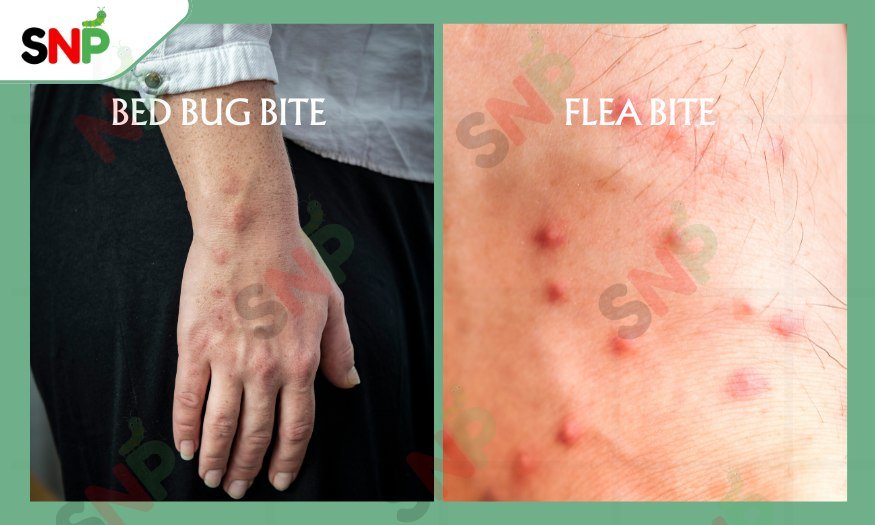
    Bed bug bites occur in straight lines or small clusters. You will experience bed bug bites while sleeping because these pests emerge during nighttime to feed on human blood. Small blood-sucking bugs seek shelter inside your mattress and furniture along with wall spaces where they emerge during nighttime to draw blood from your body. These bites can take sometime or even days to show up on your body. They become red, swollen, and very itchy. You can also notice small blood spots on your sheets or dark stains from bed bug droppings.

    Flea bites produce rapid reactions because they appear on human skin as early as a few minutes after the bite occurs. These marks commonly develop on your ankles, legs or waist area where they manifest as random patterns. Flea bites are intensely itchy and can result in blister or sore formation when people scratch them.

    The locations of bed bug bites run along your upper body in lines but flea bites appear randomly on your lower legs and ankles. The itching from both types of bites can be severe but flea bites create additional risks of allergic reactions and infections if you scratch them excessively.

    Risks and Prevention: Bed bugs vs Fleas

    Bed-Bugs-vs-Fleas-Prevention

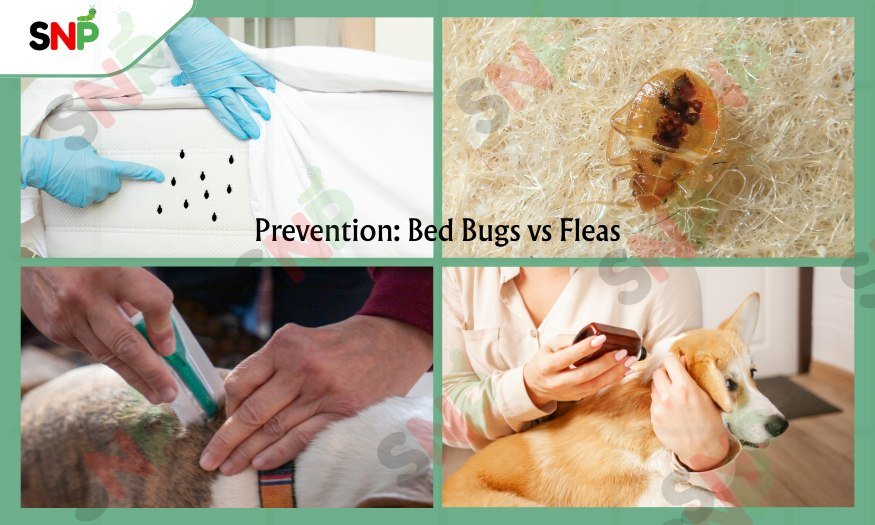
    Both bed bugs and fleas create discomfort and stress for people however they differ in the risks they present. The transfer of disease through fleas includes typhus and cat-scratch fever yet bed bugs do not transmit diseases but they can create allergic reactions and make it difficult to sleep.
    When looking for how to get rid of bed bugs and fleas you need to check second-hand furniture prior to purchase and your pets require regular flea treatments from a veterinarian. Take immediate action when you observe signs of an infestation through bites along with blood spots and actual pest sightings.

    Conclusion

     Fleas transfer diseases and bed bugs do not, but they can create allergic reactions and make it difficult to sleep. Home cleanliness and tidiness serve as a prevention method against both pests. When dealing with bed bugs against fleas you need to check second-hand furniture prior to purchase and your pets require regular flea treatments from a veterinarian. Take immediate action when you observe signs of an infestation through bites along with blood spots and actual pest sightings.