Category: Blog

Your blog category

  • Flea Dirt: The Less Common Flea Sign

    Flea Dirt: The Less Common Flea Sign

    You’re an American pet owner, and there’s a sure safe bet that you’ve heard of the term flea dirt, but if you actually do know what it is, or even why you should even bother with it at all, is a whole different story altogether. Information is highly crucial in keeping pets’ good health and your home pest-free. We at saynopest like to inform you, educate you, and conquer this epidemic problem with ease.

    flea-dirt

    Introduction to Flea Dirt

    Flea dirt is not just annoying, but also a definite sign that fleas have infested your pets or in your homes. It is mistaken as ordinary dirt, but in fact they are pieces and shreds of the fleas after they have consumed your pet’s blood. Identification and elimination of flea dirt early will avoid further infestation and your pets and your home from any more harm to their health.

    Why is Flea Dirt handy

    Not only are they pesky, but they also carry disease and allergy in animals and humans. Flea dirt will usually be the first indicator you realize you have an infestation, before you ever see the fleas themselves. If you catch flea dirt at the initial stage, you can treat it immediately before the infestation has reached too far out of hand, which saves time, money, and headaches.

    Flea Dirt on Dogs

    The best place where to look for flea dirt is on your dog. It is on a dog not only looks disgusting, but it is also a confirmed indication that fleas have or are infesting the dog. Dogs with this usually experience severe itchiness, skin inflammation, as well as allergy. The flea dirt indicates that the fleas were fed, digested blood, and expelled waste, which, if they are not treated right away, will lead to other illness problems.

    How to Identify Flea Dirt on Dogs

    In order to look for dog flea dirt, rub the coat of the dog—particularly at the base of the tail, belly, and groin, while looking for small dark specks. If your dog is excessively scratching, or red bumps and clumpy hair loss are visible, these might be indications of fleas and flea dirt on dogs. Grooming and examination need to be frequently carried out to achieve early identification.

    The Effects on the Health of Dogs

    Skin Diseases: Flea dirt and flea bite dermatitis in dogs may result in secondary skin diseases.

    Flea Allergy Dermatitis: Some dogs are sensitive to the saliva of fleas, deposition on dogs has a potential for causing allergic reactions leading to extreme discomfort.

    Anemia: In heavy infestations of puppy or toy breed, anemia can be caused by feeding (and thereby flea dirt production), weakening and draining your pet.

    What Is Flea Dirt

    Flea-Dirt-on-Dogs

    So where is flea dirt, exactly?Dirt is nothing but the waste from adult fleas, and it’s nothing but digested blood from your pet. Fleas consume your pet, digest the blood, and spit it out in the form of small dark spots, dirt. And not just on pets, though, but on pet beds, carpets, or couches where pets like to congregate.

    Where Else Will Flea Dirt Be Found?

    Pet Bedding: Fleas will lay dirt and eggs on your pet bedding, so it’s something that must be at or very near the top of the list to infest.

    Carpeting and Rugs: Fleas will happily make themselves at home in carpeting, especially where your pets like to sleep.

    Upholstery and furniture: Armchairs and sofas are not unusual locations to discover, especially if your pets have unlimited access to the furniture.

    Flea dirt is also a sure indicator of a infestation. You might not see the live fleas but be able to see flea, then you know that fleas were (or are) feeding on your pet. That makes dirt a possible red flag for you and a signal to act now.

    What Does Flea Dirt Look Like?

    You might wonder, what does dirt look like? This will likely be the most common question that pet owners will pose—and they have the right to. It appears as tiny dark brown or black specks, and are usually likened to ground black pepper or coffee grounds. They can be tricky to distinguish from plain dirt, but there is a quick test: place suspect spots on a moist white paper towel. If the specks dissolve and leave a reddish-brown stain, you’re looking at flea —the color comes from the digested blood content.

    Additional Tips for Identifying Flea Dirt

    Location: Focus your search on areas where fleas coose to hide: the base of your dog’s tail, the belly, groin, and sometimes on their bedding.

    Texture and outlook: While regular dirt may crush, It tends to retain its shape until moistened.

    Frequency of Inspections: Check on your pets regularly, especially during warm months when fleas are the most active.

    what does flea look like? is not just a matter of how it looks, it’s recognizing the signs and taking action right away to protect your pet.

    Removing Flea Dirt

    Knowing the discovery of on dogs, it is necessary to act quickly and eliminate both the fleas and their flea dirts.

    Instructions for the removal of Flea Dirt

    Bathe Your Dog: Bathe fleas and flea off your dog with a vet-approved flea shampoo. 

    Comb Thoroughly: Traps fleas and shakes out from dogs with a flea comb having fine teeth. 

    Wash Bedding: Wash the entire pet bedding, blankets, and toys in hot water to get rid of any stray fleas.

    Vacuum : Vacuum carpets and lavish furniture often to remove fleas, eggs.

    Treating Your Home: Treat your home with safe, effective flea control products to avoid re-infestation.

    Preventing Flea Dirt and Flea Infestation

    Prevention is always better than cure. Take the following tips to keep your pets as well as your home flea-free:

    Year-Round Prevention: Use veterinarian-recommended preventatives year-round.

    Grooming: Bathe and inspect your pets regularly for dog fleas, grime and other signs of fleas.

    Cleaning Living Spaces: Clean your home and pet bedding regularly with the vacuum cleaner.

    Conclusion

    You do have fleas on and in your pets. If you find flea on your dog, busy-work time, aggressive cleaning, routine grooming, and simple-to-use flea control preparations are your best protection. Flea is a reminder to catch problems in the earliest stages, before they become deep-rooted infestations.

    We at saynopest remain committed to providing you with the information and products necessary for you to maintain healthy homes and pets. Don’t turn a blind eye, tackle today, and enjoy healthy, happiness with your pets. Continue to read, continue to view, and rely on saynopest for all your pest control supplies
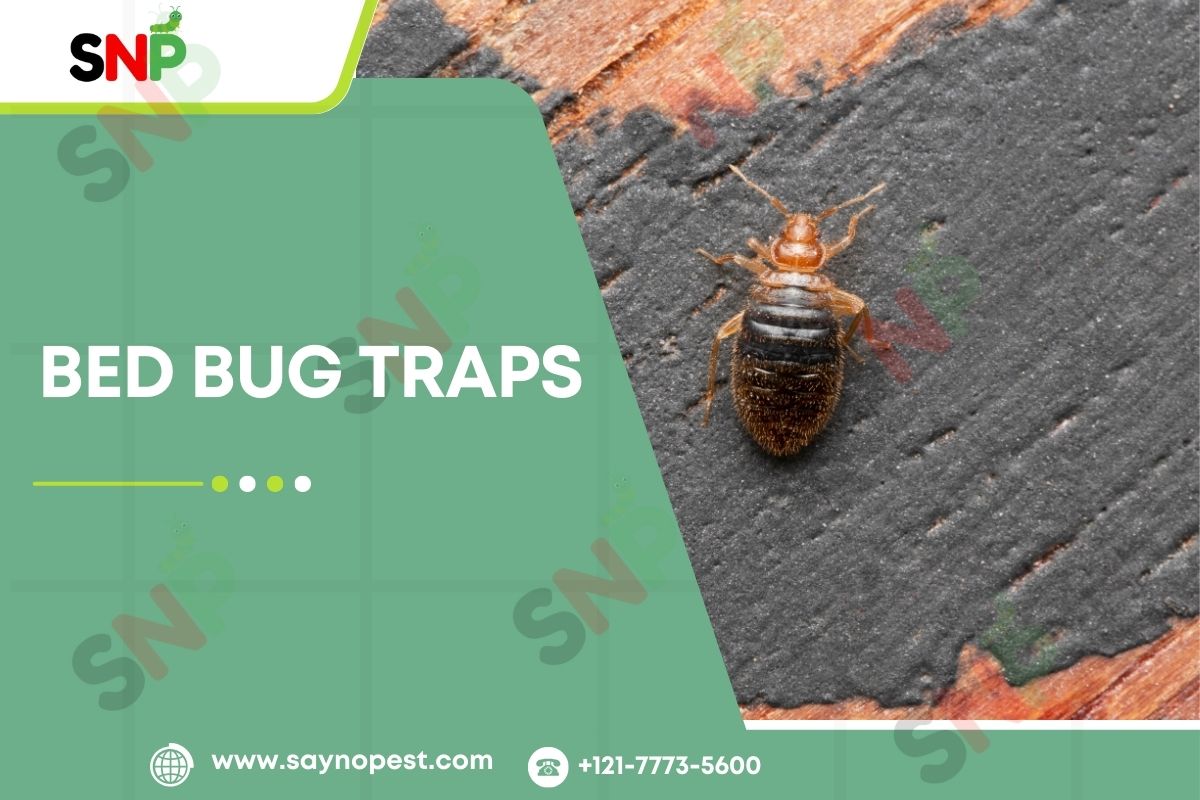
  • Bed Bug Traps: Your Shield Against Nighttime Invaders

    Bed Bug Traps: Your Shield Against Nighttime Invaders

    When its about bed bugs, early detection and proper monitoring are crucial for successful elimination. bed bug traps is your first line of defense against these persistent pests, offering both detection and protection capabilities that can make the difference between a minor inconvenience and a major rot.

    bed-bug-traps

    Understanding Bed Bug Traps

    Bed bug traps are highly specific machines engineered to intercept, catch, and track these nighttime infesting bugs as they traverse the distance between their hiding spots and their dining locations. These clever devices operate by exploiting bed bugs’ lack of climbing skills on glossed-up surfaces while making free entry through textured openings.

    Bed bug traps are effective due to their strategic positioning. Research indicates that interceptor-style bed bug traps are able to identify bed bugs at a remarkable 93% detection rate within 7-14 days, making them valuable assets for early detection of infestation. Professional pest control firms use these devices repeatedly because they are able to capture six to seven times as many bed bugs as if they were simply using visual cues.

    The Science Behind Bed Bug Lifecycle and Trap Effectiveness

    Bed bug life cycle is essential for maximizing trap effectiveness. The bed bug lifecycle consists of 3 crucial stages, egg, nymph, and adult, with the entire process taking approx 37 days under optimal conditions.

    Throughout the lifecycle of the bed bug, bed bugs will produce a maximum of 500 eggs during their lifespan, with around 5-6 eggs being laid each day in protected areas. The eggs of bed bugs are minute, around 1mm long, and dull yellow or white in color. Five nymph stages of the bed bug lifecycle follow, with each stage necessitating a feed on blood to reach the next stage.

    The bed bug life cycle is also an important factor in trap efficacy since the various stages of life have different behaviors. Adult bed bugs in the bed bug life cycle are more active searching for hosts and will be more likely to find traps during their nighttime host-seeking activity. 

    Types of Bed Bug Traps: Selecting Your Tool

    Interceptor Traps

    Interceptor bed bug trap are passive monitors that have two concentric walls and a pitfall between them. That are made to look like plastic dishes. They are positioned under bed legs or pieces of furniture and form an efficient barrier that catches bed bugs climbing up or down. The outer walls have a rough texture, on which the traps can be climbed up by the bed bugs. The inner walls are smooth, preventing escape after the bed bugs fall inside the trap.

    Homemade CO2 Traps

    Sugar-Yeast Trap (Most Effective)

    This simulates human breath that will attract bed bugs. Mix 10 tablespoons sugar and 2 tablespoons active dry yeast in a retired coffee mug. Add 1.5 quarts of warm water, stir gently until frothy, and place the mug inside an inverted dog dish. CO2 produced by the yeast will be attractive to bed bugs.

    DIY Interceptor Traps

    Two-Container Method

    Use two plastic containers (small, and larger). Place tape around the exterior of the large one for easy handling. Cut 4 pieces of tape and press them inside the small container standing up. Glue the small container onto the bottom center of the large one. Baby powder should be sprinkled between containers so bugs can’t escape when trapped.

    Simple Glue Traps

    Buy sticky traps at most stores, remove paper backing, and place flat on floors. They are cheap but not as good as other methods.

    Strategic Placement

    Critical Locations:

    • Under every bed leg (most important location)
    • Along baseboards where bugs crawl
    • Near chair and sofa legs
    • Near sleeping areas within 6 feet
    • Push beds 6+ inches from walls to force bugs through traps.

    Natural Deterrents

    Diatoms Earth: Light dust food-grade powder along baseboards and bed legs. Dehydrates insects.

    Heat Treatment: Hot water wash (115°F+) bedding 30 minutes, dry on high 30+ minutes.

    Freezing: Bag infested items, freeze at 0°F for 4-5 days.

    Daily Prevention

    • Vacuum every day, particularly beds
    • Seal vacuum bags as soon as they are used and toss outside
    • Clothing in sealed plastic bins
    • Use mattress encasements
    • Keep bed linens up off floor
    • Reduce clutter

    What Not to Do

    Evade usage rubbing alcohol, bug bombs, or moth balls.

    Key Reminders

    These traps monitor and trapping of bed bugs but won’t take care of large infestations on their own. Use several methods together for optimal results. Allow a few weeks – it can take that long to maximize effectiveness. Inspect traps frequently and continue cleaning until no bugs are trapped for several weeks. It’s much easier to control them early.

    DIY Bed Bug Traps

    For budget-conscious individuals, homemade trap can prove to be very effective. Homemade traps utilizing widely available household materials could be as effective as commercial traps.

    Easy Interceptor Trap:

    Utilize two plastic containers (a smaller one and a larger one)

    Wrap the exterior of the large container with textured tape

    Put the smaller container within the bigger one

    Pack the gap between containers with talcum powder

    CO2 Attraction Trap:

    Combine sugar, yeast, and warm water to make CO2

    Apply a 2-liter bottle cut and turned upside down to form a funnel

    Pour the CO2 mixture into it to draw in bed bugs

    Monitoring and Maintenance: Maintaining Your Defenses Strong

    Monitoring bed bug trap regularly is key to their success. Inspect traps a minimum of weekly, and sanitise them every 2-4 weeks to avoid dust accumulation which affects their efficiency. Upon identifying bed bugs in your traps, kill them in sealed plastic bags to avoid escape.

    Pest control professionals advise keeping bed bug traps for a few months following initial treatment to provide absolute elimination. It has been proven through studies that it will take four consecutive weeks of trap catches being zero in order to have 97% confidence of the elimination of bed bugs.

    Limitations and Realistic Expectations

    bed bug traps are useful devices, one should consider their limitations. bed bug traps are mostly intended for detecting and monitoring, not for eliminating. In cases of moderate to heavy infestations, bed bug traps must be incorporated into an integrated pest management plan that involves professional intervention.

    The complexity of the bed bug life cycle implies that traps by themselves cannot deal with all stages of life satisfactorily. Eggs, an important component of the bed bug life cycle, are not caught by traps and need other means of treatment to eliminate them.

    Conclusion

    Bed bug traps are an Important tool in the battle against these persistent insects. Know about the bed bug life cycle and making strategic trap deployment, you can establish a monitoring and detection system that safely guards your home and family.

    Whether you use commercial bed bug traps, the secret is in regular monitoring, strategic placement. That these devices function best as one component within a well-designed pest control strategy. When doubled with the professional know-how and correct treatment methods. Bed bug traps become effective partners in regaining your restful nights.

    For effective bed bug solutions and professional advice, rely on SayNoPest to offer you the expert assistance. You require in getting rid of these unwelcome intruders from your house for good.

  • Are Drain Flies Dangerous? An In-Depth Guide for US Homeowners

    Are Drain Flies Dangerous? An In-Depth Guide for US Homeowners

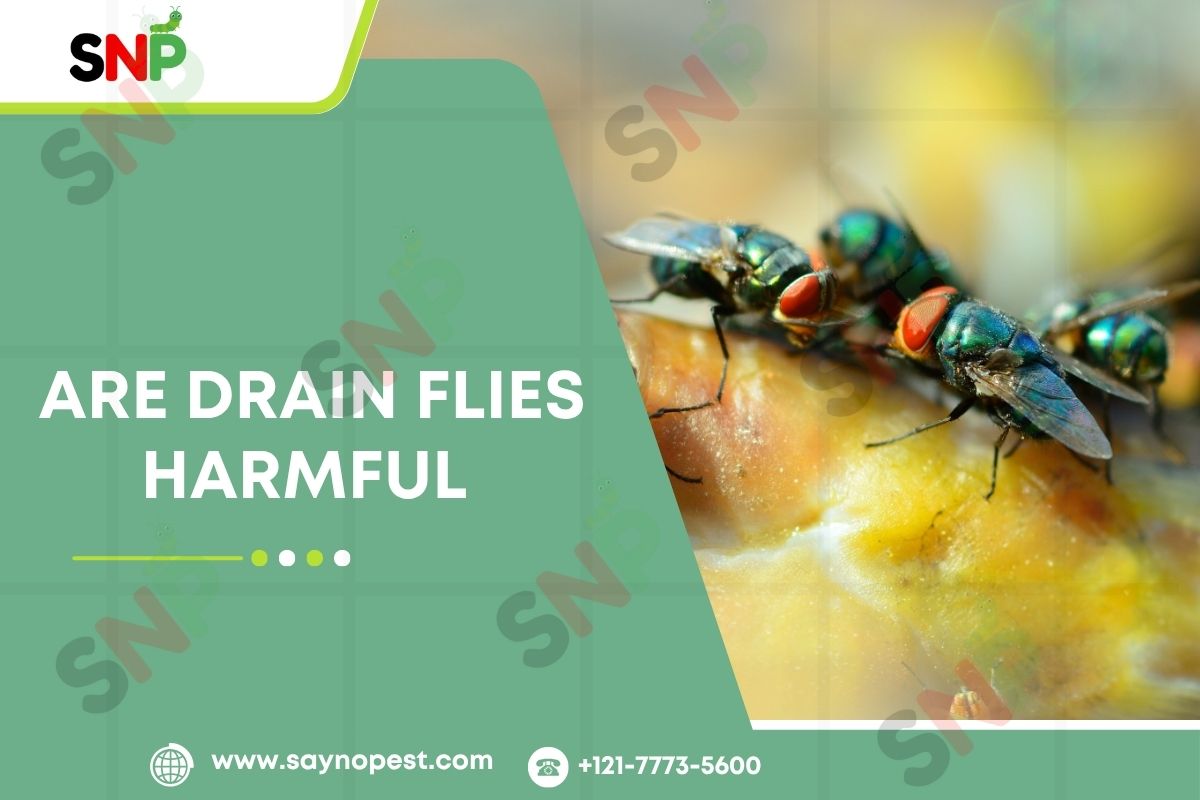
    Have you ever noticed Tiny, fuzzy flies hovering around your kitchen or bathroom sinks? You can’t help but wonder: are drain flies harmful? Those nasty little bugs that you discover in every nook and cranny of American homes have the potential to be extremely distressing if they exist in large quantities. Understanding whether are drain flies harmful is extremely essential in order to maintain a healthy home and understand when it’s necessary to take action.

    are-drain-flies-harmful

    Introduction to Are Drain Flies Harmful

    Drain flies, sewer gnats, and moth flies are all names for these small insects that thrive in moist areas where there is decaying matter. Drain flies are generally around 1/8 inch long and have fuzzy, moth-like wings. Homeowners first see these insects and think: are drain flies harmful? The answer has some background to it about their habitat, potential health reasons, and why they are drawn to your home.

    These flies clutch in sewers, drains, & other stagnant water with organic materials. Though drab to behold, especially if they breed fast in huge numbers, whether drain flies are dangerous relies on some factors like their health hazards, cleanliness problems, and impact on your home.

    Are Drain Flies Harmful to Humans?

    The question whether drain flies are harmful to human is a Tough question. Drain flies don’t bite, sting, or transmit diseases to human beings. Drain flies have no mouth parts to bite human beings, as the case of mosquitoes and biting flies. It doesn’t mean that they are totally free from the effects of health.

    Are drain flies harmful to human respiratory health?  It’s a Yes, they are. Heavy  can cause bronchial asthma in susceptible individuals. When drain flies die, their rotting bodies can be capable of releasing airborne particles that may worsen underlying respiratory illness. Degraded drain fly dust triggers allergic reactions in susceptible individuals.

    Also, since drain flies develop from dirty surroundings, they can spread germs and bacteria from dirty surroundings to clean surfaces. While they do not cause specific diseases, they are signs of potential cleanliness issues that can be secondary health issues. The flies can spread germs from drain dirt and organic matter to the food preparation surface, causing gastrointestinal disorders if consumed with contaminated food.

    Are Drain Flies Harmful

    are-drain-flies-harmful-to-humans

    The key question is are drain flies harmful? and it focuses on the larger issue of how they affect home cleanliness and well-being. Although drain flies themselves are not themselves harmful in small quantities, they are a symptom that there is some underlying issue that must be addressed.

    Are drain flies harmful? Yes, if they are a sign of a dirty Environment. Blocked sewage or organic deposits that have accumulated & serve as breeding grounds for bacteria and other disease-producing micro-organisms. Where more serious health risks can develop, including mold growth and bacterial infections.

    Severe infestation can be a problem in several ways. First, they expose concealed moisture problems which could lead to structural harm and mold infestation. Second, the flies themselves will transfer bacteria onto surfaces and food, particularly in places like kitchens where the potential for contamination is most lethal. Third, are drain flies dangerous? is an emphatic yes when one realizes that drain flies can transfer disease-causing germs like E. coli and Salmonella from unclean drains to clean spaces.

    The drain flies will also worsen existing health conditions. People with a weak immune system, elderly individuals, and respiratory disease patients can be most susceptible to problems due to drain fly infestation.

    Are Drain Flies Toxic to Dogs?

    Pet owners are usually inquiring if drain flies are harmful to dogs. Drain flies are not much direct danger to dogs. Drain flies do not bite or sting dogs, and they do not infect animals.

    But are drain flies harmful to dogs indirectly? Perhaps. When dogs are offered water contaminated by drain fly larvae or bacteria from infected drains, they acquire mild gastrointestinal upset. Vomiting, diarrhea, or abdominal pain can ensue, although such occurrences are comparatively rare.

    In unusual cases, drain flies cause myiasis in pets – an infection where fly larvae infest live tissue. This is more within the province of other flies and is most frequently observed in open-wounded or otherwise injured animals. For healthy animals, is drain fly bad for dogs is most often answered in the negative, although clean water sources and toilet drains remain a concern to overall pet health.

    Breed dogs with pre-existing health complications or compromised immune systems are vulnerable to problems if exposed to contaminated water. Additionally, drain flies typically indicate filthy conditions with long-lasting health implications on household members as well as pets.

    Conclusion

    Information on are drain flies harmful helps ensure a clean home. Although the pests are harmless by biting or disease transmission, they indicate that there are sanitation issues that must be solved. are drain flies harmful to humans? They will lead to respiratory issues in vulnerable people and spread germs from unpleasant places. are drain flies harmful? Yes, particularly when they indicate poor drainage conditions that can cause serious health hazards.

    For dog owners asking if drain flies are poisonous to dogs, their instant harm is minimal, but maintaining clean water sources and their working drains saves pets and residents of the house. Drain fly infestations are treated by the removal of breeding grounds by cleaning and maintenance.

    If you have recurring drain fly infestations, take note that these insects are a sign of things that must be resolved by professionals. Don’t let minor issues turn into ginormous health risks. For efficient pest control solutions and expert guidance for a healthy home ambiance, rely on SayNoPest to help you get rid of drain flies and destroy the chance of future infestation.

  • The Complete Guide to Mosquito Bites: How to Identify, Avoid, and Defend Your American Home

    The Complete Guide to Mosquito Bites: How to Identify, Avoid, and Defend Your American Home

    Evening courtyard parties on hot summer evenings, back-yard barbecues, and outdoor activities across America have a mean sidekick: mosquito bites. Not only a bad nuisance, the flying pest carries deadly diseases like West Nile virus, dengue. Knowing why mosquitoes bite. what to look for, and how to prevent mosquito bites that will make you and your loved ones sickness-free.

    Mosquito-bites

    Introduction to Mosquito Bites

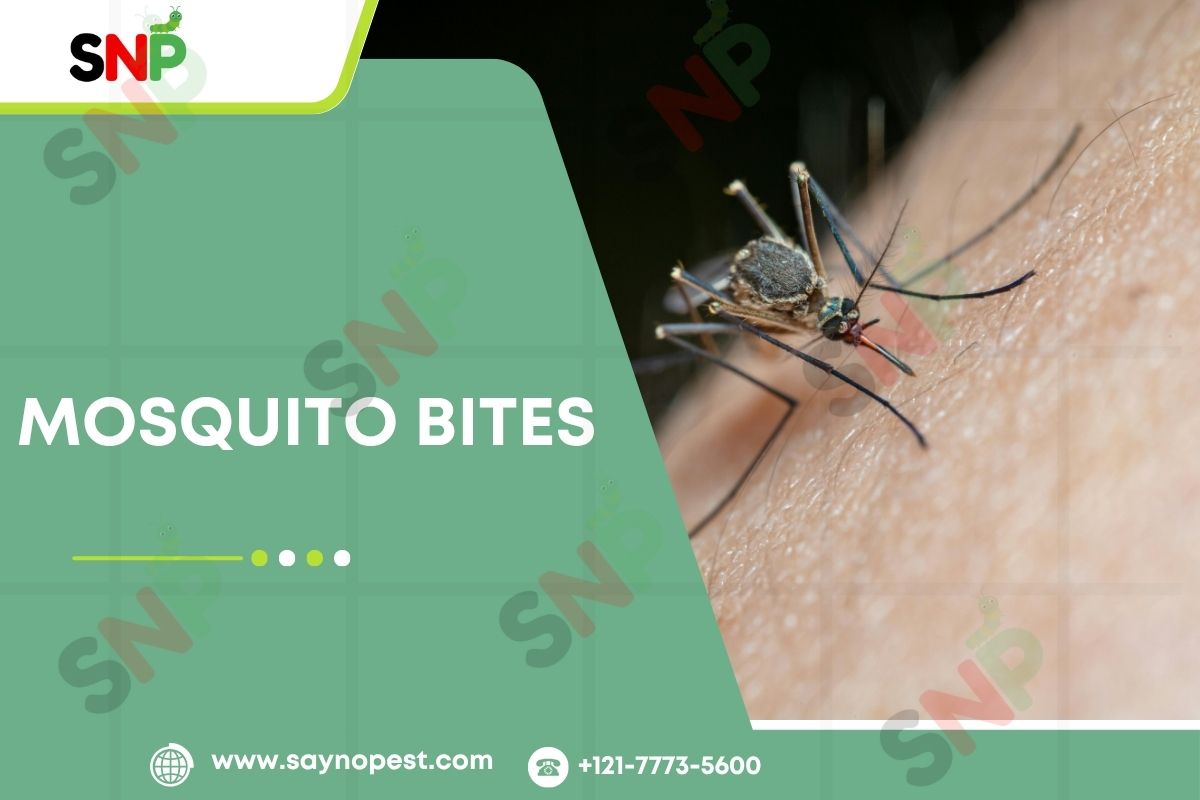
    Mosquito bites are painful, itching welts on your body after a female mosquito takes a suck from your blood. The ugly welts are your reaction to the protein components of mosquito saliva that inhibit blood clotting. While bites are only an annoying short-term problem, sometimes they pass along more serious diseases in children. The elderly, and those with weakened immune systems.

    Mosquito bites do more than sting. American mosquito bites can spread as much disease as West Nile virus, which infected 1,035 people and killed 79 in the year 2022 alone. Mosquito bites are something all families should be aware of because mosquitoes infest. All 50 states and could bring a lot of harm to serious health conditions.

    what it does is that it pierces your body with a needle-like proboscis. It injects saliva so your blood won’t clot, and sucks your blood. Your body can sense the mosquito saliva as foreign substance and release dopamine. This is the only reason behind the itching, redness, and swelling of mosquito bites.

    Why Do Mosquitoes Bite: The Science Behind the Sting

    how to evade them, you must know why they bite. And only females bite, and they bite for one biological reason: reproduction. Why do flowers and humans get consumed by mosquitoes, then? The female mosquito needs protein & iron from the blood so that she can be able to build and lay eggs.

    Why do mosquitoes bite? is a fascinating question if we append how mosquitoes select their victims. Human victims are identified by mosquitoes via a sense, or stimulus, input system of great refinement. The co2 we exhale is a distant lure to mosquitoes and which they can detect at more than 100 feet. Why am I and others bitten by mosquitoes? Mosquitoes have been scientifically established to be attracted by some things such as the blood group. The body temperature, sweat, & even the bacteria in the skin.

    Why are mosquitoes biting me in the daytime?

    The majority of the mosquito types are most active early in the morning & late in the evening when wind speed is low and humidity is high. The hours selected are the reasons why they bite at these times. Why mosquitoes bite human beings and not animals is because of their evolutionary adaptation. As some like Aedes aegypti have adapted to feeding on human hosts exclusively.

    How to Prevent Mosquito Bites?

    It is an adjuvant method, a synergy of personal protection and environmental alteration, in the literature on how to prevent mosquito bites. The best method of how to prevent mosquito bites is with EPA-registered repellents which have DEET, picaridin, IR3535, or oil of lemon eucalyptus. These medications, well-researched, are long-lasting for hours and the gold standard for how to prevent mosquito bites.

    Mosquito bite protective clothing can entirely restrict your exposure. Long sleeves and pants and closed shoes covered clothing make an insect bite a physical shield. Tight-fitting clothes and tightly woven in light colors are most appropriate to prevent getting bites because mosquitoes are attracted to black and light cloths that have an easy airflow through them. Clothing treated with Permethrin is also a protective element in your strategy on how not to get mosquito bite.

    Environmental changes are of the highest importance in learning about the avoidance of bites indoors. Elimination of breeding site sources of areas that have standing water where the larva of the mosquitoes flourishes is of the highest importance in learning about the avoidance of mosquito bites . They involve draining pots on a frequent basis like flowerpots, rain gutters, bird baths, and any other container utilized to harvest rainwater. Window and door screen installation and repair are also bought to avoid the stings of mosquitoes.

    Schedule your outing during the day and you are preventing yourself from mosquito biting. You learn after learning how mosquitoes bite more during the morning and evening. Your opportunity for mosquito biting is minimized if you remain indoors when they come out. Whenever you get the opportunity to go out when they come out, extra precautions add to your opportunity to prevent mosquito bites.

    Having fans outside with boxes is a wonderful way of how to get rid of mosquitoes. Mosquitoes are not good fliers, and even the gentle blowing of a box fan will prevent them from being able to land on you. So a wonderful way of how to keep mosquitoes away. Having air blown down over your lower area by a fan is a wonderful trick because mosquitoes fly low.

    Fix Your Home: The SayNoPest Solution

    Mosquito bites not always spoil your outdoor fun or pose a health threat to your family. Understanding why mosquitoes bite, acknowledging the deadly health threat. They can pose, and taking keen measures to ward off mosquito bites can turn your home into a haven for your family.

    We at SayNoPest realize that mosquitoes are not only annoying, but a significant health threat to American families. From coastal regions where Aedes aegypti mosquitoes are battled to interior regions where Culex mosquitoes transmit West Nile virus. There is still another issue of mosquito bites across the United States. Mosquito-borne diseases doubled in 2004-2016 in the United States, and prevention has thus become more crucial.

    Don’t miss that mosquito bites not only avert current suffering but against deadly diseases such as West Nile virus, dengue, and Zika spilling into American populations. Global warming is boosting mosquito breeding pools and global travel is bringing new emerging risks of disease, so your prudent foresight of avoiding mosquito bites is your family’s best defense.

    Take action now and safe your family from the greif of mosquito bites. Try these easy prevention methods, talk to local mosquito populations, and allow the irritation of these infuriating bugs not to spoil your life outdoors. With effective mosquito bites eliminated, you can have everything with the wonderful outdoors and your healthy and secure family.

  • The Life of a Flea: A Secret Adventure

    The Life of a Flea: A Secret Adventure

    Fleas are little, annoying insects that can turn a peaceful home front into a war zone. The secret that protects your family and pets from these uninvited guests is to understand the life of a flea. Join me and get to know the interesting, and sometimes infuriating, life of fleas and how effective flea treatment can end their life cycle once and for all.

    Life-of-a-Flea

    Introduction to Flea Life

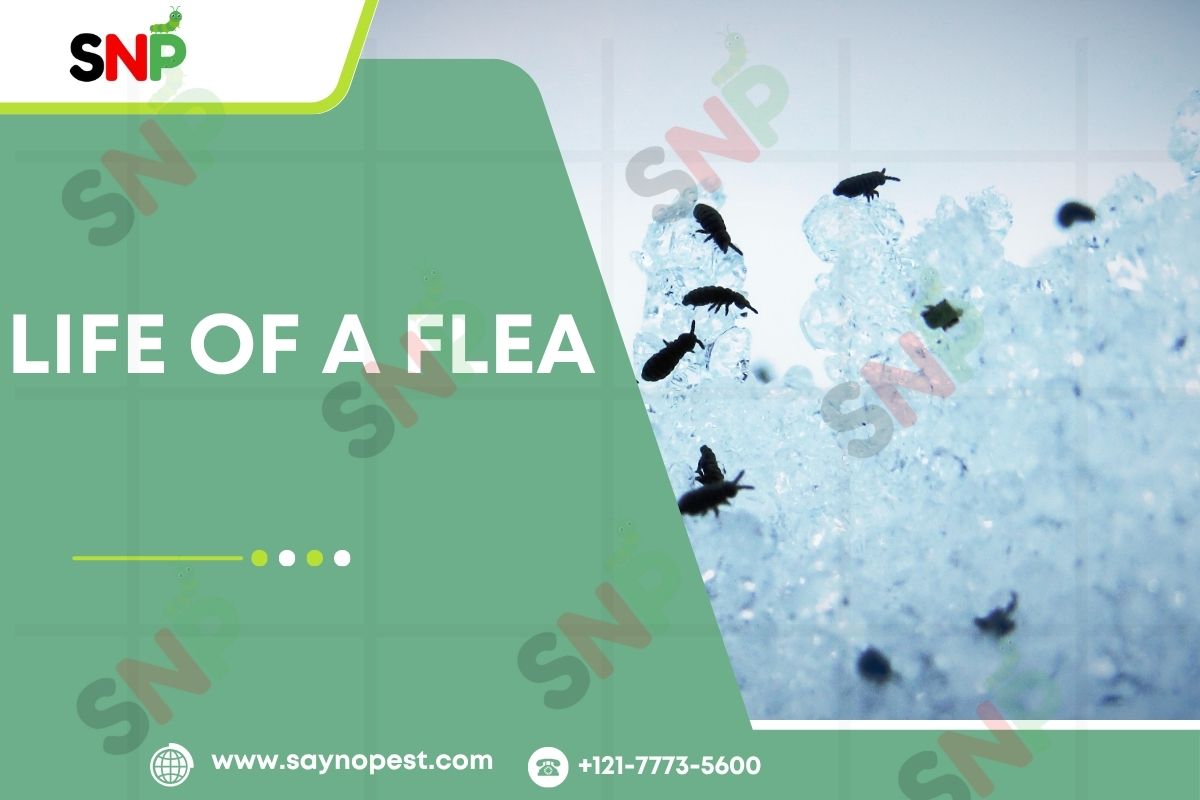
    life of a flea is diversified, with rapid specialization and evolutionary adaptation. Fleas infest the entire United States and reproduce mostly favorable in warm, damp environments. Fleas are not only pests; they are disease carriers and allergenic stimuli for human beings and domestic pets.

    A flea cycle starts when an adult female lays eggs following a first blood meal. A single flea lays 50 eggs daily, and these can infest a small area fast and make it an infestation. These eggs are smooth and easily fall from the  host and onto the carpet, bed, and furniture. For this reason, the life of a flea is never restricted within your pet alone—your whole house is their home.

    The flea life cycle repeats in four simple steps:

    Egg: Flea eggs mature in a day or two which depends on temp. and humidity.

    Larva: Larvae are very delicate to light and are trained by organic waste, like adult flea poop. They choose dark, moist environments like mattresses and mat.

    Pupa: Flea  create cocoons to protect themselves and they can stay in this dormant state for weeks or months, waiting for the right time to appear.

    Adult: By capturing their full size, fleas will locate a host on which they will feed on blood, reproduce, and begin the cycle anew. Adult fleas survive weeks to months depending on circumstances and availability of host. 

    Flea Treatment: Breaking the Cycle

    Effective flea treatment must disrupt a flea’s continuous life cycle. Since most of a flea’s lifetime is on the host, overall treatment is required.

    Major Steps in Flea Treatment

    Pet Treatment: Start with treating all pets in the home. Apply vet-approved products in oral or topical form, which kill adult fleas and developmental stages. Wash the pets daily with the flea shampoo and brush them daily with a flea comb to kill fleas and eggs in their fur.

    Home Cleaning: Vacuum carpet, rugs, and upholstered furniture regularly, and hot wash all bedding, including pet bedding, with water to kill eggs and larvae. Vacuum bags should be removed immediately to prevent reinfestation.

    Indirect Oversight: Sprays contain insect growth directors to kill the fleas in all stages of life. Treat sheltered, moist areas where the fleas like to congregate, under furniture and baseboards.

    Maintenance Prevention: Re-treat fleas hardly on a regular schedule because the life of a flea cycle enables them to hibernate for several months. Continue with additional treatments as needed in an attempt to eliminate all of the fleas, including the pupae.

    It should be kept in mind that a single flea treatment will not work. Multi-level decision and determination will be necessary to eliminate the life of one flea and your home pest-free.

    The Flea’s Effect on Home and Health

    The flea infestation is not just a biological oddity, it occurs physically on your family and house. Fleas are also a carrier of tapeworms and bacteria, such as Bartonella (cause of “cat scratch disease”), and their bites are known to bring on severe itching, allergic reactions, as well as puppy and kitten feline anemia. Flea Bites in humans tend to cause red, itching welts, and on occasion may result in secondary infection secondary to scratching.

    One of the flea survival secrets is that they are able to lie dormant for months at a time when in the pupal stage. What this implies is that even after thorough flea treatment, freshly emerging adults weeks later can still surprise homeowners. That’s why vigilance and continued flea treatment is needed to totally shatter the cycle.

    Commercial and Natural Flea Treatment Options

    life-of-a-flea

    There are several ways of treating fleas. Topical treatment, medication, and over-the-counter flea collars are extremely effective as well as widely prescribed by veterinarians. The drugs not only eliminate adult fleas but also inhibit egg and larvae development and affect all stages of a flea’s development.

    For natural medications, diatomaceous earth, cedar or lavender essential oil sprays, and vacuuming regularly reduce flea infestations. Natural medications take more frequently and more rapidly than over-the-counter medications. Always contact a veterinarian prior to attempting a new flea medication on your pets for their own well-being.

    Avoidance Tips for Future Infestations

    Inspect your pets regularly for flea infestation, notably after visiting the park or going for a walk.

    • Keep your area fleas free by mowing the lawn and picking up garbage, fleas prefer shaded, moist areas.
    • Apply flea control to dogs year-round even during winters since indoor temperatures can support the flea cycle to be prolonged throughout.

    That a flea exists is a credit to the persistence of nature, but you can keep your home and family safe with the right information and products. By gaining an understanding of the flea life cycle and its application of a complete flea control program, you are capable of killing their life cycle and preventing further infestations from getting a foothold.

    If you already have fleas or would simply like to have your home flea-free, trust the professionals at saynopest. We offer advice and accompanying products for you to make an informed choice on flea treatment products that fit you. Do not allow the life of a flea overwhelm your home, act now with saynopest and sleep tight.

  • Rat Infestation: Protecting Your Home and Health

    Rat Infestation: Protecting Your Home and Health

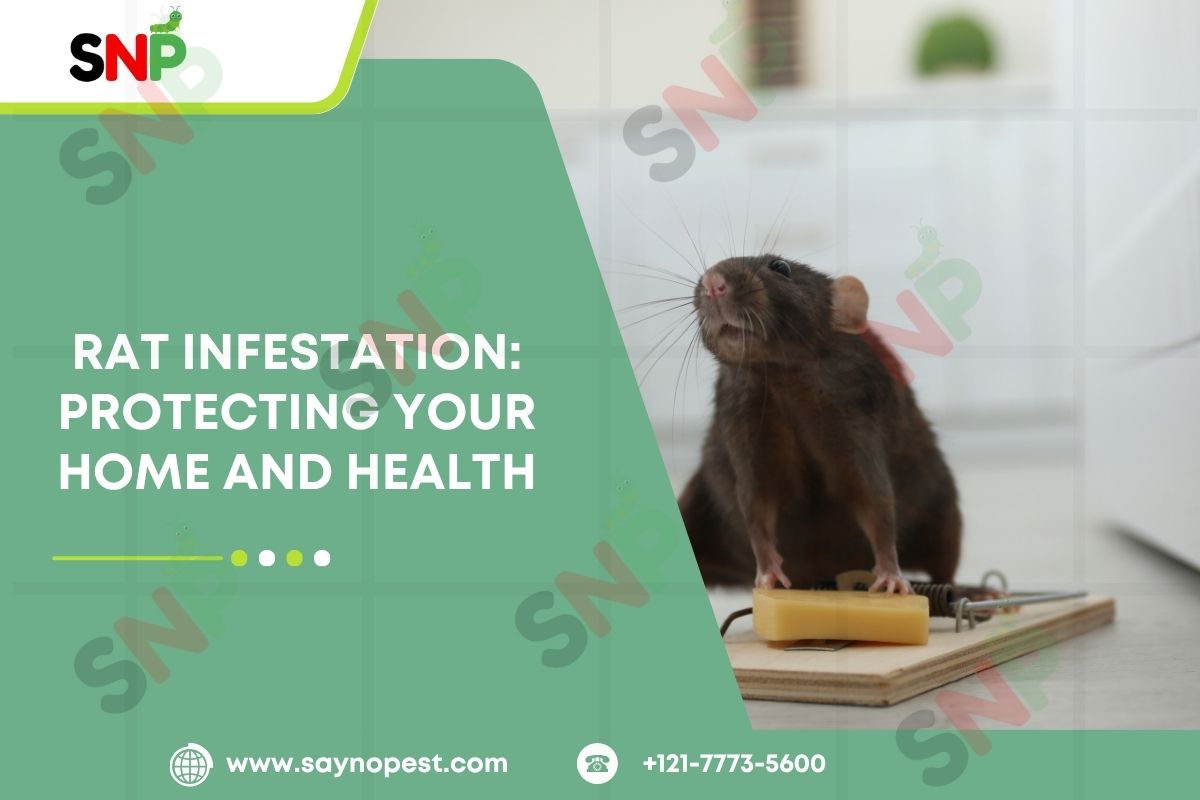
    Infestation by rats is a very growing problem for home and business owners in the whole of the United States. Rats are not just ugly, but they are also hazardous to have. Knowing how rats infest homes, how to eliminate rat infestation best, and dangers of rat bites will make your home rat-free and secure.

    Rat-Infestation

    Introduction to Rat Infestation

    Rat infestation here refers to the fact that rats infest homes in houses, stores, or public places in huge numbers. Large cities like Chicago, Los Angeles, and New York always top the list of rat-infested cities in the country. Rats get attracted by places where they find cover, water, and food. Well-rooted rat infestation will not be easy to manage as rats breed at a high rate and are highly adaptable.

    Some common signs of a rat infestation are:

    • Droppings and urine marks
    • Chewing on furniture, cables, and packaging material
    • Scurrying and scratching sounds, often at night
    • Shredded nests concealed away

    It is important to observe these signs early in order to act on a rat infestation before it gets out of control.

    How to Get Rid of Rats

    If you find a rat infestation, you are requested to move very quickly. The following discussed are time-tested and tried methods of how to eliminate rats:

    Seal Entry Points: Make your home cracks, holes, and gap-free. Seal potential points of entry with metal mesh, caulk, or steel wool. It is an easy procedure of how to eliminate rats and saves you from future infestation.

    Seal Food and Water Sources: Seal food in containers, clean up promptly when food is dropped, and cover garbage cans tightly. Keeping them out of reach of food is the general concept of how to get rid of rats.

    Clean and Eliminate Clutter: Remove trash within your property and also outside your property. Cut unnecessary grass and remove rubbish where rats can get hid. Morning cleaning daunts intruding rat infestation and also eliminates rats from staying in your property.

    Use Traps and Baits: Place snap traps or live traps where walls meet floors and where movement is seen by mice. Use bait stations in widespread infestations, but with care not to present hazards to pets and children.

    Seek Professional Help: If all your efforts to eliminate rats prove futile, let a professional pest control technician take care of it for you. Professionals are more experienced with better equipment and methods to eliminate even the toughest rat infestation.

    Control Rat Bite

    Another one of the lesser-known risks of rat infestation is rat bite. Let us see how to control rat bite for your protection:

    • Never Touch Wild Rats: Never touch wild rats. Use gloves and protective gear to disinfect rat-infested areas.
    • Inform Family: Inform children to avoid rats and inform parents the moment they notice or get bitten.
    • Efficient Clean-up: Slaughter rats and disinfect rat-infested areas to avoid bites and disease transmission.
    • Take care of Pets: Avoid exposing pets to rat-infested areas to avoid bites and disease transmission risk.

    Adopting the above steps is crucial in an attempt to control rat bite and provide a secure environment.

    Rat Bites: Risks and First Aid

    Rat bites transmit deadly germs that induce infection in humans by causing diseases such as rat-bite fever. In case you or your relatives are bitten by a rat, then proceed as follows:

    Wash your wound using soap and warm water in due course.

    • Use antibiotic cream and bandage.
    • Get the bite taken to a physician right away, even if it is a minor bite. Antibiotics can be prescribed to prevent infection from arising.
    • Watch for redness, swelling, fever, or pain in the joints, which are signs of a worse infection.

    Having knowledge of rat bite treatment and knowing the risk involved in rat bites puts you at risk of acting too early and in an ineffective manner, hence reducing your likelihood of developing complications.

    Conclusion

    An infestation of rats is not only a pest, but also a risk for house and health. see how to kill rats, steep them, and see how you can handle rat bite, you can protect your house and family against the risks of rat bites and disease.stay alert, act fast, and never hesitate to make a call for the professional’s help when needed.

    For more professional advice regarding pest control and expert opinion, visit saynopest, your ultimate guide on how to safeguard your property from rats infestation and other pests.

  • Orkin Pest Control: America’s Trusted Pest Management Leader

    Orkin Pest Control: America’s Trusted Pest Management Leader

    For more than one hundred years, Orkin Pest Control has been leading the pest industry, offering efficient services to homeowners and businesses all over the United States. This blog traces Orkin’s extensive history, its wide range of services, its reputation in the market, and what makes it different from its competitors. If you are trying to get rid of the pests that are very common in the home or come across a serious infestation, learning Orkin’s approach to pest management can be very helpful for you to make your decision.

    Orkin Pest Control

    The company was establish by Otto Orkin in 1901. The company started with very simple things when young Otto went door to door in Walnutport, Pennsylvania, to sell rat poison. His early entrepreneurial spirit and innovative approach to pest control laid the foundation for what would become one of America’s most recognized pest management companies.

    rat-control-service

    Orkin Pest Control is a part of Rollins Inc., having been acquire by the latter in. Orkin has over many years of experience and has grown to many offices all over the world, having about 1.7 million customers, both residential and commercial, in the U.S., Canada, Mexico, Europe, Central America, South America, the Middle East, Asia, the Mediterranean, Africa, and Australia.

    The fact that the company has changed itself into an international pest control giant in terms of the number of achievements and successes it has obtained since it was a one-man company is a solid evidence that it is keen on the issue of being excellent and the ability to make the necessary adjustments to meet the dynamic needs in pest management. The fact that Orkin has been a trusted name in the business is a testimony to its uninterrupted efforts in providing effective pest control services and the satisfaction of customers.

    The Three Main Service Categories

    Orkin Pest Control provides various services, but their three main orkin pest services are general pest control, Orkin pest and termite control, and home services. Under these main services, they cover all their sub-services to protect the homes and properties. Let’s discuss them.

    General Pest Control Services

    Orkin pest control is their main residential service offering. In this, they provide the plan of the pest control service by observing the level of pest invasion. This service covers the treatment of many common household pests, such as ants, bed bugs, beetles, carpenter ants, centipedes, millipedes, cockroaches, flies, crickets, earwigs, fleas, mites, moths, rodents, silverfish, spiders, stinging pests, stink bugs, and ticks.

    The targeted approach is based on award-winning training combined with new technology, where Orkin man not only find conditions that may attract pests but also solve problems of current infestations in the most suitable way for each pest type. This service core is Orkin’s exclusive six-step Points of Service methodology. This process will ensure the full treatment from the first inspection to follow-up monitoring.

    Specialized Treatment Services

    Orkin’s special treatment services pertain to pests and cover targeted expertise and methods. This category has three major specialized services.

    Termite Control and Treatment

    Orkin is following the residential service technical solutions aid. They use a mix of liquid termite treatments, dry foam, and OrkinFoam, as well as the Sentricon bait and the monitoring system. Liquid termite treatment is spray at the place where infestation has start, while dead space is reach with dry foam and OrkinFoam; the sending system is the acceptor and the observer. With more than 70 years of experience in termite control, Orkin is the leader in the industry, offering local and preventive services combined with yearly inspections and the monitoring of the situation.

    Mosquito Control Services

    Orkin’s seasonal mosquito control service is design to eliminate the mosquito life cycle around residential properties. The treatment is done with the help of chemicals, microbial insecticides, and natural products that are sprayed in the places where mosquitoes are mostly found. This service not only includes a comprehensive property inspection and identification of breeding sites but also performs targeted treatments to reduce mosquito populations.

    Bed Bug Services

    Orkin utilizes the latest scientific research and techniques to offer specialized bed bug treatment programs that are inclusive of continued monitoring and maintenance visits to the key areas. The bed bug services include customize treatment plans, which carry out according to the condition of the infestation, and they also give follow-up inspections to sure that the pests are completely eradicated.

    Home Services

    Orkin also has the home service option, and under that, they cover various other important services that are needed to maintain the house or property across the United States. Services which are included in the home service are:

    • Attic Insulation
    • Wildlife Management
    • Moisture Control
    • Orkin Shield: Wildlife & Rodent Prevention
    • Seasonal Pest Protection
    • Leaf Stopper, Gutter Cover, and protection
    • New Homeowner Pest Prevention

    Unique Selling Propositions (USPs)

    Orkin is one of the best Pest Control companies in the United States because they offer trustworthy promises, & expert Orkin man which are considered their unique selling properties, and these are:

    Science-Based Approach

    Orkin is a company that takes a scientific route in the pest control industry, and they go as far as calling their methods “Pest Control Down to a Science”. They have research partnerships with universities as well as organizations like the CDC for the study of pest biology and pest-related disease.

    Extensive Training Program

    Orkin has a very extensive training program, which is the biggest differentiator of the company. Technicians have to go through 160 hours of intensive hands-on instruction during the first year, which is carried out at the Orkin Learning Center in Atlanta, a 13,000-square-foot facility with model rooms of restaurants, hospitals, hotels, and commercial kitchens that allow realistic training scenarios. This educational effort guarantees that technicians will have access to the skills and knowledge necessary for dealing with various pest situations efficiently.

    The Orkin Guarantee

    Orkin’s satisfaction guarantee includes the availability of free touch-up visits between scheduled appointments as well as a 30-day money-back guarantee. This customer-friendly policy is not only a reassurance for the customers but also a way of showing the company that they are confident in their service quality.

    Points of Service System

    Orkin’s exclusive six-step method, called Points of Service, offers a systematic and complete pest control service process. This procedure consists of:

    • Investigate: Thorough inspection of the property
    • Protect: Treatment of the perimeter and removal of accessible pest habitats.
    • Fortify: Sealing entry points to prevent pests.
    • Keep Watch: Interior treatment and strategic placement of pest monitors
    • Report: Detailed documentation of services and recommendations
    • Follow Up: Ongoing communication and response to immediate needs
    pest-control-service

    The Orkin Man Brand Identity

    The well-known “Orkin Man” has been the mascot of the brand for many years, starting with “Otto the Orkin Man” (a can of insecticide that had human characteristics) and now presenting the pest control professionals of the company. The firm has lately switched to “Orkin Pro” in order to be more inclusive and to represent the whole of the human resources better. The strong brand identity has allowed Orkin to remain highly recognizable among competitors in the market.

    Conclusion

    Orkin has been an expert in the business of pest control, with more than 120 years of experience, the practice of sound science methods, high standards of fully trained technicians, and a wide range of services offered. The fact that the company commands about 20 percent of the American market and the preparedness to correct the balance puts the company in the same strong market position, which is supported by consumer trust towards the Orkin brand and its pest management services.

    The main advantage of Orkin is availability to homeowners and businesses in cities across the country and special pest management services depending on the type of pests, as well as the customer satisfaction rule that tells people of high standards of service. Whether it is household pests or more complicated infestations, Orkin offers effective solutions to these issues; that is because the company uses an evidence-based approach and has technicians who are experts in the field.

    The pest control industry will keep on changing, and Orkin’s reputation as a reliable service provider and innovation in service is likely to keep the pest control company at the forefront as a service provider in pest management in America.