Author: Eliana

  • How to Get Rid of Water Bugs: A Complete Guide

    How to Get Rid of Water Bugs: A Complete Guide

    Water bugs are common pests in most households in the United States, particularly in damp homes. Whether you have ever seen it darting across your bathroom floor or you have suffered a serious invasion of waterbugs, it’s good to know what a water bug is, Where do water bugs come from, and How to get rid of water bugs, all of which require living in a clean and healthy environment. Here, we will provide you with a complete guide on water bug-related issues as well as the necessary steps to get rid of them.

    What Is a Water Bug?

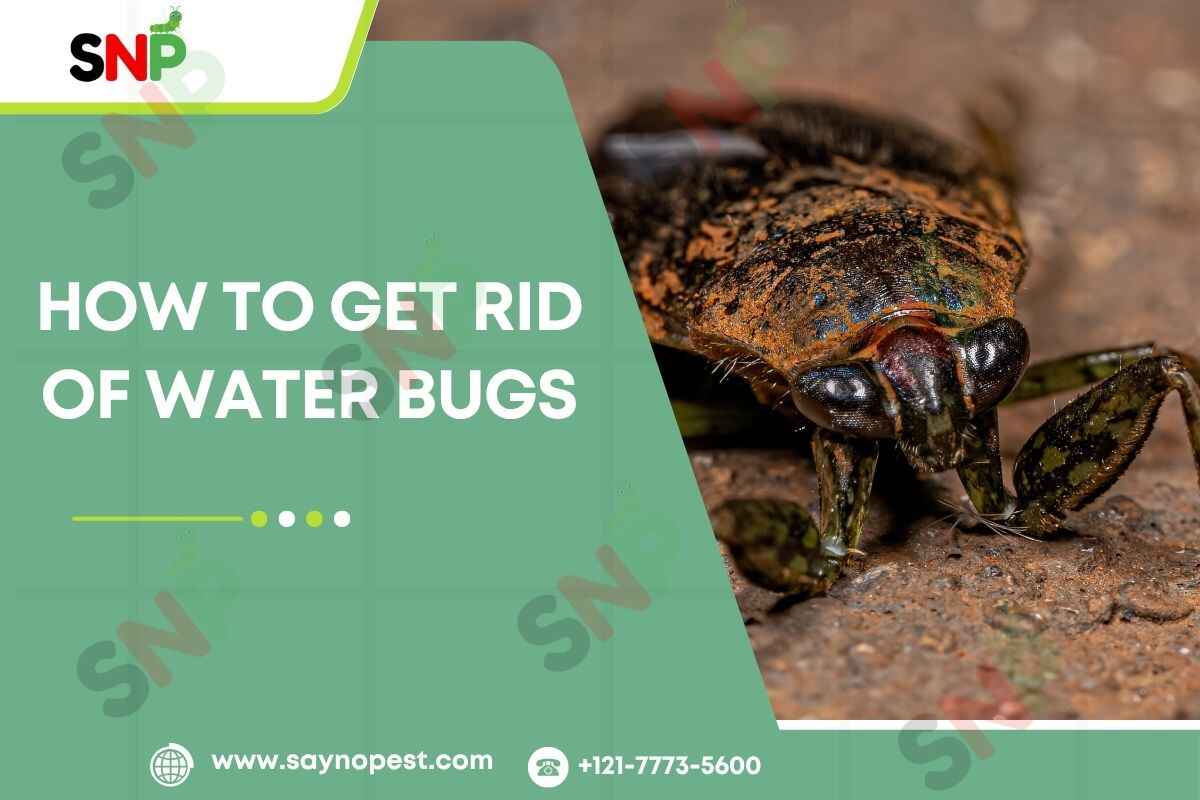
    The question giving rise to confusion is as to what species of insect the water bug is. When the term “water bug” is used, it is often believed that it is about cockroaches, however, the fact should be established whether what is a water bug is clear. Real water bugs come from Hemiptera and are water insects, for example, giant water bug (Belostomatidae) or water boatmen. The appearance of such insects is oval and flat. They are extremely good at adapting to water life, for which they use their legs as paddles just as humans do. These swimming insects, namely, are raptorial, which makes them predatory, and the primary source of their food is other aquatic organisms. Furthermore, they are capable of biting (in force).

    Still, in many households in the USA, when people mention the same question, what is a water bug, they usually mean the oriental cockroach, Blatta orientalis. These are not water bugs but pests that are a nuisance in homes, especially in the dark and humid areas. The pests are about one inch in length and come in the form of shiny, dark brown, or black. Furthermore, they are often discovered in cellars, crevices, and bathrooms.

    How-to-Get-Rid-of-Water-Bugs

    Where Do Water Bugs Come From?

    Knowledge of water bugs’ populations is of great importance in understanding the prevention of water bug invasions. The water bug, mainly oriental roaches, gets into the house in different ways, such as:

    • Carried in on food packages or laundry
    • Crawling under doorways or through air ducts
    • Scaling water pipes or entering through cracks in foundations

    They were insects that loved dark and moist places and scraps. Places with high humidity, such as basements, bathrooms, kitchens, and even around leaking pipes or garbage chutes, will also have water bugs in them. In the open, they live in mulch beds, under leaves, and near structures where moisture accumulates.

    How to get rid of water bugs

    If you want to know about how to get rid of water bugs, don’t worry, you’re not the only one. If you adopt an effective strategy, you can eliminate the pests and get your home back. This is an effective water bug removal guide:

    Eliminate Moisture

    If there is a leak problem in your home or in your property, make sure to repair it as soon as possible because wet places attract water bug problems. Use dehumidifiers in the basement to keep your place dry.

    Seal Entry Points

    You should scout the exterior of the dwelling place and seal up the cracks, cracks around the door and windows with caulk. This is an important action in preventing new water bugs from getting into the house.

    Maintain Cleanliness

    The disposal of garbage frequently and the timely cleaning of the drains are some of the methods people use in the prevention of water bug attraction. Besides that, washing the dishes as soon as they are used is another good habit. Additionally, keep pet food in the open overnight.

    Trim Vegetation

    Distance the plants and shrubs from your home foundation through regular trimming to reduce moisture and elimination of water bugs hiding.

    Do-Water-Bugs-Bite

    Use Natural Remedies

    Borax and boric acid can be spread in the areas where the water bugs can be seen, but they need to be kept away from children and pets. Also, citronella or peppermint are another way you can use essential oils to keep water bugs away simply by mixing with water and then spraying in the actionable areas.

    Apply Chemical Treatments

    Cockroach baits and insecticides if placed near water bug hiding spots can be effective, in particular. Also, always heed label instructions and contact a professional if the situation is serious.

    Professional Help

    Your tasks may not be enough for the issue to vanish, so it might be wise to get in touch with a pest control professional. Firstly, they utilize more powerful treatments and on the other hand, hunt down the nest of the infestation, thus, eliminating the root of the problem.

    Conclusion

    Water bugs can be annoying, but if you know what’s a water bug, where do water bugs come from, and how to get rid of water bugs, you can prevent your house and family from them. Through maintenance, controlling the moisture, and sealing the entry points, these are your best lines of defense. And if you still have problems with water bug infestations, do not hesitate to call the exterminators in order to utilize effective and long-term solutions.

    Bear in mind that when you know how to get rid of water bugs and act in a timely manner your living environment will be clean and free of pests. If you are faced with a few rogue bugs or an infestation, these measures guarantee you are going to be prepared when it comes to any water bug disaster.
  • What Do Stink Bugs Eat? A Complete Guide

    What Do Stink Bugs Eat? A Complete Guide

    If you’ve noticed that a lot of stink bugs have suddenly invaded your house or garden, be sure that you are not the only one. The shield-shaped insects are indeed a subject of concern for both residents and farmers all over the United States. Before dealing with the stink bite and its problem, it is important to know a few basic questions to deal with that in the best possible manner. What do stink bugs eat, what are stink bug good for, are stink bugs dangerous, and, finally, how to deal with a stink bug infestation.

    What Do Stink Bugs Eat?

    what-do-stink-bugs-eat

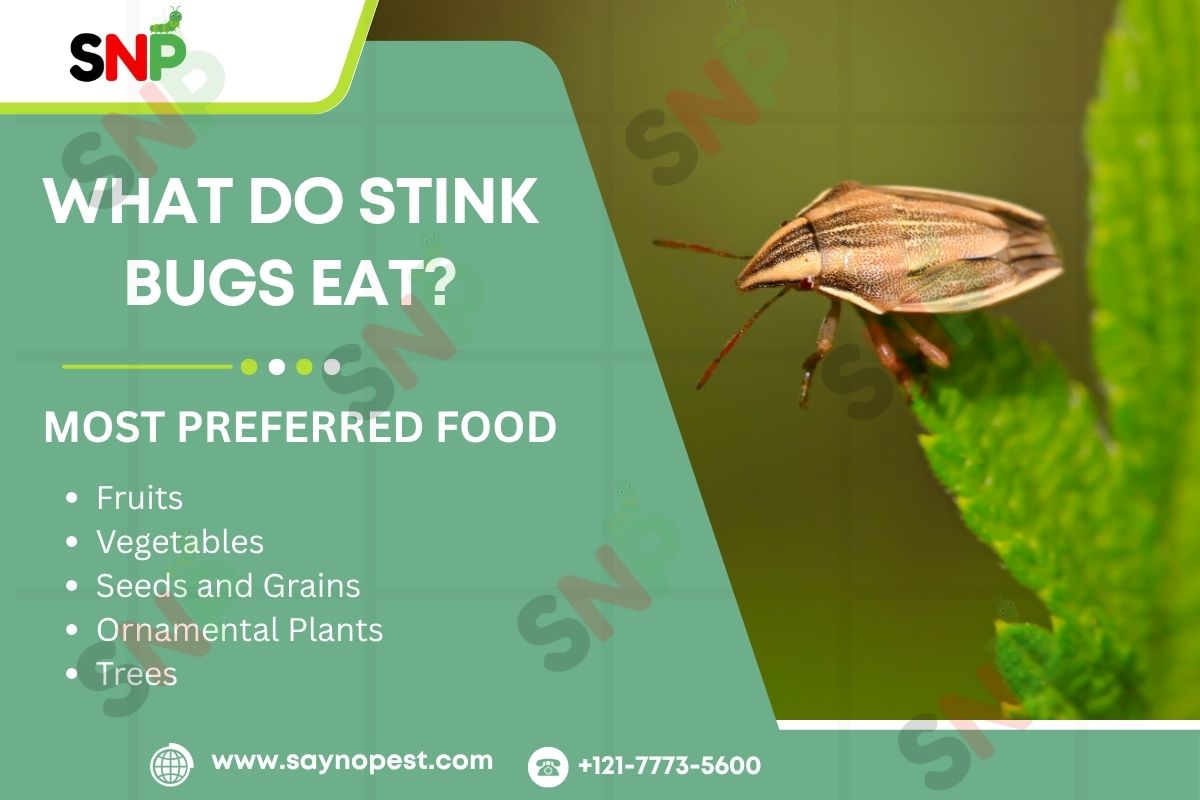
    This question usually comes to the minds of many people across the United States that what do stink bugs eat . Most of the stink bugs are “polyphagous,” that is, they can feed on different plants and crops. They have quite a rich diet, and that’s why they are a very big threat to people who can be destroyed easily, such as gardens, orchards, and agricultural fields.
    Let’s enumerate their most preferred foods.

    • Fruits: Apples, pears, peaches, apricots, figs, grapes, nectarines, berries
    • Vegetables: Tomatoes, peppers, cucumbers, beans, okra, eggplants, sweet corn, field corn
    • Seeds and Grains: Soybeans, rice, pecans, cotton, sorghum, grains
    • Ornamental Plants: Magnolias, sunflowers, holly, mimosa, Eastern rosebud
    • Trees: Maple, elm, oaks, and more

    Given the chance that they are inside, the insects may eat indoor plants, and if any fruit is left unprotected, they may consume that, too. The ability of stink bugs to feed on such a vast array of fruits and vegetables is what explains their rapid reproduction and significant destruction to the agricultural sector and gardens.

    What Are Stink Bugs Good For?

    At first sight, the majority of people don’t think of stink bugs in any way other than being pests. Surprisingly, the truth is that they do have a positive side. Namely, what are stink bugs good for?

    Natural Pest Control

    Some types of stink bugs are predatory and they eat such destructive insects for crops as caterpillars, beetles and even other stink bugs feeding on plants. This is why destructive pests would make good allies for farmers and gardeners who want to control them.

    Ecosystem Balance

    The process of vectoring by stink bugs allows the plant to trigger the production of compounds that serve as a natural shield against the pests. Those plants that face future pest problems will be more healthy and ‘less tasty’ due to this variety.

    Food Source

    In some parts of the world, such as Asia, stink bugs are a good source of protein and essential nutrients.An added advantage to this is that they help in the reduction of crop destruction caused by the stink bugs as they are eaten.

    Well, this is all true, but it should be taken into account that the brown marmorated stink bug and those of a similar nature are the most common stink bugs in the US, and thus, such insects are firstly plant-eaters of the crops and are not beneficial insects.

    Are Stink Bugs Poisonous?

    The question about the poisonous nature of stink bugs is popular among homeowners and most often stands like “Can stink bugs hurt you?” The answer is “Yes”. This is the fact that stink bugs secrete a substance from their glands, which produces an insufferable odor, thereby not letting their enemies attack their bodies. The question is, if stink bugs poisonous? Stink bugs are poisonous in the sense that they produce a bad smell that cats and dogs detest, and this can be toxic to the animals, but the bugs can also be big environmental protectors.

    • Human Health: The release of the liquid is potentially responsible for mild allergic reactions in some people, such as sneezing, itchy eyes, or skin irritation (dermatitis), but isolated cases are rare. If a stink bug bites you, just wash your hands with clean water and soap.
    • Pets: Stink bug secretions are report to be non-poisonous to cats and dogs, but the odor may be irritating.

    To sum up, it is fair to say that stink bugs which cause humans no direct harm can affect their health, and in the case of pets are a bigger nuisance without harming the two-legged roommates.

    Stink Bug Infestation: What You Need to Know

    Infestation of the stink bugs is not easy to manage once it gets into your home, especially during the fall season, as they are seeking warmth, hence they try getting indoors more than ever. Here is how you can find and manage the infestation:

    are-stink-bugs-poisonous
    1. Signs of Infestation: Looking at numerous stink bugs gathering on walls, windows, or within your home, especially in cooler times of the year.
    2. Prevention: This is the simplest way of preventing the invasion: it is to seal cracks in and around the windows, doors, siding, utility pipes, and chimneys. Another major move is to repair and replace broken screens and to trim down the outdoor vegetation, thus fewer havens are left for the pests.
    3. Removal: Indoor stink bugs can be remove using a vacuum cleaner. They emit an unpleasant smell. If they have become too much, call a pest control expert. More so in the case of severe invasions, a pest control professional must be contact.
    4. Lifecycle: Female stink bugs are capable of laying hundreds of eggs, so this can quickly lead to a large population.

    Conclusion

    At the beginning, knowing what do stink bugs eat is the most crucial factor in controlling these very stubborn pests. Although we identify stink bugs as a plant-feeding insect species that can make a mess of the crops and gardens, they also have a minor role in natural pest control and ecosystem balance. Wondering if stink bugs are useful is a bit tricky to answer because even though they are not bad, they’re causing more and more problems for farmers

    Fortunately, the stink bug odor cannot endanger the life of humans and animals, yet be unbearable and, in the case of some allergic reactions, even be fatal. If you find that there is a stink bug infestation in your home, you will need to take the preventative measures immediately, or you will be sure to succeed in having a bug-free home, garden, or farm.

    People have the information they need to avoid or get rid of stink bugs, they won’t have to worry about them in their territory. If your home, garden, or farm is under a stink bug attack, be sure to instantly look for advice from pest experts for professional ways to get rid of the problem.

  • The Green Stink Bug: A Guide for American Homeowners

    The Green Stink Bug: A Guide for American Homeowners

    Anyone who has a garden or orchard in the US has probably encountered the green stink bug at some point. Much maligned for its signature odor and recognizably shieldlike shape, this pest causes more than a nuisance; it can devastate your plants and crops. This blog seeks to inform readers of the green stink bug and its identification, contribution to the environment, detrimental impact on garden and orchard produce, and practical means of eliminating it.

    What Are Green Stink Bugs?

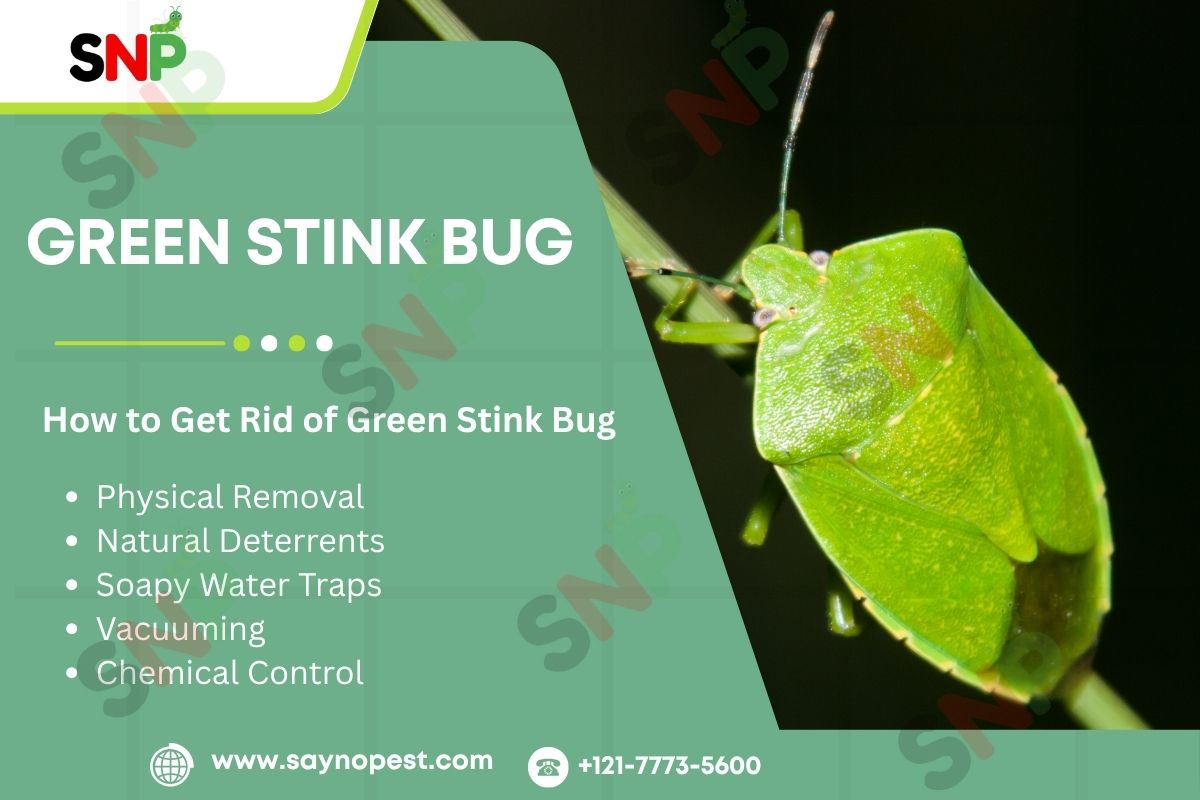
    It is easy to spot the Green Stink Bug as it is a part of the family of Pentatomidae and has a bright green and shield-shaped body. Adult bugs measure about 13 to 17 mm long and 8 mm wide. The colour varies from deep green in the warmer periods to a dull brownish affair in autumn. When the wings are at rest, there is an unmistakable X pattern that is creat on its back, and the antennae are mainly compose of alternating dark and light segments. Nymphs or juvenile stink bug undergo a drastic change in their appearance from being very small, dark, and wingless insects with ornamental marks to those with modified markings as they grow and molt. More common in late spring to summer, the green variety of stink bugs is mostly locate leisurely maneuvering across leaves, fruits, and stems.

    Being disturb or killed, a release of a malodorous chemical is a possible occurrence. The chemical is a defensive reaction of stink bugs, and it causes the odor that makes them all stink bugs.

    green-stink-bugs

    What Are Green Stink Bugs Good For?

    The green stink bug is not an out-and-out pest to crops, but it contributes, briefly, to the balance of the ecosystem. Stink bugs, or this species, feed on predator insects, birds, and spiders, in the same way other stink bugs do. Their presence is sometimes a sign that an ecosystem is abundant in a variety of species since they are attract toward locations with a variety of plants. Although these insects have some advantages, their adverse impact on crops and ornamental plants becomes more obvious. As a result, the elimination of infestations is most pressing for the overwhelming majority of homeowners and farmers.

    Green Stink Bug Damage and Detection

    One of the things that is particularly damaging about the green stink bug is that it causes a great variety of plants, mainly fruits and vegetables, to be damage. Using their piercing-sucking mouthparts, the stink bugs suck the sap out of the plants and especially go after the seeds, the fruits, and the young shoot. This kind of sucking or drinking of the plant fluids is very harmful that is they will cause the following damage:

    Necrotic Spots and Deformation

    Pricking or biting holes from their feeding leaves the fruits and vegetables with small, hard, brown, or black spots. Afterwards, such feeding that is continuously repeat can result in “catfacing,” where fruits grow a surface that is rough, lumpy, or misshapen.

    Withering and Stunted Growth

    The stink bug green can draw sap from the plant, thus causing leaves to wilt and the plant to eventually remain undeveloped, or cause a part of it to die.

    Entry Points for Disease

    The feeding sites created by stink bugs are the primary cause of infection by bacteria and fungi; these infections weaken the plant and shorten the shelf life of the crops.

    Detection

    Seek eggs laid in a cluster on the underside of the leaves, observe nymphs that appear in many colors, and watch out for the adults, always carrying the characteristic green shield. Eventually, fruits showing dents, colour changing, or wrinkled skin predominantly in crops like tomatoes, peppers, peaches, and grapes, can be seen.

    How to Get Rid of Green Stink Bugs

    Successful green stink bugs management requires the combination of prevention procedures, on-ground removal, and, in cases, spraying chemicals.

    Physical Removal

    During routine inspections, find the presence of eggs, nymphs and adults on your plants. Care for small populations before by physically exterminating or flattening the bugs.

    Natural Deterrents

    Apply garlic spray on windowsills, doorways and on plants composed by combining water with garlic powder for a natural repellant of stink bugs.

    Soapy Water Traps

    Place a jar containing soapy water underneath stink bugs; whenever the bugs are irritated, they will fall in the solution and die. Wipe entry points and plants with a soapy water solution to reach out to stink bugs and help dehydrate and kill them.

    Vacuuming

    To be able to take care of stink bugs inside do use a vacuum cleaner with a HEPA filter to capture them safely and avoid release of their smell. Clear and throw away the vacuum debris immediately you’re done vacuuming.

    Barriers and Exclusion

    Install an insect net over greenhouses or open crops, and block up room gaps or holes in your house to prevent stink bug entry.

    Chemical Control

    If the infestation by pests is serious, you should consult a pest control expert on the best way to use insecticides. Change between a couple of insect sprays to allow stink bugs to resist a little and minimize side effects on useful insects by using them with care.

    Conclusion

    The green stink bug is a constant menace to American gardeners and homeowners, and though it has a unique look and can give off an unpleasant stench, the main thing it is known for is the destruction it causes to a broad range of crops. It is one of the unpopular ecological actors, but its negative effect on the production of fruits and vegetables makes it imperative the control. If you know how to spot, observe, and handle the stink bug green, you will be able to protect the plants from the acts of garden pests and at the same time, have their beauty and productivity amplified. In case you recognize a green stink bug invasion in your household and you’re unable to treat it, it is necessary to contact local pest control specialists to get personalized solutions.

    Remember, finding the problems early and solving them regularly are the ways to control those stink bugs. This way, your plants and other garden produce will be safe throughout the next season.

  • Baby Stink Bugs: A Complete Guide for American Homeowners

    Baby Stink Bugs: A Complete Guide for American Homeowners

    Have you noted some tiny, strange-looking insects walking on the plants outdoors or even inside your house? You might be dealing with baby stink bugs. These small yet harmful garden bugs, also known as stink bug nymph, are occurring in no time in gardens and houses across the United States. The knowledge of their life cycle, the method of their reproduction, and the way to control them is the cornerstone of your pest-free area.

    What Are Baby Stink Bugs?

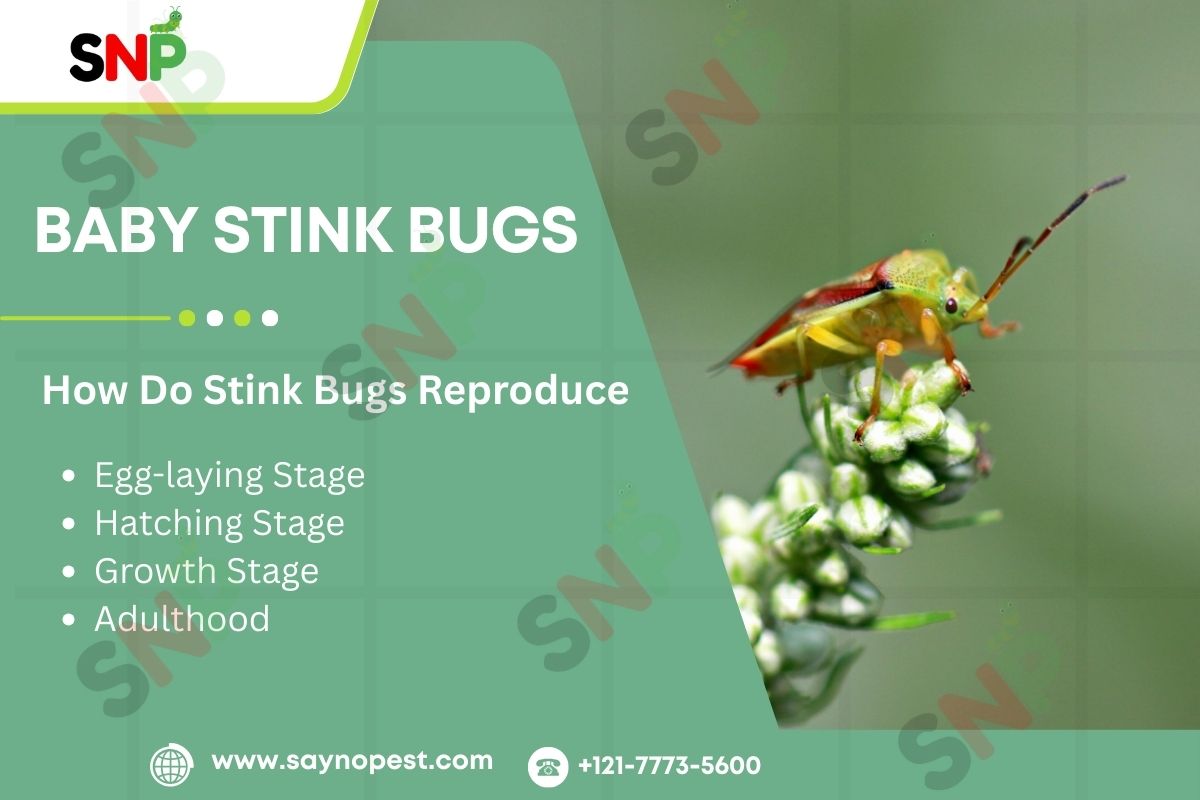
    Baby stink bugs are refer to as stink bug nymph. At the beginning of their hatching, these nymphs are the most important life stage of the insect and are not as large as adult ones, and they also lack fully developed wings, by which they cannot fly. The growth of these nymphs is determin by stages in which they have to moult five times. In all these stages, they look quite different from the adult stink bug. Some of them are black, red, yellow, and green, before changing the look into a familiar adult one. Their colours depend on the host plant on which they exist.

    The stink bug nymph spend most of their time on the lower side of the leaves, where they can have their meals while injecting the needle-piercing method of feeding the plant’s sap. If the infestation gets serious, the bugs, inadvertently carried indoors, can also attack the house plants and in this way wear down the gardens and the crops.

    Stink Bug Eggs: The Beginning of the Problem

    The period of each infestation got its start from the stink bug eggs. Mother stink bugs lay 20- 50 eggs that come together in the shape of a cluster. The female bug always chooses the lower leaf side for placing the eggs so that the young generation is freed from the danger caused by the predators and the various weather conditions. These eggs of stink bugs have a shape of a barrel and are white, yellow, or green depending on the bug species.

    After 4 to 7 days, the eggs are hatched and released, and the numerous groups bustling with activity are spreading all over the space ready to chew and grow. If uncontrolled, they can be almost impossible to deal with in no time and thus can cause a big problem for the homeowners as well as the gardeners.

    How Do Stink Bugs Reproduce?

    The life span of the stink bugs ends up quickly and also is taken home by the breeding mechanism. When they do the mating, the females make and distribute multiple egg clusters of stink bugs throughout the organic season. If the climate is hot, there are several generations in stink bugs per annum, and each one only takes a few weeks from an egg to an adult stage.
    So, the cycle can be describ like this:

    • Egg-laying: Females are laying egg clusters on the leaves.
    • Hatching: After a week, the eggs break and we get baby stink bugs (nymphs).
    • Growth: Nymphs go through five processes of moulting, and they become more massive with each step.
    • Adulthood: In 4 to 6 weeks, the nymphs-turned-adults will start the cycle again.

    Such a situation of the shortest-time reproduction process is very dangerous, as small problems can grow very quickly into big ones, especially if the weather is warm and the stink bugs feel comfortable.

    Stink Bugs in House: Why and How They Invade

    Stink bugs usually migrate to other places, e.g. indoors in search of shelter or energy during the cold winter months, leading to the common problem of stink bugs in house. Both adults and baby stink bugs can sneak in through almost invisible cracks around the windows, doors, and foundations. Sometimes you will find them hiding in walls, attics, or basements and will come out again once the temperature increases inside the house.

    The presence of stink bugs in the house is not just a nuisance due to their smell-when threatened, both adults and nymphs release a foul odour as a defence. While baby stink bugs do not bite or harm humans, their numbers as well as their smell are simply unbearable.

    Stink-Bugs

    Managing and Avoiding Stink Bug Infestations

    These methods will help prevent and control stink bugs in the house and garden:

    1. Seal Potential Entry Points: Check and caulk surrounding areas of doors, windows and utility pipes.
    2. Destroy Egg Clusters: Frequently examine plants for stink bug eggs and remove them before they hatch.
    3. Apply Ecological Repellents: Mint, garlic, and neem oil sprays may applied to plants to keep baby stink bugs and adults away from them.
    4. Invite Natural Enemies: By killing the nymphs and eggs, birds, ladybugs, and parasitic wasps can be useful predators of stink bugs.
    5. Release Kindly: Should you happen to bump into baby stink bugs in your house, kindly use a container to transport them outside instead of squishing them, and let their smell out.

    Conclusion

    Baby stink bugs can be big trouble for gardens and houses. Knowing the lifecycle from stink bug eggs to stink bug nymphs and adults and how these pests are produced will help you put measures to protect your home and plants. Do not let the impact of stink bugs on your house disturb your peace; with prescribed early intervention and the right strategies and you can keep these pests at bay and enjoy a healthy, comfortable environment.

  • What Are Stink Bugs? A Complete Guide For USA

    What Are Stink Bugs? A Complete Guide For USA

    If you’ve ever seen a shield-shaped bug moving on your window or near your lights, it was probably a stink bug. So, what are stink bugs? Let’s look at stink bugs’ appearance, behaviour, advantages, the stink bug smell that they produce, and the factors that draw these pests to American homes.

    What Are Stink Bugs?

    Stink bugs are predominantly big, stinky insects belonging to the family Pentatomidae, which are call as the brown marmorated stink bug. Over 200 species, or types of stink bugs can found in the U.S. Brown marmorated stink bugs are the most widespread of American homes, an invasive pest that originates in Asia. These are well know for the stench they release while disturbed, making this the main reason behind their name.

    What-are-Stink-Bugs

    How Do Stink Bugs Look?

    • Shape & Size: Adult stink bug have a characteristic shield-shaped body and are about 1.2 – 1.7 cm (0.5 – 0.67 in) long, just as wide.
    • Color: Their color varies by species. The brown marmorated stink bug is of brownish colorations on a creamy white underside, while the green stink bug is brightly green.
    • Markings: It is particularly important to search for alternating light and dark rings on the antennae and the edges of the species’ abdomen – brown marmorated, for example.
    • Nymphs: Young stink bug (nymphs) begin either black or dark brown and can be mark with red or yellow, which changes as they age.
    • Eggs: Sprayed in bunches on the bottom side of leaves, they are initially green but become white with age.

    Habitat and Behaviour

    The stink bugs can live anywhere because they are so flexible. They exist in the outdoors in gardens, fields, and orchards, and here they consume fruits, vegetables, and flower plants. As the days get colder, the stink bug begin seeking warmer and justified hiding places. That is why they typically pick houses to live in during autumn. Inside, they are primarily an irritation, nonbiting or stinging, and don’t cause any structural damage, but their presence and smell can make you uncomfortable.

    What-do-Stink-Bugs-eat

    What Are Stink Bugs Good For?

    Although most of the population considers stink bug a plague, some stink bug species are beneficial in the environment. Feeding on caterpillars and beetles and whatever other insects may harm crops, these predatory stink bug serve as a sort of natural pest control. Stink bug are eaten in some societies because they have high nutritional value i.e., high protein, and high nutrient content. Still, the brown marmorated stink bug is usually the leading cause of crop damage and is also the main insect found in homes in the U.S.

    The Infamous Stink Bug Smell

    One of the principal features of stink bug and the one that makes them most recognisable is their smell. However, what does this smell smell like? When threatened or crushed, stink bugs discharge a stinking chemical from the glands on their thorax. Many people say that the stink bug smell is the same as sulphur, rotten meat, or some people even say it smells like cilantro. The smell works as a means of self-protection against the danger of other animals and also sends a message to their kindred bugs of peril.

    What are Stink Bug Attracted House to?

    To know what are stink bugs attracted to in your house, the following are the things that cause the invasion:

    1. Warmth: Stink bugs are one of the biggest pests when it comes to warmth as they are more attracted to it in the case that the outdoor temperature begins to drop during the fall.
    2. Light: They are very sensitive to daylight; this is why they are always flying around lights, porch lights, and bright indoor lighting.
    3. Shelter: Openings in windows, doors, siding, and utility pipes are frequently enter by the stink bugs as they are seeking shelter.
    4. Fruits and Vegetables: Exposing your fruits and vegetables to the open air can be an attractive site for the stink bugs as when they are looking for food they will come to you.

    The thing to do to keep the number of stink bugs down is to close all the possible entries into the house, turn off lights that leak outside and secure food properly.

    Conclusion

    So, what are stink bugs? They are oval-shape bugs whose smell is quite nasty, with a habit of invading American homes, particularly during the colder months. Though some of the stink bugs are useful predators, the brown marmorated stink bug is a nuisance pest that can harm crops while invading homes. Their unique smelly-bug stench serves as a deterrent, and they inexplicably prefer warmth, light and shelter in your house. By learning what stinks up the bugs and what repels them, you’ll prevent them from coming in and enjoy your pest-free home.

  • How to Get Rid of Stink Bugs

    How to Get Rid of Stink Bugs

    Stink bugs have gained notorious status as bothersome nuisances for American homeowners, in the fall when these shield-shaped pests are on the move, looking for warmth inside homes. If you are a curious person and want to know how to get rid of stink bugs or you want to have additional information about this smelly intruder, you will find all the info you need in this guide with included habits and the most effective trap suggestions for stink bugs.

    Do Stink Bugs Bite?

    Do stink bugs bite? It is one question that always comes up, again and again. The truth is that we have nothing to be scared of since stink bugs are not capable of biting or stinging. Their piercing-sucking mouth parts is use for plant tissues and for extracting juice, not for eating. Confronted with their larger-than-life size and their indoor pose all of a sudden, one of the natural reactions could be a ‘bug not near me.’ They are still no harm to us even then. On the contrary, in a few cases, their secretion has caused slight irritation of the skin. Anyway, real bites rarely occur and are only accidental.

    stink-bugs-bite

    What is the lifespan of Stink Bugs?

    The common life cycle that stink bugs follow consists of three phases: egg, nymph, and the stage of adult. A female lays several batches of eggs stages of stink bugs? While stem cells of adult individuals can live for a couple of weeks and up to eight months in favourable environmental climates. During winter, adult stink bugs usually hide on your property.

    Stink Bug Trap: Effective DIY and Store-Bought Options

    If you need a good stink bug trap, there are DIY and commercial traps to try:

    DIY Traps

    You can make your trap easily, and this one will work just as good as the “branded” counterpart. Scientist have proven and is done by filling a foil roasting pan with water, adding a few drops of dish soap, placing a small light directly above the pan, and then placing it in a dark room. The bugs fly to the light, fall into the soapy water, and die. The method has a success rate far higher than that of traps that are available in stores, and it is also quite inexpensive to set up.

    Store-Bought Traps

    The major form of commercial stink bug traps is the use of pheromones, which attract the insects onto the sticky surface. Such items are cheap, come without any smell, and can be placed either indoors or outdoors, giving protection for four weeks. To guarantee that you get better results, put them near the light because stink bugs are attracted to light.

    how-to-get-rid-of-stink-bugs

    How to Get Rid of Stink Bugs

    Seems like you have tried several methods to remove stink bugs once and for all, but without success, huh? Below you will find a shiny example of how to get rid of stink bugs and never come back to your home again.

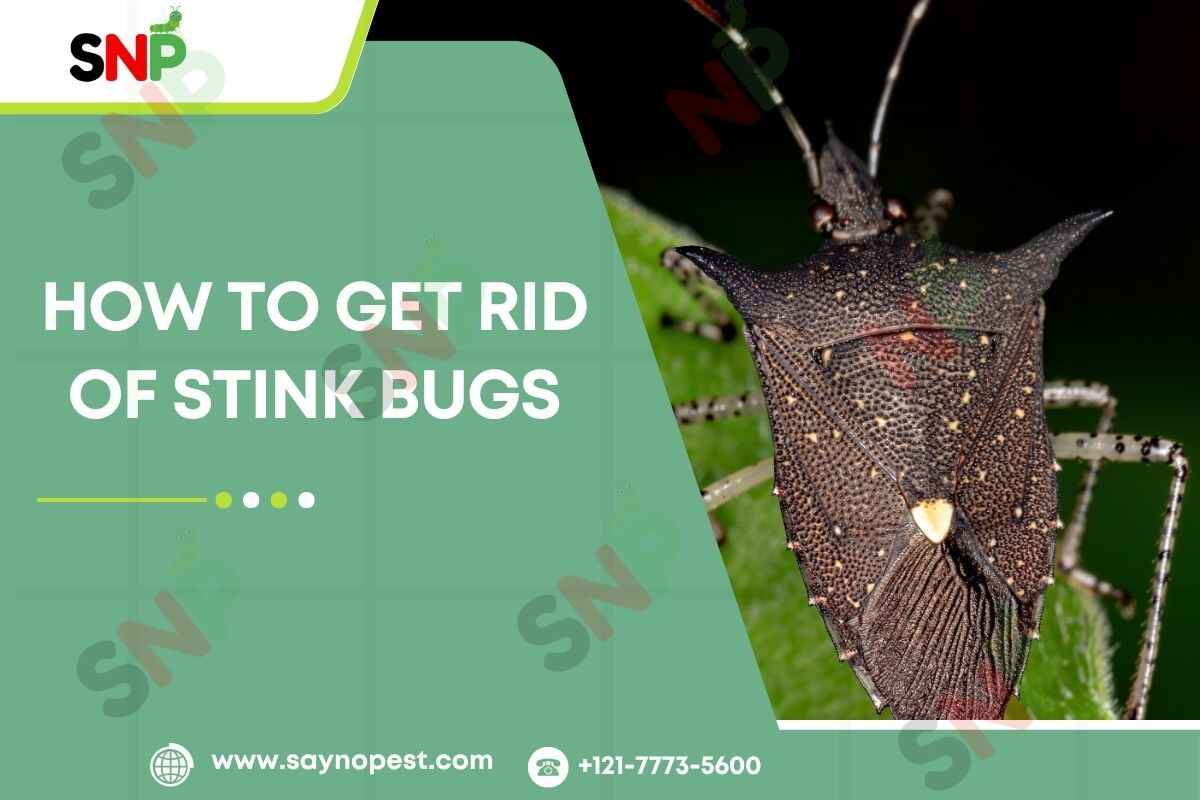
    1. Seal Entry Points: First, check your house for any signs of gaps in your windows, doors, siding, and utility pipes. Use a silicone or silicon-latex caulk to stamp out the stink bug entrance hole.
    2. Repair Screens and Weather Stripping: Not only it will be more pleasant in your room but also there will be no chance of those annoying little creatures entering. To repair or replace ripped window and door screens and to ensure that the weather stripping is still in place is the best way through which you can carry out this process.
    3. Reduce Outdoor Lighting: As such, with stink bugs being naturally attract to light, the need to reduce outdoor lighting has been a way of minimizing light attracted stink bugs. It is also recommend to use yellow bulbs because these do not attract stink bugs.
    4. Eliminate Moisture and Food Sources: Fix those pipes that are causing the leak and keep surroundings clean and dry. Food stored in airtight containers and maintaining a crumb-free environment will prevent the pests from coming in.
    5. Vacuum Removal: In case the house already has stink bugs, create a stink bug trap using a vacuum cleaner to catch them. Once you have had enough of catching stink bugs, the vacuum bag should disposed of to prevent odor transfer.
    6. Use Stink Bug Traps: Stings bugs can easily trap with the help of home made traps and commercial traps, and this will reduce their invasion.

    Conclusion

    Stink bugs may not pose a serious threat to another pest, yet they do create a foul smell. They are not know to attack or bite humans, hence, it is necessary to think of them only as an annoyance due to their wide distribution across the United States. However, with effective methods, their transmission can reduced to a minimum. Adopt and implement preventive measures to block their entrance, and the use of a stink bug trap or two would be good enough to apprehend any intruders. By identifying how to get rid of stink bugs and being proactive, you can rid your house of your stink bug problem and have peace of mind throughout the year.

  • Do Bumble Bees Sting? Understanding These Fuzzy Pollinators

    Do Bumble Bees Sting? Understanding These Fuzzy Pollinators

    Bumblebees are well-known and welcomed guests in gardens all over America, but a lot of homeowners want to know: Do bumble bees sting if they are provoked? If you are someone who has asked yourself, “do bumble bees bite” or gotten worried about a bumblebee sting, from the blog below, you will get to know everything about these hairy insects and how to keep them away from your property.

    What Is a Bumblebee?

    Bumblebees are big, fuzzy insects of the genus Bombus. They have 250 species worldwide, which is huge one. Unlike their relatives, honeybees, bumblebees have rounder, hairier bodies covered with soft woolly fur, which gives them their classic look.
    These essential pollinators live in social colonies that mainly consist of:

    • One monogamous species that lays eggs
    • Female bumblebee who collect food and take care of the nest
    • Male drones whose main motive is to reproduce.

    Bumblebee colonies are much smaller than the hives of honeybees, usually, they accommodate approximately 50-500 bees. They are located in the underground burrows and many places like these.

    Do Bumble Bees Sting?

    The brief answer is yes, bumble bees sting. They can absolutely do that. However, bumble bees are generally non-aggressive insects that can Sting humans. Do bumble bees bite? No, they cannot bite at all – they only sting people when they sense a direct threat or when their nest is being disturbed.

    • Female bumblebees (queens) have stingers
    • A bumblebee’s sting is different from that of a honeybee in that it will extract the sting, thus being far from a single episode
    • Bumblebees in general are much less likely to be compared to wasps or hornets, and therefore, cases of a bumblebee sting are very rare.

    If one can ask, “do bumble bees sting” instead of bite, chances are that the answer is yes. The process of defense is stinging, thus bumblebees can sting.

    What does a bumblebee do when it stings?

    When a bumblebee sting happens, venom is introduced into the skin through the bee’s stinger. Common reactions can be described as follows:

    • Sudden, stabbing pain
    • Swelling and redness near the sting site
    • Itching that may irritate for few hours

    For most individuals, these symptoms don’t last longer than a few hours. The majority of people can easily recover from only a few hours of rest. However, nearly 1% of people may develop local or systemic anaphylactic reactions, which are the most threatening ones.
    If you have difficulty in breathing, dizziness, or have swelling elsewhere other than the stung area, then immediate medical aid should be sought after.

    Do Bumblebee Bite Or Cause Other Problems?

    A lot of people want to know, “do bumblebee bite?” when they are really scared of the bumblebee sting. A simple answer is that bumblebees do not bite humans at all; they lack the necessary mouthparts to target humans. Their only defense is stinging. So if you ask Do bumble bees sting the answer is yes.

    Many individuals ask themselves whether bumble bees tend to sting without being provoked. The answer is rarely. Bumblebees typically only sting when:

    • Their nest is directly disturbed
    • They’re stepped on accidentally
    • They’re handled roughly or trapped

    How To Get Rid Of Bumble Bees

    Urban bee pollination brings numerous advantages to human communities but the removal of bumblebee colonies becomes necessary when they establish too close to human settlements. Several methods exist to remove bumble bees without risking family member stings.

    1. Prevention: The prevention phase requires the filling of open ground holes combined with sealing all exterior gaps around your home.
    2. Natural Deterrents: Natural bee repellents include fruit-based sprays mixed with vinegar and peppermint oil, together with citrus oil mixtures.
    3. Relocation: Ground nests could be relocated when water is used to saturate the entire site.
    4. Wait it Out: The bumblebee colony should survive naturally during fall months but new queens will transform into a hibernation state.
    5. Professional Help: Nests that prove difficult should be handled by pest control professionals. As they know how to deal with them in the best way.

    The inquiry about bumblebee bite or sting should be delayed once we recognize their beneficial role in pollinating gardens and supporting local ecosystems.

    Conclusion

    So do bumble bees sting? Bumble bees possess the ability to sting but they usually do it only to protect themselves or their colony. And do bumblebee bite? Bumblebees possess no capabilities to use their mouth to bite people even if they attempt to do so. The pain from a bumblebee sting is uncomfortable yet rarely creates dangers unless someone carries an allergy to the sting.

    Knowledge about these mild pollinators creates a safe coexistence between humans and bumblebees. It is always advisable to let bumblebees work peacefully since they pollinate vital vegetation and agricultural products. The relocation of bumblebees can be done through compassionate procedures when their presence near people presents significant safety concerns.

    You should reach out to professional pest management services from your area to receive safe and effective pest control help on bumblebee removal and any other pest-related concerns.

  • Silverfish vs Earwig: A Complete Guide for American Homeowners

    Silverfish vs Earwig: A Complete Guide for American Homeowners

    Household pests remain a mystery to many people since both silverfish vs earwig often create a misinterpretation of their appearance. Household invasion occurs from these pests, although various distinctions stand out, ranging from their physical characteristics to the types of harm they create. The resolution of earwig infestation and silverfish infestation demands complete knowledge about these bugs as a beginning point for successful management practices. This article explains all essential aspects of silverfish vs earwig by describing their patterns of appearance as well as their threats and effective defensive methods against them in homes.

    silverfish-vs-earwig

    Silverfish vs Earwig: Appearance, Size, Color, Habitat, and Diet

    Appearance and Size

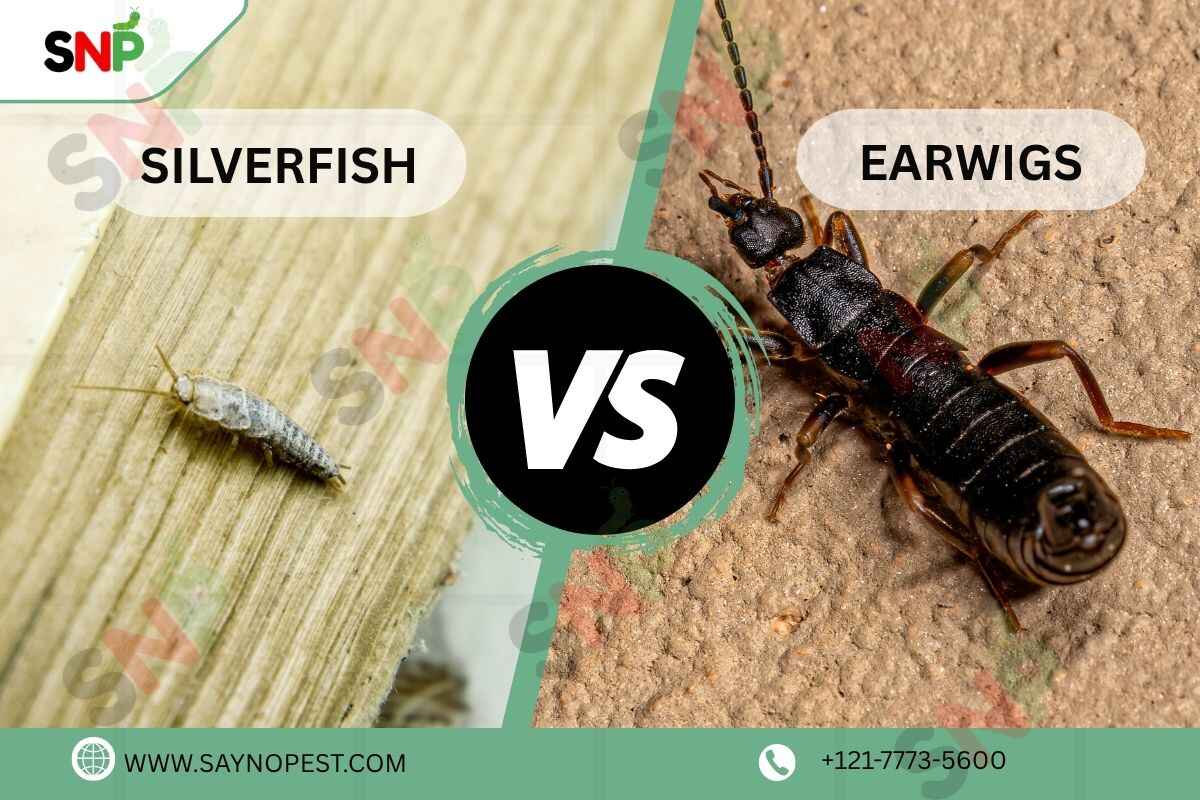
    • Silverfish: Silverfish are so called because of the silvery color and fish-like shape of their bodies. Adults are 1/2 to 1 inch (12 to 28 mm) long, with three elongated, thread-like appendages projecting from their posteriors and without wings. The body is covered with short hairs, which make it have a glossy and wet appearance.
    • Earwigs: On the other hand, earwigs are usually dark brown, with some being light brown, black or even black with an orange head. In length, their measurements range from 1/4 to 1 1/4 inches (6 to 25 mm). Earwigs have a feature like pair of instruments of a pincer shape with hard materials at the end of their abdomen. Although they rarely use them, some earwigs are capable of airborne flights.

    Color

    • Silverfish: Silvery gray, shiny, and almost metallic126.
    • Earwigs: They are brown to black in color; however, some of them may have reddish heads while others present striped legs.

    Habitat

    • Silverfish prefer to stay in Shadowy, damp spots indoors, such as basements, bathrooms, and attics, or places having the Moist air conditions. They usually attract toward the areas that have paper, starchy material, or fabric.
    • On the other hand, earwig are outdoor creatures who like living in areas like under mulch, rocks, or in rotting wood. Nevertheless, they can enter your premise when the local climate becomes hot, dry, or rainy, and they look for wet, cool places such as laundries and bathrooms.

    Diet

    • The dietary habits of silverfish are limit to the consumption of the starch and protein in the household items: paper, glue, wallpaper, books, and some fabrics. The most common reason for this kind of damage is the consumption of stored documents, wallpapers, and old books.
    • Earwigs are omnivorous animals. They live by feeding on rotting plant matter, flowers, and on some occasions, insects. They are more likely to snack on garden plants, but their damage indoors usually small compared to that of the silverfish.
    silverfish-Pest

    Earwig Infestation and Silverfish Infestation

    Both earwig and silverfish infestation can be pretty creepy; however, these pests are know to appear in different ways:

    Earwig infestation

    Earwigs are more of outside creatures, so you are likely to see them only when they are present in large numbers, especially in the backyards or under the mulch. They might be attracted to humid areas indoors, but generally, they appear during specific months and when Shifts in climate. The presence of visible physical clusters, especially at night, will serve as a good hint of the situation.

    Silverfish infestation

    These pests are not only shy but also very mobile, so finding them can be quite difficult. You are going to have to look for the signs as in that they are making holes in books, wallpaper, or cardboard, that you are also going to notice yellow stains on the fabric or paper. If you spot the quick, slithery little insects out and about in dark corners, bingo! you know you have a silverfish infestation.

    Both earwig infestation and silverfish infestation are more common in homes with high humidity and clutter, but the damage they cause is different-earwigs may harm plants, while silverfish target paper and textiles.

    Dealing with Both the Pests

    The control of earwig infestation and silverfish infestation can be of a combined nature and include prevention, monitoring, and directed treatments.

    For Silverfish:

    1. Humidity Reduction: Employ dehumidifiers and introduce aeration to high humidity zones.
    2. Seal the Entrance: Closing up all the gaps around your windows, doors, and baseboard with caulk is an effective method of preventing them from entering the house.
    3. Destroy Food Sources: Keep books, papers, and clothes in airtight containers. Quickly clean up crumbs and spills as soon as they occur.
    4. Use Traps and Natural Deterrents: Placing a sticky trap is a great way; alternatively, you can use a glass jar trap which is covered with tape. Other methods involve the use of cedar oil and leaving some dry bay leaves as repellants.

    For Earwigs:

    Earwig-Infestation
    1. Moisture Decreasing: Repair the leaks and minimize the watering of the garden. Keep bathrooms and basements dry at home.
    2. Remove Outdoor Hiding Spots: Remove mulch, leaves, and other materials accumulated near the foundation of your house.
    3. Traps: Dig shallow cans, fill them half with oil or beer and place them in the soil to catch earwigs. Damp newspapers rolled up can also used to attract and collect earwigs for ultimate disposal.
    4. Natural and Chemical Treatments: Safety weapons for the home are things like dusting diatomaceous earth around the doors and windows. In a critical time of tons of earwigs, a good recommendation is spraying Spinosad insecticides or getting the job done by professionals.

    Regular cleaning, decluttering, and moisture control are the best defenses against earwig infestation and silverfish infestation.

    Conclusion

    Home protection requires knowledge about the different characteristics between silverfish vs earwig during their confrontation. These insect species share no resemblance except for their physical appearance because their habitats change differently, and they have alternate eating habits and distinct damage patterns. Silverfish infestation leads to damage to household possessions, but earwig infestations remain primarily outdoors until they enter your house accidentally.

    Earwig infestation combined with silverfish infestation requires immediate attention because the signs of both pests should not be ignored. Quick pest control step,s including mold prevention and leak blockin,g followed by purpose-built trap measures will defend your house against pests. Pest control services will efficiently resolve both persistent silverfish infestations and earwig problems so your property remains safeguarded against these pests.

    Having knowledge which sets silverfish apart from earwigs establishes your superiority in pest management practices. Keeping watch and responding swiftly with prevention measures helps your home stay completely protected against unwanted intruders.

  • Where Do Silverfish Come From? Understanding Them

    Where Do Silverfish Come From? Understanding Them

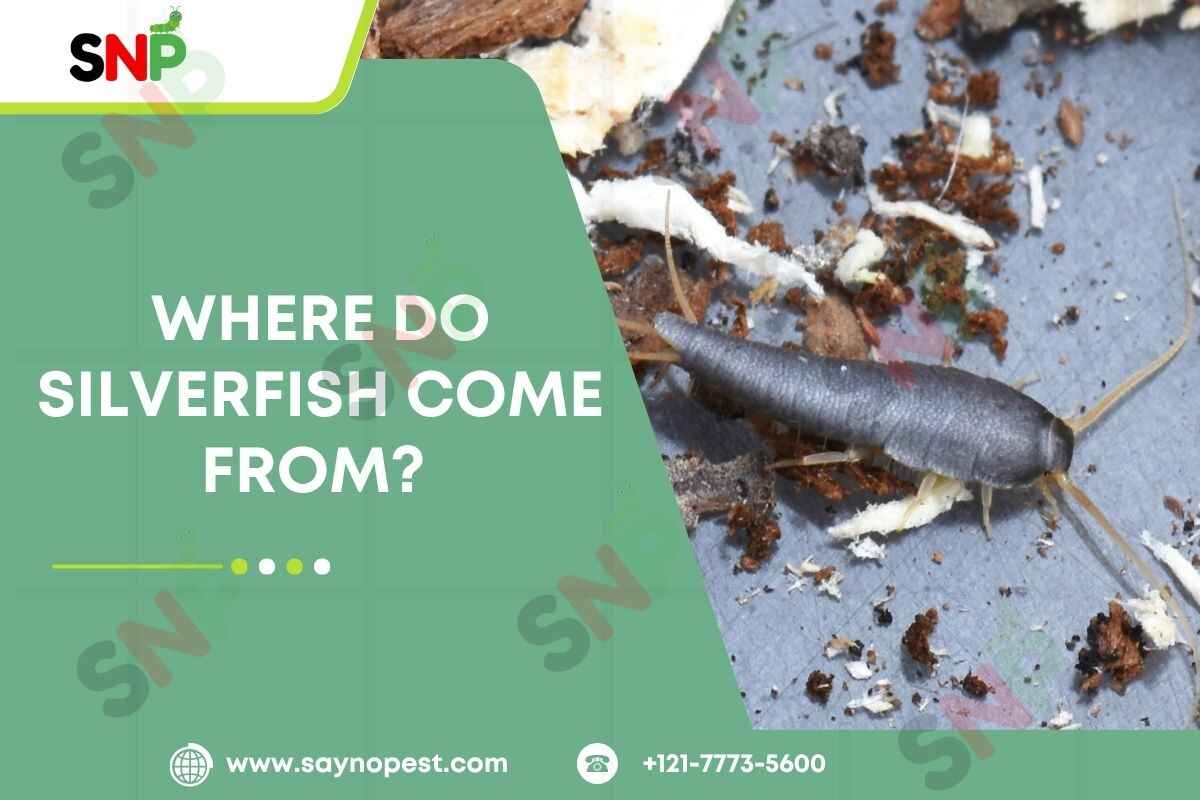
    Silverfish have existed with humans for centuries, being dormant insects while homeowners remain uncertain about their original habitat. Bathroom floor scuttle or basement corner concealment commonly causes worry among people, where do silverfish come from, silvery bugs. The following discussion examines the beginnings of silverfish as well as reasons for their infestations and their dietary preferences, and effective measures to stop these enduring creepy-crawlers from invading homes.

    What is a Silverfish Infestation?

    A silverfish infestation starts when these bugs chill and start to produce young quickly. Silverfish are insects, and they are more active at night, so it is very difficult to inspect them until they become numerous. Silverfish find their most comfortable living environment in places having the humid level high, such as washrooms, basements, laundry, and attics, and they make infestations in such places. The silverfish are most dangerous due to their high reproduction capacity, so a small number of pests can grow over time into a full-fledged silverfish infestation unless tackled at the beginning.

    silverfish-infestation

    Where Do Silverfish Come From?

    The question of where do silverfish come from is easy and at the same time unexpected. In nature, silverfish dwell in the spaces under rocks, the shade of leaves, bark, and even bird nests, which are perfect shelters, yes wet and with food. The insects adapt quickly and thus it becomes easy for them to move from outside to the inside of the houses.

    People who live in places that are infested by them know how they get into their homes. What happened with them is that the little creatures went into the house either through open spaces, or the owner unknowingly opened the packaging of infested things, books, papers, or clothes. They quickly hide themselves from view, hiding in the stuff stored in the dark and humid corners farthest from people, e.g., walls, cabinets, and attics.

    How Do Silverfish Infestations Spread?

    Silverfish infestations can spread like a wildfire due to their ability to reproduce swiftly and survive in various settings. They place eggs in tiny cracks, fissures such as under objects or in untouched corners, so it is difficult and sometimes impossible to trace them. They emerge rapidly and survive in high humidity and warmth. Therefore, those homes that are not airy or do not take care of the moisture problem will be prone to a silverfish infestation.

    They may live in your house for quite some time while hunting for food, that’s why they try to find a place near constant food supplies. They are quiet, fast, and hide in shadowy corner, which makes it very difficult to detect a silverfish infestation until it becomes very severe.

    What Do Silverfish Eat?

    What-Do-Silverfish-Eat

    Knowing the reasons that trigger silverfish infestation is of paramount importance if this problem is to be avoided. At the same time, it is a fact that there are not many silverfish insects that could have a very strong rejection to any type of food. Their main source of nutrients is the carbohydrates and proteins in your home, of course. So they mainly feed on:

    • Paper, books, and cardboard
    • Wallpaper and glue
    • Fabrics as cotton, silk, and linen
    • Dandruff, hair, and dust
    • Several dried foods, for example, flour, oats, and cereals
    • Dead insects and even the whole silverfish

    With the consumption of such a variety of things, silverfish cause a lot of damage to books, documents, clothes, and even groceries. They normally make their presence visible by the first thing, namely, the small holes in paper or the yellow stains on textiles. Typically, these are the types of damage that people tend to notice first.

    Conclusion: Protecting Your Home from Silverfish

    Thus, the question your mind will ask is Where do silverfish come from? The answer is rather simple. Their only way of existence in the entire world is the search they make for the three basic natural elements, which are food, moisture, and shelter-regardless of those elements being outside or within your house. And as we all know, a silverfish infestation is most likely to occur in areas with these conditions mentioned earlier. These areas are dark, wet, and also full of starch or protein-rich things.

    To lessen the chances of being visited by these pests:

    • By employing dehumidifiers and taking care of the leaks while you are at it, you can control the level of humidity in your home.
    • A good suggestion comes in the form of storing the books, the papers, and the clothing in containers that are not only dry but are also sealed.
    • It is a wise idea to sweep, the hidden corners, the closets, and the storage spaces of your house on a regular basis.
    • Before placing the boxes and the second belongings in your house, it would be better to have them examined thoroughly.

    The knowledge of where do silverfish come from and what causes a silverfish infestation is the best treatment available to deal with these pests. Should you observe clear symptoms of an infestation that lasts for a long time, such as damaged books or stains whose origin is unknown, the fight against pests by yourself may not be the ideal way you take or that you should consider. It might be time to call a real professional to handle the urgent situation properly and safely. If you find that an insect is on the loose and you are not able to control it, you had better consult an exterminator.

    A slight improvement to your peace of mind can be achieved by the awareness and readiness that helps you protect your home, your belongings, and your soul from the sneaky silverfish.

  • House Centipede vs Silverfish: Know the Difference, Signs

    House Centipede vs Silverfish: Know the Difference, Signs

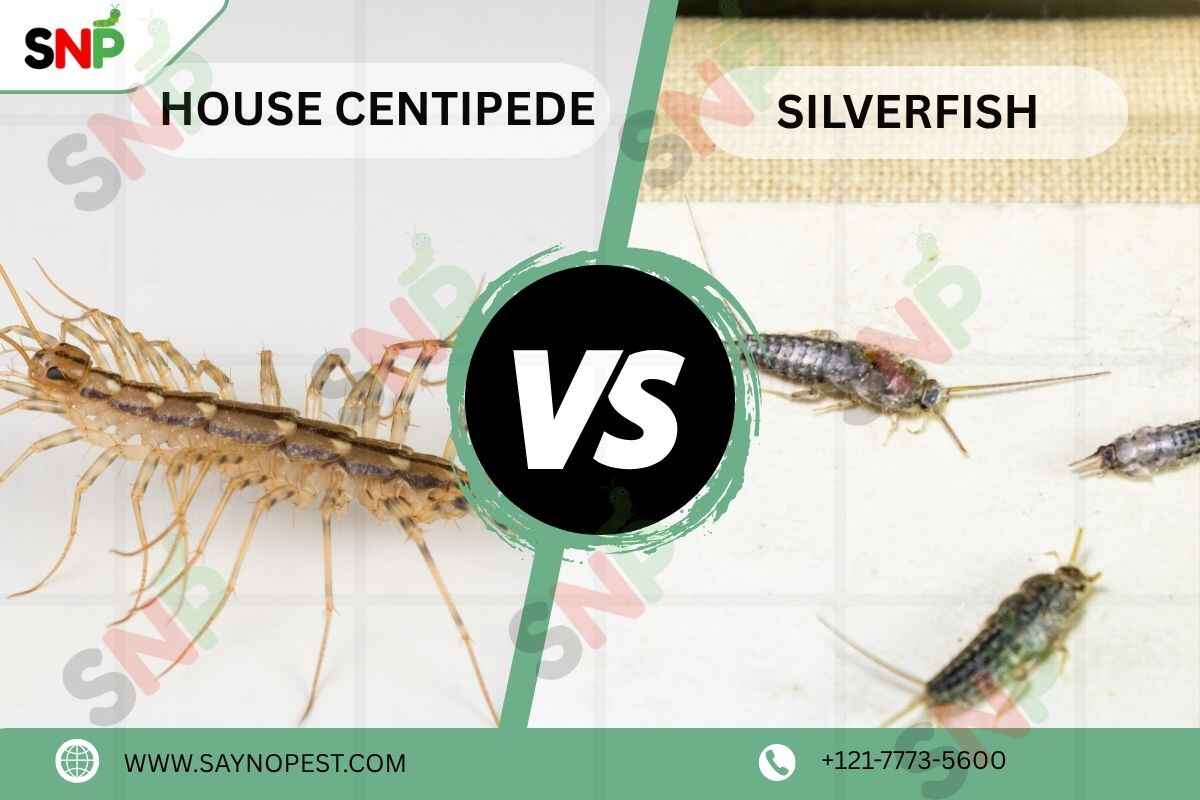
    If you have ever caught sight with your own eyes of a fast-creeping, ultra-legged animal moving across the bathroom floor of your house or a shining bug wiggling in your basement, then it is certain that either a house centipede or a silverfish has been encountered by you. Though both pests are typical of American households, it is very important to know the differences between the two for efficient control. In this article, we are going to learn everything about house centipede vs silverfish their appearance, behavior, the role of people, and the most effective ways of their elimination simultaneously.

    House-Centipede-vs-Silverfish

    House Centipede vs Silverfish

    The identifying features of the physical appearance of house centipede vs silverfish are, at first:

    Appearance & Size:

    1. The display style of house centipedes is with a body that has the form of a long tube and is flattened; the color of this animal normally comes in a yellowish-brown base with narrow, black lines seen most often in three places on its back. The reason why this particular kind is so extraordinary happens to be that it is equipped with 15 pairs of long, thin legs, which not only give it a hairy look but also give it the ability to move fast. Adults of this variant can grow to be one and a half inches in height.
    2. Meanwhile, the silver fish is even smaller when you compare it with the house centipede, it is about half an inch to one inch long. Its body is teardrop-shape in silvery-gray color, cover with fine scales, and has three long, thread-like appendages at the rear end, and also six short legs as it is also its other way of living.

    Color:

    1. House centipedes are yellowish-brown with dark stripes.
    2. Silver fish are pale to dark gray or silver, often shiny and without stripes.

    Habitat:

    In a similar way, dark and humid places are their favorite ones; both pests like to dwell in such places as a basement, bathroom, attic, and closet. Thus, high levels of humidity are the most critical factor for attractive living spaces for both house centipedes and silverfish.

    Diet:

    1. House centipedes operate through their behaviors to eat mainly insect species including cockroaches and spiders alongside silverfish. Other pests bound to be present when house centipedes dwell in the area.
    2. Silverfish operate as decomposers because they mainly feed on paper products together with cellulose materials and glues and textiles. The insects endanger more stored items including books wallpapers and clothing because of their destructive nature.
    Silverfish

    Signs That May Attract House Centipede vs SilverFish

    To be able to successfully prevent these pests from invading your house, you need to have a good understanding of what actually attracts them. The things that primarily cause house centipedes to become interested in your place are as follows:

    House Centipedes:

    • Other insects attract the drone flies because these insects provide them their nourishment.
    • The species prefer habitats with excessive humidity and moisture which includes leaky basements and crawlspaces and bathrooms.
    • Both clutter and walls or floors that show cracks offer insects the chance to hide.

    Silver Fish:

    • Drawn to starchy materials-books, cardboard, wallpaper, and even pantry goods.Prefer damp, dark spaces with high humidity, such as attics, laundry rooms, and under sinks.Accumulated paper, fabric, and food crumbs can encourage infestations.
    • Drawn to starchy materials-books, cardboard, wallpaper, and even pantry goods.
    • Prefer damp, dark spaces with high humidity, such as attics, laundry rooms, and under sinks.
    • Accumulated paper, fabric, and food crumbs can encourage infestations.

    The main difference here is that house centipedes attract toward the presence of other pests as well as moisture, while silverfish are mostly looking for sources of starchy food and the moisture they need.

    How to Get Rid of Centipedes and Silver Fish

    To get rid of centipedes and silver fish that the house shelter has become, you should apply the following directed method:

    For House Centipedes:

    1. Reduce Humidity: Do this by using a dehumidifier and repairing leaks to lower the humidity in the places like your basement and bathroom where the centipedes usually come from and live.
    2. Seal The Holes: The physical barriers in the form of wall, window and foundation to invading activities of the pest are also to closed down.
    3. Light-Weight Insects: Because the house centipedes primarily live on other insects, if you remove their potential prey, there is no reason for them to come to your place. bases that you suspect are their shelters, cleanup can only bring the result of a big reduction in the population of house centipedes.Selfmade Natural
    4. Sprays and Glue Traps: The traps need to be placed at the vulnerable areas, making sure that the effects of mobility will not be experienced, only sticking on the walls for instance. Moreover, natural sprays like tea tree, lavender, or peppermint are to used.
    5. Sticky Traps & Natural Repellents: Hot glue traps can stop indoor pests while natural repellents paired with essential oil scents like tea tree, lavender, and peppermint should used for pest prevention.
    house-centipede

    For Silver Fish:

    1. Keep Clean and Well Organized: Clear out mess, such as piles of paper, cardboard, and old clothes. Seal food in airtight containers to prevent silverfish infestation.
    2. Avoid Moisture: The same strategies must used as in the case of house centipedes, namely, moisture elimination and leak fixing.
    3. Frequent Vacuuming: Keep this practice in your daily household routine. Being a source of both food and eggs, vacuuming can help to prevent and eliminate the house population in such a simple way because it only targets the adult and the young.
    4. Professional Help: When faced with major infestations of either pest, there’s no better way to handle the situation than to hire the services of a competent pest control company. They will be able to provide the necessary treatment and monitor the situation on a regular basis

    Conclusion

    In the question of house centipede vs silverfish, as much as both of them are unwelcome, they still come to your place for different reasons. Moreover, an interesting point is that although house centipedes may frighten you due to their fast motion and abnormally large number of legs, they actually are effective at maintaining the rest of the pest population in your home. Quite the contrary, silverfish may cause a lot of harm to your possessions when feeding on them as much as they can eat the starchy matter.

    If you want to keep the house free from both house centipedes and silverfish, then the way to go is to keep your home dry, seal the entry points, and keep your living space clean and uncluttered. If you find any of these pests, take action immediately to prevent a serious problem.

    By using an appropriate approach, you can safeguard your home and live stress-free even when the pest problem is found.