Author: Eliana

  • Why Do Flying Termites Suddenly Appear?

    Why Do Flying Termites Suddenly Appear?

    If you have ever experienced a situation Why Do Flying Termites Suddenly Appear, you would have been in great company. These winged invaders are sometimes called alates or swarmers. They often appear suddenly. Such was the case twice with our vacuum evacuation in our area of Cape Girardeau, Missouri. In both instances, there were no signs of termites and no previous calls for service. It turned out, the flying termite’s sudden appearance was because the termite’s life cycle was at a particular stage, triggered by environmental factors.

    Whenever everything was perfect for them – generally warm weather and high humidity, especially after rain – mature termite colonies would release hundreds or even thousands of flying termites simultaneously. This is how the new swarming was their modus operandi in distributing the colony, as these reproducing termites left in search of mates and new sites where to establish new colonies. That is why when you observe a termite swarm, it certainly means that at least there is one colony nearby, but it could as well imply that a colony lurks in your house.
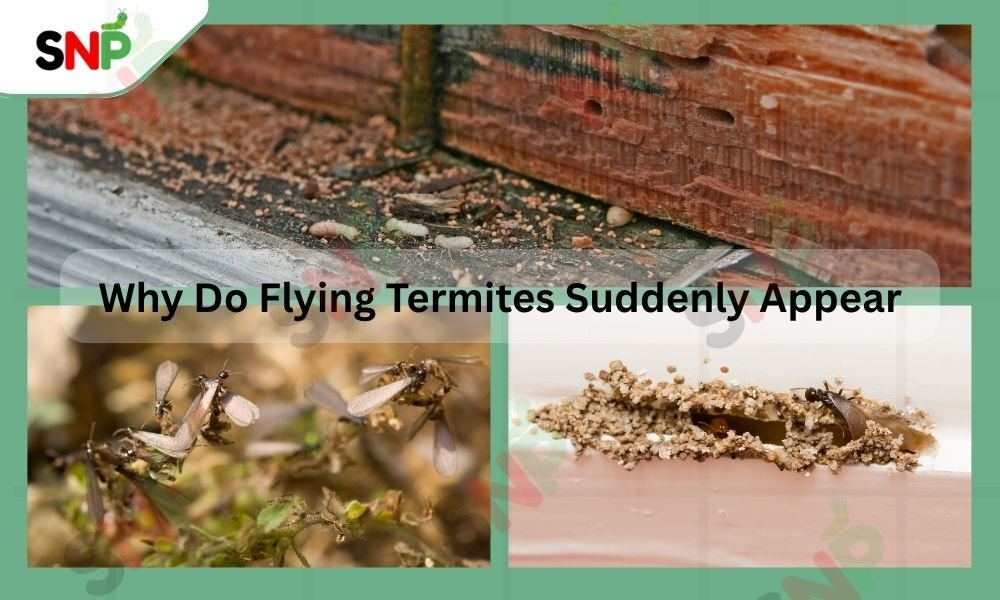
    why do flying termite suddenly appears

    Do Termites Have Wings?

    Many people ask if termites can fly. Yes, but with a few restrictions is the answer. Termites do not have wings and cannot fly in general. Only the reproductive individuals (alates/swarmers) can fly. Those winged termites are the ones that are 100% ready for sexual reproduction, and their only function is to make more offspring. In this period of swarming, they exit their original home and, after finding a partner, they continue the flight for a short period of time, and then they get rid of their wings so that they can start a new nest. Also, whether termites can fly is a good question. They should, however, bear in mind that only these reproductive members have this capability, and their flight is generally of very short duration, only as long as they still have to look for a mate and a place they find suitable to stay.

    What Do Flying Termites Look Like?

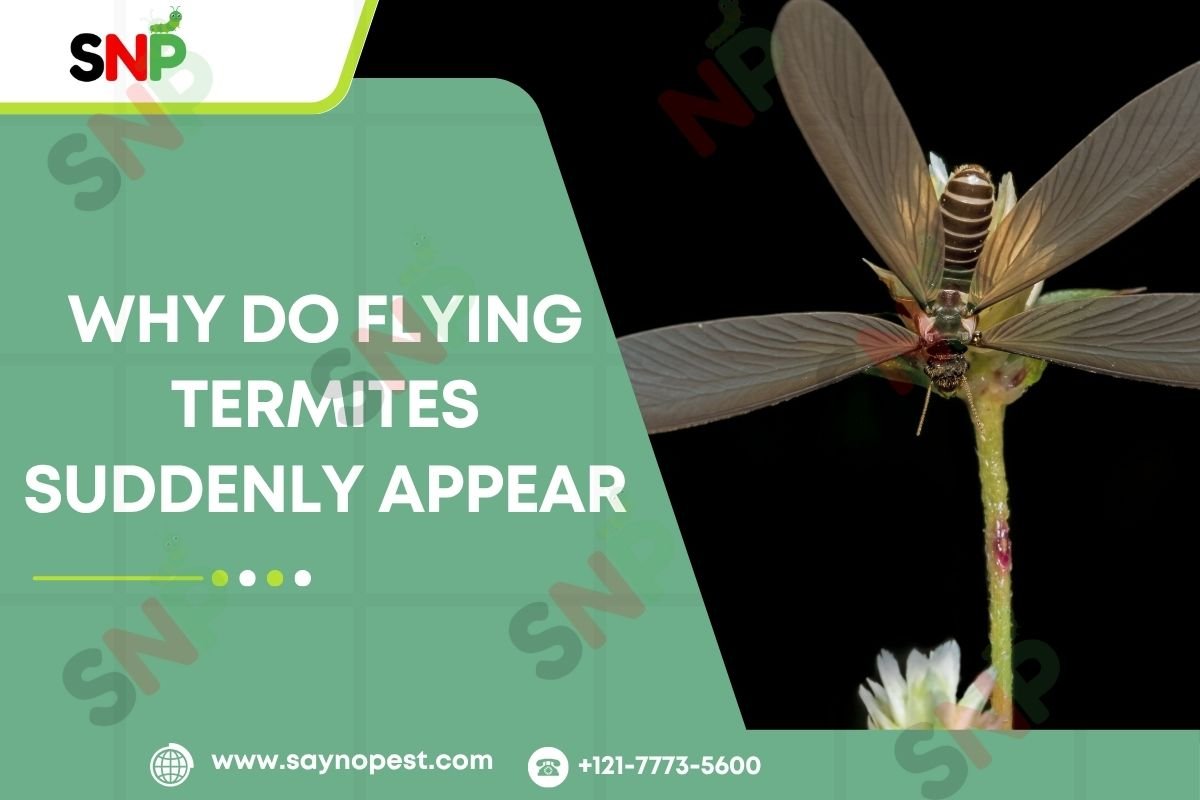
    What do flying termites look like is enough to give you the chills, but once you have an idea of what these creatures look like, you probably will not jump out of your skin. The average length of a termite is about One-fourth to Three-fourths of an inch; its body is soft and has a yellow or brown color. They also have four long, thin transparent wings, which are of the same length and longer than their bodies. A pair of wings can have a smoky gray or a clear color.

    Thus, it is easy to distinguish flying termites from ants because the latter have curved antennae and a thin, clearly indented waist, whereas flying termites have straight antennae and a thick, non-indented waist. You will likely find piles of discarded wings near your windows after the swarming event, and it will be just like a sign that they have come in.
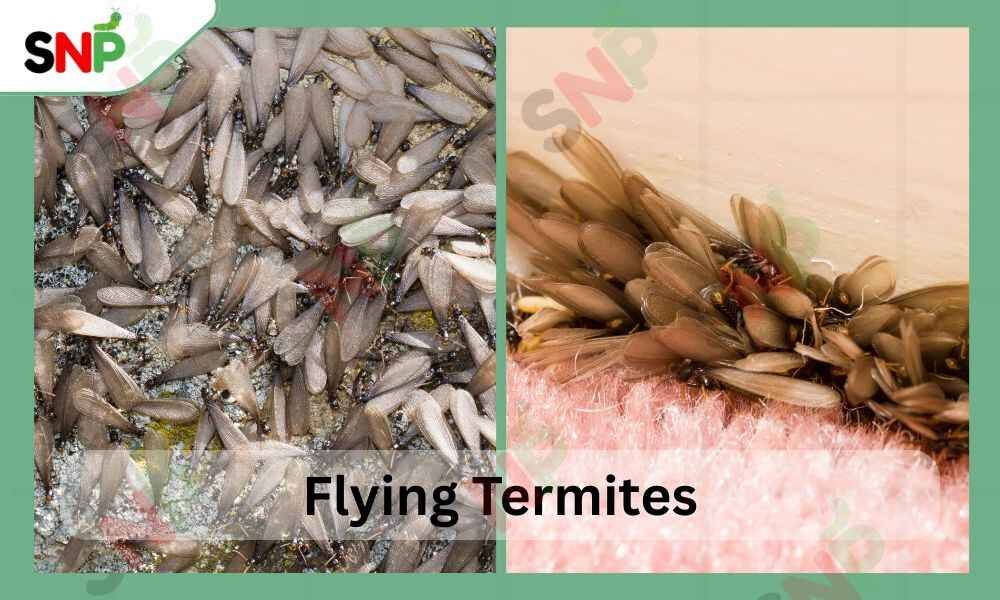
    Do-Termites-Have-Wings

    How to Keep Flying Termites Away

    In case you are thinking of various practical activities related to why do flying termites suddenly appear, but at the same time, effective activities which would be enough to protect not only your house but also your family, they are diverse, and among them is to learn how to keep flying termites away. As we have mentioned above, the two main things that attract flying termites are moisture and light, and this is why it is very important for you to ensure that your house is dry and well-ventilated. Repair any leaks in the pipes, drains, or air conditioners, and if the air is too moist in a certain area, put a dehumidifier there.

    Get rid of all firewood, timber, and paper in the basement or very close to the foundation of your house, as these are perfect foods for termites. Employ weather stripping or caulking to cover the gaps around your windows, doors, and utility lines. In addition to this, you can take it a step further by using fine mesh screens on windows and doors. If you think your case is a more severe one, you can always call the pest control professional or set up traps as one of the current ways of getting rid of pests. These tips will unquestionably lead you to termite termite-free land and solve the problem of how to get rid of flying termite.

    Conclusion

    In short, the reason we have why do flying termites suddenly appear has to do with the incredible life cycle of these intractable insects. They swarm abruptly and occur naturally in the season as a natural activity of the weather and maturity of colonies, marking the beginning of new colonies. The reproductive caste is the only caste that flies, and hence, the occurrence of these swarmers should not be overlooked. Remember that the ability can fly is only applicable to such alates, and they take short flights when they are trying their best to secure the survival of their species.

    In order to protect your home, the main question that should be answered is how to prevent flying termites, impose moisture control, fill holes, and eliminate food. To read additional professional advice and find professional solutions related to why do flying termites suddenly appear, go to saynopest and find your ally in the fight against pests on the territory of the United States.
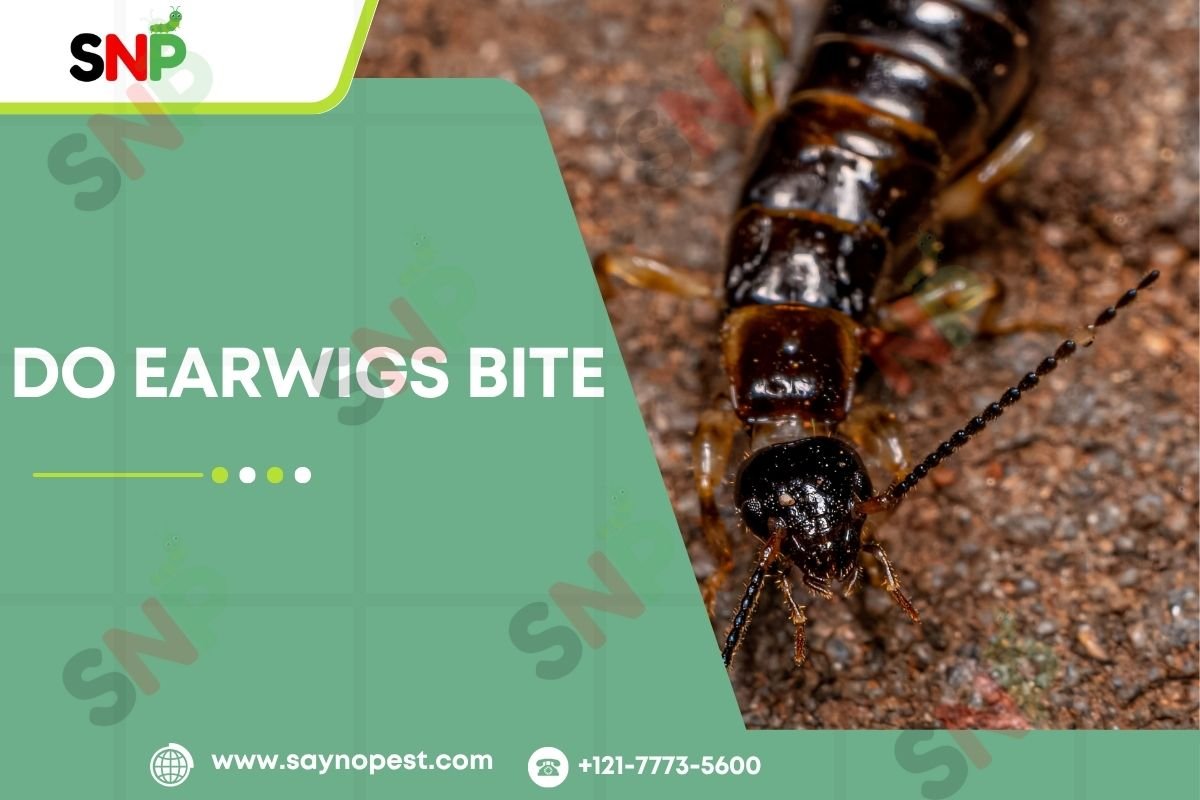
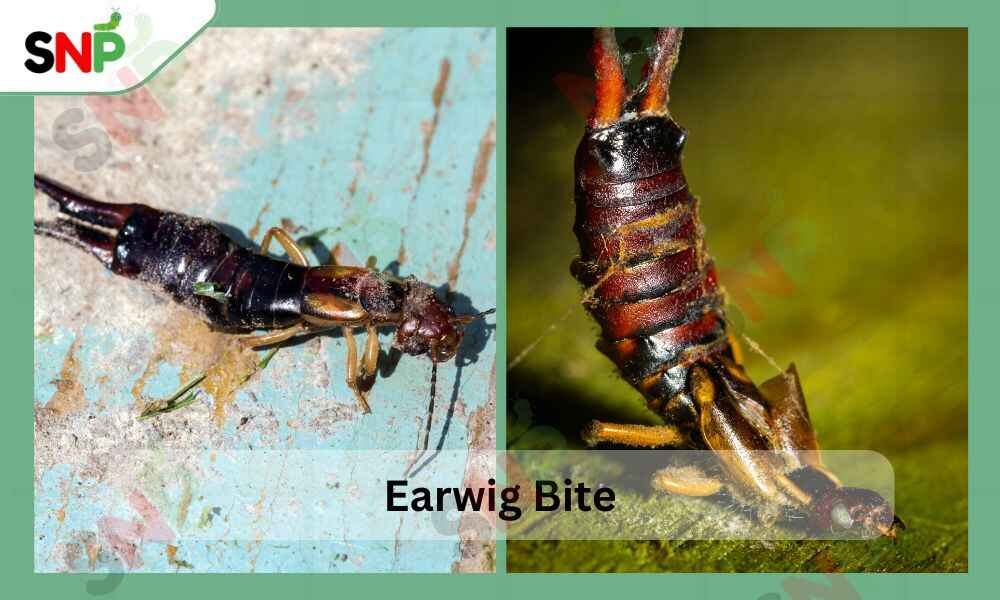
  • Do Earwigs Bite? The Complete Guide to Earwig Bites and Safety

    Do Earwigs Bite? The Complete Guide to Earwig Bites and Safety

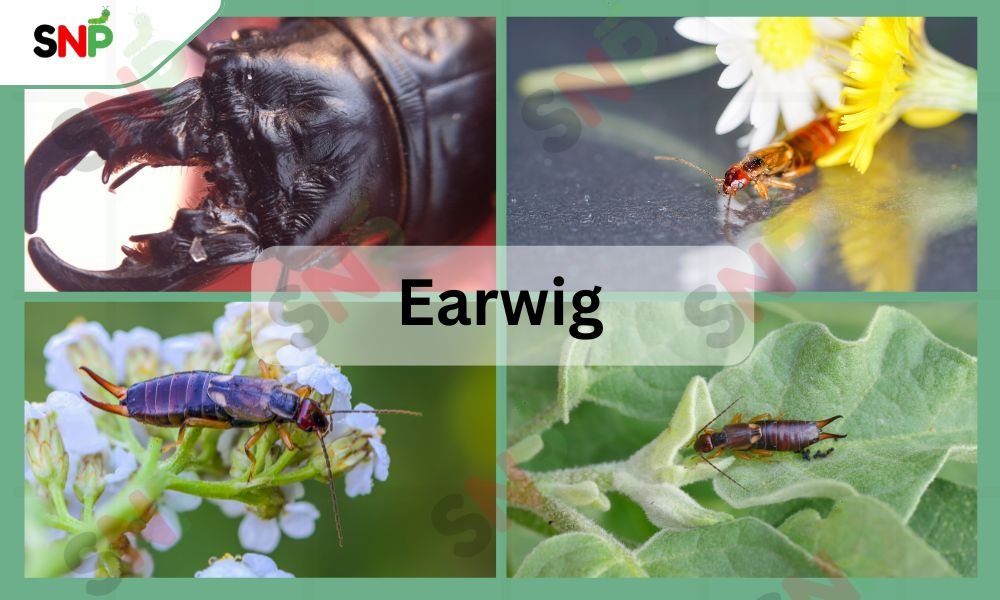
    If you have at any time seen an earwig running over the floor with its scary pincers raised you probably have asked yourself a question: “do earwigs bite?”. This is one the top questions that are most often ask by homeowners to us, about these unknown and mysterious creatures. We should examine the whole truth about earwig bites and thus uncover the lies from the facts.

    Do Earwigs Actually Bite Humans?

    In brief, Do earwigs bite people, but such instances are quite rare. Most of the specialists come to a common conclusion that an earwig is not a dangerous species for humans and that it is very hardly ever that one can get bitten, these cases are mainly when the insect is not given space to get away or when it is being attacked.

    earwig-bite

    Pinching vs. Biting

    Therefore, one should not misled into thinking that earwigs “bite” in the normal meaning of the word. On the other hand, they similarly operate their pincer-like limbs as if they were biting when they feel threatened. The main function of their pincers is as the defensive aspect of the primary body.

    In such a case, it can assumed that most probably the earwig would try to grasp your skin as if it would like to keep it instead of giving a fast bite because the pinch is the best part of the skin that can receive a quick bite, thus it would be more expedient for the animal to hold the pinch than to bite it. The pain caused by the pinch would be like a scratch, and in most instances, it would not even get to the extent of breaking the skin.

    Earwig Bite Symptoms and Appearance

    If you want to understand Do Earwigs Bite this guide will help you to understand. In case the earwig has managed to pinch you, this is what you will most probably notice.

    Common Symptoms

    • Two separate red marks on the skin, placed a little distance apart because of the two bite
    • The sensation of slight pain or discomfort as if you were given a small pinch
    • Redness and swelling at the bite area
    • Less bleeding

    When to Be Concerned

    In most cases, earwigs heal quickly without medical intervention. But it is important to consult a doctor and seek medical help if they bite you.

    • A strong allergic reaction, such as very hard breathing or hives
    • Symptoms of infection, like redness, swelling, etc
    • Regular pain or swelling that becomes serious after time has passed

    Fascinating Facts About Earwig Behavior

    earwigs

    Maternal Care

    One of the most amazing and lesser-known facts about earwigs is their exceptional maternal care. Female European earwigs are certainly the only insects that have got a plan and definitely understand that the main purpose of their life is to look after their eggs and young nymphs. To “lick” through the eggs thus keeping them moist and free from mold, mothers will do so and they will also energetically defend their brood to no one but themselves against those who want to catch it, even males who might be the ones to eat the eggs, apart from the predators.

    Defensive Secretions

    If an earwig is in danger, it will be highly likely that it would be among those species of earwigs that can emit highly unpleasant-smelling secretions from the glands that are located in the abdomen at the distance of 3.9 inches. The secretions thus obtained have benzoquinone substances that serve as a double purpose to them: they not only make predators give up the chase but also protect them from microbial infections thus effectively cleaning up the place. It is also quite funny that these secretions can momentarily stain human skin blue because of their quinone content.

    Social Behavior

    In other words, it is time to dispel the myth that European earwigs are solitary creatures; in fact, they are very social animals and prefer living in numbers, i.e. large groups consisting of hundreds of individuals. The most recent studies indicate that earwigs that have grown up in groups are likely to anxious about being alone as adults, and the opposite is true for those that have taken from groups: they become stress and more prone to getting fungal infections.

    Are Earwigs Beneficial or Harmful?

    The Good Side
    Earwigs are of great use in natural pest control. They are great hunters of aphids, insect eggs, and other soft-bodied pests. A study at Washington State University has found that earwig is a natural enemy in apple orchards, that is, if an orchard is infest with pests it is going to be necessary to use less insecticides and that populations of aphids are going to be heavily depress by earwigs.

    Potential Damage
    They may be good as predators, but earwigs can also be the source of the following problems:

    • Soft, baby seedlings and young plants
    • Soft fruits like strawberries, raspberries
    • Corn silks, thus, pollination may be affected
    • Flowers like dahlias

    Conclusion

    Although the term sounds foreign to many, what puzzles most people about earwigs is do earwigs bite?. It may not, at first glance, appear to be a difficult answer, but in actuality, the notion of a pincer pinch is not what one would imagine when considering being bitten. These amazing insects are mostly non-harmful to humans and are usually helpful with natural pest control.

    The main conclusion is that earwigs are rather harmless to people. They are predominantly feared and overlooked by the significant amenity they do to the environment, and their reputation is unduly harmed by the lingering nature of the myths that they crawl into ears and eat brains. The knowledge of facts about earwigs would assist us in better understanding the fantastic insects and take responsible measures at times when required.

    In case you find the earwigs at your home, do not treat them with fear but rather with moisture controls and exclusion. Keep in mind that one pinch by the earwig is nothing as compared to the pest issues that these insects keep at bay in your garden.

  • Do Earwig Fly? The Surprising Truth About Them

    Do Earwig Fly? The Surprising Truth About Them

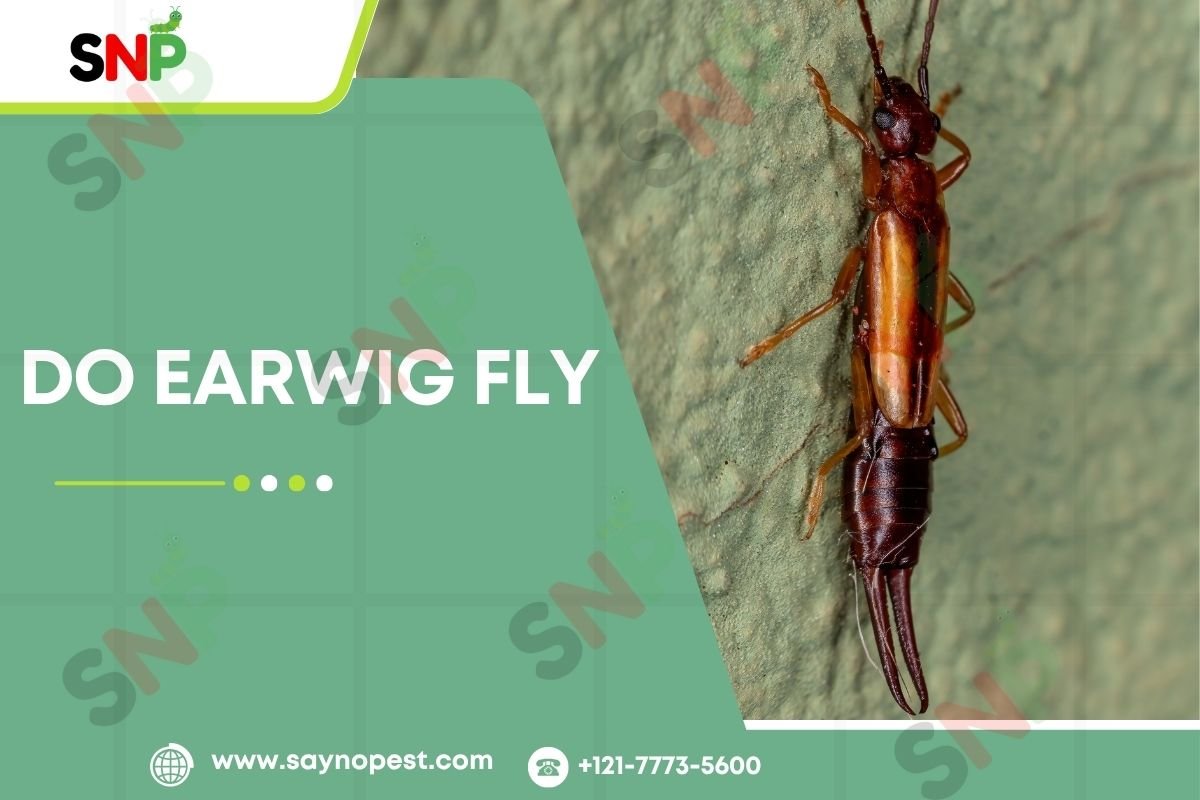
    Have you ever tried to figure out do earwig fly? You haven’t. Bizarrely shaped pincers and ears of insects still serve their purpose to confound homeowners across the US past forty years. It is a fact that earwigs often caught crawling through the gardens and occasionally invading the homes, but their flying abilities are still one of nature’s best-kept secrets.

    The Amazing Truth About Earwig Flight

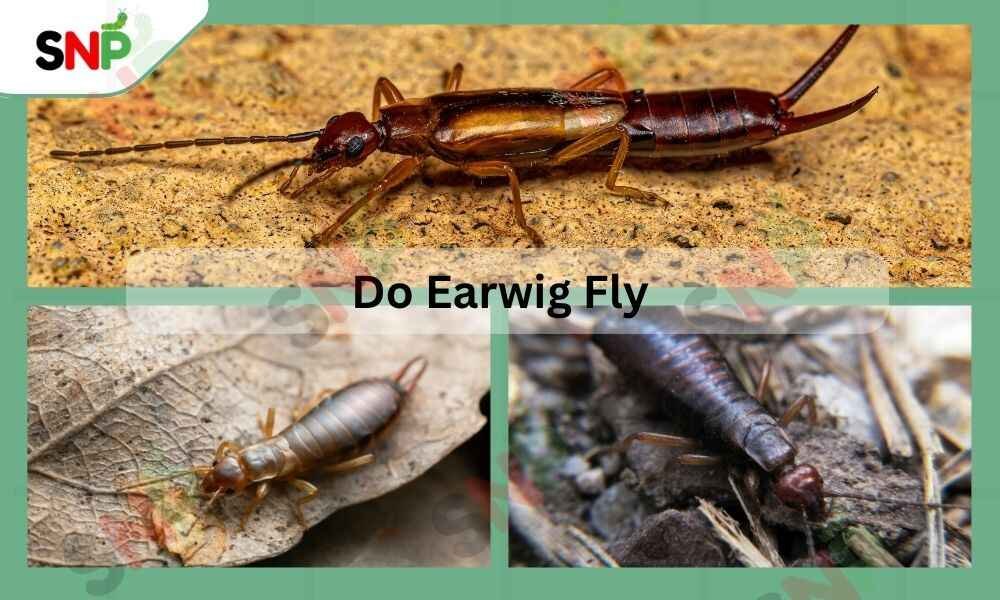
    Beholders may surprised to hear that early insects have the ability to flit in the skies; however, the truth is a lot more complex than they initially assume. The majority of the earwig varieties have wings, but the instances of them flying are very few. The very name of their biological order, Dermaptera, comes from a Greek word that describes the structure of their wings only.

    One example is the fact that they tend to have two wing pairs: the front one (or tegmina) being short, thick, and leathery, while the rear is of a large, membranous, and fan-like shape. Nevertheless, earwig fliers are very clumsy and they usually perform only a few quick flights. Their wings are much less efficient in terms of power compare to those of other flying insects like the housefly.

    do-earwig-fly

    The Incredible Wing-Folding Engineering

    Earwig wings are a splendid example of the natural world’s genius for engineering and design as they have a super-efficient replot system allowing them to retract their wings to a fraction of their original size. Fully outstretched, earwig wings may be over ten times their folded dimension – one of the most excessive fold ratios in the animal kingdom. This intricate origami-type of folding style enables earwigs to have a totally free movement on land while still having their wings protect beneath the hard covers.

    The wings fold through about 20 different fold lines alone, forming a structure so compact that it seems to go against traditional origami rules. The wing joints are also made of a special elastic biopolymer, which is called the protein resilin, that gives wings the ability to go from their fold to open states by the snap without the need for muscle power.

    When and Why Do Earwig Fly?

    Earwig bugs fly when:

    • After disturbances: If their nests get waterlogg or destroyed, earwigs can fly to look for a new place to stay
    • Mating purposes: Certain species go flying to find partners during the mating season
    • Food seeking: Sometimes, they make short flights to the places where they get food
    • Light attraction: Earwigs have been observe flying to the light sources; hence, the moon acts as their guide

    One among those is the Labia minor species that even uses its pincers to comb its wings out before every flight, according to the study. The majority of earwig flights made at velocities ranging from 0.2 to 0.5 meters per second; thus, “slow-flying” insects is a suitable classification for them.

    Common Earwig Species and Their Flying Abilities

    common-earwig

    European Earwig (Forficula auricularia)

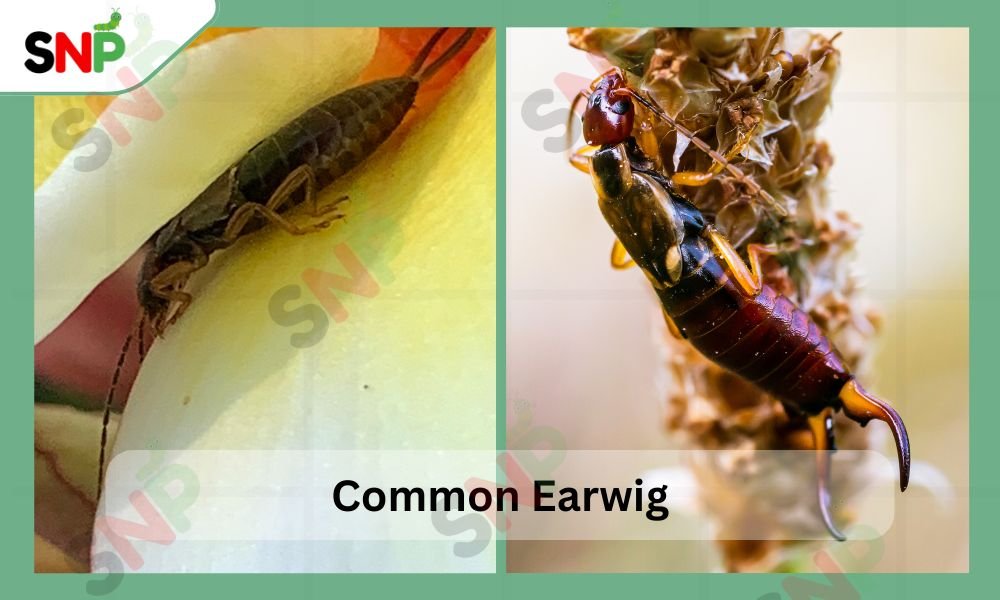
    The European Earwig, the most common species in the gardens of North America, is a very rarely flying creature despite having wings that are well-develop. Normally, it’s not their flying that leads them from one place to another, but they are carry on clothes, lumber, or other commercial products.

    Shore Earwig (Labidura riparia)

    Shore earwigs, also called striped earwigs, are flight-capable and have even seen flying after they became disturbed. This species can grow to be 30 millimeters long and is consider good for controlling pests because it feeds on other animals. So if you wonder do earwig fly these two types can.

    Debunking Common Earwig Myths

    The Ear-Crawling Myth

    Most people are misinform that earwigs, which are the last thing on their minds, will willingly drive themselves into human ears to deposit their eggs or to dig up their brains. The entry of earwigs into human ears has reported in literature only in very few cases, and they have been classified as localities where the bug entities start to display their names, but this is no different from other small insect species.

    Are Earwig Pinches Dangerous?

    Usually, an earwig uses its pincers to accomplish the task of defense, capturing prey, or realizing the mating process, rather than to attack humans. Thus, if we consider an earwig as the entity, then its defensive pinching behavior can seen as giving a retreat signal to the aggressor because the pinch is so insignificant and there is no case of the skin being broken. The pinch is not poisonous, and any pain that might arise will be very mild.

    Seasonal Earwig Activity Patterns

    Earwig populations can wax and wane based on specific weather conditions. A hot and humid summer can make the earwigs breed more than usual and thus, increase the population. The highest temperature and humidity in June particularly suit earwigs to survive and reproduce.

    Recognizing the rhythms of earwig populations permits the residents of the house to predict the situation; thus, they can take pre-emptive psychosocial steps.

    The Bottom Line on Flying Earwigs

    To be honest, Do Earwig Fly. But, they are generally more inclined to crawl and hardly ever get to the air if it’s not necessary. Please note that the wing-folding is their most complex engineering solution of nature, which makes them still have the possibility of flying as well as being ground mobile.

    In case you have earwig troubles and you are situated in the US, bear in mind that those insects do no harm to people; in fact, they are even good. Concentrate on moisture control, habitat modification, and natural prevention methods since they will be most effective in the long run. In case that’s not enough, you can always ask the pros to come and deal with the problem. They can also offer you specific help, normally for your situation.

  • Orkin Pest Control: America’s Trusted Pest Management Leader

    Orkin Pest Control: America’s Trusted Pest Management Leader

    For more than one hundred years, Orkin Pest Control has been leading the pest industry, offering efficient services to homeowners and businesses all over the United States. This blog traces Orkin’s extensive history, its wide range of services, its reputation in the market, and what makes it different from its competitors. If you are trying to get rid of the pests that are very common in the home or come across a serious infestation, learning Orkin’s approach to pest management can be very helpful for you to make your decision.

    Orkin Pest Control

    The company was establish by Otto Orkin in 1901. The company started with very simple things when young Otto went door to door in Walnutport, Pennsylvania, to sell rat poison. His early entrepreneurial spirit and innovative approach to pest control laid the foundation for what would become one of America’s most recognized pest management companies.

    rat-control-service

    Orkin Pest Control is a part of Rollins Inc., having been acquire by the latter in. Orkin has over many years of experience and has grown to many offices all over the world, having about 1.7 million customers, both residential and commercial, in the U.S., Canada, Mexico, Europe, Central America, South America, the Middle East, Asia, the Mediterranean, Africa, and Australia.

    The fact that the company has changed itself into an international pest control giant in terms of the number of achievements and successes it has obtained since it was a one-man company is a solid evidence that it is keen on the issue of being excellent and the ability to make the necessary adjustments to meet the dynamic needs in pest management. The fact that Orkin has been a trusted name in the business is a testimony to its uninterrupted efforts in providing effective pest control services and the satisfaction of customers.

    The Three Main Service Categories

    Orkin Pest Control provides various services, but their three main orkin pest services are general pest control, Orkin pest and termite control, and home services. Under these main services, they cover all their sub-services to protect the homes and properties. Let’s discuss them.

    General Pest Control Services

    Orkin pest control is their main residential service offering. In this, they provide the plan of the pest control service by observing the level of pest invasion. This service covers the treatment of many common household pests, such as ants, bed bugs, beetles, carpenter ants, centipedes, millipedes, cockroaches, flies, crickets, earwigs, fleas, mites, moths, rodents, silverfish, spiders, stinging pests, stink bugs, and ticks.

    The targeted approach is based on award-winning training combined with new technology, where Orkin man not only find conditions that may attract pests but also solve problems of current infestations in the most suitable way for each pest type. This service core is Orkin’s exclusive six-step Points of Service methodology. This process will ensure the full treatment from the first inspection to follow-up monitoring.

    Specialized Treatment Services

    Orkin’s special treatment services pertain to pests and cover targeted expertise and methods. This category has three major specialized services.

    Termite Control and Treatment

    Orkin is following the residential service technical solutions aid. They use a mix of liquid termite treatments, dry foam, and OrkinFoam, as well as the Sentricon bait and the monitoring system. Liquid termite treatment is spray at the place where infestation has start, while dead space is reach with dry foam and OrkinFoam; the sending system is the acceptor and the observer. With more than 70 years of experience in termite control, Orkin is the leader in the industry, offering local and preventive services combined with yearly inspections and the monitoring of the situation.

    Mosquito Control Services

    Orkin’s seasonal mosquito control service is design to eliminate the mosquito life cycle around residential properties. The treatment is done with the help of chemicals, microbial insecticides, and natural products that are sprayed in the places where mosquitoes are mostly found. This service not only includes a comprehensive property inspection and identification of breeding sites but also performs targeted treatments to reduce mosquito populations.

    Bed Bug Services

    Orkin utilizes the latest scientific research and techniques to offer specialized bed bug treatment programs that are inclusive of continued monitoring and maintenance visits to the key areas. The bed bug services include customize treatment plans, which carry out according to the condition of the infestation, and they also give follow-up inspections to sure that the pests are completely eradicated.

    Home Services

    Orkin also has the home service option, and under that, they cover various other important services that are needed to maintain the house or property across the United States. Services which are included in the home service are:
    • Attic Insulation
    • Wildlife Management
    • Moisture Control
    • Orkin Shield: Wildlife & Rodent Prevention
    • Seasonal Pest Protection
    • Leaf Stopper, Gutter Cover, and protection
    • New Homeowner Pest Prevention

    Unique Selling Propositions (USPs)

    Orkin is one of the best Pest Control companies in the United States because they offer trustworthy promises, & expert Orkin man which are considered their unique selling properties, and these are:

    Science-Based Approach

    Orkin is a company that takes a scientific route in the pest control industry, and they go as far as calling their methods “Pest Control Down to a Science”. They have research partnerships with universities as well as organizations like the CDC for the study of pest biology and pest-related disease.

    Extensive Training Program

    Orkin has a very extensive training program, which is the biggest differentiator of the company. Technicians have to go through 160 hours of intensive hands-on instruction during the first year, which is carried out at the Orkin Learning Center in Atlanta, a 13,000-square-foot facility with model rooms of restaurants, hospitals, hotels, and commercial kitchens that allow realistic training scenarios. This educational effort guarantees that technicians will have access to the skills and knowledge necessary for dealing with various pest situations efficiently.

    The Orkin Guarantee

    Orkin’s satisfaction guarantee includes the availability of free touch-up visits between scheduled appointments as well as a 30-day money-back guarantee. This customer-friendly policy is not only a reassurance for the customers but also a way of showing the company that they are confident in their service quality.

    Points of Service System

    Orkin’s exclusive six-step method, called Points of Service, offers a systematic and complete pest control service process. This procedure consists of:

    • Investigate: Thorough inspection of the property
    • Protect: Treatment of the perimeter and removal of accessible pest habitats.
    • Fortify: Sealing entry points to prevent pests.
    • Keep Watch: Interior treatment and strategic placement of pest monitors
    • Report: Detailed documentation of services and recommendations
    • Follow Up: Ongoing communication and response to immediate needs
    pest-control-service

    The Orkin Man Brand Identity

    The well-known “Orkin Man” has been the mascot of the brand for many years, starting with “Otto the Orkin Man” (a can of insecticide that had human characteristics) and now presenting the pest control professionals of the company. The firm has lately switched to “Orkin Pro” in order to be more inclusive and to represent the whole of the human resources better. The strong brand identity has allowed Orkin to remain highly recognizable among competitors in the market.

    Conclusion

    Orkin has been an expert in the business of pest control, with more than 120 years of experience, the practice of sound science methods, high standards of fully trained technicians, and a wide range of services offered. The fact that the company commands about 20 percent of the American market and the preparedness to correct the balance puts the company in the same strong market position, which is supported by consumer trust towards the Orkin brand and its pest management services.

    The main advantage of Orkin is availability to homeowners and businesses in cities across the country and special pest management services depending on the type of pests, as well as the customer satisfaction rule that tells people of high standards of service. Whether it is household pests or more complicated infestations, Orkin offers effective solutions to these issues; that is because the company uses an evidence-based approach and has technicians who are experts in the field.

    The pest control industry will keep on changing, and Orkin’s reputation as a reliable service provider and innovation in service is likely to keep the pest control company at the forefront as a service provider in pest management in America.

  • Japanese Beetle: A Complete Guide for American Homeowners

    Japanese Beetle: A Complete Guide for American Homeowners

    If you are a gardener or a homeowner in the United States, most likely you have seen the Japanese beetle. Such shiny metallic beetles can do a great deal of harm to your plants and lawns, and are the top pests that you need to be concerned about. In this blog, we will delve into the Japanese beetle life cycle, and at the same time, we will give you a step-by-step plan on how do you get rid of Japanese beetles. Follow through for real, hands-on information that will enable you to shield your home garden from these beetles.

    What is a Japanese Beetle?

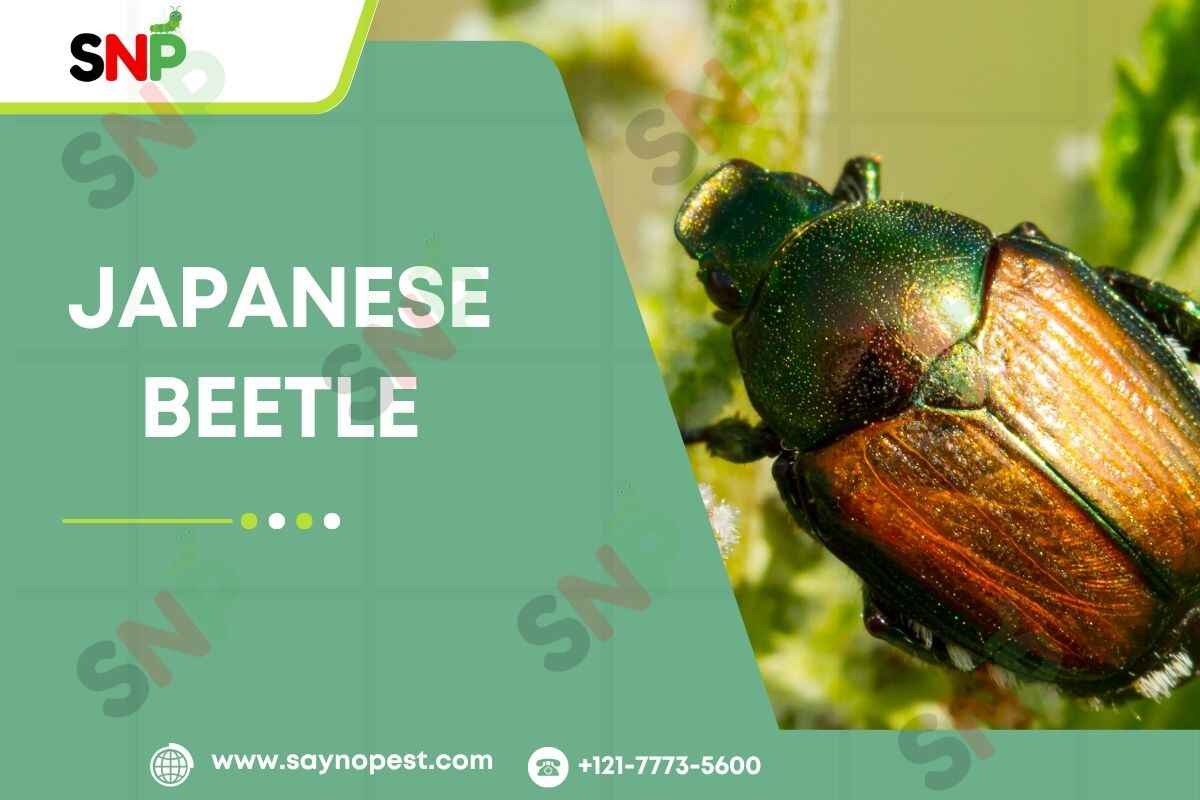
    Japanese beetle is a small and oval insect presenting a shiny body in green color and brown wings. The Japanese beetle native to Japan, is now also a nuisance in the greater part of the United States, and it is a fact that it eats on a large number of plants, including roses, grapes, and turfgrass. The adult beetle is about half an inch long and is easily spotted by the white tufts along its sides.

    Japanese-Beetle

    Japanese Beetle Life Cycle

    One of the most important aspects of how to control the Japanese beetle is to know the Japanese beetle life cycle. It starts with the adult beetles that come out of the soil in late spring to early summer. The females deposit the eggs in the soil, from which, after two weeks, the larvae (grubs) will emerge. Such grubs eat the roots of grass and any other organic material, and thus they become a big menace to the lawns.

    The Japanese beetle life cycle passes through the following stages:

    • Egg: Deposited on the soil, and hatching in midsummer.
    • Larva (Grub): White C-shaped grubs are root feeders, and would be up to an inch long by late summer.
    • Pupa: Larvae transform to pupae in the soil late in spring hence these are converted to adults.
    • Adult: Comes out in early summer, eating and mating for 30–45 days.

    A large portion of the beetle life cycle is in the ground, but the adults have a short above-ground phase. The cycle could take two years in the northern parts of the U.S, but otherwise it usually finishes within one year.

    How Do You Get Rid of Japanese Beetles?

    Have you got in mind a question like how do you get rid of Japanese beetles? An effective management of the situation calls for a blend of methods, which are targeted at both adults and grubs. Here are some tested ways:

    Handpicking

    As long as it is still early in the morning at the time of the beetles being sluggish you can take them off the plants carefully and put them in a bucket of soapy water. This popular technique could be very useful in eradicating the adult population of the beetle.

    Natural and Biological Controls

    • Neem Oil: The spraying of neem oil on the affected area interrupts the life cycle of the Japanese beetle and also drives away the adults.
    • Milky Spore & Beneficial Nematodes: These treatments, which are of biological nature, aim at the grubs in the soil to break the life cycle of the Japanese beetle and thus drastically decrease the number of new infestations.
    • Companion Planting: Garlic, chives, and catnip planting has the power to chase away beetles as they are natural repellents.
    How-Do-You-Get-Rid-of-Japanese-Beetles

    Traps

    Though commercial traps bring beetles far away from the most precious part of the garden, it is advisable to find the right place to set them so that the beetle will not be drawn into the garden from the surrounding areas but from the farthest place.

    Chemical Controls

    • Pyrethrin-based Sprays: These are good for adults, but be careful and do not harm pollinators.
    • Systemic Insecticides: Pest control agents containing imidacloprid or chlorantraniliprole may eliminate grubs; still, you must use these agents cautiously and follow the label directions.

    Lawn and Garden Maintenance

    It is important that you continue to look after your plants so that you can catch any problems early. During the period when the insect is laying eggs, the watering should reduced, thus the lawn will be less attractive to the females that want to lay eggs.

    In case you want to find trusted goods or expert assistance, go to saynopest and receive professional advice on how to get rid of Japanese beetles.

    Conclusion

    The Japanese beetle is a tenacious menace, however, and knowledge regarding the life cycle of the Japanese beetle and the solution to the question, “do Japanese beetles bite?” will put you in a position to act. And using a mix of handpicking, biological controls, and good insecticide practices, you will be able to keep your landscape healthy and have a good-looking yard, too. Looking to know more and get reliable solutions to pest control problem, don’t forget to visit saynopest-your ally against Japanese beetles.

  • Colorado Potato Beetle: America’s Most Notorious Potato Pest

    Colorado Potato Beetle: America’s Most Notorious Potato Pest

    When growing potatoes in the United States, you are almost guarante to fight with the Colorado potato beetle. This striped insect has become the main character in a story about its insatiable appetite and its ability to destroy potato crops all over the country. In the following blog post, we will try to reveal the nature of the Colorado potato beetle, find the answer to the question “what do potato bugs eat,” explore the length of the Colorado potato beetle destruction, and introduce the ways on how to get rid of potato bugs using the proven strategies. You’re probably a home gardener or a commercial grower, so the best way to secure your garden is to learn the concept of this pest.

    Meet the Colorado Potato Beetle

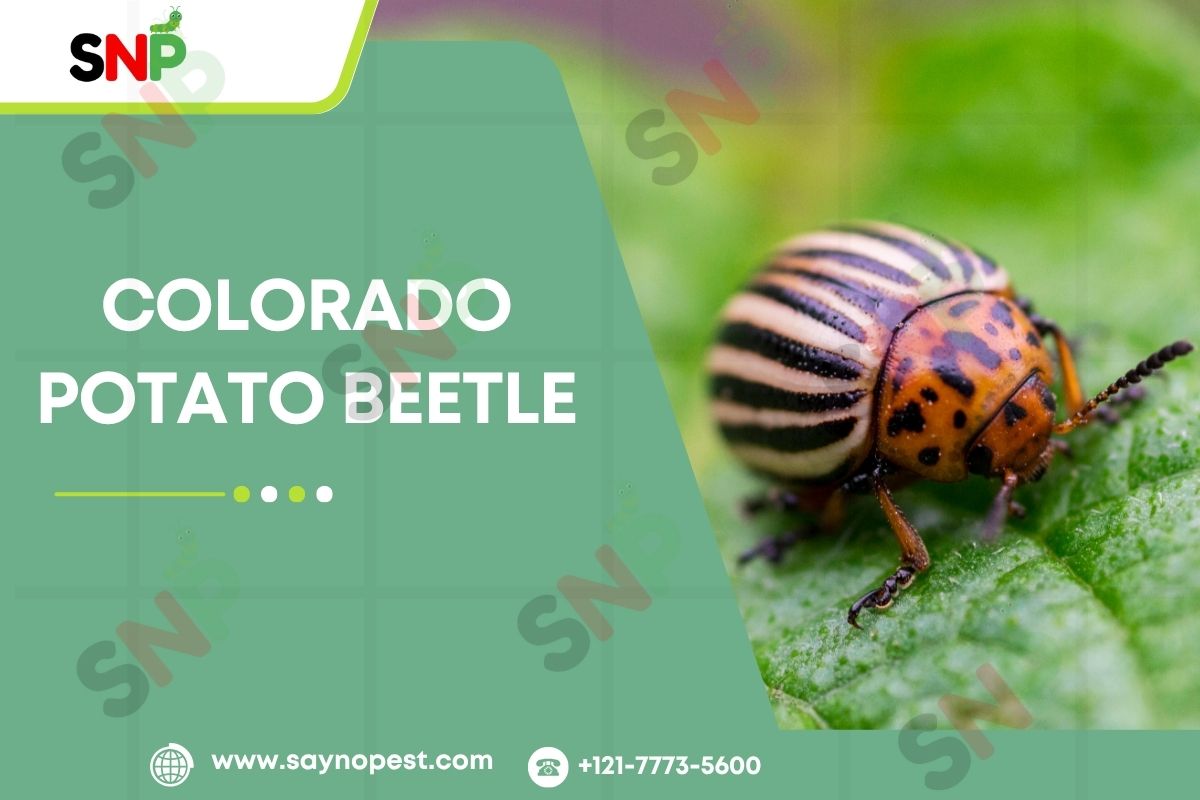
    The Colorado potato beetle (Leptinotarsa decemlineata) is a very small bug of about 3/8 inch that has a very bright yellow body with ten black stripes on its wing covers that make up the beetle. The Rockies are their place of origin, and this pest has been spreading rapidly since the mid-19th century and is now found in all the potato fields here in North America. It is well known that adult beetles and their larvae are very hungry creatures; thus, they can never be stopped from feeding on potato crops over and over after each growing season.

    Colorado-Potato-Beetle

    What Do Potato Bugs Eat?

    Having in mind before, what do potato bugs eat? The problem is: more than just potatoes. Their most preferred food is the soft leaves of the potato plant, but still, the number of the Colorado potato beetle population will not be satisfied until they also eat all the other plants from the nightshade family, such as the eggplant, the tomato, and the pepper. They will not leave anything out of their diet, so they will eat:

    • Potato leaves and tubers
    • Eggplant foliage
    • Tomato plants
    • Pepper plants

    Small bugs are eaten by them sometimes, and in the most extreme cases, even their young are eaten.

    Colorado Potato Beetle Damage

    The effect of the damage caused by the Colorado potato beetle can be quite severe. The adults and larvae feed with their chewing mouth parts; they, therefore, do not only destroy plant leaves but dirty the foliage with their excrements. This is why some action as to prevent such kind of damage is require.

    If a heavy infestation is not control, it can result in complete defoliation of plants, thus:

    • Reducing photosynthesis and causing only weakened plant growth
    • Lowering yields or even having no crops at all
    • Enabling diseases to be easily contract and increasing environmental stress to increase

    Potato plants can tolerate defoliation to some extent—up to 30% before flowering—however, only about 10% once tubers start developing. Exceeding these values of defoliation, the damage caused by the Colorado potato beetle can have the effect of greatly reducing both the quality and quantity of the expected harvest.

    How to Get Rid of Potato Bugs

    How-to-Get-Rid-of-Potato-Bugs

    Since many chemical pesticides are not successful in controlling the pests, a strategy for how to get rid of potato bugs that involves multiple points is necessary. Here are the most efficient strategies:

    1. Crop Rotation: Crop placement of potato plantations annually to make the life cycle of the beetle more difficult and diminish the population of those beetles that survived the winter.
    2. Plant Resistant Varieties: Plant varieties of potato that have develop as resistant to the Colorado potato beetle, like the Yukon Gold or the Russet Burbank.
    3. Handpicking: In the case of a small garden, an effective method is to do a check-up of the plants regularly and, through manual work, extract the adult beetles, larvae, and egg clusters, then place them into the soapy water.
    4. Biological Controls: The application of Bacillus thuringiensis (Bt) or the introduction of beneficial insects that prey on the larvae before their adult stage.
    5. Use of Bio-Pesticides: Agents with spinosad or neem oil are not only good but also do not cause the death of beneficial insects. Change products to avoid resistance.
    6. Mulching and Barriers: Employing row covers or plastic mulch will act as a barrier, thus preventing the beetles from entering the plant.

    The conjunction of these ways is the most efficient means of dealing with Colorado potato beetle numbers and also protects from serious Colorado potato beetle injury.

    Conclusion

    The Colorado potato beetle has proven a tough enemy to any farmer who cultivates potatoes or other crops of this kind in the United States. It is important to understand what do potato bugs eat and be able to identify damaged plants due to the impact of Colorado potato beetles so that you will have the best as first reaction to safeguard your garden or farm. Through a combination of cultural, biological, and chemical controls, you will bound to learn how to eliminate potato bugs and protect your yield.

    To get more tips, advice from experts and vet recommendations on pest control, visit SayNoPest and enjoy a pesticide-free, healthy potato.

  • Emerald Ash Borer: A Growing Threat to America’s Ash Trees

    Emerald Ash Borer: A Growing Threat to America’s Ash Trees

    The emerald ash borer is an aggressive beetle that can cause heavy damage to the ash trees in the United States. Ever since the invasion, this pest has not only caused ecological but also economic loss in large amounts, and hence, quite crucial that individuals and the community are in a position to identify, control, and avoid the infestation. Here, in this blog, we will discuss the emerald ash borer look alikes, the life of the emerald ash borer, the extent of emerald ash borer damage, and some natural and efficient ways for control. If you have an emerald ash borer problem in your garden you have to understand what they are and how a pest control company can help you in the best way.

    What is the Emerald Ash Borer?

    Emerald-Ash-Borer

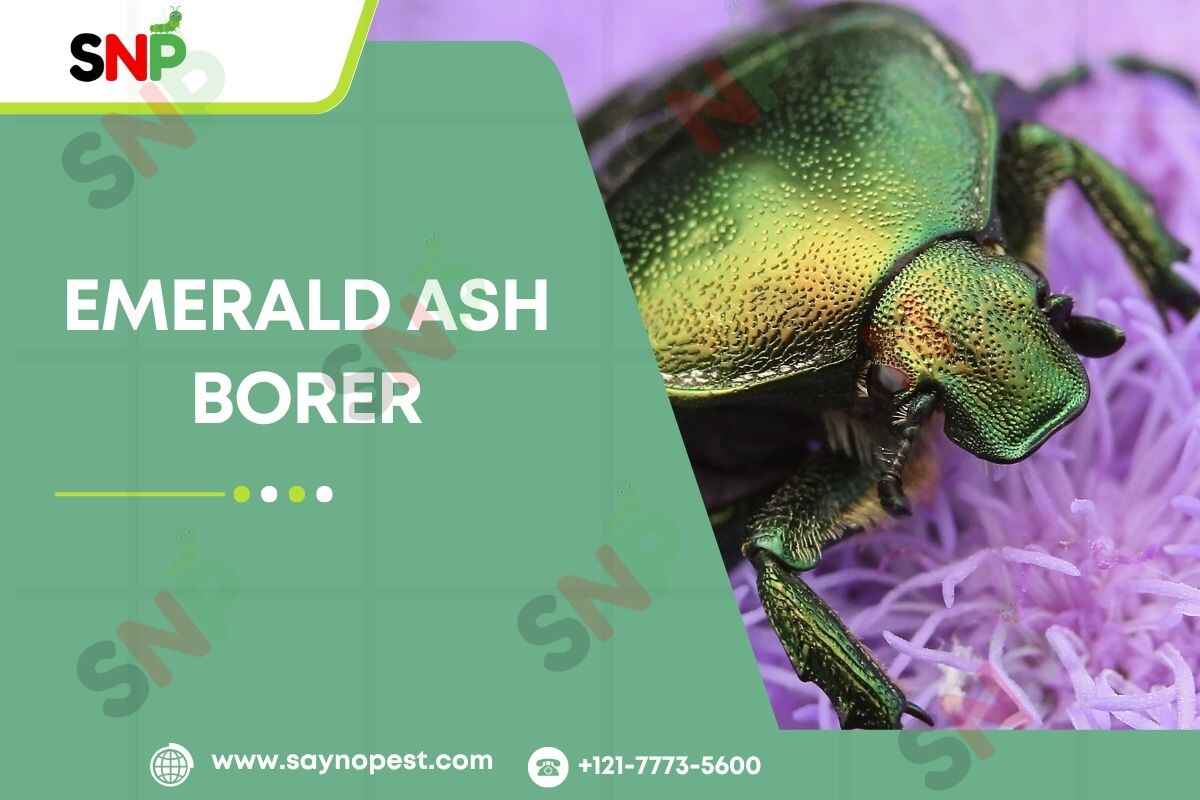
    The emerald ash borer is a green colour beetle. It has the primary mission of killing ash trees. This insect lays eggs in the ash trees. When the larvae hatch, they go into the bark, and thus, the tree’s ability to carry water and food will affect. This invasive insect was first spotted in North America in 2002, and later it has reached 37 states, after which it has killed ash trees only. The detection of the beetle at an early stage is not an easy job, as the initial damage caused by the beetle to the tree is not visible until the tree becomes weak and starts dying.

    Emerald Ash Borer Look Alikes

    Correct identification is very important because of the fact that the native beetles have a similarity with the emerald ash borer in their appearance. There are two typical cases of the emerald ash borer look alikes:

    • Six-spotted tiger beetle (Cicindela sexguttata): This insect is a shiny green color as well, but is a bit bigger and has spotty patterns of white on the sides of the wings.
    • Bronze birch borer (Agrilus anxius): In carcass and size, this insect is more bronze than green color and its main food is birch trees instead of ash.

    It is very important to be able to differentiate the emerald ash borer from the fakes in order to be able to report accurately and manage the situation effectively.

    Life Cycle of the Emerald Ash Borer

    Climate and tree health being other parameters, the lifecycle of them covers one to two years, and here is the sequence of events:

    1. Adult Emergence: Those who remain in the stage of adults come out of the infested trees during late spring. They also get D-shaped exit holes.
    2. Mating and Egg Laying: The first step is a whole week of feeding on ash leaves, then the adults decide to mate with one another. The females deposit 40-70 eggs into bark crevices.
    3. Larval Stage: Eggs hatch in weeks. As these larvae feed and bore their winding galleries through the inner bark and the cambium. It is the most destructive phase, as the life of the tree will block.
    4. Overwintering and Pupation: Larvae stand the winter season under the bark. With the arrival of spring, they become adults, thus allowing the cycle to continue.

    Knowing the life cycle of the emerald ash borer is the main thing for conducting the measures of control during the most efficient period.

    Emerald Ash Borer Damage

    The range of emerald ash borer damage is quite beyond belief. The larvae disrupt the flow of water and nutrients, which in turn causes:

    • Cown dieback: Dead branches, especially near the top of the tree.
    • Epicormic shoots: Overgrowth of sprouting on the trunk and big branches.
    • Bark splits and S-shaped galleries: Going under the bark, these are signs of infestation; they are uncover by the bark.

    Increased woodpecker activity: Birds feed on larvae by stripping off bark to get there, they may also be the ones that reveal the infestation.

    Beetle

    How to Get Rid of Emerald Ash Borer Naturally

    If you want to understand how to get rid of the emerald ash borer naturally, by following natural ways. Understand these pointers and practice them:

    • Sticky Traps: Wrap several sticky traps, which are brightly color, around the lower part of the tree, as this will efficiently catch the beetles going up.
    • Neem Oil: Wash the contaminated zones with a mixture of neem oil. The oil of neem is a natural insecticide that kills larvae by asphyxiation and also keeps adults away from the place.
    • Biological Control: Provide undesired insects such as parasitic wasps, which attack the emerald ash borer larvae and thus bring down the population of the pest.
    • Tree Wrapping: Sticky tape or special wraps can be wrapped around the trunks as a barrier, thus preventing bugs from laying eggs there.
    • Insecticidal Soap and Garlic Spray: These natural sprays are also very helpful as they can be directly introduced on the bark and foliage, and they act as a repellent, or their kill is instant on any beetle coming in contact with them.
    • Remove Severely Infested Trees: If the tree is going to die anyway, it is better to take it out now so that the infection is kept limited and does not spread to the nearby healthy trees.

    If these methods are applied in combination, it will be easier to tackle the infestation and at the same time, the damage caused by the pest will be at minimum and no harm will be done to the ecosystem it resides in.

    Conclusion

    The green beetle is still the most destructive invasive species in the United States of America. It is the reason that ash species all over the country are disappearing at an alarming rate. If you go step by step, first be able to differentiate between the green borer and its mimics, understand the life stages of our pest, find the symptoms of borer’s damage, and then last but not least use natural control methods, you will be be able to protect your community and the trees. It is very important to act early, keep an eye on your ash trees, and if the problem has become too severe for you, get a professional for assistance.

    You must always be vigilant, and if you opt for the correct strategies, employing them will be possible to shield your lawn from the attacks of the green ash borer and grant the beauty of the trees the preservation and prestige from the flower of America, the ash trees to go on. To now more about the bettle visit our website SAYNOPEST and get the interesting information.

  • Mountain Pine Beetle: A Threat to America’s Forests

    Mountain Pine Beetle: A Threat to America’s Forests

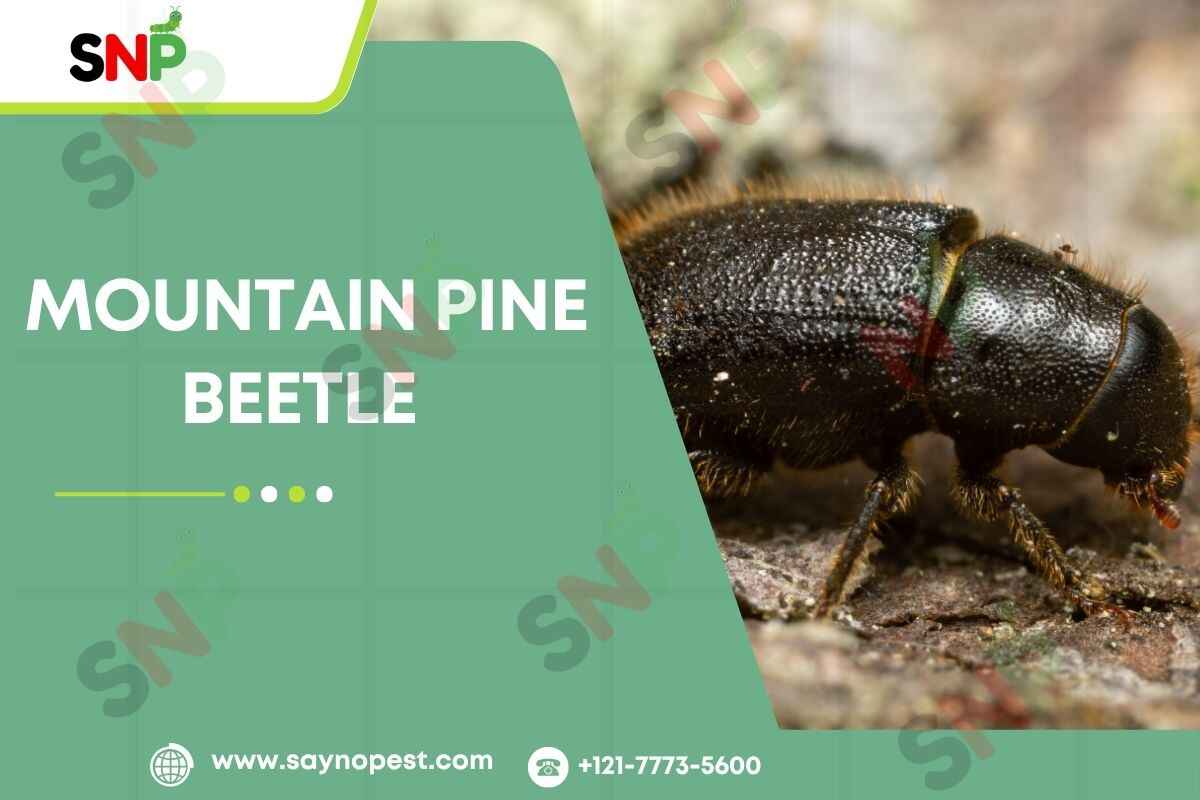
    The mountain pine beetle is an insect with a tiny body but a destructive nature that has significantly affected the ecology of pine forests in the United States. It is a beast characterize by its capacity to wipe out entire forests, and the beetle is therefore a very large problem if it is not control. The affected people include those who have their homes within the forests or to whom these forests are of interest, and those who are managing the land. In this article, we will investigate the mountain pine beetle appearance, the function of pine beetle larvae, ways of detecting an infestation, and, most importantly, measures and strategies on how to efficiently remove the mountain pine beetles.
    What Does a Pine Beetle Look Like?

    Mountain-Pine-Beetle

    This beetle is refer to as mountain pine beetle and is a small pest. The beetles, when adult, are usually black to reddish-brow in color and are smooth. Their body structure is cylindrical. They are small in size, but their impact is very large. These beetles are normally found on pine tree bark, particularly when they are flying, mainly in summer. They are small, which is why it is hard to detect them at an early stage, yet the possibility of detecting them must viewed as a prerequisite for controlling the invasion of beetles.

    Pine Beetle Larvae: The Hidden Destroyers

    The stages of the life of a beetle that are the most conspicuous and best known are those of the adult beetles, but it is the pine beetle larvae that cause the most harm. The female beetle first digs into the wood of the tree and then lays eggs inside. Once this is done, the larvae arise, which seem to legless worms with brown heads. These larvae mainly stay on the backs of the tree and feed on the phloem of the tree, which is the part of the plant that sends water and nourishment all over the tree.

    The larvae that burrow and feed along the way are the prime reason the tree dies even after being attack because they limit the tree to absorb nutrients at its heart of the matter. This phase of larval growth extends even during winters; hence, when the tree is already infest, it is extremely hard to retaliate.

    Signs of Beetle Infestation

    Finding a beetle problem in your trees early is very important. If not done, the trees will lost. The following are the common signs

    1. Pitch Tubes: The tree makes a defense response to the attack if you see on the bark small yellow or red sticky substances (resin blobs) that are the same color as the tree.
    2. Boring Dust: The reddish-brown sawdust, which is fine in texture, sticks to the crevices of the bark and the base of the tree.
    3. Egg Galleries: If you see along the bark that there are several long, straight tunnels filled with frass (boring dust and insect droppings), then be sure that the pine beetle is out and about.
    4. Fading Needles: The needles of a tree, if infested, are usually yellow, red, or brown in the process of the tree’s death.
    5. Blue-Stain Fungus: The beetle brings a blue-stain fungus with them. These Fungus Discolors the wood and also impair the tree’s ability to transport water even more.

    If you spot the symptoms mentioned above, then you can be sure that there is a beetle invasion and take the best possible action

    How to Get Rid of Pine Beetles

    How-to-Get-Rid-of-Pine-Beetles

    In dealing with how to get rid of pine beetles, one has to consider a range of measures that include prevention and treatment:

    Remove Infested Trees

    Quickly felling and taking away infected trees is the most indispensable part of stopping the outbreak of the mountain pine beetle among the healthy ones.

    Solar Treatments

    The infested trees, which are cut down, can be stack in the sun and then covered with plastic for small stands. This solarization method can increase temperatures beneath the bark, which leads to both adult beetles and pine beetle larvae.

    Chemical Treatments

    Insecticide sprays that serve as protectors of high-value trees can be preventive. They should used prior to the invasion and commencement of their attack by the beetles, which normally occurs during late spring or at the beginning of summer. The most effective ones are products that have bifenthrin, carbaryl, or permethrin. However, they can only used when the infestation has not happen and when they used before the beetle infestation taking place

    Trap Trees

    As a method of controlling populations, sometimes, healthy trees are cut and left for the beetles to come. The removal of the infested trees after the beetle invasion has the effect of reducing the local beetle population.

    Contact Pest Control

    The application of these chemicals and the removal of the trees can be a complex task, and thus, it is the best option for professionals who are trained to do it most efficiently and also to keep the environmental impact at a minimum, to carry out the work.

    On the other hand, a tree that is already heavily infest cannot save. The role of dealing has to changed to a more defensive one, which means protecting the trees near and preventing further beetle infestation.

    Conclusion

    Mountain pine beetle is consider one of the most common harmful factors for forests and parks in America. By knowing what a pine bug and pine beetle larvae look like, what the signs of a pine beetle infestation are, and how you get rid of the pine beetles, you will be able to save your trees if you are a tree lover. The best way to deal with them is to prevent and spot them early on- after the beetle has taken over, hardly any options will left. Protecting your property with vigilance and quick reaction can be a way for you to contribute to the health of America’s forests.

    If you are not sure but it is possible you may have a beetle infestation, or you need tips on pine beetle removal, you should not refuse to get in touch with a pest control service that is a specialist in forest pests. Take care of your trees now, and they will continue to beautify and add value to your landscape for a long time.

  • Asian Longhorned Beetle: A Threat to American Trees

    Asian Longhorned Beetle: A Threat to American Trees

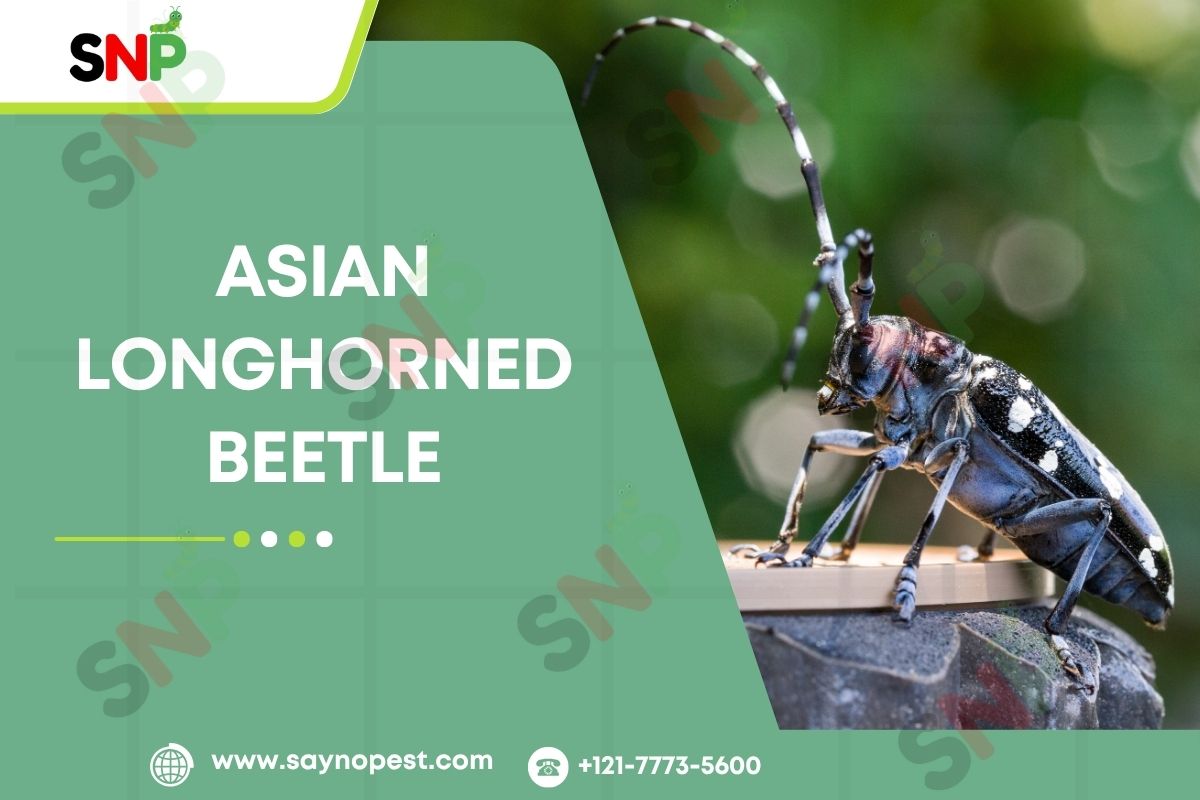
    Unmistakably beautiful but deadly, the Asian longhorned beetle became the talk of the town among arborists and homeowners in the U.S. over its unintentional destruction of hardwood trees. Known for their shiny black body with white spots and very long bands of antennae, these beetles are no longer just interesting to look at; they are the major pests in the fight against American hardwoods and urban forests. This article aims to give a picture of who the Asian beetle is, identify the Asian longhorned beetle larvae, show the similarities and differences between the these and other look a like species, and finally clear up any doubts caused by the question, ‘Does the Asian longhorned beetle bite?’

    What Are Asian Longhorned Beetles?

    The Asian longhorned beetle is a foreign pest that is mainly found in wood-boring beetles in East Asia, mainly China, Korea, and Japan. They also found in North America. It is a major problem since the pest has done a lot of damage to various types of hardwood trees. Adult beetles measure 20 to 35 millimeters in length, and are very conspicuous owing to their jet-black bodies, white spots, and also by their funny antennae, which are sometimes even twice as long as the bodies. The incursion of them in the United States has resulted in the death of millions of trees and has forced the government to initiate several measures.

    Asian-Longhorned-Beetle

    Moreover, the life cycle of the insect is reliant on its host trees. Females make small holes in the bark to lay their eggs, and multiple eggs can laid by one female. Those eggs will develop into grubs that start the most harmful stage of the beetle’s life.

    Asian Longhorned Beetle Larvae: The Hidden Destroyers

    The Asian longhorned beetle larvae are the very characteristics behind the disaster trigger by this insect. The larvae have a color of cream or yellow, and they can become 50 millimeters (approximately 2 inches) in length. Once born, the Asian longhorned beetle larvae burrow deeply into the wood, gorging on the tree’s inner tissues. Growing thus, they make a wide network of the tree’s tissues wherein they run and at last, kill the tree.

    The growth of the Asian longhorned beetle larvae is a process involving many steps, or instars, and it can take from one to two years depending on the weather. Through this period, the larvae spend the winter inside the tree; thus, detection and control become hard. Besides, the infestation of the insect can be identify by sawdust-like frass near the tree base, oval exit holes, and oozing sap. If you spot these signs, likely, the Asian longhorned beetle larvae are there.

    Asian Longhorn Beetle Look Alike

    Several native beetles and insects can be mistaken for the Asian longhorned , thus making it imperative to have an accurate identification in order to able to carry out efficient pest management. Some common Asian longhorn beetle look alike species that are known to are the whitespot sawyer, northeastern sawyer, eyed click beetle, and brown prionid. While these insects may share similar size, coloration, or long antennae, there are key differences:

    • The Asian longhorned is sheeny black in color with a few white marks and antennae that are stripe in black and white.
    • The white spotted sawyer, a widespread Asian longhorn beetle look alike, is much drabber in color, with a white scutellum (the small space between the base of the wings), and lacks the beetle template spots.
    • In addition to these, other Asian longhorn beetle look-alike species exist, such as the eyed click beetle or brown prionid, which cannot confused with the body shape, color, and markings on the antennae.

    In addition to that, upon getting a sight of the Asian longhorned, one has to quite particular whilst viewing it up close to avoid mixing it up with other beetles that look alike, particularly if it is believed that the region has been infested by pests.

    Asian Longhorned Beetle Bite

    Asian-Longhorned-Beetle-Bite

    The number of individuals speculating whether the Asian longhorned has the ability to bite them is very high. Although these beetles bite and their jaws are strong, an Asian longhorned beetle bite is not deem dangerous to humans in any form. They are very docile and may only bite when they are mishandle or when they perceive danger. Nevertheless, the bite of an Asian longhorned beetle may confused with a sting or some small spot of pain, where the localized pain tends to vanish after the first day or two. There is no poison involve , and the ‘Asian longhorned beetle bite‘ doesn’t become a considerable medical problem except in the case of an allergic reaction.

    Conclusion

    The Asian longhorned is a very harmful pest that is able to destroy the health. Its larvae, lurking far inside the wood, can work undetected and fatally injure even those trees that are in perfect health. It is very important to differentiate the Asian longhorned from the Asian longhorn beetle look-alike species through some features for being able to detect the act early and take measures to keep it under control. Even though the chance of getting an Asian longhorned beetle bite is very limit, the role of this pest in the havoc caused both ecologically and economically is still massive.

    If, in case, you think that the these has invaded your home or spot signs of its presence or its larvae, immediately seek assistance from pest control professionals in your locality. A rapid response is the only way it can guarantee that the area will not be infest further, and also be at a position of saving the trees to the future generation. Make sure you are aware and take action in preventing the Asian longhorned beetle menace in our woods.

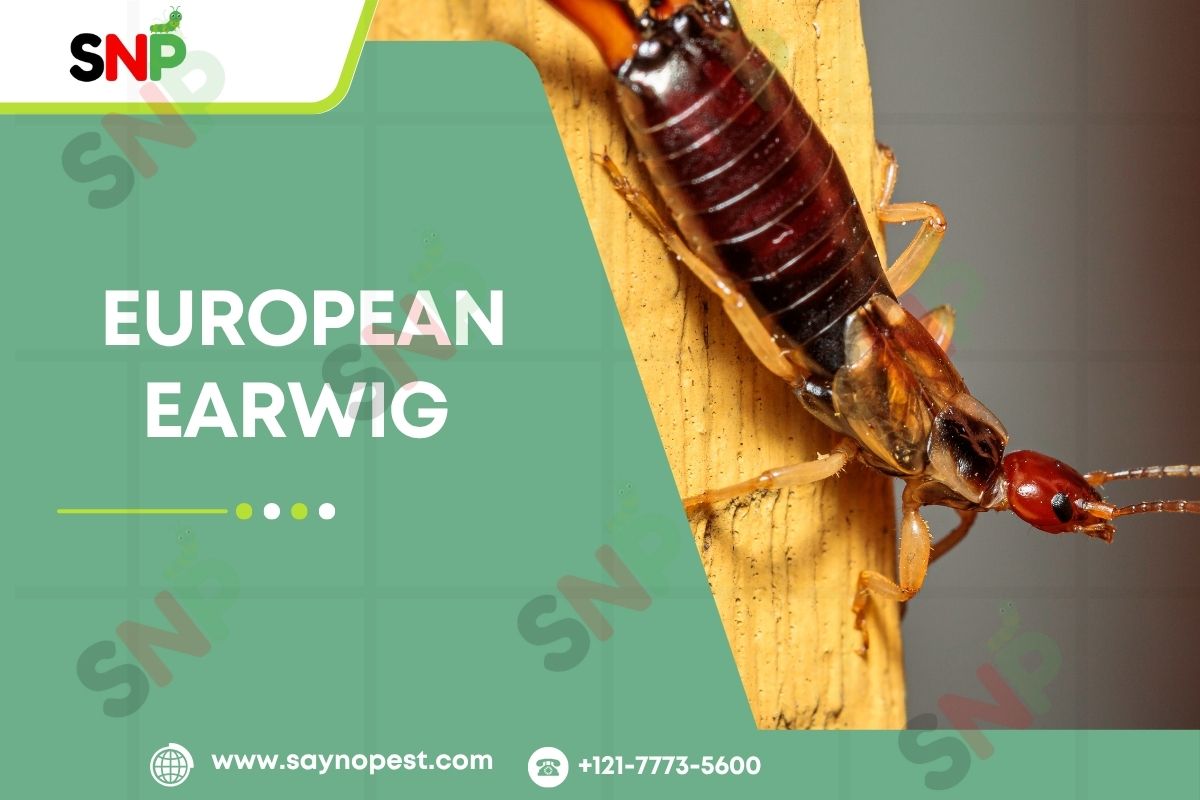
  • European Earwig: Understanding This Common Pest

    European Earwig: Understanding This Common Pest

    European earwigs are quite well-known insects in the U.S. among those who are engage in home and garden work. A brief description of their appearance would be a slender reddish-brown body and a pair of pincers, which are the most striking feature. The European earwig often appears and is discuss with some topic of curiosity or even fright if it is found indoors or among the garden plants. This blog is meant for people who have or want to have knowledge about this pest. We will discuss all the topics that are related to the European earwig, such as its habitat, lifecycle, whether it bites, and the most important topic of how to get rid of European earwigs in the home and garden.

    European Earwig Habitat

    European-earwigs

    The European earwig habitat is a rather unexpected, diverse one that enables insects to spread all over the country. They are lung suited to dwell in moist and chilly conditions and are most alert in the night, wondering around in search of hideouts. When the weather is sunny they hide in cool and moist areas such as beneath rocks, mulch, logs, garden trash or even within flowers and fruits. Encountering these vipers may be quite common in gardens, woods, farms, and suburban lawns due to the dampness, which is their top choice, and it also allows locating spots that will be rich in organic materials and moisture.

    When the season for courtship and mating is on, the female earwigs go in search of wonderful, loose soil to bury their nests and lay eggs there. Moreover, they can seen in the crevices of the wood, under the potted plants, or in the stacks of newspapers and lumber that are brought indoors, if the latter is the case. Bearing in mind the ability of the European earwig habitat it is understandable why the insects are so powerful in the conquest of the new territories and that is the very reason that they may appear as a trouble in the house, especially during periods if the dryness or cold time when they are searching for the better conditions for them.

    European Earwig Life Cycle

    Recognizing the European earwig life cycle is of utmost importance if one wants to control their numbers in an optimal way. Definitely similar to other species of insects, the European earwig life cycle comprises three significant phases, namely egg, nymph, and adult. Typical of females to deposit the eggs in the soil during late winter or early spring, with the number of eggs in one clutch being 60 at most. The diligent mother watches over her eggs in a way that she not only keeps them clean but also free from fungi and predators.

    First off, the eggs become nymphs after a week; they are very small adults without fully develop wings and pincers. During 70 days that they will be undergoing further development, namely four growth stages or instars in a process of gradual maturity into adults. It is quite interesting to note that the European earwig life cycle is typical in that females can have one or two broods per year if they are in a favorable environment. Usually, the lifespan of the majority of the adults is around one year, with the males being the group that is generally more vulnerable and tends to disappear first, especially after the winter season.

    Do European Earwigs Bite?

    Is it among the questions if it is that European earwigs bite humans, that an answer has to found? Technically, yes, but the probability of the event is minimal. Most of the time, however, such insects use their pincers to protect themselves or to catch prey. In case of unintentional handling, a European earwig might pinch your skin, which can result in a mild, red mark or a bit of swelling; however, it is very unlikely that it will cause you to lose skin or any serious harm. Although the old myths, European earwigs do not go into ears to lay eggs or feed on brains—these are just the urban legends

    How to Get Rid of European Earwigs

    How-to-Get-Rid-of-European-Earwigs

    In case you were seeking ways on how to get rid of European earwigs, you are definitely not alone. Here we have some strategies that are simple and very effective to control these pests that can become just like a nuisance both inside and outside the home.

    Reduce Moisture

    Since a typical European earwig is a moisture-loving creature, get rid of excess moisture in your home and garden that most probably, they will use as a haven. Repair leaked faucets, improve drainage, and do not overwater the plants.

    Remove Shelter

    Besides that, it is good to get rid of all the possible hiding places of the European earwigs that created by the piles of leaves, mulch, wood, and other debris. Keep garden beds tidy and store firewood away from your house.

    Seal Entry Points

    Carefully search your house for cracks, gaps, or holes that could be the potential entry places for earwigs, and if found, close them definitely, and thus you will be sure that they will not find a way in.

    Trap Earwigs

    To catch and kill the earwigs without using chemicals, set some easy traps made from rolled-up newspapers, cardboard tubes, or shallow cans with a little bit of oil. Just splash them where you are sure that earwigs are. In the morning, get rid of the insects that got trap.

    Targeted Pesticides

    Should you decide to use pesticides on the earwigs, then select those that are earwig-specific. Do not ignore the label, and make sure that you read the instructions. Besides, you can think of non-chemical methods as a priority and only use the chemical ones as a last resort.

    Only have the knowledge on how to get rid of European earwigs, it is still possible to be very active for your home and garden to be pest-free without being dependent on chemicals.

    Conclusion

    The European earwig is a tough and adaptable bug that has become a menace in gardens and homes all over the United States. It is good to know about the habitat of the European earwig, be able to identify the stages of the European earwig life cycle, and also find out the truth about their biting to be able to control the pests better. Above all, your property will be safe, and you will be able to enjoy a pest-free environment if you will strictly adhere to the ways of getting rid of the local pests that are verified to be efficient. Be watchful, maintain the cleanliness and dryness of your surroundings, and do not forget that with a proper strategy, European earwigs can turned from a menace into a mere presence in your home and garden.