Author: digimach10

  • The Life of a Flea: A Secret Adventure

    The Life of a Flea: A Secret Adventure

    Fleas are little, annoying insects that can turn a peaceful home front into a war zone. The secret that protects your family and pets from these uninvited guests is to understand the life of a flea. Join me and get to know the interesting, and sometimes infuriating, life of fleas and how effective flea treatment can end their life cycle once and for all.

    Life-of-a-Flea

    Introduction to Flea Life

    life of a flea is diversified, with rapid specialization and evolutionary adaptation. Fleas infest the entire United States and reproduce mostly favorable in warm, damp environments. Fleas are not only pests; they are disease carriers and allergenic stimuli for human beings and domestic pets.

    A flea cycle starts when an adult female lays eggs following a first blood meal. A single flea lays 50 eggs daily, and these can infest a small area fast and make it an infestation. These eggs are smooth and easily fall from the  host and onto the carpet, bed, and furniture. For this reason, the life of a flea is never restricted within your pet alone—your whole house is their home.

    The flea life cycle repeats in four simple steps:

    Egg: Flea eggs mature in a day or two which depends on temp. and humidity.

    Larva: Larvae are very delicate to light and are trained by organic waste, like adult flea poop. They choose dark, moist environments like mattresses and mat.

    Pupa: Flea  create cocoons to protect themselves and they can stay in this dormant state for weeks or months, waiting for the right time to appear.

    Adult: By capturing their full size, fleas will locate a host on which they will feed on blood, reproduce, and begin the cycle anew. Adult fleas survive weeks to months depending on circumstances and availability of host. 

    Flea Treatment: Breaking the Cycle

    Effective flea treatment must disrupt a flea’s continuous life cycle. Since most of a flea’s lifetime is on the host, overall treatment is required.

    Major Steps in Flea Treatment

    Pet Treatment: Start with treating all pets in the home. Apply vet-approved products in oral or topical form, which kill adult fleas and developmental stages. Wash the pets daily with the flea shampoo and brush them daily with a flea comb to kill fleas and eggs in their fur.

    Home Cleaning: Vacuum carpet, rugs, and upholstered furniture regularly, and hot wash all bedding, including pet bedding, with water to kill eggs and larvae. Vacuum bags should be removed immediately to prevent reinfestation.

    Indirect Oversight: Sprays contain insect growth directors to kill the fleas in all stages of life. Treat sheltered, moist areas where the fleas like to congregate, under furniture and baseboards.

    Maintenance Prevention: Re-treat fleas hardly on a regular schedule because the life of a flea cycle enables them to hibernate for several months. Continue with additional treatments as needed in an attempt to eliminate all of the fleas, including the pupae.

    It should be kept in mind that a single flea treatment will not work. Multi-level decision and determination will be necessary to eliminate the life of one flea and your home pest-free.

    The Flea’s Effect on Home and Health

    The flea infestation is not just a biological oddity, it occurs physically on your family and house. Fleas are also a carrier of tapeworms and bacteria, such as Bartonella (cause of “cat scratch disease”), and their bites are known to bring on severe itching, allergic reactions, as well as puppy and kitten feline anemia. Flea Bites in humans tend to cause red, itching welts, and on occasion may result in secondary infection secondary to scratching.

    One of the flea survival secrets is that they are able to lie dormant for months at a time when in the pupal stage. What this implies is that even after thorough flea treatment, freshly emerging adults weeks later can still surprise homeowners. That’s why vigilance and continued flea treatment is needed to totally shatter the cycle.

    Commercial and Natural Flea Treatment Options

    life-of-a-flea

    There are several ways of treating fleas. Topical treatment, medication, and over-the-counter flea collars are extremely effective as well as widely prescribed by veterinarians. The drugs not only eliminate adult fleas but also inhibit egg and larvae development and affect all stages of a flea’s development.

    For natural medications, diatomaceous earth, cedar or lavender essential oil sprays, and vacuuming regularly reduce flea infestations. Natural medications take more frequently and more rapidly than over-the-counter medications. Always contact a veterinarian prior to attempting a new flea medication on your pets for their own well-being.

    Avoidance Tips for Future Infestations

    Inspect your pets regularly for flea infestation, notably after visiting the park or going for a walk.

    • Keep your area fleas free by mowing the lawn and picking up garbage, fleas prefer shaded, moist areas.
    • Apply flea control to dogs year-round even during winters since indoor temperatures can support the flea cycle to be prolonged throughout.

    That a flea exists is a credit to the persistence of nature, but you can keep your home and family safe with the right information and products. By gaining an understanding of the flea life cycle and its application of a complete flea control program, you are capable of killing their life cycle and preventing further infestations from getting a foothold.

    If you already have fleas or would simply like to have your home flea-free, trust the professionals at saynopest. We offer advice and accompanying products for you to make an informed choice on flea treatment products that fit you. Do not allow the life of a flea overwhelm your home, act now with saynopest and sleep tight.
  • Mosquito Control Tips: Get a Bite-Free Home

    Mosquito Control Tips: Get a Bite-Free Home

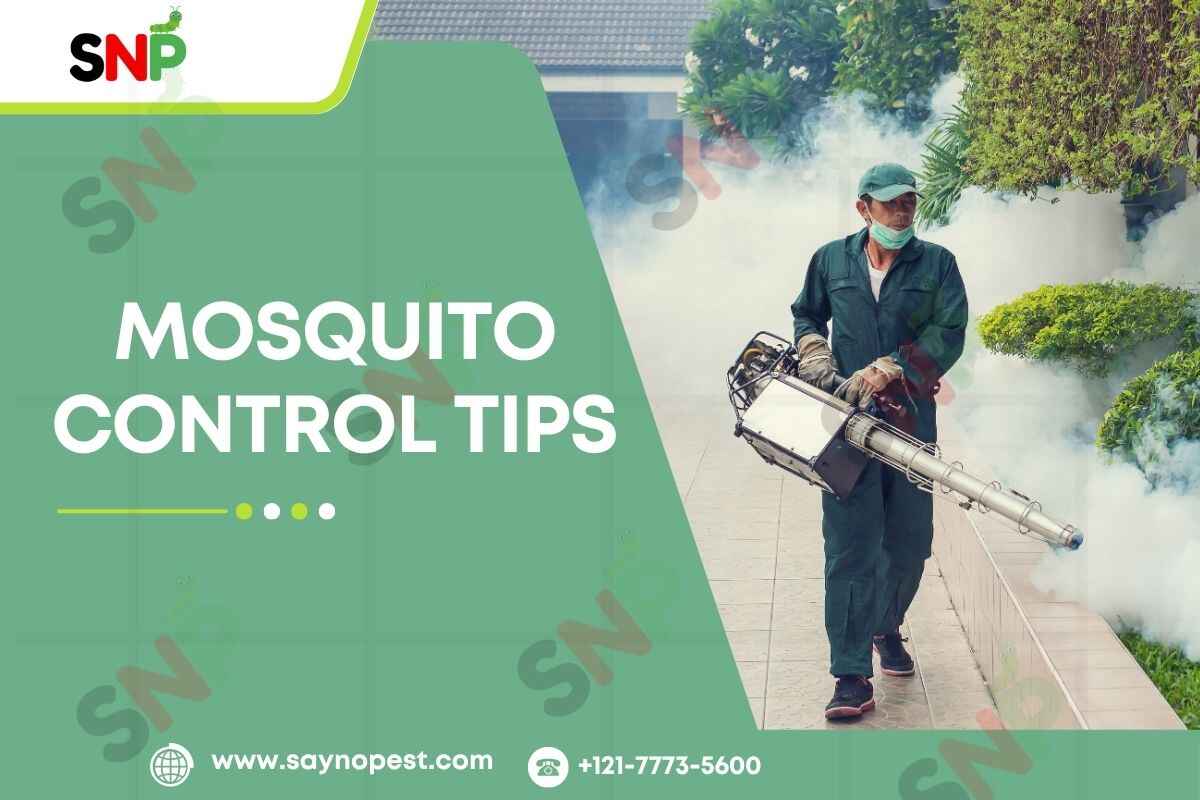
    Have you ever been in a mosquito-infested place where you are so bothered and bitten that you felt like you could not sleep from the buzzing and the biting? The good news is that if you are looking for some mosquito control tips, then here is the place for you. A complete guide of proven techniques to keep away those blood-sucking pests from your family and property will be shared in this guide.

    Mosquitoes are definitely more than a nuisance during the summer season. Their role is like that of a dangerous transmitter of diseases such as West Nile virus, Zika, and dengue fever.

    Top 5 Mosquito Control Tips

    1. Eliminate Standing Water Sources

    Remove standing water from:

    • Change Birdbaths and pet water bowls weekly.
    • Get rid of clogged gutters.
    • Saucers, planters, and flower pots.
    • Old tires, buckets, and containers.
    • Outdoor equipment, toys, and wheelbarrows.

    2. Use Repellents

    When you are outside, protect yourself with insect repellents that have been registered by EPA and have active ingredients.

    • DEET
    • Picaridin is less irritating than DEET.
    • Oil of lemon eucalyptus – Natural plant-based option.
    • Choose from different options available that are safe for pregnant women and children.

    3. Install Physical Barriers

    Make barriers around your house that will be useful-

    • Use AC whenever available.
    • Get done mesh netting on outdoor spaces of the house.
    • Cover outdoor seating areas with fine mesh netting.

    4. Maintain Your Yard

    A maintained yard can do a lot in preventing mosquitoes to make it their home. Since it reduces considerably the areas where they can rest or breed. The major landscaping practices are:

    • The grass should be kept short in order to minimize the number of hiding places for mosquitoes.
    • Everything should be trimmed.
    • Leaf litter and yard debris should be taken away.
    • Drainage should be improved to avoid water accumulation.

    5. Plant Natural Mosquito Repellents

    Integrate plants that naturally repel mosquitoes into your landscaping to reduce the pest population naturally. Effective options include:

    • Citronella grass – It is the main source of natural citronellal compounds.
    • Lavender – It has a nice smell and drives away mosquitoes.
    • Marigolds – They are bright colored flowers with mosquito-repelling.

    Proper Mosquito Control Plan

    Mosquito-Control-Plan

    The following are the steps to come up with a comprehensive plan:

    Start firstly with a local property inspection to confirm if there are unintentional mosquito breeding sites and the extent of mosquito activity in the area.

    Do a regular perimeter patrol of your property weekly to inspect places in which water has accumulated. Plants that are too dense and make it easy for mosquitoes to find hiding spots.

    How the Seasons Affect Mosquito Activity

    It is advisable to design your mosquito control plan in a way to include seasonal variations in mosquito activity. To be more precise, your mosquito control plan should take into consideration the fluctuations in mosquito activity that occur due to changes in seasons. Initiate the preventive measures in early spring when the temperature is regularly around 50°F as this is the period when mosquitoes start reproduction. Further, carry on with the treatments through the month of October, changing the frequency in accordance with the local mosquito populations.

    Mosquito Control Solution

    Mosquito-control-solution
    1. Control the Breeding Sites: Pay attention to water sources to prevent mosquito breeding. Remove or manage the water sources that cannot be eliminated entirely.
    2. Biological Control: Fish such as mosquito fish are efficient consumers of mosquito eggs and larvae. A mosquito fish can eat as many as 500 larvae a day, thus leading to very good natural control.
    3. Chemical Control: Only if needed, and after getting all the information, people can use the least toxic options of these treatments. Think about larvicides for permanent water sources and adulticides in the case of very bad situations.
    4. Personal Protection: Continue, without any interruptions, to use repellents and to wear clothes protecting you from-
    5. Places in which water has accumulated.
    6. Plants that are too dense and make it easy for bugs to find hiding spots.
    7. Ways that bugs can enter inside the house.
    8. How the seasons affect mosquito activity.

    Professional Services

    Additionally, you must not ignore the option of hiring some professionals who will take care of all the mosquito problems in the most efficient way for you. The professionals’ jobs are the assurance of:

    • Targeted barrier treatments lasting 3-4 weeks.
    • Larvicide applications for breeding sites.
    • Ongoing monitoring and maintenance.
    • Guaranteed results with follow-up treatments.

    Highly effective mosquito control will totally change your outdoor living experience allowing you to enjoy your personal space.

    It is important to remember that a successful mosquito control certainly needs a constant dedication and regular care. Regular checks, regular treatment, and good landscape maintenance will ensure that your outdoor areas are comfortable and safe to your family throughout the mosquito season.

    Conclusion

    It is established that mosquito season is from late spring through early fall. Efficient protective measures against mosquitoes will help you to protect your family as well as create comfortable outdoor spaces for you to enjoy. If you are looking for professional help and deciding to consult, then go for licensed pest control specialists to get proper mosquito control solution programs that are suited to your property requirements.

    For more professional pest control advice and services that will help you keep your home free from pests, check out saynopest.

  • Rat Control in Drain Chambers: Best Practices

    Rat Control in Drain Chambers: Best Practices

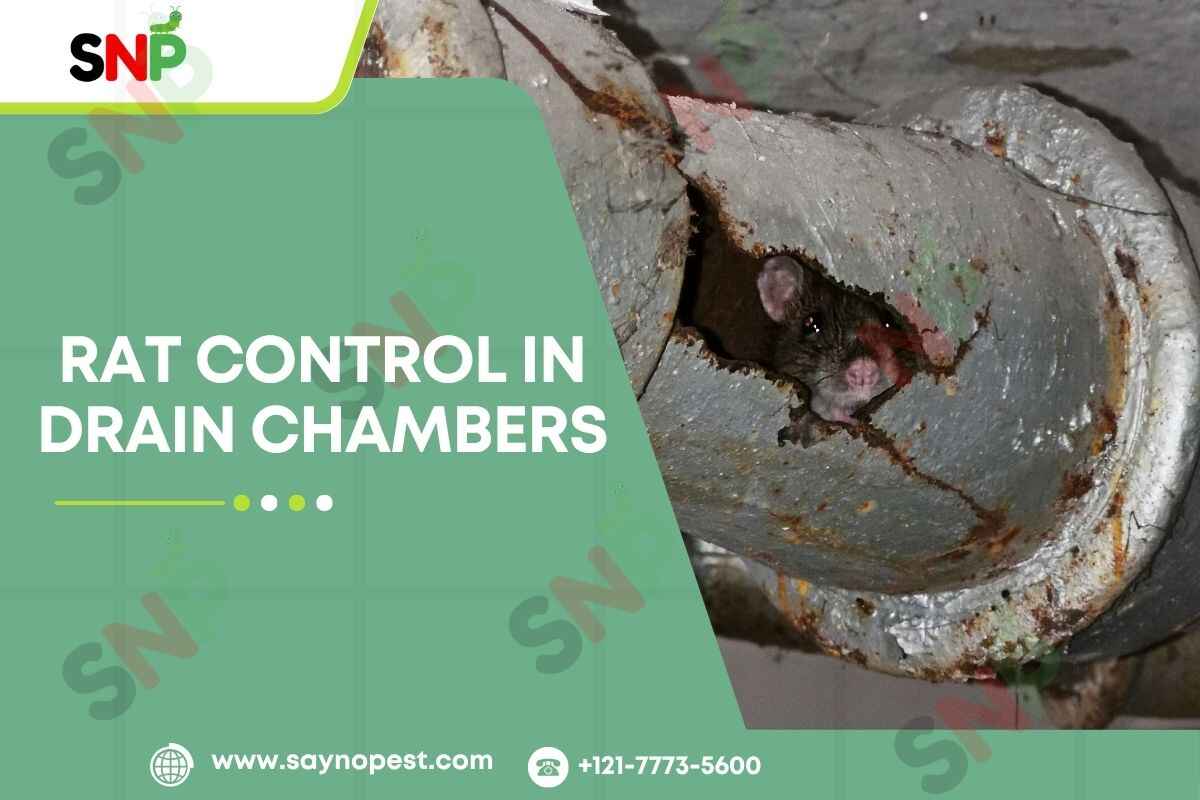
    If you are looking for a solution on how to control rats in drain chamber, then you are definitely not alone. The rodents’ nature makes them survive for many reasons. One of which is that water that makes it easy for them to hide. Knowing how to control rats in drain chamber is an important step in the process of protecting your property, and most importantly your health.

    This article aims to show you how rats are attracted to drains, what harm they can cause, and what means of defence are most powerful to drive them away for good.

    Why Do Rats Live in Drains

    Obviously, rats and drain chambers are the perfect match since these places provide them with all the necessities:

    • Place to hide
    • Food
    • Water
    • Transport them to buildings

    The rotting organic waste and other garbage that goes down the drain are an unlimited source of food to the rats. Also, the dark and sheltered corners provide them from extreme weather conditions. Even a small crack or hole in a drain pipe is sufficient to allow a rat to squeeze through and nest.

    One of the reasons why rats can move so easily and unnoticed between various properties is the urban infrastructure, which is a complex network of sewer lines. You need to understand why the rats love drain chambers in case you want to discover how to control rats in drain chamber effectively. Because of the very nature of the rats as scavengers, nothing will be left to take advantage of the weak points in your drainage system; hence, inspection and maintenance are crucial components of the control program.

    Why-Do-Rats-Live-in-Drains

    Dangers of Rats in Drain Chambers

    Letting rats infest your drain chambers can be very dangerous:

    1. Health Hazards: Rats are disease-ridden creatures that carry leptospirosis, salmonella, and hantavirus. These diseases become easily transmissible through their urine, droppings, and bites. Contaminated water and surfaces in your home become thus sources of infection.
    2. Structural Damage: Rats are insensitive in nature as far as chewing is concerned. They may chew on pipes, cables and even concrete, not only making repairs expensive but also leading to water leakage.
    3. Infestation Spread: Rats can easily move through the pipes to the kitchens, bathrooms, and other rooms without being noticed when they have settled in a drain chamber, and this will worsen the infestation.
    4. Unpleasant Odors: The rats in the drains are one of the main sources of bad smells that result in the drainage system of your home or business getting contaminated.

    We see how these dangers show the importance of knowing the way to get rid of rats in a drain chamber.

    Effective Rat Control Techniques

    Effective-Rat-Control-Techniques

    So, if you are in search of best practices of how to control rats in drain chamber that will enable you to solve the problem quickly and efficiently, here are some useful points for you:

    1. Conduct a Thorough Inspection

    The very first step of your rat extermination plan should be an examination of your drain chambers for the indications of their presence such as droppings, biting traces, nests, or unexpected sounds. Look around for any cracks, broken pipes, and holes in brickwork since these places are commonly exploited as entrances by rodents. Carry out the inspection using gloves and safety equipment to avoid the direct contact with contaminants.

    2. Block Access Points

    If there is any damage to the drains or pipes, be sure to fix them as soon as possible. Fill in the holes, seal the cracks and put barriers or rodent control devices. The devices work as if they are one-way traffic, thus, they allow waste to go out but stop the entry of rats. Blocking access is one of the most important elements in the control of rats in drain chambers question.

    3. Install Physical Barriers

    You may also find it reasonable to install non-return valves (NRVs) or drain bungs in such parts of your drainage system that are only accessible to you. Such installations will stop rodents from moving against the flow to your premises.

    4. Remove Food and Water Sources

    Rats are less likely to stay where there is a shortage of food and water. Do not ever put food scraps, grease, or any other material that can attract the animals into the drains. Make sure the place around the drains is clean and there is no garbage there. Do not forget to take care of the drains regularly so that there is no accumulation that could become a source of rodents.

    5. Monitor and Maintain

    Carry out regular inspections of your drainage system and the nearby areas to see if there is any new activity of rats. One of the key elements of how to control rats in drain chambers is maintenance.

    Conclusion

    Rats in the drain chambers may be quite stubborn and harmful, yet you, nevertheless, can do a lot save your property and health. Just be proactive! The technique is to understand how to control rats in drain chamber, have deep checks, seal the entry points, and maintain the drains in good condition. Have your eyes open, and never hesitate to contact the professionals. In this way, you will be capable of offering a safer, cleaner, and rat-free environment to yourself and your family.

  • Uncover the Mystery of Are Millipedes Poisonous?

    Uncover the Mystery of Are Millipedes Poisonous?

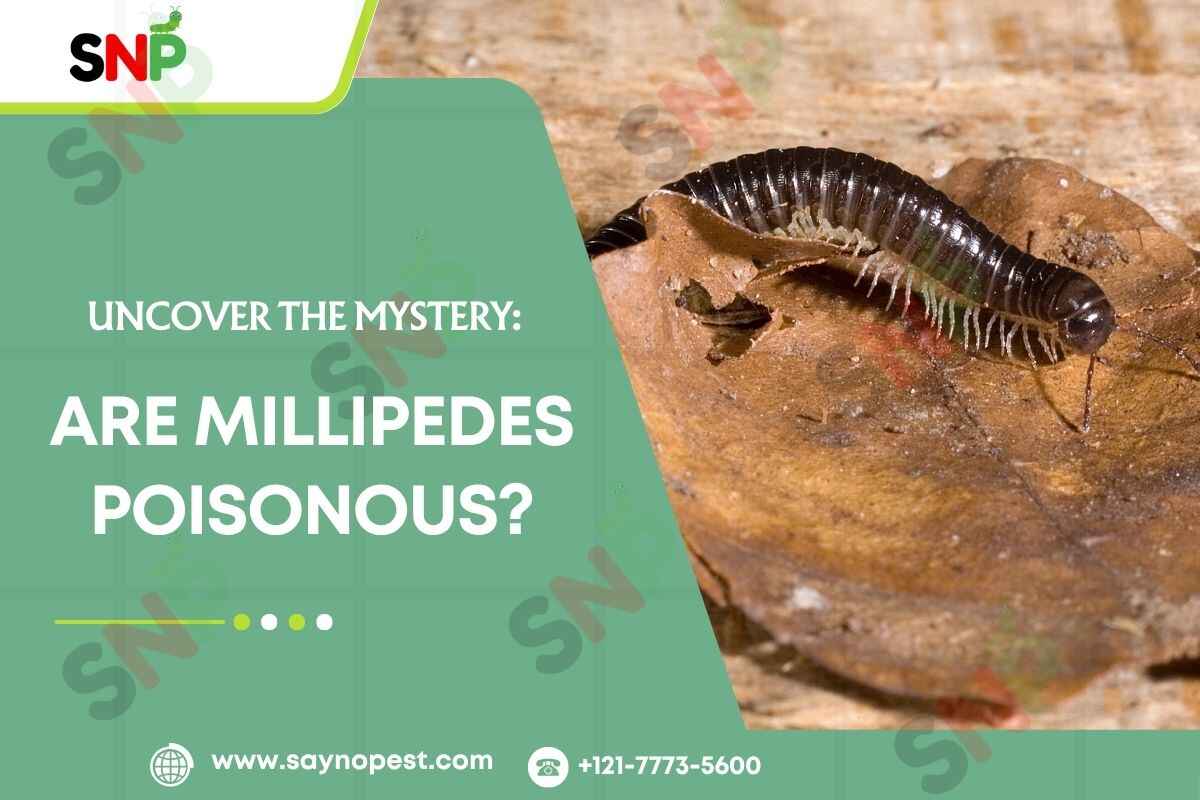
    Theyare believed to be highly harmful and dangerous due to the number of legs they possess and their worm-like appearance. However, understanding their real nature can help you determine whether you actually need to eliminate them or they are safe.To answer Are Millipedes Poisonous, you must know thatthese old arthropods have been on the planet for several million years, and they are very much misunderstood! They are basically harmless to humans.

    Millipedes in House: What Do You Think They Do?

    When millipedes invade a house, the creatures are only looking for a place with water to hide with no intention to harm. Millipedes are nature’s friends who help clean up, eat mostly dead plant matter like decaying leaves, wood, and other parts of plants. They can’t survive without very high humidity, neither do they have the ability to reproduce indoors.

    Millipedes belong to the arthropods. These arthropods like dark and wet areas. They are predominantly located in basements, crawl spaces, and ground-level first-floor locations. Millipedes do not infest food, clothing, or wood as do termites or other destructive pests.

    Most millipedes that come into the house die in a few days because these places lack moisture, hence, the infestation is temporary. They will not be able to continue living in the dry atmosphere of the house unless very moist conditions are present.

    Millipedes-in-House

    Do Millipedes Bite Humans?

    Millipedes biting humans? A big no! Millipedes do not have teeth which are needed for biting. Millipedes are by no means similar to centipedes, which possess poisonous fangs. They certainly lack any biting mouthparts, stingers, or venom injection sites.

    If millipedes feel threatened, they act in a totally different way to defend themselves from predators. Even in the case where a millipede tried to catch human skin with its mandibles, this would be an unintended rather than a hostile action.

    People often say millipedes bite, however, this is a misconception that frequently leads them to confuse these creatures with centipedes. While centipedes can certainly inflict painful bites with their venomous fangs, millipedes are totally safe in this regard. The confusion can be attributed to the fact that they look alike, yet their defence mechanisms are totally different.

    Are millipedes harmful to humans? As nature intended, they have the poison fangs to defend their food storage.

    Are Millipedes Poisonous?

    When attacked, a millipede discharges a fluid through the glands placed along the segments of its body as the source of the secretions.

    This secretion is a mixture of various chemicals one of which is hydrogen cyanide. It is a response that one of the millipedes may give because some of the chemicals released are water vapor, hydrochloric acid, hydrogen cyanide, carboxylic acid etc. The secretions have an almond-like smell due to the hydrogen cyanide present in them. These chemicals are very poisonous to small predators such as birds and insects, yet millipedes produce it in minute amounts that cannot poison humans.

    There are people who can be very sensitive to millipede secretions and that can indeed cause them to experience allergy symptoms that can be in the form of skin redness, itchiness, burning sensation, or discolor.

    Chemical-Secreations-of-Millipedes

    Negative Impacts of their Chemical Secreations

    In the case that millipede secretions get into the eyes, they may cause-

    • A burning sensation
    • Excessive lacrimation
    • Conjunctivitis
    • Corneal damage

    However, serious systemic poisoning from millipede secretions is extremely rare.

    Millipedes can spray their defensive secretions up to 32 inches away, which is quite a distance. However, the amount of the secreted substance is not enough to cause any serious harm to humans. The chemical defence mainly functions as a repellent against potential enemies rather than a source of energy for the millipede.

    The solution for millipede toxin attack is that you need to wash the area immediately with soap and water. Over-the-counter antihistamines are good for allergic reactions, and aloe vera gel can be used to relieve the skin that is irritated. However, the cases of allergic reactions become so severe that the person must have medical help are very rare, and symptoms can be swelling of the face, difficult breathing, or a rash that is spreading.

    Conclusion

    Knowing are millipedes poisonous and do millipedes bite is a key for Americans to be able to act and react in a right way towards these arthropods.

    Although millipedes do have chemical systems for their protection. They only cause a mild irritation on the skin in some people, and they are not harmful to humans. All in all, they do not bite. Millipedes show up in houses usually if the conditions are good. It means they stay only to use up the moisture in the air as they are unable to survive without it.

  • Best House Flea Sprays for 2025: Complete Reviews

    Best House Flea Sprays for 2025: Complete Reviews

    Top-selling flagships of US residents besieged with indoor flea infestations, Flea Spray for House. Active ingredients in the sprays are strong enough to kill adult fleas without, at the same time, preventing eggs and larvae from developing to the biting adult stage. Understanding the mode of action of the sprays could be the difference between temporary relief and long-term flea control.

    Flea-Spray-for-House

    Nowadays Flea Spray for House has two generic types of active ingredients: insecticides and insect growth regulators (IGRs). The insecticides kill the adult fleas instantly when they make contact with them, while the IGRs prevent immature fleas from maturing into adulthood and therefore disrupt the flea life cycle. Pyrethrins and pyrethroids are typical insecticides, which target the insect nervous system. Methoprene and pyriproxyfen are typical IGRs, which disrupt flea development and prevent egg and larval formation.

    The effectiveness of Flea Spray for House as a domestic product relies on correct use and understanding of the flea life cycle. Flea life cycle subsist of four stages: egg, larvae, pupa, and adult. There are only 5% adult fleas, 50% eggs, 35% larvae, and 10% pupae. What this means is that whenever you notice fleas, the adults, there is already an already huge occult population in the growing stage in your home.

    Flea Spray for House works best if used on the areas where the fleas prefer to breed and nest. These areas would include carpets, rugs, furniture, dog beds, baseboards, and floor crevices. It is only effective if thoroughly applied to all areas where fleas might be, and not just where you have seen adult fleas.

    There is also a permanent treatment flea spray that can be bought. It has some that offer 210-day (7 months) constant protection from fleas when sprayed. The reason behind this is that fleas’ eggs take months to hatch. Therefore, the eggs need extended shelter so that they will not infest again.

    When selecting a flea spray for the house, select those that provide both quick-killing and enduring protection. Good-quality formulas usually have more than one active ingredient that works conjointly to kill all stages of the flea’s life. Professional products can also sometimes be used, with superior performance compared with standard consumer-grade, having knockdown strength as well as residual protection.

    Fleas in Your Yard: The Outdoor Connection

    You will have to learn to know the yard fleas for total flea control because outside is most often the direct source of indoor infestation. Yard fleas are a year-round danger to your house being flea-free, and outdoor treatment therefore becomes an unavoidable part of any solid pest control program.

    Your yard fleas have specific environmental predispositions that homeowners can identify and alter. The insects prefer shady, humid, and 70-85°F weather with more than 70% humidity. Beneath porches, decks, bushes, pet houses, and where there is organic debris are some of the most common areas fleas breed in your yard.

    Yard flea life cycle is like that of indoor flea in the four-stage life cycle but heavily influenced by external environmental conditions. Flea growth is accelerated under warm and humid weather and retarded under cold and arid weather. This is why flea infestation of your yard problems normally peak in the spring and summer seasons when the conditions are best for reproduction to take place.

    Pet owners also have an inherent problem with indoor yard fleas because pets are the sole conveyance on which fleas ride from outdoor breeding areas directly into your house. House cats are not even exempt from yard fleas when fleas hitch a ride on clothing or another article is brought in. Because of this relationship, control of yard fleas is an important issue as part of indoor flea control.

    Successful flea control of your yard is a matter of environmental modification and special treatment. One of the best methods to keep flea control within your yard is to mow your lawn regularly. Regular lawn mowing brings sunlight to the soil, which fleas can only abide for a limited period of time. Shrub trimming and the elimination of trash eliminates the heavy, moist environment preferred by yard fleas.

    Organic yard flea control such as beneficial nematodes are tiny worms that feed on flea larvae and pupae. Studies have concluded that nematode yard flea control can reduce fleas in your yard populations by 70-100% when applied correctly. Diatomaceous earth is an organic yard flea killer that kills fleas by dehydrating any flea that comes into contact with it.

    Chemical yard treatments for fleas provide faster and broader control. Insecticides such as bifenthrin, which are sold in professional-strength formulas, have an activity that lasts for up to 90 days. These chemicals kill fleas in your yard in all stages of life without hazard to pet and family member health when used as directed on the label.

    Conclusion

    Long-term flea control involves understanding outdoor as well as indoor flea dynamics. Indoor flea spray offers rapid control and residual protection where properly chosen and applied, and yard flea treatment prevents those nuisance insects from repeatedly re-infesting.

    The key point of effective flea control is realizing that yard flea control and indoor flea spray treatment must be complementary to one another. Indoor spray eliminates current infestations and barriers to baby fleas already living in your indoor environment from becoming adults. At the same time, flea control in your yard eliminates the external source of re-infestation, creating a total barrier against such parasites.

    If you’re fighting chronic infestation or just preventing it in the first place, with effective flea spray house treatments in addition to full fleas in your yard control, you hold the solution to a pest-free home environment. Let SayNoPest be your companion to the selection and application of the best product for your unique situation so that you and your family, including your pets, can sit back and enjoy a pest-free environment.

  • House Flies: Understand and Control These Common House Pests

    House Flies: Understand and Control These Common House Pests

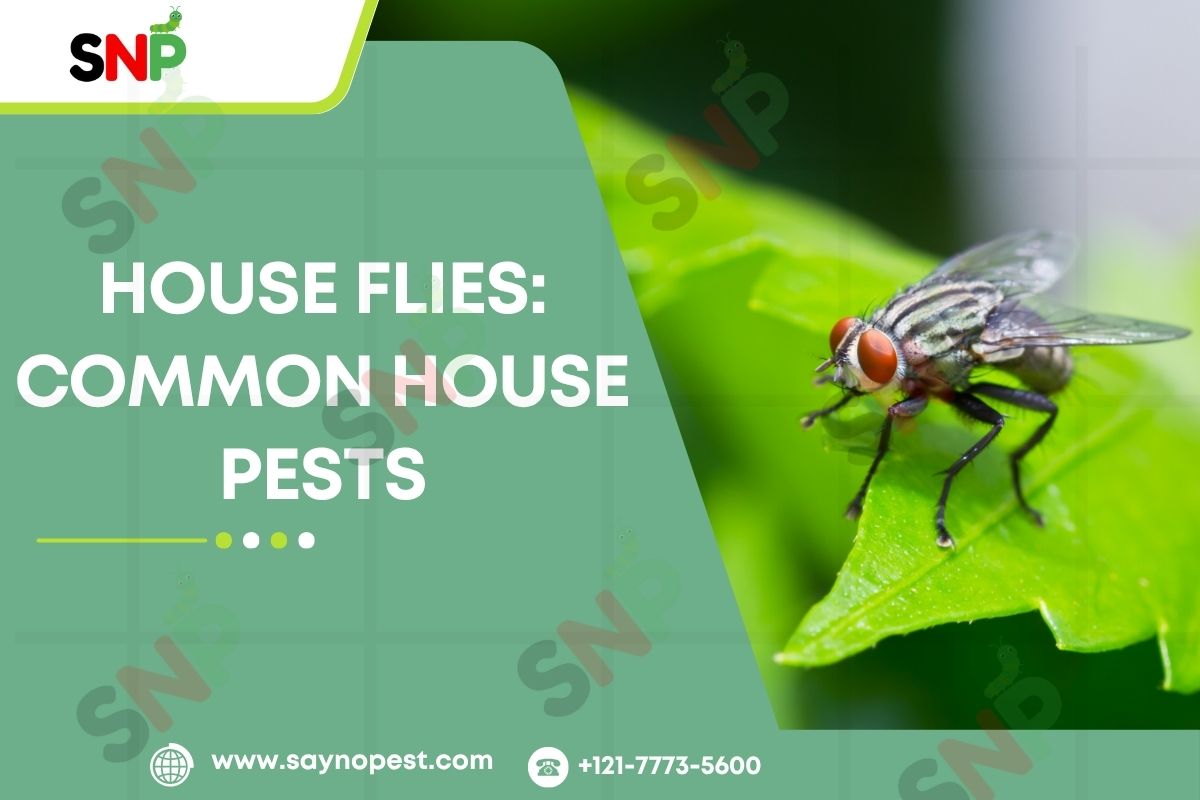
    House flies are the most persistent and annoying pests that American homeowners have to deal with throughout the year. The flying insects are not just the problem of being annoying though. They can do a lot more!

    In order to maintain a healthy living environment, there is need to know the biological characteristics, behavioural patterns and effective control methods of house flies. We will guide you through the steps of identifying the pests, learning about their lifecycle and give you the tested ways to eliminate them safely and effectively.

    How Long Do House Flies Live?

    The life of a house fly is quite short but they are extremely fertile. Generally, the adult house flies live around 15-30 days under normal conditions.

    During the lifetime of house flies, the environmental factors that affect their life expectancy are-

    • Temperature
    • Humidity
    • Food availability

    The life cycle of a house fly, as stated by the University of Florida, is a rapid one and the stages in the cycle include four stages similar to most pests ie. egg, larva (maggot), pupa, and adult.

    Incredibly prolific female house flies lay between 75 to 150 eggs in each batch and up to 6 batches during their lifetime. This means they form up to 900 eggs, which is a lot.

    The role of temperature is very important to decide how long do house flies live. Because of the cooler environment, they might have longer lives. On the other hand, warm temperatures can lead to a shorter lifetime of these flies. If the house flies don’t have access to food and water, they will be able to survive for only 2 to 3 days.

    How-to-Get-Rid-of-House-Flies

    How to Get Rid of House Flies?

    The only way to get rid of House Flies is- sanitation, exclusion, and targeted control methods.

    • Clean spills at once, and continue to wipe surfaces and clear any pet waste. Make sure the removal is done swiftly. The fly’s favorite food place is the hive, so pay extra attention to the areas where food is prepared and consumed, as these attract flies most readily.
    • Exclusion Methods- Prevent flies in your house and eliminate the ones that are already in your house. Install screens on your windows and doors, close doors where possible and seal any cracks or openings around windows and doors. Also, you can install air curtains or exhaust fans over the most frequently used entrances, which will provide the flies with obstacles to your entering and leaving.
    • Natural Control Methods- There are a number of natural ways that can actually eliminate flies without using dangerous substances.
    • Grow herbs such as basil, mint, lavender and bay leaves around the entry points as they are natural fly repellents.
    • Peppermint, eucalyptus, and lemongrass essential oils can be diluted with water and sprayed in the affected areas.
    • Dish soap and apple cider vinegar traps are very effective in catching flies inside the house.

    House Fly Traps

    House-Fly-Traps

    House fly traps are probably the most efficient tools for decreasing the fly population in a non-toxic way and without using chemical pesticides.

    Sticky Traps and Ribbons

    Still, the use of sticky traps remains very effective for indoor places. They implement surfaces with sticky glue that catches flies landing on them and many of them also include attractants which increase their power of lure. Window strips are the most effective for flies that are fond of the glass surface. So, while those dead flies might be a bit gross, but they are totally safe to have around kids and pets.

    Light Traps

    Limelight traps are electric light sources that emit ultraviolet radiation LEDs to attract the flies, therefore, they are going to be stuck on glue boards behind the bulbs. These are continuous operation devices and can cover areas up to 400 square feet.

    Fly lights are most effective when there is less natural light.

    They are also perfect for night time periods when the artificial light is dominant, and thus, more attractive to the flies.

    Bait Traps

    Outdoor bait traps are a great way to get rid of flies before they invade your home. They are the most efficient method of insect elimination. Flies cannot resist the attractants of the traps but due to their strong smell, it should be placed at least 10feet away from living areas. Homemade versions that use overripe fruit, sugar water, or vinegar can be as effective as store-bought ones.

    Conclusion

    The control and eradication of house flies should be holistic in nature and not only address the current crises but also prevent future outbreaks. You can actually decrease the number of flies in your house and the surrounding area by maintaining good sanitation, and putting in the right traps and control devices. But never forget that consistency is important!

  • How to Control Rat Bite: Complete Guide on Prevention and Treatment

    How to Control Rat Bite: Complete Guide on Prevention and Treatment

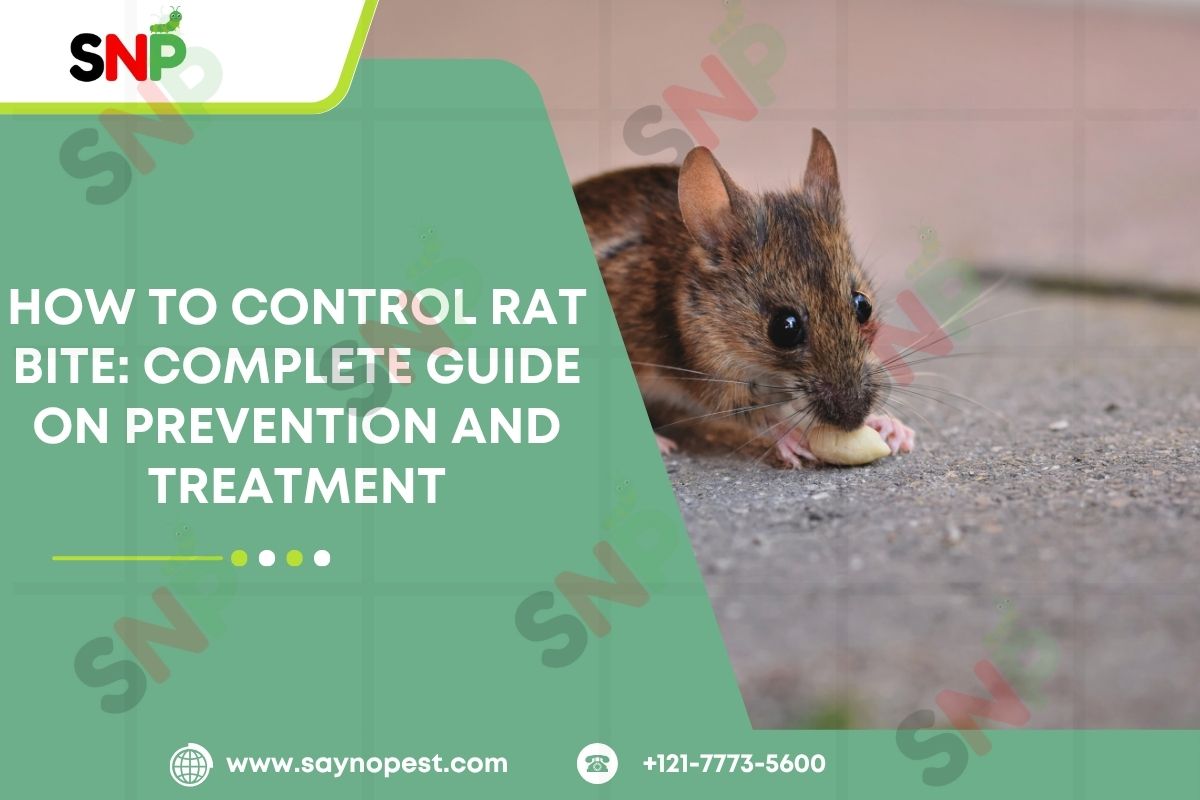
    How to control rat bite? has been a major issue for American homes, especially with the increasing rate of rat bites in rural and urban areas. It may result in serious health hazards, such as lethal rat-bite fever, and thus it is necessary to know the right avoidance and treatment measures.

    How to control rat bite effectively is understanding the timely response for treatment, signs of infection, and prevention measures. Rats spread harmful germs when they bite, and from 10% of the rat bites can result in rat-bite fever. The best How to control rat bite action is by responding in a timely fashion, dressing of the wound, and consideration of time to seek the doctor.

    how-to-control-rat-bit

    Understanding Rat Bite Injuries

    Rat bites are most often superficial puncture or laceration skin wounds, tender, red, and bleeding. Rat bite management may be simple to complex depending upon the wound depth and location. Rats possess extremely sharp front incisors with which they are apt to easily bite human tissue in a single shallow puncture wound which may be hiding deep infection due to bacteria.

    Rat bites result in instant pricking pain and visible blood at the wound area. There are however actually more serious threats associated with rat-bite fever in the form of threat of bacteria transmission. There are two principal bacteria that induce rat-bite fever: type of rod-shaped bacterium Streptobacillus moniliformis. It is important to be aware of these dangers so that rat-bite treatment can be comprehended.

    Emergency First Aid for Rat Bites

    During the learning process of rat bite injury management, the first aid is provided promptly. The initial step is to place protective devices such as wearing gloves and to keep the injured area clean. Pressing with a clean paper towel or gauze without causing bleeding and then secondary cleaning of the wound in mild soap and water for a minimum period of 15 minutes is done.

    After disinfecting, the appropriate rat bite treatment is disinfection. Spray antiseptic liquid or spray alcohol on the wound and dress with a sterile dressing. It prevents bacterial infection and heals rapidly. Never give even small rat bites importance as they are the cause of grave infections that have to be treated medicinally. 

    Medical Treatment and Antibiotics

    Professional medical attention is also required in the management of rat bite complications. Doctors usually provide antibiotics with penicillin being the most commonly given to cure rat-bite fever. Oral antibiotics for 7-14 days is the standard treatment, but the severe cases require intravenous antibiotics.

    How to control rat bite infection depends on early treatment. Penicillin, doxycycline, or some other antibiotics can be administered by physicians to penicillin-allergic patients. An antibiotic should be completed in full even if one becomes better so there is no antibiotic resistance and relapse.

    Requirements for tetanus vaccination

    One of the most important control measures in rat bite treatment is tetanus vaccination. Your physician recommends a tetanus injection if it has not been done in the past 5-10 years. Tetanus vaccine must be conducted within 72 hours of the incident for optimal effectiveness.

    Prevention of tetanus infection that might prove harmful is the foundation of rat bite complication treatment. Any rat bite, including very small ones, can transfer tetanus bacteria to the wound, and vaccination therefore forms the most critical element of good treatment. Do not hesitate to see a doctor if you do not know whether you have been vaccinated.

    Detection of Rat-Bite Fever Signs

    Symptoms of rat bite fever must be familiar in its early diagnosis and management. The symptoms usually arise 3-10 days following the bite and range from fever, chills, and myalgia and arthralgia to headache and nausea. The salute sign of a classical rash involving the fingers and toes in approximately 75% of the cases is one of the common symptoms.

    How to control rat bite fever progresses depends on immediate medical care. It endure to develop into other serious vital organs and leads to heart valves,meningitis, or other life-threatening diseases if not treated. The mortality rate of crude rat-bite fever is 10-12%, making treatment crucial.

    Prevention Strategies

    The best form of prevention against rat bite incidence is prevention. Do. not have direct contact with feral rats and. also practice good personal hygiene while. handling pet rodents. Wash. hands thoroughly after. working with rats or their cages and. do not feed rats food by opening. cage bar doors because this. will lead to biting.

    How to proceed with rat bite prevention is also including proper pest control. Practice cleanliness of food, seal openings, and stay clean to avoid rat infestation. Wearing protective gloves and keeping them in check with proper precautions when you have to handle rats in an effort to prevent bites.

    When to Seek Emergency Care

    Recognition of when rat bites must be treated urgently is literally a question of life or death. If fever, swelling that is severe, red streaking along the wound, or infection with progression of the disease in the body sets in, make sure to see a medical practitioner as quickly as possible. Any rat bite causing deep puncture wounds or heavy bleeding must have a professional’s attention in very short order.

    Early treatment of rat bite emergencies involves early reporting of warning signs. Rash, arthralgia, or flu-like syndrome that develops in three weeks after rat bite must be reported to your health care provider immediately. Early intervention significantly improves cure and avoids severe complications.

    Long-term Management and Follow-up

    How to control rat bite is not merely a matter of initial cure. Observe the wound site for infection, for example, redness, heat, swelling, or pus. Follow-up by medical practitioners gives healing and early detection of any complications.

    Withdrawal from rat-bite prophylaxis can include ongoing observation for signs. Rash, arthralgias, or fatigue in a small percentage of patients can occur even if antibacterial treatment is effective. These would usually resolve but must be monitored by the physician.

    Conclusion

    Training in rat bite wound care ensures that you and your family members are free from serious health complications. The major highlights are immediate first aid, cleaning of the wound in the right manner, immediate medical care, and appropriate antibiotic treatment. Take note that rat bite fever is treated with early diagnosis and vigorous management to prevent potential life-threatening complications.

    To receive complete pest control services and rat bite control advice, get in touch with SayNoPest. Our experts may assist you in creating a rodent-free environment that safeguards your household from the risk of rodent exposure. Risk it not – do it now to rid your property of rodent-induced health risks.

  • Rat Infestation: Protecting Your Home and Health

    Rat Infestation: Protecting Your Home and Health

    Infestation by rats is a very growing problem for home and business owners in the whole of the United States. Rats are not just ugly, but they are also hazardous to have. Knowing how rats infest homes, how to eliminate rat infestation best, and dangers of rat bites will make your home rat-free and secure.

    Rat-Infestation

    Introduction to Rat Infestation

    Rat infestation here refers to the fact that rats infest homes in houses, stores, or public places in huge numbers. Large cities like Chicago, Los Angeles, and New York always top the list of rat-infested cities in the country. Rats get attracted by places where they find cover, water, and food. Well-rooted rat infestation will not be easy to manage as rats breed at a high rate and are highly adaptable.

    Some common signs of a rat infestation are:

    • Droppings and urine marks
    • Chewing on furniture, cables, and packaging material
    • Scurrying and scratching sounds, often at night
    • Shredded nests concealed away

    It is important to observe these signs early in order to act on a rat infestation before it gets out of control.

    How to Get Rid of Rats

    If you find a rat infestation, you are requested to move very quickly. The following discussed are time-tested and tried methods of how to eliminate rats:

    Seal Entry Points: Make your home cracks, holes, and gap-free. Seal potential points of entry with metal mesh, caulk, or steel wool. It is an easy procedure of how to eliminate rats and saves you from future infestation.

    Seal Food and Water Sources: Seal food in containers, clean up promptly when food is dropped, and cover garbage cans tightly. Keeping them out of reach of food is the general concept of how to get rid of rats.

    Clean and Eliminate Clutter: Remove trash within your property and also outside your property. Cut unnecessary grass and remove rubbish where rats can get hid. Morning cleaning daunts intruding rat infestation and also eliminates rats from staying in your property.

    Use Traps and Baits: Place snap traps or live traps where walls meet floors and where movement is seen by mice. Use bait stations in widespread infestations, but with care not to present hazards to pets and children.

    Seek Professional Help: If all your efforts to eliminate rats prove futile, let a professional pest control technician take care of it for you. Professionals are more experienced with better equipment and methods to eliminate even the toughest rat infestation.

    Control Rat Bite

    Another one of the lesser-known risks of rat infestation is rat bite. Let us see how to control rat bite for your protection:

    • Never Touch Wild Rats: Never touch wild rats. Use gloves and protective gear to disinfect rat-infested areas.
    • Inform Family: Inform children to avoid rats and inform parents the moment they notice or get bitten.
    • Efficient Clean-up: Slaughter rats and disinfect rat-infested areas to avoid bites and disease transmission.
    • Take care of Pets: Avoid exposing pets to rat-infested areas to avoid bites and disease transmission risk.

    Adopting the above steps is crucial in an attempt to control rat bite and provide a secure environment.

    Rat Bites: Risks and First Aid

    Rat bites transmit deadly germs that induce infection in humans by causing diseases such as rat-bite fever. In case you or your relatives are bitten by a rat, then proceed as follows:

    Wash your wound using soap and warm water in due course.

    • Use antibiotic cream and bandage.
    • Get the bite taken to a physician right away, even if it is a minor bite. Antibiotics can be prescribed to prevent infection from arising.
    • Watch for redness, swelling, fever, or pain in the joints, which are signs of a worse infection.

    Having knowledge of rat bite treatment and knowing the risk involved in rat bites puts you at risk of acting too early and in an ineffective manner, hence reducing your likelihood of developing complications.

    Conclusion

    An infestation of rats is not only a pest, but also a risk for house and health. see how to kill rats, steep them, and see how you can handle rat bite, you can protect your house and family against the risks of rat bites and disease.stay alert, act fast, and never hesitate to make a call for the professional’s help when needed.

    For more professional advice regarding pest control and expert opinion, visit saynopest, your ultimate guide on how to safeguard your property from rats infestation and other pests.

  • Rat Bite Fever: One Dangerous Disease You Have to Know

    Rat Bite Fever: One Dangerous Disease You Have to Know

    Rat Bite Fever is an infectious disease caused by bacteria and is dangerous for anybody who has contact with infected rodents. It is a serious illness that can be transmitted through a rat’s bite, scratches or even from contaminated materials. Thus, this represents an important issue to most families.

    Signs of Rat Bite Fever

    Symptoms of rat bite fever should be identified in order to provide early treatment and thereby have a full recovery. The very frequent symptoms are:

    Symptoms in the beginning (3-10 days after exposure to the bite):

    • Sudden fever and chills
    • Extremely intense headache and muscle pain
    • Nausea and vomiting
    • Tiredness and lack of strength

    Advanced Symptoms:

    • Typical rash that appears on hands and feet, which is sometimes accompanied by red or purple spots.
    • The pain and swelling in the larger joints.
    • The lymph nodes close to the place where the bite was will be swollen.
    • The wound that was originally there will become an open sore.

    The signs normally become visible after 3-10 days of exposure. Many people never draw a line between their sickness and the fact that a rat was near them and thus they got hurt, because their bite wounds, in particular, are usually healed really fast.

    Complications of Rat Bite Fever

    Complications-of-Rat-Bite-Fever

    If the treatment is not done in the right way, the fever can cause very serious problems. These problems are life-threatening as well.

    Cardiovascular Complications:

    • Infection in heart valves with a mortality rate of 53%.
    • Inflammation in heart muscle.
    • Inflammation in heart lining.
    • Neurological Complications such as Meningitis (inflammation of brain and spinal cord membranes)
    • Brain abscesses

    Other Serious Complications such as-

    • Liver and kidney damage.
    • Pneumonia and respiratory issue.
    • Septic arthritis.
    • Soft tissue abscesses.

    Untreated Rat Bite Fever has a mortality rate of 10-15%, and therefore, immediate medical care is necessary. Early antibiotic therapy help avoid these disastrous complications.

    How Rat Fever Spreads

    Firstly, it is important to note that the infection can be transmitted to human beings through multiple channels.

    Direct Transmission:

    • Scratches and bite that were given by contaminated rodents.
    • Unprotected handling of infected rodents.
    • Saliva, urine, and waste from rats.

    Indirect Transmission:

    • Food or water that is contaminated with the waste of the rodents.
    • Inhaling dust that is contaminated with the secretions of the rodents.

    Rat Infestation Connection

    
Rat-Infestation

    Infestation with Rats dramatically raises the probability of the occurrence of Rat Bite Fever. Rats can make 20-50 droppings per day. Aside of that, they also urinate a lot. Therefore, if a rat infestation occurs, it means that the danger to human health is very high. This is because the infected rats spread the dangerous bacteria by their secretions.

    5 Prevention Methods

    In order to protect your family and yourself from this issue, it is necessary to take an approach which is aimed to zero contact with rodents.

    1. Seal Rodent Entry Points

    Fill in all the holes with steel wool, caulk, or metal screening. Check pipes, vents, and cracks properly. Unwanted areas can be covered with sheet metal or hardware cloth, which rats are unable to chew through.

    2. Good Sanitation

    Food must be stored in closed containers, in case of spillage, it must be cleaned up immediately and garbage must be stored in containers with tightly fitting lids.

    3. Wear Gloves

    Do not forget to wear gloves that protect and masks when cleaning the infected areas. Avoid direct contact with materials touched by rodents. Note- Hands must be washed completely after any potential exposure.

    4. Safe Handling

    When there is no other option, the best way to handle rodents is to avoid touching your face and mouth. Also, make sure that everything is disposed of in the safest way possible.

    5. Maintain Professional Pest Control

    Periodic professional inspections and treatments are very effective in preventing rat infestation which in turn saves you from health hazards. Pest control professionals can find out the rodent area of activity at the very beginning and they will also implement prevention strategies that are not just local but are also comprehensive.

    Conclusion

    Rat Bite Fever has attracted a lot of attention because it is a serious health hazard that requires urgent attention by the health sector. The illness is very contagious and can be fatal in case it is not treated in time. Your family should know what to do and how to be safe. The use of professional pest control services is very essential in order to make sure that the safe living environment is not compromised.

    In case you get a hint that rodents are active in your house or if you have the symptoms following the possible exposure, don’t hesitate – get a doctor at once, also call the pest control professionals. The earliest possible moment of intervention might eliminate the establishment of rat infestation as well as the health consequences of Rat Bite Fever.

    For the most complete pest control solutions and professional rat infestation management, entrust the experts at SayNoPest the duty of guarding your home and family against such health risks that are very dangerous.

  • Where Bed Bugs Hide and Live: The Complete Guide to Homeowners in America

    Where Bed Bugs Hide and Live: The Complete Guide to Homeowners in America

    If you’re asking yourself, where do bed bugs hide and live, you’re not alone. They are prominent for their ability to sneak into homes and remain hidden for a long Time, making them a constant problem across the Usa. Understanding where do bed bugs hide and live is the first step to protecting your home,and your peace of mind.

    where-do-bed-bugs-hide-and-live

    The Secret Life of Bed Bugs: Where Do They Hide

    Red skin-colored, flat, blood-feeding bugs which feed on human beings at night, bed bugs are the buggers. To survive, they must be close to their food source—humans—but not in plain sight. So where do bed bugs hide and live around your home?

    Bedding and Mattresses: The most general answer to where bed bugs live and hide is around and in beds. Bed bugs like to infest mattress seams and tufts and mattress box spring seams and folds. They bed down in headboard and bed frame cracks and crevices and congregate around sleeping areas.

    Furniture: Apart from beds, bed bugs live in upholstered furniture such as sofas and chairs. They infest into seams, under cushions, and within folds of fabric.

    Wood, Paper, and Fabric Surfaces: Bed bugs even occupy natural substrates and will reside in wood furniture cracks, dresser drawer drawers, behind baseboards, and even piles of clothing or books propped up against a bed.

    Behind Wallpaper and Wall Decor: Behind wall moldings, picture frames, hung wallpaper, and appliances and outlets that are installed close to beds is another location that the bed bugs will make themselves at home and reproduce.

    Personal Items and Clutter: Bed bugs are opportunists. They will infest suitcases, backpacks, shoes, and boxes—anything that offers a dark sheltered space close to where human bodies are lying.

    Hidden Places: During serious infestations, bed bugs hide in folds of curtains, drawer seams, under carpets, and even the head of a screw or inside electronic devices near bed areas.

    Where Do Bed Bugs Hide Outside the Bedroom?

    where-do-bed-bugs-hide-and-live

    The bedroom may be the place to be, but where bed bugs hide and live is not always bedroom territory. Bed bugs hide and live in:

    Hotels, Motels, and Dorms: High-turnover facilities are where there are many opportunities for bed bugs to hitch hike into suitcases and ride from room to room.

    Public Transportation: Bed bugs are found in bus seats, train seats, and even airplane seats and ride home with their owners none the worse.

    Offices, Schools, and Hospitals: Upholstered chairs or wherever one is seated to rest is wherever shall be a hiding place. Bed bugs have even taken over cinemas and malls.

    Why Do Bed Bugs Have a Preference for Hiding Places?

    Bed bugs are nocturnal and would rather stay hidden by day. They migrate to dark secluded places that are within resting or sleeping zones. They are also able to creep into crevices that are as narrow as a credit card because they are flat. When asking about where do bed bugs hide and dwell, keep in mind that bed bugs are great hideouts and can survive for a number of months without eating, so it becomes difficult to locate them when it begins.

    Bed Bug Infestation Detection

    You have to know where do bed bugs hide and live to detect infestation at an early stage. Check for the following signs:

    • Dark spots or rust stains on bed furniture and mattresses (bed bug feces)
    • Shed skin or eggshells in creases and joints
    • Musty odor in heavily infested places
    • Itchy welts or bites on your skin after sleeping
    • Check your bed and furniture regularly, particularly seams, folds, and crevices.

    Conclusion

    Your own best defense against these infamous unwanted guests is knowledge of where bed bugs hide In and around beds, in mattresses, in furniture, in suitcases, and even on public transportation, bed bugs are where human beings lie down to rest or ride. As soon as you notice signs of infestation, act quickly—act immediately. For expert advice, inspection, and efficient solutions, trust SayNoPest to make your house a bug-free home. Keep in mind, knowing where bed bugs hide and nest is just the starting of a pest-free home. Learn more facts and expert tips at SayNoPest today.