Author: digimach10

  • How to get rid of deer mouse: An American Guide

    How to get rid of deer mouse: An American Guide

    If you’ve got unwanted visitors such as the deer mouse on your property or in your house, you’re not alone. These small rodents are defined by their brown coats, white bellies, and big eyes are found everywhere throughout the United States. How to get rid of deer mouse is more than about convenience; deer mice are actually potential threats to your health and assets. In this saynopest blog post, which is aimed at the American reader and hosted here, you will discover the safest, most convenient, and best means of dealing with a deer mouse issue, with too much reliance on deer mouse traps and how to keep them out.

    How-to-get-rid-of-deer-mouse

    Introduction: Learn About the Deer Mouse and Why You Need to Act

    The deer mouse (Peromyscus maniculatus) prefers to be outside but comes in for food and shelter, especially around times of seasonal transition. Deer mice will den in garages, attics, sheds, or cabins over house mice anywhere it is quiet and cramped. The real issue? Deer mice are carriers of Hantavirus that will be passed to humans through droppings and nesting material. That is why learning not only how to eliminate deer mice but how to keep them away for good is essential.

    Prevention: The First Step in How to Get Rid of Deer Mouse

    Begin by making your house uninviting to deer mice prior to heading out for deer mouse traps. Prevention works and lasts:

    Tape all crevices: Deer mice can fit through holes as small as a dime. Seal cracks and crevices in the foundation of your home, around vents, pipes, & doors with steel wool, metal screen, and caulk. Don’t ignore gates doors and loft spaces, the tiniest crevice is an open invitation.

    Unclutter indoors & outdoors: Keep boxes in garages off the floor. Get rid of piles of trash, firewood, or rocks outside. Trimming grass eliminates cover for deer mice.

    Store food safely: Use glass, metal. Don’t let food out for pets overnight.

    Clear regularly: Clear crumbs, spills, & messes forthwith. Remove food scraps and cover waste cans firmly.

    Taking these steps is an integral aspect of how to get rid of deer mouse prior to infestations beginning, and it increases the effectiveness of other methods.

    Deer Mouse Traps: The Quick Solution

    If you already have deer mice in your house, physical elimination is essential. This is where deer mouse traps can come in handy. This is how you can utilize them in your quest to learn how to get rid of deer mouse:

    Deer Mouse Trap Types

    Snap Traps: Trusty old standby, humane and quick killing. Use peanut butter or oatmeal for bait and place along walls where you have noticed droppings or tracks. The trigger side against the wall will provide the best action. Snap-E Mousetrap and Tomcat Press ‘N Set are favorites for their ease and sensitivity.

    Electric Traps: If you don’t mind not having to clean up the mess, electric mouse traps offer a quick, instant kill in a contained box. They’re child- and pet-safe and simple to clean and reuse. The Victor Electronic Mouse Trap is a favorite and can be used where deer mice den in small spaces.

    Live Humane Traps: These catch deer mice alive so that you can release them distant from your residence. To keep them from coming back, release any caught deer mice a minimum of two miles away from your residence. This is a delicate, eco-friendly method, but be aware of local wildlife regulations and remember: deer mice are tough and intelligent, so make release sites wild and rural.

    Glue Traps (with caution): Glue traps can be found in the commercial market but are deemed inhumane by most experts and are to be used with maximum caution as a last option.

    In your how to get rid of deer mouse project, wear gloves whenever handling deer mouse traps, baiting, evacuating, or cleaning. This prevents you from coming into direct contact with mouse droppings, urine, or fur, which are health hazards because of Hantavirus.

    Pro Tips for Baiting Deer Mouse Traps

    Location is everything: Mice run on walls, so always put traps with bait side facing the wall. No gaps.

    Set multiple traps: Setting traps several feet apart across the infested area increases your rate of control. More mice are caught on the first night than on any subsequent night—so make the most of your first effort.

    Inspect traps frequently: Kill any captured mice and re bait traps. Set several traps for a week after catching no mice in case some have remained behind.

    If infestation is extensive or traps alone are not sufficient, have a professional pest control service eliminate the deer mice. Experts use commercial-strength deer mouse traps, rodenticides, and exclusion techniques to supply clean, long-term solutions.

    Removing deer mice does nothing more than put them out of your home. You don’t want them back! In addition to deer mouse traps, try these too:

    Check often: Rodents never quit. Monitor for new droppings, chewed materials, or scratching sounds. Place a few traps in case.

    Housekeeping: Inspect for fresh holes or wear on seals near foundations, doors, and windows.

    Outside habitat control: Mow grass short, remove brush piles, relocate firewood from your home, and trim shrubs several feet from your exterior walls.

    Food watchfulness: Keep on storing food safely—pet food and birdseed too.

    These steps complement your efforts in how to eliminate deer mouse now, and maintain your property in one piece well into the future. 

    How-to-get-rid-of-deer-mouse

    Conclusion: Act Now with saynopest

    Deer mice can appear to be harmless, but having them indoors comes with serious health consequences and property destruction. Applying a careful, multi-step plan integrating prevention, deer mouse traps, and upkeep is the greatest strategy for succeeding in how to eliminate deer mouse for good. Remember, the fight begins by locking out, tidying up, trapping, and being watchful around the clock year-round.

    Need more professional advice and finest products to manage rodents? Good riddance to deer mice hello to saynopest for reliable advice and finest solutions designed specifically for American homes. Regain control today and have a mouse-free, safer home for your family.
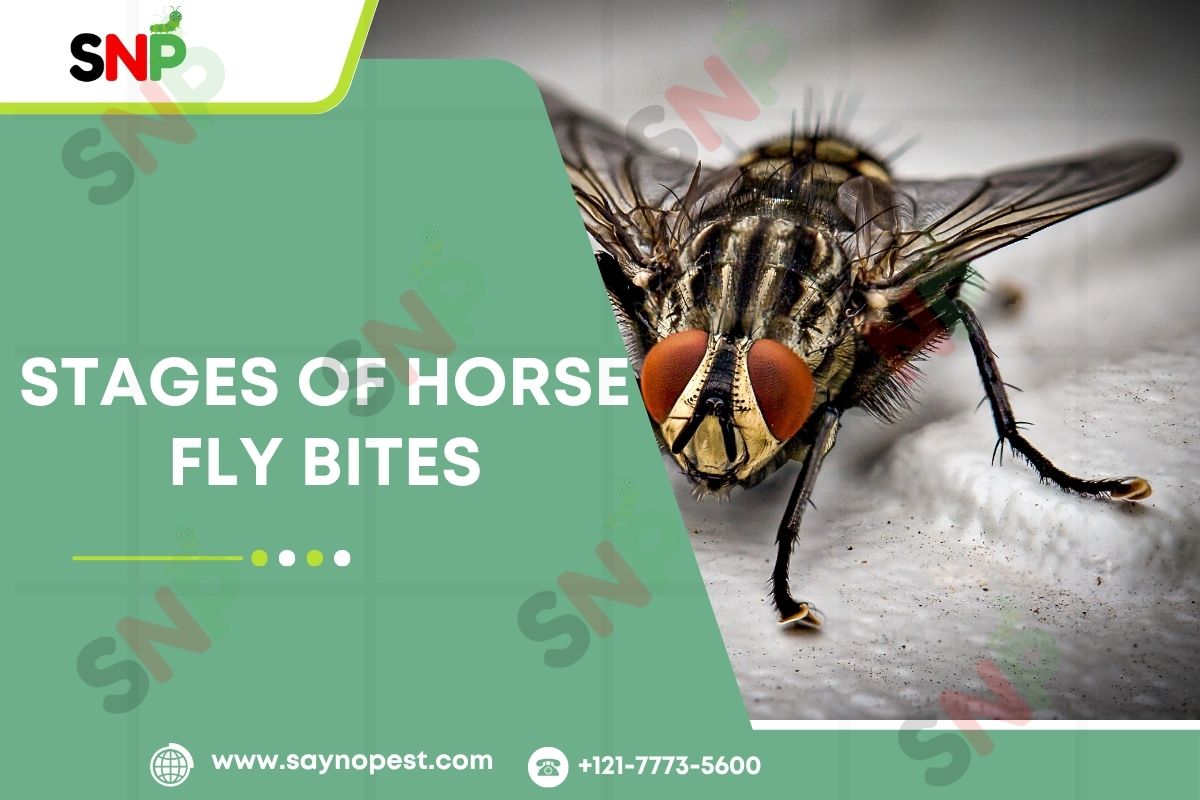
  • Introduction to Horse Fly Bites Stages

    Introduction to Horse Fly Bites Stages

    Each summer of the year across the United States arrive swarms of nuisances, one of the most irritating to humans and animals alike and the horse fly. It is advantageous to understand and be acquainted with the stages of horse fly bites in order to advance effective treatment, prevention, and overall comfort outdoors.

     Horse Fly Bites: All You Need to Know

    Horse flies are huge, heavy insects with very powerful jaws. The insects bite the mammalian blood for reproductive purposes, and the bites are intensely painful. Where they differ from common fly bites is how they do it whereas mosquitoes stab stings into the body, horse flies stab into the body, and horse fly bites are piercing burns with immediate swelling.

    • Clear signs of horse fly bites are:
    • Harsh, sudden stinging pain upon biting
    • Redness, swelling, or color-changing bump
    • Itching, redness, & swelling
    • Infection risk if the bite is not controllable

    The initial phases of a horse fly bite are actually the bite of a cracking, stinging cut that can easily lead to redness and swelling in minutes. Within minutes, often hours, the area can be itching or even develop an easily visible welt. In some individuals, there is always the possibility of an allergic reaction such as swelling, rash, or even difficulty breathing, though a condition of this sort rarely happens.

    Phases of Horse Fly Bites

    Knowledge of phases of horse fly bites is a strategy for prompt treatment of symptoms and prevention of complications. Every phase of the above-listed phases is having some challenges:

    1. Instant Stage

    Since the horse fly is still on the skin, its scissor-mouth pierces tissue and feeds on blood. Its phase is accompanied by immediate pain and burning.

    2. Inflammatory Stage

    The immune system of the body reacts shortly after the bite. The location where the person has been bitten becomes red and inflamed and is usually itching too because histamines are expelled. The inflammation is from a few hours up to several days.

    3. Healing Stage

    When the body has metabolized the initial trauma, it heals. Swelling or weal will eventually fade away, but itching will persist in the process of healing. The horse fly bites will heal without intervention, but scratching can result in delayed healing or infection.

    4. Complications (Uncommon)

    Though rare, anaphylaxis or infection is a possibility. Redness at the site, pain swelling, fever, pus, or systemic symptoms such as dizziness are signs of this. These must be reported to the doctor at once.

    Scratch fewer and take care to note signs of infection or allergy during these stages of horse fly bites to recover safely.

    How Can I Treat Horsefly Bites

    If you request, How do you treat horsefly bites, there is an initial response, immediate and easy, which steers clear of severe pain and second-stage complications. The following eliminates infection and relieves pain and swelling:

    • Clean the bitten area with soap and water well.
    • Always Apply a cold compress or ice pack to the affected area for 10–20 minutes.
    • Topical creams like calamine or hydrocortisone may be applied to relieve itching; oral antihistamines in case of persistent itching. 
    • Avoid scratching as it will enhance the risk of infection and the healing process. 
    • Consider elevating the bitten arm if possible, to reduce swelling.

    Most serious: watch closely for the bite at all stages of horse fly bites. Pus, harsh redness, continuous pain, or allergy signs showing up, seek a doctor immediately.

    The signs of horsefly bites can be treated using medications. Homemade Natural remedies, such as oatmeal baths or aloe vera, could be helpful, but use antidote that have approval from Doctors for optimal results.

    Black Flies Control

    Horse flies are problematic, but black flies often plague similar outdoor environments, too. Effective black flies control is crucial if you’re looking to minimize fly bites and related risks.

    Key measures for control of black flies:

    • Clear trash from around home or property water sources to reduce breeding places.
    •  Always Apply larvicides, especially with Bacillus thuringiensis israelensis (Bti), in standing water to kill the larvae.
    • wear light-colored protective clothing, dark colors will attract horse and black flies.
    • Spray good fly repellents on clothes and skin.
    • Screen windows and doors to keep flies out.

    Although complete elimination cannot be achieved, these measures keep the population under tolerable levels and preclude stinging bites, particularly in hot weather during summer.

    Prevention and Detection of Horsefly Bites

    Prevention, treatment, and elimination of black flies are as imperative as prevention. To avoid horse fly bites & the discomfort that follows and to avoid them, keep in mind the following:

    • Wear shirts, trousers, & shoes when you go outside, especially in grasslands or forests.
    • refuse perfumes & scented creams that act as fly attractants.
    • Use insect repellents prior to going outdoors.
    • Avoid locations where horse fly activity is observed, where possible.
    • Keep the grazing pastures clear and unobstructed for cattle and horses.

    Early diagnosis knowledge of the phases of horse fly stings enables timely treatment and fewer complications.

    Horse-Fly-Bites

    Conclusion: Say No to Black Fly Bites with Saynopest

    Horsefly bites are a nasty but natural summer pest across America. Understanding the course of horsefly bites allows you to recognize and treat symptoms early on, evade complications, and be outdoors again in a few hours’ time. And don’t forget, healing horsefly bites essentially means speedy cleansing, chilling, and careful watching.

    Starting black flies control not only protects you and your home, but also your animals and pets.

    For expert consultancy, professional services, and tried-and-tested solutions for all your pest problems, appoint “saynopest” as your pest control solution partner. Remain bite-free, remain safe, and say no to horse fly and black fly bites this summer!

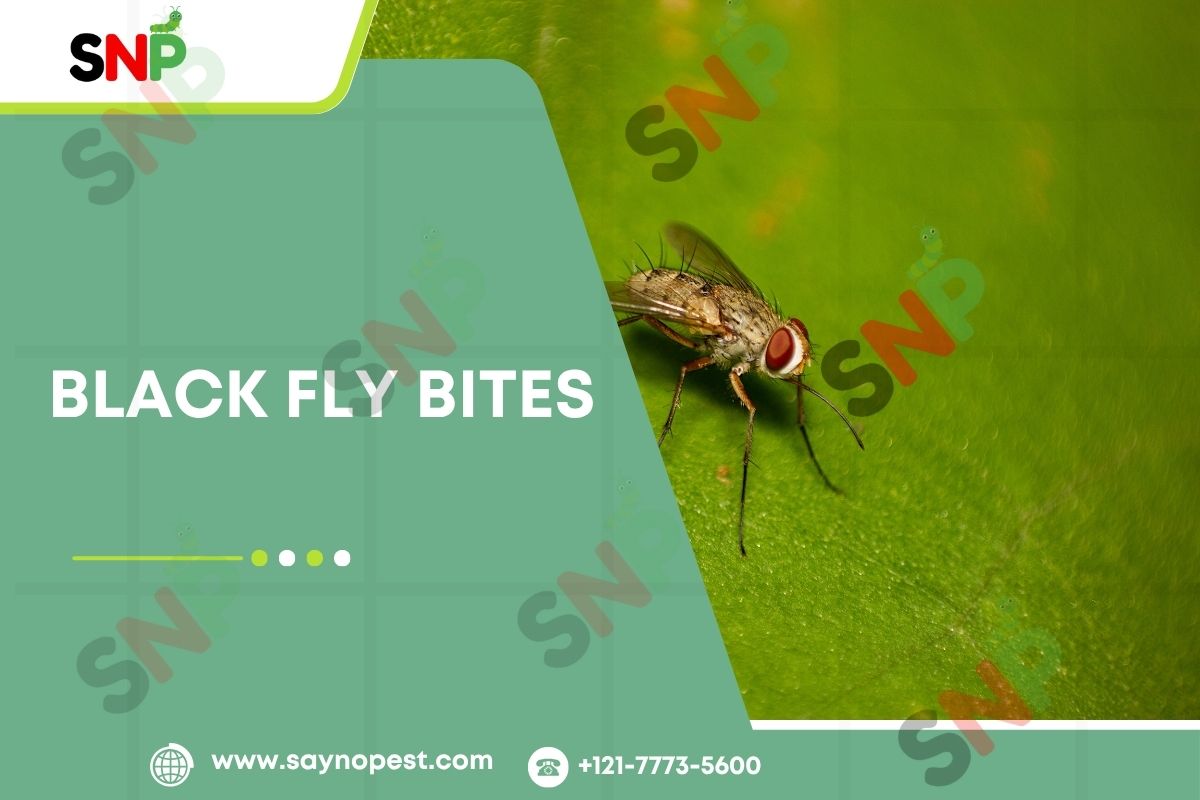
  • Black Fly Bites: All You Ever Wanted to Know

    Black Fly Bites: All You Ever Wanted to Know

    Introduction to Black Fly Bites

    Summer is a time of a lot of outdoor fun, but it also means a greater possibility of encountering some bugs few more stubborn in much of the US than black flies. Famous for their biting, stinging Black fly bites that itch you more than anything. These small bugs can ruin a picnic or hike. Understanding Black fly risk, appearance, and prevention sets you up to live outside with minimum exposure. From this blog I bring to you by saynopest, you’ll understand all there is to know about Black Flies. The appearance of their bites, how to handle them, and the Best Natural Black Fly Repellents.

    Black-Fly-Bites

    What Are Black Flies?

    Black Flies are small, dark-colored flies, usually not larger than 5–15mm long, with a hump-backed body. They are also close to running or flowing water like streams and rivers and are typically active in late spring and early summer for most of the United States. Both the males and females will be consuming nectar but it is the females to watch out for; they will consume the blood of mammals and birds and even of people in an effort to mature their eggs.

    Some of the Black Flies do bites, especially around the head, neck, & thin-skinned regions. If you  work, or play on rivers or lakes, you’re likely used to clouds of these pesky insects, especially with rising temperatures and humidity.

    What Do the Black Fly Bites Look Like?

    Curious, What do the Black Fly Bites look like? The answer is anything from a small red bump to a tender, swelling welt. Black fly bite is initially a red weal with typically a small scratch or puncture in the center. This is due to Black Flies biting by cutting a slit in your skin with their scissor-like mouth and sipping the blood. Black fly saliva contains anticoagulants and toxins that trigger a response consisting of:

    • Pain and stinging (usually intense and long-lasting)
    • Swelling (sometimes the size of a golf ball)
    • Red, fluid-filled welts or blisters
    • Swollen lymph nodes at the affected area
    • Fever or headache in some cases (so-called “black fly fever”)

    These reactions are more severe than a typical mosquito bite and may last for up to several days. It will be exacerbated by scratching the area, & infection is also probable. If you have experienced an allergic reaction earlier or develop facial swelling, seek medical care.

    Black Flies Control

    Black Flies are controlled through habitat manipulation, personal protection, and professional treatment in certain instances. Here are the things you can do:

    Remove Breeding Sites: Black Flies lay eggs in flowing water. Where it is practicable, remove or restrict access to flowing water on your farm.

    Larval Control: Microbial larvicides like Bacillus thuringiensis israelensis (Bti) are used by community programs on a routine basis in water bodies. They can kill black flies without harming other wildlife.

    Limit Exposure: Limit time spent outside in early morning and late afternoon when Black Flies are at their peak.

    Wear Protective Gear: Light clothes, long sleeves, pants, and headgear provide you with a protective cover from biting flies.

    Shelter Stock: If you keep farm animals or pets, keep them indoors during fly active times. Offer shelters that are treated with registered insecticides.

    Nothing is going to kill Black Flies, but these measures can make life a heck of a lot less likely to be comprised of annoying encounters.

    Natural Black Fly Repellents

    Natural Black Fly Repellents are the most in demand by people due to the threat of chemical exposure, especially in the presence of children and pets. Several methods have been found to be effective:

    Essential Oils: Some oils in natural combinations like peppermint, geranium, rosemary, cedarwood, and lavender have proven to be useful. Apply them in spray or cream form on the skin exposed for a DEET-free alternative.

    Homemade Lotions: Combine such essential oils with carrier oils as coconut, olive, or beeswax for long-term protection. Use every two hours, particularly after swimming or perspiring.

    Home Remedies: Vanilla extract or diluted apple cider vinegar can be employed as weak Natural Black Fly Repellents when applied on the skin.

    Yard Solutions: Plant herbs like basil, lavender, or garlic around your outdoor space to keep black flies away. If you’re lighting rosemary or sage at a party, bugs will also be chased away.

    Keep in mind, what works for one may not work for you—try some out and choose what will work best for you.

    Black-Fly-Bites

    Conclusion: Fight Back Against Black Fly Bites with saynopest

    Black fly bites are more than a nuisance irritating, painful. Sometimes initiating other greater health problems if left untreated or not effectively regulated. Fortunately, stay aware of what Black Flies are attracted to, Know How do the Black Fly Bites look, and using Natural Black Fly Repellents can be the answer. Always practice personal prevention measures, reduce exposure when the flies are active, and keep your property under control to keep those pesky bugs in check.

    For additional advice, expert opinion, and solutions to address any pest issue, rely on saynopest. your access to effective, safe pest control throughout the United States.

    Make your next outdoor excursion bite-free and enjoyable, with everything you need to know regarding Black fly bites and Black Flies.

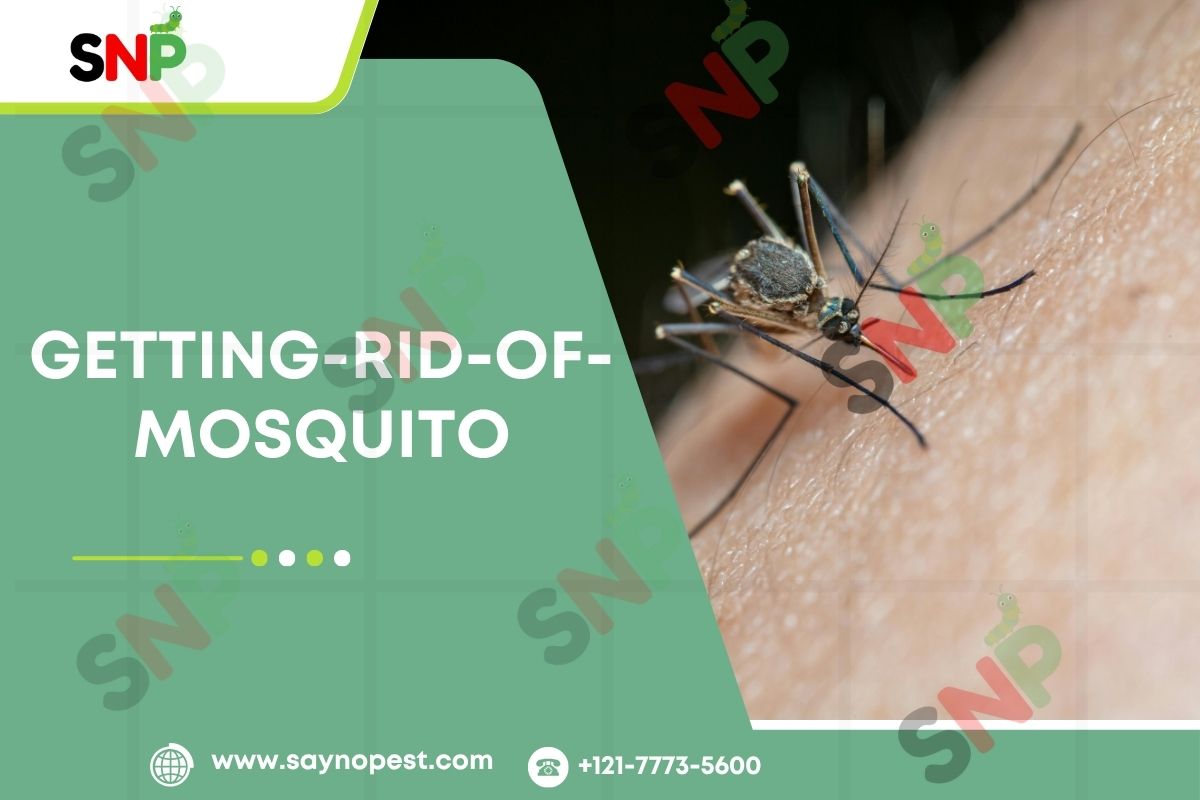
  • Getting rid of mosquito: The Ultimate Americans’ Guidebook

    Getting rid of mosquito: The Ultimate Americans’ Guidebook

    Mosquitoes are something more than irritating summer visitors-rude little bugs that hassle you and even bite you. If you are fed up with mosquito buzzing and mosquito itching bites, with all you will ever need to end mosquito bites, you are already on the path of Getting rid of mosquito healthier living. We at saynopest strive hard to give you the greatest pest control information in America.

    Introduction to Mosquito Eradication

    There is nothing that will ruin a barbecue or serene evening on your patio. Swatting them is less pleasant than convenient but more concern for the health safety of your family from future harm. Mosquitoes breed in geometric numbers, and females deposit hundreds of eggs in any quantity of standing water. Their sting will cause itching, allergy, and in extreme cases, life-threatening disease. Successful control isn’t just treatment of outside larvae, though, but sneaky adults as well mosquito annihilation, a question of simple common sense any vigilant homeowner will achieve.

    Types of Mosquitoes: Know Your Enemy

    Victory over the enemy mosquitoes is to know the most prevalent kinds of mosquitoes plaguing America. Let’s examine the dirty scoundrels:

    Aedes Mosquitoes: Glitzy black stripy and white, daytime biter. Carriers of Dengue, Zika, and Chikungunya.

    Culex Mosquitoes: “House mosquitoes,” feed at night, vectors of West Nile virus and other encephalitides.

    Anopheles Mosquitoes: The “malaria mosquitoes” of international dread, they are nearly limited to fresh water and crepuscular hours. Anopheles mosquitoes are most famous for their role in spreading malaria, i.e., international pandemics but occasionally a general prevalence of the condition in the U.S.

    It is important to know these mosquitoes in order to strike each one more specifically. Their work schedule, environment, and lifespan all come under your mosquito-elimination plan.

    Diseases Caused by Mosquito Bite

    Worse than it sounds, mosquito bites can cause horrific medical conditions. Some of the diseases caused by the mosquito bite that would give every American the chills are:

    Malaria: Transmitted by Anopheles mosquitoes, malaria infects the traveler and leads to fever, chill, and possibly lethal disease.

    • West Nile Virus: Transmitted by Culex mosquitoes, the virus usually causes mild illness of flu-like symptoms but, in the exceedingly uncommon case, brain inflammation, coma, or death.
    • Dengue: Transmitted by Aedes mosquitoes, dengue fever may result in crippling joint aching, fever, and, in the most severe cases, death.
    • Zika Virus: Nothing to display but lethal for pregnant women as it will result in birth defects.
    • Chikungunya: Arthropod-borne viral disease that ravages the joints with a fever but not necessarily lethal, but recovering from for ever.
    • Yellow Fever and Encephalitis: Both lethal and even lethal, both illnesses transmitted by mosquitoes say plenty about mosquito control.

    These other mosquito-borne illnesses are also increasingly being discovered in parts of the U.S. not typically traveled through due to increased international travel and global climate changes.

    Good Mosquito Eradication Practices

    This is what you can do now because you’ve identified the disease and mosquito type from the bite:

    Drain Standing Water: Mosquitoes breed in standing water. Drain the gutter, pail, planter pot saucer, and bird feeder from time to time. A bottle cap full of water is enough for most mosquitoes to breed.

    Keep Yard Trash-Free: Sweep away trash and debris where water tends to collect. Cut down the bushes to remove wet places where mosquitoes roost.

    Screens & Screening: Screen windows & seal entry points before breeding season to keep mosquitoes out.

    Repellents & Aerosols: spray on clothing & exposed skin insect repellents. Lemongrass & citronella products will repel mosquitoes as well.

    Larvicides for Breeding Sites: Use larvicide products to treat breeding sites and eliminate larvae in nondraining ponds or standing water before they mature into the adult mosquito stage.

    Professional Control: Professionally control most of the resistant development phases of the mosquito in case it is badly infested.

    Depending on the process over and over again is what one needs to fully eliminate mosquitoes and lock the breeding cycle round and within your home.

    Getting-rid-of-mosquito

    Conclusion: Take Back Your Peace with saynopest

    Getting rid of mosquito is possible when you’re proactive, & use the right methods for the types of mosquitoes. By Being vigilant, eliminating standing water, using effective repellents, & addressing infestations early you protect your family not just from irritation, but from diseases caused by the mosquito bite.

    With each step you take toward eliminating mosquitoes from your world, your world is that much closer to a cleaner, healthier world. Let saynopest provide even more sage advice and good judgment to guide you to a mosquito-free home because your health and happiness are truly the only things that truly do matter.

  • Introduction to Adult Life of a Crane Fly

    Introduction to Adult Life of a Crane Fly

    You have darker summer nights and one of the long-legged flies is flying in and out of the front porch light on your porch. You are curious about the Adult Life of a Crane Fly. As foreboding in their size and bug-like in their appearance and similitude to a mosquito.They have a unique and harmless function to serve within the environment. In this post, courtesy of saynopest. You will learn about the fascinatin’ facts of Adult Life of a Crane Fly & how they complete their lifecycle, their misunderstood behavior. Why you shouldn’t dread their brief sojourn in your garden or house.

    Adult-Life-of-a-Crane-Fly

    What is a Crane Fly?

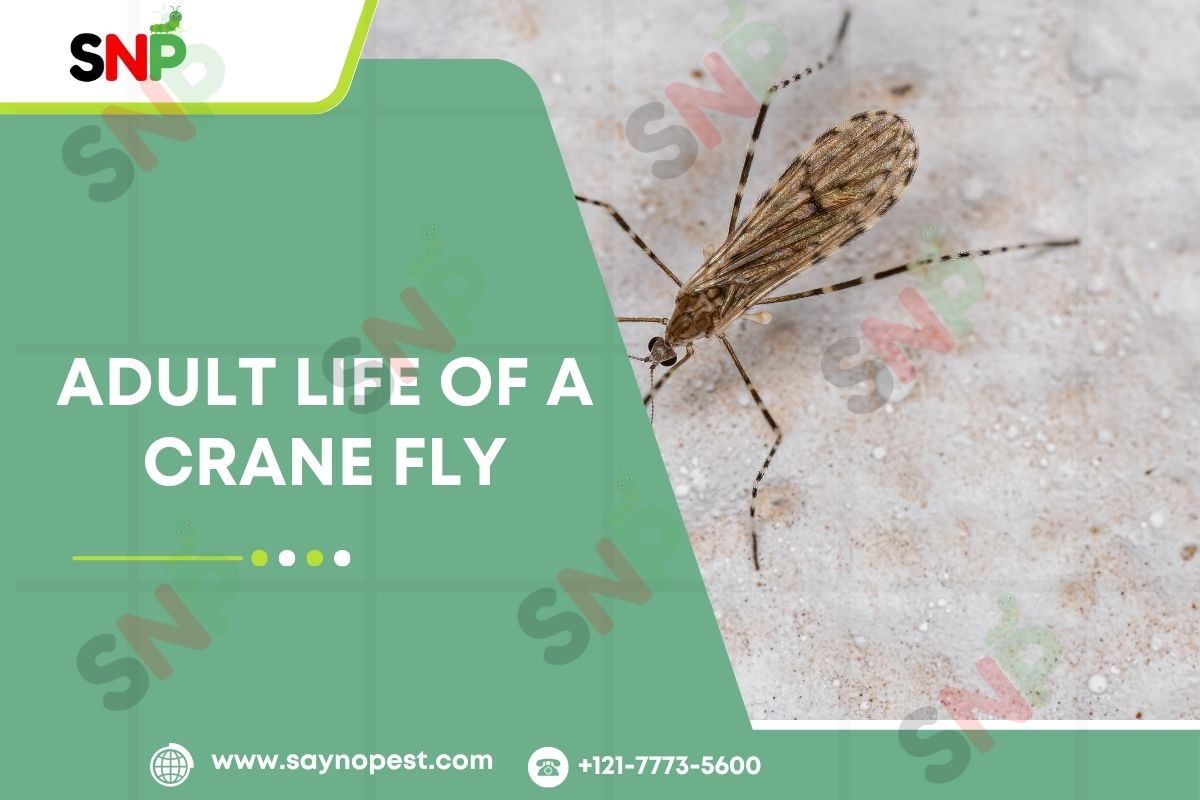
    In early sightings, a crane fly might be mistaken for a gigantic mosquito due to the long, thin body and frill-like wings. Crane fly adult life should not be likened to blood-sucking siblings, though. Crane flies are Tipulidae and found everywhere throughout the United States, adoring wet environments like lawns, marshes, and gardens.

    Their legs will be approximately 1.5in in length, and their own legs will be even longer—most commonly hearing them called “daddy long legs” (never cellar spiders or harvestmen). Its flight is the myth of being terrible, and they will crawl on lit-up windows late at night.

    Crane Fly Lifespan

    The most surprising aspect of crane flies in their adult stage is possibly how brief it is. The lifespan of crane flies when in their adult stage is generally between 1 and 15 days, depending on the type. It is generally remarked as 1–3 days by some and two weeks by others. Whatever is the duration, these flies are quite short-lived in their adulthood.

    They breed throughout their entire lifespan. The female crane fly deposit dozens of hundreds of eggs on wet grass or lawn. They emerge as larvae known as “leatherjackets” which live nearly a year in the soil, feeding on roots and debris before they are prepared to pupate and develop into adult form. Ironically enough, crane fly larval existence is often many times longer, taking a few months before metamorphosing into short-lived adulthood.

    For their short adult lifespan of a crane fly, never feed and possess redundant mouthparts. Everything that is necessary for egg-laying and mating comes from stored energy in the food consumed during the larval stage. After they have finished mating and egg-laying, adults die cleansing the system again, beginning anew with the next generation.

    Do Crane Flies Eat Mosquitoes

    Most prevalent among these misconceptions is that  Do Crane Flies Eat Mosquitoes and because of this fact. they are famously so well recognized to be referred to as a “mosquito hawk” or “mosquito eater.” This is not the case. Various studies and pest managers still show that crane flies don’t eat mosquitoes. The adult form of crane flies does not eat any insects and passes their entire short life cycle of mating. Larvae of some crane flies will occasionally dine on other larvae of mosquitoes, but the majority of them don’t have that in their arsenal.

    It is important to understand this in order to completely grasp adult crane fly existence. Anything but insectivores themselves, they are not destructive to animals, mankind, and much wildlife, serving a role in the food chain as a food source for birds, bats, and other insectivores.

    How to Defend Yourself against Their Bite

    One of the most common adult crane fly life cycle myths is that they bite. Crane flies neither sting nor bite. They do not have mandibles or a stinger. However, if you actually do manage to get a crane fly in your home or on your patio. There is no damage done it just does not eat at this time and is only concerned with reproduction.

    But if you do not wish to have them in, some good solutions for keeping crane flies out of your home are:

    Install or repair window and door screens, which are well-sturdy and tightly attached.

    Avoid having outdoor light inside the house unnecessarily, because they will introduce adult crane flies.

    If accidentally you do have one inside, just cup it and release it outdoors. They are not good fliers, so it is easy for you to do that.

    If lawn damage is your concern, note that only the larvae stage—leatherjackets—have a possibility of inflicting any harm to your lawn or grass. Having a healthy lawn under the guise of improved drainage, avoiding overwatering, and frequent mowing can quite nicely prevent larval infestation into your lawn.

    Conclusion

    Their life is short, contemptuous, but worthy phase of the insect’s life cycle. While their group appearance might be startling, remember that they are harmless: crane flies don’t bite & don’t feed on mosquitoes, and adult lifespan is only a matter of a few days. For precise information and advice on pests, trust saynopest to guide your household and protect your home.

    Watching the life cycle & the behavior of the crane fly will enable you to coincide in peace with it. The next time you see a crane fly, note what it is doing & remember that you don’t have anything to fear from this long, thin visitor.

  • Aedes aegypti: Facts, Comparison, and Evasion of Deadly Mosquitoes

    Aedes aegypti: Facts, Comparison, and Evasion of Deadly Mosquitoes

    A worse nuisance than humans know of the American public health issue. Predominantly the largest disease carrier of lethal diseases like dengue, Zika, and yellow fever in other mosquitoes is Aedes aegypti. Here in this blog, we are going to discuss everything that you would like to know about Aedes aegypti comparing Aedes albopictus with it,.

    Finding out what Anopheles mosquito larvae are doing, and most importantly learned informative facts. How To Protect Yourself From Their Bite.

    Aedes-aegypti

    Introduction to Aedes aegypti

    Aedes aegypti mosquito bites are widely known to bite, among other human disease. It is now an American plague in cultures around the world. Indigenous originally to the world’s tropics and subtropics, now it thrives in US cities. Very easy to identify with black body, white stripes on legs, and lyre-shaped spot on thorax. Aedes aegypti, unlike most mosquitoes, will bite aggressively in daytime late morning and early afternoon especially.

    The most horrible thing about Aedes aegypti is that it prefers feeding on human beings. The female also acquires specific chemical cues like carbon dioxide, lactic acid, and even the scent of human beings. And via bite. The mosquito can spread the dengue, chikungunya, and Zika fever viruses that are harmful to U.S. health and national cohesion.

    Aedes aegypti breeding cycles start in puddles of stagnant water, fleurpots, bird baths, flat tires, even bottle tops. They are highly durable eggs that will continue to hatch even after lying out of water for up to eight months, then back in water, starting a new cycle of mosquitoes to feed off. They have no ability to fly long distances and remain close to human habitations, which means that house control has to be adopted.

    Aedes albopictus: Asian Tiger Mosquito

    Aedes albopictus, the Asian tiger mosquito. Even though Aedes aegypti still is the prime suspect for virus transmission, Aedes albopictus also is becoming a nuisance because of its wide dispersal and broad range and daylight activity.

    They can be distinguished from its close relative on the grounds that it has a white mark on the middle segment of its thorax, striped legs, and is stouter. The mosquito, as compared to Aedes aegypti, is adapted to urban. Forest habitats by virtue of the fact, inter alia, that it can lay eggs in an impossibly wide variety of receptacles and natural crevices.

    Much less effective at virus transmission than Aedes aegypti, Aedes albopictus is a vector of Zika disease, West Nile, dengue, and chikungunya. It was also employed to repress endeavor at establishing due to cold hardiness and vulnerability to surviving cooler temperatures by overwintering as an egg.

    Anopheles mosquito larvae

    Learning about Anopheles mosquito larvae

    While Aedes aegypti and Aedes albopictus steal the show with new outbreaks. Anopheles mosquito larva is the front-page story of the malaria-infected mosquito life cycle elsewhere. America does not have malaria, but Anopheles mosquito larvae are the ones making headlines when pest control is what is on the table.

    Anopheles mosquito larvae develop into adult mosquitoes in open clear water—grass-lined ditches, marshes, and streambanks. They vary in their respiration habits: whereas other larvae of mosquitoes suspend vertically at an angle. Anopheles larvae move horizontally at water surface level; breathe through special spiracles sparsely located along their belly. They are fed organic detritus and bacteria until after a series of molting that lead to discharging pupae, then adult mosquitoes. Effective methods for managing pests should disrupt the mosquito larvae from starting breeding cycles prior. When they develop into adult mosquitoes.

    How To Keep Yourself Safe From Their Bite

    Repelling Aedes aegypti, Aedes albopictus bites & mosquitoes bred from Anopheles mosquito larvae is complicated. Here is how to Keep Yourself Safe From Their Bite and the good health of your family.

    Wear Protective accessory: Wear only long shirts, socks, shoes, & long pants when outdoors, especially during the time of maximum mosquito activity.

    Use Insect Repellents: When you are out, apply insect repellents that are EPA-registered & contain DEET or picaridin as the active ingredient.

    Treat Clothing and Gear: Clothing and gear with permethrin as an additional layer of protection.

    Drain Standing Water: Tip, cover, or remove objects that will collect water flowerpots, bird baths, gutters, buckets, etc. so female Aedes aegypti and Aedes albopictus won’t have a place where they can lay eggs.

    Build Physical Barriers: Always Use window screens & bed nets in the bedroom space, & keep doors and windows in the proper way.

    Be Attentive: Extra cautious at Evening, when some species bite the most, and avoid high-risk areas if possible.

    You’ll awfully reduce your risk of mosquito bites and disease transportation so don’t underestimate the importance of these actions!

    Aedes-aegypti

    Conclusion: Stay Safe with saynopest

    Mosquitoes like Aedes aegypti remain an issue in the United States, purely because they are disease vectors. Studying their biology, seeing the same threat to Aedes albopictus, studying what breeding sites the larvae of the Anopheles mosquito need, and applying the greatest wisdom of How To Keep Yourself Safe From Their Bite, you are safe and your family is safe.

    At saynopest, we’re committed to keeping your home and surroundings safe from all mosquito threats. Stay informed, take action, and let saynopest be your trusted resource in effective pest control. Always Know  the best time to act is now. Don’t let Aedes aegypti take hold in your community.

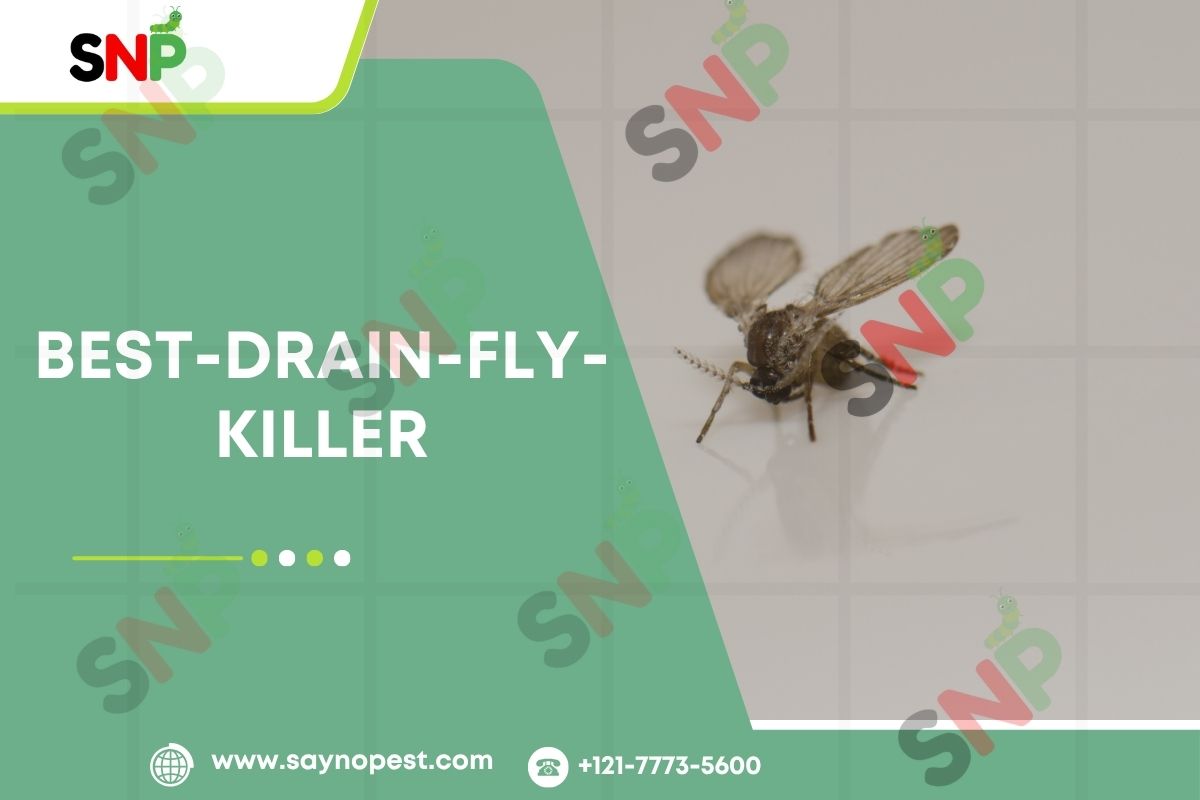
  • Best Drain Fly Killer: An Guide for American Households

    Best Drain Fly Killer: An Guide for American Households

    Flies in drain are a common issue in most American households. If you have noticed tiny, hairy creatures flying around your sinks or drains, then you have a drain fly infestation. This saynopest guide will let you know what drain flies are, what drain flies eat, and get a solid solution on how to select the Best drain fly killer. Our suggestion is based on real, tried, and practical solutions from the latest research and products found in the U.S.

    Introduction to Best Drain Fly Killer

    Duct flies can turn your home comfort into an annoyance. These insects, also called drain flies or moth flies, are not harmful but quickly become a nuisance due to the fact that they breed so fast and continuously. Finding the Best drain fly killer is significant to households and companies requiring a fast and long-lasting remedy. In this blog, we’ll examine why it happens, what do drain flies eat, and how to choose an authentic, effective Best drain fly killer for your situation.

    What Do Drain Flies Eat?

    If you’re wondering, what do drain flies eat, the answer is crucial to eliminating them. Duct flies bloom on decaying organic matter that collects inside drains, pipes, and even overflows of sinks and tubs. This includes slime layers filled with bacteria, algae, fungi, and other microorganisms. The presence of such debris is exactly what brings flies in drain, creating an ideal breeding spot for these pests.

    Adult drain flies do sometimes imbibe flower nectar or tainted water, but their larvae feed almost exclusively on the organic slime and “biofilm” within drains. That is why, if you find yourself asking yourself again and again what do drain flies eat, targeting these food sources is what allows any Best drain fly killer to be effective.

    Flies in Drain: Why Do They Appear?

    Drain flies are typically a sign of a buildup within your pipes. Duct that are occasionally used are more likely to harbor the slime & film in which drain fly eggs are laid. Homes, hotels, restaurants, & public restrooms across the U.S struggle with this issue, especially where water stands or drains slowly.

    Why do these infestations occur? It comes down to two things: what do drain flies eat (the buildup of organic matter) and water. Drains, garbage disposals, septic systems, and even cracks in the plumbing turn into ideal sanctuaries for these pests. When you see flies in regions near drains, you’ll need a professional, efficient, and proven Best drain fly killer to get rid of the problem.

    How to Choose and Use the Best Drain Fly Killer

    When choosing the Best drain fly killer, effectiveness and safety are important. Following are the best solutions that are being used all across the United States:

    Enzyme Drain Gel Cleaners: These, including Forid Drain Gel, Green Gobbler Gel, and Invade Bio Drain, use natural microbes or enzymes to break down and destroy organic sludge that serves as the food supply of drain flies. This is the most authentic approach since it works on exactly what do drain flies eat.

    IGR Aerosols (Insect Growth Regulators): It is a popular choice that disrupts the fly life cycle so they are unable to reach the adult stage.

    Contact Sprays: Aerosol sprays, such as Pyrid or PT 565 Plus XLO Contact Insecticide, provide a quick knockdown of the adult flies seen around your drain.

    Foam Treatments: Fast-acting foam products, like Dr. Pooper’s Accelerator, provide deep penetration to eliminate larvae that are in drain walls where the organic film forms. 

    DIY Options: You can try innocuous, household mixtures such as baking soda and vinegar, followed by boiling water, for minor issues. Commercial drain fly eliminators are recommended, however, when the infestation is persistent.

    How to Use Effectively:

    First, locate all the areas with flies in drain: sinks, floor drains, and tubs.

    • Apply your chosen Best drain fly killer around the rims of all drains according to the instructions. 
    • Treat several consecutive nights for complete elimination.
    • Prevent future infestations by keeping drains dry and clean.

    You should treat all infested drains and not just the one where you see flies in drain most of the time. By targeting the root of the problem what do drain flies eat you cure the infestation at the source.

    Best-Drain-Fly-Killer

    Conclusion: Take Control with the Best Drain Fly Killer and SayNoPest

    In summary, flies in drain always point to organic buildup and water. By focusing on what kills drain flies, you get to the source of the problem. The best drain fly eliminator is one that safely, effectively, and completely eliminates the slimy build-up in your drains without leaving any room for future infestations to breed. Well-chosen enzyme gels, & professional IGR aerosols are the best products on the market in the United States.

    Remember, regular drain cleaning, quick response to infestations, and using only tried-and-tested products are your best defense against those drain flies. Don’t let the comfort of your American home or business be disruptedtrust saynopest for the best drain fly prevention and removal information. Your ideal solution for Best drain fly killer is just a clean drain away!

  • Introduction to Signs of Field Mice Infestation

    Introduction to Signs of Field Mice Infestation

    It can be a nightmare to find a Signs of Field Mice Infestation in your home or on your property. Field mice or meadow mice are small agile rodents that inhabit rural and urban areas of the United States. You may not spot them frequently, but they leave some clues behind. Detecting The Signs of Field Mice Infestation soon enough will save you extra troubles in the future, like the destruction of properties and illnesses.

    Signs-of-Field-Mice-Infestation

    What Are Field Mice?

    Field mice are drain creatures with a habit of inbound even the smallest openings in quest of food and shelter. Given a choice, they like living outdoors, but field mice habitually infest houses, barns, garages, and even cars especially during cold weather. The telltale Signs of Field Mice Infestation must be known to be able to take prompt action.

    Signs of Field Mice Infestation

    1. Droppings:

    One of the most visible Ways is dropping in the form of pellets. You will find them, where you keep food, in your drawers, cupboards, or baseboards.

    2. Gnaw Marks:

    Field mice also possess ever-growing teeth and must chew. Check for gnawing on furniture, baseboards, electrical wires, and packaging of food. Gnawing is among the Significant and can also lead to a fire hazard if the wires are chewed.

    3. Nests

    Field mice create nests using shredded paper, vegetation, cloth, or insulation. They may be nesting in attics, behind appliances, or in partially moved storage boxes. Several nests in the area are clear Signs of Field Mice Infestation.

    4. Sounds:

    Soft scurrying, scratching, or squeaking noises especially at night are an audible indication. Nocturnal noises usually are one of the first clear Signs of Field Mice Infestation prior to visual indications.

    5. Smell:

    Another sign is the pungent odor of ammonia in their urine. It is very prominent in case of heavy infestation or if it was not detected for very long. Odor is also one of the easiest to ignore but most significant.

    6. Smudge Marks & Tracks:

    Field Mice prefer to use the same runways. Soon, you’ll also see dirty smudges on walls or faint trails in dusty areas classic Signs of Field Mice Infestation.

    7. Spoiled Food Stores:

    Torn-open food packets, infested pantries, and spills of crumbs are the marks of unwanted visitors. Mice are expert thieves at invading even seemingly airtight food packets, so investigate any strange messes for them.

    Are Field Mice Dangerous

    The skin-deep question on every homeowner’s mind: skin-deep- Are field Mice Dangerous? Yes, but danger is relative to size and duration of infestation.

    Health Dangers

    They also carry dangerous diseases, primarily through their feces, urine, or saliva. The disease can be caused by exposure to diluted surfaces or through the breathing in of particulate matter. Are field Mice Bad for pets and allergy patients since their dander and droppings can cause respiratory issues.

    They also carry fleas, ticks, and mites into your house. These can infest your house with other illnesses and be a persistent nuisance, so the question of Are field Mice Dangerous is more relevant.

    Property Damage

    Another basic reason Why Are Field Mice A Danger is that they possess the tendency to chew on property wires, insulation, wood, and personal items. Jumbled wires can literally lead to fires. Nesting leads to torn insulation and materials, and also food contamination leading to costly spoilage.

    Agriculture and Gardens

    If you have a garden or crops, field mice are quite destructive. They spoil seeds, fruits, & shoots, impacting the harvests. Not just indoors but even outdoors, this is true. 

    Conclusion: Keeping Your Territory Safe from Field Mice Infestation Signs

    Field mice may be harmless-looking tiny animals, but an Infestation of Field Mice in your home or garden is not one that you can afford to ignore. Droppings, nests, gnawing holes, and strange noises are all signs of field mice making themselves at home and these unwelcome visitors are notorious for being both damaging and harmful to your health. As already mentioned, Are Field Mice Dangerous is not a question but a genuine concern of whoever must handle these mice in their midst.

    Continue to be on the lookout for the Signs of Field Mice Infestation and act early to save your property, your food, and your family members from unnecessary loss. For expert help or more information on pest control and prevention of Signs of Field Mice Infestation, visit saynopest so that your home is not welcoming to such unwanted guests.

    Remember, whether you’re wondering Are field Mice Dangerous or looking for reliable ways to spot and resolve Signs of Field Mice Infestation the solution starts with awareness and quick action.

    Field mice don’t have to take over your life. Stay informed, stay alert, and let saynopest be your partner in keeping your environment pest-free.

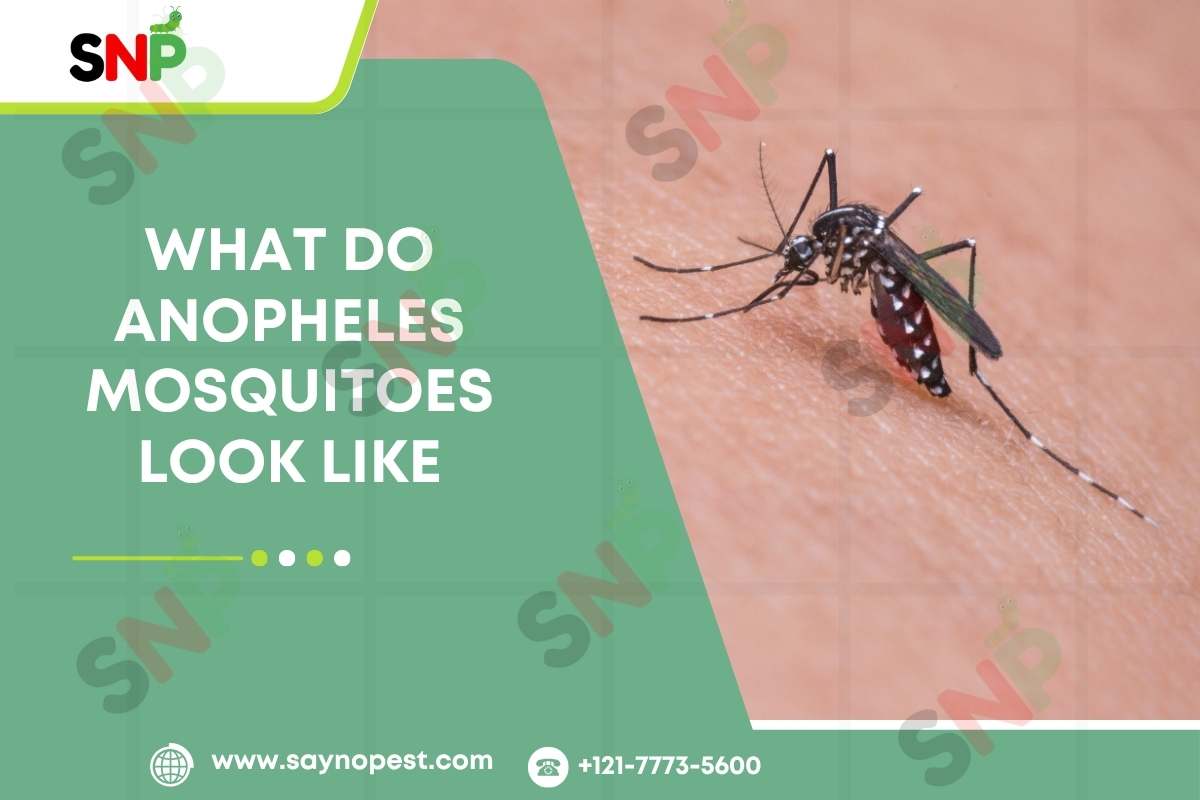
  • Introduction to What do Anopheles Mosquitoes Look Like

    Introduction to What do Anopheles Mosquitoes Look Like

    You’re not the only one if you’ve ever caught yourself wondering  What do Anopheles Mosquitoes Look Like. And by now, you should actually already be fairly well familiar with these recognizable insects by now. Especially since otherwise they’re notoriously well known to be the Anopheles malaria mosquitoes. The very carriers of malaria throughout the world. To all of you who wish to manage pests, understanding how to identify them, their biology and habits. Where prevention and management start. We truly believe here at saynopest that knowledge can empower you to be capable of protecting your home and family.

    What-do-Anopheles-Mosquitoes-Look-Like

    Anopheles Malaria Mosquitoes: Unique Features

    What are Anopheles mosquitoes, anyway? As you might be able to tell, the Anopheles mosquitoes are thin and long. They have three well-differentiated body parts: a very small head, thorax, and long extended abdomen. Some of the differentiating characteristics that distinguish the Anopheles malaria mosquitoes from the remainder of the mosquitoes are distinctive ones:

    Their bodies are quite dark; brown to black. Their dark coloration has wings that are patched or spotted with diffuse markings due to pigmented scales.

    Palps of all mosquitoes are short; although palps-sensory structures. The mouthparts of the Anopheles malaria mosquitoes-are relative sizes to that of their proboscis.

    Rest Posture: Anopheles malaria mosquito rest posture is slanted at an angle not in the same plane and hence easily recognizable from a distance.

    Wing Pattern: Their wings typically have large black and white shingles-like overlapping scales to provide a very speckled appearance.

    And so, when you go off to learn. What Anopheles mosquitoes are like? Things in general to remember that usually long palps as well as that overall curled up posture.

    Anopheles Mosquito Larvae -Appearance

    Choosing these kinds of insects is more than just photographing the adults. Where the larvae reside is important if you’re planning to battle infestations at their source. So, just what do Anopheles mosquitoes resemble as larvae?

    Larval Stage: The Anopheles mosquitoes have worm-like but thread-like larvae that. Despite being legless, are large-headed with sizable feeding brushes to help them feed.

    Respiratory Method: Except for the malaria Anopheles mosquito larvae of the mosquito, all have a respiratory siphon. They respire by hanging vertically underneath the surface of puddle, pond, or marsh water and are simple to identify.

    Habitat: They like free, open water like marshes, streams, rice paddies, grass ditches, and rain puddles. They will eat surface-floating bacteria. The algae & surface-swim in order to take oxygen through small holes (spiracles) at the front of their bodies.

    Eggs and Pupae: Anopheles malaria mosquitoes lay their eggs individually with characteristic lateral floats so that they float at the surface of water to hatch. Anopheles larvae undergo a sequence of molts until they mature into pupae, small comma-shaped “tumblers” in water.

    In order to view these mosquitoes in larva, observe larvae floating at the water surface in a horizontal position.

    To recognize not only what these mosquitoes look like, but also the effects of their bites. Adult female Anopheles malaria mosquitoes suck human blood. 

    Symptoms: A local reaction of itching, redness, and swelling will develop on the next bite of the Anopheles mosquito. Transient itching of the swelling or papule caused by the bite will occur.

    Immune Response: Some proteins found in the saliva of the Anopheles malaria mosquito will stimulate your immune system. Salivary components may persist in the skin for at most 18 hours.

    Malaria Risk: Where malaria is found, the greatest risk is being infected with the Plasmodium parasite. Mosquitoes Lucky us, with US Anopheles malaria mosquitoes present year-round, malaria is rare in most locations.

    Active Times: Have a majority of their feeding in early evening or late afternoon. They are nighttime feeders but some on cloudy days.

    Other Bites by Comparison: The bites of Culex and Aedes are itchier. They initially compared to Anopheles malaria mosquito bites but more perilous as disease potential.

    Do Anopheles mosquitoes show up. Do they detect insider information on nuisance and disease evasion by cure initiated in time.

    Conclusion: Why It Is Necessary to Know What do Anopheles Mosquitoes Look Like

    A knowledge of what do Anopheles mosquitoes look like is not an empty exercise it is an effective tool in successful pest control In safeguarding your loved ones from the disease that these kinds of mosquitoes can transfer. From how to identify Anopheles mosquito larvae in pool water. How to treat an Anopheles mosquito bite, knowledge is your most potent defense.

    And the next time you’re snooping and wondering, or wondering aloud. What Anopheles mosquitoes are like, just recall the dark spots, recumbent resting position, and nice long palps. Prevention is better than cure, so maintain your property properly, look for potential breeding sites at regular intervals, and call in the professionals when the situation demands.

    For commercial pest control tips and further Anopheles malaria mosquito control information. Click on saynopest your pest awareness and prevention guide.

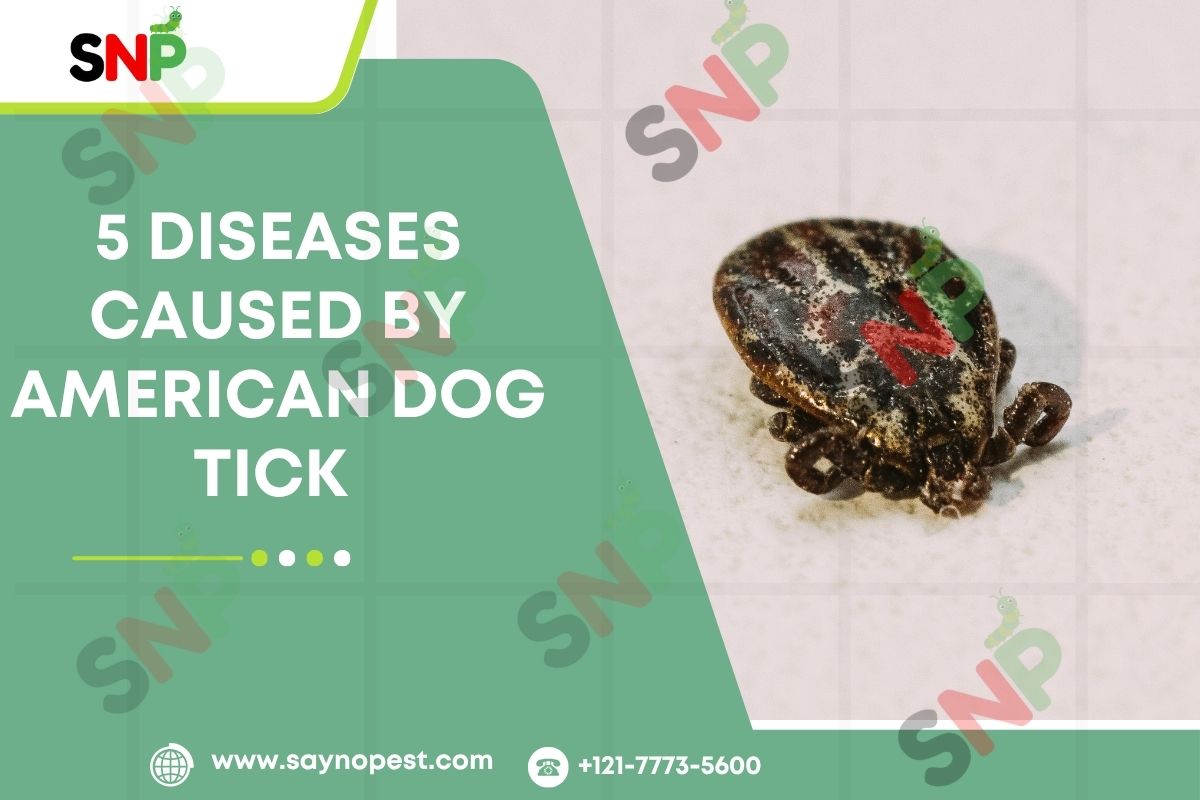
  • 5 Diseases Caused by American Dog Tick: Something Every American Should Know

    5 Diseases Caused by American Dog Tick: Something Every American Should Know

    Being tick-safe is one of the most vital priorities throughout the whole United States, and learning more about the 5 Diseases Caused by American Dog Tick may be the difference between saving your family and pets from the destruction of the tick or becoming its victim. Whether you like spending time outside, have a mischievous pet, or just like to spend time in your own backyard, blissful ignorance is not an option. This saynopest blog has all that you would like to know about the American dog tick, risks of Tick Bites, and how to protect loved ones best.

    5-Diseases-Caused-by-American-Dog-Tick

    Introduction to 5 Diseases Caused by American Dog Tick

    The 5 Diseases American Dog Tick Triggers become, in turn, dreading threats to mankind and our furry friends. These diseases Rocky Mountain spotted fever, tularemia, Ehrlichiosis, tick paralysis, and babesiosis are life-altering unless they are caught and treated on time. Because Tick Bites are typically painless and imperceptible, symptom and caution are a must for every American household. Here you will learn how prevalent Tick Bites are, disease transmission, and most importantly, how you can avoid them.

    The American Dog Tick

    The American dog tick (Dermacentor variabilis) is the most geographically widespread of all the ticks in the United States. It likes to be found in grass meadows, woodlot borders, and shrubs locations frequented by pets, children, and recreational users. The American dog tick likes to dine on medium- to large-sized mammals, especially dogs, but will more than gladly attach to humans as well.

    Identification is straightforward: adult American dog ticks are reddish-brown with whitish spots on the back. Males take short feedings, females longer a week at times while remaining attached to blood. All life stages spend their time in quest for a host to feed on, so danger from Tick Bites is ongoing, most especially in late spring and early summer.

    Tick Bites and Disease Transmission

    Tick Bites are merely another ordinary thing for most Americans, particularly those residing in tick-infested areas. They are even unnoticed since the harmless tick feeding habit. Attached to prospective hosts animals or humans the American dog tick can transfer fatal pathogens while feeding.

    The following are what you should know about the 5 Diseases Caused by American Dog Tick:

    1. Rocky Mountain Spotted Fever

    The most fatal of the 5 Diseases Transmitted by American Dog Tick, RMSF is caused by the Rickettsia rickettsii bacterium. The illness is indistinguishable from the flu and has symptoms of fever, headache, body aching, and sometimes a distinctive spotted rash. Untreated RMSF is fatal and leads to severe secondary complications.

    2. Tularemia

    This is an infection with bacteria, but it is rare and very dangerous. Fever, sore lymph nodes, and at times ulceration at the site of Tick Bites are its presentation. Tularemia can easily become serious very fast and hence immediate medical care is important.

    3. Ehrlichiosis

    Where more typically associated with other tick genera, the American dog tick does transmit Ehrlichiosis. The infection targets white blood cells, and these symptoms eventually result in fever, chills, muscle aches, & confusion. It rapidly turns into potentially life-threatening organ issues.

    4. Tick Paralysis

    Unique among the 5 Dog Tick Diseases of America, tick paralysis is not due to tick saliva disinfectants or infection. Paralysis is caused by weakening of the muscles by proximal muscular weakness, although recovery will be total after removal of the tick. Paralysis, if untreated, will extend to the respiratory muscles and become fatal.

    5. Babesiosis

    One of the more serious risks to pets, babesiosis is a parasitic disease of the red blood cells. Uncommon in humans, yet noteworthy since the American dog tick is able to carry it as one of covert Tick Bites.

    5-Diseases-Caused-by-American-Dog-Tick

    Symptoms and What To Watch For Drain fly

    Experiencing symptoms of the disease after Tick Bites is knowledge worth having. Warning signs occur early with:

    • Unexplained fever and muscle aches
    • Severe headache
    • Rash occasionally at or near the site of the Tick Bites
    • Fatigue, nausea, or swollen nodes
    • Muscle weakness coming on suddenly

    Should these sorts of symptoms arise after known or suspected American dog tick exposure, inform your physician right away especially if the tick had been attached for more than 24 hours or if you happen to find it engorged.

    Preventing Tick Bites

    The good news: Most 5 Diseases Caused by American Dog Tick disease can be prevented with preventive measures. Here’s how

    • Use insect repellents when step out in grass,wooded environments.
    • Wear long-sleeved shirts, pants, & shoes.
    • Do full tick checks after being outdoors scalp, armpits, behind ears.
    • Maintain short lawns & clear brush piles on your property.

    Observe Tick Bites for a few weeks and consult a professional if signs are observed.

    saynopest encourages a preventative strategy to keep the American dog tick away from its course and reduce the chance of such fatal diseases.

    Conclusion: Awareness, Action, and saynopest

    5 American Dog Tick Diseases emphasize the significance of why Americans across the board need to take Tick Bites seriously. From protection against disease transmission to being able to detect warning signs, information is your strongest defense. Knowing the habits of the American dog tick and intelligent prevention safeguards you, your family, and pets.

    For more career tips, prevention tips, and best equipment to get your home tick-free, visit saynopest the source for everything you want to know regarding pest control.

    Stay safe, stay informed, and let saynopest help you combat the 5 Diseases Caused by American Dog Tick this year and many more years to come.