Author: digimach10

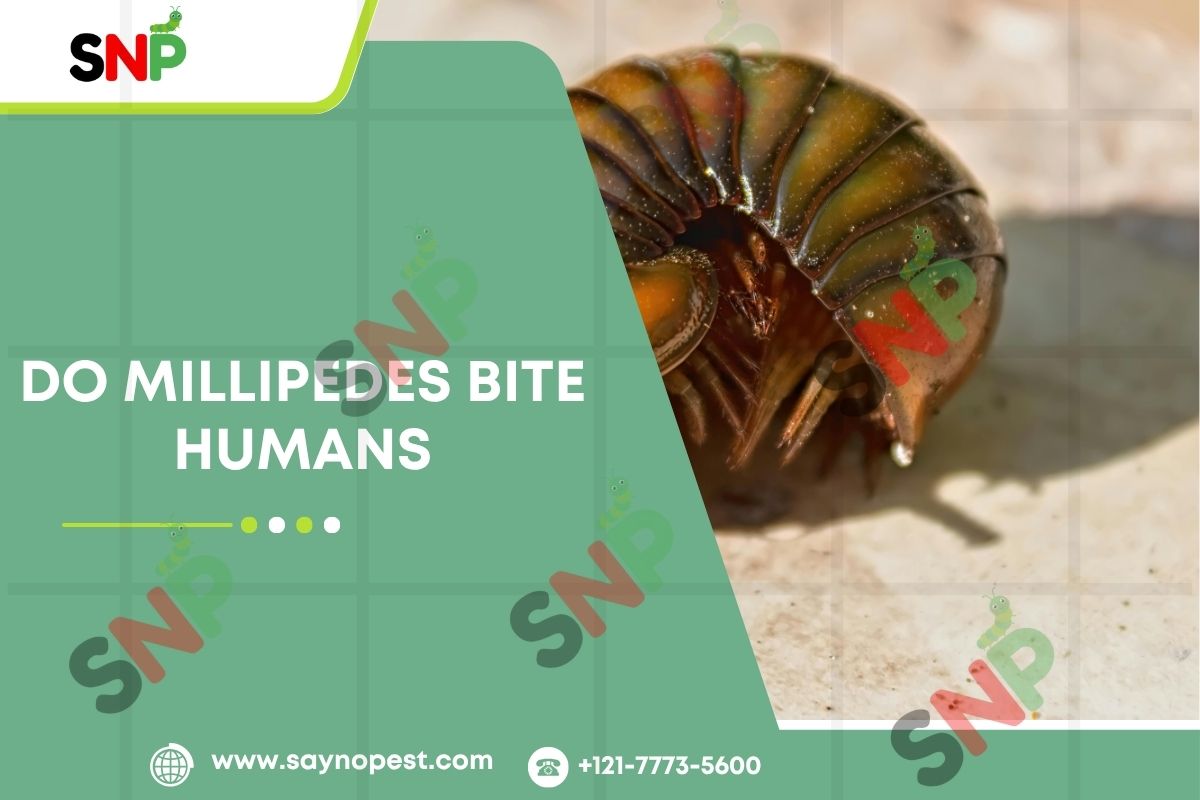
  • Do Millipedes Bite Humans? Discovering the Truth

    Do Millipedes Bite Humans? Discovering the Truth

    Introduction To Do Millipedes Bite Human?

    Did you ever see a long, multi-legged creature moving on your floor or crouched in a wet corner? You must have wondered, do millipedes bite humans? They may look scary at first sight, but the truth is not that scary.

    Here in this blog, we will reveal whether millipedes bite or not, discuss the problem of millipedes in house, discuss their chemical releases, and describe whether they are poisonous. We will also discuss some other related pest issues like How to Get Rid of House Flies so that you can eliminate pest-free premises.

    Millipedes in House

    It is not rare that there would be millipedes found in home areas, particularly in damp areas such as basements, laundry rooms, and garages. Millipedes like moist conditions and eat rotten plant material.

    They are going to be coming through cracks, doorways, or otherwise “not-closed” windows. Although their unannounced arrival will be a shock, millipedes are harmless and will simply stay away from you.

    But if you’re always getting house millipede issues, it may be a sign of too much dirt or dampness near or on your home. Eliminating these conditions not only keeps millipedes out of the home but also assists other pest issues, like How to Get Rid of House Flies, as flies and millipedes are generally attracted to the same things

    Chemical Secreations

    Millipedes do not bite. All they have is the release of Chemical Secreations from the body glands when threatened.

    The secretions can include chemicals such as benzoquinones, alkaloids, phenols, or hydrogen cyanide in minute quantities. The idea is to discourage predators, not hurt people.

    Though these chemical secretions are not harmful, they can induce a minor irritation of the skin, redness, or stinging if, apart from touching a millipede, you touch your skin or eyes. The best protection against reaction is to wash your hands with soap and water immediately.

    Knowledge of chemical secretions is worth having if you have frequent contact with millipedes as it allows them to be handled safely and restricts exposure to irritation.

    Are Millipedes Toxic?

    Although they have a ghost-like appearance, millipedes are not dangerous to human beings. They do not possess toxic fangs and are unable to inject poisons. The primary threat lies in their chemical secretions, which are transiently inflammatory.

    Reactions can be:

    • Mild burning or stinging
    • Redness and swelling
    • Brown skin discolorations (“millipede burn”)
    • Eye irritation if accidentally touched

    In rare cases, sensitive skin can respond more strongly. If that happens, wash the affected part well & apply a mild skin cream. Avoid rubbing your eyes after handling house millipedes or other such insects.

    Although they pose little threat, having them indoors is all about sound home pest control just as understanding How to Get Rid of House Flies maintains a clean, healthy environment.

    Conclusion

    So do millipedes bite people? No. Millipedes are harmless detritivores that assist with crumbling organic matter. Their sole defense mechanism is the release of chemical secretions, which are light and generally harmless to people.

    If you’re seeing millipedes in house often,  you must focus on:

    • Reducing excess moisture indoors
    • close cracks and gaps
    • Keeping surroundings clean & free of rotting material

    And if additional pests are an issue as well, keep in mind that having knowledge of How to Get Rid of House Flies can contribute to a pest-free home as a whole.

    For expert guidance on pest control and safe options for removal, turn to saynopest your source for high-quality pest control service throughout the United States.
  • How to Get Rid of House Flies: Guide for American Homes

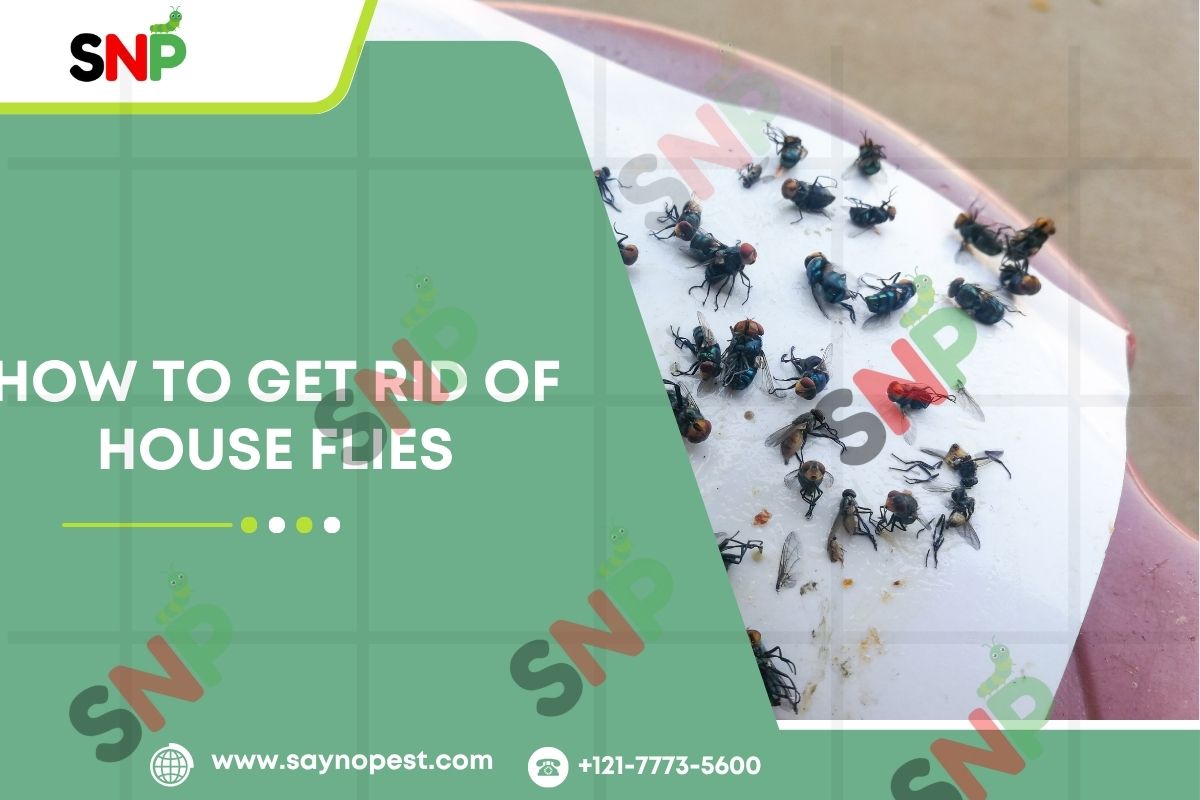
    How to Get Rid of House Flies: Guide for American Homes

    If you’re tired of seeing house flies buzzing around your living spaces. House flies are more than just a major annoyance. They can carry diseases, contaminate food, and create an unsanitary environment in your home. The good news is there are effective and practical ways on How to Get Rid of House Flies. Simple step-by-step directions with focus on new products such as Sticky Traps and Ribbons. Formulated directly for the American home, the steps in this book will leave your home fly-free, clean, and inviting to family and friends.

    How-to-Get-Rid-of-House-Flies

    Getting Rid of House Flies: Introduction

    How and Why House Flies Overpower Your Home

    Removing house flies can be easily resolved by learning the cause house flies overpower home homes. Houseflies are attracted to food, trash, and liquids. It’s a nuisance in itself that if cautious in the use of precautions the cleanest house requires none of them. Houseflies are pests: houseflies are carriers of the diseases salmonellosis, typhoid fever, and tuberculosis. Housefly feet and mouth may be carriers of bacteria and transfer them from food or surface, and therefore their elimination is critical to your home’s health.

    So, if you’re searching for reliable methods on How to Get Rid of House Flies, you’ve come to the right place. 

     Let’s Get Started the most effective solutions, focusing on natural, non-toxic, and commercially available options.

    Why Sticky Traps and Ribbons Are a Game-Changer

    Sticky Traps and Ribbons are two top selling fly killing items. Simple to use sticky products simple to use and kill and catch flies without sacrificing any use of dangerous chemicals. Sticky Traps and Ribbons are:

    Simple to use.

    • Pet and child friendly and child and pet safe.
    • Household and outdoors.
    • Attract flies with color or smell. As soon as they land on the sticky ribbon, they will adhere and will never fly within your buildings ever again.
    • Maximizing the Use of Sticky Ribbons and Traps

    To be really effective, observe the following helpful steps:

    Location everything: Place Sticky Traps and Ribbons (or sticky traps) near the area of infestation such as trash cans, kitchen counters, window sills, patios, or outdoor tables since flies are drawn to trash and food.

    Instructions for use: Carefully take sticky tape off tube so that it will not wind itself up and hang where it will be most likely to snag flies from wherever they are approaching don’t hang against a wall.

    Safety comes First: Set traps out of the reach of children & pets. To get sticky stuff off of your skin, rub some vegetable oil on the area, then soap and water.

    Maintenance: Replace entire sticky ribbons or replace every few weeks to obtain the maximum use.

    Why Sticky Traps Are So Popular

    Sticky traps are used so extensively as an insect control because:

    Flexibility: Place wherever they are most readable.

    Chemical-free Traps: Right for the home that doesn’t want defoliant sprays near food, children, or pets.

    Reusable and Disposable Option: Use refills or dispose whenever.

    Commercial and Do-It-Yourself Solution: Purchase good quality sticky traps or a homemade trap by applying sticky substance (e.g., engine oil or Tanglefoot) on yellow card and suspend or place where the flies will most likely be active.

    Insects and flies would be drawn to reflective color (blue or yellow), and sticky traps eliminate indoor and outdoor flies efficiently.

    Are There Other Tricks on How to Get Rid of House Flies?

    Yes! How to Kill House Flies will be most effective if you try a combination of methods all at once:

    Practice washing up: Store food in covered containers and dispose of trash. Wash the counters with soap at critical points.

    Eliminate attractants: Keep away trash, dirty dishes, and uncovered foods lingering around. Clean up after pets immediately.

    Block Points of Entry by Flies: Check windows and doors and cover the openings through which flies enter.

    Essential Oils: All lavender oil, peppermint oil, & eucalyptus oil ward off flies naturally.

    Homemade Fly Traps: Fill a pristine jar with a combination of apple cider vinegar and dish soap to create a homemade trap. The odor will draw in the flies, and the soap will break down the surface tension of the liquid so that the flies will drown if they attempt to land.

    Consider Commercial Options

    Others require more severe treatment. There are some efficient sprays, baits, and dispensers available to use in combination with your sticky treatments. Use the least amount of non-toxic preparations & chemicals possible around children and pets.

    How to Kill House Flies: Conclusion and Saynopest Expertise

    The house fly infestation requires treatment with an on-going action process. What follows is a very brief How to Eliminate House Flies guide

    • Use Sticky Ribbons and Traps and other permanent adhesive traps.
    • Apply targeted sanitation and attractant removal to discourage re-invasion
    • Use natural repellents and home-made traps as sticky substitutes
    • Replace and deploy these sticky traps in the target spots to provide long-term control.

    Conclusion

    saynopest helps American homes maintain fly-free and healthy homes with the best mix of good guidance and good commercial treatments. Never forget that Effective House Fly Control precedes treatment by application through good practices, i.e., Ribbons and Sticky Traps, home cleanliness, and early response to any accumulation of fly infestation. If one wants to gain from professional guidance and efficient pest control, then saynopest will do.

  • How to Catch Mice: Guide to American Homes

    How to Catch Mice: Guide to American Homes

    Do you hear faint scratching sounds inside the walls or occasional bites inside the pantry? If the indications point towards unwanted rodent guests, then it is the right time to learn how to catch mice. A skill that is crucial for your home security, cleanliness, and comfort. Here at saynopest, we understand all too well just how daunting an infestation of mice can be, but with the correct expertise on the case, you can have it all done in the flicker of an eye and with as little disruption as possible.

    How-to-Catch-Mice

    Mice are smart, clever, & willing to take over when provided with the essentials food, water, and shelter. They’ll squeeze through openings & measure as little as a dime, and indoors, they’ll breed in a snap. That’s why it is imperative that an American homeowner learns how to catch mice.

    But effective mouse control is more than leaving a trap. It involves knowing mice behavior, choice of the most attractive bait, and being one step ahead of these clever rodents before they can turn a minor nuisance into a gigantic issue.

    Mice Diet: What Attracts Mice Into Your Home

    Learn mice diets to the best of your ability. Mice are omnivores, i.e., they will consume nearly everything humans do but they have favorites, too.

    What do mice eat?

    Grains & Seeds: The outdoors diet staple, so indoor cereals like cereal, rice, oats, or birdseed become increasingly tempting.

    Fruits & Vegetables: Carbohydrate-rich & water-filled, no form can be ignored. Apples, berries, carrots, & potatoes will tempt inquisitive mice.

    Nuts & Peanut Butter: A single drop of peanut butter will attract most mice to any trap due to its strong odor and high energy content.

    Human Food Scraps: Mice live on whatever they can find; no crackers, chips, bread, or even pet food can be turned down.

    Occasional Insects: Despite the fact that mice are herbivores, in conditions of food shortages, insects or garbage meat is sometimes used as supplemental foods.

    To outsmart mice, discover how their night-time raiding is constructed around these foods. By mouse access control and use of mouse diet knowledge in your mouse-catching plan, you enjoy a better competitive advantage.

    How to Catch Mice: Effective Techniques

    Let us now reveal the brightest, science-based means Americans learn to catch mice. Remember this: professional strategy is trap and re-infestation prevention.

    1. Find Mouse Hotspots

    Look for droppings, gnaw marks, or food stealing activity. Mice like to inhabit along walls, travel along behind the refrigerator and stove, and crawl into pantries.

    Place traps along these path routes since they possess a sense of touch orientation and will not traverse open floor spaces.

    2. Use the Right Trap

    Snap Traps: Quick and effective. Apply peanut butter, or a small bit of bread to rectify with the normal mice diet.

    Catch-and-Release Traps: Heaven for the humane homemaker, box traps capture the mouse alive. Bait selection is still critical; employ nuts or grains for best results.

    Electronic Traps: Deliver a rapid, humane shock. Best for big groups of mice and most utilized areas.

    DIY Solutions: Some turn to do-it-yourself traps made of buckets or carefully placed baits.

    3. Strategically Bait with Mice Diet Secrets

    The key to catching mice is to feed on their starvation. Choose foods to place in the mouse diet: choose peanut butter, chocolate spread, grain, or a piece of fruit. These strong, high-protein baits fight it out and offer ultimate catch potential.

    Only put a small amount on the trap trigger so that the mouse will struggle to remove it. This gives the trap maximum action and increases success rates.

    4. Trap Setting: The Hidden Secret

    Mice are accustomed to sleeping against corners and walls and won’t normally come out into open spaces. Set traps:

    Against walls, behind washing machines, in cupboards

    Triggers towards the wall, so mice naturally check

    For larger issues, place numerous traps 6-10 feet apart. The more alternatives you have, the quicker you’ll find out how to best trap mice.

    5. Prevention: The Secret to Long-Term Success

    Catch a few and more will come if you fail to answer “why” they came. Prevention is the key to any successful strategy on how to trap mice.

    Kept eatables in pantries, Tamper-proof  containers.

    Tidy up the food spills, crumbs, & debris right away.

    • Fill holes with steel wool, metal screen, or caulk.
    • Clean the food bowls and drain on a daily basis.

    Mice diet management (considering mouse diets) and your house being reinforced makes further surges considerably less likely.

    6. Clean-Up and Continuous Monitoring

    Remove caught mice and used traps together put on gloves and bleach-contaminate infested areas. Keep watching and rebait traps at least one week after the last trap.

    Mice are also protected and can sniff strange objects for days before they bite, and so patience is required.

    Conclusion

    Trap mice is not a question of gadget technology but of knowing what mice do, exactly what they feed on-mice diet-and applying a good method. One will therefore reclaim his or her space instantly through the use of intelligent traps, intelligent setting, and homeproofing.

    Remember: stubborn mice take stubborn effort. By making your home unpleasant to rodents-by removing the mice’s diet food and plugging holes-you reduce frustration and make a healthier home for all.

    For additional expert advice and product reviews on mouse trapping, always visit saynopest-your best friend in eliminating America’s pest homes!.

  • Carpet Beetles: Homeowner Needs to Know

    Carpet Beetles: Homeowner Needs to Know

    We would definitely include the usual household insect problems. Carpet beetles will not be on the majority of individuals’ lists. These tiny insects can be gigantic problems. Carpet beetles infest the entire United States and are notorious for infesting homes and destroying everything from carpet to clothing. They belong to a family of beetles (Dermestidae) that is more commonly referred to by another moniker, “skin beetles,” due to their feeding on animal fiber and organic matter.

    Carpet-Beetles

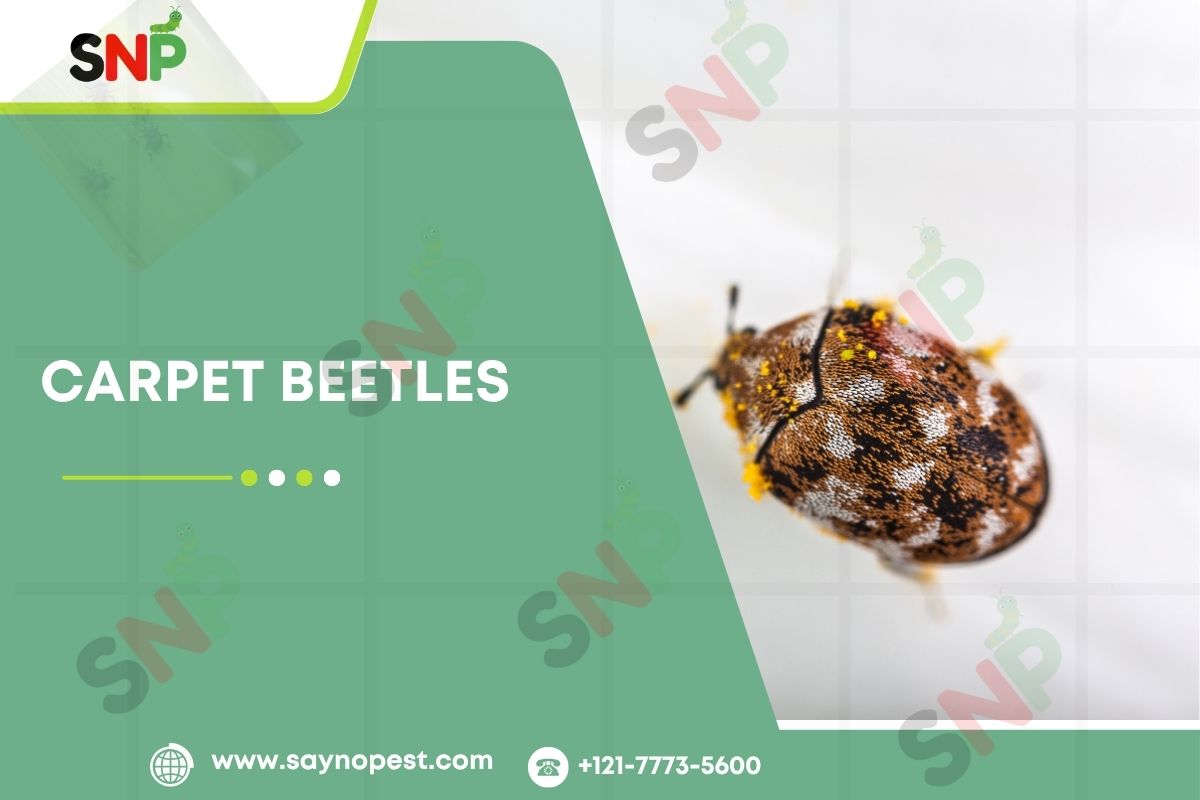
    Adult Carpet beetles are speckled, black, brown, or oval. You may trap the adults flying in through open doors and windows early in spring and summer, but these are not to blame. The culprits are the larvae, or the “woolly bears.” Hair-covered, fond of burrowing into dark hidden areas, they may spend months concealed with your prized possessions as their lunch.

    What sets the Carpet beetles apart is what they feed on: wool, silk, feathers, leather, fur, and even clothing like down pillows, dry cat & dog food, and lint on the back of your couch. They don’t eat clothing, either, like clothes moths. They’re just as content to reside in areas near baseboards, carpets, and closets just wherever animal or vegetable material has been shed. Since the larvae are so hidden, infestations will typically be small and build up before you even realize that you are building up an infestation. 

    Bugs That Look Like Bed Bugs

    Quite possibly the largest cause of stress and annoyance in American bedrooms is Carpet beetles mistaken for something else. Bugs That Look Like Bed Bugs more frequently than not. Not all of a little, black, crawling bug on or in your bed or floor is a bed bug. In fact, Bugs That Look Like Bed Bugs quite possibly contain species such as Carpet beetles, cockroach nymphs, spider beetles, and even booklice.

    They appear this way:

    Here’s how to identify them:

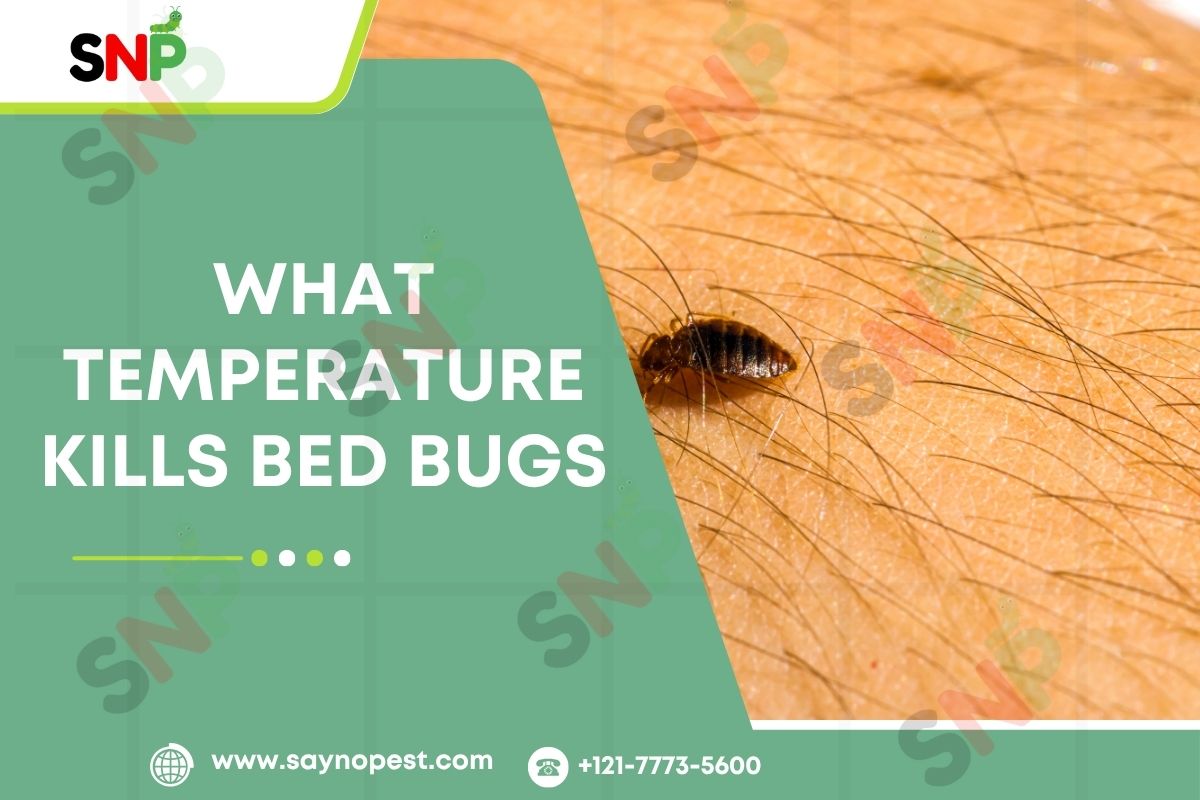
    Bed Bugs are crimson in color, flat, oval-shaped insects, roughly the size of an apple seed. They feed on blood and tend to occur in clusters and around mattresses, cracks in furniture, and bed frames.

    Carpet beetles themselves are more oval in shape, small, black, brown, or spotted. Their larvae are actually hairy, elongated with very short bristles. Carpet beetles are not biteurs but their larva occasionally give rise to slight irritation of the skin.

    Other insects that resemble Bed Bugs are spider beetles (more rounded in shape), cockroach nymphs (narrow and with the characteristic antennae), and booklice (light and small).

    Carpet beetles will be where darkest storage areas, closet corners, and window sills are. Bed bugs generally remain where sleeping areas are. Proper identification is necessary as treatment process is quite different in bed bugs and Carpet beetles. False treatment will be wasting your time and money-so you need to be consulting a pest expert or by guidance through authentic sources like saynopest.

    How to Eliminate Carpet Beetles

    Prevention and Eliminating Carpet Beetles

    Fighting with Carpet beetles and Bugs That Resemble Bed Bugs isn’t as easy. As the culprits are larvae, your responsibility is to find and eliminate their hiding places. This is what does it:

    Vacuum everyday: Check every and each corner, rug underside, baseboards, & upholstered furniture these are places where larvae and shed skin reside.

    Clean crowded Items: Wash Your Clothes, Bedding, and Curtains in Hot Water to Kill Eggs and Larvae.

    Seal Entry Points: Curse Them by Repairing Ripped Screens & Weather-Stripping Doors and Windows.

    Clean Hidden Spaces: Get rid of irrelevant stored fabric, boxes, or unwanted clothes to limit their accommodations.

    Store Smart: Store woolens and animal fibres in air-tight plastic bags, particularly in storage or off-seasons.

    Examine Second-hand Items: Inspect very well for used clothes, carpets, and furnishings before bringing them inside. 

    Natural and Purchased Remedies: Vinegar, boric acid, or baking soda mixtures are good but, for serious infestation, professional treatment might be required for Carpet beetles and Pests Related to Bed Bugs.

    Don’t forget to repeat “sweeps” again every few weeks until no more signs are seen. Carpet beetles are probably hiding in some unsuspected places, and consistency is the most important.

    Conclusion

    Find small beetles or unusual holes in your textiles? Don’t assume it’s always bed bugs, sometimes Carpet beetles or other bugs That are Similar To Bed Bugs are working overtime. Knowing the differences and doing something about them, however, can save your stuff and help you sleep better.

    Whichever you are, homeowner, tenant, or property owner knowing about Carpet beetles. How to distinguish them from Bugs That Look Like Bed Bugs saves you from being victimized by perpetual misidentification. For sure and for everyday tips and solutions on pest infestation identification, prevention, or removal, call saynopest, your partner to an insect-free life.

    Finally, watchfulness, keenness of observation to the pest, and a bit of good sense regarding the pest will keep Carpet beetles and Bugs That Look Like Bed Bugs in their place far away from your American home. Trust saynopest for no-nonsense, prompt guidance in protecting your home, your sanity, and your loved ones.

  • Flea Control: Safeguarding Your Home and Loved Ones

    Flea Control: Safeguarding Your Home and Loved Ones

    Fleas are a home and pet worst nightmare in homes all across the entire United States. These little, pesky insects subsist on human and animal blood, causing misery, scratching, allergic symptoms, and even disease transmission. Due to this, Flea Control is not merely a nicety issue. it’s a safety and health issue, too. Urban or country, catching the early flea signs and acting quickly keeps your home a haven for your family and pets.
    Flea-Control

    Flea Infestation Facts

    Flea infestation begins harmlessly but soon spirals out of control. Fleas reproduce rapidly; one female flea produces hundreds of eggs a day. Fleas drop eggs off animals & lie in bedding, carpets, & furniture. The not-so-subtle indications of a flea infestation are scratching pets constantly, red, aroused bites on humans (particularly around ankles and legs), and finding small, active insects in your home. The dirt is small black spots looking like ground pepper on pet beds or your pet’s coat is another tip-off.

    The impact of a flea infestation is more than scratching. Fleas can lead to allergic reactions, anemia particularly in puppy and kitten stages of life, and tapeworm infestation in animals and at times human beings. To any individual in need of Flea Control, the elimination of the infestation at each stage of life eggs, larvae, pupae, and adults is the answer.

    Flea Exterminator Near Me

    When searching for a “flea exterminator near me,” choose one who understands the biology of fleas and incorporates an integrated Flea Control strategy. A competent flea exterminator near me will come to your house, identify source points (where fleas are to be expected and where they will breed), and use safe and effective treatments specifically made for pets and the home environment.

    An ongoing process with a local flea exterminator includes:

    • Detailed inspection of your home, carpets, furniture, pet bed, and hidden places in the outdoors.
    • Personalized treatment schedules with accurate products lethal to fleas at all life stages without harming family and pets.
    • Advice on daily sanitation protocol, i.e., vacuuming and washing beds, to break the flea life cycle and aversion for reinfestation.
    • Return visits if necessary, since flea removal takes more time than one visit.
    • Scheduling a top-rated flea removal exterminator near me ensures your house will be flea-free, and your family and loved ones once more warm and safe.

    Flea Control Expert

    Being an Expert Flea Control Specialist will require one to have more than the surface-level knowledge regarding insects. Only a true Flea Control Expert can effectively combine pet treatment, sanitation, localized insecticide application, and follow-up treatment. Such experts will:

    • Offer effective and safe flea control and prevention products for your pet, depending on health and breed data.
    • Guide you through a cleaning cycle for your home by using vacuuming, steam-cleaning, and washing protocols on fleas at all stages of life.
    • Use earth-friendly and effective flea control products inside and out on and around your home to provide you with constant protection.
    • Provide you with total support whether suggesting surveillance for new fleas or modifying treatment schedules based on outcome.

    An Expert Flea Controller will show the benefit of a comprehensive plan: treatment of pets, house cleaning, and, if necessary, using insect growth regulators (IGRs) which stop flea eggs and larvae from maturing into biting adults. 

    Steps to Successful Flea Control

    To successfully employ Flea Control in your home, implement the following important steps:

    • Treat all pets with veterinarian-approved flea prevention.
    • Clean carpets, rugs, animal beds, and upholstered furniture daily with an active infestation, and weekly after treating for an active infestation.
    • Shampoo all human household member and pet bedding with hot soap and water every two to three weeks. 
    • Remove fleas from adult pets with flea combs, making sure to brush the tail and neck areas.
    • Call up a professional flea exterminator in your area to treat your home and yard with effective, science-formulated pest control products.

    Resume the recommended follow-up treatments and regular cleaning to prevent fleas from coming back. 

    Flea-Control

    Conclusion: Take Control with saynopest

    Fleas are tiny, but boy. Flea Control is optimal when you get in and get out quick and get it done right. If you see signs of infestation or would rather prevent them from occurring in the first place, calling a Flea Control Pro is your best bet. Bugs begone—contact a professional flea exterminator near me today and request assistance specific to your situation.

    Here at saynopest, we take the extra step to make life a flea-free life for you. We’re professionals with complete Flea Control treatments that attack the entire life cycle of the fleas. We take the extra step to keep your pets and loved ones safe, home clean, and mind at peace. Say yes to comfort, and no to pests say yes to saynopest for all your flea control requirements.

  • Can Mice Bite You? The Truth Revealed

    Can Mice Bite You? The Truth Revealed

    American home pests are largely defined by rats and mice. These intelligent but dishonest little rodents have the potential of infesting your home, destroy your property, & raise issues of personal safety. One of the questions that you might need to ask yourself is, Can Mice Bite You? Short answer is yes, but there’s a whole lot more that you should know. In today’s saynopest blog, we’re going to talk about the facts about mouse bites, helpful information on how to get rid of both mice and rats. The basics mice control products, how to spot rodents, and what you need in order to make your house pest-free. So let’s begin!

    Can-Mice-Bite-You

    Can Mice Bite You

    So many ask, Can Mice Bite You? The facts are, mice are not typically hostile toward human beings but do have very sharp front incisors, and will bite if provoked, cornered, or accidentally touched. This does happen in trying to catch or pull a mouse from the hand. A bite is a split-second pinch and will leave a small puncture or scratch. Though rare, bites will occur typically when mice are defending themselves.

    It is advisable to seek assistance immediately in case of a bite. Cleaning of the wound and disinfectant prevent infection as mice transmit disease and bacteria. Whenever you face frequent redness, swelling, and indications of illness after being bitten, you should always consult the doctor immediately. In summary, Can Mice Bite You? Yes, but the chances are extremely low if you don’t have contact with wild mice. Never attempt to trap or deal with rodents by hand leave it to the professional such as saynopest instead.

    How to Get Rid of Both Rats and Mice

    To win against a rodent invasion, you have to do more than pose the question, “Can Mice Bite You?” You have to know how to eliminate both mice and rats properly. Start by checking under your house, doors, and windows. Fill in any small hole with metal mesh, steel wool, or caulking since mice and rats can slide into ridiculously small openings. Don’t overlook vents, utility lines, and rooms behind appliances.

    Maintaining the area tidy is essential. Pet food spillage, food debris, and open trash cans are calling cards for rodents. so store food in closed containers and garage, attic, and basement spaces clear of clutter. Use a combination of properly set traps for entrenched infestations. Old-fashioned snap traps, electrocution traps that kill rodents instantly and humanely, live catch traps for someone with a non-toxic option, and glue boards for small home spaces. Others try do-it-yourself solutions like peppermint oil or hot pepper spray these will deter mice and rats for a short time, but they don’t work by themselves very much.

    It is recommended that water sources be eliminated and holes sealed as water is an attractant for pests. Keep in mind that ultrasonic pest repellents can also serve as an extra barrier but perform optimally as adjuncts to traditional measures. Professional pest control services like saynopest can offer tailored treatment with the best mice control products for your building in case the issue persists.

    Mice Control Products

    Now, in regards to mice control products that will help you retake your territory. Snap traps are a good choice, with immediate results and minimal muss. Electronic traps offer a quick, humane kill and are the ticket if you don’t have a desire to get up close and personal with mice; they may be reused, too, and are easy to clean. If you do not want a poisonous product, live catch traps allow you to catch and release mice or rats off your property.

    Glue boards work for small infestations in one room but exercise caution when you have pets or children. Poison baits are also available for larger or repeat infestations; however, keep them out of children’s and pet reach. Rapid-kill rodenticide mouse bait blocks perform beautifully inside and outside tamper-proof bait stations. Lastly, ultrasonic units emit high sound levels specifically tailored to repel rodents mice and rats these function optimally as a second barrier, never alone as a defense.

    The best mice control products to utilize are based on home structure, household members’ needs, and the extent of infestation. Using a combination of such and professional advice by saynopest will be lasting and instill confidence.

    What Mice and Rats Look Like

    In order for you to make proper decisions in terms of traps and mice control products. You need to be able to tell the difference between What Mice and Rats Look Like? Mice are small, usually 4 to 8 inches long including their tail, and with enormous floppy ears and super-long, very thin, fuzzy tails. Mice are grayish brown, white, or gray and pointed-nosed. Rats are much bigger, some reaching up to 16 inches long with shorter, heavier, and usually hairless tails. The muzzle of the rat is not pointed but rather blunt, and the coat is darker in color than mice.

    By knowing these differences, you can focus your effort more precisely. Mice and rats both prefer dark, hidden spots attics, behind the stove, in spaces behind walls—so place traps and mice control items where you see droppings, chewed box remnants, or nest garbage. Knowing what you’re combating is a great edge in learning to get rid of both rats and mice.

    So, to be able to answer the question: Can Mice Bite You? Yes, but seldom and by accident if you keep away from direct contact. The greater issue is ridding you of the unwanted guests. With a variety of prevention methods, correct daily cleaning practices, and the best mouse control products available, you can control both rats and mice successfully and sufficiently.

    If you require professional help or high-quality products, ask and professional pest control from saynopest. And one final tip: if you should ever be infested with bed bugs, heat treatments over 120°F (or 49°C) are certain to kill all forms of life by killing bed bugs successfully due to prolonged exposure to extreme temperatures.

    If you’re in doubt, call saynopest the name you can rely on for genuine. The best available mice control products for your situation. Our experts are standing by to assist you in killing both mice and rats so your home can become warm, healthy, and mouse-free.

  • What Temperature Kills Bed Bugs: Guide for American Homeowners

    What Temperature Kills Bed Bugs: Guide for American Homeowners

    Bed bugs are one of the most constant & Extreme pests facing Americans today. If you’re searching for answers about what temperature kills bed bugs. Heat is among the most effective, chemical-free ways to eliminate these tenacious insects. In this comprehensive guide from saynopest, you’ll learn exactly what temperature kills bed bugs. What kills bed bugs instantly, and where do bed bugs come from.

    This guide to safeguard your home and family, and remember to stay vigilant bed bugs don’t discriminate and can show up anywhere.

    The how hot it takes to kill bed bugs question apparently precedes a experience of surviving hell and discovering an infestation. Bed bugs are a hearty animal, yet they possess one vulnerability: heat. Knowing an idea of what temperature kills bed bugs is helpful in a battle against an infestation because doing it incorrectly will only serve to make matters worse. Heat cure are a sure method to kill such insects. The principal issue. It is not temperature but proper application of heat for a sufficient duration so that all concealed insects are destroyed.

    What Temperature Kills Bed Bugs

    Researchers and pest control experts have explored. What is the optimal temperature to exterminate bed bugs in the household as well as in the workplace. Below is what the experts have to say:

    • 113°F (45°C) for 90 minutes: It will eliminate all forms of bed bug life if it is maintained for at least 90 minutes.
    • 118°F (48°C) for 20 minutes: Bed bugs will kill more quickly at this increased temperature most typically in 20 minutes. They are more difficult to kill as eggs . It would take at least 90 minutes of this heat to achieve best mortality.
    • 120°F–125°F (49°C–52°C) for instant results: 120°F for a few minutes or, for precise accuracy, 125°F+ where bed bugs and eggs are killed on the spot even in hard-to-reach areas.
    • Home solutions: Washing of infested bedding and clothes at home with hot water at 140°F (60°C) for 30+ minutes, or the hottest possible setting, is optimal & will kill all the bugs eggs and nymphs included.

    Industrial-strength heat treatments on a room scale employ commercial heaters to warm surface and air to take all hiding places to killing temperature. If you ask over and over again at what temperature kills bed bugs. Just keep this in mind: high heat for a long duration, evenly applied, is the norm.

    What Kills Bed Bugs Instantly?

    In looking for something that kills bed bugs instantly, most want the quick remedy. Hereafter is the reality:

    Straight Heat Application: Steam cleaners heated above 180°F (82°C) will kill bed bugs on contact instantly, killing insects & eggs on contact. Effective on mattresses, furniture, carpets, and cracks.

    Extreme Cold: Immersion for four days below 0°F (-18°C) will kill & freeze bed bugs, but heat is optimally used with in the home environment.

    Home Dryers: Bedding and laundry infestations washing through your hot dryer are good at killing dead bed bugs and eggs.

    Specialty Items: Bed bug steamers and heaters that are certified to apply instant and deadly heat to anything from couch cushions to suitcases.

    But also keep in mind that sprays and other types of “instant kill” depend on destroying bugs they come into direct contact with leaving bed bugs in hiding. For application in the rooms or within the house, heat solutions are still the best option for instant bed bug killers.

    Where Do Bed Bugs Come From?

    Most Americans are shocked to discover that bed bugs infest their home, and the first thing to ask is: where do bed bugs originate from? These millennial hitchhikers have been co-evolving with humans for thousands of years.

    Origins: Bed bugs infested caves originally, residing on bats and eventually transiting to the humans who inhabited the area. They travelled with humans for centuries and now inhabit every corner of the globe.

    Common Sources:

    • Hotels, motels, and dorms where there is greater foot traffic as well as the swapping of bags
    • Secondhand furniture, namely mattresses, sofas, and chairs
    • Public transportation, cruise ships, and even office space
    • Clothing, luggage, and things that were stored in infested rooms.

    Keep in mind: picking up bed bugs on me has nothing to do with cleanliness. Five-star hotels and the typical home can also get bed bugs. These bugs like affix on mattresses, baseboards, outlets, and any other enclosed dark spot close to them where human beings (their meal) sleep.

    Conclusion

    To exterminate bed bugs, brains are your best ally. Now you know what kills bed bugs by heat and at the same time kills bed bugs, you’ll be able to fight back with confidence.

    • Repeated heat, 120°F–125°F (49°C–52°C), is your safest option to exterminate bed bugs and their crumpled eggs.
    • Direct steam and heavy-duty heaters are the best options for instant killing.

    Prevention begins with learning where do bed bugs come from travel smart, check hotel rooms, and also when buying second-hand furniture, be careful.

    For further information or to hire an expert, visit saynopest for any of your pest control needs. Don’t hesitate to ask what temperature kills bed bugs at night apply science and professionalism to conquer.

    Remember: If you are smart, if you are quick-witted, and if you use the heat card, then you can outsmart bed bugs. Trust in saynopest to enable you to sleep peacefully bed bug-free.

  • Argentine Ant Control: Dealing with a Problem Pest

    Argentine Ant Control: Dealing with a Problem Pest

    You probably are a resident of the United States, city or suburban. It is observed lines of small brown ants marching along in your kitchen, patio, or garden. These nuisance pests are referred to as Argentine ants. Its effective Argentine Ant Control is a must for anyone who wants pest-free living spaces.

    Unlike most native ants. These Argentine ants are renowned for their relentless persistence and ability to create enormous colonies of supercolonies. They grow super rapidly to encroach on homes and territories. Their supercolony structure and dominance are what make Argentine Ant Control a veritable feat requiring excruciating planning and time-honored approaches.

    Understand California Argentine Ants

    In controlling Argentine Ant Control, it is necessary to examine California Argentine ants and their effects in depth. Having been introduced into California in the early 1900s, California Argentine ants have infested large areas of California. Displacing native ants & even posing a danger to small game. With their phenomenal power to create super colonies made up of millions of ants. California Argentine ants have become a dominant pest in large areas of California’s urban and suburban landscape.

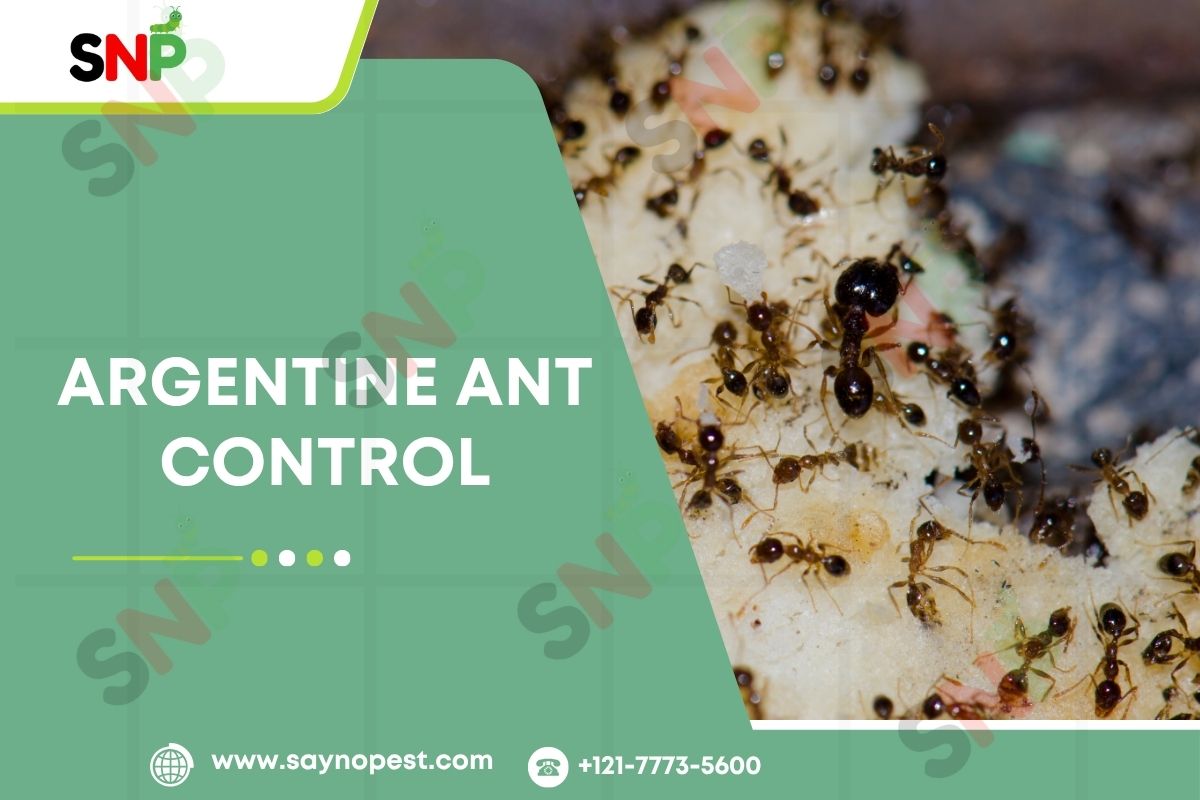
    These ants are small just 2 to 3mm in length and usually light to dark brown and they are swarming. They are usually seen in aggressive runs, especially on warm days searching for sweets, proteins, and water. California Argentine ants normally do not have severe internal conflicts, meaning that they can conquer other insects. This not only leads to disruption of ecosystems but also increases the frustration level of homeowners. They struggle repeatedly against recurrent infestations.

    In order to render Argentine Ant Control effective on such California supercolonies. Then the focus must be placed on killing not only the above-ground foraging ants. It also the inaccessible queens deep within their vast underground complex. With extra effort, these ants merely will return, at times with greater numbers.

    It is never one-and-done to get rid of Argentine ants. Because their colonies may have more than a single queen. Their worker ants will readily split off to form a new colony when threatened. A preemptive solution is necessary to achieve successful Argentine Ant Control.

    It’s important to place baits along the ant trails. At points of entry under cracks, crevices, or under trees near your home. You need to remove other food sources such as crumbs. Pet food while baiting so that the ants will target the bait alone. It takes patience; you can be forced to reset & replenish baits several times within weeks for Total Argentine Ant Control.

    Among the new technologies available are pheromone-strengthened bait stations. Utilize the chemical signals supplied by the ants themselves to increase bait attraction and result in more effective outcomes. The new baits were shown through testing to be able to eliminate activity by up to 74% within a month. Where the infestation by California Argentine ants is widespread.

    Should baits alone fail to adequately control the problem. There are some non-repellent insecticides that can be used outside the house, in possible nesting areas and entry points. Inside the house, treat cracks and crevices but never open surfaces to prevent overexposure and disappointing results.

    Another Argentine Ant Control weapon is treatments with boric acid. Liquid baits that have boric acid in them can be highly effective when made up at the right strength. Baits too strong (killing workers en route to the nest). Baits too weak (not killing the colony at all) are both too easy to make mistakes with, so read instructions carefully.

    Don’t downplay simple prevention- caulk all areas of possible entry, clean kitchen surfaces immediately, secure trash cans, & fix leaky pipes. Keeping your home tidy and dry removes some of the most important sources of Argentine ants’ attraction, thereby making other Argentine Ant Control more successful.

    Be consistent; effective Argentine Ant control at times requires repeated applications and continued monitoring. If you don’t see reduced activity within 3 or 4 weeks, reassess your approach or bring in the pros.

    Argentine-Ant-Control

    Fire Ants vs Argentine Ants: What You Need to Know

    One of the most common reasons for homeowners’ confusion is figuring out how to distinguish between Argentine ants in California and fire ants. Both are annoying and difficult to eradicate. in Fire Ants vs Argentine Ants. The differences are what matter when it comes to deciding on the most effective pest control treatments.

    Appearance is very small (2–3mm) and light to dark brown in Argentine ants, whereas fire ants are larger and reddish-brown with an exceedingly noticeable dark abdomen. Their behavior and peril are the most significant differences: fire ants are aggressively hostile. When they sting, & their sting is painful and can be harmful to both animals and humans. Argentine ants do not directly attack human beings and are worst because of their overwhelming numbers and capability to infest homes for water and food.

    Habitat is also a region of Fire Ant and Argentine Ant divergence. Fire ants have above-ground mounds and thrive in open, disturbed habitat. Argentine ants form supercolonies within shallow, hidden nests, typically under rocks, sidewalks, and wall cavities. Both infests compete for food, yet the ferocity and agony of fire ant bites make infestations a health risk and necessitates selective eradication techniques other than routine Argentine Ant Control.

    Knowing whether you have fire ants or Argentine California ants will direct you to which control measures to use. Most baits and insecticides that work in controlling one type will not work on the other. It’s important to correctly identify any Argentine Ants before attempting to control them.

    Conclusion: Why Trust saynopest with Argentine Ant Control

    Successful Argentine Ant management is not a Band-Aid issue it’s an issue of understanding your enemy, being determined, & using the best tools and techniques. If you live in areas where native Californian Argentine ants have high colony densities. You need to fight back with foresight: use baits, monitor effects, seal gaps, and repeat as needed.

    At saynopest, we’re committed to helping you win the war against these unwelcome guests. With a combination of true facts, state-of-the-art products, and expert expertise, Argentine Ant Control is simple and quick. If your infestation is more than you can manage, or your treatment is ineffective, call saynopest. Together, we’ll make your home a no man’s land for both California Argentine ants and any other pest problem that may be coming your way.

  • Army Ant Bites Treatment: A Guide by saynopest

    Army Ant Bites Treatment: A Guide by saynopest

    You would realize how daunting and intense an army of ants would be if you ever had ants marching through your property. Ant bites are only a hassle, but army ant bites are a unique concern for Americans who enjoy being outdoors. Here in this guide, from saynopest, we’ll inform you of all you’d love to learn regarding army ant bites, their treatment, and exactly why they’re infamous. When it comes to pain. We’ll use the keyword “Lone Star Life Cycle” six times, rub shoulders with the most sought-after “How Painful Are army ant bites,” and remain astute on working solutions.

    Introduction to Army Ant Bites Treatment

    Army ants, which inhabit varied environments of America, are renowned for fighting in swarms and strong mandibles. Army ants lack permanent nests like the rest of the ants and continue moving and searching for food in enormous colonies round the clock. Though ecologically fascinating, their stings may become life-threatening issues for animals and human beings too.

    Understanding the Lone Star Life Cycle of ants will prevent surprise attacks because they are most active during specific seasons and phases. Precautions may be taken and self and family guarded through understanding the indications of army ant bites and being careful to respond in time and in the right way.

    How Painful Are Army Ant Bites?

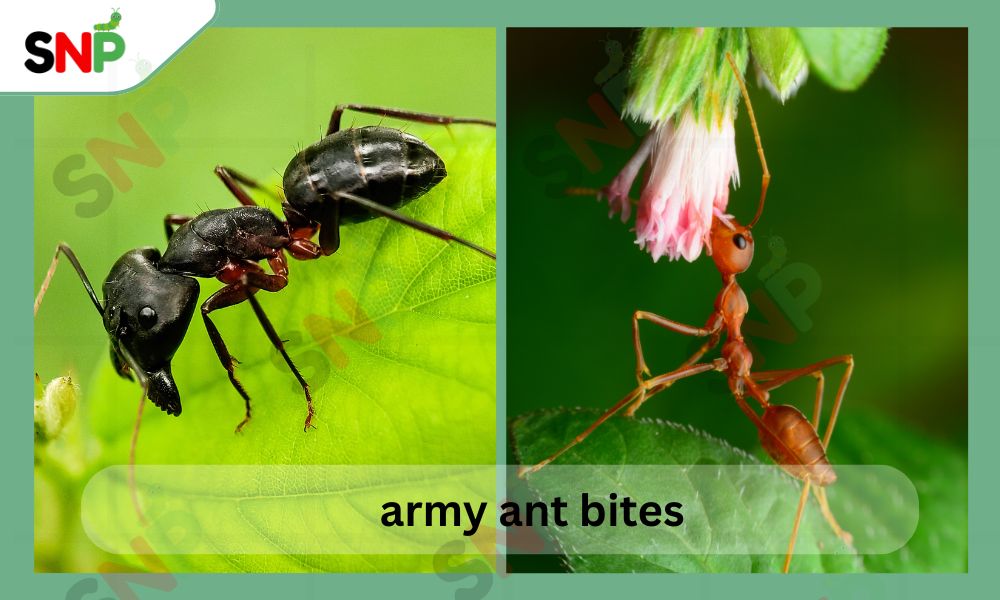
    The one burning question on everyone’s lips is. “How Painful Are Army Ant Bites?” It hurts quite well, and it burns, much more than the usual itch or mild pain that you feel when other ants bite. Army ant biting inflicts a puncture wound in the skin from the large mandibles, with immediate, burning pain.

    These ants are punchers whose little puncture wounds are the aftermath of one bite, and the bites themselves are difficult to remove because the ants remain on. Individuals feel burning, swelling, and redness that heal in a few days or hours. When many ants bite at the same time. Something that frequently happens when one is in the process of being attacked, the pain becomes increased.

    Army ant stings are far and away most often described as paralyzing their victims, and here once more we see documentation of the painful ordeal of army ant stings. Army ants never sting and inject venom as fire ants do but swarm in and damage by sheer numbers. The Lone Star Life Cycle can be described so you can predict their swarming times and prevent destruction.

    Army Ant Bites: Symptoms and What to Expect

    When you’re bitten by ants, you can easily see small, red bumps at the site, often surrounded by slight swelling & itching. A clear or pus-filled blister may form, much like a pimple. These blisters can persist for a couple of weeks if not properly cared for. Here’s what to look for with army ant bites:

    • Immediate, sharp pain at the bite site.
    • Redness, swelling, and, at times, burning.
    • Small white pus-filled blisters (pustules).
    • Prickling that will last for days.

    In the extremely rarest of instances, an allergic reaction, which will need to be treated straight away.

    Severity also varies with the number of army ant stings and hypersensitivity. Individuals who are stung & are allergic may experience worse signs including shortness of breath, dizziness, or swelling of the face and throat. Knowing the Lone Star Life Cycle can help forecast times of greatest risk of army ant contact.

    Treatment of Army Ant Bites: What Works

    • Find Safety: If bitten, get away from the area at once to prevent further attack.
    • Shoo Ants Off: Brush off loose ants on your body right away.
    • Clean surroundings: Wash the bite with soap and cold water to keep it from becoming infected.
    • Cold Compress: Place an ice pack or cold, wet cloth on to decrease pain and swelling 15 minutes on, 15 minutes off.
    • stale Itch & Swelling: Antihistamine liquids and creams (Benadryl) and 1% hydrocortisone cream dry, itching, and swelling relieve.
    • Relieve Pain: Numb aching and pain muscles with ibuprofen or acetaminophen.
    • Do Not Scratch: Avoid scratching to prevent infecting broken blisters.

    Be Allergy Monitor: Watch for allergy signs: rash on whole body, swelling far from the bite area, have trouble breathing, feel weak, or rapid heart. If they occur, use emergency treatment.

    Also, context information, i.e., Lone Star Life Cycle, is an important component of army ant bites treatment in order to reduce risk. Most people’s symptoms of army ant bites clear up within two weeks. If you get bitten numerous times, swelling that doesn’t go away, or probable infection (pus, redness, heat, spreading), visit a doctor.

    Preventing Army Ant Bites: Realistic Strategies

    Cover Up Exposed Skin: Hike in long sleeves, pants, and socks on established army ant tracts.

    • Inspect Outdoor Gear: Shake clothing, towels, and shoes prior to use.
    • Be a Gentleman to the Lone Star Life Cycle: Some seasons are more hectic for ants be that much more cautious then.
    • Be a Pest Control Master: When ants become a daily thorn in your side, call professionals like saynopest for professional prevention and extermination treatments.
    • Outdoors cleanliness: Keep food in covered areas, rubbish garbage, & pet food or dog food and cat food indoors to prevent drawing army ants to them. 

    Prepare yourself and be aware of the Lone Star Life Cycle to minimize being bitten. Information of army ant migration by way of saynopest websites can make your home pest-free and your family safe. 

    army-ant-bites

    Conclusion: Stay Safe with saynopest

    Army ant stings are a regrettable but preventable risk to anyone who goes out into America’s great outdoors. Sting-free, safe exploration depends on preventive planning learn the Lone Star Life Cycle, familiarize yourself with the outdoors climate, and act fast in case of a sting.

    Look closely, safety first move away from the ants. Sterilize the wound by treating it, icing it, and applying suggested creams. Antihistamines when itching and painkillers when necessary, but always seek professional medical attention when you are down bad. Never do forget the Lone Star Life Cycle lessons education is your best bug control.

    For continuous prevention and professional advice, rely on saynopest—your provider of effective, affordable, and commercial pest solutions. Adhering to these steps and following the guidelines will make your experience safer, more comfortable, and more enjoyable throughout the United States, without the agony and inconvenience of army ant bites.

  • Lone Star Tick on Dogs: What a Dog Owner Needs to Know

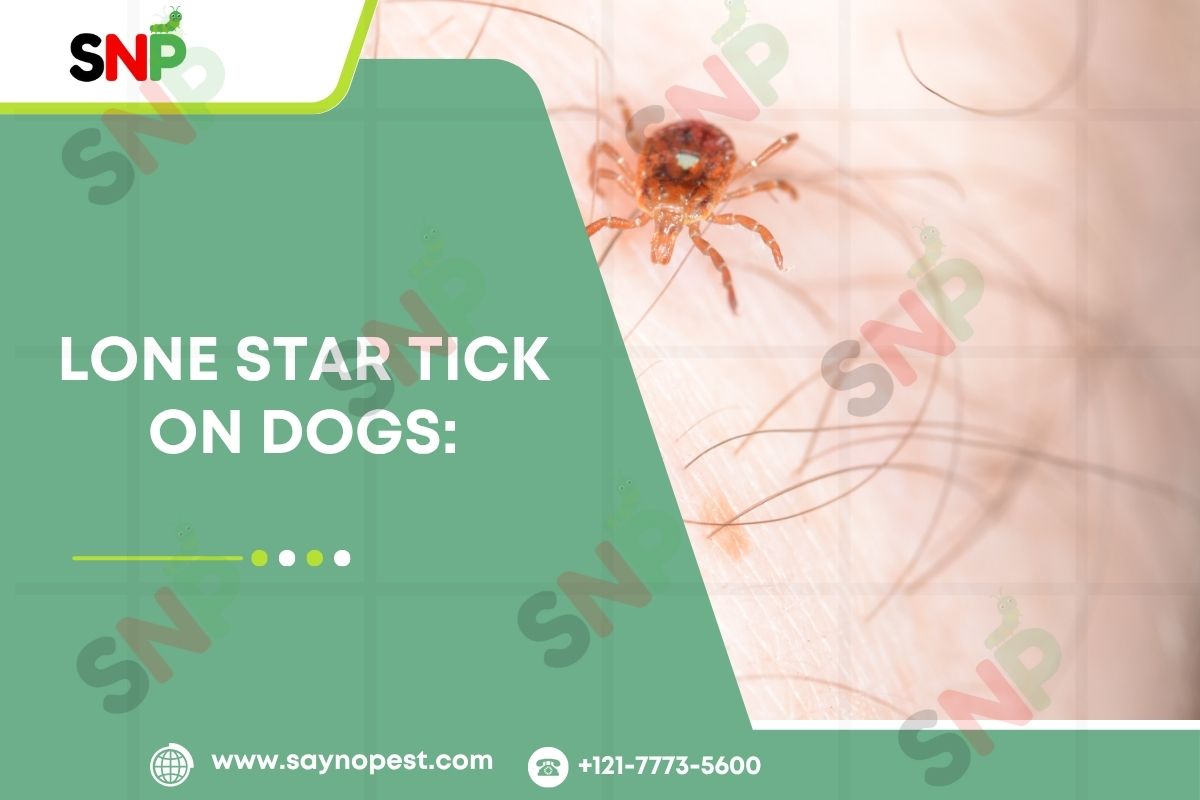
    Lone Star Tick on Dogs: What a Dog Owner Needs to Know

    Dogs love running and playing outdoors and wooded trails, but it’s hiding in these beautiful places that’s a pest dog owners all over the United States should be aware of the Lone star tick on dogs. This voracious parasite is spreading fast to new areas and has disastrous implications not only for canines but for humans, as well. The Lone Star Tick female is easily recognized by the single white spot or “lone star” on her abdomen. Precise understanding of the risk, Lone Star Life Cycle, and detection and coexistence with this tick is vital for pet owners since diseases transmitted by ticks are on the rise all over the nation. Lone Star Life Cycle

    The Lone Star Life Cycle is unique and the primary reason why this tick species is extremely difficult to control. The cycle has four distinct stages: egg, larva, nymph, and adult and requires two to three years to accomplish.

    • Egg Stage: The female Lone Star Tick lays up to thousands of eggs in moist locations, most often leaf litter or sunward-side sheltered grassy patches. Very small larvae, having emerged, will then wait for a host.
    • Larval Stage: The “seed ticks,” or larvae, have six legs and will feed on small hosts such as rodents. They are dropped from their host after feeding and become nymphs.
    • Nymph Stage: Nymphs are slightly bigger and have eight legs; they infest a second host, ranging in size from as small as medium-sized mammals or as small as sometimes dogs. They molt into adults upon feeding and wintering.
    • Adult Stage: The adults themselves go out in search of hosts of bigger size, i.e., dogs, deer, and human beings, and feed on them repeatedly. Adult females leave feces on host feeding and egg laying, and the Lone Star Life Cycle is complete.

    The Lone Star Life Cycle is also called “three-host” because a new host tick is required at each stage of feeding. This active transportation gives the tick multiple opportunities to catch and infect, which is virtually impossible to evade.

    What Does a Lone Star Tick Look Like

    The Lone Star Tick’s recognition feature is its body shape, & it also helps you identify & protect your dog. So, what does a lone star tick look like?

    • Size: They are around 1/8 to 1/3 inch long prior to feeding but up to 1/2 inch after feeding.
    • Color: They are reddish-brown in color, which turns slate gray after consuming blood.
    • Unmistakable Mark:Female bears an unmistakable white or silvery mark in the very center of the back-the namesake.
    • Males: Males possess one fewer spot but bear white spots or streaks on the periphery.
    • Larvae and Nymphs: These immature stages are very tiny and do not possess the star mark but are just as lethal as they prefer blood.

    If you want to know what a lone star tick look like, look for the “star” on its back and see how big the tick has gotten after feeding on blood. Checks regularly, especially in the area around your dog’s head, neck, and ears, is the trick to catching them early.

    Health Risks to Dogs from Lone Star Ticks

    The Lone Star Tick is more than an annoyance: it’s a potent transmitter of several deadly dog diseases, like ehrlichiosis, tularemia, Rocky Mountain spotted fever, & more. Transmission can occur with one bite, so observe closely for signs of sickness after contact.

    elements of Tick-Borne Illness:

    • Ruddiness, Pimple, or inflammation at the site of the tick bite
    • Weak legs or loss of appetite
    • Shortness of breath or blue gums (medical emergency)

    Excessive Lone Star Tick Bites in Dogs

    Prevention is better than medicine when it comes to Lone Star Ticks.

    Cut grass short and clear away leaves on your property yard area to decrease habitats. Fencing wooded or brush areas off, if possible, will do the trick too. Check your dog after a walk particularly in heavy undergrowth. If you blotch a tick, take it out directly with fine-pointed tweezers, as close to the skin as possible, & very slowly. Wash and clean the bite zone & your hands afterward. Vet-approved tick preventative collars, medicated mouth pieces, or sprays are effective. Your veterinarian can tell you which is best for your dog and what the tick load is where you live.

    The Role of Lone Star Life Cycle in Prevention

    Learning the Lone Star Life Cycle will allow dog owners to break the cycle of infestation. Breaking any phase in the Lone Star Life Cycle (e.g., by keeping the environment in check or daily tick check), you can reasonably well rid your pet of danger. Important fact: being familiar with What does a lone star tick look like at each phase is crucial to early detection and removal immediately.

    How to Spot a Lone Star Tick on a Dog

    It is crucial to catch the tick on your dog. When wondering What does a lone star tick look like biting a dog’s skin, try to find that white spot in females or white lines in males. Analysis tick hiding spots: behind the ears, under the collar, armpits, groin, & toes. Ticks are tiny initially but expand as they become full of blood, so daily checks are necessary.

    Conclusion: Protect Your Canine with saynopest

    Lone Star Ticks are a growing danger to canines across the country, but the best defense is an educated citizen. Understanding What does a lone star tick look like, recalling the Lone Star Life Cycle, and using tick precautions drastically lowers risk factors. Daily checks, correct removal, and using effective products are the best ways to safeguard your pets.

    For further hints, pro tips and the latest breaking news on how to get rid of pests, rely on saynopest your friend to pest-free, healthy homes for American families and their four-legged furry canine companions.