Author: digimach10

  • The Rise of Green Pest Control: Why More Homeowners Choose Natural Solutions

    The Rise of Green Pest Control: Why More Homeowners Choose Natural Solutions

    Families in the United States are increasingly concerned about the contents of their homes. Food preferences, sanitation, and frequency have become significant concerns, and as a result, human beings have realised the need to control pests. With this, several homeowners have abandoned the use of chemicals and instead opt to use environmentally friendly solutions to ensure that their houses are safe. Chemicals might be quick, however, the dangers to health, animals and the environment have made humans adopt the greener alternatives.

    The need to have same day pest control services still remains high; however, more homeowners are now opting to have a solution that offers an instant effect without involving the use of harmful toxins. This compaction between the need and the safety is driving the increase in the popularity of natural pest control as the wiser decision in the modern household.

    Why Traditional Pest Control Is Losing Favour

    For many years, Chemical solutions for pests have ruled the pest control industry. They are cheap, strong, and easily available. Although people are well aware of their side effects: 

    • The direct application of chemical solutions may influence respiratory or even skin problems, or even more dangerous long-term health complications.
    • Pets are also primarily unsafe because they spend their time on floors, lawns, or in areas that have been treated in the event of chemical use.
    • On-site treatments lead to chemical run-offs which pollute the soil, water and the surrounding ecosystems.
    • Over time, several pests develop resistance to synthetic formulas, causing the family to be frustrated with not getting any results when they keep on treating the pests to no avail.

    Because of this problem, many humans are choosing residential pest control solutions. Nowadays, people are moving toward natural solutions as they help them to stay safe and healthy. 

    What Makes Green Pest Control Different?

    Instead of using heavy chemical solutions, which are harmful, green pest control is best for prevention, natural repellent substances, and plant-based formulas. These solutions are not harmful to the environment, & control all the pest problems. 

    Green practices tend to comprise:

    • Peppermint, cedarwood and citronella are essential oils that prevent insects naturally.
    • Application of food-grade products like diatomaceous earth in the control of pests.
    • Less toxic traps and baits that do not expose a family to toxic residues.
    • Such intelligent prevention measures as the sealing of entry points, sanitation, and moisture-containing areas where pests breed.

    Green alternatives are unlike the traditional method of treatment, which aims at eliminating the chemical in favour of long-term outcomes and safe use. Most current same day pest control companies are using these friendly practices to keep up with changing consumer demands.

    Benefits of Eco-Friendly Pest Control for U.S. Homes

    What is the reason why Americans prefer natural solutions? The advantages are clear:

    • Safety of natural treatments. Kids can play safely at home and feature with the pets.
    • The methods of natural solutions remove indoor and outdoor pollution and leave the sources of water and gardens free of chemicals.
    • These solutions help in the process of pollination of bees & butterflies. which are useful to the local environment.
    • With time, regular practices will decrease the chances of pest resistance to treatment, thereby aiding in achieving long-term and effective pest management in residential houses.

    Moreover, as the demand of consumers grows, a significant number of companies provide fast and efficient same day pest control that is in line with the green principles.

    The Role of Natural Pest Control Brands

    The demand for natural pest control products has opened the door for innovative brands that follow natural solutions to deal with pest problems. One of the examples is Dr Killigan’s, well-known in the United States for its non-toxic and stylish pest control products.

    Dr Killigan has established a brand identity with its solution that is effective against pests in addition to being presentable and safe to families. Even their traps of pantry moth and insect sprays are composed using natural ingredients and designed in a manner that does not expose people to harsh chemicals, as has been witnessed in conventional products. To the American homeowners who want to have the residential pest control that is effective yet family friendly, such brands as Dr Killigan are making them realise that environmentally friendly choices do not have to mean compromise on the outcome.

    Green Pest Control in Everyday Life

    Using natural solutions for pest control in daily life is not hard. American families are finding it easy to:

    • Use essential oil sprays to stop ants or mosquitoes.
    • Trap pantry moths with non-toxic sticky traps.
    • Fill cracks, clean the kitchens, and store food in tight boxes to block entry.
    • Try organic options, such as using beneficial insects to naturally remove common pest populations.

    Sustainability and green practices may be used together with same day pest control, whether the company has a short response to an issue or a long-term prevention strategy. The current residential pest control companies collaborate with customers to create a strategy that suits the lifestyle and morals.

    How Homeowners Can Transition to Natural Options

    Families who are used to the conventional sprays, the transition to green procedures might seem daunting. Fortunately, it need not be complex. It is possible to transition by homeowners in the U.S. to transition in the following way:

    • Begin with something simple: Change one or two of your standard products with something green, like natural sprays or traps.
    • Check certifications: Find EPA-certified green products or brands that have pest control with a focus on environmental friendliness.
    • Back-tested brands: Select famous names, such as Dr Killigan, that provide effective natural substitutes in the American market.
    • Blend amateur and professional services: DIY natural remedies are effective for minor problems. In case of a bigger infestation, it is better to hire the services of an eco-friendly residential pest control that will guarantee the appropriate treatment without the use of harmful chemicals.
    • Go preventive: Concentrate on long-term deterrents like home sealing, avoiding clutters and outdoor landscaping to keep off pests.

    The need to be greener is increasing, and even the traditional providers have adopted the natural methods in their same day pest control services which provides the family with quick and safe relief.

    Conclusion 

    The trend of green control of pests is not a one-day wander–it is becoming the norm in the entire United States. Homeowners seek ways of ensuring that their families, homes and the entire environment are safe and highly responsible in their lives.

    Thanks to such brands as Dr Killigan working in the forefront and new innovative providers serving same day pest control, it has never been easier to make the healthy, sustainable pest control choice in the residential setting. With each environmentally-friendly choice, American families can be brought a step further towards a day in which the safety of their homes and environmental protection become one.
  • Best Termite Control Options in Boston: Local vs. National Providers

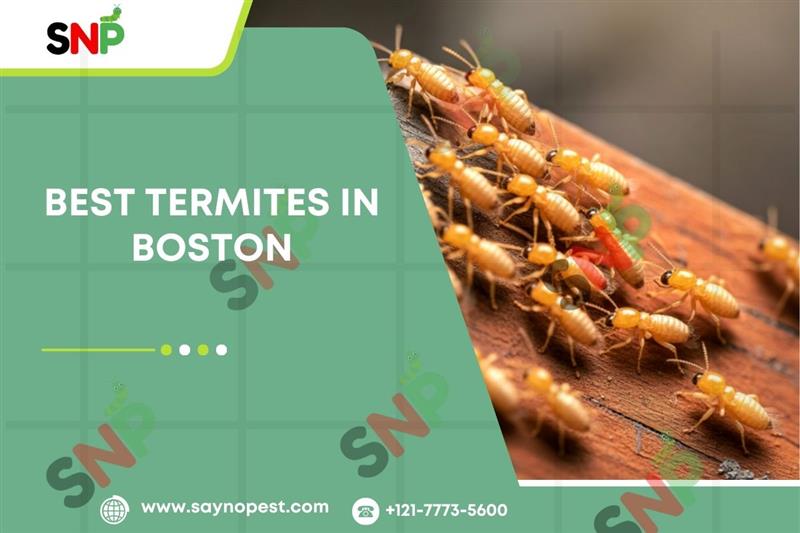
    Best Termite Control Options in Boston: Local vs. National Providers

    Why Using Professional Pest Control in Boston. 

    The next time the termites infest your house, they usually do so in silence and invisibility, they chew through structural wood, undermine the beams and cause you a lot of money without you even realizing it.

    Termite danger exists in a place such as Boston, which is a combination of old houses, small communities, old foundations and summer that is humid. This is the reason why a number of homeowners resort to professional pest control instead of making efforts on their own. Having experience, specialized equipment, regulatory expertise, and warranties that a homeowner is rarely capable of matching are professional pest control advantages. 

    By employing a professional for pest control, one can be sure that the inspections will be comprehensive, treatments themselves will be safe and effective, and the follow-ups will be credible. We are going to compare the termite treatment environment in Boston in this guide, considering the local and national companies, and assist you in choosing the path that best fits your needs. 

    The metro area of Boston has several pest treatment services in boston companies which deal with termites. It will be more possible to orientate a local company towards customer-oriented service, time sensitiveness and local-termite pressure awareness. 

    The Strengths and Profile of Local Providers. 

    The services that will be offered under Clancy Brothers Pest Control include termite check-up, the Sentricon termite baiting system and customized plans and offer retreatment. 

    The business is called GreenHow Pest Control which is located in Boston; the business is retailing liquid termite as well as the Sentricon systems and other environmentally friendly products like preserved wood, which has been treated with Boracare. 

    Green Planet Pest Control is the service, offering baiting, and the strategies, based on ecologically-friendly products and the free prices and guarantees of most of the services. 

    NW Pest Control has termite control as part of its initial service provision with the area of operation extending to Boston which in other cases are organic or containing less hazardous solutions. 

    That, in the event that such domestic suppliers know well the soils, laws of humidity, house designs and Boston landscape etc. They are also able to provide more flexible working hours, visitation to the places quicker and face-to-face observation of the businesses by their owners or the senior technicians. 

    They also provide their pest treatment services in Boston and they are: 

    • The termite will be inspecting the crawl spaces, exterior, and interior as well as large areas. 
    • Treatment of soil with termiticides (liquid barriers). 
    • Installation of the termite stations like Sentricon. 
    • Borate preservation or treatment of wood 
    • Rejection of warranty and observation. 

    Gardens and constructions maintenance, air conditioning. 

    The visiting service providers in the area can also be placed in place to offer the follow-up visit at no exaggerated expenses of committing long drives to add value to the existing termite management. 

    National Providers: Nimbleness, Uniformity and Diversity. 

    The other side is national or regional chains where the company operates in more than one state including Boston. These can be examples of Orkin, Terminix, etc. An example of this is the Boston branch of Orkin, which handles termites treatment based on baiting systems, perimeter check and surveillance. 

    Most Bostonian homeowners have a definite preference of large companies such as Terminix due to their good reputation, national coverage, and strong warranties. This loyalty is usually due to the confidence that a big company is capable of providing good results and can afford even the most difficult cases of infestation. 

    Pros of National Providers 

    Standardized procedures and training: In case of national companies, there is highly standardized training programs and uniform standards across all the branches which makes them very similar. 

    • Brand recognition and assets: The name Orkin and Terminix makes the homeowners confident that the countrywide experience and investments in the latest technology have been invested. 
    • Extended reach and support: When your place of residence is not within the city limits or even spans over towns, national companies could already be in place already. 
    • Higher warranty leverage: Large companies tend to support their efforts with a brilliant warranty and are able to cover them in a dependable manner. 

    Cons of National Providers 

    Less localized knowledge of local conditions (soil type, microclimates, local termite pressures) 

    • Subcontracting possibility of technicians or shift staff instead of a fixed crew. 
    • Less scheduling or personalization, especially in competitive neighbourhoods. 
    • Increased overheads, which can be translated to prices. 

    This trade-off is one of the reasons why the preference of big brands such as Terminix by Boston homeowners over the area-based and personalized appeal is at times overwhelming. To a lot of people it is about trust and experience gained over a long time. 

    Local vs. National: What to ask, What Matters. 

    The principal decisions to be made in choosing between local and national termite specialists are: 

    Licensing, Certification & Compliance. 

    Any provider is supposed to comply with the Massachusetts pesticide laws and has to possess structural pest control licenses. National firms will make sure that there exist no variations within the states, but local firms will be more familiar with the localities of Boston. 

    Rigor of Incorporation and Personality. 

    A successful pest treatment services in Boston business should not give blanket treatments because they are expected to treat your property individually. 

    Treatment Methods & Safety 

    Commonly used methods of treating Boston termites include liquid termiticides or a baiting system, like Sentricon. Some providers also use wood treatments or environmental controls. Natural and chemical control of pests is an example that can be compared in the case of Dr. Killigan. view some instances of environmentally-friendly formulations done with botanically-derived or less harmful compounds. The target is to possess the safety and effectiveness ratio. 

    Warranty, Monitoring and Following up. 

    Warranties and frequent monitoring is offered by the local or national provider who is the best. Local businesses may be quicker, but the big brands have an upper hand since they give a promise of a robust corporate backing, and this is another factor why Boston homeowners are drawn to big brands including Terminix. 

    Cost & Value 

    Boston is a city that ranges in price between 400 and 3,000 in terms of property size and the level of infestation. Local companies may be more flexible whereas national companies may be justified by full warranties and name recognition. 

    Balanced Strategy: Local or National or Both? 

    The mix of both is the most effective in other instances. Rapid checks and treatment as well as personalised treatment must be outsourced to a nearby firm, but long term guarantees must be reaped with a national service provider. 

    For example: 

    • Local firms know Boston’s microclimates, neighborhoods, and typical infestation patterns. 
    • National providers bring advanced resources and name-brand security. 
    • Homeowners with historic properties often use a local specialist, while others reflecting Boston homeowners’ preference for big brands like Terminix opt for national reliability. 

    Conclusion: Which Termite Control Option Is Best for You? 

    In Boston’s termite-prone environment, professional pest control is your strongest defense against structural damage. Regional providers bring personal care and neighborhood knowledge, while national providers offer reliability, scale, and peace of mind. 

  • The National vs. Local Pest Control: Which is the Right one to your home? 

    The National vs. Local Pest Control: Which is the Right one to your home? 

    Once insects, rodents or termites have made it into your home, the first thing that you should do is to identify the pesticide control service that you can rely on. Homeowners in the United States are faced with a choice: do you believe in an expansive nationwide brand, or a local organization that is familiar with your local community? We know that this decision can be quite baffling at saynopest, when you have to get fast and efficient results. That is why we have categorized the advantages and disadvantages of each of the options, so as to make you choose the kind of pest control service that suits your home most. 

    Pesticide Control Service Introduction. 

    Such services like a pesticide control are not merely the spraying of chemicals. It will be a completely thorough check, finding the origin of pests, developing a treatment schedule, and prevention on a lasting basis. The homeowners now want safer and green solutions. A large number of pesticide control service providers are now providing both conventional chemical services as well as natural techniques such as heat, steam or diatomaceous earth. 

    This trend indicates the increased consciousness of environmental issues and health concerns. As an example, such companies as Dr. Killigan. 

    highlight the use of natural products as opposed to harsh chemicals and how environmentally friendly pest solutions are increasingly becoming popular in the United States. Nevertheless, regardless of the choice of the national or local provider, all pesticide control services aim at getting rid of pests, but safely. 

    National vs. Local Pest Control Service. 

    National Providers 

    The domestic companies are the well-known ones, they are also highly trained and equipped with the latest equipment. Consistency in method and warranties When it comes to taking on a national pest control service, then you will be inclined to have consistency in methods, and warranties. Their crews are instilled on the large-scale infestation and this is what makes them reliable among the homeowners who would like to use the laid down precincts. 

    However, big does not always have to be bigger. The national suppliers may be neutral and unaware of the locality of some of the pests that may be present in your location. One such case is that bed bugs in the urban area might have to be treated differently through a pesticide management service model as opposed to the village agricultural pests. 

    Example: A Dallas family that has issues with termites can contract Terminix to do the entire termite protection package. Should they later relocate to Florida and have mosquito issues, they can still have the same pesticide control service with a nationwide guarantee. 

    Local Providers 

    The local pest control service companies are usually conversant with the climate, building style and seasonal peculiarities in pests within your area. They also provide less time to respond and a more customized treatment process. An example would be the local pesticide management company would be aware of the fact that certain counties are experiencing carpenter ants problem in spring and certain counties are experiencing persistent termites. 

    The second advantage is flexibility: your local providers may offer you environmentally-friendly solutions at your request.  

    Herein we should make comparisons like the one of Dr. Killigan. natural and chemical pest control develops. Local providers are more receptive to natural methods, and it may be of special value where safer therapies of children and pets are required. 

    Natural vs. Chemical Options 

    The type of treatment plays the same role in service comparison as the provider. There are chemical solutions that tend to work quicker yet they may develop resistance amongst pests over time. 
    Nature alternatives- such as those being marketed by Dr. Killigan. 

    -were also safer and more environmentally-friendly but might need to be applied again and again. An integrated approach to pesticide management (IPM) is now used by both national and local pesticide control service providers, balancing between safety and efficacy. 

    What Is the Right Choice to Make at Home? 

    Pesticide control services should be a choice between national or local: 

    In case you like consistency and trust of the brands: Go to a national provider. They introduce systematic training, technology and countrywide warranties. 

    In case you prefer customized products and experience: Select a local pest control company. Their knowledge on community-specific infestations can save them time and money. 

    In case environmental friendliness is important: Inquire about natural alternatives. Regardless of whether it is on the national or the local level, a lot of companies employ safer practices like those mentioned in the ones displayed by Dr. Killigan. 

    Service reviews, warranties, pricing and types of treatment are some of the aspects, which we suggest to compare at saynopest. The pesticide control service that you should have is the one that will not only be effective but fit in with the comfort of your family and long-term peace of mind as well. 

    Conclusion 

    Both national and local companies have some useful solutions, but it is up to you to decide which one is the most appropriate. A federal pest control department can offer uniform dependability, whereas a state pesticide control department can offer intimate service and some local expertise. After considering these aspects and querying regarding natural and chemical treatments, you will be able to make a sure choice. 

    Our mission at saynopest is to help homeowners to find the best solutions. You are inclined towards the direction of national service or local care of local business, but you must remember that the end of any pesticide control service providers is as easy as an outcome: the home is safe, comfortable, pest-free, and his or her home. 

  • Eco-Friendly Pest Control: Are Natural Products Really Effective?

    Eco-Friendly Pest Control: Are Natural Products Really Effective?

    Pest Treatment Services 

    The bed bug is infested in your house, then it is an emergency to seek the services of a good bed bug pest control firm. The chemical sprays used traditionally are fine – although the greater part of the population is moving to the natural or green usage. At saynopest we are sure to hear all the facts, particularly in the case of an option of bed bug removal service. The pest treatment services, pest management services and the possibility of natural products being a safe recommendation to bed bug removal shall be discussed in this paper. 

    Pest Treatment Services Motivation 

    Pest treatments services imply the variety of the solutions based on the usage of chemical insecticides, heat treatment, steam and natural solution like essential oils or diatomicaceous earth.

    Management services of bed bug habitats should be identified in the mattresses, box springs, bed frames, crevices, baseboards, luggage, etc. and treatment choice made on the basis of severity, safety (pets, children), cost and long-lasting efficacy. Instead of hard chemicals, they may be substituted with: 

    • High temperatures that are applied to the bed bugs to kill all the stages or life of the bugs are called steam cleaning or heat treatment.  
    • The powders are mostly natural such as diatomaceous earth (DE) that causes damage to insect exoskeletons, which leads to dehydration.  

    Any bed bug elimination company shall not just be offering a service to remove the visible ones, but to remove the eggs, locations and re-infestation. The natural processes can be more natural and long, laborious, and preparation. 

    Pest Management Services 

    The pest management services ( or bed bugs pest treatment services) does not only involve treatment, but also planning, prevention, monitoring and follow up. The gold standard is the Integrated pest management services (IPM).

    A combination of IPM strategies will be included in one of the providers: 

    Inquiry to determine the nature, extent and the locality of infestation. 

    The preventive strategies are considered as crack sealing, mattress wrapping, de-cluttering and laundry at high temperatures.  

    They are the treatment of choice that involves application of natural or chemical method based on the severity of the problem. 

    Success monitoring: bed checking, bed furniture, cracks, traps, vacuum cleaning. 

    The majority of cases will be a mix strategy of naturally available alternatives. Among such is the heat treatment and DE/ steam which is a more reliable bed bug killing service.

    In other firms such as the EcoGuard Pest Management; they will inspect them and then carry out the treatment of areas depending on the infestation level in other cases; in other cases; chemical treatment is availed when the natural treatment methods fail to handle the infestation.  

    In addition to it, other services such as Rose Pest Solutions application apply IPM best practices which are environmentally-friendly in a bid to reduce the use of chemicals.  

    The natural versus chemical pest control Dr. Killigans comparison is a more recent one to emerge and it was discovered that the chemicals are faster, but the natural therapies are usually more environmentally friendly, it has been established that natural therapies are not subjected to the same level of opposition as the chemicals used. 

    Natural or Chemical?

    These are pros and cons of the natural technique of pest control over the chemical technique and examples of the same. 

    In: The Natural Methods are good in: 

    Safety: This is one thing that the majority of the people were not aware of; and this is that not all chemicals are as safe to people and animals as their proponents would like people to believe. Less toxic wastes, offensive or nasty pollution.  

    Resistance: Beds bugs are now becoming very resistant to a very big variety of chemical insecticides (in this case, pyrethroids). The resistance is impregnated through natural physical or thermal treatment.  

    • Environmental Impact Ecofriendly pest control has no Water and air pollution, Soil pollution. Weaker infiltration of chemicals or left sided toxicity.  
    • Weaknesses Natural Approaches Minuses. 

    Slow effect- The natural remedies may be a gradual process of the manifestation of the visible effects. DE, in its turn, is not quick (takes days) in terms of chronology, heat treatment is one of the efficient pest treatment services that should be applied and maintained at high temperatures.  

    • Labor, cost There are operations of nature (using more labor, steam, heat) and those that use specialized equipment. In addition, the repeat therapy can also be required. 

    Holes in the walls of the places where the natural treatment is hid in: Sometimes the natural treatment is not deep where it is hiding in the wall or the eggs have been cemented in the wall. There are instances when the chemical sprays are not covering areas but parts of the areas. 

    Sometimes desirable may include: in Case Chemical Processes: 

    • where expediency of results we desire. 
    • In places where some of the hideouts are inaccessible by nature. 

    This is where the price of the natural treatment repetition is rising to ensure that it surpasses the one of the chemicals treatment repetition. 

    In the instance of Dr. Killigan, which brings us to believe that such does occur, that there are cases when the chemicals are not merely quicker than the natural ones, but more active in their outer circles of action and in their dangers. They can be mandatory regarding the level of chemical pollution. 

    Saynopest: Making the Right Choice. 

    as with saynopest, when a pest treatment services is ordered on bed bugs, this is what will be expected: 

    • Much analysis of the degree of the bad problem. 
    • An open evaluation of options: natural or chemical or both. 

    Another option that the use of chemicals will be limited to, where feasible, in the case you would want a bed bug removal company, the natural technology of heat or DE will be offered. 

    Pricing and follow up after sales in case of bug and eggs. 

    We make sure that the process that will be adopted is aligned with your priorities: the safety, speed, cost, environmental consideration, and the level of infestation. 

    Conclusion 

    Yes-natural products are quite useful in most of the instances especially where the infestation has been detected at an early or moderate level, where safety is also a factor as well as the environment or where the product is also sensitive to chemicals.

    They are also safer and in majority are green and may be part of a long term pest management services However, they are not always applicable since natural methods can be more time-consuming, more difficult, and they do not necessarily reach all concealment areas and concealment spots in extreme cases. 

    In case of bed bugs, identification of the best pest treatment services to handle bed bugs or bed bug removal service entails one to address the extent of infestation of bed bugs, your safety or natural or chemical exposure, budget and time consideration.  

  • Termites vs Carpenters ants

    Termites vs Carpenters ants

    You will not long induce a panic in the spring, when you perceive some insect injury, in other words, or when you perceive some winged insects around your windows. The termites vs carpenter ants are the two wood boring insects that have been most misconstrued. It is a manual that unveils the actual differences which are to watch out and actions that is taken with a comfort in American lingo that would realize any home owner in the United States.

    Termites-vs-Carpenters-ants

    Overview: what is the difference between them?

    The easiest method of conceiving of termites vs carpenter ants is the following. The termites nourish themselves with the wood, the carpenter ants do not nourish themselves with the wood, and bore holes in the wood and hollow it.

    This difference changes the kind of harm you will be witnessing as well as the most appropriate methods of dealing with the problem. 

    Naming of all the pests (their appearance and behavior).

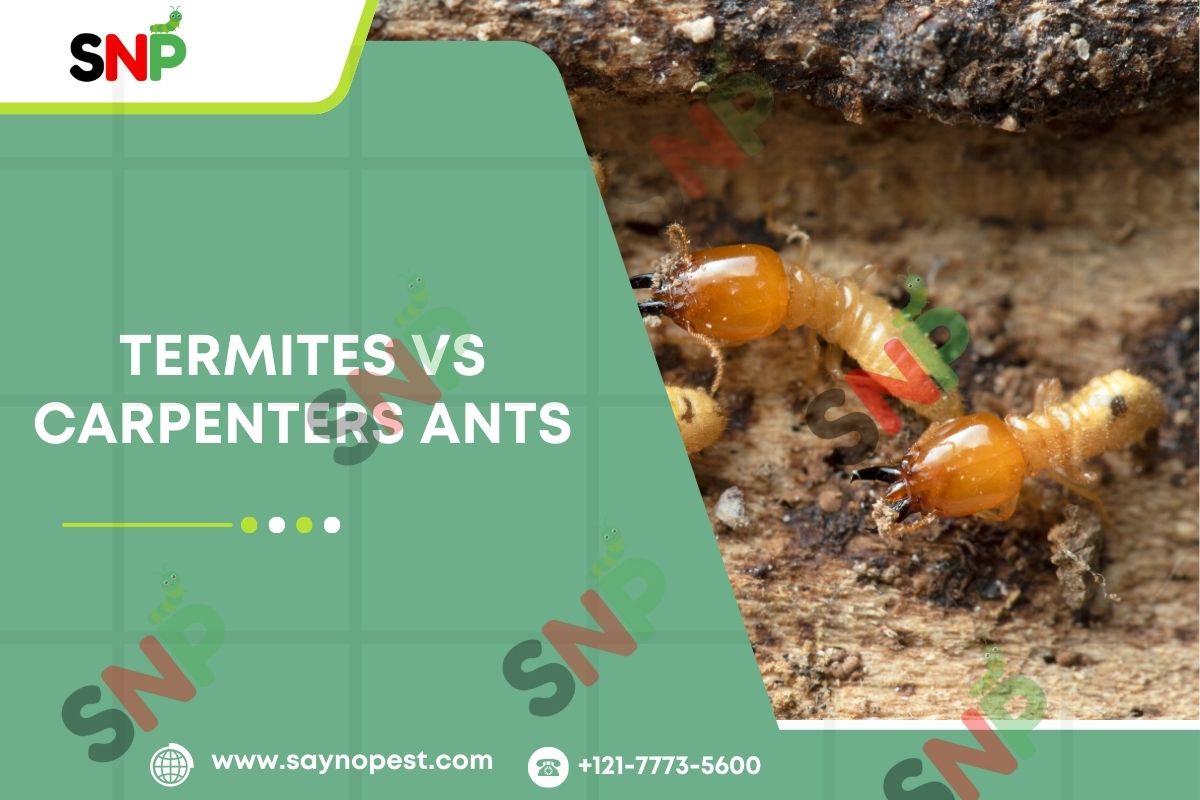
    Termites: The worker termites have bead-like straight in shape antennas. The winged reproductive (swarmers) have two pairs of symmetrical sized wings. They would be likely to live in the shadows and work in the woods.

    Carpenter ants: are pinch waisted insects whose antennae is an elbowed one with winged reproductive insects. where the front wings are longer than the back ones. It is possible to observe the foraging carpenter ants at night in large numbers.

    Knowledge of these physical variations will cause you to be aware of what insect you have accidentally come across in the open, whether it be a swarmer or a worker, a termite or a carpenter ant.

    The symptoms of the infestation to expect.

    These are the most common and easiest to detect signs of termites vs carpenter ants  that known to a house owner. The early stages of development to make sure that the house owner is not ignorant of the complexities.

    Termite signs

    Bases, loggings or support Mud tubes or shelter tubes. These are made ready to ensure that the workers are hydrate in case they visit food resources.

    Creaking floors, stripping paint or overpopulated galleries of building wood. These will be signs that the termites are about to consume cellulose.

    Carpenter ant signs

    Among others one litter was the Frass (sawdust like litter) that occurred in the galleries where work done. Under the openings of the nest, It was compose of a substance resembling coarse sawdust. In most cases impregnated by portions of insects. It is similar to the pencil shavings.

    The workers targeting food in the premises particularly smear left by food stuff during the night.

    In the comparison of the termites and the carpenter ants it was seen. The mud tubes provided the most probable account of underground termites. The piles of the frass to the carpenter ants.

    Patterns of damages: how much damage has been cause?

    The two pests can infest a house in addition to the fact that the infestations are not usually scarce. Termites literally consume wood and this can structurally be vulnerable in immense proportions when not addressed. The carpenter ants also nest in galleries. This also destructive of structural wood but the destruction is localize. It is usually limit to wet or decay prone wood.

    In short: termites can as well be more of a serious structural risk in the short term. The carpenter ant colonies are not disregard either. 

    Prevention: control and prevention.

    The type of management of infestation is dependent on the type of pest.

    Termite control

    The colonies of the termites may be very huge and hidden in the ground hence the need to conduct professional checks so high. The most common and also applied in the treatment of drywood termites are baiting systems. Soil-applied liquid termiticides and fumigation. The equipment which is frequently used by the professionals to protect the foundations and active wood Baiting systems and soil treatments. 

    Carpenter ant control

    Where one of his nests is, destroy it. Get rid of damp or stale wood, and the sources of the dampness (drooping roofs, incorrect grading, etc.) and cover up the exteriors. The infestation fixed using the assistance of a designated nest therapy, by a pest expert or a bait in an appropriate location.

    The tips that prevent both.

    Termites vs carpenter ants Direct the material of the wood and soil contact, keep building-free of firewood, close building-leaks, open building-attics and crawlspaces, and clean-up gutters. Your greatest ally must be considered as home inspection and keeping the moisture in check to control the amount of it.

    Do-it-yourself vs. hire a pro

    In such circumstances where you have small clear cases of carpenter ants nests close to the window or deck. A DIY strategy of caution can work provided that you can find the nest & treat it and rectify the moisture issue. Hire a licensed pest control professional when there is or is suspected to be termite infestation  i.e. finish and swarmers inside the house or any other damage to the structure. Treatment of termites may involve special products and monitoring so as to offer maximum protection to a house.

    Quick no/yes guide to choose.

    Find mud tubes or galleries on walls? Suspect termites, call a pro.

    You are heaps of sawdust like frass and labouring worker ants? Appearance to be carpenter ants – find a nest and repair water leaks. extension.

    Saw winged swarmers indoors? Mayst the size of the antennae, size of the wings: tell me (to tell; the size of the wings), be the size (to be the size; the size of the wings unequal) of the ant wings. 

    Conclusion

    Termites feed on wood, carpenter ants drilling holes in it and that is the shortest answer when a termite vs carpenter ants question is posed by the home owners. This distinction applied to the pace of action and the treatment which will be most helpful. When you find mud-tubes, rotting structural timber, you find swarms of many, you know that it may be a serious case and consult the professionals. Hello saynopest we are experts in diagnosing pests, we are discussing your decision and recommend suitable and economical pest control that is suitable in your house.

  • Bed Bug Gestation Cycle: User friendly Guide.

    Bed Bug Gestation Cycle: User friendly Guide.

    Bed bugs are tiny, nighttime insects whose infestations may get severe when promptly not addressed. Their reproduction and development are very important in order to control the problem. The Bed Bug Gestation Cycle, the way of the eggs developing, hatching, and passing to further stages of life, is one of the keystones of that picture. You will find out in this blog, the Bed Bug Gestation Cycle, their average gestation period of bed bug eggs and the entire gestation period of bed bug eggs. This assists the homeowners and the pest control professionals to anticipate when the eggs will hatch thus taking the necessary action in time. We think that the first line of defense at saynopest is knowledge.

    Bed-Bug-Gestation-Cycle

    How long is the Gestation of Bed Bug?

    When the question is, what is the gestation of a bed bug, most people are referring to the average hatching period of a bed bug egg under optimum conditions. The gestation here refers to the period of time it takes an egg to hatch after laying up until it reaches the first stage nymph. This is influenced by factors such as temperature, humidity and availability of a nearby host in the future of the nymphs.

    Average Life cycle Bed Bug Egg

    What is the mean gestation period of a bed bug egg then? As we were told:

    Most of the bed bug eggs take 6 to 10 days to hatch at normal room temperature (approximately 70-80o C or 21-27o F). 

    In particular, when things are favorable, approximately 60 percent of the eggs will be hatched by day 6, more than 90 percent by day 9. 

    When the environment is colder (below optimal room temperature) or drier, gestation may increase gestation period of bed bug eggs. 

    The mean gestation period of bed bug egg in normal indoor conditions is therefore approximately 7-10 days with a tendency to drive towards the lower end in warm and moist conditions.

    what is the gestation for bed bug

    We shall now proceed to examine the what is the gestation for bed bug? which is connected in a more or less way but is also a little different in another way to the average gestation period.

    • The gestation period for bed bug eggs is the total time span between laying the eggs to their hatching. The average duration (4 to 12 days) of most common bed bug species (e.g. Cimex lectularius) depends on the temperature and humidity range. 
    • Under suitable conditions stable, warm weather, sufficient moisture. can be as short as 6-7 days. 
    • Under less favorable conditions e.g. when the weather is cooler (below about 70 F) or in drier climates the gestation may extend up to the higher end (10-12 days or more). 

    Markedly, eggs that are not less than five days old may contain a small dark spot in the center of the egg called an eye spot, which is a sign that the eggs are on the verge of hatching.

    Bed-Bug-Gestation-Cycle

    Bed Bug Gestation Cycle

    To summarize the Bed Bug Gestation Cycle is the full cycle of reproduction that consists of egg laying, gestation period, hatching, juvenile (nymphs) until adult insects that can lay eggs themselves. Here’s a breakdown:

    Egg Laying

    The female bed bug mated lays eggs to be singly or in groups that are usually crevices and cracks within remote locations of the sleeping host areas. 

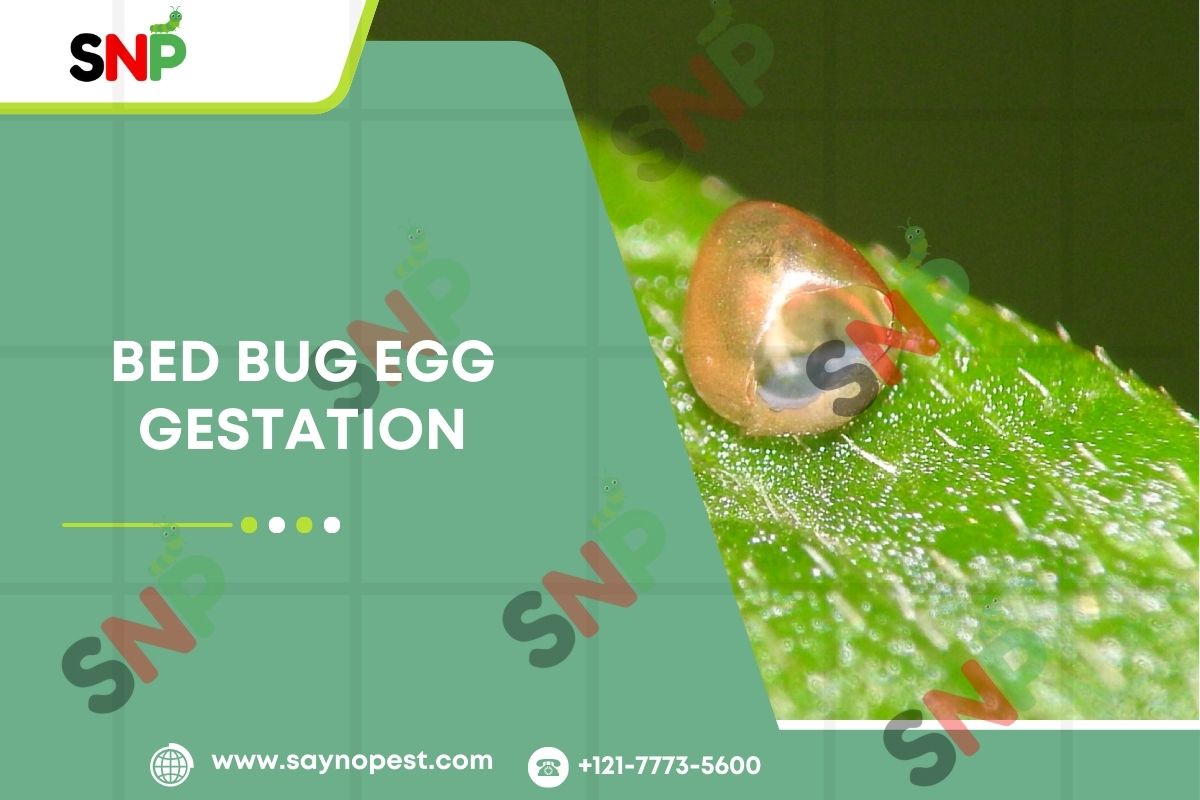
    The eggs are minute (a few millimeters), pearly or milky white, gluey to some extent such that it clings to the surface. 

    Gestation Period

    This is the interval of the egg laying and the hatching = incubation of bed bugs eggs. This is between 6-10 days as discussed with variation depending on conditions being considered in most common bed bugs. 

    Hatching

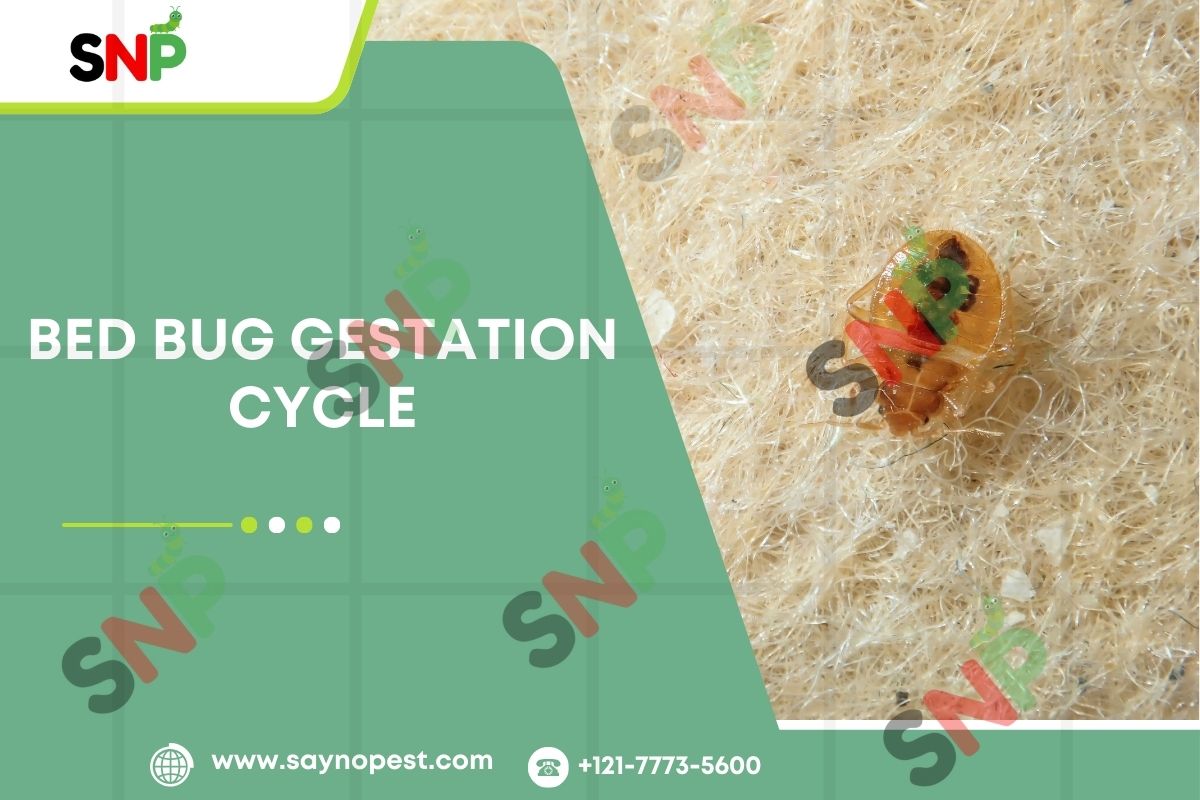
    After gestation the egg hatch to the first stage nymph. The nymph is small, and crystal-white or straw-yellow, and it is time she should have a blood-meal to get away.  

    Nymphal Stages

    The nymph goes through five molting stages (instars), each requiring a blood meal. After each feeding and molting, it grows larger. 

    At favorable temperatures, the nymphal period from first-stage nymph through final molt to adult takes about 21-35 days beyond the egg stage depending on how often they feed. Combined with the egg gestation, the total from egg laid to egg-producing adult can be about 37 days under good conditions. 

    Adult Stage

    After the final molt, the insect reaches maturity and can begin laying more eggs thus starting the next cycle. Adults under good conditions may live for months. The longer adults live and the quicker gestation and nymph stages occur, the faster an infestation can grow. 

    In warm indoor settings with regular blood meals and favorable temperature and humidity, the full Bed Bug Gestation Cycle (from egg to new egg-laying adult) can happen in about 5-6 weeks. In less ideal settings, it can stretch to several months.

    Conclusion

    The Bed Bug Gestation Cycle and specifically the egg gestation of a bed bug is crucial in the quest to stay a step ahead of the infestations. The knowledge of the gestation of bed bug, the average gestation time of bed bug eggs, and the gestation period of bed bug eggs will provide you with information as to how quickly bed bugs reproduce in different conditions. This information will assist the homeowner and pest control service to select the appropriate time to inspect, treat and follow up.

    We aim at providing you with the right and practical information at saynopest so that you may secure your home. Don’t wait in case you suspect to have bed bugs or you are preventing the same. The most effective defence is the early diagnosis and treatment. Fitness in action refers to being alert to the signs, knowing the biology and making prompt and informed actions. Be alert and knowledge will lead to the pest control strategy.

  • Bed Bug Egg Gestation: An Ultimate Guide for You!

    Bed Bug Egg Gestation: An Ultimate Guide for You!

    Among the most important factors that a homeowner can fail to observe when dealing with bed bug egg gestation is the time that the eggs of the bed bugs require to hatch. Understanding when the bed bug eggs hatch under various conditions will assist you in mapping out effective treatment, tracking progress and averting a new bed bug breakout. This paper will describe the process by which the egg development of bed bugs takes place, the influences of temperature, humidity and food on the process of development and what to be suspicious of at home. This will equip you and SayNoPest with the means that you will use to deal and exterminate the bed bugs before it gets into the house.

    Bed-Bug-Egg-Gestation

    What is bed bug egg gestation?

    Egg incubation can be viewed as the time gap between laying the eggs to hatching a female bed bug. At this point the embryo in the egg grows and it recruits the nutrients that already exist. bed bug egg gestation are one millimeter long and pearly-white and are deposited singly or in small groups and glued with an identical product of glue into the cracks and seams of mattresses, baseboards or other shielded space. 

    What is the gestation of a bed bug?

    The temperature is of significant influence in the gestation of a bed bug egg. Others are: humidity, food (blood meal in the cases of adults), and place of laying the egg (secretive and open). Medical conditions in the U.S. are generally normal in the gestation periods as follows:

    So, at room temperature, you can expect bed bug egg gestation to be about one week to ten days. If conditions are optimal (warm and moderately humid), maybe closer to six days. If less ideal, gestation stretches out.

    Factors that influence the gestation of the egg.

    To see why bed bug egg incubation can take such different lengths, we will examine the significant factors:

    Temperature

    This is the most important. The increase in temperatures tends to accelerate the development of embryos. At temperatures lower than 70 °F the action slows down. Extremely low temperatures can stop growth or hatching can take a long time.

    Humidity

     Eggs and nymphs when new are exposed to drying. When the humidity is low, eggs may dry up or hatchlings may soon after hatching. This delays successful gestation (as to survival).

    Food source / host availability.

    Although the egg does not require external feeding, the female that lays the eggs requires blood meals to make her be fertile and lay eggs. Nymphs require prompt feeding to a host to live and molt after hatching. Even after a successful gestation, an infestation can not develop without a host.

    Egg placement / protection

     Hidden and safeguarded locations (cracks, mattress seams, behind pieces of furniture, etc.) of eggs experience less disturbance and are less vulnerable to environmental stresses or premature removal/cleaning. That helps more eggs survive. In addition, pesticides can destroy or lose a few of their eggs. So pregnancy can pass without a hindrance in such places.

    Genetics / population resilience.

    Other populations of bed bugs are tougher and more resistant; they can have eggs that can withstand a broader range of temperatures or conditions with varying conditions. This may have an effect on the rate of hatching of eggs. It has been found that in cooler climate, the hatching success and gestation period is delayed.

    Why bed bug eggs incubation is important to control.

    • Knowledge of the gestation of bed bug eggs is not simply a scholarly concern:
    • Inspections and treatments: When you only treat adult bugs and nymphs, any eggs that are laid will hatch later and continue the infestation. Because eggs usually require 6-10 days to hatch at regular room temperature. They usually require follow-up treatments 10-14 days after the initial treatment.
    • Centralization of transmission: The awareness that eggs may be spread in concealed spots helps search the mattress seams, baseboards, furniture cracks, etc. In order to discover eggs at an early stage. Destruction of eggs prior to hatching decreases infestation in future.
    • Handling expectations: It is common to hear homeowners expecting immediate elimination. when eggs hatch after a week or longer it can seem like the treatment is not working. Defining the gestation of the bed bug eggs can act as a way of setting realistic expectations. Motivating patience with the current control measures.
    • Commercial pest control: In the case of such a company as SayNoPest, the knowledge of gestation assists in scheduling the visit, the proper application of residual insecticides, and the detection of eggs and newly-emerged nymphs to provide complete service.
    Bed-Bug-Egg-Gestation

    Indications whether eggs are about to hatch or not.

    • A few indicators can usually give you an idea whether or not the gestation of bed bug eggs is coming to a close:
    • Eggs more than 5 days old tend to have a small dark spot in them commonly called an eye spot that can be seen through the eggshell. It implies that the embryo has grown and it is about to hatch in the nearest future.
    • Small eggshells in which the eggs are not whole; with the cap open on an eggshell. It indicates that hatching has already taken place.
    • First-instar nymphs: small, pale insects which often look near egg sites, but are often straw-colored or translucent before the first blood meal. This implies that particular eggs are gestated.
    • Bites or feeding evidence have increased after approximately one week in case of infestation. New bites or more conspicuous activity is often revealed when eggs.

    What can be done to reduce or interrupt bed bug egg gestation (useful hints)

    • Venture into bed bug gestation, to reduce survival or hasten detection (to address the problem), the following actions interfere with bed bug egg development:
    • Reduce temperature where possible (but excessive low temperature will cause eggs to only stall hatching and not to die).
    • Keep the room dry by means of dehumidifiers; dry conditions may lower egg viability.
    • Clean with extensive checkups; vacuum crevices, seams, mattress edges, behind baseboards. Hand weeding lowers the count of eggs that ever hatch.
    • Use residual insecticides or encasements that are aimed at egg stages in furniture seam or mattress cover. Ensure that treatments are not applied over glued areas of eggs.
    • Keep a schedule of follow-ups: frequently first treatment then another one after approximately 10 to 14 days to trap eggs that have hatching following the first treatment.

    There are some misconceptions over the gestation of bed bug eggs.

    • Myth: It is always day number 7 when eggs hatch.
    •  Reality: That is with good temperature and good humidity. It might have to have a longer time when it is colder or under sub-optimal conditions.
    • Myth: Your lack of bugs in a week means the semen of the bug is eliminated.
    •  Reality: The eggs might be continuing to develop; in addition to this, newly hatched nymphs are tiny and very good hiders.
    • Misconception: Once you treat all the eggs are dead.
    •  Reality: There are harder to crack eggs or where the insecticides or heat cannot get. This is the reason why follow-ups are necessary.

    Conclusion

    Overall, it is important to know how bed bug eggs gestate because of anyone dealing or avoiding bed bug infestation. Normally, gestation (egg to hatch time) may take between 6 days and 10 days under normal U.S. indoor conditions but may run longer in low temperature, low humidity, and well hidden eggs. The ability to identify when the eggs are almost hatching, and to schedule the treatment timetable. According to the gestation will enable you to minimize infestation risks faster and more efficiently.

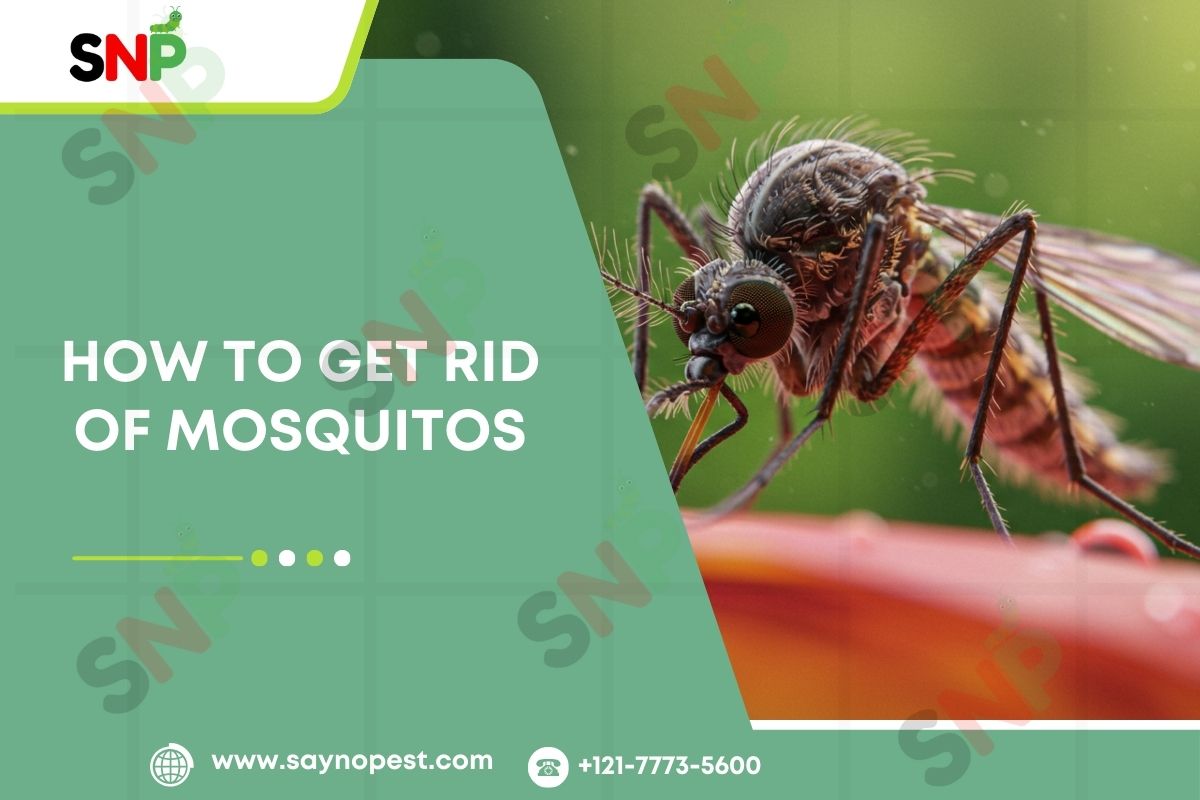
  • Introduction to How To Get Rid of Mosquitos

    Introduction to How To Get Rid of Mosquitos

    Not only are the mosquitos nuisances, but also vectors of dangerous diseases like West Nile virus, Zika, dengue and malaria. How to get Rid of mosquitos disposal of mosquitoes is not only to be comfortable, but ensuring your health is safe and safe environment your family is living in is safe. The control of such insects can be by prevention of bites, good repellents, and destruction of mating places to name but a few. Being aware of their conduct and regions of weakness, you can take the relevant steps so that your house and surroundings could remain mosquito-free.

    How-To-Get-Rid-of-Mosquitos
    How-To-Get-Rid-of-Mosquitos

    1. Understanding The Mosquito Life Cycle.

    To act successfully in answering the question on how to get rid of mosquitoes, the first step would be to learn their life cycle:

    The female Aedes mosquitoes have eggs deposited on inner surfaces of water-filled containers. The eggs are difficult and can dry up to eight months. 

    The eggs covered with water hatch into larvae that survive in water (wigglers), and resting pupae.

    • In a few days more other adult mosquitoes hatch and fly so as to feed and breed. 
    • It usually takes a period of 7-10 days to develop the eggs of the mosquito into biting adults. 
    • In the best conditions, development can take 4 days to a month. 

    2. Mosquito Bite Prevention

    It starts with avoiding the cases of mosquito bites so as to decrease the mosquito activities. The tips on how to be safe and advertise products that help are the following:

    • Close the fine knot window and door screens to lock out mosquitoes in your home. 
    • Clean up empty standing water at least once a week: bird baths, buckets, plant trays, gutters-dump, cover, scrub, or dispose of items that hold water. 
    • Seal water storage with close fitting lids or fine mesh; cover holes in tree, seal cracks in tank. 
    • Maintain your yard: trim and shape weeds, cut grass and brush the bushes where adult mosquitos prefer. 
    • Use epa-approved repellents and wear long sleeves & pants- especially during the evening and in the early morning where the mosquitoes are most likely to be present. 

    Together these measures will create a decent background in prevention of mosquito bites.

    3. Tips to Prevent Mosquito Bites

    In this case when the home has been infested by the mosquitos, the methods of avoiding the mosquito bite are as follows:

    • Apply an extreme little repulsive agent to bare. Picaridin based on DEET are reliable products. A tenth of the repellent lasts approximately 90 minutes and 30 percent DEET can last 5 to 6 hours on how to stop mosquito bites?
    • Install physical barriers: apply tape to screens, close openings and take into account netting baby equipment or bed. 
    • Place physical traps and fans inside the house; in dire cases, a professional needed to spray certain insecticides on the affected regions.

    These interventions are effective in anti-mosquito-bite precaution and the promotion of safeguarding equipment and services.

    4. Ecof-friendly Mosquito Repulsive.

    The next list of natural mosquito repellents proposed to the readers who would not love the chemical solutions

    • Lemon eucalyptus oil (OLE): EPA certified and has six hour protection. Not for children under three.
    • Lavender oil: Used to soothe the skin & keep the mosquitoes away, crush oil or dilute and put it on ankles and wrists. 
    • Cinnamon oil: This is utilized as egg repellent and egg disruptor. Spray on the skin and surfaces with a dilute spray (say 1 percent). 
    • Thyme oil: Can provide coverage to a depth of 91% in the study and because of burning thyme leaves also can drive away the mosquito. 
    • Oil made of Greek catmint (catnip): It is demonstrated that it be ten times as effective as DEET. 

    Geraniol, clove oil, peppermint, lemon grass: Assays indicated that the lotion preparation at 10% had a protection of 30 to 60 + minutes. 

    • Citronella: Good, when applied to the skin in direct contact, but not so good when candled-formulation is imperative. 
    • Neem leaf oil: Indian schools have successfully used neem oil (oil where neem leaves were boiled in cooking oil) to prevent bites. 
    • Plants: Lavender, mint, rosemary, marigolds, thyme, basil or geraniums used to plant to give you passive protection around your house. 
    • Homemade schemes: Saturate citronella, lemon eucalyptus or lavender; place vinegar/baking-soda traps; use mosquito dunks/mosquito fans; empty standing water and decrease humidity.

    These alternatives entail the use of natural mosquito repulsive, which are attractive to the health minded and environmental conscious audience.

    Conclusion

    You start with shrewd, many-layered defenses of your home and family, and now you have been informed, to the minutest detail, how to get rid of the mosquitoes in a mix of understanding of the life stages, prevention, bite control and natural repellents.

    Here’s your plan:

    • Break the circle: Kill standing water and strike the mosquitoes at every stage of life.
    • Avoid mosquito bites: Populate houses, manage vegetation, and decrease period of vitality.
    • Go natural: The natural substitutes are OLE, lavender, cinnamon, thyme, catmint, geraniol blends, neem oil and repellent plants.

    At saynopest, we would be pleased to help you to locate good tools, be that protective repulsives, or window screens, or natural solutions, that fit best with your values and lifestyle. Start living bite-free today- discover how to get rid of mosquitoes comfortably and with ease!

  • Bed bug Life Cycle Timeline:Tips to know this in Effective Manner

    Bed bug Life Cycle Timeline:Tips to know this in Effective Manner

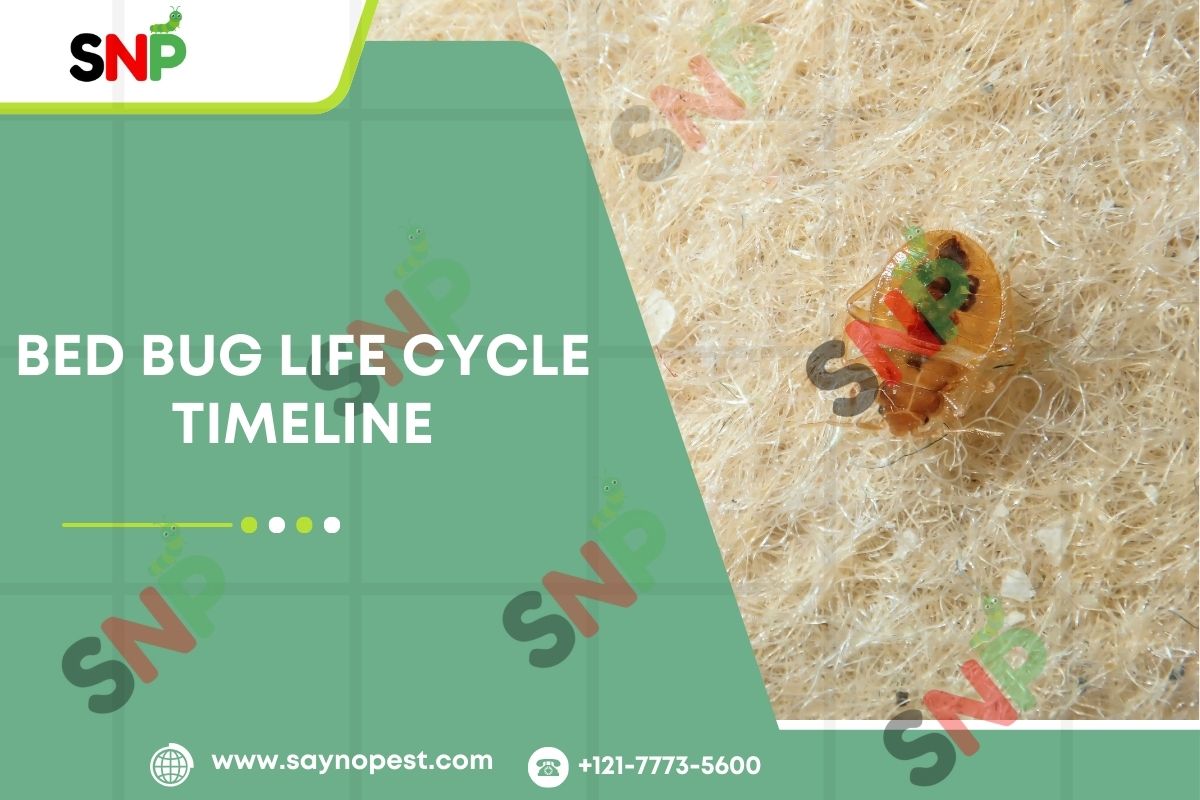
    To put the brakes on this undesirable pest, it is important to understand the bed bug life cycle timeline of the bed bugs. As a homeowner, it is important to know how the bed bugs develop, that is, starting with the eggs to adults, to enable you to take specific action. We will cover every step in the timeline in this blog, discuss the speed at which they multiply, and give some practical tips on how to interrupt the cycle in an effective manner.

    This is not just common knowledge as with learning How to Get Rid of House Flies, how bed bug life cycle timeline works so you can combat the miracle cleverly. You can consider the Sticky Traps and Ribbons or you can seek other options, but having the timeline in mind you will have an advantage.

    Bed-bug-Life-Cycle-Timeline

    Stage 1: Egg Stage

    Bed bugs hatch into small pearl-white eggs that are roughly 1 mm in length- about the size of a grain of salt. 

    They are laid singly or in groups in concealed locations by females such as mattress seams or cracks close to the beds. These eggs take up to two weeks to hatch under cooler conditions, however under the right conditions (warm temperatures and easy access to a host) they hatch in 5 to 10 days. 

    Stages 2 and 3: 5 Nymph Stages

    After an egg has hatched, the nymph that comes out is tiny, light colored, and hungry. Bed bugs undergo five stages of nymph without which they cannot molt to a new stage without a blood meal. 

    • Each of the nymph stages generally take one week at room temperature, assuming that they are able to be fed in a timely manner. 
    • Under good conditions the full nymph stage may be accomplished in a span of 21-37 days but in cold climates or when not fed may take several weeks or much more. 
    • Others report development can take under 4-6 weeks total. 
    • The nymphs increase in size, darkening in colour with each molt, beginning almost transparent, and terminating at about. 

    Stage 3: Adult Stage

    The bed bug is an adult after the final molt: the reddish-brown Planed insect is approximately the size of an apple seed. 

    Adults need to be fed every 7 to 10 days, yet they can go a long time without blood-months or even up to one year without food. 

    Female bed bugs will start to lay eggs soon after maturity and can lay 200-500 eggs in a lifetime. 

    Overview of Bed Bug Life Cycle.

    Combining all of this:

    StageApproximate Time Frame
    Egg to 1st nymph5–10 days
    Instar period of each nymphAbout 1 week (under ideal conditions)
    Complete development4–6 weeks (if warm and well-fed)
    Adult life cycle6–12 months (shorter without food)

    It highlights the speed at which infestations can develop- but also depicts how much you can do when you interrupt.

    • The Importance and how your Home can remain secure.
    • Having the knowledge about the bed bug life cycle schedule will enable you to take action:
    • The process of eggs and early-stage nymphs will be targeted by early detection, which implies faster control.
    • Absence of one immature stage permits the cycle to proceed, and thus a multi-pronged plan is essential.

    Similarly, knowledge of how to dispose of house flies assists you in selecting the appropriate traps or repellents; similarly, the timeline of the bed bug will assist you in selecting the right interventions.

    For instance:

    • Ribbons and Sticky Traps can trap stray nymphs or adults- assisting your larger control strategy.
    • Sticky traps are not as useful with eggs; interceptors and monitoring devices (such as sticky cards) may be used to locate early nymphs. 
    • Intelligent, Informational/Commercial Strategy.

    We are synopest where trusted information is coupled with effective solutions:

    • To detect early, we suggest Sticky Traps and Ribbons that are fitted in hotspots of bed bugs.
    • Combine them with cleaning routines, mattress encasings, and, in the case of necessity, professional treatments.
    • As you know from tackling other pests, like house flies, timing is everything. Similarly, to overcome bed bugs, you need to disrupt every stage, especially the hidden ones.
    Bed-bug-Life-Cycle-Timeline

    Conclusion

    The bed bug life cycle timeline is your secret weapon. From tiny eggs to mature adults, bed bugs progress through stages that we can intercept. if we act fast. Under warm, Supportive conditions, they go from egg to adult in as little as 4 to 6 weeks; adults can live 6 to 12 months or longer, laying hundreds of eggs along the way 

    By combining knowledge with tools like Sticky Traps and Ribbons, saynopest can help you catch them early, shorten infestations, and bring swift relief. Understanding the timeline gives you the upper hand and supports your goal of staying bug-free.

    Trust saynopest to guide you through each stage, helping protect your home with smart, informed pest control.

  • How to Deal with Termites in Florida: Key Things to Know

    How to Deal with Termites in Florida: Key Things to Know

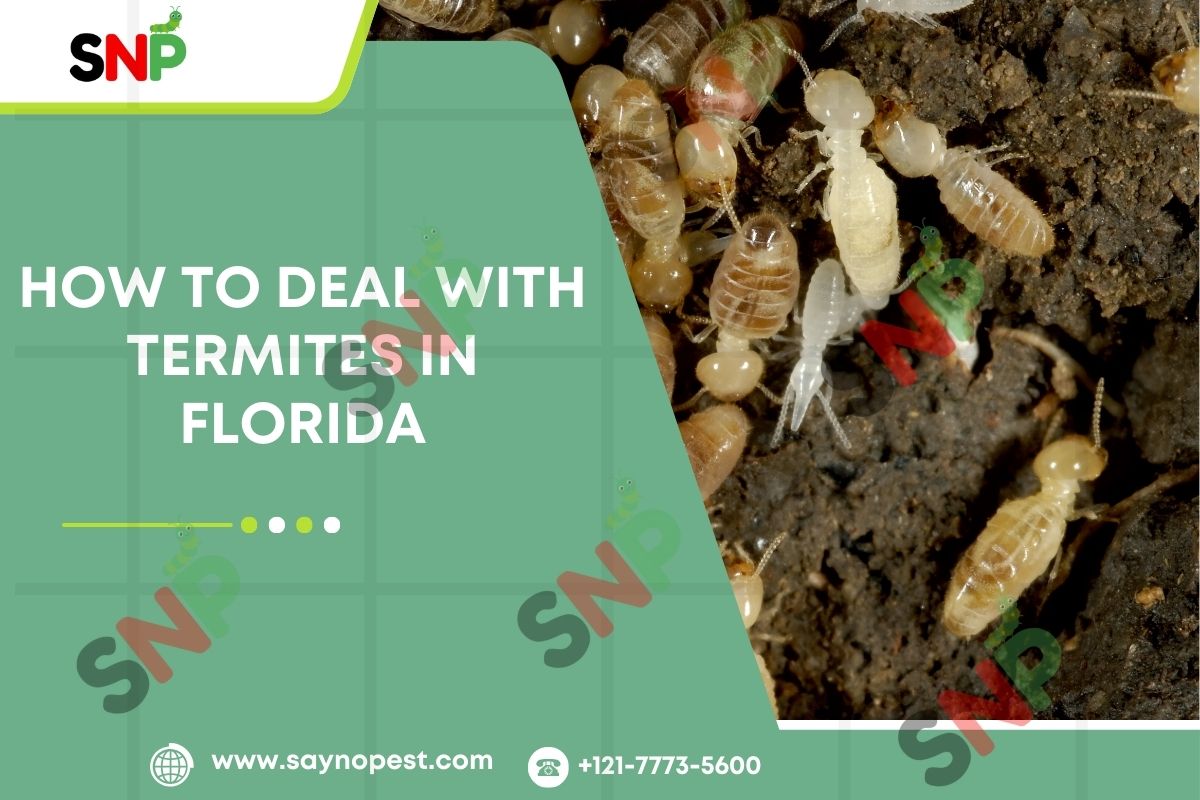
    Here in the Sunshine State, we already understand that with the warm and humid weather, it is the ideal host to unwanted house guests- termite swarmers– that infiltrate, eat away at your home internally, and create expensive repairs. When you are also researching how to trap mice, it may seem unlikely that How to deal with Termites in Florida are included in the list but combating the menace of termites is a matter of supreme importance as well. In this blog in saynopest, we will walk you through the process of identifying terms in Florida, how early signs of termite infestation can be spotted, the advantages and disadvantages of DIY termite control compared with professional termite treatments, the most effective form of termite treatment, and how to keep terms at bay.

    How-to-deal-with-Termites-in-Florida

    Knowing more Common Florida Termites

    The Three largest groups of termites are found in Florida:

    Below ground termites (Eastern subterranean termite and invasive Formosan termite) nest in the ground and construct mud tunnels in order to reach wood. Eastern subterranean termite is the most common and damaging species of Eastern species and may cause massive destruction before inhabitants realize this. 

    Furniture termites inhabit directly in dry wood. They do not require contact with ground In Florida, especially in the central/south regions, Florida West Indian dry wood termites enter our homes through the Aerochloros (swarms). 

    Rottenwood termites live within moist, rotting wood conditions-such as those found in wet wood which was left exposed to rain or roof leaks. They execute more gradually but manage to corrode structures all the same with time 

    A third species of termite, the Florida dark-winged subterranean(Amitermes floridensis) occupies much of West-central Florida, including St. Petersburg and Punta Gorda. This makes short tubes and frequently swarms in summer, after rainfall. 

    The best and safest place to start diagnosing a problem is by researching your local Florida termite identification resources, such as university extension sites.

    Termite Infestation signs in Florida

    One possible clue is to check early infestations by looking at:

    • Mud tubes on the foundations, walls or piers – characteristics of the subterranean termites. 
    • Shed wings or little heaps of wings against the windows or other light-sources–shed by termite swarmers
    • Wood that rings empty when tapped or displaying blistered paint and squishy areas- damage on the inside caused by termites. 

    Droppings (frass) – drywood termites produce finely powdered droppings, which are usually emitted beneath infested lumber. 

    Warping and sagging floors or uneven tiles and doors or windows with jams are signs of structural wood being compromised. 

    When you pool these clues together with powerful, Florida termite recipes, you are surely getting ahead of the game in catching termite infestation as early as possible.

    Professional Termite vs. DIY Control

    In your choice of how to go about DIY vs professional termite control, take note of:

    DIY Pros:

    Better written off cost up front

    Local treatment in a short period with such products as boric acid, orange oil, nematodes, and so on. 

    DIY Cons:

    • Not very effective in large, or in hidden colonies
    • May need to replenishment or other tools
    • Does not promise to control over time 

    Professional Pros:

    • Have available potent and exclusive tools (liquid termiticides, bait systems, fumigation)
    • Identification and focussed intervention by the expert
    • Very often warranties and follow up checks are included 

    Professional Cons:

    • More expensive (usually 1,000-3000+ in Florida) 
    • Scheduling and home access are required

    So when damage is localized and the problem is small, do-it-yourself can be effective – but extensive or structural damage is an area where the benefits and disadvantages of termite control DIY vs professional clearly favor pros.

    Good Methods of Termite Treatment

    These are the most effective termite treatments in Florida homes:

    Professional Methods:

    Liquid termiticides form a chemical barrier around the crevices of your home to repel or kill the subterranean termites. 

    Bait stations are dug underground and are baited with cellulose combined with slow acting toxins to attract the termites. Termites take bait back to the colony in an effort to destroy it. 

    Fumigation or heating methods are good especially when dealing with drywood termites and destroying whole colonies in closed buildings. 

    DIY Options:

    Boric acid is applied to the wood or in bait stations and it paralyzes the termite digestion- but works best with drywood termites. 

    Hoffer Pest Solutions

    Orange oil, in a hole drilled into infested wood will kill the termites when they come in contact with it; effective against small localized areas of infestation. 

    Diatomaceous earth sprinkled around termite trails dehydrates them, but only as it comes in direct contact. 

    Vinegar / lemon juice solutions: frugal, non-chemical, instantaneous-kills at point of contact only-limited range of effect. 

    Useful nematodes: Microscopic parasites that are inoculated into the soil and kill subterranean termite populations -not as effective against dry wood. 

    Professional and DIY techniques may be used together to cover these gaps, however, the best termite treatment techniques are crucial especially depending on the termite involved.

    Prevention of future termite infestation

    Prevention ensures safety of a house in the long run. Important measures include

    • Repair leaks immediately and clear proper drainage to prevent the accumulation of water which is an attraction to the termites. 
    • Make sure wood, mulch, and firewood are not next to a foundational wall of your house (especially when talking about subterranean species). 
    • Repair faulty seal foundations and boost crawlspace ventilation. 
    • Professionally Inspect annually, maintain bait systems to have early detection. 
    • Just One of entrepreneur Florida Pest Control
    • Maintain clear and dry gutters and dryer vents to check moisture build up. 
    • Persistent knowledge of Florida termite identification and initiative will protect your house 

    Conclusion

    Termites are quiet but stern menaces in the hot and humid climate in Florida. Understanding how to catch mice could address one kind of pest problem-but when it comes to learning how to deal with termites in Florida, good observation, proper identification, and action make a huge difference towards appropriate control.

    Learn the advantages and disadvantages between doing it yourself and professional termite control services- DIY termite control only carries limited guarantees and benefits where professionals have stronger ones.

    Apply the most efficient termite control strategies, which strike the right balance between consumer based choices and effective professional options.

    Remain on the offensive when it comes to prevention: fix leaks, control moisture and wood trash, block entry way openings, and have annual inspections.

    A judicious use of prevention and treatment smart tactics will help you keep your home termite-free. We strive to ensure that you find the best ways to secure your property with direct, non-fluff advice so you trust the information you read.